

Consumer Insights
Uncover trends and behaviors shaping consumer choices today
Procurement Insights
Optimize your sourcing strategy with key market data
Industry Stats
Stay ahead with the latest trends and market analysis.
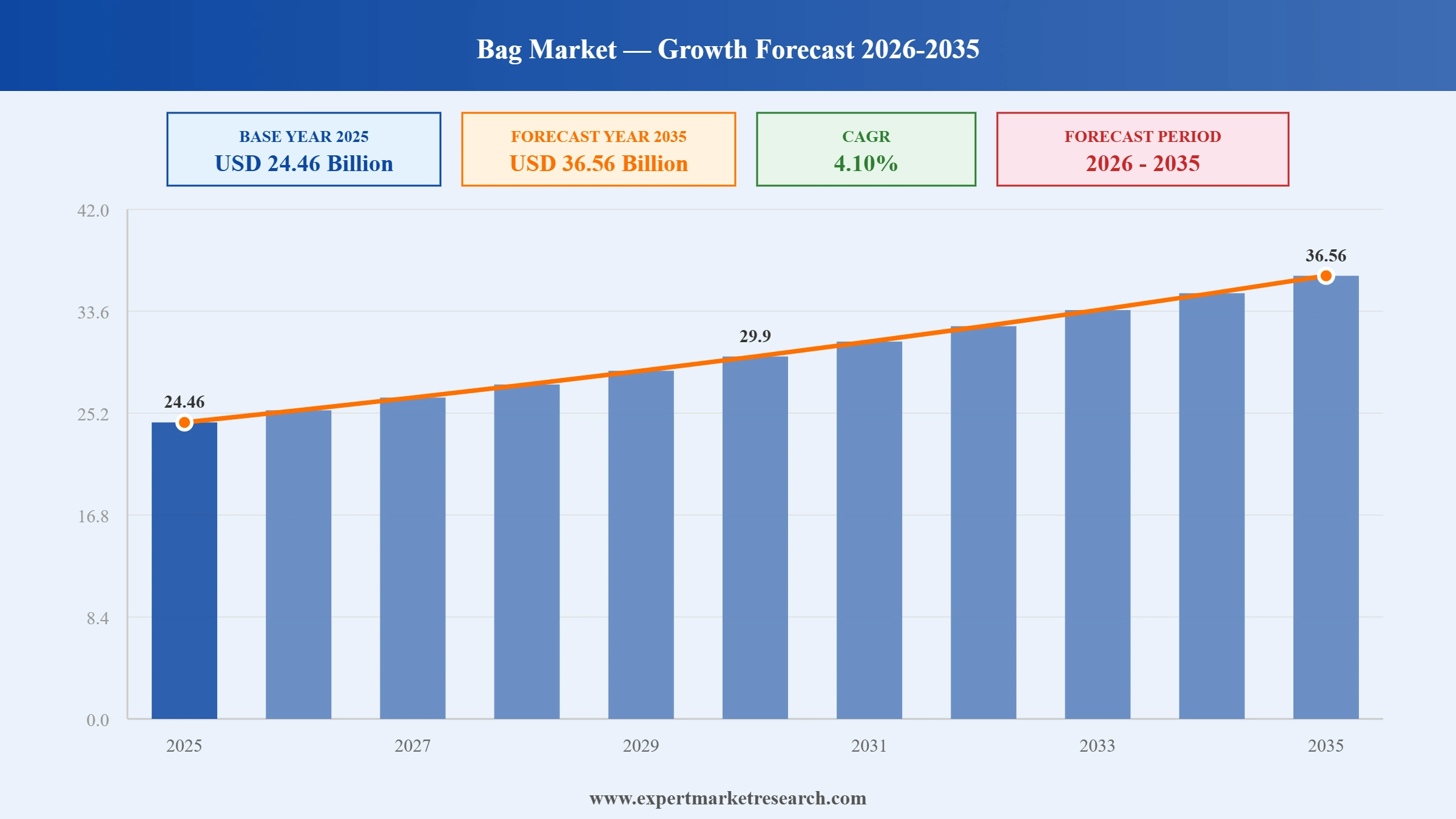
The bag market attained a value of USD 24.46 Billion in 2025 and is projected to expand at a CAGR of 4.10% through 2035. The market is further expected to achieve USD 36.56 Billion by 2035. The trend toward multifunctional bags is creating an impetus for companies to include the features of laptop protection, modularity of compartments, anti-theft devices, and flexibility of design, thus allowing them to be positioned as premium in both professional and travel segments.
Recovery of corporate travel segment is prompting players in the bag market to create professional business bags incorporating features of laptop protection, cable management systems, and modularity of compartments, while the premium retail players prefer versatile products suitable for office and airport use. Expansion of e-commerce is also leading to the need for the companies to create bags which are durable, lightweight, and can handle multiple shipments.
Companies in the bag market are moving towards engineered bags that have extended life spans, as competition between the brands grows not only on aesthetics but also on durability, modularity, and repairability. For example, in November 2025, British-Nigerian inventor launched patented modular handbags on Kickstarter, offering customizable designs that adapt to changing consumer preferences. These trends not only enhance the effectiveness of products but also help in positioning them at a higher level and ensure that customers give preference to the long-term benefits of a product over the tendency to replace it frequently.
Premium bag companies are attempting to create functionality that would provide justification for more expensive price points in terms of business, travel, and lifestyle categories. For example, in July 2026, SNITCH entered the travel category by launching a premium luggage collection, expanding its portfolio into travel-focused bags and luggage. Such developments in the bag market give opportunities for building ecosystems around bags that include accessories, durable design, and sustainable materials.
Read more about this report - REQUEST FREE SAMPLE COPY IN PDF
| Global Bag Market Report Summary | Description | Value |
| Base Year | USD Billion | 2025 |
| Historical Period | USD Billion | 2019-2025 |
| Forecast Period | USD Billion | 2026-2035 |
| Market Size 2025 | USD Billion | 24.46 |
| Market Size 2035 | USD Billion | 36.56 |
| CAGR 2019-2025 | Percentage | XX% |
| CAGR 2026-2035 | Percentage | 4.10% |
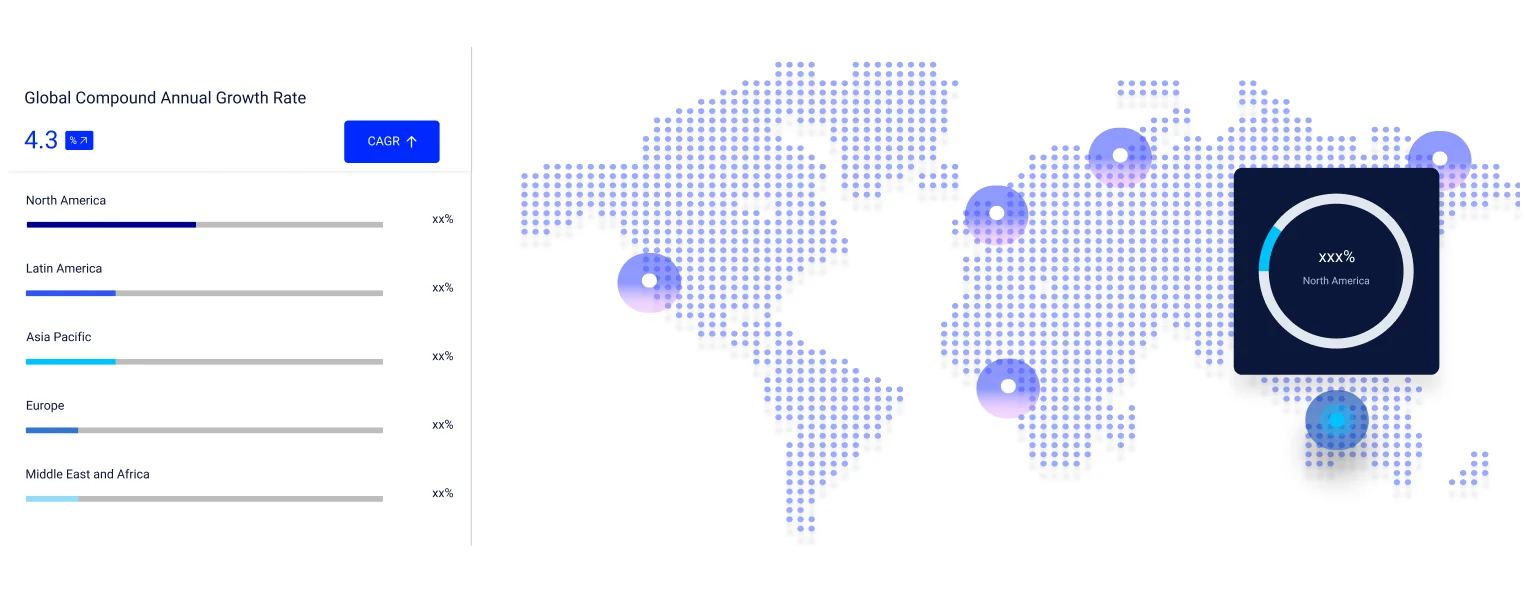
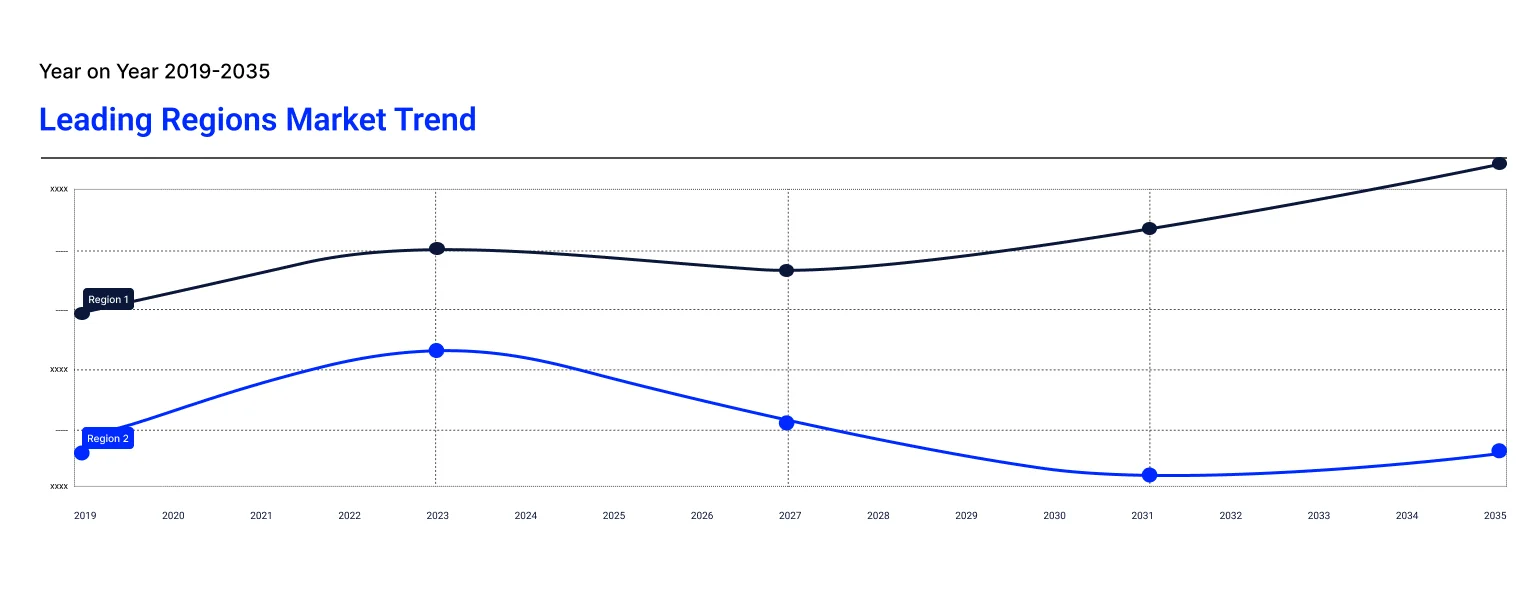
| CAGR 2026-2035 - Market by Region | Asia Pacific | 4.7% |
| CAGR 2026-2035 - Market by Country | India | 5.4% |
| CAGR 2026-2035 - Market by Country | China | 4.5% |
| CAGR 2026-2035 - Market by Product Type | Tote Bag | 4.6% |
| CAGR 2026-2035 - Market by Distribution Channel | Online | 7.3% |
| Market Share by Country 2025 | India | 4.2% |
The Telfar brand launched its Utility Bag with adjustable straps, deep pocket structure, zipper closure, and washed canvas for everyday purposes. Manufacturers can concentrate more on functional designs with adjustable elements to meet the demands of offices and travel along with customers’ requirements.
Koosia was launched in India with vegan leather handbags that were designed keeping in mind the durability, practicality, flexibility, and luxuriousness of their design. Companies can therefore distinguish themselves in terms of functionality, durable materials, practicality, and design of customer’s requirements, boosting the bag market growth.
Fantasy Enterprises introduced Meyvin which provides high-quality backpacks, laptop bags, sling bags, and carry-around bags to professional, corporates, and high-end consumers. Companies may target the professional consumer segment with high-quality work-related bags that provide functionality, durability, good design, and customization according to their corporate requirements.
Mondi introduced PaperPlus Bag Advanced which is a recyclable high barrier paper bag providing moisture resistance while minimizing plastic usage in humidity sensitive products. Companies can develop a recyclable, high-performing packaging material with reduced plastic usage, leveraging such developments in the bag market.
Bag market players are speeding up the use of recycled nylon, polyester, polypropylene, and bio-materials to lessen dependence on virgin feedstock. For example, in August 2026, Mondi and FIXIT GRUPPE streamlined European packaging, reducing material use and greenhouse gas emissions through optimized solutions. Similarly, TUMI is increasing the number of its products with recycled material usage, owing to the company's enhanced sustainability objectives. Government policies are adding to this trend. For instance, the Ecodesign for Sustainable Products Regulation from the European Union requires durability, repairability, recycled content, and digital product passport throughout all the product categories, thereby promoting better material traceability and circular capability of bag suppliers.
The integration of technology offers a new way for manufacturers to position bags as connected travel and mobility products. Manufacturers are designing solutions with USB charging, tracking capabilities, smart compartments, and digital identification, accelerating growth in the bag market. An example is Samsonite Digital Product Passport program that illustrates how digital information about the product can reveal material origin, repair instructions, and even end-of-life management. On the other hand, in May 2026, Coach adopted Adobe Firefly Custom Models to generate digital handbag twins, accelerating concept development and design experimentation.
Manufacturers are now focusing more on lightweight designs for improving comfort, while also ensuring durability through their designs, especially luggage, business backpacks, outdoor bags, and luxury travel products. Samsonite’s Curv technology stands out as one of the key examples in this regard with a high strength yet lightweight material comprising a proprietary woven polypropylene composite. In June 2026, SEAL launched a bag collection using upcycled Fujikura parachute fabric, combining lightweight durability with sustainable design. Material innovations in the bag market are now being extended to new product lines to compete based on maneuverability and durability.
Leading brands in the bag market are moving away from single-use products to modular bag systems where customers can customize storage solutions based on their professional, travel, and lifestyle needs. For instance, TUMI offers its TUMI+ range with accessories that can be interchanged among compatible bags, which demonstrates the approach that allows manufacturers to create additional revenues through accessories that can be used with core bags. Modular design also helps brands in reinvigorating existing product lines rather than redesigning core bags, while also supporting government sustainability efforts towards durability. In July 2026, WaterField Designs launched a modular 48-hour travel system combining luggage, work, and packing solutions for short business trips.
Ther bag market observes increased investment by producers in repair services, traceability of materials, and extending product life considering the growing influence of sustainability obligations on commercial buying decisions. For example, in March 2026, Boxon launched food-contact industrial big bags made from recycled PET bottles, combining circular materials with packaging functionality and safety. The EU regulations are reinforcing this trend through Ecodesign for Sustainable Products Regulation which favors durability, repairability, recyclability, and digital information about products.
The Expert Market Research's Report titled “Bag Market Report and Forecast 2026-2035” offers a detailed analysis of the market based on the following segments:
Market Breakup by Product Type
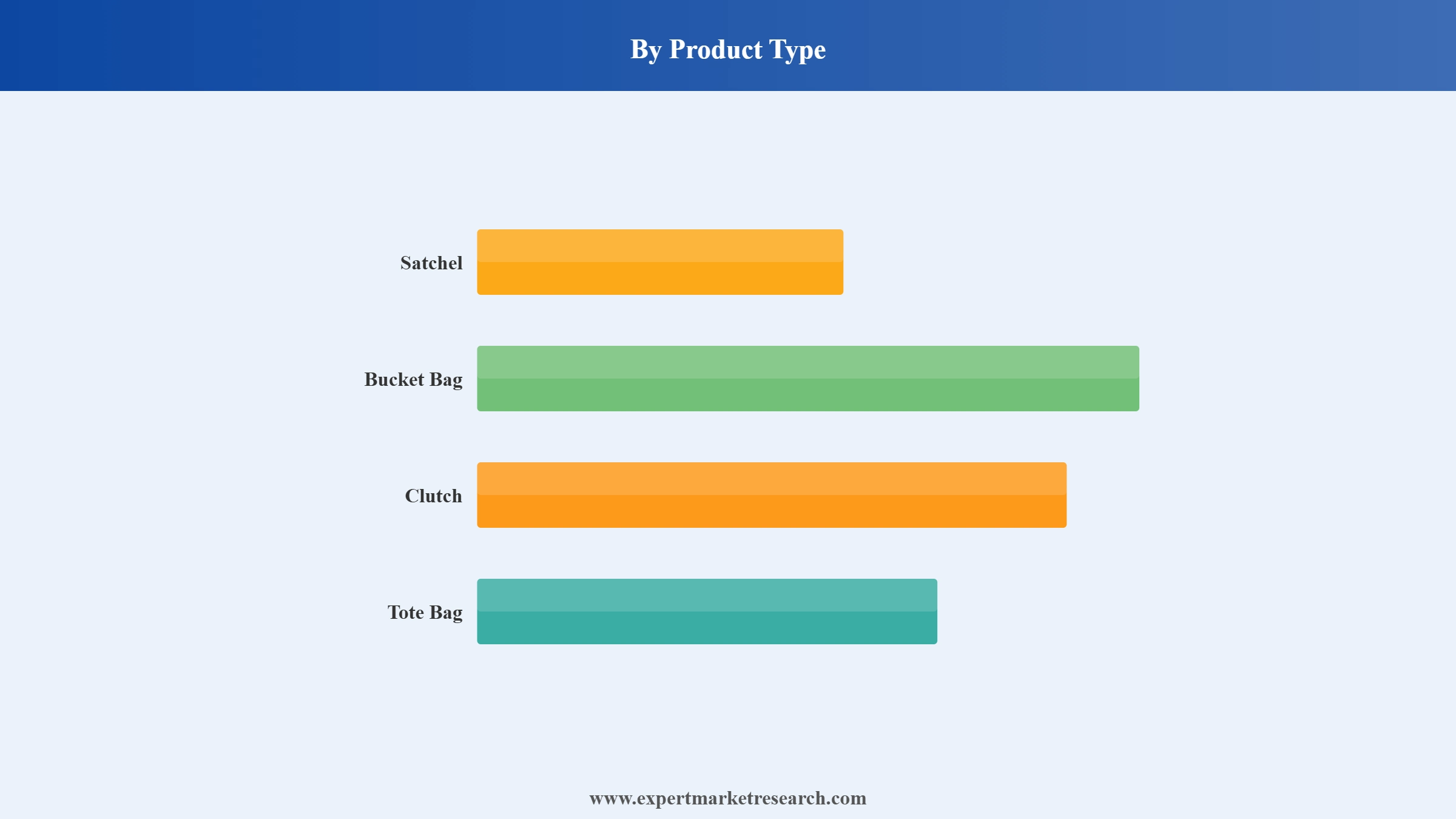
Key Insight: Satchel bags continue to be relevant in situations where there is a need for structure, elegance, and reliability, especially in office and business environments. Bucket bags are becoming popular due to the fact that there is versatility in terms of capacity, wearing style, and fashion-forward silhouettes, boosting growth in the bag market. For example, in February 2026, Versace launched the Pivot bag, reimagining the classic bucket silhouette with distinctive hardware and signature Medusa detailing. Clutch bags continue to be popular in situations where there is the need to make occasion-specific purchases, with its small size and ornamental elements, which make them desirable in higher-end price segments. The popularity of tote bags comes down to the fact that their capacity meets commuter, shopping, office, and everyday needs, allowing for different materials and brands.
Market Breakup by Distribution Channel
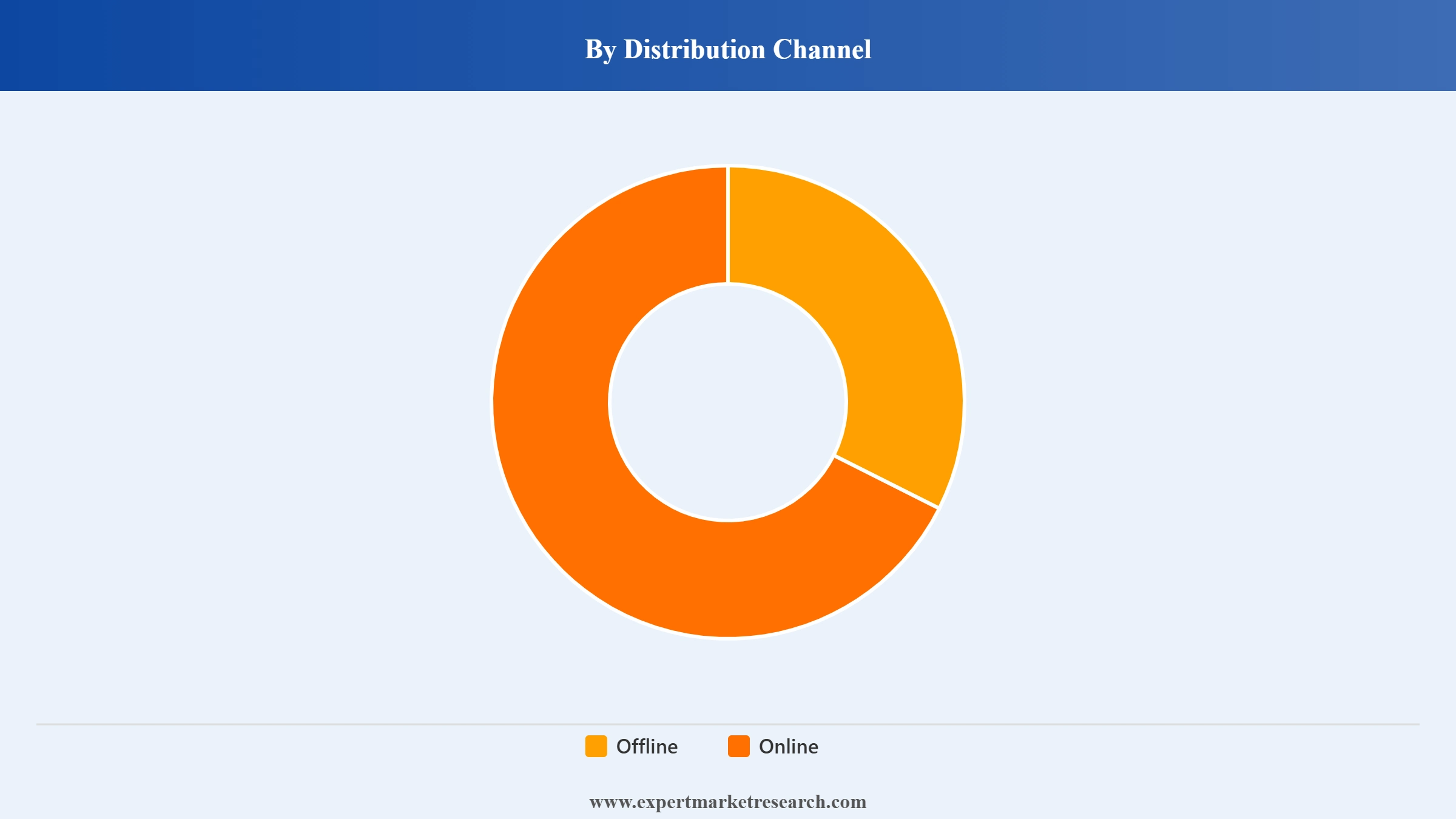
Key Insight: The offline mode of distribution remains relevant in the bag market due to the fact that customers can feel the quality of texture, build, size, and portability, while receiving help from the staff at retail stores. Online mode of distribution is closely following the offline mode through a larger range of products, ease of shopping, complete product details, customized product recommendations, and geographic expansion. Department stores help in achieving great presentations and discoveries, whereas specialty retailers can be helpful in terms of providing knowledge about different categories of products along with their local assortments.
Market Breakup by Region
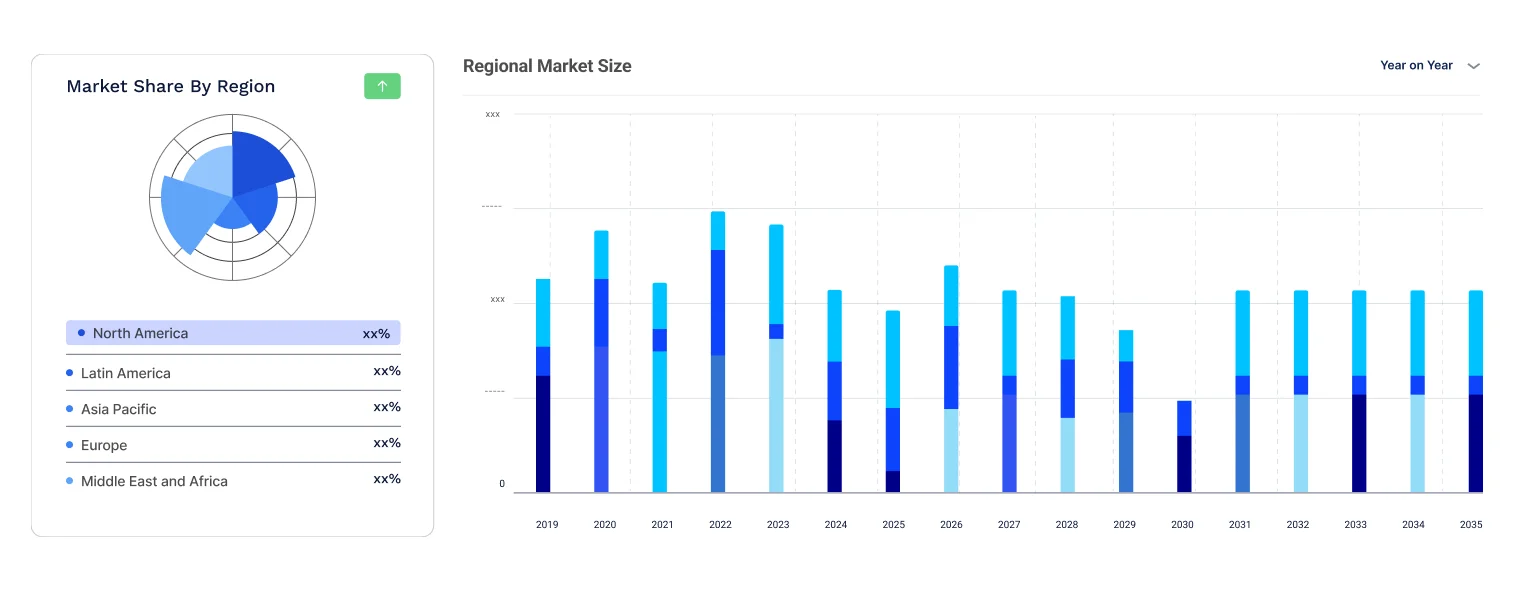
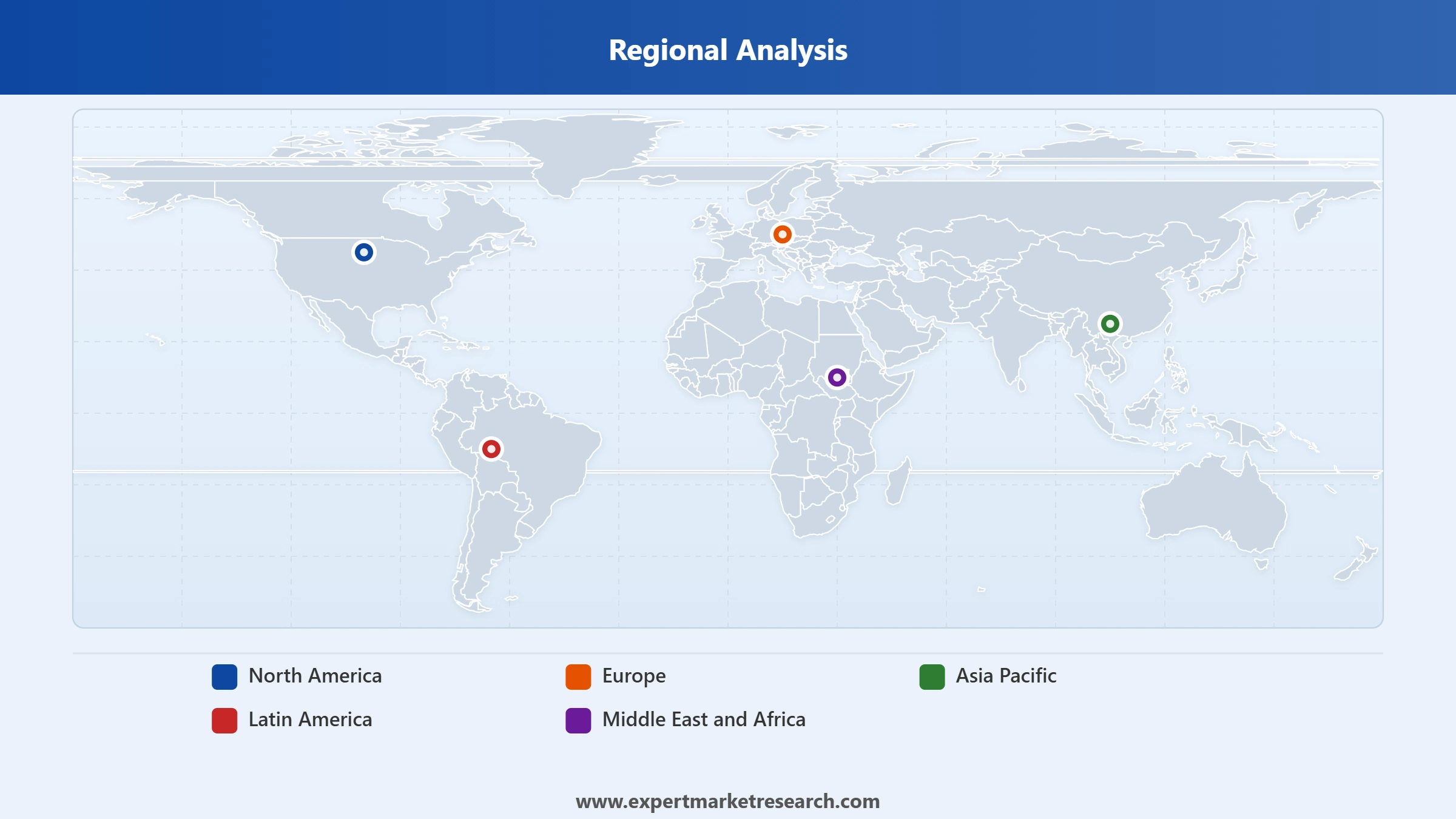
Key Insight: The North America bag market boasts a legacy of premium brands, corporate travel, outdoor culture, and high demand for practical luggage and travel bags. In Europe, fashion tradition, craftsmanship of high quality, sustainability, and sophisticated specialty retailing play an important role. Asia Pacific is successful due to its massive consumer market, manufacturing capacity, urbanization, and rapid growth of online retailing. Latin America is boosted by rising urban consumption, fashion shopping, and better access to modern retailing, despite the price sensitivity that makes versatile products popular here. In the Middle East and Africa, the main driving factors are tourism, luxury retailing, urbanization, and growth of online retailing infrastructure.
Read more about this report - REQUEST FREE SAMPLE COPY IN PDF
By product type, tote bags register the largest share of the market due to versatility, capacity, and broad usage
Tote bags largely contribute to the bag market value due to its spacious nature, versatility, and adoption across work, shopping, commuting, and personal use. Its wide applicability gives brands the opportunity to cater to various uses through different sizing, material types, and handle designs. Totes are built using recycled textiles, coatings, lightweight design, and laptop pockets to improve the premium brand positioning. Business clients prefer totes because they provide space for branding, customization, seasonality, and merchandising while maintaining their usefulness. For example, in July 2026, Trader Joe’s launched pastel micro totes, expanding its viral mini-bag line with colorful, collectible designs for summer shoppers.
Read more about this report - REQUEST FREE SAMPLE COPY IN PDF
Bucket bags exhibit significant growth potential in the bag market as the fastest-growing type of bag since there is an increasing demand for stylish yet functional compact design. It has a drawstring or structured opening that allows for flexible capacity and adjustable straps for crossbody and shoulder use. Designers are trying to make their bucket bags unique by adding textures, recycled materials, convertible handles, and modular interiors. The growing popularity of bucket bags is driven by consumers’ desire for a stylish accessory that is still functional for their needs.
Offline distribution leads the overall market growth due to tactile evaluation and personalized assistance
Offline channels continue to be prevalent in the bag market since in physical stores customers can examine their quality of construction, texture of materials used, dimensions, hardware, and comfort of wearing. Department stores, specialty stores, outlets, and multi-brand shops offer easy accessibility and personal consultation. Luxury brands gain additional benefits from visual merchandising and controlled presentation of their products. Offline distribution enables impulse purchases and experiential discovery, and retailers can adapt assortment according to local demand. In May 2026, Miraggio expanded its offline retail strategy, targeting new stores and wider distribution to accelerate growth across the Indian market.
Read more about this report - REQUEST FREE SAMPLE COPY IN PDF
Online distribution is becoming the most rapidly growing distribution channel that is contributing to the bag market revenue since online platforms enable expansion of discovery opportunities, assortment and geographically broad coverage without huge costs on physical infrastructure of retailing. Brands can demonstrate their products' dimensions, details of material used, combinations of styles, reviews, and variations through virtual stores. Social commerce and marketplaces can be used by small-scale manufacturers to target certain audiences through merchandising activities of creators and individual recommendations. Established brands can use online channels to experiment with color palette and silhouettes of their collections and collect behavioral data.
Read more about this report - REQUEST FREE SAMPLE COPY IN PDF
Asia Pacific secures the leading position of the market due to scale, manufacturing, and urban demand
Asia Pacific emerges to be the key regional bag market owing to its high population base, increasing urban population, existing manufacturing ecosystem, and high demand for bags for use in fashion, travel, office, and daily purposes. Brands find growth in value as well as premium accessories among China, India, Japan, South Korea, and Southeast Asia. The advantage of local manufacturing allows brands to benefit from faster development, greater flexibility in material choices, and competitive prices. Design adaptations include regional preferences, materials, and functional features while organized retailing and e-commerce enhance availability of the brands' products. In August 2026, TUMI unveiled its Axis bag collection, targeting younger consumers with contemporary designs and versatile functionality for modern lifestyles.
The Middle East and Africa region represents the fastest-growing bag market as factors like urbanization, tourism, development of premium retailing, and growing disposable incomes create an opportunity for differentiating products. The Gulf markets are promising regions for luxury brands due to their retailing ecosystems, international tourism, and demand for fashion accessories. In Africa, urban centers and e-commerce are increasing access to branded and functional bags. Regional needs can be addressed by manufacturers using regional climate-suited materials, lighter construction, tougher finishes, and regional designs. In July 2025, Emirates launched a second limited edition collection of bags and accessories made from upcycled aircraft interiors.
The market continues to be competitive with the top bag companies concentrating on the innovation of the material used, durability, design and functionality, branding, and sustainability in order to establish their premium status. Firms are also turning towards circular material usage, repairs, use of recycled plastics and metals, and digital tracking of products for better sustainability and increased product life cycle. Brands are also working on lightweight designing, modularity, portability, and versatility to meet the requirements of various use cases such as workplace commuting, style, and travel.
In addition, there is also a growing competition based on durability, functional efficiency, convenience, repairability, and increased product life cycles. Leading bag market players are also utilizing direct-to-consumer sales, online sales, high-end retail and regional collections while utilizing multiple brands in order to reach different consumer segments. The diverse product line of Samsonite across categories like travel, business, outdoor, casual bags, and accessories is proof of the need to serve multiple categories and sales channels.
Founded in 1856 and based in London, United Kingdom, Burberry is a luxury brand of Britain that provides handbags along with apparels and accessories. Burberry is concentrating on design, functional luxury, and codes of heritage which are distinctive of Britain.
Founded in 1987 and based in Paris, France, LVMH includes a large number of luxury fashion and leather-goods brands such as Louis Vuitton, Fendi, Celine, and Givenchy. Their strategy involves craft, creativity, retail network, and unique identity of each brand which enables them to provide distinctive handbags for luxury consumers.
Found in 1913 and based in Milan, Italy, Prada manufactures luxury handbags under Prada and Miu Miu brands, incorporating Italian craftsmanship with innovative materials and modern design concepts. The company continues to focus on quality functional products and unique shapes. Recent collections indicate an increased inclination towards practical leather pouches and simple designs with a long-lasting appeal.
Found in 1963 and based in Paris, France, Kering operates luxury brands such as Gucci, Saint Laurent, Bottega Veneta, and Balenciaga, each providing unique handbag designs and craftsmanship. The conglomerate concentrates on creative freedom, sustainability of materials, product longevity, and high-end customer experience.
Other key players in the market include Hermes International S.A., Chanel S.A., Tapestry Inc. (Kate Spade & Company), Capri Holdings Limited, Cambridge Satchel Company Limited, and Sandqvist Bags and Items AB, among others.
*Please note that this is only a partial list; the complete list of key players is available in the full report. Additionally, the list of key players can be customized to better suit your needs.*
Unlock the latest insights with our bag market trends 2026 report. Discover regional growth patterns, consumer preferences, and key industry players. Stay ahead of competition with trusted data and expert analysis. Download your free sample report today and drive informed decisions in the market.


Upto 15% Off
USD
$2499 $2249
$3999 $3599
$4999 $4249
$5999 $5099


*While we strive to always give you current and accurate information, the numbers depicted on the website are indicative and may differ from the actual numbers in the main report. At Expert Market Research, we aim to bring you the latest insights and trends in the market. Using our analyses and forecasts, stakeholders can understand the market dynamics, navigate challenges, and capitalize on opportunities to make data-driven strategic decisions.*
The market is projected to grow at a CAGR of 4.10% between 2026 and 2035.
The different types of products in the market include satchel, bucket bag, clutch, and tote bag, among others.
The different distribution channels in the market are offline and online.
The different regions covered in the market report are North America, Europe, the Asia Pacific, Latin America, and the Middle East and Africa.
The key market players are Burberry Group Plc, LVMH Moet Hennessy Louis Vuitton SE, Prada Holding S.p.A., Kering S.A., Hermes International S.A., Chanel S.A., Tapestry Inc. (Kate Spade & Company), Capri Holdings Limited, Cambridge Satchel Company Limited, and Sandqvist Bags and Items AB, among others.
In 2025, the market attained a value of nearly USD 24.46 Billion.
The market is estimated to witness a healthy growth in the forecast period of 2026-2035 to reach about USD 36.56 Billion by 2035.
Companies are facing volatile luxury demand, changing consumer preferences, counterfeit products, high material costs, supply-chain complexity, sustainability requirements, inventory risks, and pressure to balance innovation with heritage.
Stakeholders are developing circular materials, expanding modular portfolios, strengthening digital channels, improving traceability, personalizing products, establishing repair programs, and targeting region-specific demand through flexible manufacturing.
Explore our key highlights of the report and gain a concise overview of key findings, trends, and actionable insights that will empower your strategic decisions.
| REPORT FEATURES | DETAILS |
| Base Year | 2025 |
| Historical Period | 2019-2025 |
| Forecast Period | 2026-2035 |
| Scope of the Report |
Historical and Forecast Trends, Industry Drivers and Constraints, Historical and Forecast Market Analysis by Segment:
|
| Breakup by Product Type |
|
| Breakup by Distribution Channel |
|
| Breakup by Region |
|
| Market Dynamics |
|
| Competitive Landscape |
|
| Companies Covered |
|
Datasheet
One User
USD 2,499
USD 2,249
tax inclusive*
Single User License
One User
USD 3,999
USD 3,599
tax inclusive*
Five User License
Five User
USD 4,999
USD 4,249
tax inclusive*
Corporate License
Unlimited Users
USD 5,999
USD 5,099
tax inclusive*
*Please note that the prices mentioned below are starting prices for each bundle type. Kindly contact our team for further details.*
Flash Bundle
Small Business Bundle
Growth Bundle
Enterprise Bundle
*Please note that the prices mentioned below are starting prices for each bundle type. Kindly contact our team for further details.*
Flash Bundle
Number of Reports: 3
20%
tax inclusive*
Small Business Bundle
Number of Reports: 5
25%
tax inclusive*
Growth Bundle
Number of Reports: 8
30%
tax inclusive*
Enterprise Bundle
Number of Reports: 10
35%
tax inclusive*
How To Order

Select License Type
Choose the right license for your needs and access rights.

Click on ‘Buy Now’
Add the report to your cart with one click and proceed to register.

Select Mode of Payment
Choose a payment option for a secure checkout. You will be redirected accordingly.
Strategic Solutions for Informed Decision-Making
Gain insights to stay ahead and seize opportunities.

Get insights & trends for a competitive edge.

Track prices with detailed trend reports.

Analyse trade data for supply chain insights.

Leverage cost reports for smart savings

Enhance supply chain with partnerships.

Connect For More Information
Our expert team of analysts will offer full support and resolve any queries regarding the report, before and after the purchase.
Our expert team of analysts will offer full support and resolve any queries regarding the report, before and after the purchase.
We employ meticulous research methods, blending advanced analytics and expert insights to deliver accurate, actionable industry intelligence, staying ahead of competitors.
Our skilled analysts offer unparalleled competitive advantage with detailed insights on current and emerging markets, ensuring your strategic edge.
We offer an in-depth yet simplified presentation of industry insights and analysis to meet your specific requirements effectively.




