

Consumer Insights
Uncover trends and behaviors shaping consumer choices today
Procurement Insights
Optimize your sourcing strategy with key market data
Industry Stats
Stay ahead with the latest trends and market analysis.
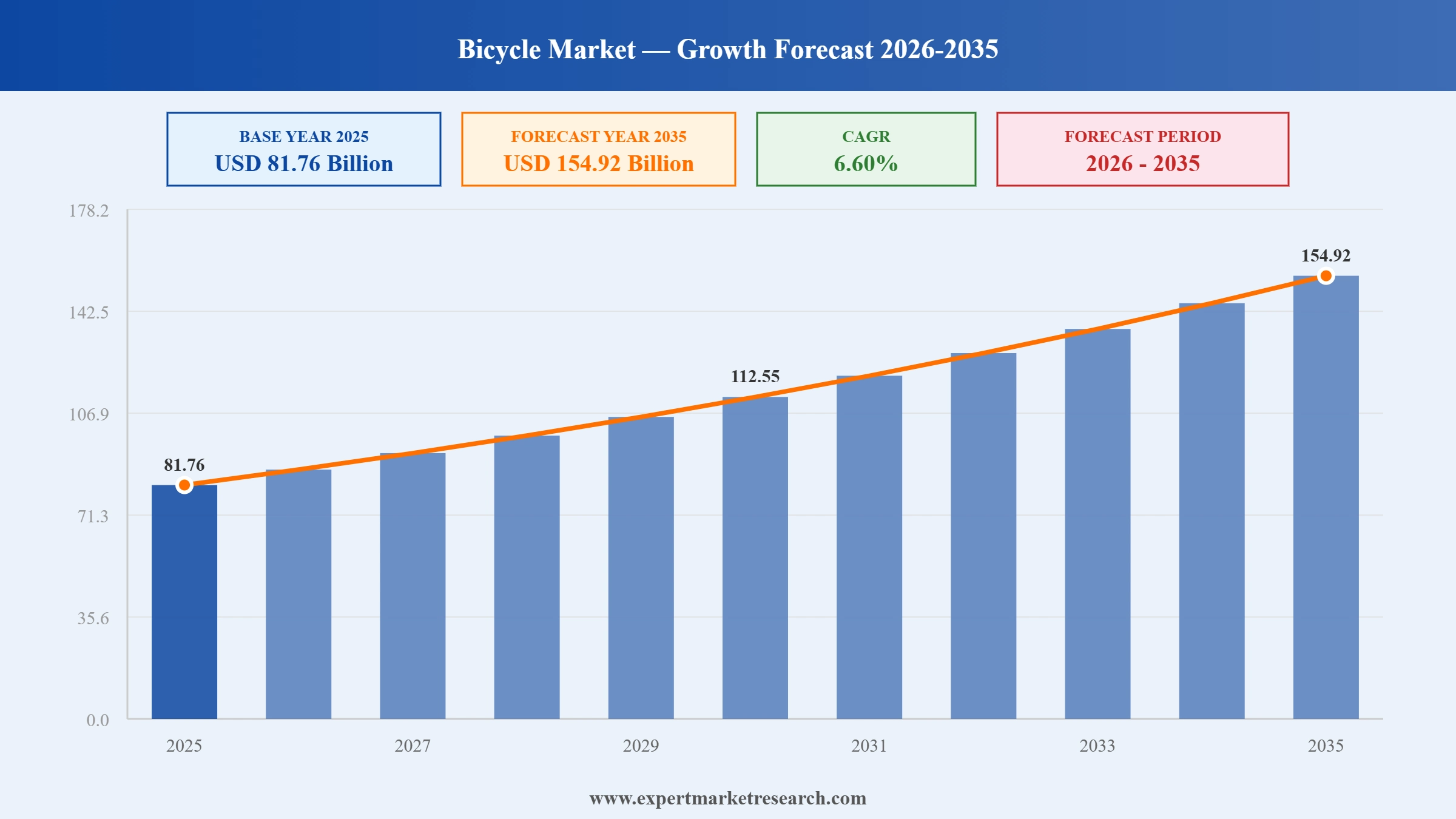
The global bicycle market attained a value of USD 81.76 Billion in 2025 and is projected to expand at a CAGR of 6.60% through 2035. The market is further expected to achieve USD 154.92 Billion by 2035. Increasing capital investment in cycling infrastructure, corporate mobility plans, and innovative lightweight materials is contributing to the growth of the market while offering prospects for premium product differentiation and value chain growth.
The global bicycle market is experiencing the next stage of innovative product development, as companies are concentrating on electrification, connected mobility, and premium performance segments. For example, in June 2025, Shimano introduced its latest range of urban mobility products including highly advanced e-bike drivetrain technologies intended to increase energy efficiency and enhance the overall experience of riders while commuting across cities. The initiative is associated with the growing popularity of electric bikes around the world. For instance, according to the report of the International Energy Agency, sales of electric bicycles have been outperforming a few conventional mobility segments due to the presence of urban decarbonization goals and cycling infrastructure development.
In addition to the trend of electrification, the bicycle market is witnessing the growth of higher-value segments due to such innovations as the usage of lightweight materials, digital technologies, and unique design. Therefore, carbon fiber frames, navigation systems, theft tracking, and performance monitoring via mobile apps are among the key elements of new product development programs implemented by the major market participants. For example, in June 2026, Ritchey unified its premium carbon fiber components under the SuperLogic brand, simplifying product positioning. Companies are also launching direct-to-consumer sales channels and subscription models to increase their customer retention rate and generate additional income.
There are also two additional driving factors that contribute to the bicycle market development. The first one is the rising interest in electric bicycles on the part of urban residents, which stimulates significant investments by the producers in batteries, motors, and smart technologies. The second driving factor includes the rising popularity of cycling tourism and endurance sports that generates the need for premium road, gravel, and mountain bicycles with advanced technologies.
Read more about this report - REQUEST FREE SAMPLE COPY IN PDF
| Global Bicycle Market Report Summary | Description | Value |
| Base Year | USD Billion | 2025 |
| Historical Period | USD Billion | 2019-2025 |
| Forecast Period | USD Billion | 2026-2035 |
| Market Size 2025 | USD Billion | 81.76 |
| Market Size 2035 | USD Billion | 154.92 |
| CAGR 2019-2025 | Percentage | XX% |
| CAGR 2026-2035 | Percentage | 6.60% |
| CAGR 2026-2035 - Market by Region | Asia Pacific | 8.5% |
| CAGR 2026-2035 - Market by Country | India | 9.8% |
| CAGR 2026-2035 - Market by Country | Brazil | 8.2% |
| CAGR 2026-2035 - Market by Technology | Electric | 7.4% |
| CAGR 2026-2035 - Market by End User | Men | 7.5% |
| Market Share by Country 2025 | India | 3.4% |
Amflow unveiled the TL Carbon SUV e-bike which combines the benefits of carbon materials, electric power, and versatility of an all-terrain bike. This is an example of product introduction due to rising demand for premium performance e-bikes that will assist with leisure, commuting, and adventure riding in different environments. Other firms could introduce lightweight premium e-bikes aimed at adventure, urban, and performance-minded customers.
Fiido introduced a new series of mid-drive e-bikes with increased range, load capability, and ride efficiency. It is an example of product innovation in response to growing customer demand for practical electric bikes that will assist with commuting, transporting cargo, and traveling. Other firms in the bicycle market can also concentrate on utility e-bikes with increased battery life and cargo capacity.
Bosch eBike Systems came up with its first ever hub motor. This innovation shows how the sector is dedicated to enhancing the performance and efficiency of the drive train designs for e-bicycles. Other companies can invest in more efficient propulsion technologies and components in their products to set themselves apart from competitors.
Bicycle Transit Systems and BCycle changed their names to Revolution BTS and came out with a new range of products. This example shows the increasing possibilities for bike-sharing infrastructure and urban mobility solutions, accelerating the bicycle market value. Companies can therefore venture into this ecosystem of shared mobility that includes connected bicycles, fleet software, and urban transportation solutions.
Electric bicycles play an important role in driving growth in the global market due to their range enhancement, reduced charging times, and enhanced rider connectivity. Manufacturers are now incorporating innovative technologies like intelligent battery management systems and light-weight engines to promote mobility solutions in the city environments. For instance, Bosch eBike Systems introduced smart system platforms with improved navigation, security, and performance monitoring features, thus enhancing connectivity for users In March 2023. Further, government support is also adding fuel to the rising demand in the bicycle market. For example, European Union is financing sustainable transport projects under its climate goals, while some member countries provide incentives for buying e-bikes.
The bicycle market observes tremendous development in the field of cycling infrastructure which is helping to boost demand around the world. The government authorities are building separate lanes, cycling highways, and integrated urban mobility solutions to alleviate traffic and emissions. United States Department of Transportation is financing many infrastructure development projects through active transportation programs which help in building cycling friendly infrastructure in cities. At the same time, the Netherlands and Denmark are building cycling infrastructure to boost cycling among commuters. Aligning with this trend, in June 2026, Raymon and OLI introduced a new Pico-powered e-bike lineup, combining compact motors, efficiency, and versatile urban mobility solutions.
Bicycle makers are now adding connectivity features to their products for differentiation purposes and to earn more profit. Advanced bikes come equipped with GPS, anti-theft systems, ride analytics, maintenance alerts, and smartphone connectivity. To illustrate, Trek Bicycle Company is adding connected cycling products in its digital portfolio that enables performance analysis and routing. This technology is appealing to tech-savvy buyers and cyclists who require improved biking experience. Such developments in the bicycle market are also facilitating collaborations among bicycle producers, software providers, and sensors makers. For example, in September 2025, Panasonic launched its GXM smart e-bike system in Europe, featuring connected controls and smartphone integration.
Various corporate sustainability programs and urban mobility projects are increasing the adoption of bicycles both in companies and the public sector. Firms are now launching their bike commuting programs and fleets to cut down their carbon emissions and increase the well-being of their employees. For instance, a number of cities in Europe keep adding public bike-sharing services connected to public transportation and hence, creating more demand for robust bicycles. Such bicycle market developments are being facilitated by government-supported mobility projects, thus encouraging the adoption of bicycles. In January 2026, Bolt launched a new shared e-bike featuring solar charging, lightweight design, and enhanced urban mobility.
Innovation in the design of better-performing bicycles is being encouraged through the development of improved materials and technology. Bike makers are adopting materials such as carbon fiber, strong aluminum alloy, and aerodynamic designs that help in cutting weight without compromising strength. Companies like Giant Manufacturing Company and Specialized Bicycle Components are constantly unveiling new bikes that incorporate advanced bike frame technology, reshaping the current bicycle market dynamics and trends. Research and development initiatives funded by governments that involve the development of advanced materials are part of this innovation trend. In April 2024, Gocycle unveiled a lightweight carbon-fiber children's balance bike, promoting premium design and youth cycling.
The Expert Market Research’s report titled “Global Bicycle Market Report and Forecast 2026-2035” offers a detailed analysis of the market based on the following segments:
Market Breakup by Product
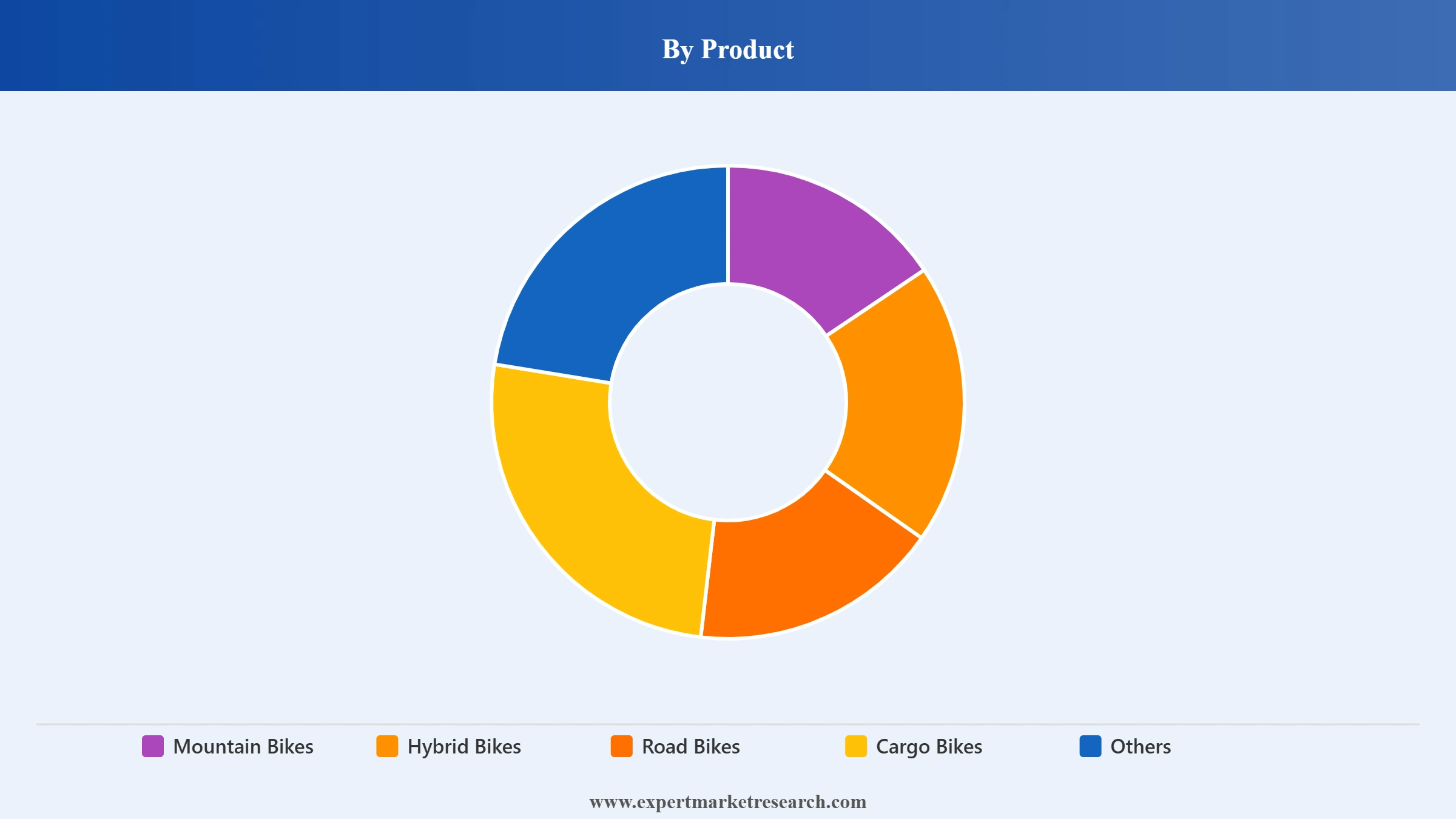
Key Insight: As per the bicycle market report, mountain bikes boast the advantage of versatility, durability, and being popular in recreational cycling. Hybrid bikes appeal to commuter cyclists looking for comfort and functionality. Road bikes remain relevant to performance cyclists and long-distance cyclists. Cargo bikes are growing the share at a fast pace as a result of urban delivery needs and sustainability measures. Other types of bicycles, including specialty bikes and recreational bikes, are still relevant to specific customers.
Market Breakup by Price
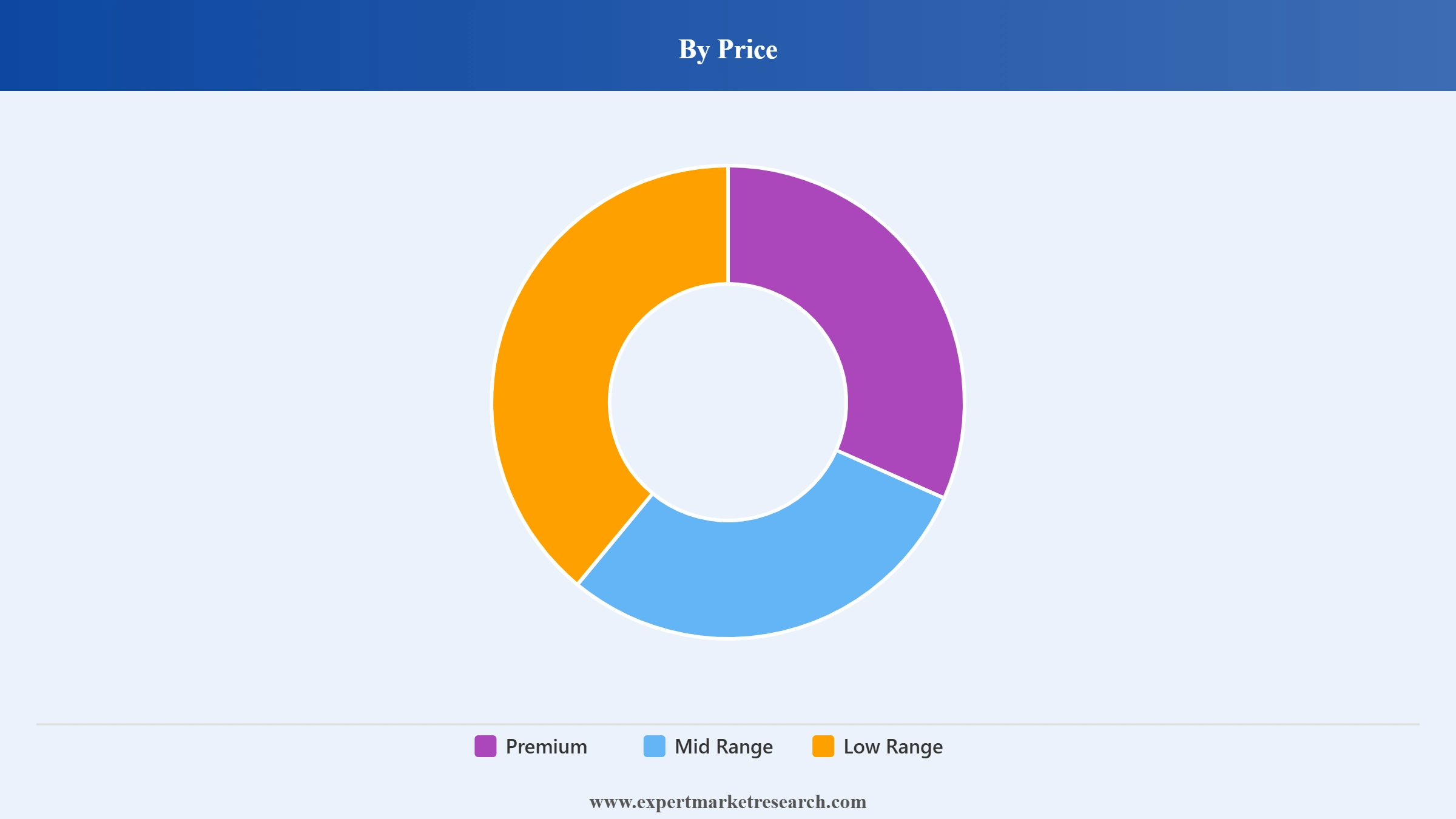
Key Insight: The high-end bicycles can take advantage of innovation, materials, and performance due to the interest of technology-oriented users, stimulating growth in the bicycle market. Mid-range bicycles continue to be popular owing to their consistent performance and affordable prices that appeal to many buyers. Low-end bicycles keep catering to budget-conscious customers who live in regions where affordability plays an important role in purchases. All three segments of prices provide manufacturers with an opportunity to satisfy varied customer requirements and achieve business goals. In May 2025, Ducati Bicycles made its debut in India, introducing premium performance bicycles inspired by Italian engineering heritage.
Market Breakup by Technology
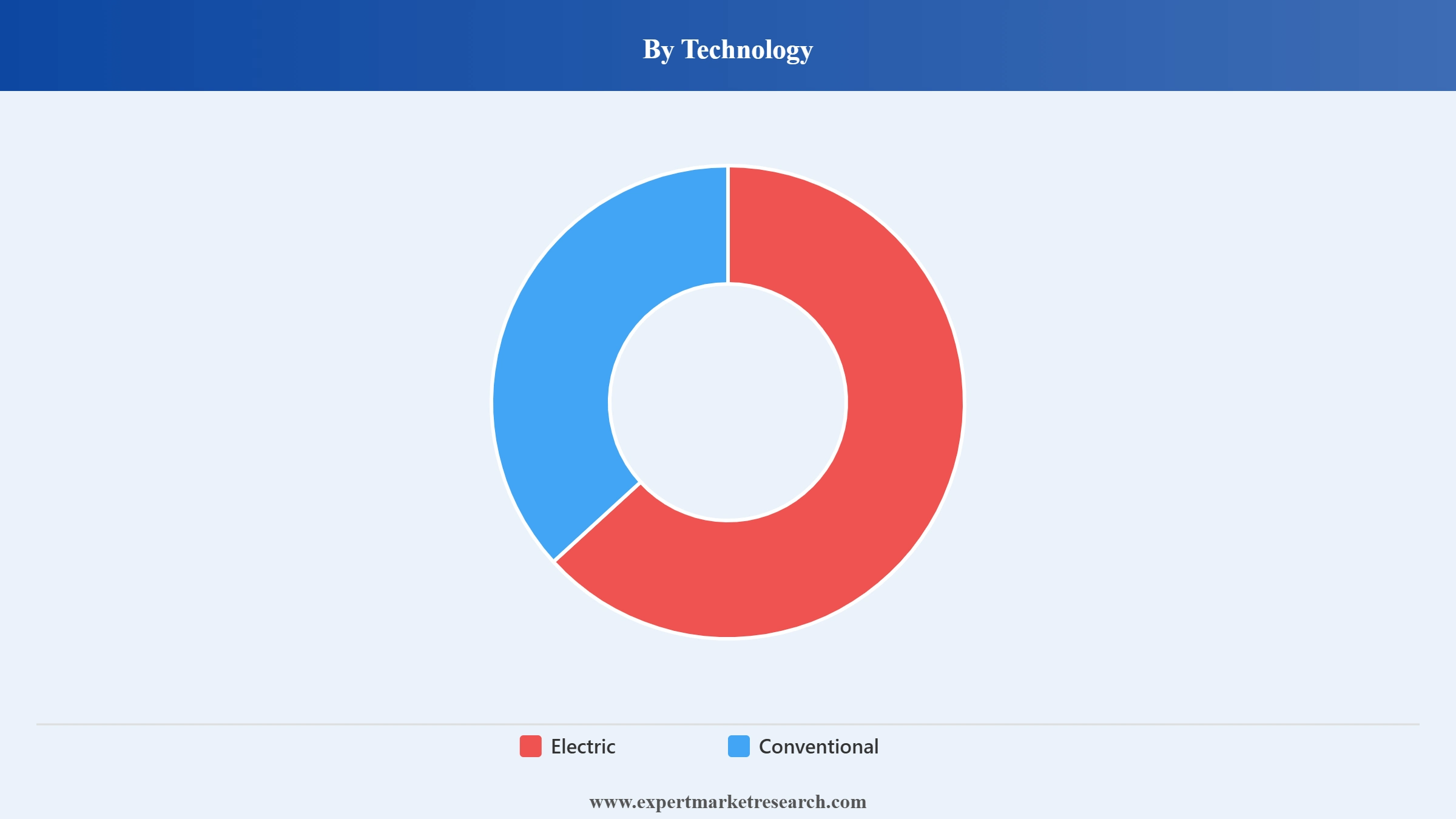
Key Insight: Electrical bicycles are gaining popularity owing to their capability to solve urban transport problems in addition to providing greater convenience and efficiency to the rider. Traditional bikes maintain their lead in the bicycle market owing to their ease, affordability, and universal availability. The two technologies have unique offerings that meet different consumer needs. Although traditional bikes have a niche among leisure cyclists and beginners, electric bicycles are capturing the attention of commuting cyclists and high-end buyers.
Market Breakup by Distribution Channel
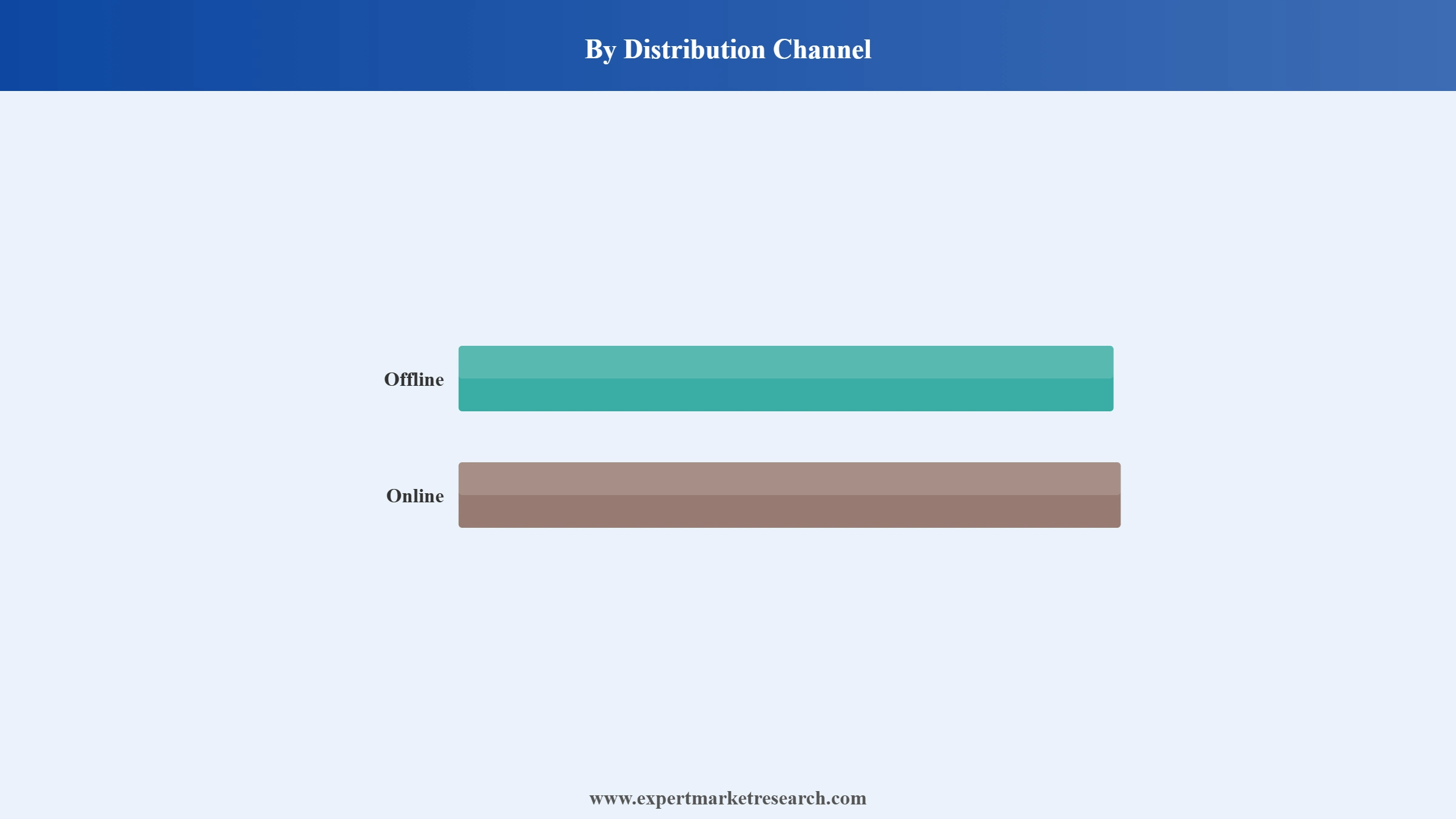
Key Insight: The offline channels dominate the market because of individualized customer service, professional fitting assistance, and after-sales services. Online marketing channels are rapidly gaining popularity owing to convenience, increased access to products, and interaction between brands and customers. In this way, the two marketing channels form an interconnected sales environment, creating new bicycle market opportunities. The offline stores provide essential services such as consultations and technical services, whereas online marketing channels increase the scope of the market and consumer access. Brands incorporate both strategies into their marketing strategy to maximize business opportunities and enhance customer experiences.
Market Breakup by End User
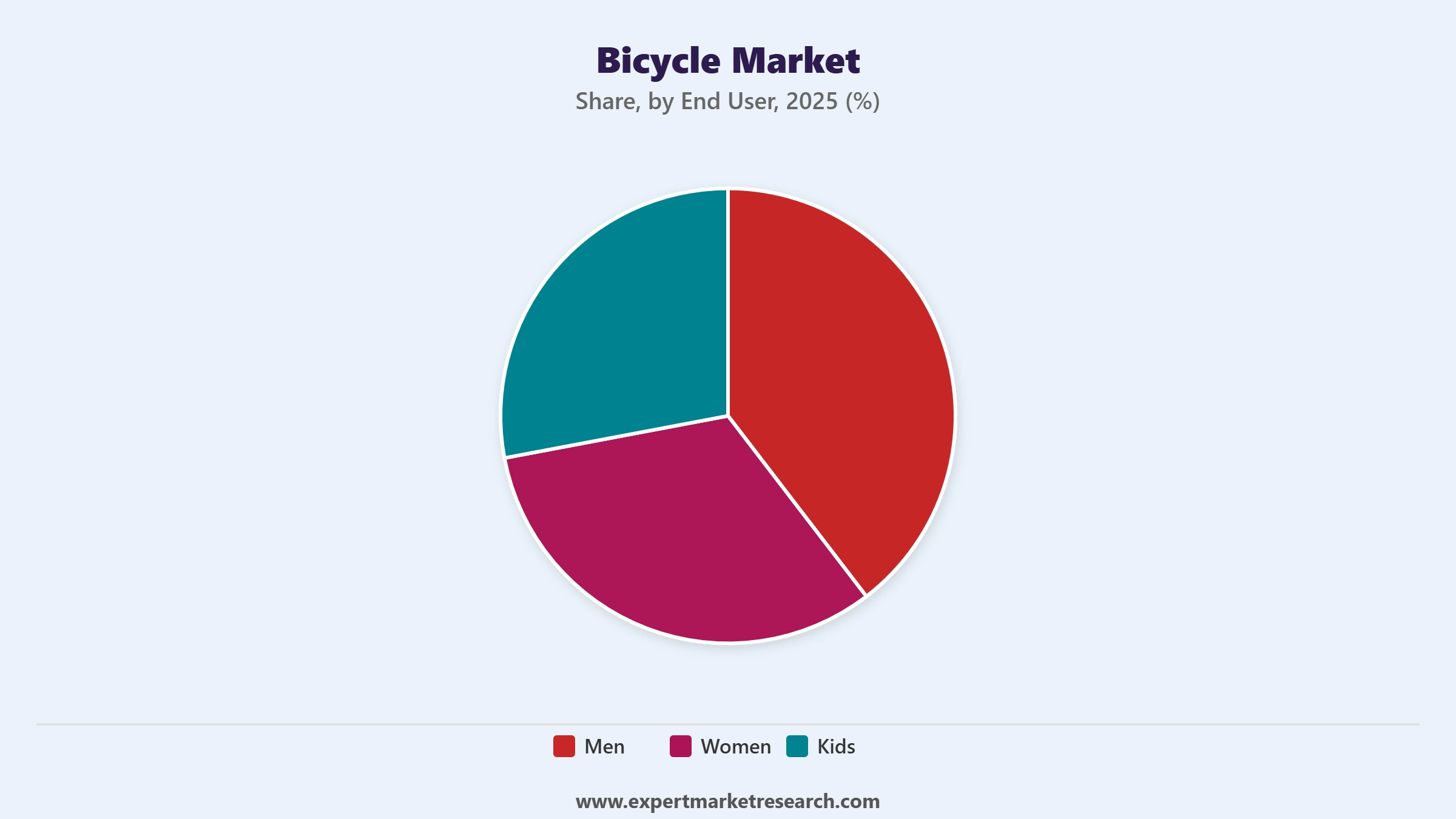
Key Insight: Men continue to dominate the bicycle market as the largest customer base since their participation is well-established in both recreational and performance cycling. Growth in women as a customer base is expected to continue since manufacturers are prioritizing the development of products that can be easily used by all genders. The kids' market segment is expected to continue to benefit from the attention of parents in outdoor activities. All the end-users play an important role in the growth of the market in their own way.
Market Breakup by Region
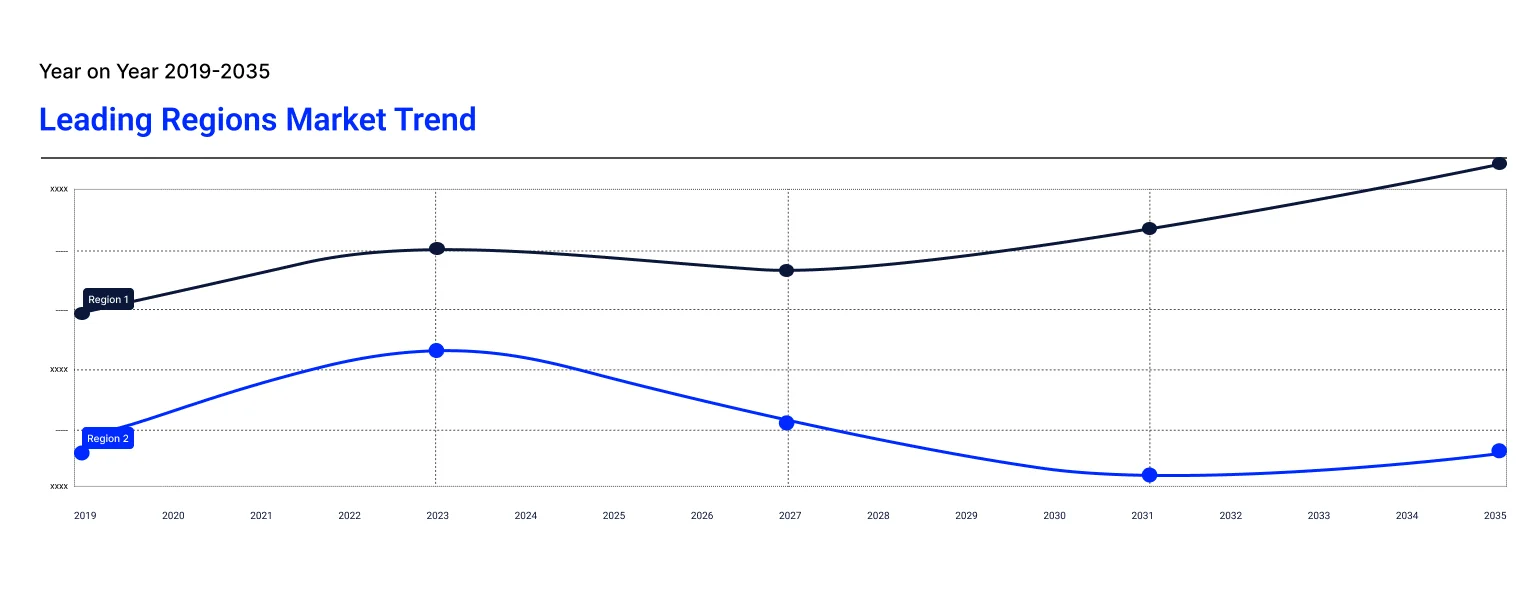
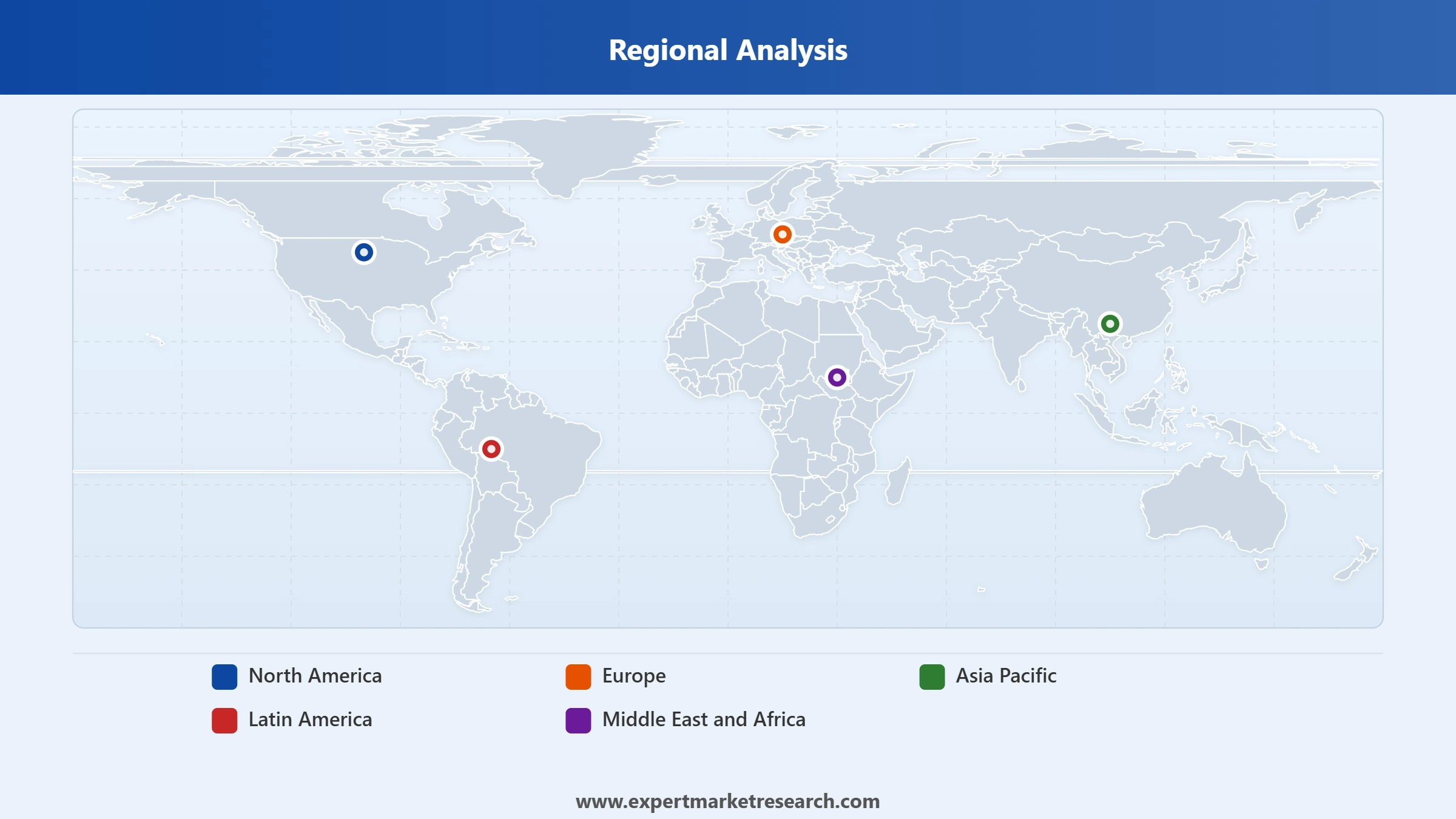
Key Insight: The European region leads the market for cycles owing to its superior infrastructure, bicycle culture, and extensive usage of high-end as well as electric bicycles. Asia Pacific is expected to experience rapid growth owing to the region’s process of urbanization, changes in mobility, and increased purchasing power of consumers. The bicycle market in North America benefits from the rise in the number of people who ride bicycles for recreational purposes. In April 2026, Navee debuted its United States e-bike lineup, expanding electric mobility options for urban commuters. Latin America is expected to be driven by the use of bicycles as a cheaper mode of transport for commuting.
Read more about this report - REQUEST FREE SAMPLE COPY IN PDF
By product, mountain bikes register the largest share of the market due to recreational versatility and off-road durability
A substantial proportion of the global bicycle market value is captured by mountain bikes because of their versatile nature in different uses such as recreation, exercise, and adventure. There is a continuous effort by manufacturers to enhance the frames of the bicycles, improve their suspension system, as well as upgrade their braking systems for improved performance in varied environments. This category experiences success as more people get involved in outdoor sporting activities and cycling tourism services. There is an increasing popularity of premium quality bicycles made from carbon fiber and incorporating digital performance monitoring systems, which attracts enthusiasts who are ready to purchase high-end bicycles. In April 2025, Santa Cruz launched the new Bullit e-MTB, featuring Bosch power, 170mm travel, and downhill-focused performance.
Read more about this report - REQUEST FREE SAMPLE COPY IN PDF
Bikes used for carrying goods are expanding their share in the bicycle market as urban logistics companies and other businesses look to use greener solutions for last mile deliveries. The use of electric motors is increasing the capabilities of such bikes, making them more efficient in the carriage of loads and increasing their operational range. Commercial companies are using cargo bicycles to deliver goods, parcels, and provide mobility solutions in dense urban areas. Bike manufacturers are designing modular cargo bikes which are more flexible in commercial settings. In May 2026, Amazon launched cargo bike deliveries in Washington, D.C., supporting sustainable last-mile logistics and reducing urban congestion.
By price, mid-range bicycles account for the largest share of the market due to balanced affordability and features
The mid-range category bicycles account for the largest number of products in terms of sales. They represent a good combination of performance, quality, and cost-effectiveness. Consumers are opting for bicycles that offer advanced features including efficient gearing, lightweight materials, and increased comfort without significant costs required by more expensive bicycles. Manufacturers are concentrating on adding value through innovative solutions like hydraulic disc brakes, comfortable design and components, and ergonomic features to increase their competitiveness in the market. These products appeal to a wide range of customers from recreation to fitness enthusiasts and are sold in considerable quantities in developed and emerging bicycle markets. In April 2026, Tata-backed Stryder launched two new e-bikes, expanding affordable electric mobility and urban commuting.
Read more about this report - REQUEST FREE SAMPLE COPY IN PDF
The category of premium bicycles observes significant growth driven by consumers' demand for advanced technical features and specific types of riding experience. Advanced premium bicycles featuring carbon fiber frames, connectivity, and advanced electronics and aerodynamic design are appealing to serious cyclists and wealthy consumers. These bicycles are offered not as vehicles for everyday commuting, but rather as products for lifestyle and performance. The category’s growth in the bicycle market is also boosted by the rising popularity of bicycles with electric motors and advanced technology.
Conventional bicycles dominate the market owing to affordability and widespread adoption
Conventional bicycles retain the dominant bicycle market share because of their low cost, ease of maintenance, and availability to different demographics of customers. They are used for leisure purposes, as well as for exercise and short distances travel. Companies develop advanced designs, improve comfort of frames, and increase efficiency of components to maintain demand in this segment. Lack of expenses on batteries is one more reason why many consumers find it convenient to use conventional bicycles. At the same time, increased health consciousness and growing popularity of cycling contribute to its sustainability in the future. In January 2025, Peyman launched battery-free CVT bicycles featuring fully automatic mechanical transmission and seamless adaptive gear shifting.
Read more about this report - REQUEST FREE SAMPLE COPY IN PDF
Electric bicycles represent the most promising technology segment owing to cities' interest in sustainable modes of transport and consumers' needs for efficient commute options. Many innovations in battery, motor, and connectivity features increase attractiveness of these products, accelerating growth in the bicycle market revenue. Companies develop electric bicycles for commuter, cargo, and recreational purposes. Moreover, businesses start using electric bicycles to decrease costs and ensure sustainable development goals. Increased convenience, extended range, and growing usage in urban mobility systems are factors that motivate major bicycle companies to develop this technology segment.
Offline channels dominate the market due to product testing and personalized purchasing support
Offline distribution channels dominate the bicycle market due to the need of extensive evaluation, matching requirements, and post-purchase services associated with the buying of bicycles. Specialized bicycle dealers offer professional advice on frame size, rider style, and specifications that facilitate consumer purchasing decision making. Bicycle makers continue developing their dealer networks to increase customer interaction and brand awareness. Post-sale service, maintenance packages, and possibility of physical product testing are becoming additional benefits of offline distribution channels. All these aspects are especially significant for high-performance and premium bicycle segments where purchasing decisions imply extensive technical evaluation. In February 2026, Garmin partnered with Giant Bicycles India, expanding cycling technology availability through specialist retail stores.
Read more about this report - REQUEST FREE SAMPLE COPY IN PDF
Digital distribution channels gain popularity owing to the efforts of bicycle market players and dealers to develop e-commerce solutions. Online channels help customers to evaluate products, read reviews, and customize their bicycles prior to purchase. Direct-to-customer approaches allow brands to improve profit margins while building relationships with their customers. Online distribution channels also provide access to wider assortments and unique financing solutions. Development of logistics channels, virtual fittings, and omnichannel retail solutions contributes to the development of digital distribution.
Male end users represent the largest segment of the market due to higher participation in cycling activities
The male consumer base is constituting the biggest part of the bicycle market owing to their participation in various kinds of bicycle rides such as recreational riding, commuting, racing, and adventures. Manufacturers are developing and marketing their products to cater to the needs of this market segment, which is leading to the increased availability of bicycles for both high-end and budget models for various purposes. There is considerable demand for mountain bikes, road bikes, and high-performing electric bicycles. Ongoing innovations in terms of light material, parts, and designs for sporting purposes keep driving the market growth in this segment. In September 2025, Decathlon launched Explore Series bicycles, designed specifically for Indian riders with comfort-focused features.
Read more about this report - REQUEST FREE SAMPLE COPY IN PDF
The women's segment constitutes the fastest-growing end-user segment as more manufacturers are now designing products for them. The improvements in terms of ergonomic design, customized frame geometries, comfort features, and marketing initiatives keep growing the level of women's participation in the use of bicycles. The growing awareness of health and sustainable transport solutions contributes to the increasing use of bicycles by women. In addition, companies are supporting various communities and cycling events for the women who ride bicycles.
Europe clocks in the biggest market share due to mature cycling infrastructure networks
Europe retains its dominance in the regional market owing to an extensive cycling infrastructure, effective environmental policies, and the popularity of bicycles as a means of transport. Countries including the Netherlands, Germany, and Denmark encourage the use of bicycles via dedicated investments in cycling infrastructure and sustainable mobility programs. In addition, the region features some of the largest bicycle manufacturing companies as well as bicycle components' suppliers that make substantial efforts for innovations. Rapid adoption of electric bicycles and high demand for top-quality bicycles help to ensure the dominance of the region in the global bicycle market. In June 2026, German Bicycle Industry Association launched the Towards Tomorrow European Bike Show, debuting in Cologne September 2027.
Read more about this report - REQUEST FREE SAMPLE COPY IN PDF
The fastest growing region is Asia Pacific owing to the rapid urbanization, increased environmental consciousness, and changed transportation needs that make people turn to bicycles. Growing incomes of the population fuel demand for premium bicycles as well as electric transport solutions. Manufacturers are increasing their capacities to take advantage of the growing opportunities, governments encourage alternative transportation solutions, and cities invest in cycling infrastructure. Large consumer base and growing middle classes, coupled with high adoption rates of electric bicycles, make the region one of the centers of development in the bicycle market.
The competitive landscape of the global market is growing stronger by introducing electric mobility solutions, using light-weight materials, connected features, and specific categories of bicycles. Leading bicycle market players concentrate on developing navigation tools, optimizing battery usage, and digital performance tracking to achieve premium product differentiation. Companies are developing cargo bicycle ranges to be able to take advantage of increasing logistics in urban areas and last mile delivery solutions.
Sustainable development of the industry is one of the most important trends; thus, bicycle companies are working on recyclable materials, localization of the production process, and reducing emissions in the manufacturing process. Partnership opportunities with technology providers, battery makers, and mobility solutions operators are generating additional income sources for the companies. Direct-to-consumer sales channels and subscription services of bicycle owners' clubs help companies increase customer engagement and margins.
Founded in 1998, Accell Group's headquarters are located in Heerenveen, the Netherlands. The company is one of the leading bicycle manufacturers of Europe. It offers its customers various models of e-bikes, cargo bicycles, and top-quality cycling equipment. The focus of the company includes connected mobility, battery technology, and sustainable manufacturing processes. In addition, Accell improves digital retailing and develops urban mobility solutions.
Founded in 1950, Atlas Cycles' headquarters are located in Sonipat, Haryana, India. The company is popular among commuters and utility cycles. Cost-sensitive customers benefit from reliable and inexpensive bicycles. Additionally, Atlas Cycles concentrates on improving access to its products, increasing its penetration into the rural areas, and operational efficiency. The wide distribution network is used by the company to stay relevant in emerging bicycle markets.
Founded in 1951 and located in Ludhiana, Punjab, India, Avon Cycles targets a diverse set of consumers through commuter, sport, and children's bicycles. Avon is keen on diversifying its product lines, scaling its production capacity, and innovating to create value for consumers. The company is becoming innovative in adopting modern designs, developing lightweight frames, and improving riding comfort. Avon is able to stay competitive in different consumer segments due to its good relationship with dealers and geographical spread.
Established in 1995 and located in Toronto, Canada, Cervélo produces high-performing road, triathlon, and racing bicycles. The company serves professional athletes and high-end cyclists through aerodynamic design and advanced carbon fiber technology. Cervélo continuously develops new products through research and innovations to achieve higher speed, better efficiency, and improved performance. Innovation strategy gives Cervélo a competitive advantage in the premium performance bicycle market.
Other key players in the market include Giant Bicycles, Cycling Sports Group, LLC, Hero Cycles, Santa Cruz Bicycles, LLC, Marin Mountain Bikes Inc., Merida Industry Co., Ltd., Specialized Bicycle Components, Inc., SCOTT Sports SA, Trek Bicycle Corporation, Orbea, BH Bikes, Axalko Bikes, Hagen Bikes, Mammoth Bikes, Egurra Bikes, and Garri Bike, among others.
*Please note that this is only a partial list; the complete list of key players is available in the full report. Additionally, the list of key players can be customized to better suit your needs.*
Unlock the latest insights with our bicycle market trends 2026 report. Discover regional growth patterns, consumer preferences, and key industry players. Stay ahead of competition with trusted data and expert analysis. Download your free sample report today and drive informed decisions in the market.


Upto 15% Off
USD
$2499 $2249
$3999 $3599
$4999 $4249
$5999 $5099


*While we strive to always give you current and accurate information, the numbers depicted on the website are indicative and may differ from the actual numbers in the main report. At Expert Market Research, we aim to bring you the latest insights and trends in the market. Using our analyses and forecasts, stakeholders can understand the market dynamics, navigate challenges, and capitalize on opportunities to make data-driven strategic decisions.*
In 2025, the bicycle market reached an approximate value of USD 81.76 Billion.
The market is projected to grow at a CAGR of 6.60% between 2026 and 2035.
The market is estimated to witness a healthy growth in the forecast period of 2026-2035 to reach about USD 154.92 Billion by 2035.
Key strategies driving the market include partnering with tech startups, integrating AI tools, exploring biodegradable materials, localizing supply chains, and offering modular, upgradeable bike designs.
The major regions in the industry are North America, Latin America, the Middle East and Africa, Europe, and the Asia Pacific.
The leading products in the market are mountain bikes, hybrid bikes, cargo bikes, and road bikes, among others.
The major price segments of the product in the industry are premium, mid-range, and low range.
The significant end uses in the industry are men, women, and kids.
The key players in the market include Accell Group, Atlas Cycles (Haryana) Ltd., Avon Cycles Ltd., Cervelo , Dorel Industries Inc. , Giant Bicycles, Cycling Sports Group, LLC, Hero Cycles, Santa Cruz Bicycles, LLC, Marin Mountain Bikes Inc., Merida Industry Co., Ltd, Specialized Bicycle Components, Inc., SCOTT Sports SA, Trek Bicycle Corporation, Orbea, BH Bikes, Axalko Bikes, Hagen Bikes, Mammoth bikes, Egurra Bikes, and Garri Bike, among others.
Asia Pacific accounted for the largest share in the bicycle market.
Key trends include growth of e-bikes, integration of smart features, and increased use of lightweight and eco-friendly materials.
The key challenges are raw material costs, supply chain disruptions, safety regulations, and rising competition from micromobility alternatives like e-scooters and autonomous personal transport pods.
Explore our key highlights of the report and gain a concise overview of key findings, trends, and actionable insights that will empower your strategic decisions.
| REPORT FEATURES | DETAILS |
| Base Year | 2025 |
| Historical Period | 2019-2025 |
| Forecast Period | 2026-2035 |
| Scope of the Report |
Historical and Forecast Trends, Industry Drivers and Constraints, Historical and Forecast Market Analysis by Segment:
|
| Breakup by Product |
|
| Breakup by Price |
|
| Breakup by Technology |
|
| Breakup by Distribution Channel |
|
| Breakup by End User |
|
| Breakup by Region |
|
| Market Dynamics |
|
| Competitive Landscape |
|
| Companies Covered |
|
| Report Price and Purchase Option | Explore our purchase options that are best suited to your resources and industry needs. |
| Delivery Format | Delivered as an attached PDF and Excel through email, with an option of receiving an editable PPT, according to the purchase option. |
Datasheet
One User
USD 2,499
USD 2,249
tax inclusive*
Single User License
One User
USD 3,999
USD 3,599
tax inclusive*
Five User License
Five User
USD 4,999
USD 4,249
tax inclusive*
Corporate License
Unlimited Users
USD 5,999
USD 5,099
tax inclusive*
*Please note that the prices mentioned below are starting prices for each bundle type. Kindly contact our team for further details.*
Flash Bundle
Small Business Bundle
Growth Bundle
Enterprise Bundle
*Please note that the prices mentioned below are starting prices for each bundle type. Kindly contact our team for further details.*
Flash Bundle
Number of Reports: 3
20%
tax inclusive*
Small Business Bundle
Number of Reports: 5
25%
tax inclusive*
Growth Bundle
Number of Reports: 8
30%
tax inclusive*
Enterprise Bundle
Number of Reports: 10
35%
tax inclusive*
How To Order

Select License Type
Choose the right license for your needs and access rights.

Click on ‘Buy Now’
Add the report to your cart with one click and proceed to register.

Select Mode of Payment
Choose a payment option for a secure checkout. You will be redirected accordingly.
Strategic Solutions for Informed Decision-Making
Gain insights to stay ahead and seize opportunities.

Get insights & trends for a competitive edge.

Track prices with detailed trend reports.

Analyse trade data for supply chain insights.

Leverage cost reports for smart savings

Enhance supply chain with partnerships.

Connect For More Information
Our expert team of analysts will offer full support and resolve any queries regarding the report, before and after the purchase.
Our expert team of analysts will offer full support and resolve any queries regarding the report, before and after the purchase.
We employ meticulous research methods, blending advanced analytics and expert insights to deliver accurate, actionable industry intelligence, staying ahead of competitors.
Our skilled analysts offer unparalleled competitive advantage with detailed insights on current and emerging markets, ensuring your strategic edge.
We offer an in-depth yet simplified presentation of industry insights and analysis to meet your specific requirements effectively.




