

Consumer Insights
Uncover trends and behaviors shaping consumer choices today
Procurement Insights
Optimize your sourcing strategy with key market data
Industry Stats
Stay ahead with the latest trends and market analysis.
The biogas market attained a value of USD 73.81 Billion in 2025 and is projected to expand at a CAGR of 6.40% through 2035. The market is further expected to achieve USD 137.26 Billion by 2035. Increasing investments by firms in carbon-negative biomethane production, along with the use of digital solutions in anaerobic digestion plants, is facilitating the uptake of the technology in the industrial energy, transportation, agriculture, and municipal waste management industries.
Relevant government regulations promoting the use of renewable gas are motivating companies to switch from traditional fossil fuels to biomethane, providing consistent demand for new technologies for gas upgrading and injection into the grid and bio-LNG production. At the same time, companies in the food industry and agriculture sector are building waste-to-energy plants producing electricity and fertilizer at once.
The biogas market observes an increase in commercial deployment as energy companies and technology vendors transition from traditional waste treatment to production of renewable gas in synergy with decarbonization of industries. The milestone event was marked by Wärtsilä, in June 2023, as it unveiled their advanced biogas upgrading and liquefaction technologies, which are aimed at helping producers to turn raw biogas into liquefied biomethane for use in heavy transportation and marine sectors. Such advancements might help meet the rising needs for high energy density and low emissions renewable fuels. As per the estimates provided by the European Biogas Association, Europe produced more than 22 billion cubic meters of biomethane and biogas in 2024.
The biogas market observes an increase in demand for low-emission industrial fuels, and this trend has been altering the investment landscape. Energy utilities, agriculture cooperatives, and waste management firms are working on the development of integrated anaerobic digestion plants which are able to produce biomethane, renewable electricity, biofertilizers, and carbon dioxide for commercial purposes. For example, in July 2026, India and Japan launched Cooperative CBG Initiative targeting 1,000 biogas plants, accelerating renewable energy and rural waste valorization. There is an increased focus by technology vendors on the development of modular upgrading systems, plant monitoring through artificial intelligence, and optimization platform to increase recovery of methane at reduced costs.
Compound Annual Growth Rate
6.4%
Value in USD Billion
2026-2035
Read more about this report - REQUEST FREE SAMPLE COPY IN PDF
BP made a move towards divesting Archaea Energy, as it was working to refine its biogas portfolio by maximizing capital allocation for investments in energy transition. Companies can buy ready-made biogas plants to scale up their renewable gas production and enhance their position in the regional market.
CBG projects of India became popular among investors from the country and abroad due to growing investments in bioenergy development and production of sustainable fuels. Companies in the biogas market can invest in CBG production units and ensure feedstock agreements for the future.
CSIR-IICT technology helped in the growth of India’s compressed biogas technology through enhancing the efficiency of the process and making it commercially viable for waste-to-energy production systems. Technology companies can make commercially viable solutions to convert biogas to become more efficient and scalable with better profits.
Climate Fund Managers invested USD 32.2 million in India’s waste-to-biogas project to help with increasing the production of renewable fuel and building circular waste infrastructure. Companies can therefore collaborate with infrastructure firms to establish waste-to-biogas plants, following such advancements in the biogas market.
The development of renewable natural gas infrastructure is driving the biogas market forward due to the emphasis on producing domestic clean fuels by governmental organizations. Biomethane upgraders are increasingly being installed to inject renewable gas into national transmission systems operated by utilities and energy producers. For example, in February 2025, TotalEnergies increased its biomethane production capacity through several projects of European renewable gas production aiming at supplying industrial and transport customers. At the same time, the European Commission is working according to its REPowerEU Plan, which supports the biomethane installation and aims at producing 35 billion cubic meters of biomethane yearly by 2030.
Industries are replacing the usage of conventional natural gas with biomethane to meet their strict reduction targets without making serious changes in the infrastructure. Manufacturers in fields such as chemicals, food processing, and cement production are making agreements with the providers of biomethane to decrease the carbon footprint of their operations. Following such trends in the biogas market, in February 2026, Bharatia partnered with Grassroots Energy to build a scalable compressed biogas platform, accelerating standardized renewable energy infrastructure deployment across India. The government policies like the United States Inflation Reduction Act continue promoting renewable fuel production through tax incentives.
Organic residuals are turning out to be some of the most promising biogas production feedstocks due to the efforts by livestock farmers who aim at generating additional income from organic waste. Major anaerobic digestion plants are contributing to dairy farms and agricultural cooperatives to produce renewable electricity, biomethane, and organic fertilizer from manure. In February 2026, Penang launched Kampung Valdor biogas facility converting pig waste into renewable electricity, advancing sustainable livestock waste management solutions. The USDA Rural Energy also encourages biogas technology adoption among farmers by financing renewable energy projects. This trend in the biogas market reduces the levels of methane gas emissions from agriculture practices.
Digitalization technologies are increasing efficiency of commercial biogas plants through predictive maintenance, automated feedstock management, and methane gas optimization, redefining the biogas market dynamics. Operators of commercial plants are implementing analytics with the help of AI, cloud platforms, and industrial Internet of Things sensors that maximize production of the gas while minimizing time of equipment downtime. For example, in January 2026, CVE Biogaz partnered with Anessa, deploying AI-powered digital platforms to optimize biogas project design, operations, and performance. Smart energy government programs in the European Union are encouraging digital transformation in renewable energy infrastructure.
An increasing desire for fuels that produce less carbon dioxide is driving energy firms to convert biomethane to liquefied bio-LNG to be used in long-distance trucks and shipping. Bio-LNG provides an effective solution to emissions reduction in industries where electrification is difficult, thereby boosting demand in the biogas market. In January 2026, Nordsol was selected to power Norway's new bio-LNG plant, advancing renewable fuel production from organic waste feedstocks. The EU's regulation on alternative fuels infrastructure is facilitating the development of LNG and renewable fuels infrastructure along transport routes, opening up business prospects for biogas plant developers, logistics firms, and industrial fuel providers.
The EMR’s report titled “Biogas Market Report and Forecast 2026-2035” offers a detailed analysis of the market based on the following segments:
Market Breakup by Feedstock
Key Insight: The availability of the feedstock depends on the varied business options arising out of the presence of available waste. The organic residues and wastes continue to be predominant for their assured supply from various sources like municipalities, industries, and wastewaters. The agricultural waste is emerging fast as farmers use renewable energy production along with sustainable waste disposal methods, propelling growth in the biogas market. Biowastes, municipal waste, and sewage continue to be important components since they are used in centralized digestion plants that have stable organic supplies. The energy crops offer reliable methane production wherever the cultivation of energy crops is economically feasible. In June 2026, Maruti Suzuki expanded biogas capacity through a new Kharkhoda plant and Manesar expansion, strengthening renewable energy adoption.
Market Breakup by Application
Key Insight: Application requirements are becoming more diverse due to the multiplicity of end-users of biogas. Electricity production dominates the biogas market as the main application because of the reliable production of renewable energy and its compatibility with distributed energy systems. Heating is becoming more popular as a way to provide carbon-neutral heat in industrial enterprises and commercial buildings. The combined production of heat and electricity helps increase the efficiency of fuel use in industrial activities. Vehicles' fuel is becoming the most rapidly developing application since biomethane provides the solution to the problems of transportation decarbonization. In January 2026, Suzuki inaugurated its second Indian biogas plant, expanding compressed biogas production and organic fertilizer generation from cattle waste.
Market Breakup by Region
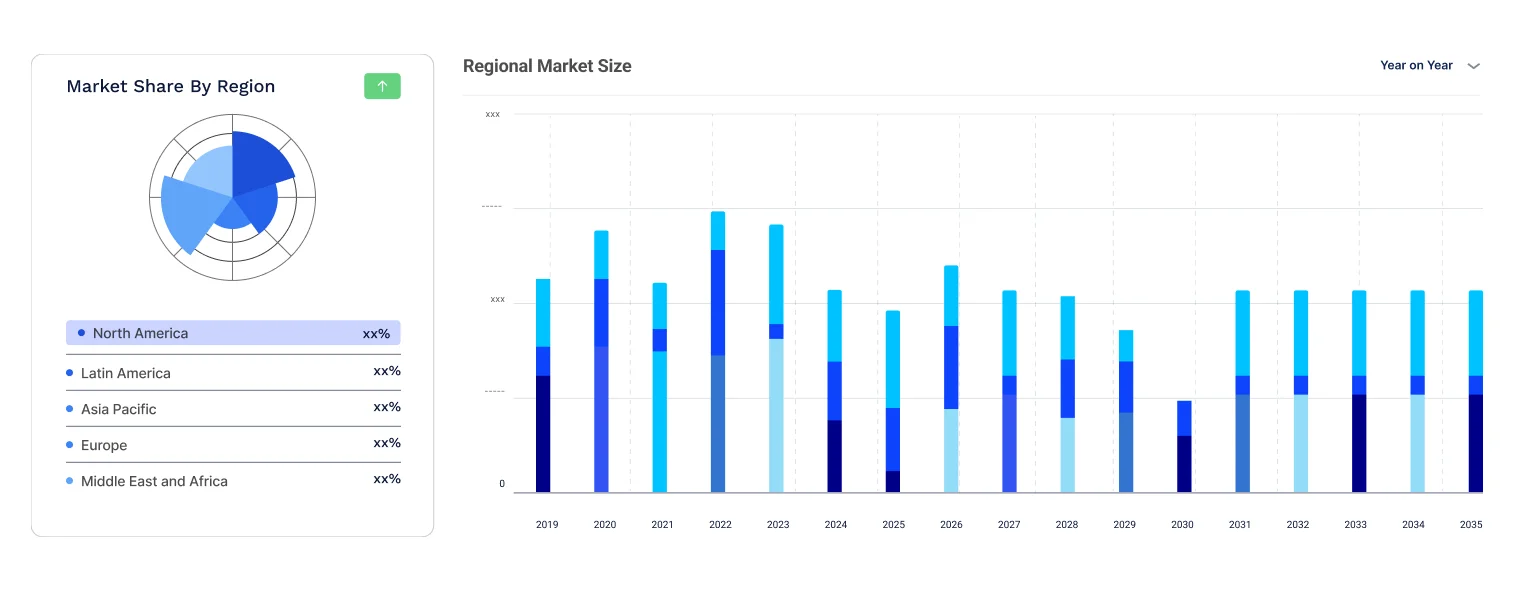
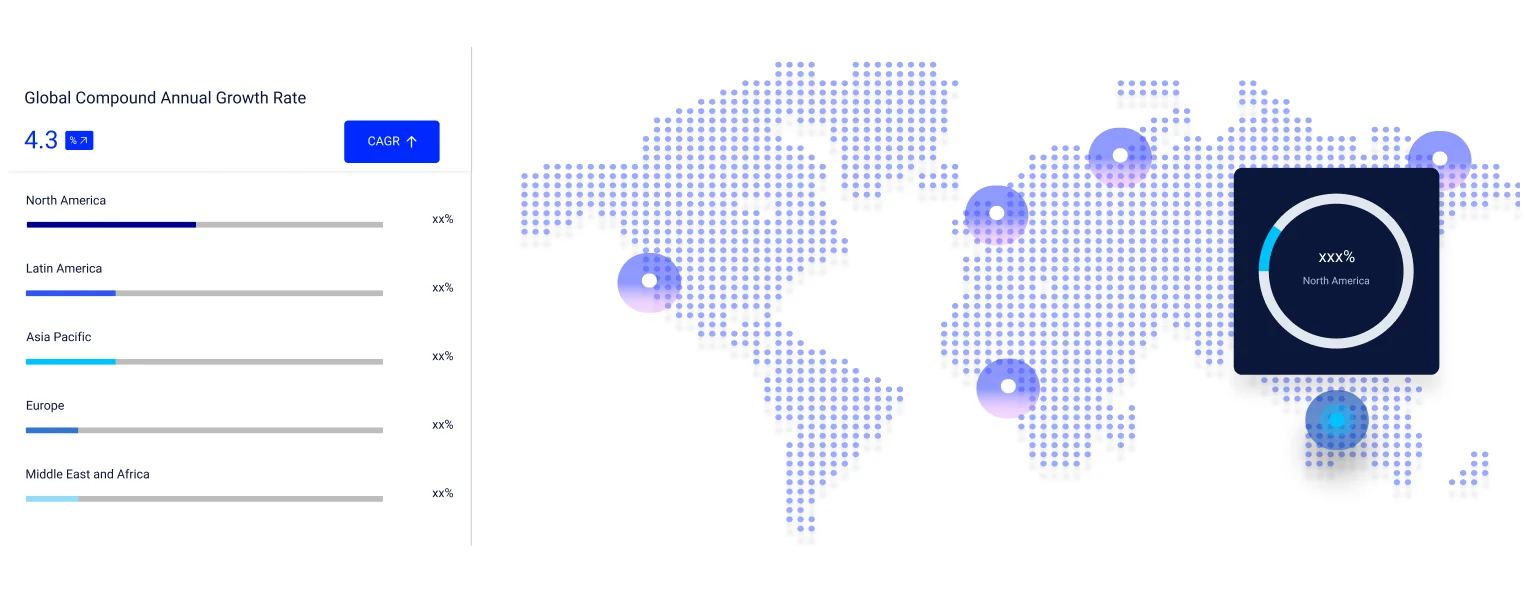
Key Insight: Market dynamics for each region are characterized by different policy structures, feedstock availability, and energy transitions. Europe registers the leading position in the biogas market with its well-established renewable gas networks, favorable policies, and high involvement of industries. North America is expanding biomethane markets through the use of agricultural sources, landfill gas, and private renewable energy ventures. The Asia Pacific region experiences the highest growth due to growing volumes of urban waste, agricultural expansion, and policies for clean energy development. Latin America is endowed with livestock and agricultural wastes used for decentralized biogas generation. The Middle East and African players are increasingly investing in biogas development.
By feedstock, organic residue and waste dominate the market due to abundant feedstock availability
Organic residue and waste represent the most critical category in the biogas market due to its availability in constant supplies at low cost as the primary source of feedstock for anaerobic digestion facilities. Biowaste, municipal solid waste, and sewage sludge from the activities of households, food processing facilities, and wastewater treatment plants are available throughout the year as sources of feedstock. Industrial food manufacturers and municipalities are resorting to waste-to-energy systems in order to become less dependent on landfills while generating renewable energy and organic fertilizers. In June 2026, Mumbai advanced a large-scale organic waste-to-biogas project, converting municipal waste into renewable fuel through integrated circular economy infrastructure.
Agricultural waste is rapidly expanding its share in the biogas market as farmers and crop producers are turning more towards using manure and crop residues for commercial generation of biogas. The increasing number of installations of distributed biogas generators is helping farming cooperatives to produce renewable electricity, biomethane, and digestate from crop and animal residues. Expansion in sustainable agriculture projects and circular farming systems is also supporting the rise in the demand for agricultural feedstocks.
Electricity generation accounts for the largest market share owing to reliable renewable power production
Power production or energy generation continues to be the leading application as biogas plants produce constant base-load renewable energy regardless of weather conditions. Many utilities and municipalities are now considering the integration of anaerobic digestion facilities into their local power production strategy to enhance energy security while using organic waste efficiently. Biogas electricity can also contribute to decentralized energy systems that serve rural areas, wastewater treatment plants, and food processing industries, broadening the biogas market scope. Ongoing technological innovations in gas engines and efficiency further enhance the economic feasibility of power production applications around the globe. In April 2026, Syzygy launched FEED phase for world's first electrified biogas-to-SAF facility, advancing scalable sustainable aviation fuel production.
Vehicle fuel is currently emerging to be the fastest-growing application as transport companies look for alternatives to diesel that would help to reduce overall greenhouse gas emissions in their fleets. Biogas fuel and bio-LNG are becoming more popular among freight carriers, municipal buses, and logistics services as they take advantage of existing fuel infrastructure for gas vehicles. The increasing number of renewable fuel standards and investments in biomethane upgrading technology encourages fuel producers to expand production capacities.
Read more about this report - REQUEST FREE SAMPLE COPY IN PDF
Europe clocks in the largest share of the market through mature renewable gas policies and advanced infrastructure
Europe stands at the forefront of the global biogas market owing to its highly developed regulatory environment for renewable energy, extensive network of biomethane facilities, and strong partnership between utilities, municipalities, and agriculture. Leading nations like Germany, Denmark, France, and Italy are increasing the anaerobic digestion facility capacity and invest in renewable gas grid integration and bio-LNG production. The existing environmental laws, circular economy programs, and decarbonization plans of industrial processes stimulate constant development of new biogas technologies, making Europe the global leader in commercial biomethane. In June 2026, the European Commission launched Biomethane Mechanism platform, connecting buyers and sellers to accelerate biomethane investments and market expansion.
The fastest growth of the biogas market is being observed in Asia Pacific as a result of growing investments into waste management, energy infrastructure, and sustainable agriculture. Increasing pace of urbanization leads to higher production of municipal organic waste that can be utilized for biogas generation, while increased livestock industry provides plenty of agricultural raw materials. Countries such as China, India, Japan, and South Korea are implementing their renewable gas projects to enhance energy security and decrease dependency on fossil fuel imports.
The competition within the global market is gradually transitioning from equipment production to more holistic renewable gas ecosystems, which include feedstock supply, biomethane upgrading, digital plant optimization, and carbon management. Leading biogas market players are focusing on the development of artificial intelligence-based monitoring solutions, modular anaerobic digesters, and bio-LNG facilities to increase the efficiency of biogas plants and develop additional sources of income.
Strategic collaboration with municipalities, agricultural cooperatives, and food processing companies allows biogas companies to source their plants with organic waste while simultaneously boosting their renewable energy capacity. Moreover, some players are developing carbon dioxide recovery technology, which can be used for the commercial production of food-grade and industrial CO₂ along with biomethane. The potential areas of opportunity in the market include renewable gas injection into the grid, sustainable aviation fuel feedstock production, and decentralized waste-to-energy projects for industrial clusters.
Future Biogas Limited was founded in 2010 and is based in the United Kingdom. The company builds, owns, and operates plants for the production of biomethane from anaerobic digestion, which is suitable for distribution through gas networks. The company expands carbon negative energy solutions through the application of sustainable feedstock management, regenerative agriculture collaborations, and carbon capture technologies.
L'Air Liquide S.A., founded in 1902 and headquartered in Paris, France, provides biomethane upgrading, renewable gas supply, and decarbonization solutions for the biogas market. The company keeps on expanding renewable gas networks while implementing carbon management and digitalization technologies.
Founded in 1998 and located in Vreden, Germany, PlanET Biogastechnik GmbH specializes in designing and implementing biogas and biomethane plants for farms, municipalities, and industries. The company focuses on using modular design, advanced digesters, optimized biological processes, and individual plant designs to ensure the best output and operational efficiency.
Founded in 2002 and located in Lohne, Germany, EnviTec Biogas AG specializes in providing full-scope biogas solutions including the engineering, construction, technology upgrade, and operational services. EnviTec Biogas AG is working on expanding its presence in renewable natural gas and bio-LNG through developing state-of-the-art biomethane plants and digital management of plants.
Other key players in the market include AB Holding S.p.A., Air Liquide S.A., HomeBiogas Ltd., Scandinavian Biogas Fuels International AB, TotalEnergies SE, Gasum Ltd., Agrinz Technologies GmbH, Hitachi Zosen Inova AG, Xebec Adsorption Inc., and Nature Energy, among others.
*Please note that this is only a partial list; the complete list of key players is available in the full report. Additionally, the list of key players can be customized to better suit your needs.*
Unlock the latest insights with our biogas market trends 2026 report. Discover regional growth patterns, consumer preferences, and key industry players. Stay ahead of competition with trusted data and expert analysis. Download your free sample report today and drive informed decisions in the market.


Upto 15% Off
USD
$3999 $3599
$2499 $2249
$4999 $4249
$5999 $5099


*While we strive to always give you current and accurate information, the numbers depicted on the website are indicative and may differ from the actual numbers in the main report. At Expert Market Research, we aim to bring you the latest insights and trends in the market. Using our analyses and forecasts, stakeholders can understand the market dynamics, navigate challenges, and capitalize on opportunities to make data-driven strategic decisions.*
In 2025, the global market for biogas attained a value of approximately USD 73.81 Billion.
The market is assessed to grow at a CAGR of 6.40% between 2026 and 2035.
The market is estimated to witness a healthy growth in the forecast period of 2026-2035, reaching a value of around USD 137.26 Billion by 2035.
Expanding biomethane capacity, forming feedstock partnerships, integrating AI-based monitoring, investing in carbon capture, strengthening bio-LNG infrastructure, and developing turnkey renewable gas solutions are improving long-term competitiveness.
The key market trends guiding the growth of the market include the increasing demand for renewable energy sources, initiatives of various governments, and advancements in biogas production technologies.
The major regions in the market are North America, Europe, the Asia Pacific, Latin America, and the Middle East and Africa.
The significant feedstock in the market for biogas are organic residue and wastes and energy crops.
The various applications of biogas in the market include electricity generation, heating, combine heat and power (CHP), and vehicle fuel, among others.
The key players in the market include Future Biogas Limited, L'Air Liquide S.A., PlanET Biogastechnik GmbH, EnviTec Biogas AG, AB Holding S.p.A., Air Liquide S.A., HomeBiogas Ltd., Scandinavian Biogas Fuels International AB, TotalEnergies SE, Gasum Ltd., Agrinz Technologies GmbH, Hitachi Zosen Inova AG, Xebec Adsorption Inc., and Nature Energy, among others.
Securing consistent feedstock supplies, managing high capital investment, navigating changing renewable energy regulations, expanding biomethane infrastructure, and achieving profitable operations despite fluctuating energy prices remain significant industry challenges.
Explore our key highlights of the report and gain a concise overview of key findings, trends, and actionable insights that will empower your strategic decisions.
| REPORT FEATURES | DETAILS |
| Base Year | 2025 |
| Historical Period | 2019-2025 |
| Forecast Period | 2026-2035 |
| Scope of the Report |
Historical and Forecast Trends, Industry Drivers and Constraints, Historical and Forecast Market Analysis by Segment:
|
| Breakup by Feedstock |
|
| Breakup by Application |
|
| Breakup by Region |
|
| Market Dynamics |
|
| Price Analysis |
|
| Competitive Landscape |
|
| Companies Covered |
|
| Report Price and Purchase Option | Explore our purchase options that are best suited to your resources and industry needs. |
| Delivery Format | Delivered as an attached PDF and Excel through email, with an option of receiving an editable PPT, according to the purchase option. |
Single User License
One User
USD 3,999
USD 3,599
tax inclusive*
Datasheet
One User
USD 2,499
USD 2,249
tax inclusive*
Five User License
Five User
USD 4,999
USD 4,249
tax inclusive*
Corporate License
Unlimited Users
USD 5,999
USD 5,099
tax inclusive*
*Please note that the prices mentioned below are starting prices for each bundle type. Kindly contact our team for further details.*
Flash Bundle
Small Business Bundle
Growth Bundle
Enterprise Bundle
*Please note that the prices mentioned below are starting prices for each bundle type. Kindly contact our team for further details.*
Flash Bundle
Number of Reports: 3
20%
tax inclusive*
Small Business Bundle
Number of Reports: 5
25%
tax inclusive*
Growth Bundle
Number of Reports: 8
30%
tax inclusive*
Enterprise Bundle
Number of Reports: 10
35%
tax inclusive*
How To Order

Select License Type
Choose the right license for your needs and access rights.

Click on ‘Buy Now’
Add the report to your cart with one click and proceed to register.

Select Mode of Payment
Choose a payment option for a secure checkout. You will be redirected accordingly.
Strategic Solutions for Informed Decision-Making
Gain insights to stay ahead and seize opportunities.

Get insights & trends for a competitive edge.

Track prices with detailed trend reports.

Analyse trade data for supply chain insights.

Leverage cost reports for smart savings

Enhance supply chain with partnerships.

Connect For More Information
Our expert team of analysts will offer full support and resolve any queries regarding the report, before and after the purchase.
Our expert team of analysts will offer full support and resolve any queries regarding the report, before and after the purchase.
We employ meticulous research methods, blending advanced analytics and expert insights to deliver accurate, actionable industry intelligence, staying ahead of competitors.
Our skilled analysts offer unparalleled competitive advantage with detailed insights on current and emerging markets, ensuring your strategic edge.
We offer an in-depth yet simplified presentation of industry insights and analysis to meet your specific requirements effectively.




