

Consumer Insights
Uncover trends and behaviors shaping consumer choices today
Procurement Insights
Optimize your sourcing strategy with key market data
Industry Stats
Stay ahead with the latest trends and market analysis.
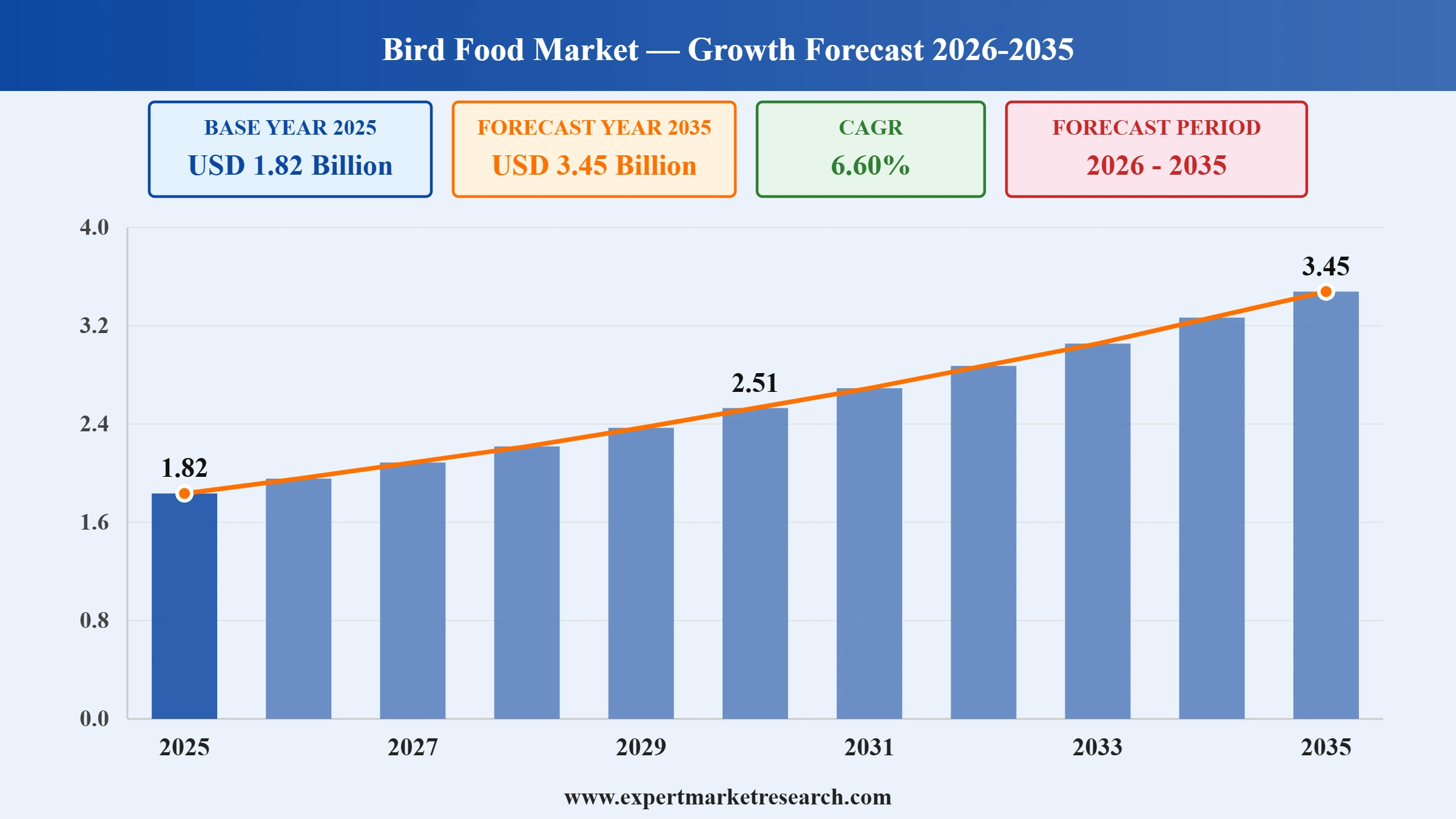
The global bird food market attained a value of USD 1.82 Billion in 2025 and is projected to grow at a CAGR of 6.60% through 2035. The market is further expected to reach USD 3.45 Billion by 2035. Rising pet bird ownership among younger urban households, sustained growth in backyard wild bird feeding as a hobby, and growing consumer demand for species specific, fortified nutrition are encouraging manufacturers to expand premium and specialty formulations across both wild and companion bird segments.
The bird food market spans seed mixes, pellets, treats, and suet products formulated for both pet birds kept as companions and wild birds fed at backyard feeders, sold across economical, mass, and premium price tiers through supermarkets, pet specialty stores, and online retailers. Bird food has evolved from generic, commodity seed blends into a category increasingly shaped by species specific nutrition, as manufacturers respond to rising consumer awareness of ingredient quality and the specific dietary needs of different bird species. Sustained growth in both pet bird adoption and backyard wild bird feeding continues to widen the addressable base for established brands and new entrants alike.
Manufacturers are increasingly pursuing acquisitions that consolidate seed processing and blending capacity rather than building new production facilities from scratch, reflecting sustained demand growth across both retail and commodity bird food markets. In January 2026, Orenda Commodity Services acquired Scoular's sunflower and wild bird food blending business, including its processing facility in Winkler, Manitoba, expanding Orenda's capacity to supply both retail wild bird food and human consumption sunflower seed markets. This kind of processing capacity consolidation is emerging as a key route for manufacturers seeking to secure raw material supply and scale efficiently.
Beyond individual transactions, the competitive landscape is being reshaped by growing investment in ingredient innovation and premiumization across both wild and pet bird categories, as manufacturers respond to rising consumer expectations for species specific, fortified nutrition backed by veterinary and nutritional science. Established brands are increasingly channeling resources into research partnerships, brand development, and retail distribution agreements rather than competing on price alone. Continued consolidation among seed processors and manufacturers, paired with growing brand investment in trusted, science backed formulations, is expected to define the market's direction through the remainder of the forecast period.
Read more about this report - REQUEST FREE SAMPLE COPY IN PDF
Vitakraft announced a comprehensive brand relaunch spanning its dog, cat, bird, and small animal product lines, with the first product line featuring the redesigned identity reaching shelves in September 2026. The relaunch followed market research into consumer navigation of pet product aisles. Repositioning established brands around clearer navigation is emerging as a route for legacy manufacturers across the bird food market to compete with digitally native entrants.
Mars Petcare and Big Idea Ventures launched the third edition of their Global Pet Food Innovation Program, inviting startups developing alternative proteins and novel low carbon ingredients for pet nutrition, with a preference for Asia Pacific applicants. Selected companies receive funding and mentorship. Ingredient innovation programs spanning the wider pet nutrition sector are increasingly shaping formulation choices within adjacent bird food categories across the bird food market.
The Royal Horticultural Society partnered with Harvest Wildlife Products to launch an RHS branded range of wild bird seed blends and suet treats across United Kingdom Garden centers and pet shops. The range previewed at UK trade shows before reaching retailers. Heritage brand licensing is emerging as a differentiated route for wild bird food manufacturers across the bird food market seeking trusted shelf positioning.
Petco announced an expanded 2026 product assortment including new wild bird and hummingbird smart feeders alongside its existing food and treat lines. The expansion reflected growing retailer interest in bird category spending beyond core nutrition. Broadening bird assortments to include viewing and feeding technology is helping pet specialty retailers capture spending from both companion owners and backyard hobbyists in a single visit.
Established bird food and pet nutrition manufacturers across the bird food market are increasingly restructuring executive leadership to combine generational continuity with renewed operational focus, rather than maintaining unchanged management structures for decades. This is helping legacy manufacturers signal strategic direction to retail partners during a period of competitive change. In December 2025, Vitakraft announced the retirement of Co-CEO Heinz Gardewin and board member Markus Baldus, restructuring its Group Board effective January 2026 around five functional chief officers.
Bird food and treat manufacturers are increasingly funding avian veterinary research and training programs directly rather than relying solely on third party studies to support product credibility. This is helping premium brands strengthen ties with the veterinary community that influences companion bird owner purchasing decisions. In January 2026, Lafeber Company announced charitable gifts totaling $25,000 to UC Davis's School of Veterinary Medicine to fund raptor rehabilitation training and parrot pain management research.
Bird food and supply manufacturers are increasingly launching digital content platforms and celebrity partnerships rather than relying solely on in store point of sale marketing to reach new consumers. This is helping established brands position backyard birding as an accessible, mainstream hobby rather than a niche pursuit. In November 2025, Kaytee launched The Birder Hub, a digital destination developed with celebrity partners Jane Lynch and Christian Cooper to make birding more accessible to newcomers.
Bird food manufacturers are increasingly emphasizing non-GMO, pesticide free, and clean label ingredient sourcing across both wild and pet bird formulations rather than competing primarily on price alone. This is helping longstanding regional manufacturers differentiate their offerings against larger national brands in an increasingly premiumized category. Family-owned wild bird feed producers continue to market decades of clean grain sourcing history as a point of differentiation against newer entrants competing on convenience and price alone.
Pet retailers selling bird food alongside other categories are increasingly consolidating multiple private label brands into a single unified brand rather than maintaining separate labels across their store brand portfolio. This is helping retailers simplify shopping and build stronger private label recognition across the categories they sell, including bird food and supplies. In June 2026, Chewy launched Chewy Made, uniting its previously separate private label brands under one name with refreshed packaging across food, treats, and daily pet essentials.
The Expert Market Research's report titled “Global Bird Food Market Report and Forecast 2026-2035” offers a detailed analysis of the market based on the following segments:
Market Breakup by Product Type
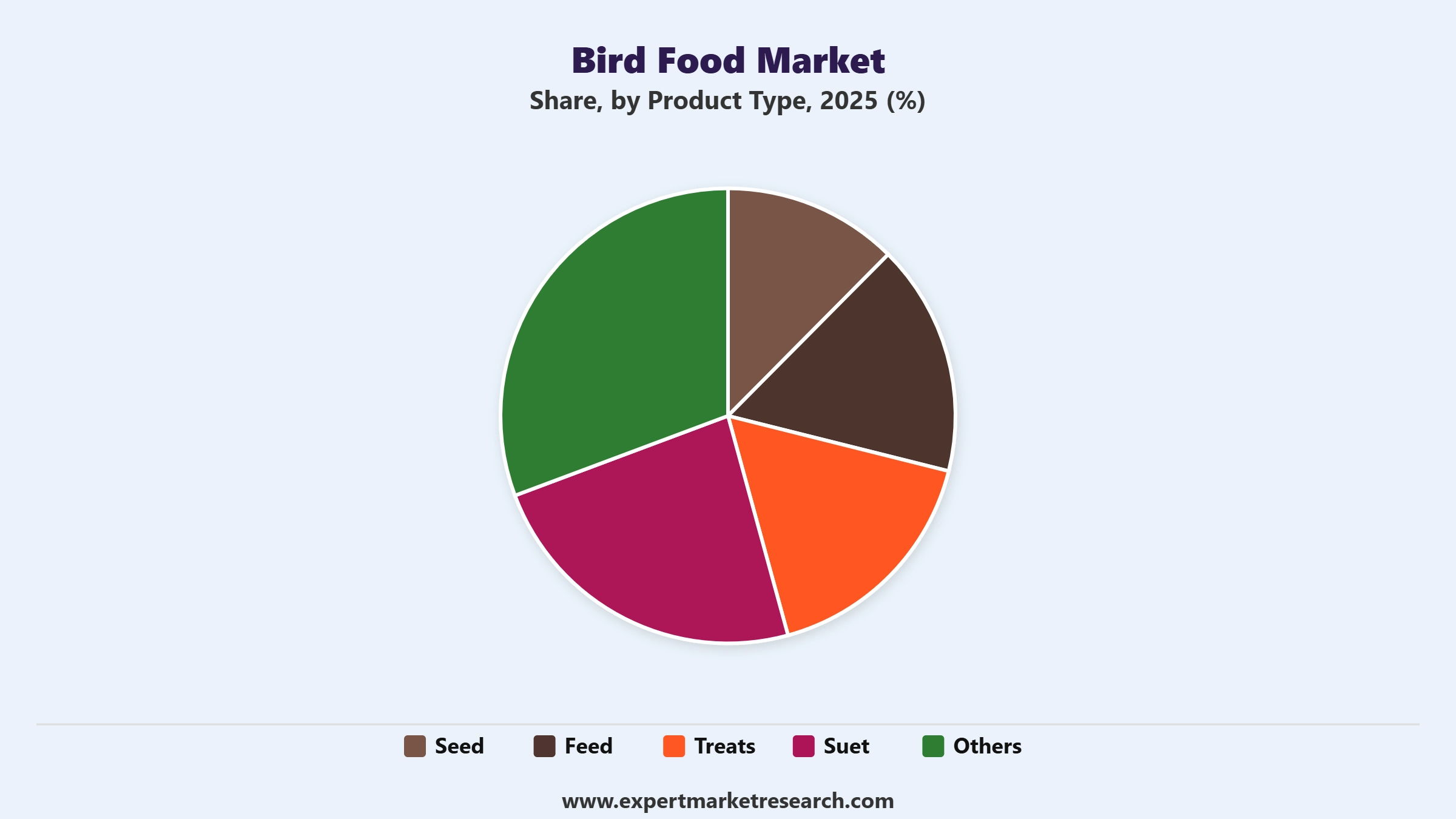
Key Insight: Seed accounts for the largest product type share of the bird food market, reflecting its affordability, wide availability, and suitability for both wild bird feeders and a broad range of companion bird species; feed is growing fastest as pet bird owners increasingly shift toward nutritionally balanced, fortified formulations recommended by avian veterinarians. Treats support supplemental feeding and training use cases, suet provides high energy nutrition for wild birds during colder months, and other formats including nectar and mealworms serve specialty feeding needs.
Market Breakup by Price Range
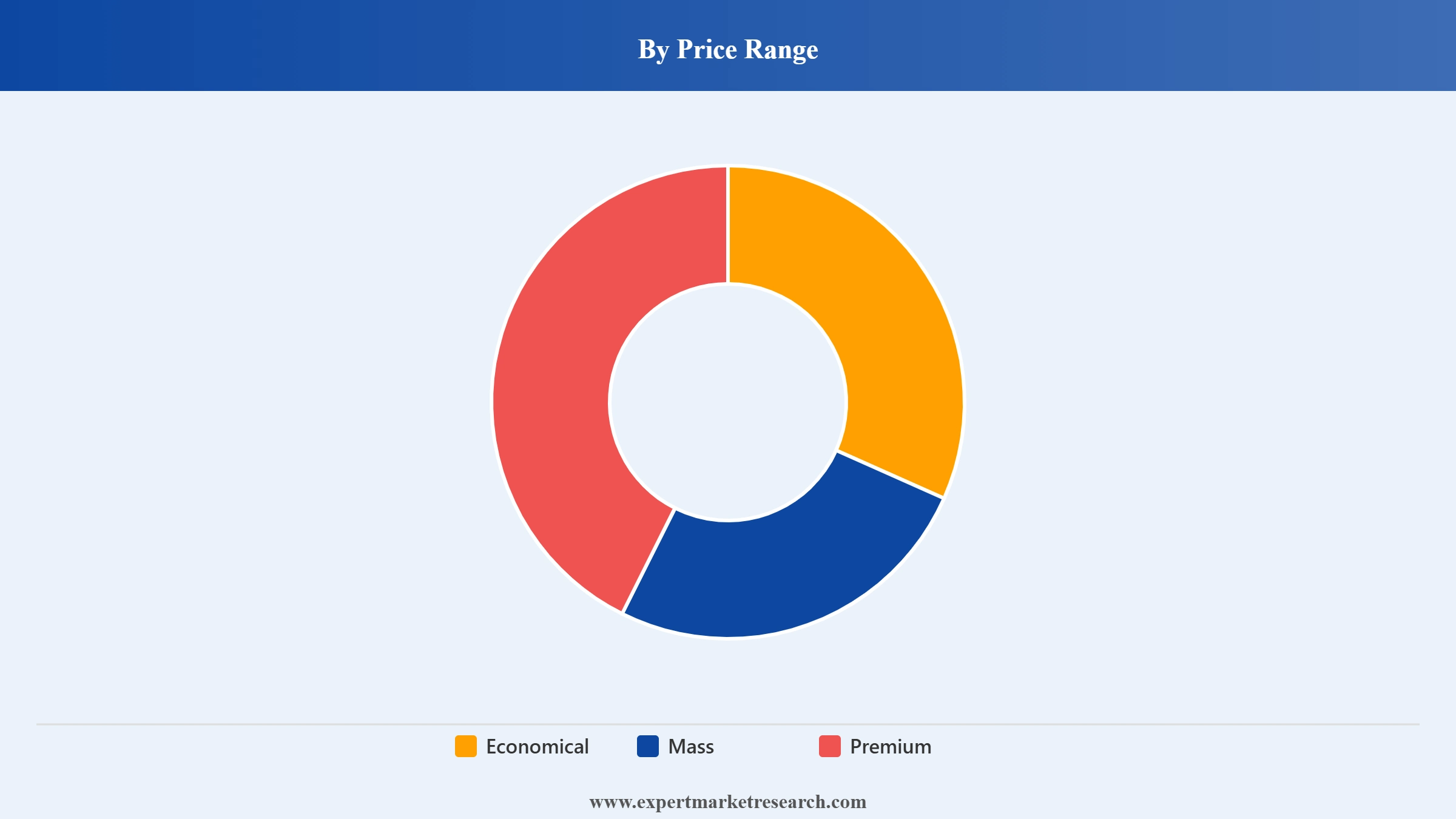
Key Insight: Mass priced bird food accounts for the largest share of the bird food market, reflecting the broad availability of moderately priced seed mixes and feed across supermarkets and mass retail channels; premium priced bird food is growing fastest as consumers increasingly favor fortified, species specific, and clean label formulations that command higher price points. Economical bird food remains a meaningful category for cost conscious wild bird feeders purchasing in bulk quantities.
Market Breakup by Bird Type
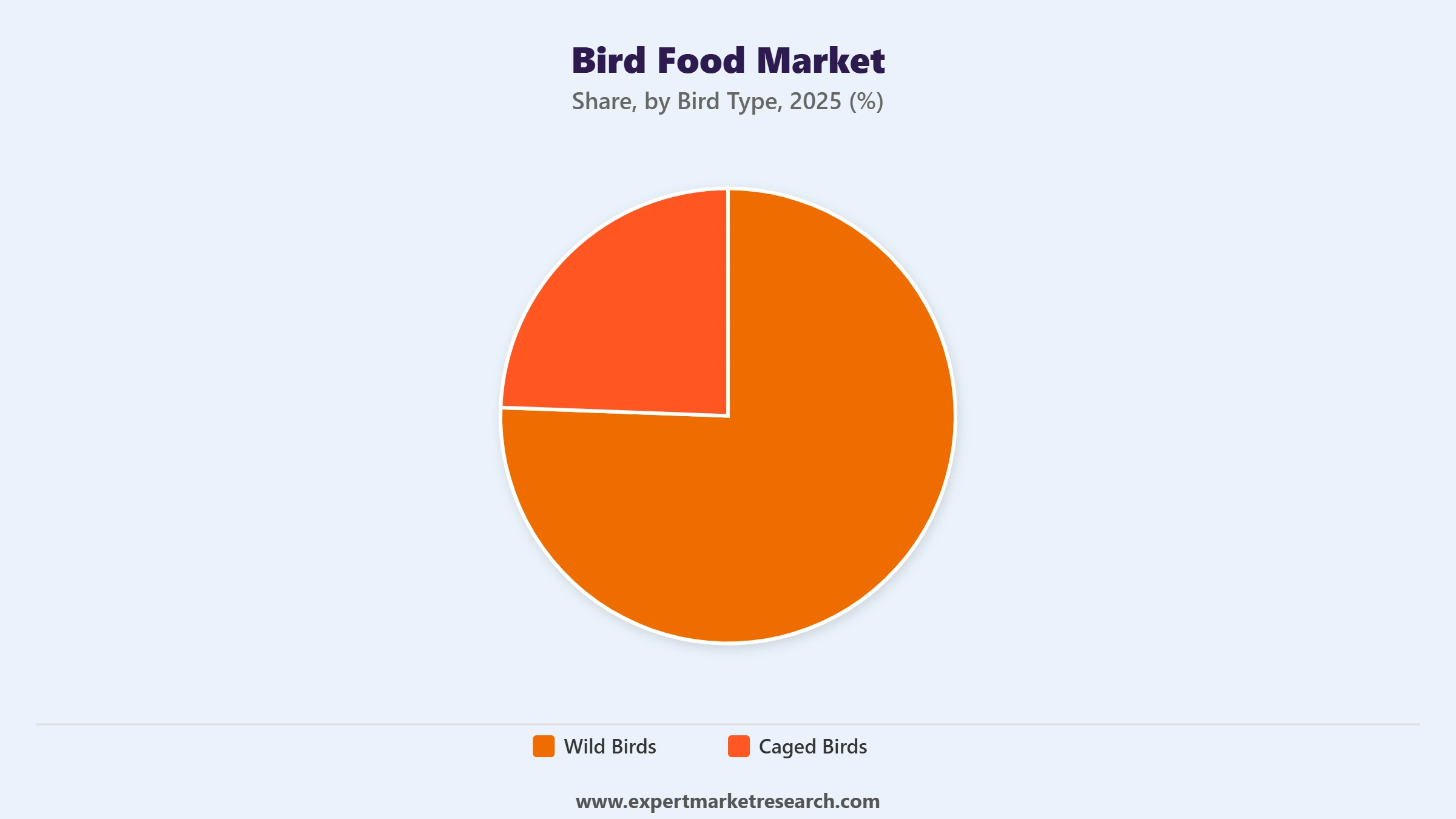
Key Insight: Wild birds account for the largest bird type share of the bird food market, supported by a long established backyard feeding culture and strong retail infrastructure across mature markets including North America and Europe; the caged birds segment is growing fastest as rising companion bird ownership among younger urban households drives demand for premium, species specific nutrition formulated for parrots, finches, canaries, and other popular companion species.
Market Breakup by Sales Channel
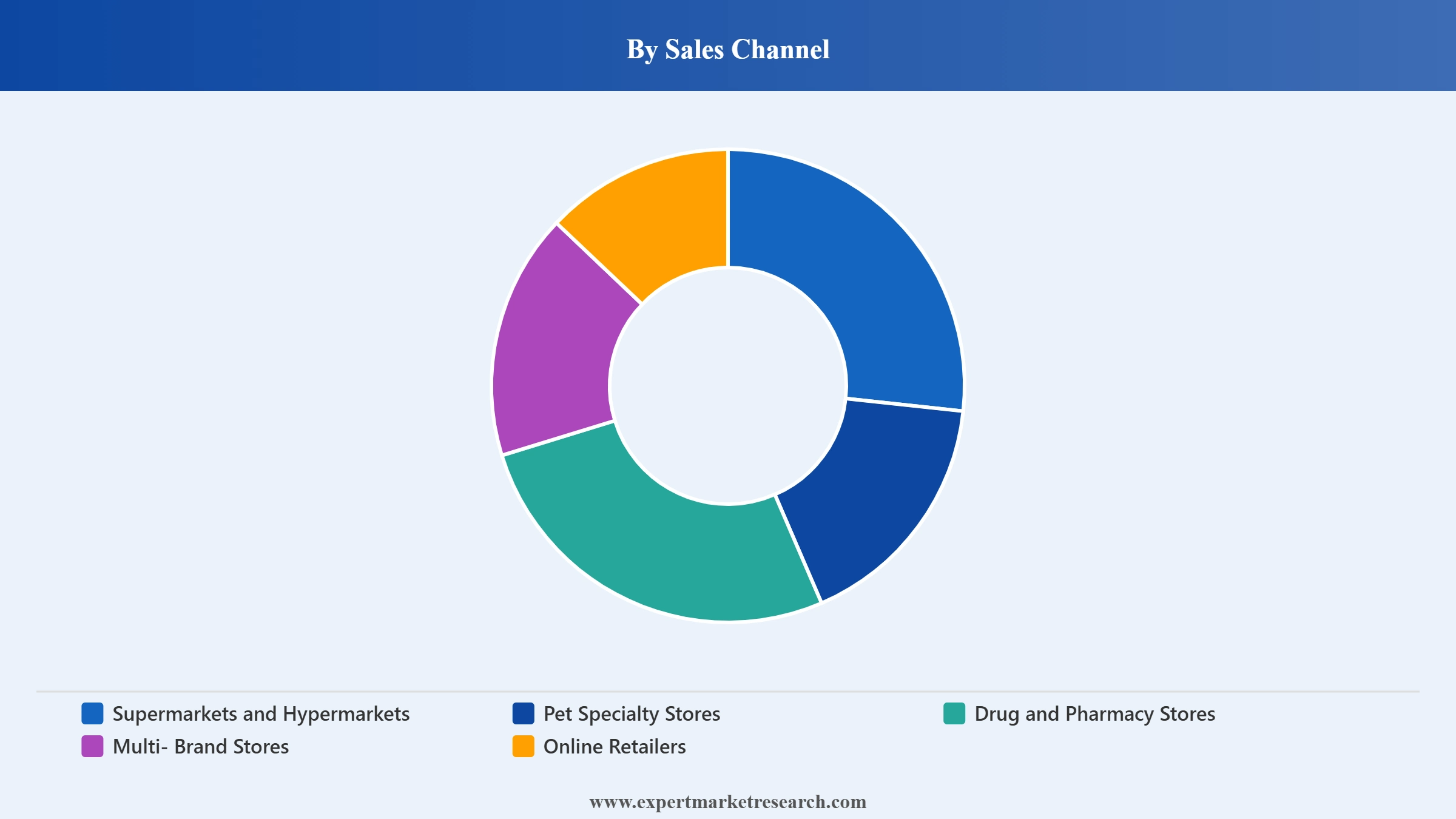
Key Insight: Supermarkets and hypermarkets account for the largest sales channel share of the bird food market given their broad geographic reach and convenience for routine wild bird feed purchases; online retailers are growing fastest as subscription-based replenishment programs and direct to consumer brands expand access to specialty and premium formulations. Pet specialty stores remain the preferred channel for species specific companion bird nutrition, drug and pharmacy stores and multi-brand stores provide additional retail touchpoints in select markets, and other channels including farm and garden stores serve regional and rural demand.
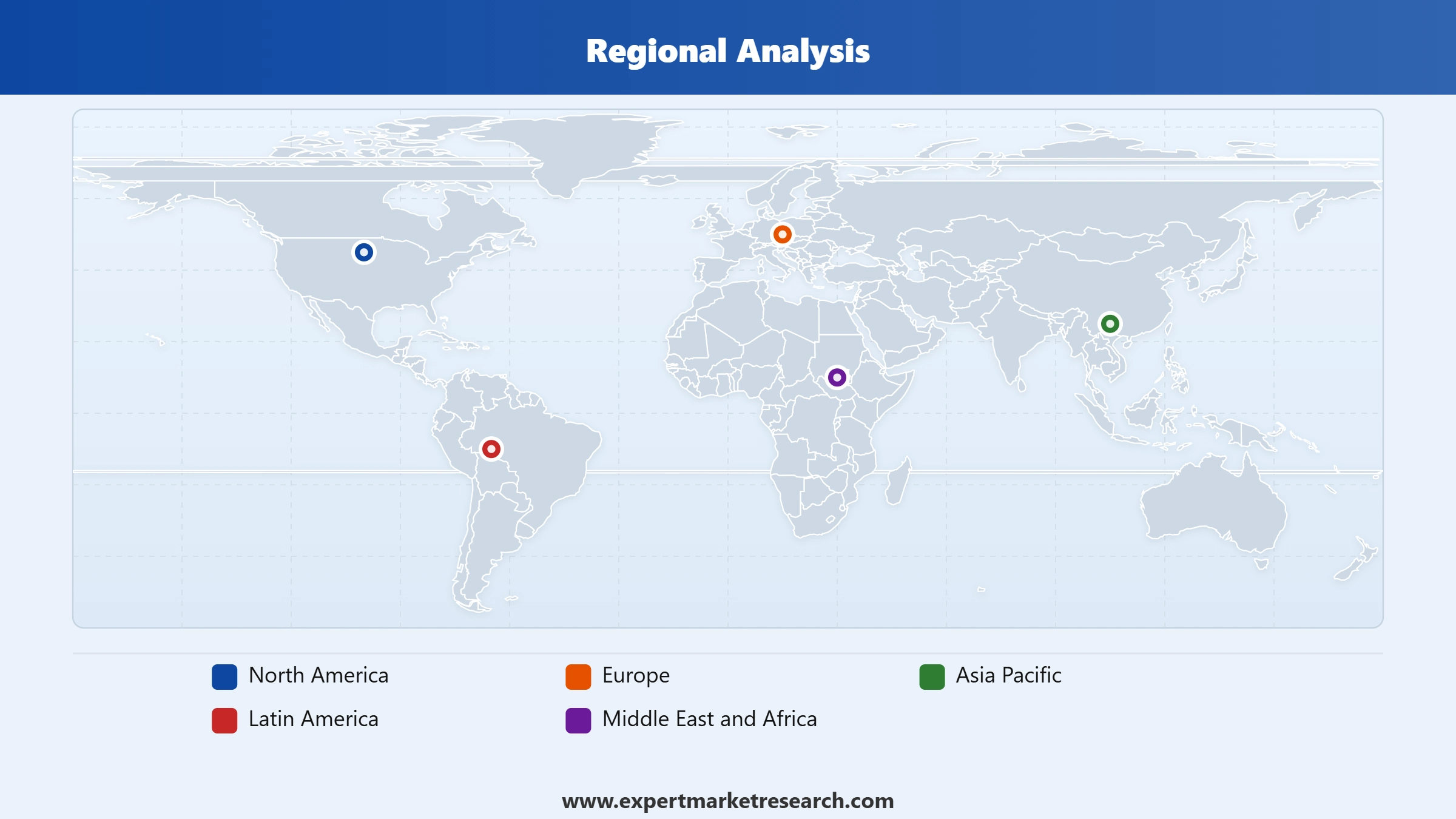
Market Breakup by Region
Key Insight: North America leads the bird food market through a mature backyard feeding culture, strong retail infrastructure, and a large base of established wild bird feed brands; Europe follows closely, anchored by a long tradition of garden bird feeding and heritage brand partnerships across the region. Asia Pacific is registering the fastest growth as rising middle class incomes and urban companion bird ownership expand demand across China, Japan, and India, while Latin America and the Middle East and Africa remain smaller markets gradually expanding through rising pet ownership.
By product type, seed dominates the market owing to its affordability and broad species compatibility
Seed holds the largest product type share of the bird food market, reflecting its affordability, wide availability across virtually every retail channel, and suitability for feeding both wild birds at backyard feeders and a broad range of companion bird species kept as pets. Manufacturers continue to prioritize seed-based formulations as the accessible entry point that drives the highest overall sales volume across most bird food categories and price tiers, supporting their continued dominance industry wide.
Read more about this report - REQUEST FREE SAMPLE COPY IN PDF
Feed is registering the fastest growth in the bird food market as pet bird owners increasingly shift toward nutritionally balanced, fortified formulations recommended by avian veterinarians over unfortified seed mixes alone. At Interzoo in Nuremberg in May 2026, Belgian manufacturer Versele presented 18 new products across its animal categories, including natural alternatives to artificial colours and flavours specifically developed for bird formulations. Continued growth in companion bird ownership and veterinary guided feeding practices is expected to sustain above average demand for formulated feed.
By price range, mass priced bird food dominates the market through broad retail availability
Mass priced bird food accounts for the largest share of the bird food market, reflecting the broad availability of moderately priced seed mixes and formulated feed across supermarkets, hypermarkets, and general retail channels that serve most everyday bird food purchases. Manufacturers continue to maintain mass tier offerings as the primary volume driver that supports consistent retail presence across grocery and mass merchandise channels nationwide, anchoring category sales across most developed and emerging markets.
Read more about this report - REQUEST FREE SAMPLE COPY IN PDF
Premium priced bird food is growing fastest in the bird food market as consumers increasingly favor fortified, species specific, and clean label formulations that command higher price points than standard seed mixes. In May 2026, Belgian manufacturer Versele-Laga announced it was consolidating its business under one global master brand, Versele, targeting accelerated growth through innovation and premium nutrition, building on its position as global market leader in the bird and pigeon categories. Continued consumer willingness to pay for targeted nutrition is expected to sustain above average growth for the premium tier.
By bird type, wild birds dominate the market through an established backyard feeding culture
Wild birds account for the largest bird type share of the bird food market, supported by a long-established backyard feeding culture and strong retail infrastructure across mature markets including North America and Europe where feeding wild birds remains a widely practiced household hobby. Manufacturers continue to expand seed and suet product lines targeting backyard feeders as the category's most consistent volume driver, reinforcing wild bird feeding as the dominant use case across most developed markets.
Read more about this report - REQUEST FREE SAMPLE COPY IN PDF
Caged birds are the fastest growing bird type segment in the bird food market as rising companion bird ownership among younger urban households drives demand for premium, species-specific nutrition tailored to individual species requirements. In May 2026, the American Pet Products Association released its 2026 State of the Industry Report at Global Pet Expo, reporting that bird ownership among United States households rose 25% year over year, outpacing growth in dog, cat, and most other companion animal categories. Continued urbanization and companion animal adoption trends are expected to sustain above average growth for this segment.
By sales channel, supermarkets and hypermarkets dominate the market through broad geographic reach
Supermarkets and hypermarkets account for the largest sales channel share of the bird food market given their broad geographic reach and convenience for routine wild bird feed purchases that consumers make as part of regular grocery shopping trips. Manufacturers continue to prioritize supermarket and hypermarket distribution agreements as the channel that delivers the highest overall sales volume across most bird food categories, particularly for economical and mass priced seed mixes sold in bulk bag formats nationwide.
Read more about this report - REQUEST FREE SAMPLE COPY IN PDF
Online retailers are registering the fastest growth in the bird food market as subscription-based replenishment programs and direct to consumer specialty brands expand consumer access to premium and species-specific formulations beyond what local retailers typically stock. According to a survey cited in Chewy's fiscal 2026 annual report, 31% of pet parents who purchased pet products online in the prior 12 months as of January 2025 used subscription-based purchasing for pet food, including treats and chews. Drug and pharmacy stores and multi-brand stores continue to serve as supplementary channels in select markets, while manufacturers increasingly build dedicated e-commerce storefronts to capture recurring purchase behavior among bird food buyers.

North America holds the largest share of the market through a mature backyard feeding culture and established retail infrastructure
North America holds the largest share of the bird food market, supported by a mature backyard bird feeding culture and a well-established base of manufacturers including Des Moines Feed and Central Garden and Pet's Kaytee brand serving both wild and caged bird segments across the region. In February 2026, Central Garden & Pet appointed Kay M. Schwichtenberg, a 29-year company veteran, to its Board of Directors effective March 1, 2026, reinforcing continuity of animal health expertise at one of the region's largest bird food manufacturers.
Read more about this report - REQUEST FREE SAMPLE COPY IN PDF
Europe follows closely behind North America, anchored by a long tradition of garden bird feeding and heritage brand partnerships between manufacturers and trusted wildlife and gardening organizations across the region. Asia Pacific is the fastest-growing region in the market, propelled by rising middle class incomes and expanding urban companion bird ownership across China, Japan, and India, while Latin America and the Middle East and Africa remain smaller markets gradually expanding through rising pet ownership and growing retail infrastructure.
The global industry is becoming increasingly innovation oriented as bird food companies compete by expanding species specific formulations, pursuing heritage brand licensing partnerships, and investing in sustainable and alternative ingredient sourcing to differentiate their offerings. Manufacturers are enhancing nutritional science, packaging convenience, and retail distribution to strengthen their appeal to both wild bird feeding enthusiasts and caged bird owners seeking premium nutrition.
Major bird food market players are focusing on premiumization, e-commerce expansion, and clean label ingredient sourcing to capture growing consumer interest across both wild and caged bird categories. Companies that combine established manufacturing scale with continued investment in species specific nutrition science and trusted brand partnerships are expected to maintain a competitive advantage as consumers increasingly prioritize quality and transparency in bird nutrition.
Founded in 1911 and headquartered in McLean, Virginia, United States, Mars, Incorporated manufactures bird food and nutrition products through its Mars Petcare division, including the TRILL and HARMONY wild and caged bird feeding brands. The company continues to invest in ingredient innovation and sustainable sourcing across its broader pet nutrition portfolio. Mars Petcare remains one of the most diversified pet nutrition companies with a global bird food presence.
Founded in 1996 and headquartered in Huntingdon, Cambridgeshire, England, Bulldog Products Limited manufactures wild bird food and garden wildlife products distributed across United Kingdom retail and garden center channels. The company continues to expand its wild bird feeding product range in response to sustained consumer interest in garden birdwatching. Bulldog Products remains a recognized supplier within the United Kingdom's wild bird feeding category.
Founded in 1944 and headquartered in Des Moines, Iowa, United States, Des Moines Feed Co manufactures and distributes wild bird, pigeon, and cage bird feed products, along with turf grass seed and other commodities. The family-owned business continues to emphasize non-GMO, clean grain sourcing as a point of differentiation. Des Moines Feed remains a long-established regional manufacturer within the United States wild bird feeding category.
Founded in 1980 and headquartered in Walnut Creek, California, United States, Central Garden & Pet Company manufactures bird and small animal food through its Kaytee and Pennington brands, alongside a broader portfolio of pet and lawn and garden products. The company continues to pursue acquisitions and brand investment across its pet segment. Central Garden & Pet remains one of the largest diversified bird food manufacturers in North America.
Other key players in the market include Global Harvest Foods, LLC, F.M. Brown's Sons, Inc, Wagner's, LLC, and The Hartz Mountain Corporation, among others.
*Please note that this is only a partial list; the complete list of key players is available in the full report. Additionally, the list of key players can be customized to better suit your needs.*
Unlock the latest insights with our bird food market trends 2026 report. Discover regional growth patterns, manufacturer strategies, and key industry players. Stay ahead of competition with trusted data and expert analysis. Download your free sample report today and drive informed decisions in the market.


Upto 15% Off
USD
$2499 $2249
$3999 $3599
$4999 $4249
$5999 $5099


*While we strive to always give you current and accurate information, the numbers depicted on the website are indicative and may differ from the actual numbers in the main report. At Expert Market Research, we aim to bring you the latest insights and trends in the market. Using our analyses and forecasts, stakeholders can understand the market dynamics, navigate challenges, and capitalize on opportunities to make data-driven strategic decisions.*
In 2025, the market reached an approximate value of USD 1.82 Billion.
The market is projected to grow at a CAGR of 6.60% between 2026 and 2035.
The market is estimated to witness a healthy growth in the forecast period of 2026-2035 to reach USD 3.45 Billion by 2035.
Expanding species specific and fortified product formulations, pursuing heritage brand and wildlife organization licensing partnerships, investing in sustainable and alternative ingredient sourcing, growing online and subscription-based distribution, and emphasizing clean label, non-GMO sourcing.
The key trends fuelling the growth of the market include growing popularity of bird feeding, increasing awareness about bird nutrition, and rising demand for organic bird food.
The major regions in the market are North America, Europe, the Asia Pacific, Latin America, and the Middle East and Africa.
The significant sales channels include supermarkets and hypermarkets, pet speciality stores, drug and pharmacy stores, multi-brand stores, and online retailers, among others.
The key players in the market include Mars, Incorporated, Bulldog Products Limited, Des Moines Feed Co, Inc, Central Garden & Pet Company, Global Harvest Foods LLC, F.M. Brown's Sons, Inc., Wagner's LLC, and The Hartz Mountain Corporation.
Manufacturers face volatile raw material and seed input costs, competition from private label retail brands, seasonal fluctuations in wild bird feeding demand, and regulatory requirements around ingredient labeling and safety.
Explore our key highlights of the report and gain a concise overview of key findings, trends, and actionable insights that will empower your strategic decisions.
| REPORT FEATURES | DETAILS |
| Base Year | 2025 |
| Historical Period | 2019-2025 |
| Forecast Period | 2026-2035 |
| Scope of the Report |
Historical and Forecast Trends, Industry Drivers and Constraints, Historical and Forecast Market Analysis by Segment:
|
| Breakup by Product Type |
|
| Breakup by Price Range |
|
| Breakup by Bird Type |
|
| Breakup by Sales Channel |
|
| Breakup by Region |
|
| Market Dynamics |
|
| Competitive Landscape |
|
| Companies Covered |
|
Datasheet
One User
USD 2,499
USD 2,249
tax inclusive*
Single User License
One User
USD 3,999
USD 3,599
tax inclusive*
Five User License
Five User
USD 4,999
USD 4,249
tax inclusive*
Corporate License
Unlimited Users
USD 5,999
USD 5,099
tax inclusive*
*Please note that the prices mentioned below are starting prices for each bundle type. Kindly contact our team for further details.*
Flash Bundle
Small Business Bundle
Growth Bundle
Enterprise Bundle
*Please note that the prices mentioned below are starting prices for each bundle type. Kindly contact our team for further details.*
Flash Bundle
Number of Reports: 3
20%
tax inclusive*
Small Business Bundle
Number of Reports: 5
25%
tax inclusive*
Growth Bundle
Number of Reports: 8
30%
tax inclusive*
Enterprise Bundle
Number of Reports: 10
35%
tax inclusive*
How To Order

Select License Type
Choose the right license for your needs and access rights.

Click on ‘Buy Now’
Add the report to your cart with one click and proceed to register.

Select Mode of Payment
Choose a payment option for a secure checkout. You will be redirected accordingly.
Strategic Solutions for Informed Decision-Making
Gain insights to stay ahead and seize opportunities.

Get insights & trends for a competitive edge.

Track prices with detailed trend reports.

Analyse trade data for supply chain insights.

Leverage cost reports for smart savings

Enhance supply chain with partnerships.

Connect For More Information
Our expert team of analysts will offer full support and resolve any queries regarding the report, before and after the purchase.
Our expert team of analysts will offer full support and resolve any queries regarding the report, before and after the purchase.
We employ meticulous research methods, blending advanced analytics and expert insights to deliver accurate, actionable industry intelligence, staying ahead of competitors.
Our skilled analysts offer unparalleled competitive advantage with detailed insights on current and emerging markets, ensuring your strategic edge.
We offer an in-depth yet simplified presentation of industry insights and analysis to meet your specific requirements effectively.




