

Consumer Insights
Uncover trends and behaviors shaping consumer choices today
Procurement Insights
Optimize your sourcing strategy with key market data
Industry Stats
Stay ahead with the latest trends and market analysis.
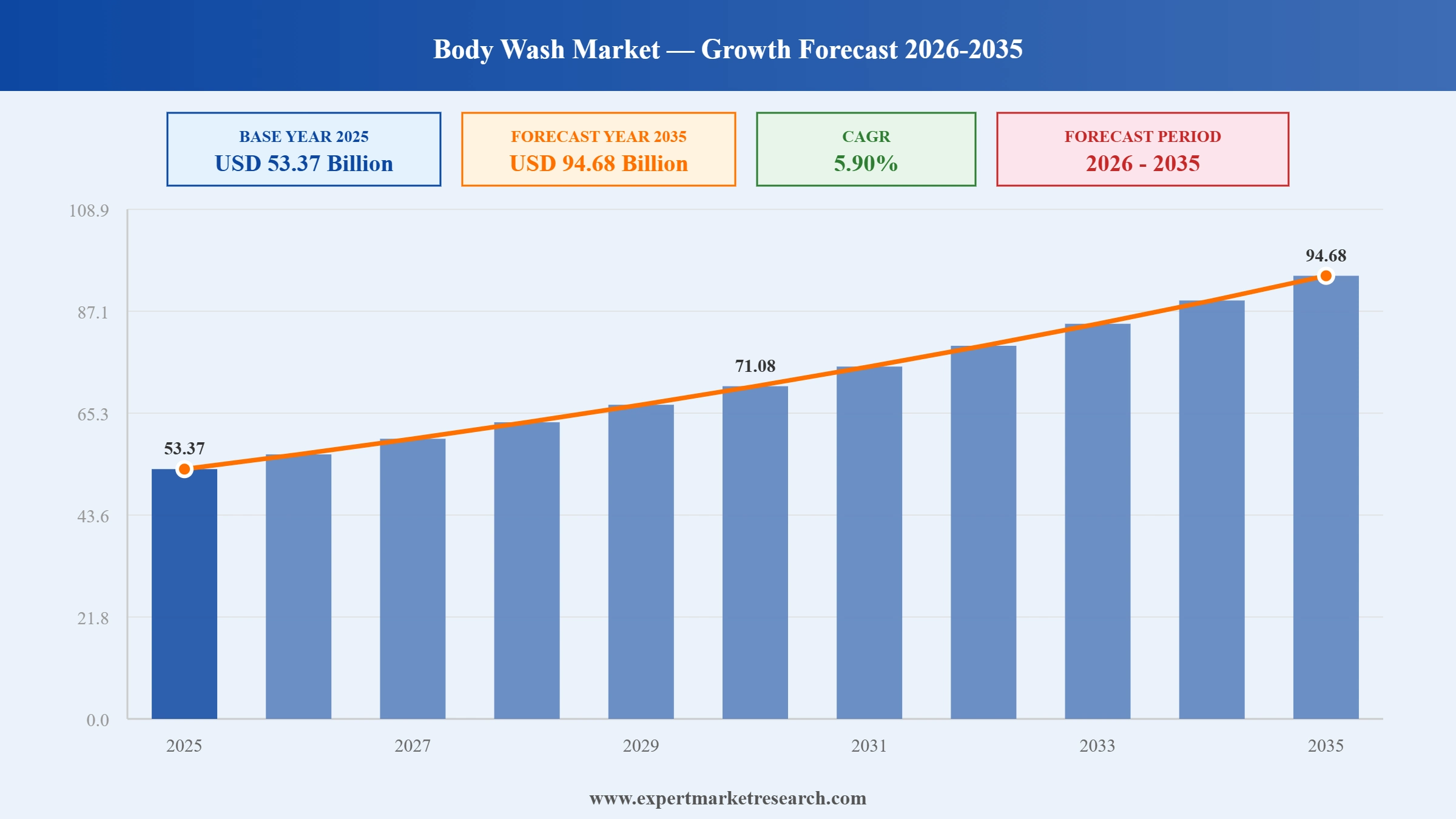
The Body Wash Market reached a value of USD 53.37 Billion at 2025 and is projected to expand at a CAGR of around 5.90% during the forecast period of 2026-2035. With increasing hygiene and skin wellness awareness among consumers globally, the growing popularity of organic and plant-based body wash formulations, the rising penetration of online retail channels, and steady premiumisation of everyday personal care products, the market is expected to reach USD 94.68 Billion by 2035.
Read more about this report - REQUEST FREE SAMPLE COPY IN PDF
| Global Bodywash Market Report Summary | Description | Value |
| Base Year | USD Billion | 2025 |
| Historical Period | USD Billion | 2019-2025 |
| Forecast Period | USD Billion | 2026-2035 |
| Market Size 2025 | USD Billion | 53.37 |
| Market Size 2035 | USD Billion | 94.68 |
| CAGR 2019-2025 | Percentage | XX% |
| CAGR 2026-2035 | Percentage | 5.90% |
| CAGR 2026-2035 - Market by Region | Asia Pacific | 6.6% |
| CAGR 2026-2035 - Market by Country | India | 7.6% |
| CAGR 2026-2035 - Market by Country | Brazil | 7.0% |
| CAGR 2026-2035 - Market by Distribution Channel | Online Channel | 7.7% |
| CAGR 2026-2035 - Market by Product Type | Shower Oil | 6.3% |
| Market Share by Country 2025 | France | 3.4% |
The global body wash market is being shaped by a clear shift toward naturalness, sustainability, skin functionality, and digital commerce. These trends are converging to redefine what consumers expect from a product once considered a household commodity, pushing brands to invest more heavily in innovation, ingredient transparency, and responsible packaging.
In July 2025, Johnson and Johnson made a significant product launch move as Aveeno introduced a new fragrance-free shower gel line specifically designed for sensitive skin consumers. The launch was a direct response to growing consumer demand for dermatologist-tested, gentle cleansing formulations free from common irritants. Sensitive skin care has emerged as one of the fastest-growing sub-segments within the body wash category, driven by increasing prevalence of skin sensitivities and the rising preference for hypoallergenic formulations. The new Aveeno line reinforces Johnson and Johnson's positioning in the clinically validated personal care space and expands its portfolio to address a consumer base that is actively seeking both efficacy and gentleness.
In June 2025, Unilever announced a strategic partnership with a leading packaging supplier to transition the shower gel packaging for its flagship Dove and Axe brands to 100% recycled materials. The initiative reflects Unilever's broader sustainability commitments and a growing industry-wide imperative to reduce plastic waste in the personal care segment. Dove and Axe are among the most widely distributed body wash brands globally, which means the packaging switch will have a meaningful impact on plastic reduction at scale. The move also aligns with tightening regulatory expectations around plastic use in major markets across Europe and North America, while catering to environmentally conscious consumers who factor sustainability credentials into their purchase decisions.
In April 2025, Beiersdorf announced the strategic acquisition of a niche natural skincare brand to strengthen and extend the NIVEA product range into premium shower gels. The acquisition reflects the broader industry trend of established personal care majors acquiring smaller, specialised natural and organic brands to expand their portfolios and gain credibility in the clean beauty segment without having to build the brand equity from scratch. NIVEA is one of the world's most recognised personal care brands, and broadening it into premium natural body wash positions Beiersdorf competitively against both organic-native brands and multinational peers that are similarly reinforcing their natural product credentials. The deal underscores the consolidation dynamic taking shape within the global body wash market.
In March 2025, Procter and Gamble introduced a premium cream-based body wash under one of its flagship personal care brands, targeting the high-growth moisturising and anti-aging body care segment. Cream-based body washes have been gaining traction as consumers increasingly treat bathing as part of a broader skincare routine rather than a simple hygiene task. The launch taps into the broader premiumisation trend in the body wash category, where consumers show greater willingness to pay up for formulations offering skincare-grade benefits such as deep moisturisation, skin barrier reinforcement, and anti-aging properties. Procter and Gamble's move into the cream-based sub-format reflects the importance of product format innovation in capturing incremental revenue within the mature body wash category.
In January 2025, Unilever launched a new line of eco-friendly shower gels infused with botanical extracts, specifically targeting environmentally conscious consumers across North America and Europe. The product range features biodegradable packaging and formulations that are free from parabens and sulfates, positioning the launch squarely within the clean beauty and sustainability movement that is reshaping the personal care aisle. The initiative was supported by a multi-channel marketing campaign emphasising wellness and environmental responsibility. By combining natural ingredient appeal with sustainable packaging credentials, Unilever aimed to capture growing demand from younger consumers who treat sustainability as a non-negotiable requirement, rather than a bonus feature, in their body care product choices.
Consumers today are reading ingredient labels with a level of scrutiny once reserved for food products. Parabens, sulfates, synthetic fragrances, and petroleum-derived surfactants are increasingly being rejected by a growing cohort of health-conscious buyers. The global body wash market growth is being significantly shaped by this shift toward plant-based, organic, and clean-label formulations. Brands across all tiers are responding, from mass-market giants reformulating legacy products to niche organic brands capturing premium shelf space. In January 2025, Unilever launched a line of eco-friendly botanical shower gels with biodegradable packaging and paraben-free, sulfate-free formulations in North America and Europe, directly responding to this structural shift in consumer expectations.
Plastic packaging reduction is no longer a voluntary CSR gesture in the body wash market. Regulatory pressure from the EU, evolving consumer expectations, and growing retailer sustainability mandates are combining to make sustainable packaging a genuine business priority. Brands that can credibly demonstrate reduced plastic use, recycled materials, and refillable formats are gaining loyalty from environmentally motivated buyers. In June 2025, Unilever announced a partnership to shift Dove and Axe shower gel packaging entirely to 100% recycled materials, a significant commitment given the global scale of these brands. This signals that sustainability in body care packaging has moved from pilot programme to mainstream strategy for the largest players in the market.
Body wash is progressively evolving from a basic cleansing product into a multi-functional skincare tool. Consumers are increasingly seeking formulations with dermatologist-backed claims, luxury fragrances, moisturising actives such as ceramides, niacinamide, and hyaluronic acid, as well as certifications for sensitive skin compatibility. This premiumisation trend is pushing average selling prices upward and opening space for brands to introduce cream-based, shower oil, and therapeutic sub-formats that command significantly higher margins. In April 2025, Beiersdorf acquired a niche natural skincare brand to expand the NIVEA range into premium shower gels, a move that reflects how established personal care companies are accelerating their premiumisation strategies through targeted acquisitions.
Asia Pacific is firmly establishing itself as the most dynamic growth market for body wash globally, expanding at a CAGR of 6.6% over the forecast period. Rapid urbanisation, rising disposable incomes, and a younger population with strong personal grooming habits are the primary demand drivers. Countries like India and China are particularly prominent, with consumer preferences increasingly shifting toward premium bathing products, international brands, and formulations backed by scientific claims. In July 2025, Johnson and Johnson launched the Aveeno fragrance-free sensitive skin shower gel line to tap into the growing demand for gentle, clinically validated personal care products. This is part of a broader pattern of global brands launching tailored products to capture the fastest-growing consumer cohort in the world.
The EMR’s report titled “Global Body Wash Market Report and Forecast 2026-2035” offers a detailed analysis of the market based on the following segments:
Breakup by Product Type
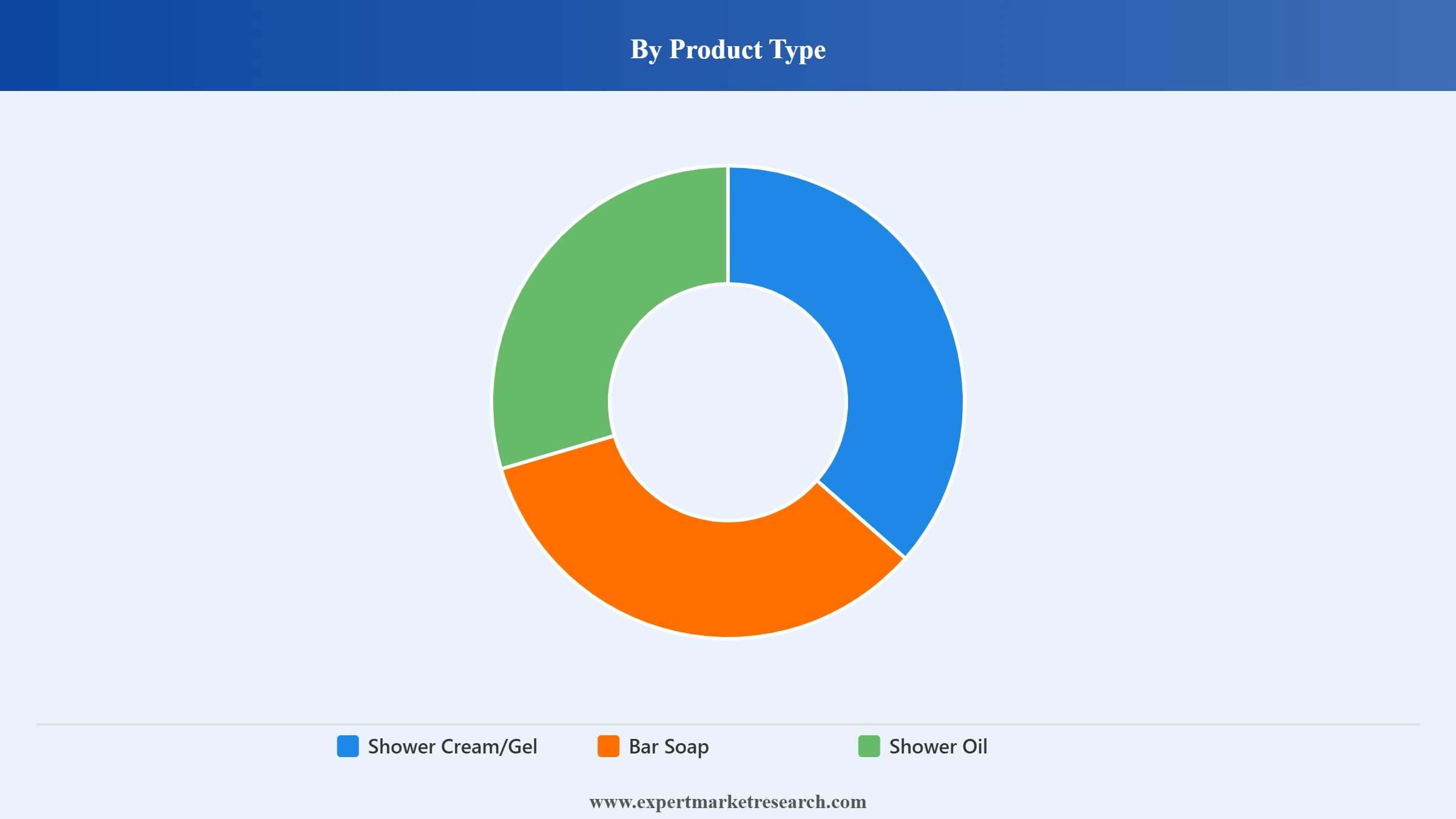
Key Insight: Shower Cream/Gel is the dominant product type in the global body wash market, holding the largest share of consumer spending across all regions. The format's versatility, wide availability across price tiers, and compatibility with diverse skin types have entrenched it as the go-to daily bathing product in both developed and emerging markets. Shower Oil is the fastest-growing sub-format at a CAGR of 6.3%, as consumers increasingly adopt it for its superior moisturisation properties and luxury feel. Bar Soap retains relevance particularly in emerging markets and among sustainability-conscious consumers who prefer solid formats for their lower packaging footprint. The Others category includes niche formats such as exfoliating body scrubs, solid body washes, and waterless concentrates.
Breakup by Ingredient Type
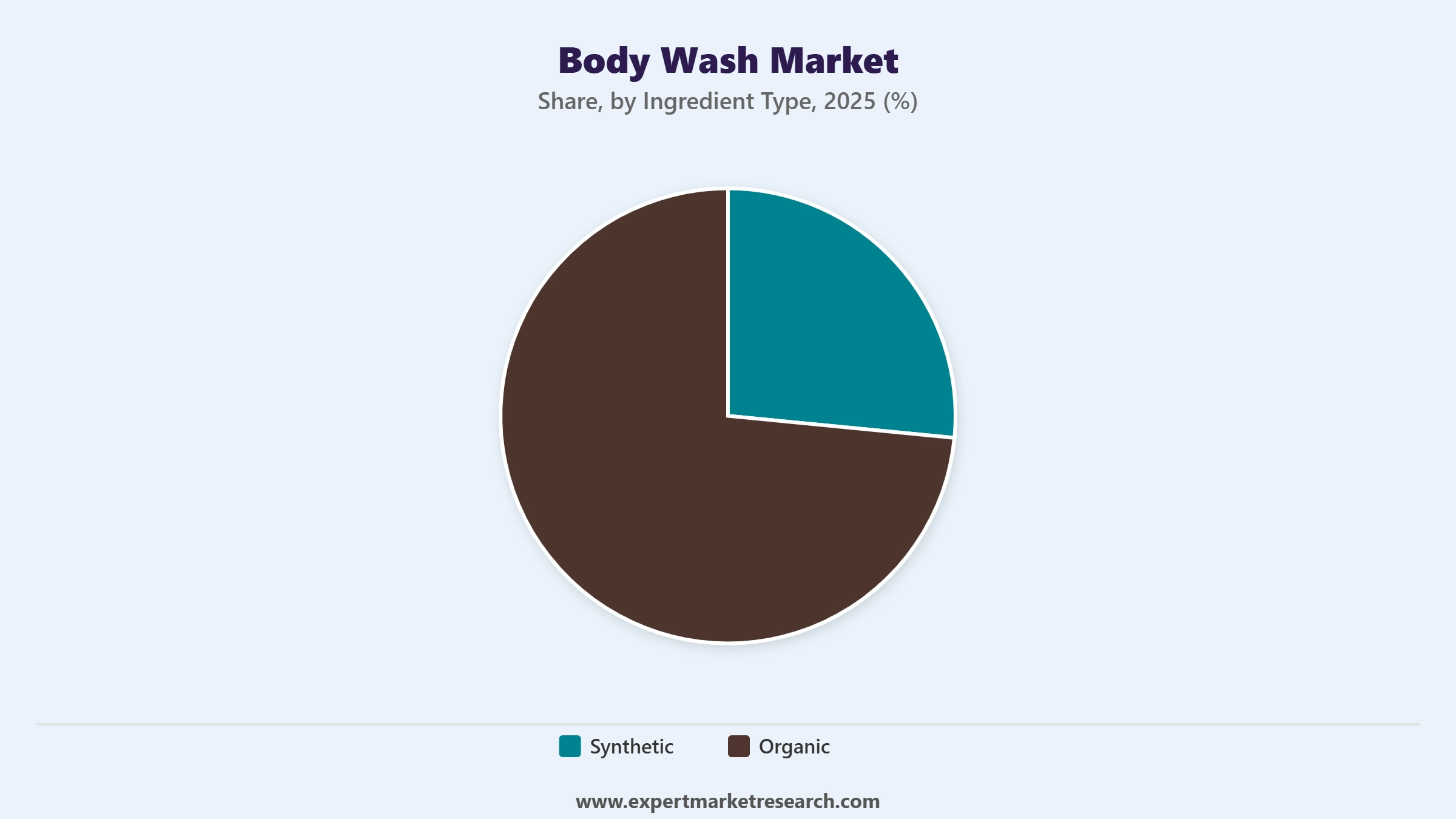
Key Insight: Synthetic ingredients continue to dominate the global body wash market in volume terms, benefiting from established supply chains, cost-effectiveness, and wide consumer familiarity. However, the Organic ingredient segment is growing at a structurally higher rate than the overall market, driven by rising consumer demand for plant-based, chemical-free, and sustainably sourced formulations. Brands across all price tiers are diversifying into organic lines, and the entry of major multinationals such as Unilever and Beiersdorf into organic body wash through both product development and acquisitions is accelerating category expansion. The growing availability of certified organic personal care products in mainstream retail channels, alongside the proliferation of e-commerce platforms offering wider natural brand selection, is bringing organic body wash to a broader consumer audience than ever before.
Breakup by Distribution Channel
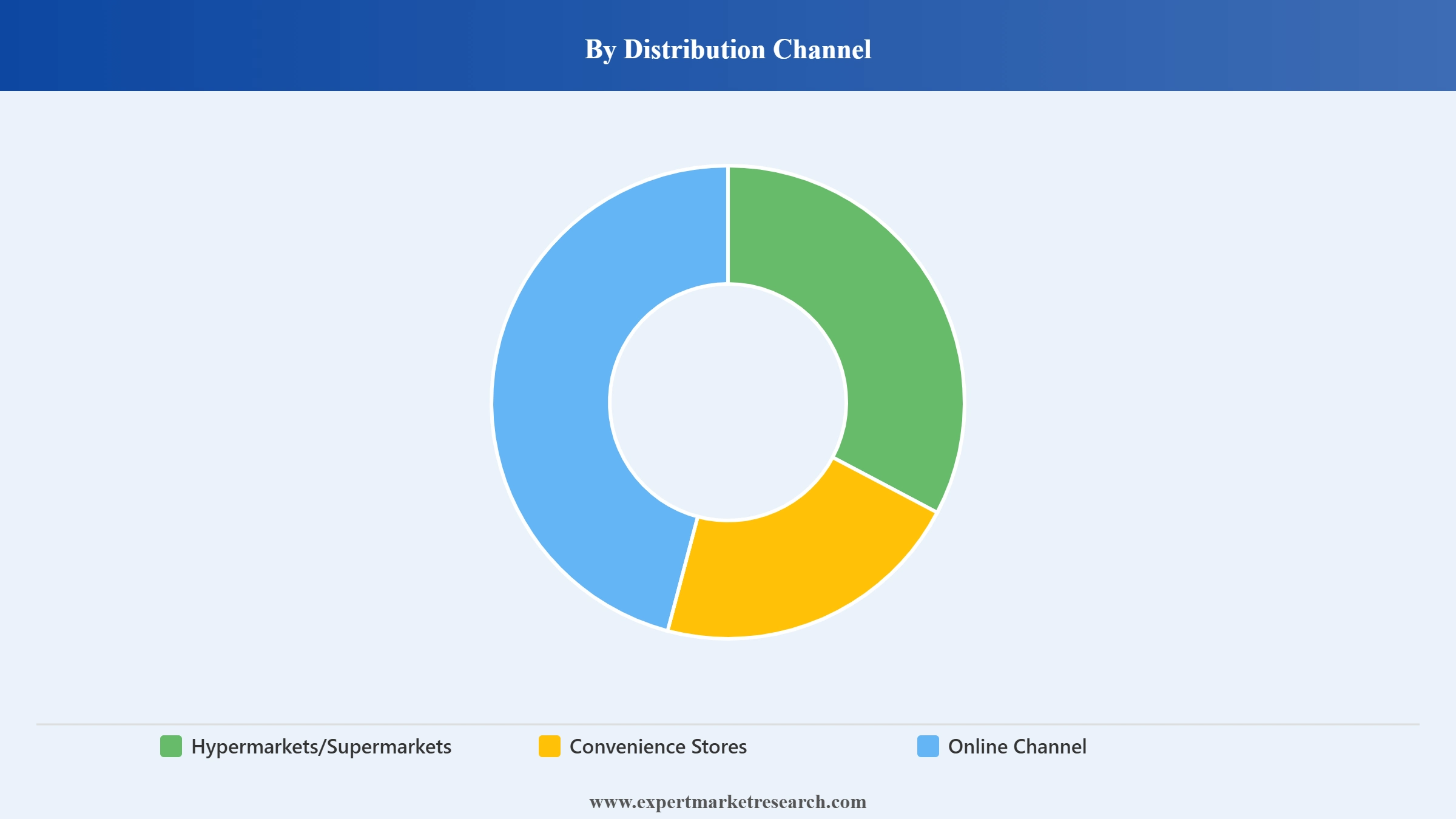
Key Insight: Hypermarkets and Supermarkets remain the leading distribution channel for body wash globally, providing consumers with the ease of product trial, comparison, and immediate purchase within a single shopping trip. Established brands leverage dominant shelf placement in these outlets to reinforce brand awareness. Convenience stores are particularly significant in urban markets and travel-linked purchasing occasions. The Online Channel is the fastest-growing distribution route, with e-commerce platforms enabling consumers to access a wider range of brands, read peer reviews, and take advantage of subscription-based delivery models. In Asia Pacific particularly, digital commerce platforms are accelerating the reach of both global and homegrown body wash brands into smaller cities and rural areas, broadening the accessible consumer base beyond traditional brick-and-mortar retail coverage.
Breakup by Region
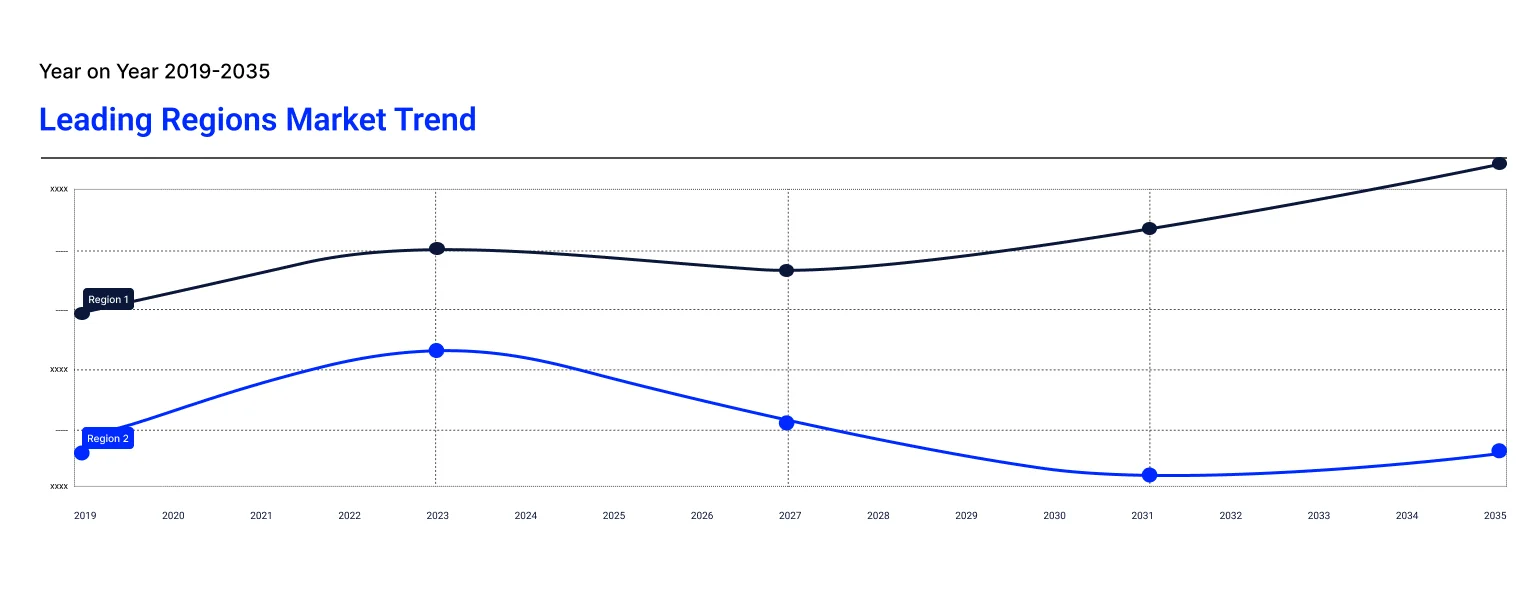
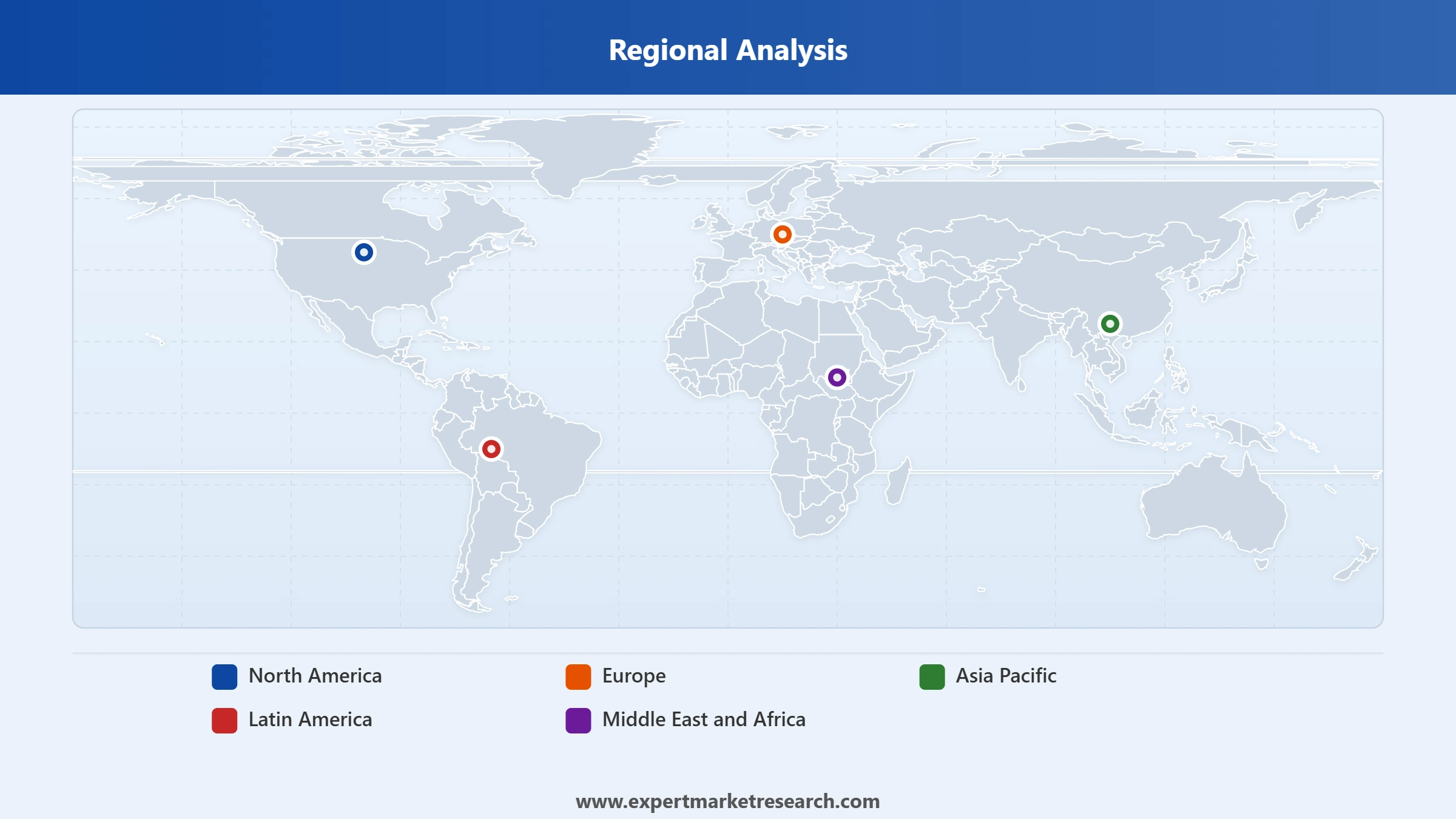
Key Insight: Asia Pacific is the fastest-growing regional body wash market at a CAGR of 6.6%, with China and India leading expansion at growth rates of 6.4% and 7.6%, respectively, according to EMR's analysis. North America and Europe are the most mature markets, characterised by high per-capita consumption, well-established brand portfolios, and strong premiumisation dynamics. Latin America is seeing growing adoption, particularly in Brazil and Mexico, where rising middle-class incomes are supporting trading up from basic bar soap to liquid body wash formats. The Middle East and Africa present a long-term growth opportunity, with urbanisation, youthful demographics, and expanding retail infrastructure gradually driving category penetration in markets like Saudi Arabia, UAE, Nigeria, and South Africa.
Read more about this report - REQUEST FREE SAMPLE COPY IN PDF
Shower Cream/Gel holds the dominant share of the global body wash market by product type, accounting for the largest portion of total market revenue across all geographies. The format's enduring popularity is rooted in its adaptability to serve multiple consumer needs within a single product, from basic hygiene to moisturisation, exfoliation, and fragrance experience. The sub-category breadth, including regular gels, cream-enriched formulas, and vitamin-infused variants, allows brands to address a wide spectrum of skin types and consumer preferences. Shower Oil is emerging as a compelling challenger, growing at 6.3% CAGR, as it finds favour among mature consumers and skincare enthusiasts seeking body wash products that do more than cleanse. Bar Soap retains a loyal consumer base, particularly in markets where cost and sustainability drive purchase decisions, though its share is under sustained pressure from the liquid format's broader adoption.
Read more about this report - REQUEST FREE SAMPLE COPY IN PDF
Within the Ingredient Type segmentation, Synthetic formulations command the dominant share of the global body wash market, reflecting their established cost advantages, formulation flexibility, and deep consumer familiarity across decades of brand building. Synthetic surfactants, preservatives, and fragrance compounds remain the backbone of the mass-market body wash category. However, the Organic segment is experiencing accelerating growth, as consumer awareness of synthetic chemical risks increases and clean beauty principles spread beyond niche segments into mainstream consumption. Brands that have built credibility in organic body wash, including newer independent labels and the expanding organic ranges of established multinationals, are benefiting from a structural tailwind that is likely to grow stronger as regulatory environments in Europe and North America tighten ingredient standards further.
Read more about this report - REQUEST FREE SAMPLE COPY IN PDF
Hypermarkets and Supermarkets remain the dominant distribution channel for body wash globally, capturing the largest share of total market revenue. These outlets benefit from high foot traffic, convenient one-stop shopping appeal, and strong brand visibility through prime shelf placements. Promotional campaigns and multi-pack deals available in these large-format stores also influence impulse and repeat purchasing behaviour. Online channels are gaining ground rapidly as e-commerce platforms offer consumers a broader selection, detailed product information, and the convenience of home delivery, including subscription services that reward brand loyalty. In markets like China, South Korea, and India, online channels are outpacing traditional retail in body wash sales growth, driven by the maturity of local e-commerce ecosystems and the influence of social media and beauty influencers in shaping purchase decisions.
Read more about this report - REQUEST FREE SAMPLE COPY IN PDF
Asia Pacific is the standout growth engine in the global body wash market, expanding at a CAGR of 6.6% over the forecast period. China and India together drive the bulk of this expansion. In China, rising incomes, brand consciousness, and the country's dominant e-commerce infrastructure are supporting strong volume and value growth. China's body wash market is growing at 6.4% CAGR, buoyed by the influence of social commerce platforms, livestream shopping, and premiumisation among urban consumers. India is growing even faster at 7.6% CAGR, propelled by a large and young population increasingly trading up from bar soap to liquid body wash, driven by growing personal grooming awareness and easier product access through both modern trade and digital platforms. ASEAN markets such as Vietnam, Indonesia, and Thailand are also emerging as meaningful growth pockets, with rising urban middle-class populations and expanding modern retail coverage supporting accelerating body wash adoption.
Read more about this report - REQUEST FREE SAMPLE COPY IN PDF
North America is one of the world's largest and most sophisticated body wash markets, characterised by high per-capita consumption, strong brand loyalty, and an increasingly demanding consumer base that expects products to deliver skincare-level benefits alongside cleansing efficacy. The United States alone represents a substantial portion of regional revenue, with consumers showing strong preference for premium and moisturising formulations, sensitive skin-certified products, and brands with credible sustainability credentials. The move toward eco-friendly packaging is particularly pronounced in North America, where retail giants are applying pressure on suppliers to reduce single-use plastic. Europe is another critical market, with stringent cosmetics regulations around ingredient safety and transparency acting as de facto quality standards that are shaping global product formulation strategies. Both regions continue to see robust investment in product innovation, digital marketing, and sustainable packaging by the leading body wash brands.
The global body wash market is highly consolidated at the top, with a small number of multinational consumer goods companies commanding significant market share through well-established brand portfolios, global distribution networks, and continuous investment in product innovation. Unilever, Procter and Gamble, Johnson and Johnson, and L'Oreal collectively serve a large proportion of global demand through brands that are household names across both developed and emerging markets. These players compete on brand trust, formulation quality, distribution reach, and increasingly, sustainability credentials.
The competitive environment is also being reshaped by the rapid emergence of independent natural and organic body wash brands, which are capturing share in the premium and clean beauty segments. The response from incumbents has been twofold: direct product innovation into organic and natural ranges, and targeted acquisitions of established natural brands that can be scaled through existing distribution muscle. Digital-first brands are adding a third disruptive layer, leveraging e-commerce, social media, and influencer marketing to reach consumers without the capital intensity of traditional retail distribution.
Founded in 1929 and headquartered in London, United Kingdom, Unilever plc is a global leader in personal care and one of the dominant forces in the body wash market. The company's body care portfolio includes iconic brands such as Dove, Lux, Axe, Lifebuoy, and Simple, spanning mass market to premium price tiers. Present across more than 190 countries, Unilever combines unmatched global distribution with significant marketing investment. Its recent sustainability commitments, including the shift to recycled packaging for Dove and Axe, reflect a strategic repositioning toward responsible personal care leadership.
Founded in 1837 and headquartered in Cincinnati, USA, Procter and Gamble is one of the world's largest consumer goods companies with a significant footprint in the personal care segment. Its body wash portfolio includes brands such as Olay, Old Spice, and Safeguard, which serve diverse consumer demographics globally. P&G competes through consistent product innovation, heavy above-the-line marketing, and strong retail partnerships across hypermarkets and drugstores worldwide. The company's move into premium cream-based body wash formulations in 2025 reflects its intent to capture the high-value premiumisation segment within the category.
Founded in 1886 and headquartered in New Brunswick, New Jersey, USA, Johnson and Johnson is a globally recognised personal care and healthcare company. Within body wash, the company operates through dermatologist-trusted brands including Neutrogena, Aveeno, and Johnson's Baby, giving it strong credibility in the clinically validated and sensitive skin sub-segments. The July 2025 launch of Aveeno's fragrance-free sensitive skin shower gel is emblematic of the company's strategy to lead in the scientifically substantiated personal care space, addressing the growing cohort of consumers with skin sensitivities and dermatologist-led purchase behaviour.
Founded in 1909 and headquartered in Clichy, France, L'Oreal is the world's largest cosmetics and personal care company, with a body care portfolio that spans mass market through luxury tiers. Brands including Garnier, Mixa, La Roche-Posay, and CeraVe serve a wide range of consumer needs from everyday hydration to dermatological care. L'Oreal's investment in scientific innovation, including its personalised skincare technology showcased at CES 2025, reflects the company's positioning at the intersection of science, technology, and beauty. Its geographic reach across more than 150 countries provides a formidable distribution platform for body wash products across all major markets.
Other key players in the market are Colgate-Palmolive Company, Beiersdorf AG, Kao Corporation, Henkel AG and Co. KGaA, The Estee Lauder Companies Inc., The Body Shop International Limited, and Others.
*Please note that this is only a partial list; the complete list of key players is available in the full report. Additionally, the list of key players can be customized to better suit your needs.*
The global body wash category is evolving faster than ever, from a commodity segment into a dynamic arena of premiumisation, sustainability, and skin science innovation. Our comprehensive Body Wash Market report for 2026 delivers the granular intelligence you need to navigate this transition with confidence. Whether you are a personal care brand refining your portfolio strategy, a retailer optimising category management, or an investor evaluating opportunities in consumer staples, this report provides the data-driven clarity to make informed decisions. Download your free sample today and explore the key growth opportunities, segment dynamics, and competitive insights shaping the future of body wash globally.


Upto 15% Off
USD
$2499 $2249
$3999 $3599
$4999 $4249
$5999 $5099


*While we strive to always give you current and accurate information, the numbers depicted on the website are indicative and may differ from the actual numbers in the main report. At Expert Market Research, we aim to bring you the latest insights and trends in the market. Using our analyses and forecasts, stakeholders can understand the market dynamics, navigate challenges, and capitalize on opportunities to make data-driven strategic decisions.*
In 2025, the market reached an approximate value of USD 53.37 Billion.
The market is projected to grow at a CAGR of 5.90% between 2026 and 2035.
The market is estimated to witness healthy growth in the forecast period of 2026-2035 to reach a value of around USD 94.68 Billion by 2035.
The different regions considered in the market report include North America, Europe, the Asia Pacific, Latin America, and the Middle East and Africa.
The different types of products in the market are shower cream/gel, bar soap, and shower oil, among others.
The different ingredients used for making body washes are synthetic and organic.
The different distribution channels for body wash are hypermarkets/supermarkets, convenience stores, and online channels, among others.
Key players in the market are Unilever plc, The Procter & Gamble Company, Johnson & Johnson Services, Inc., L'Oreal SA, Colgate-Palmolive Company, Beiersdorf AG, Kao Corporation, Henkel AG & Co. KGaA, The Estée Lauder Companies Inc., and The Body Shop International Limited, among others.
Explore our key highlights of the report and gain a concise overview of key findings, trends, and actionable insights that will empower your strategic decisions.
| REPORT FEATURES | DETAILS |
| Base Year | 2025 |
| Historical Period | 2019-2025 |
| Forecast Period | 2026-2035 |
| Scope of the Report |
Historical and Forecast Trends, Industry Drivers and Constraints, Historical and Forecast Market Analysis by Segment:
|
| Breakup by Product Type |
|
| Breakup by Ingredient Type |
|
| Breakup by Distribution Channel |
|
| Breakup by Region |
|
| Market Dynamics |
|
| Competitive Landscape |
|
| Companies Covered |
|
Datasheet
One User
USD 2,499
USD 2,249
tax inclusive*
Single User License
One User
USD 3,999
USD 3,599
tax inclusive*
Five User License
Five User
USD 4,999
USD 4,249
tax inclusive*
Corporate License
Unlimited Users
USD 5,999
USD 5,099
tax inclusive*
*Please note that the prices mentioned below are starting prices for each bundle type. Kindly contact our team for further details.*
Flash Bundle
Small Business Bundle
Growth Bundle
Enterprise Bundle
*Please note that the prices mentioned below are starting prices for each bundle type. Kindly contact our team for further details.*
Flash Bundle
Number of Reports: 3
20%
tax inclusive*
Small Business Bundle
Number of Reports: 5
25%
tax inclusive*
Growth Bundle
Number of Reports: 8
30%
tax inclusive*
Enterprise Bundle
Number of Reports: 10
35%
tax inclusive*
How To Order

Select License Type
Choose the right license for your needs and access rights.

Click on ‘Buy Now’
Add the report to your cart with one click and proceed to register.

Select Mode of Payment
Choose a payment option for a secure checkout. You will be redirected accordingly.
Strategic Solutions for Informed Decision-Making
Gain insights to stay ahead and seize opportunities.

Get insights & trends for a competitive edge.

Track prices with detailed trend reports.

Analyse trade data for supply chain insights.

Leverage cost reports for smart savings

Enhance supply chain with partnerships.

Connect For More Information
Our expert team of analysts will offer full support and resolve any queries regarding the report, before and after the purchase.
Our expert team of analysts will offer full support and resolve any queries regarding the report, before and after the purchase.
We employ meticulous research methods, blending advanced analytics and expert insights to deliver accurate, actionable industry intelligence, staying ahead of competitors.
Our skilled analysts offer unparalleled competitive advantage with detailed insights on current and emerging markets, ensuring your strategic edge.
We offer an in-depth yet simplified presentation of industry insights and analysis to meet your specific requirements effectively.




