

Consumer Insights
Uncover trends and behaviors shaping consumer choices today
Procurement Insights
Optimize your sourcing strategy with key market data
Industry Stats
Stay ahead with the latest trends and market analysis.

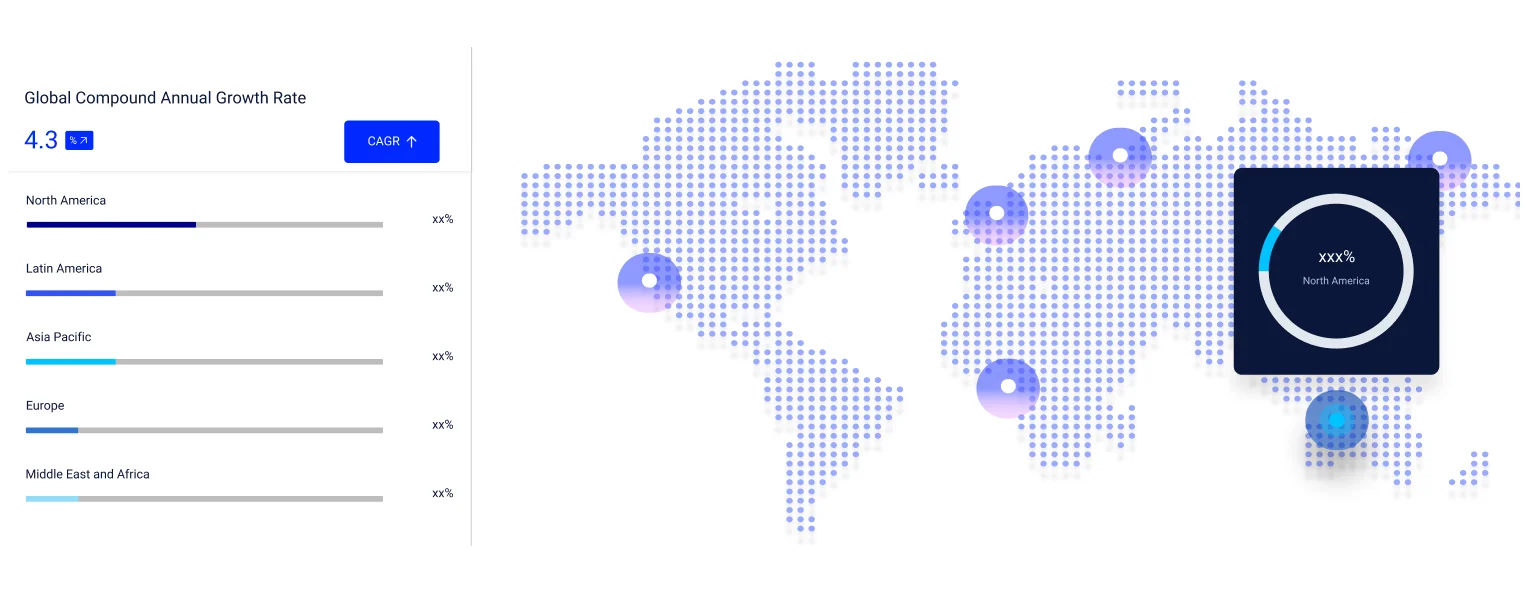
The global call center AI market size USD 2.23 Billion in 2025. The market is expected to grow at a CAGR of 22.00% during the forecast period of 2026-2035 to reach a value of USD 16.29 Billion by 2035. Rising adoption of AI-powered sentiment analysis tools is enhancing real-time customer engagement and personalization, driving efficiency in call centers across banking, telecom, and e-commerce sectors globally.
The market is witnessing rapid growth, driven by the surge in customer expectations for faster, personalized support. According to the call center AI market analysis, over 70% of customer interactions globally are expected to involve AI by 2025, underscoring the rising adoption of conversational AI and intelligent automation. Governments are promoting digital transformation initiatives; for instance, Singapore’s Smart Nation program invests in AI-driven citizen services, while the United States Small Business Administration supports AI adoption in service operations. These initiatives are boosting enterprise confidence in integrating AI into customer service workflows.
Another major driving factor is the rising demand for operational efficiency and cost reduction. Businesses are leveraging AI-powered chatbots, virtual assistants, and sentiment analysis tools to streamline support operations. Industry reports suggest that AI adoption in customer service can reduce average call handling times by more than 50%, while improving first-call resolution rates. Large enterprises in the banking, telecom, and e-commerce sectors are leading these deployments, highlighting the importance of AI in maintaining competitive advantage, boosting growth in the call center AI market.
Base Year
Historical Period
Forecast Period
Compound Annual Growth Rate
22%
Value in USD Billion
2026-2035
*this image is indicative*
Call center AI is increasingly being adopted to optimize operational workflows, reduce overhead costs, and minimize human error. Companies are deploying AI-driven virtual assistants to handle routine queries, enabling human agents to focus on complex interactions. For instance, IBM Watson Assistant, launched in September 2021, can automate FAQs and call routing, improving agent productivity. Governments promoting AI for small and medium enterprises, such as India’s Digital India initiative, encourage adoption in service sectors, transforming the call center AI market dynamics. Efficiency gains also extend to analytics, with AI identifying peak demand periods, allowing better workforce allocation and reduced customer wait times.
Consumers now demand instant, accurate, and personalized responses. AI-powered chatbots, natural language processing, and predictive routing enable businesses to meet these expectations. For example, Mastercard integrated AI-driven virtual assistants for 24/7 customer support in October 2024, reducing complaint resolution times significantly. The United States Federal Trade Commission highlights the importance of transparent AI use in customer engagement, boosting demand in the call center AI market. Enhancing customer experience not only improves retention but also strengthens brand reputation, making AI deployment a critical strategic priority for enterprises.
Global customer bases require support across languages and emotional contexts. Advanced AI systems can detect customer sentiment and adapt responses accordingly. For example, in March 2022, Google launched Cloud Contact Center AI that supports real-time translation and tone recognition, allowing agents to respond empathetically. Europe’s GDPR framework encourages responsible AI use, creating trust in automated solutions, further accelerating the call center AI market value. These innovations improve first-call resolution and customer satisfaction, giving enterprises a competitive edge while addressing diverse market needs.
AI in call centers leverages big data to predict customer behavior, identify trends, and optimize service strategies. For example, Salesforce Einstein Analytics helps businesses anticipate churn and personalize campaigns. Governments like in the United Kingdom are funding AI-based analytics for service sectors, demonstrating public-sector commitment. Predictive insights reduce response times, improve agent performance, and guide strategic decision-making, reinforcing AI’s value beyond immediate support tasks.
Cloud deployment of call center AI enables scalability, lower upfront costs, and rapid updates. Platforms like Amazon Connect allow businesses to integrate voice, chat, and analytics seamlessly. Countries promoting cloud adoption, such as Germany with its Cloud Strategy 2025, are accelerating call center AI demand growth. Enterprises benefit from flexible, subscription-based AI services, enabling quick expansion into new geographies and handling peak loads efficiently without heavy infrastructure investments.
Read more about this report - REQUEST FREE SAMPLE COPY IN PDF
The EMR’s report titled “Global Call Center AI Market Report and Forecast 2026-2035” offers a detailed analysis of the market based on the following segments:
Market Breakup by Component
Key Insight: Compute platforms build scalable infrastructure, ensuring AI-driven call centers manage high volumes efficiently. Solutions integrate advanced capabilities like natural language processing and predictive analytics. Services drive seamless deployment, customization, and staff training. Meanwhile, other components like analytics, APIs, and integration tools enable adaptability, interoperability, and real-time monitoring. All of these components create a cohesive AI ecosystem that balances operational efficiency with customer-centric innovation.
Market Breakup by Deployment
Key Insight: Cloud deployment largely drives demand in the call center AI market as it fuels scalability, agility, and cost efficiency, making it ideal for enterprises seeking rapid AI integration. On-premises ensures stringent data security, compliance, and control, appealing to industries with sensitive operations. Hybrid models strike balance by blending flexibility with regulatory assurance, enabling performance optimization. Such deployment strategies empower businesses to tailor infrastructure, enhance resilience, and align customer engagement models with evolving digital transformation goals and operational priorities.
Market Breakup by End Use
Key Insight: BFSI leads the call center AI market due to regulatory compliance and complex customer needs, healthcare focuses on patient engagement and support, retail and e-commerce grow through personalized omnichannel interactions, telecom prioritizes call efficiency, media and entertainment enhance user experience, travel and hospitality focus on bookings and support, while other industries adopt AI to streamline diverse service operations.
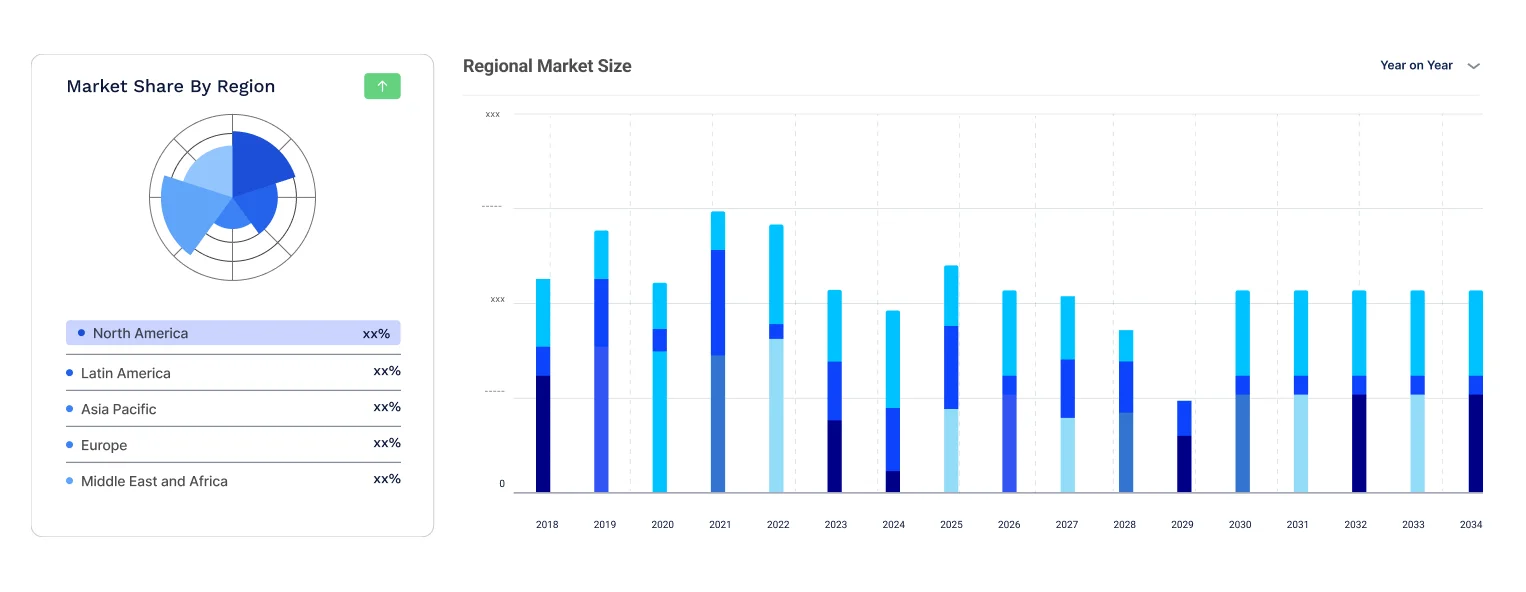
Market Breakup by Region
Key Insight: North America leads the global market with advanced infrastructure and early adoption across industries. Europe’s growth is fueled by regulatory-driven innovation and enterprise-grade compliance solutions. Asia Pacific experiences rapid call center AI market expansion, driven by digitalization, cloud adoption, and the booming service economy. Latin America shows gradual adoption, influenced by improving connectivity and rising outsourcing activities. Meanwhile, the Middle East and Africa emphasize infrastructure-focused deployments and emerging enterprise use cases, positioning AI as a catalyst for efficiency and customer service modernization.
Read more about this report - REQUEST FREE SAMPLE COPY IN PDF
By component, compute platforms register the largest share of the market due to scalable infrastructure requirements
Compute platforms dominate the market as they provide the underlying architecture for AI applications, including virtual assistants, NLP engines, and predictive analytics. Enterprises prefer robust platforms from providers like AWS, Google Cloud, and Microsoft Azure to ensure uptime, scalability, and integration with existing CRM systems. These platforms handle high volumes of voice and chat data, enabling AI models to learn and adapt over time. The infrastructure supports both large-scale enterprises and mid-market companies seeking operational efficiency and seamless AI adoption.
Solutions are emerging to be fastest-growing component, accelerating the call center AI market revenue growth, encompassing software such as conversational AI, sentiment analysis tools, and workforce optimization platforms. Vendors like NICE Ltd., Five9, and Genesys are integrating predictive routing, automated ticketing, and AI-guided agent suggestions to improve first-call resolution rates. Rising demand for personalized, multilingual support is accelerating solution adoption, especially in banking, telecom, and e-commerce sectors. Businesses are investing in subscription-based AI solutions that continuously update using real-time analytics, driving operational excellence and superior customer experience.
By deployment, cloud deployment accounts for the largest share of the market due to flexibility and scalability
Cloud deployment commands the dominant share of the market due to its ability to rapidly scale operations, support hybrid communication channels, and reduce upfront IT costs. Providers like Amazon Connect and Google Contact Center AI offer subscription-based models with AI-driven analytics, sentiment detection, and omnichannel support. Enterprises benefit from seamless updates, easy integration with CRM systems, and remote accessibility for global workforces. Government initiatives promoting cloud adoption, such as the United States FedRAMP program, further drive accelerate migration to cloud-based AI solutions.
On-premises deployment also occupies a significant share in terms of boosting the call center AI market opportunities due to stringent data privacy, compliance, and latency requirements in sectors like finance, healthcare, and government services. Organizations prefer locally hosted AI solutions to maintain full control over sensitive customer information. Solutions from vendors like Cisco and Avaya allow real-time monitoring, customization, and secure AI model training. With regulations like GDPR and HIPAA, on-premises deployment ensures compliance while still leveraging AI for predictive routing, analytics, and automated customer interactions.
By end use, banking, financial services, and insurance clock in substantial share of the market due to stringent regulatory and customer service requirements
BFSI dominates the end-use category as institutions prioritize AI to enhance customer experience, ensure regulatory compliance, and streamline operations. AI-driven chatbots handle account inquiries, fraud alerts, and loan processing while sentiment analysis tools assess client satisfaction. Major banks such as JPMorgan Chase and HSBC deploy AI for 24/7 support, reducing operational costs and improving response accuracy. Governments and regulators, including the United States SEC and European Banking Authority, encourage secure AI adoption to maintain trust and compliance, positioning BFSI as a critical catalyst for call center AI industry growth.
The continuous expansion of the retail and e-commerce sector is powered by surging online shopping, omnichannel customer expectations, and personalized service demand. Companies like Amazon, Alibaba, and Walmart leverage AI chatbots, recommendation engines, and predictive analytics to handle high volumes of customer interactions efficiently. Seasonal peaks, global operations, and multilingual support requirements accelerate AI adoption. Government-backed digital transformation initiatives, such as the EU Digital Single Market strategy, further encourage retailers to implement AI tools, enhancing customer experience, optimizing sales conversions, and building loyalty in highly competitive markets.
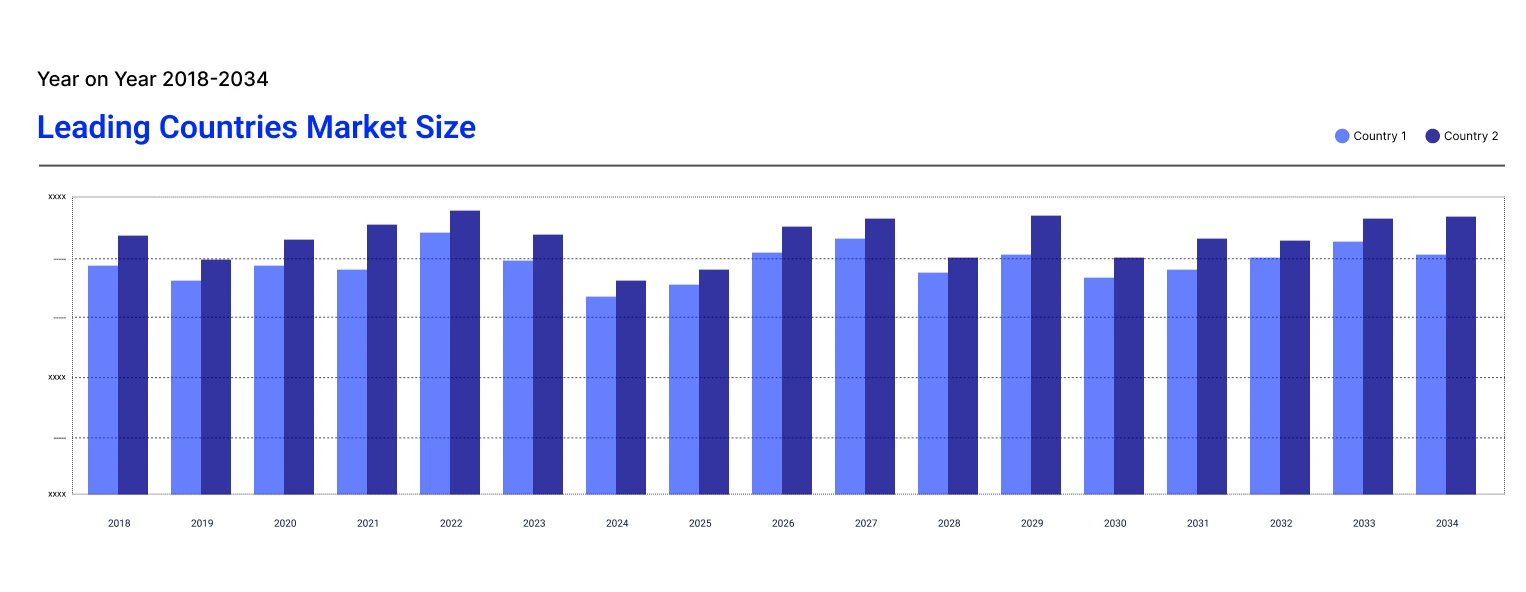
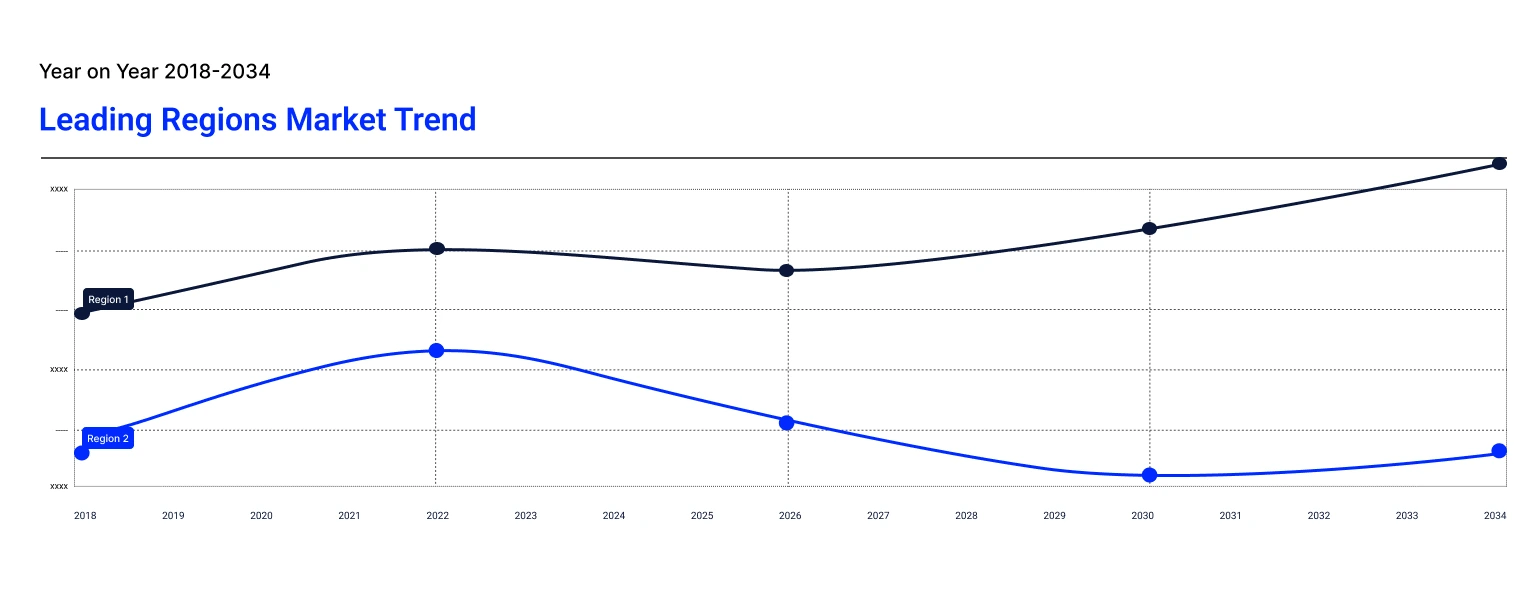
North America commands the dominant market share due to early technology adoption and robust AI infrastructure
The North American market benefits with early adoption of AI technologies, advanced cloud infrastructure, and high enterprise IT investments. United States and Canadian organizations prioritize AI to enhance customer experience, reduce call handling times, and implement predictive analytics. Governments support AI adoption through initiatives like the National AI Initiative, encouraging ethical, scalable AI use. Strong presence of leading AI vendors, combined with digitally mature enterprises across banking, retail, and telecom sectors, reinforces North America’s dominant position.
Growth of the Asia Pacific call center AI market is driven by rapid digitalization, expanding e-commerce, and growing demand for AI-enabled customer support in emerging markets. Countries like China, India, and Singapore are investing in AI research, smart city initiatives, and digital infrastructure. Enterprises are leveraging AI chatbots, predictive analytics, and multilingual support to serve diverse populations efficiently. Government-backed programs, such as India’s National AI Strategy, accelerate adoption, making Asia Pacific a growth hub with opportunities for both local and global AI solution providers.
Leading call center AI market players are prioritizing AI-driven personalization, aiming to deliver context-aware and empathetic interactions that go beyond scripted responses. At the same time, operational efficiency remains central, with AI automating repetitive tasks, reducing agent workload, and lowering service costs. Integration into legacy infrastructures is accelerating adoption, ensuring minimal disruption while enhancing overall performance.
High-potential industries such as telecom, banking, healthcare, and e-commerce are investing heavily in scalable, intelligent AI platforms to meet rising service expectations. Moreover, the shift toward omnichannel support like seamlessly spanning voice, chat, and social platforms has become a competitive differentiator. Call center AI companies are now tailoring AI tools for multilingual support, compliance monitoring, and predictive insights.
Established in 1911 and headquartered in Armonk, New York, IBM leverages its Watson AI platform to provide advanced conversational agents and analytics for call centers. Their solutions focus on automating customer interactions and enhancing agent productivity through AI-driven insights.
Founded in 1998 and based in California, United States, Google offers its Contact Center AI (CCAI) platform, which integrates Google's AI capabilities into existing contact center systems. CCAI provides virtual agents, real-time analytics, and seamless omnichannel support.
Since its founding in 1975 and headquartered in New Mexico, Microsoft has introduced AI-powered solutions like Dynamics 365 Customer Service and Copilot for Service. These tools assist agents with real-time information and automate routine tasks, improving service efficiency.
Oracle, established in 1977 and headquartered in California, United States, offers AI-driven customer service solutions through its Oracle Digital Assistant. These tools provide personalized customer interactions and integrate with existing CRM systems to streamline service operations.
*Please note that this is only a partial list; the complete list of key players is available in the full report. Additionally, the list of key players can be customized to better suit your needs.*
Other key players in the market are Talkdesk, Jio Haptik Technologies Limited, SAP SE, Nuance Communications, and Amazon Web Services, Inc., among others.
Explore the latest trends shaping the global call center AI market 2026-2035 with our in-depth report. Gain strategic insights, future forecasts, and key market developments that can help you stay competitive. Download a free sample report or contact our team for customized consultation on call center AI market trends 2026.


Upto 15% Off
USD
$3999 $3599
$2499 $2249
$4999 $4249
$5999 $5099


*While we strive to always give you current and accurate information, the numbers depicted on the website are indicative and may differ from the actual numbers in the main report. At Expert Market Research, we aim to bring you the latest insights and trends in the market. Using our analyses and forecasts, stakeholders can understand the market dynamics, navigate challenges, and capitalize on opportunities to make data-driven strategic decisions.*
Get in touch with us for a customized solution tailored to your unique requirements and save upto 35%!
In 2025, the call center AI market reached an approximate value of USD 2.23 Billion.
The market is projected to grow at a CAGR of 22.00% between 2026 and 2035.
The market is estimated to witness a healthy growth in the forecast period of 2026-2035 to reach about USD 16.29 Billion by 2035.
Stakeholders are investing in scalable AI platforms, prioritizing data security, and fostering partnerships to enhance AI capabilities and market reach.
The key trend guiding the growth of the call centre AI market is the deployment of AI-enabled chatbots in various end use sectors like banks and healthcare.
The major regions in the market are North America, Latin America, the Middle East and Africa, Europe, and the Asia Pacific, with North America accounting for the largest share in the market.
Banking, financial services and insurance, healthcare, retail and e-commerce, telecom, media and entertainment, and travel and hospitality, among others, are the major call centre AI end use sectors in the market.
The significant components of call centre AI in the market include compute platforms, solutions, and services, among others.
On-premises and cloud are the major deployment segments in the market.
The key players in the market include IBM, Google, Microsoft, Oracle, Talkdesk, Jio Haptik Technologies Limited, SAP SE, Nuance Communications, and Amazon Web Services, Inc., among others.
Data privacy concerns, integration complexities, and the need for continuous AI model training pose significant challenges in the deployment of call center AI solutions.
Explore our key highlights of the report and gain a concise overview of key findings, trends, and actionable insights that will empower your strategic decisions.
| REPORT FEATURES | DETAILS |
| Base Year | 2025 |
| Historical Period | 2019-2025 |
| Forecast Period | 2026-2035 |
| Scope of the Report |
Historical and Forecast Trends, Industry Drivers and Constraints, Historical and Forecast Market Analysis by Segment:
|
| Breakup by Component |
|
| Breakup by Deployment |
|
| Breakup by End Use |
|
| Breakup by Region |
|
| Market Dynamics |
|
| Competitive Landscape |
|
| Companies Covered |
|
| Report Price and Purchase Option | Explore our purchase options that are best suited to your resources and industry needs. |
| Delivery Format | Delivered as an attached PDF and Excel through email, with an option of receiving an editable PPT, according to the purchase option. |
Single User License
One User
USD 3,999
USD 3,599
tax inclusive*
Datasheet
One User
USD 2,499
USD 2,249
tax inclusive*
Five User License
Five User
USD 4,999
USD 4,249
tax inclusive*
Corporate License
Unlimited Users
USD 5,999
USD 5,099
tax inclusive*
*Please note that the prices mentioned below are starting prices for each bundle type. Kindly contact our team for further details.*
Flash Bundle
Small Business Bundle
Growth Bundle
Enterprise Bundle
*Please note that the prices mentioned below are starting prices for each bundle type. Kindly contact our team for further details.*
Flash Bundle
Number of Reports: 3
20%
tax inclusive*
Small Business Bundle
Number of Reports: 5
25%
tax inclusive*
Growth Bundle
Number of Reports: 8
30%
tax inclusive*
Enterprise Bundle
Number of Reports: 10
35%
tax inclusive*
How To Order

Select License Type
Choose the right license for your needs and access rights.

Click on ‘Buy Now’
Add the report to your cart with one click and proceed to register.

Select Mode of Payment
Choose a payment option for a secure checkout. You will be redirected accordingly.
Gain insights to stay ahead and seize opportunities.

Get insights & trends for a competitive edge.

Track prices with detailed trend reports.

Analyse trade data for supply chain insights.

Leverage cost reports for smart savings

Enhance supply chain with partnerships.

Connect For More Information
Our expert team of analysts will offer full support and resolve any queries regarding the report, before and after the purchase.
Our expert team of analysts will offer full support and resolve any queries regarding the report, before and after the purchase.
We employ meticulous research methods, blending advanced analytics and expert insights to deliver accurate, actionable industry intelligence, staying ahead of competitors.
Our skilled analysts offer unparalleled competitive advantage with detailed insights on current and emerging markets, ensuring your strategic edge.
We offer an in-depth yet simplified presentation of industry insights and analysis to meet your specific requirements effectively.





Share