

Consumer Insights
Uncover trends and behaviors shaping consumer choices today
Procurement Insights
Optimize your sourcing strategy with key market data
Industry Stats
Stay ahead with the latest trends and market analysis.
The cancer therapeutics market was valued at USD 240.78 Billion in 2025. It is poised to grow at a CAGR of 10.60% during the forecast period of 2026-2035, and reach USD 659.43 Billion by 2035. The market growth is driven by the rising global cancer burden, expanding immuno-oncology and targeted therapy pipelines, increasing FDA approvals across solid tumors and hematologic malignancies, and growing adoption of precision medicine in routine clinical practice.
Compound Annual Growth Rate
10.6%
Value in USD Billion
2026-2035
Read more about this report - REQUEST FREE SAMPLE COPY IN PDF
Cancer therapeutics continue to evolve through advancements in targeted therapies, immunotherapies, hormone therapies, and precision medicine approaches that improve treatment outcomes and patient survival rates. The market reached a value of approximately USD 240.78 Billion in 2025, and is anticipated to witness robust expansion, supported by rising global cancer incidence, accelerating regulatory approvals for novel oncology drugs, and broadening adoption of precision medicine across solid tumors and hematologic malignancies. The shift toward biomarker-defined patient selection and combination immunotherapy regimens is driving incremental clinical benefit, while antibody-drug conjugates, bispecific antibodies, and cellular therapies are expanding the oncology drugs across multiple lines of care.
Read more about this report - REQUEST FREE SAMPLE COPY IN PDF
Market Breakup by Treatment Type
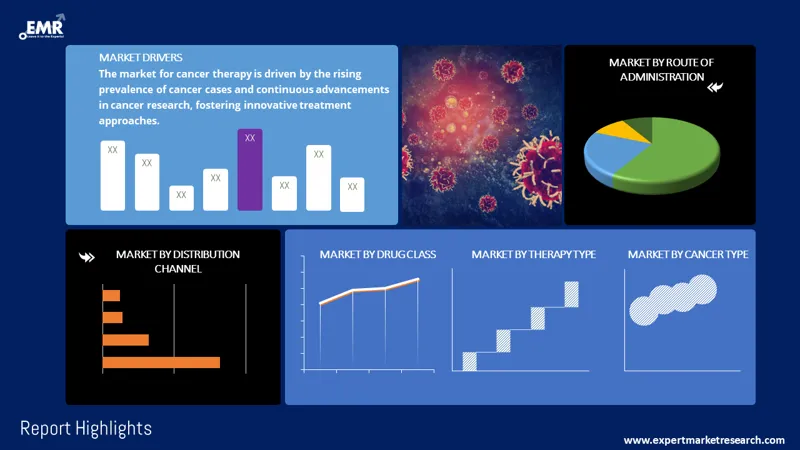
The market is segmented by treatment type into therapy type and drug class, reflecting the expanding diversity of oncology treatment approaches across different cancer indications. The growing adoption of immunotherapy, targeted therapy, hormone-based treatments, and next-generation oncology drugs is supporting market growth, while continuous advancements in precision medicine and combination treatment regimens are further improving therapeutic outcomes and expanding clinical applications across cancer care settings.
Market Breakup by Cancer Type
The market is segmented by cancer type into blood cancer, lung cancer, breast cancer, colorectal cancer, prostate cancer, cervical cancer, head and neck cancer, brain tumors, and others, reflecting the broad therapeutic application of oncology treatments across hematologic and solid malignancies. Lung and breast cancer segments are expected to account for substantial demand due to rising incidence rates, growing adoption of targeted biologics, and increasing availability of precision medicine approaches in advanced cancer care.
Market Breakup by Route of Administration
By route of administration, the market includes oral, intravenous, subcutaneous, and other routes. Intravenous administration dominates due to the widespread use of infused chemotherapy and biologics in hospital and infusion-center settings, while oral oncology drugs are expanding rapidly with the rise of tyrosine kinase inhibitors and oral cytotoxics. Subcutaneous formulations are gaining clinical preference for select biologics through reduced infusion therapy burden and improved patient convenience.
Market Breakup by End User
Based on end user, the market is divided into hospitals, specialty clinics, cancer centers, and others, with hospitals maintaining a leading share due to the availability of advanced oncology infrastructure, multidisciplinary treatment capabilities, and high patient admission rates. Cancer centers are increasingly gaining traction with the growing preference for specialized oncology drugs, expanded access to clinical trials, and rising investments in comprehensive cancer treatment facilities.
Market Breakup by Distribution Channel
By distribution channel, the market is segmented into hospital pharmacies, retail pharmacies, online pharmacies, and others. Hospital pharmacies dominate the market due to high volumes of infused chemotherapy and immunotherapy administered in inpatient and outpatient settings, while other pharmacies are growing rapidly to support oral targeted therapies and complex biologics requiring patient counseling and adherence support.
Market Breakup by Region
The market is segmented by region into North America, Europe, Asia Pacific, Latin America, and the Middle East and Africa. North America is expected to dominate due to advanced oncology research infrastructure, the highest concentration of FDA approvals, and strong reimbursement frameworks for novel cancer drugs. Asia Pacific is anticipated to expand rapidly, supported by rising healthcare expenditure and growing access to innovative cancer diagnostics options across China, Japan, and India.
Read more about this report - REQUEST FREE SAMPLE COPY IN PDF
|
Analysis Type |
Factors |
Example |
|
Market Drivers |
Rising global cancer burden and expanding immuno-oncology pipelines |
According to the WHO, cancer causes nearly 10 million deaths annually, increasing the need for innovative therapeutics globally. |
|
Market Restraints |
High treatment cost and limited access in low- and middle-income countries |
CAR T-cell therapies often cost several hundred thousand USD per patient, limiting widespread adoption and affordability. |
|
Market Opportunities |
Growth of biomarker-driven precision oncology and combination regimens |
In March 2026, the FDA approved Lifyorli with nab-paclitaxel for platinum-resistant ovarian cancer treatment. |
This section analyzes key factors influencing market growth, including disease burden, regulatory drivers, technology adoption, cost dynamics, and ecosystem shifts.
Rising Global Cancer Burden to Drive the Market Expansion
The market is witnessing strong growth driven by the rising global incidence of cancer and the rapidly expanding pipeline of novel cancer drugs across the cancer immunotherapy landscape. According to the World Health Organization, cancer is responsible for an estimated 10 million deaths annually worldwide, and incidence is projected to continue rising with population aging. The growing global cancer burden and continuous expansion of innovative oncology pipelines are expected to accelerate demand for advanced cancer immunotherapies, thereby supporting sustained market growth during the forecast period.
High Treatment Cost and Access Barriers Limiting Market Penetration
The high cost of novel cancer therapies, particularly cell therapies and antibody-drug conjugates, remains a significant restraint, especially in low- and middle-income countries where reimbursement for high-priced biologics is limited and out-of-pocket affordability is constrained. List prices for CAR T-cell therapies frequently exceed several hundred thousand US dollars per patient, restricting widespread global access to the latest targeted therapy options. However, the growing pipeline of biosimilars for oncology biologics, alongside expanding patient assistance programs and value-based contracting in major markets, is gradually broadening affordability and supporting sustained adoption across the cancer therapeutics market during the forecast period.
Precision Oncology and Antibody-Drug Conjugates Creating Strong Opportunities
The expansion of biomarker-driven precision oncology and the rapid development of antibody-drug conjugates and bispecific antibodies are creating significant growth opportunities, supported by improved tumor response rates and tolerability profiles. For instance, in March 2026, the FDA approved Lifyorli (relacorilant) in combination with nab-paclitaxel for platinum-resistant ovarian cancer, marking the first oncology approval based on selective glucocorticoid receptor antagonism. These advances are expanding the addressable patient population and reinforcing the role of precision-based combination strategies across the antibody drug conjugates segment of the market.
Cellular Therapies and Combination Immunotherapy Shaping Market Landscape
The growing emphasis on cellular therapies and combination immunotherapy is a key trend shaping the market, supported by long-term durability evidence from CAR T-cell pivotal trials and earlier-line integration of checkpoint inhibitors. For instance, in April 2026, the FDA converted brexucabtagene autoleucel (Tecartus) from accelerated to full approval for relapsed or refractory mantle cell lymphoma based on the totality of evidence from the phase 2 ZUMA-2 trial. These developments are accelerating clinical adoption of advanced cell therapies and reinforcing growth across the hematology segment of the cancer therapeutics market during the forecast period.
Hospital Pharmacies Likely to Dominate the Market Segment by Distribution Channel
The hospital pharmacies segment is likely to lead, supported by centralized drug procurement, strong oncology infusion infrastructure, and access to high-cost biologics and chemotherapy regimens. Hospitals remain primary treatment settings for complex cancer cases, ensuring consistent demand. Additionally, integration with oncology drug delivery systems enhances treatment efficiency, safety monitoring, and dosing precision, further reinforcing the segment’s sustained relevance across global healthcare systems.
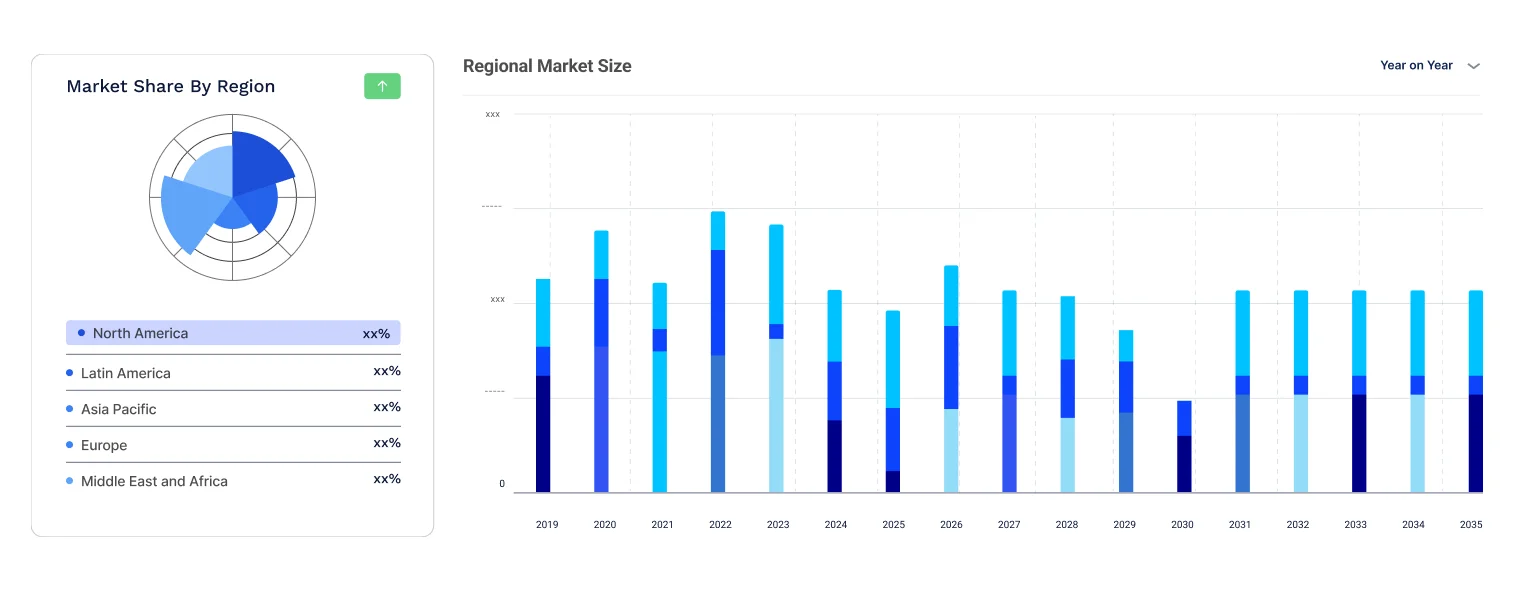
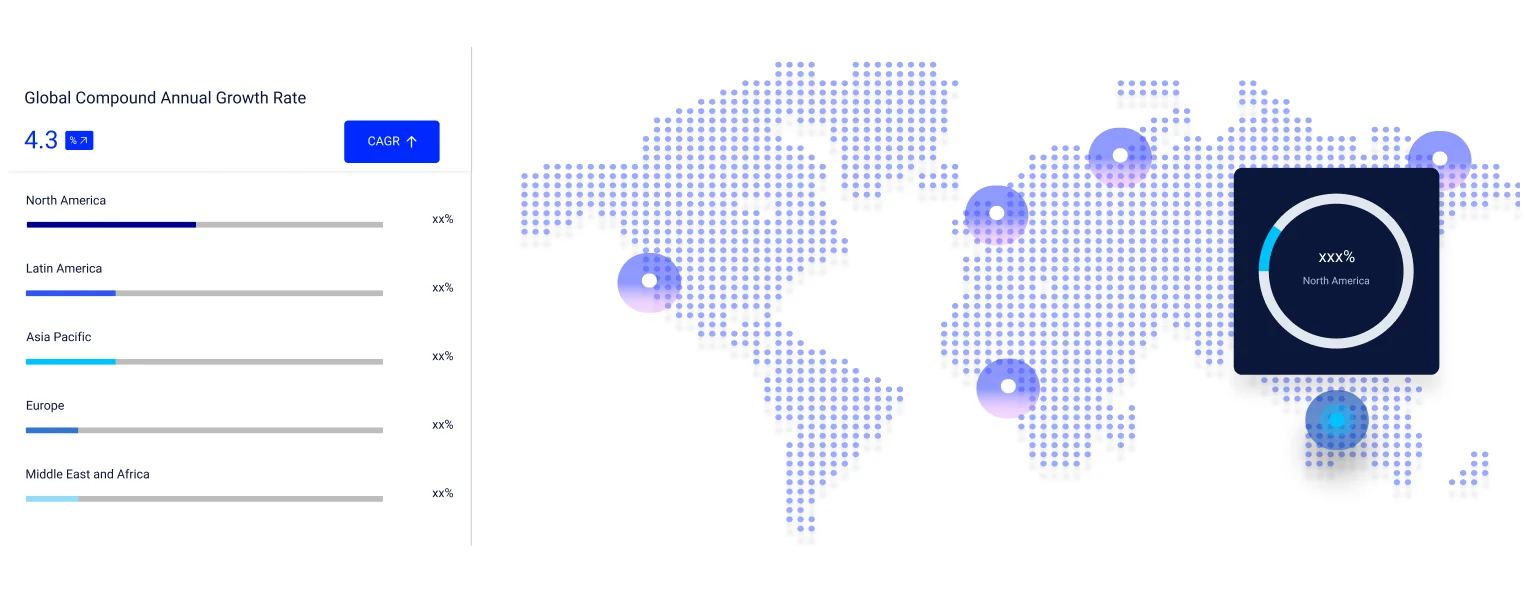
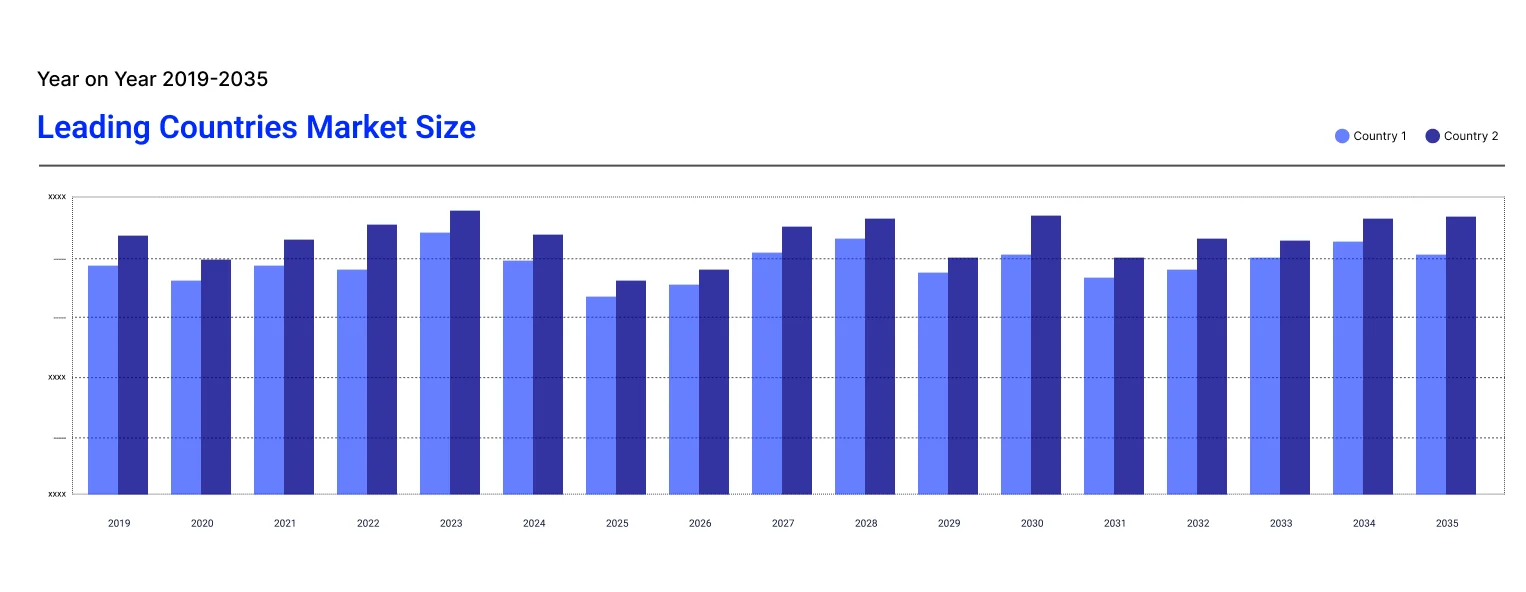
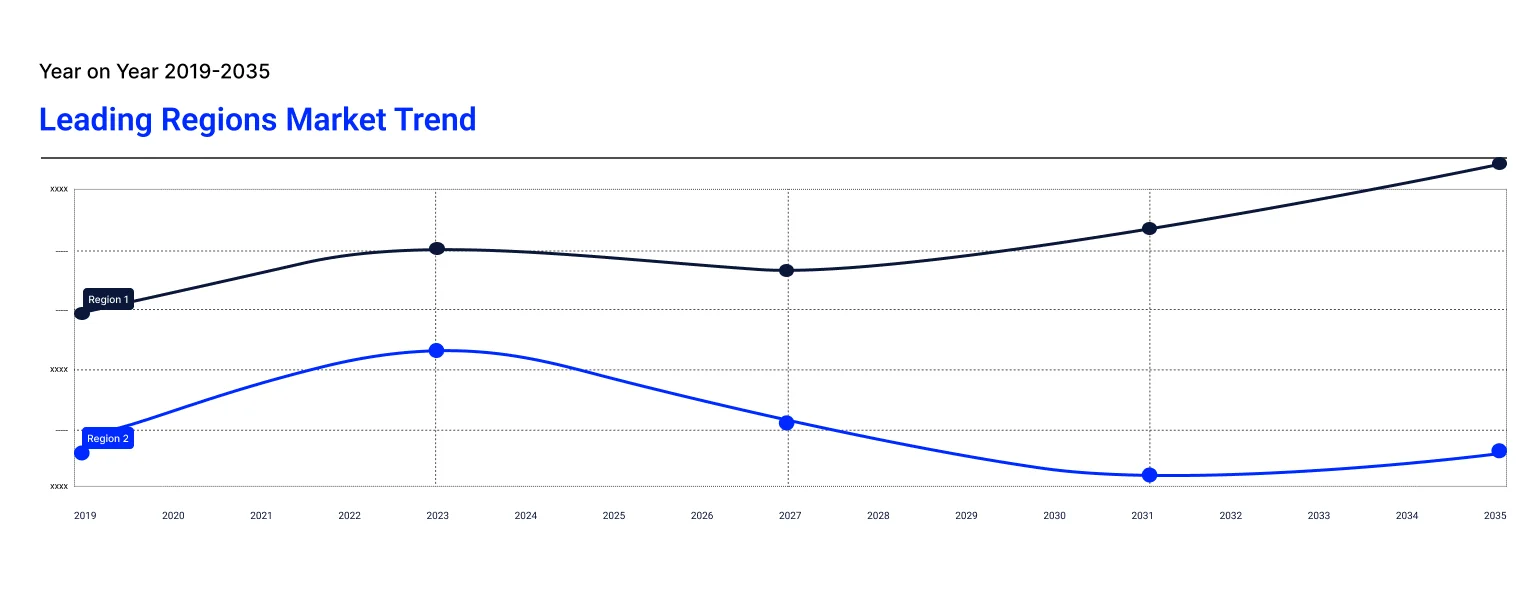
The North America segment is likely to witness significant growth in the market, supported by advanced healthcare infrastructure, high cancer prevalence, and strong reimbursement frameworks for innovative therapies. The region benefits from the rapid adoption of targeted treatments and immunotherapies across leading cancer centers. Moreover, increasing utilization of precision oncology solutions is improving patient outcomes, supporting early diagnosis, and driving continued demand across the regional cancer therapeutics market landscape.
AstraZeneca, headquartered in Cambridge, United Kingdom, was formed in 1999 through the merger of Astra AB and Zeneca Group plc and operates across oncology, cardiovascular, respiratory, and rare disease therapy areas. Its oncology portfolio spans Tagrisso, Imfinzi, Lynparza, and Enhertu (in collaboration with Daiichi Sankyo), strengthening its leadership across NSCLC, breast, ovarian, and bladder cancers.
Bristol-Myers Squibb, headquartered in New York, United States, was founded in 1887 and is a global biopharmaceutical company specializing in immunology, oncology, cardiovascular, and hematology. Its oncology portfolio includes Opdivo, Yervoy, Reblozyl, and Breyanzi, contributing significantly to the immune checkpoint inhibitor and cell therapy segments of the cancer therapeutics market.
Eli Lilly and Company, headquartered in Indianapolis, Indiana, United States, was founded in 1876 and operates across diabetes, oncology, immunology, and neuroscience. Its oncology portfolio includes Verzenio, Retevmo, and Cyramza, supporting strong positions in HR-positive breast cancer, RET-altered cancers, and gastric and NSCLC indications.
F. Hoffmann-La Roche AG, headquartered in Basel, Switzerland, was founded in 1896 and is a global leader in pharmaceuticals and diagnostics. Its oncology portfolio includes Avastin, Herceptin, Perjeta, Kadcyla, Tecentriq, and Polivy through its Genentech and Chugai subsidiaries, reinforcing its strong position across breast cancer, NSCLC, hematology, and the broader oncology landscape.
Other key players include AbbVie Inc., Johnson & Johnson Services, Inc., Astellas Pharma Inc., Pfizer Inc., Novartis AG, and Merck KGaA.
*Please note that this is only a partial list; the complete list of key players is available in the full report. Additionally, the list of key players can be customized to better suit your needs.*


Upto 15% Off
USD
$5499 $4949
$3299 $2969
$6999 $5949
$8199 $6969


*While we strive to always give you current and accurate information, the numbers depicted on the website are indicative and may differ from the actual numbers in the main report. At Expert Market Research, we aim to bring you the latest insights and trends in the market. Using our analyses and forecasts, stakeholders can understand the market dynamics, navigate challenges, and capitalize on opportunities to make data-driven strategic decisions.*
Explore our key highlights of the report and gain a concise overview of key findings, trends, and actionable insights that will empower your strategic decisions.
| REPORT FEATURES | DETAILS |
| Base Year | 2025 |
| Historical Period | 2019-2025 |
| Forecast Period | 2026-2035 |
| Scope of the Report |
Historical and Forecast Trends, Industry Drivers and Constraints, Historical and Forecast Market Analysis by Segment:
|
| Breakup by Treatment Type |
|
| Breakup by Cancer Type |
|
| Breakup by Route of Administration |
|
| Breakup by End User |
|
| Breakup by Distribution Channel |
|
| Breakup by Region |
|
| Market Dynamics |
|
| Supplier Landscape |
|
| Companies Covered |
|
Single User License
One User
USD 5,499
USD 4,949
tax inclusive*
Datasheet
One User
USD 3,299
USD 2,969
tax inclusive*
Five User License
Five User
USD 6,999
USD 5,949
tax inclusive*
Corporate License
Unlimited Users
USD 8,199
USD 6,969
tax inclusive*
*Please note that the prices mentioned below are starting prices for each bundle type. Kindly contact our team for further details.*
Flash Bundle
Small Business Bundle
Growth Bundle
Enterprise Bundle
*Please note that the prices mentioned below are starting prices for each bundle type. Kindly contact our team for further details.*
Flash Bundle
Number of Reports: 3
20%
tax inclusive*
Small Business Bundle
Number of Reports: 5
25%
tax inclusive*
Growth Bundle
Number of Reports: 8
30%
tax inclusive*
Enterprise Bundle
Number of Reports: 10
35%
tax inclusive*
How To Order

Select License Type
Choose the right license for your needs and access rights.

Click on ‘Buy Now’
Add the report to your cart with one click and proceed to register.

Select Mode of Payment
Choose a payment option for a secure checkout. You will be redirected accordingly.
Strategic Solutions for Informed Decision-Making
Gain insights to stay ahead and seize opportunities.

Get insights & trends for a competitive edge.

Track prices with detailed trend reports.

Analyse trade data for supply chain insights.

Leverage cost reports for smart savings

Enhance supply chain with partnerships.

Connect For More Information
Our expert team of analysts will offer full support and resolve any queries regarding the report, before and after the purchase.
Our expert team of analysts will offer full support and resolve any queries regarding the report, before and after the purchase.
We employ meticulous research methods, blending advanced analytics and expert insights to deliver accurate, actionable industry intelligence, staying ahead of competitors.
Our skilled analysts offer unparalleled competitive advantage with detailed insights on current and emerging markets, ensuring your strategic edge.
We offer an in-depth yet simplified presentation of industry insights and analysis to meet your specific requirements effectively.




