

Consumer Insights
Uncover trends and behaviors shaping consumer choices today
Procurement Insights
Optimize your sourcing strategy with key market data
Industry Stats
Stay ahead with the latest trends and market analysis.
The global cardiac mapping systems market was estimated to be worth USD 2.00 Billion in 2025. By 2035, the market value is anticipated to be worth USD 4.52 Billion, rising at a CAGR of 8.50% in the forecast period of 2026-2035.
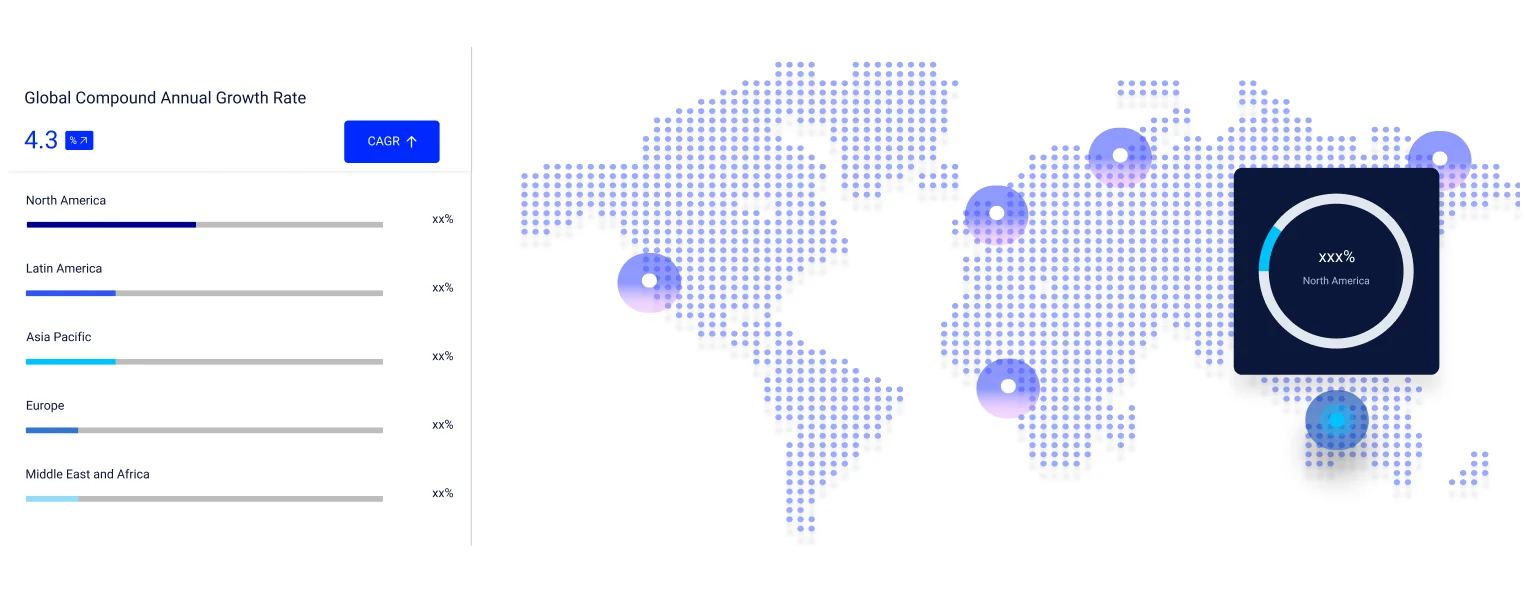
Compound Annual Growth Rate
8.5%
Value in USD Billion
2026-2035
Cardiac mapping systems are the mapping devices used to measure the heart’s electrical impulses and create an extensive three-dimensional image of the heart’s anatomy. These systems map the different cardiac arrhythmias, including tachycardia, bradycardia, and premature ventricular contractions.
Cardiac mapping systems are non-invasive and need to be placed on the chest. Cardiac mapping helps detect the spatial and temporal areas during a specific heart rhythm. The healthcare technician can perform cardiac mapping on the required area of interest for a particular heart rhythm.
A cardiac mapping system generally consists of several equipments like amplifiers, recorders, and analysing systems or analysers. Cardiac mapping is performed with the help of catheters. These catheters are inserted into the heart chambers to record the electrocardiograms, which can be visualised on screen.
The cardiac data analysis on the screen is being done to study the heart's anatomy. These catheters can be localised or positioned using the fluoroscopy technique.
Corify Care received FDA clearance in April 2026 for its ACORYS System, a non-invasive cardiac mapping platform designed to provide a real-time, four-chamber view of cardiac electrical activity. The system combines body-surface electrical measurements with anatomical modelling to generate electroanatomical information without requiring intracardiac mapping catheters. The clearance introduces a different approach to cardiac mapping by providing whole-heart electrical information non-invasively. The development expands the range of mapping technologies available to electrophysiologists and creates opportunities for non-invasive mapping to support assessment of complex arrhythmias and treatment planning.
Rhythm AI submitted its STAR Apollo Mapping System version 1.8 to the FDA in November 2025. The software is designed to assist physicians in identifying early sites of activation and repetitive activation patterns in patients undergoing cardiac mapping for atrial fibrillation. The system can work with established electroanatomical mapping platforms, including systems from Biosense Webster and Abbott Medical, to analyse geometry, electrograms and electrode-location information. The development highlights increasing integration of specialised software and artificial intelligence into cardiac mapping workflows, allowing additional interpretation of electrophysiological data collected during procedures.
Boston Scientific received FDA approval in September 2025 for changes associated with its OPAL HDx Mapping System, formerly branded as the RHYTHMIA HDx Mapping System. The FDA supplement covered changes to the ablation connection boxes and related labelling to reflect the new electrophysiology mapping-system brand. OPAL HDx is designed for high-density electroanatomical mapping during electrophysiology procedures. The regulatory update demonstrates continued commercial development of high-density mapping platforms and supports Boston Scientific’s efforts to consolidate its electrophysiology portfolio under the OPAL HDx platform.
Farapulse received FDA approval in September 2025 for hardware, software and labelling changes to components of its FARAPULSE Pulsed Field Ablation System, including the FARASTAR Mapping System Module. The FARASTAR module provides mapping and recording functionality alongside the company's pulsed-field ablation technology. The regulatory update illustrates the continuing convergence of cardiac mapping and ablation platforms, with mapping systems increasingly being developed as integrated components of electrophysiology treatment workflows. Such integration can support catheter positioning, electrophysiological assessment and ablation procedures within a connected procedural environment.
Artificial intelligence is becoming increasingly integrated into cardiac electrophysiology, particularly for anatomical reconstruction, signal interpretation, structure identification and map generation. In April 2026, Johnson & Johnson introduced the CARTOSOUND SONATA Module, which uses AI to convert intracardiac echocardiography images into detailed cardiac maps and automatically identify and label cardiac structures. Apart from commercial innovations, a 2026 paper published in the Journal of Clinical Medicine stated that electrophysiology involves the generation of massive quantities of ECG and high-density electroanatomic data which may lead to workflow problems while offering chances for analysis by AI. This has led to mapping system developers going past visualization and moving towards annotation and decision-making features.
The shift toward high-density electroanatomical mapping is strengthening as electrophysiologists manage increasingly complex arrhythmias. High-density systems can collect large numbers of intracardiac electrical signals and combine them with three-dimensional anatomical information, allowing physicians to identify abnormal conduction patterns with greater spatial detail. The recent advanced training statement from ACC/AHA/HRS in 2026 for the first time specifically acknowledges the use of advanced electroanatomical mapping as one of the competencies required in clinical electrophysiology and the increasing complexity of 3D mapping technology. This is motivating health institutions to purchase equipment that can handle large amounts of data and perform advanced visualizations and automatic annotation of signals. The trend also supports development of more advanced mapping catheters capable of collecting dense electrical information during shorter procedural windows.
Non-invasive cardiac mapping is emerging as an important technology direction alongside conventional intracardiac mapping. In April 2026, Corify Care received FDA clearance for ACORYS, a system designed to provide real-time, four-dimensional electroanatomical cardiac mapping without requiring intracardiac mapping catheters. Separately, 2026 research published in the Journal of Cardiovascular Electrophysiology examined AI-enabled localisation of arrhythmia origins using standard 12-lead ECG data, highlighting the potential for ECG-based information to provide virtual pre-procedural mapping. These developments indicate that mapping is expanding from catheter-based data acquisition toward approaches that can generate electrical information externally. Continued clinical validation could broaden the role of mapping in treatment planning and potentially reduce the need for invasive mapping in selected applications.
Cardiac mapping is increasingly being combined with intracardiac echocardiography and other imaging technologies to create unified anatomical and electrical representations of the heart. The 2026 ACC/AHA/HRS statement identifies intracardiac echocardiography as an essential electrophysiology skill, including its use for identifying cardiac structures, guiding transseptal puncture, monitoring complications and assessing tissue-catheter contact. At the same time, mapping platforms are incorporating imaging information directly into procedural workflows. This convergence is creating demand for systems capable of registering electrical signals with anatomical images in real time. For manufacturers, interoperability between mapping, imaging, navigation and ablation technologies is therefore becoming an increasingly important product-development focus.
Cardiac mapping systems are increasingly being developed as components of broader electrophysiology platforms rather than as standalone diagnostic tools. Mapping, navigation, imaging and ablation functions are being brought closer together to support the complete procedural workflow. This is particularly relevant as electrophysiologists increasingly use mapping to guide treatment of complex atrial and ventricular arrhythmias. The 2026 ACC/AHA/HRS guidance describes 3D electroanatomic mapping as an essential tool for effective catheter ablation and emphasises the ability to integrate information from different systems when selecting the appropriate mapping approach. Consequently, manufacturers are focusing on platforms that allow electrical data, anatomical information and treatment guidance to operate within a connected environment, potentially reducing workflow fragmentation and improving procedural coordination.
Read more about this report - REQUEST FREE SAMPLE COPY IN PDF
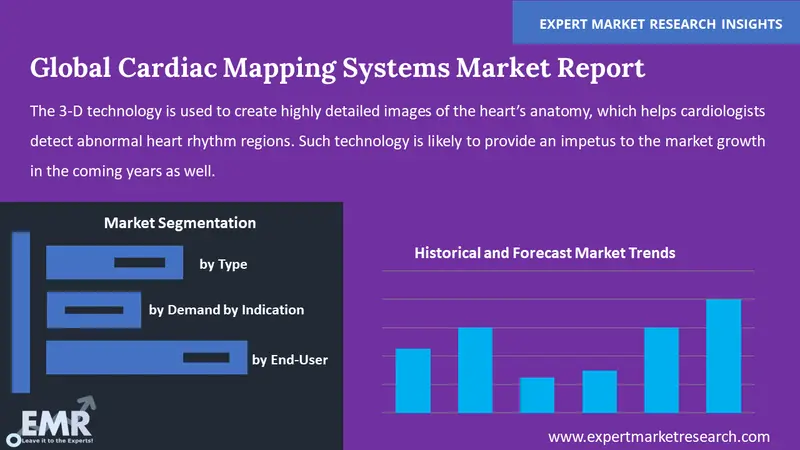
Cardiac Mapping Systems Market Report and Forecast 2026-2035 offers a detailed analysis of the market based on the following segments:
Market Breakup by Type
Market Breakup by Indication Type
Market Breakup by End-User
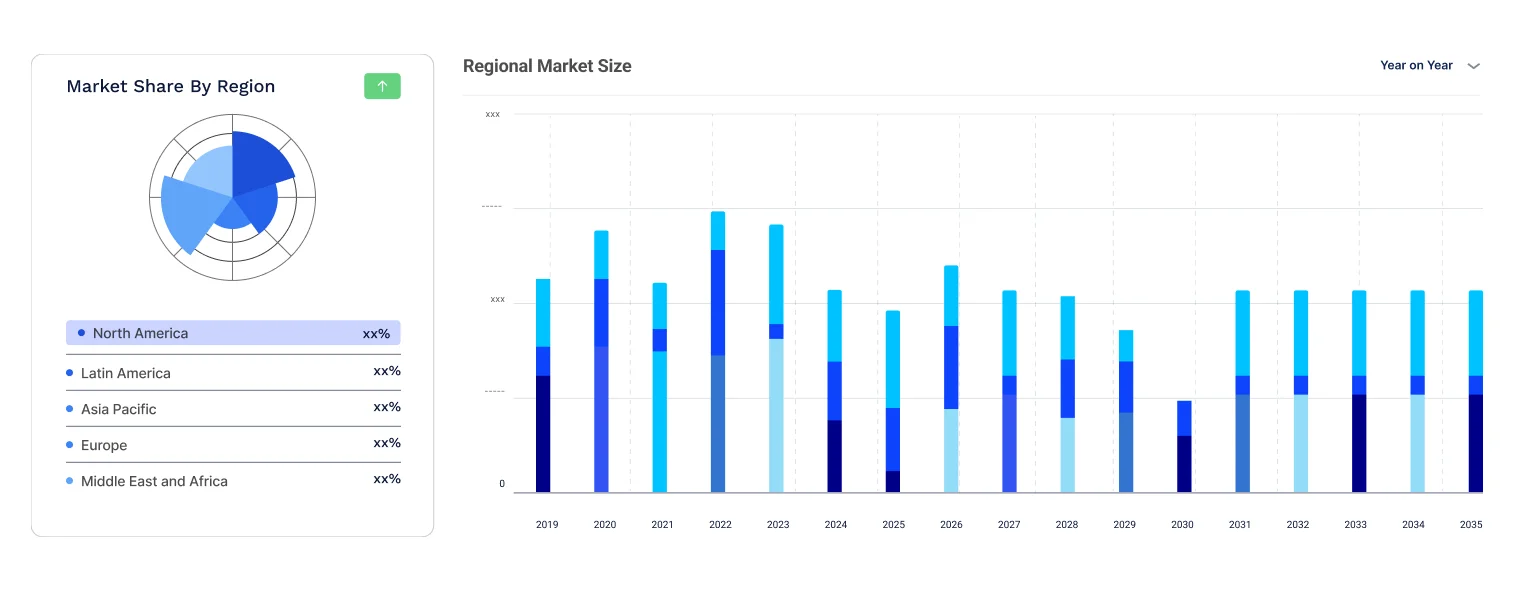
Market Breakup by Region
Rising Prevalence of Cardiovascular Disorders
The increasing prevalence of cardiovascular disorders drives the cardiac mapping systems market growth. According to the European Health Network, around 19 million people suffer from cardiovascular diseases every year. With the growing population, there is an increase in the incidence of cardiac disorders. This is further propelling the market growth.
Product Launches and Approvals
Due to the extensive research by clinical scientists, novel products are being discovered. The launch of these products will help in the expansion of the cardiac mapping systems market. For example, in 2020, a leading company, BioSense Webster, launched a new cardiac mapping system that is more efficient than conventional cardiac mapping systems.
Another key factor boosting the growth of this market is product approvals. The regulatory bodies of different countries have become more cooperative and approved more products, thus increasing the cardiac mapping systems market size.
For example, Abbott got approval for its cardiac mapping system, Ensite X, in Australia and Europe, providing significant impetus to the market growth.
Therapeutic Landscape
Cardiac mapping is a broad term covering several types of mapping. The different modes of cardiac mapping are epicardial, endocardial, and body surface mapping.
Modes of Cardiac Mapping Systems
There are different modes in cardiac mapping systems. Some of the major modes in cardiac mapping systems include activation mapping, entrainment mapping, and pace mapping.
Activation mapping works on the principle of electrocardiogram tracings to detect the direction and type of impulse propagation. Entrainment mapping is used to visualise the location of the circuit, which can be helpful while performing ablation. Pace mapping is another mode in which the tachycardia sources are plotted by pacing at several endocardial sites.
The cardiac mapping systems help visualise and analyse the heart’s electrical activity. This data is used to diagnose and manage cardiovascular disorders at the early stages or at the onset of that disease.
These devices also help map the heart’s anatomy before and after the ablation process. This mapping is done to ensure whether the surgery is effective or not.
Treatment Of Cardiac Arrhythmias
The cardiac mapping systems market is majorly driven by its use in treating cardiac arrhythmias. The different arrhythmias managed by these systems include ventricular tachycardia, atrial fibrillation, ventricular bradycardia, and untimely ventricular contractions.
With the high treatment potential, the cardiac mapping systems market possesses an excellent opportunity for healthcare industries and pharmaceutical companies in extensive therapeutic and diagnostic methods.
The report gives an in-depth analysis of the key players involved in the cardiac mapping systems market, sponsors manufacturing the therapies, and putting them through trials to get FDA approvals. The companies included in the market are as follows:


Upto 15% Off
USD
$3299 $2969
$5499 $4949
$6999 $5949
$8199 $6969


*While we strive to always give you current and accurate information, the numbers depicted on the website are indicative and may differ from the actual numbers in the main report. At Expert Market Research, we aim to bring you the latest insights and trends in the market. Using our analyses and forecasts, stakeholders can understand the market dynamics, navigate challenges, and capitalize on opportunities to make data-driven strategic decisions.*
Cardiac mapping systems are the mapping devices used to measure the heart’s electrical impulses and create an extensive three-dimensional image of the heart’s anatomy.
The market is expected to grow at a CAGR rate of 8.50% during the forecast period.
The two major types of cardiac mapping systems are contact mapping-based and non-contact mapping-based systems.
The cardiac mapping systems are used to diagnose and manage atrial fibrillation, atrial flutter, atrioventricular nodal reentry tachycardia (AVNRT) and other arrhythmias.
The major factors driving the growth of the cardiac mapping systems market are the rising prevalence of cardiovascular disorders and novel product launches and approvals.
The different end users in this market are hospitals, testing laboratories, research laboratories, and individuals.
The regions involved in this market are North America, Latin America, Asia Pacific, Europe and LATAM.
North America accounts for the maximum cardiac mapping systems market share.
The incorporation of magnetic technology, hybrid of impedance and magnetic-based technologies, artificial intelligence, etc., are some emerging technologies in cardiac mapping systems.
The key companies are Biosense Webster, Abbott Laboratories, Medtronics PLC, Boston Scientific Corporation, Acutus Medical, Microport Scientific Corporation, CoreMap Inc., APN Health LLC, BioSig Technologies Inc., Biotronik SE and Co KG, Koninklijke Philips NV, Angiodynamics, among others.
Explore our key highlights of the report and gain a concise overview of key findings, trends, and actionable insights that will empower your strategic decisions.
| REPORT FEATURES | DETAILS |
| Base Year | 2025 |
| Historical Period | 2019-2025 |
| Forecast Period | 2026-2035 |
| Scope of the Report |
Historical and Forecast Trends, Industry Drivers and Constraints, Historical and Forecast Market Analysis by Segment:
|
| Breakup by Type |
|
| Breakup by Demand by Indication |
|
| Breakup by End-User |
|
| Breakup by Region |
|
| Market Dynamics |
|
| Supplier Landscape |
|
| Companies Covered |
|
Datasheet
One User
USD 3,299
USD 2,969
tax inclusive*
Single User License
One User
USD 5,499
USD 4,949
tax inclusive*
Five User License
Five User
USD 6,999
USD 5,949
tax inclusive*
Corporate License
Unlimited Users
USD 8,199
USD 6,969
tax inclusive*
*Please note that the prices mentioned below are starting prices for each bundle type. Kindly contact our team for further details.*
Flash Bundle
Small Business Bundle
Growth Bundle
Enterprise Bundle
*Please note that the prices mentioned below are starting prices for each bundle type. Kindly contact our team for further details.*
Flash Bundle
Number of Reports: 3
20%
tax inclusive*
Small Business Bundle
Number of Reports: 5
25%
tax inclusive*
Growth Bundle
Number of Reports: 8
30%
tax inclusive*
Enterprise Bundle
Number of Reports: 10
35%
tax inclusive*
How To Order

Select License Type
Choose the right license for your needs and access rights.

Click on ‘Buy Now’
Add the report to your cart with one click and proceed to register.

Select Mode of Payment
Choose a payment option for a secure checkout. You will be redirected accordingly.
Strategic Solutions for Informed Decision-Making
Gain insights to stay ahead and seize opportunities.

Get insights & trends for a competitive edge.

Track prices with detailed trend reports.

Analyse trade data for supply chain insights.

Leverage cost reports for smart savings

Enhance supply chain with partnerships.

Connect For More Information
Our expert team of analysts will offer full support and resolve any queries regarding the report, before and after the purchase.
Our expert team of analysts will offer full support and resolve any queries regarding the report, before and after the purchase.
We employ meticulous research methods, blending advanced analytics and expert insights to deliver accurate, actionable industry intelligence, staying ahead of competitors.
Our skilled analysts offer unparalleled competitive advantage with detailed insights on current and emerging markets, ensuring your strategic edge.
We offer an in-depth yet simplified presentation of industry insights and analysis to meet your specific requirements effectively.




