

Consumer Insights
Uncover trends and behaviors shaping consumer choices today
Procurement Insights
Optimize your sourcing strategy with key market data
Industry Stats
Stay ahead with the latest trends and market analysis.

The global cold chain market was valued at USD 412.95 Billion in 2025. The market is expected to grow at a CAGR of 12.20% during the forecast period of 2026-2035 to attain a value of USD 1305.65 Billion by 2035. Increasing global consumption of perishable food items across the world is the major factor driving market expansion.
The ongoing surge in urbanization, along with the rapidly evolving dietary trends among customers, is contributing to the growing consumption of vegetables, fruits, dairy, meat, and seafood. Additionally, consumer acceptance for ecommerce has pushed businesses that offer food products with shorter shelf life to seek the best option. According to the United Nations, around 13.2% of food produced is lost between the harvest processes and retail. Lack of adequate refrigeration highly contributes to this loss, thereby boosting the demand in the global cold chain market.
Manufacturers are investing in high quality, unbroken cold chain logistics solutions to preserve the quality of frozen food items. Governments are also pushing the urgent need for development of state-of-the-art facilities equipped with the highest standards of temperature compliance, and storage systems integrated with modern technology.
Additionally, the increasing global investments in institutional cold chain infrastructures to meet the rising food security needs in the emerging markets of regions like India, China, and key economies is supporting the market growth. For instance, in June 2025, the acquisition of Royale Cold Storage by I Squared Capital demonstrates how infrastructure investors are focused on expanding cold storage networks in developing economies to fulfil the growing demand from sectors like quick service restaurants (QSRs), agriculture, and food retail.
Base Year
Historical Period
Forecast Period
Compound Annual Growth Rate
12.2%
Value in USD Billion
2026-2035
*this image is indicative*
|
Global Cold Chain Market Report Summary |
Description |
Value |
|
Base Year |
USD Billion |
2025 |
|
Historical Period |
USD Billion |
2019-2025 |
|
Forecast Period |
USD Billion |
2026-2035 |
|
Market Size 2025 |
USD Billion |
412.95 |
|
Market Size 2035 |
USD Billion |
1305.65 |
|
CAGR 2019-2025 |
Percentage |
XX% |
|
CAGR 2026-2035 |
Percentage |
12.20% |
|
CAGR 2026-2035- Market by Region |
Europe |
12.7% |
|
CAGR 2026-2035 - Market by Country |
India |
14.3% |
|
CAGR 2026-2035 - Market by Country |
China |
13.5% |
|
CAGR 2026-2035 - Market by Type |
Monitoring Equipment |
14.2% |
|
CAGR 2026-2035 - Market by Application |
Pharmaceuticals |
14.1% |
|
Market Share by Country 2025 |
Brazil |
2.3% |
The ongoing expansion of the biopharmaceutical industry is propelling the global cold chain market growth. The segment growth is mainly attributed to the rising need for global distribution of temperature-sensitive drugs, including biologics and vaccines. These products need tightly controlled environments to maintain efficacy during storage and transportation. Furthermore, with increasing investments in personalized medicine and cell and gene therapies, ultra-cold, highly reliable logistics systems are gaining traction. For instance, in June 2025, Tjoapack expanded its contract packaging and cold chain storage services in the U.S. and The Netherlands to meet the surging demand for biologics and injectables.
Recent technological advancements are driving global cold chain market growth by improving precision and transparency in temperature-sensitive logistics. AI-powered route optimization, IoT-enabled sensors, real-time monitoring systems, and automation in storage facilities reduce spoilage risks. Additionally, these technologies help to keep up with compliances, cut operational costs, and fulfil stringent quality standards applicable in industries including pharmaceuticals and food, which is fueling market growth. For example, in February 2025 , logistics tech SaaS firm, Elixia, launched an AI-powered cold chain logistics marketplace, offering real-time vehicle tracking, optimized placement, and data-driven decision-making enabling over 2,000 shippers and transporters to systemize operations across the cold chain.
The global cold chain industry is going through a transformative shift due to a rising need for sustainable and operational precision in cold chain transportation. Traditional cold chain systems are heavily reliant on ice-based and Styrofoam solutions, which are widely regarded as environmentally harmful material. With manay countries restricting Styrofoam usage in packaging and food service, businesses are shifting to reusable phase change materials (PCM) packaging with IoT-enabled smart tracking. These innovations cut emissions and waste, while ensuring safe storage of critical vaccines an pharmaceuticals. For example, in April 2025 , Cold Chain Technologies, established a manufacturing and distribution facility in Netherlands to serve major European capitals. This improved the company’s regional manufacturing, reduced lead times, and adopted sustainable packaging solutions.
A growing number of policies supporting the development of sustainable and energy-efficient cold chain infrastructure is significantly contributing to market expansion. Government and international organizations are prioritizing climate-resilient supply chains to minimize food loss and wastage, strengthen food security, and reduce emissions. With this regulatory momentum, investment in clean technologies is increasing while aligning with wider sustainability targets. A prominent example that showcases these efforts is the India Cold Chain Program, launched in collaboration by the UN Environment Program and the Indian Ministry of Agriculture in January 2023 . This program promotes integrated cold chain development, energy efficiency, and public-private partnerships.
Frameworks such as the U.S. FDA’s Food Safety Modernization Act (FSMA) and the EU’s Good Distribution Practice (GDP) guidelines mandate rigorous temperature control, traceability, and end-to-end monitoring for transporting perishable and pharmaceutical products. These compliance requirements are pushing stakeholders to invest in advanced cold storage systems, digital monitoring technologies, and real-time tracking tools. The recent FSMA 204 Food Traceability Rule, effective January 2025, exemplifies this push by requiring high-risk food handlers to submit traceability data within 24 hours. Hence, the rising implementation of such strict rules and regulations will accelerate cold chain modernization globally.
The EMR’s report titled “Global cold chain market Report and Forecast 2026-2035” offers a detailed analysis of the market based on the following segments:
Market Breakup by Type
Key Insight: In terms of type, the monitoring equipment segment holds the largest share of the global cold chain market. This growth is attributed to the increasing availability of IoT-enabled tracking solutions that offer real-time visibility, regulatory compliance, and reduced spoilage, ensuring transparency across the cold supply chain. The storage segment is expanding due to the rising demand for refrigerated warehouses that ensure the shelf life of perishable goods. Meanwhile, transportation growth is fueled by the surge in cross-border trade of temperature-sensitive products and the need for specialized refrigerated vehicles. Moreover, the packaging segment is advancing with innovations in sustainable, thermal-insulated materials that maintain product integrity while meeting environmental goals.
Market Breakup by Temperature Range
Key Insight: Chilled (0°C to 15°C) storage segment is experiencing growth attributed to its essentiality in preserving the freshness and quality of products like fruits, vegetables, dairy, and beverages, which are highly sensitive to temperature changes. Frozen (-18°C to -25°C) segment growth accounts for the dominant share in the global cold chain market due to its widespread use across food and retail industries. Cold chain systems with this temperatures range helps in maintaining the safety and shelf life of meat, seafood, and ready-to-eat meals, as they prevent microbial growth and spoilage. Meanwhile, the deep-frozen (Below -25°C) storage is gaining significant traction for highly perishable and high-value items such as specialty seafood, biologics, and pharmaceutical products. These require ultra-low temperatures to retain efficacy and structural integrity during long-term storage, cross-border transport, and distribution across complex cold chain networks.
Market Breakup by Application
Key Insight: The pharmaceuticals application segment holds the largest share in the global cold chain industry due to the rising global distribution of biologics, vaccines, and cell and gene therapies requiring precise temperature control. The fruit & vegetables segment is benefiting from heightened focus on reducing post-harvest losses and extending freshness through refrigerated logistics. The fish segment is experiencing steady growth owing to aquaculture expansion and wild catch operations requiring temperature-controlled logistics.
Meanwhile, the meat and seafood segments are expanding due to increased global consumption and export, necessitating deep freeze capabilities to maintain product safety. On the other hand, dairy and frozen desserts rely on cold chain solutions as demand rises for ready-to-consume and long-shelf-life products. While the increasing preference for indulgent treats is contributing to the bakery & confectionery segment growth. Moreover, processed foods segment growth is driven by urbanization and packaged food trends that require temperature-stable transport and storage.
Market Breakup by Region
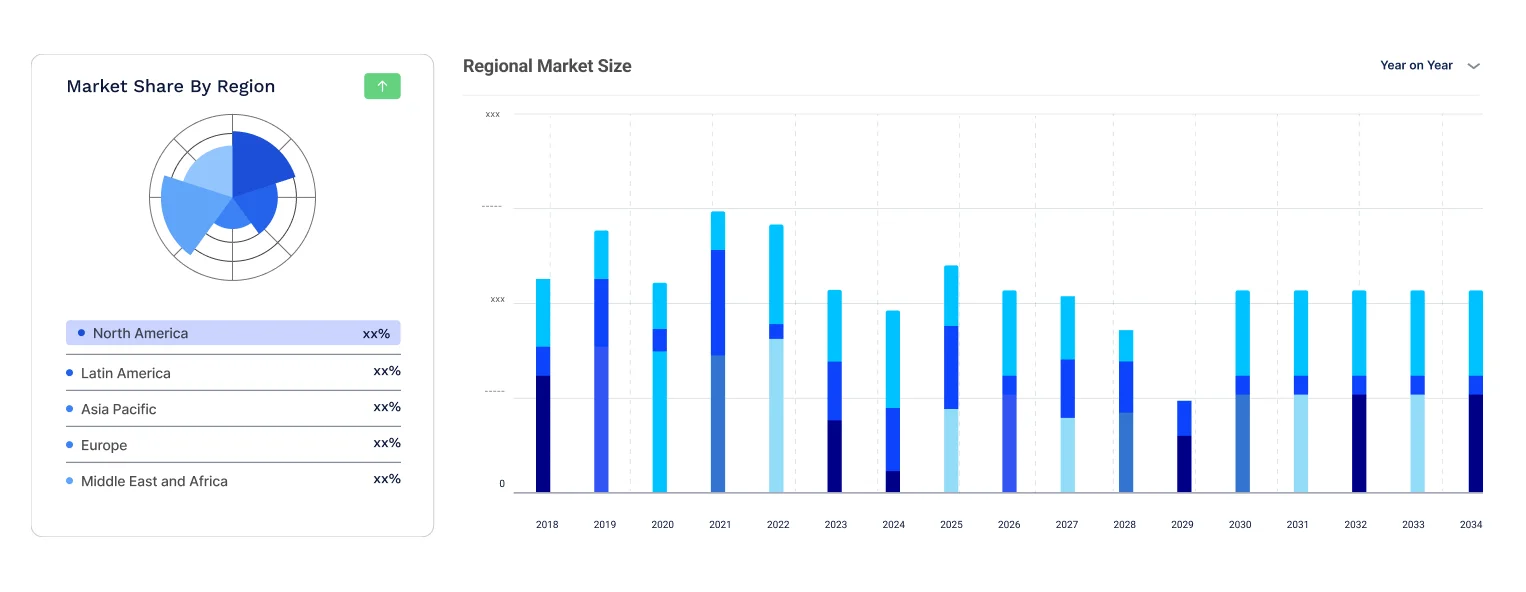
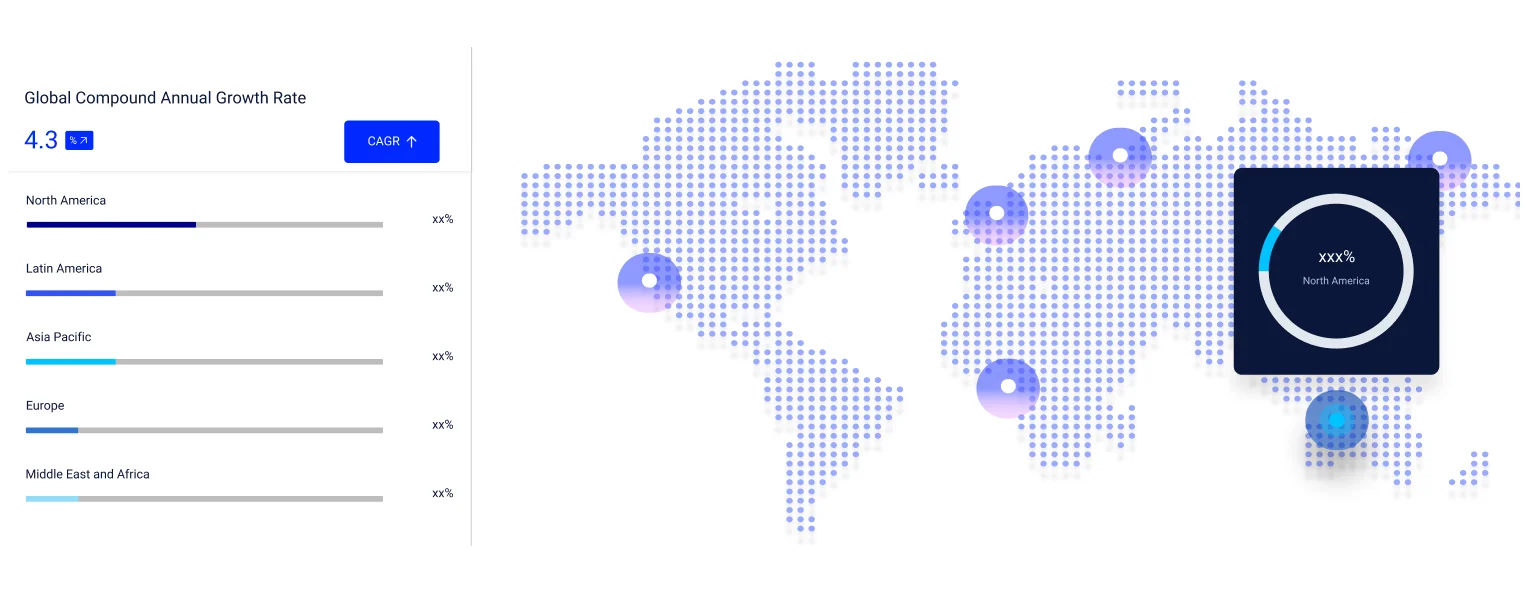
Key Insight: Europe remains the major shareholder in the cold chain market revenue driven by stringent food safety regulations, a strong pharmaceutical sector, and high adoption of sustainable cold chain technologies. North America is witnessing growth due to advanced logistics infrastructure and increasing demand for biologics and frozen food. Asia Pacific is expanding rapidly with rising disposable incomes, urbanization, and growing e-commerce penetration in developing countries. Latin America is driven by the export of perishable agricultural products, prompting investments in temperature-controlled logistics. Meanwhile, the Middle East and Africa are experiencing growth due to food security initiatives, infrastructure development, and increasing healthcare demand for temperature-sensitive medicines.
|
CAGR 2026-2035- Market by |
Region |
|
Europe |
12.7% |
|
Middle East and Africa |
11.2% |
|
North America |
XX% |
|
Asia Pacific |
XX% |
|
Latin America |
XX% |
By type, the monitoring equipment segment leads the global cold chain market
The monitoring equipment segment holds the largest market share attributed to the surging demand for regulatory compliance, real-time tracking, and risk mitigation in temperature-sensitive logistics. The segment is set to witness a 14.2% growth rate through 2034 attributed to the increasing preference for solutions that prevent spoilage and feature automated alerts. The high scale movement of pharmaceuticals, biologics, and perishable items is pushing market players to create solutions that cater to unique business needs. For instance, in April 2024, CSafe introduced the CSafe Connect Control Tower monitoring service which offered real-time shipping data such as cargo temperature, GPS tracking, and more. Such innovations exemplify the growing reliance on smart monitoring tools, reinforcing the dominant position of the segment in the market.
The transportation segment is set to witness the fastest growth rate in the global cold chain market driven by the ongoing development and adoption of advanced vehicles into the logistics sector. There is a rising preference for refrigerated vehicles which offer better energy efficiency, AI-powered intelligence with ultra-fast temperature control capabilities for efficient cold chain logistics. One such development is the launch of the world’s first one-step new energy intelligent refrigerated vehicle by SingAuto in August 2024 . The launch marks a significant leap into autonomous cold chain logistics as the vehicle is capable of rapidly shifting from 30°C to -123°C, while combining AI, multi-temperature control, and sustainability to meet the evolving needs of global markets. Such innovations further contribute to market growth.
By temperature range, the frozen (-18°C to -25°C) segment accounts for the highest market share
As per temperature range, the frozen segment leads the global cold chain market due to the high-volume demand for temperature-sensitive products including meat, seafood, and ready-to-eat meals, requiring sub-zero storage to prevent microbial growth and spoilage. Moreover, the growing popularity of convenience foods and processed meals among urban populations is further pushing logistics companies to venture into the development of cold chain facilities. For instance, in January 2024, Maersk (Maersk), a reputed logistics firm, began the development of its new cold store facility at Mehsana, Gujarat. This facility will provide new facilities with temperature-controlled storage solutions for Hyfun foods.
On the other hand, the chilled segment is witnessing the fastest growth rate resulting from the surging demand for dairy products, fresh produce, beverages, and certain vaccines requiring moderate cooling conditions. Ongoing innovations in thermal packaging, transportation, and energy efficient storage solutions are contributing to the segment's growth. For instance, in June 2025, PLUSS Advanced Technologies and Ecodome Logistics , launched reusable, IoT-enabled PCM boxes which maintain a precise 2–8°C range. These smart containers address major concerns regarding cold chains such as vaccines, spoilage, compliance, and sustainability. Such innovations are likely to contribute significantly to the global cold chain market revenue.
By application, the pharmaceuticals segment accounts for the largest share in the market
Based on application, the pharmaceuticals segment holds the largest share in the global cold chain market driven by the rising demand for temperature-sensitive biologics, vaccines, and specialty drugs. The market is projected to expand at a 14.1% CAGR through 2034 due to the increasing number of stringent compliance standards enforced by regulatory bodies for drug efficacy and safety. Meanwhile, pharmaceutical companies are investing in the advancement of cold storage, monitoring systems, and transportation. Considering such evolving needs, in April 2025, Identiv partnered with Tag-N-Trac to co-develop IoT-enabled cold chain tracking solutions specially for pharmaceutical supply chains. These technologies support real-time visibility and traceability for maintaining drug integrity and compliance with global standards.
In contrast, the processed foods segment is rapidly expanding, demonstrating the fastest growth rate at 13.1% CAGR fueled by the surging demand for processed foods. Major countries like China, India, and United States are experiencing rapid growth in urban population. As per the Economic Survey 2023-24 , over 40% of the Indian population will move into the urban areas by 2030, signaling a rising demand processed foods. Consumers highly prefer frozen meals, pre-packaged snacks, and ready-to-eat options, all of which rely heavily on cold chain systems for shelf life and safety. Additionally, easy access to modern retail and e-commerce platforms has increased processed food consumption, further propelling the segment’s growth.
By region, Europe has proved to be the dominant region in the global gold chain industry
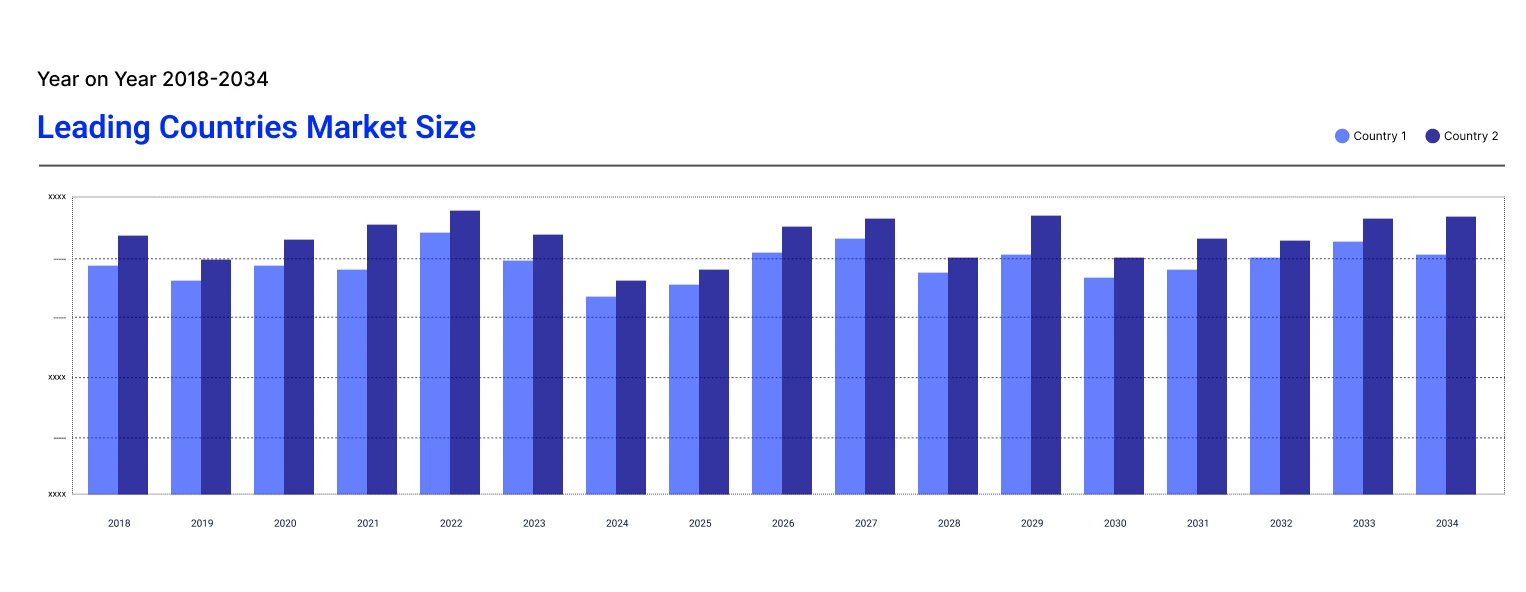
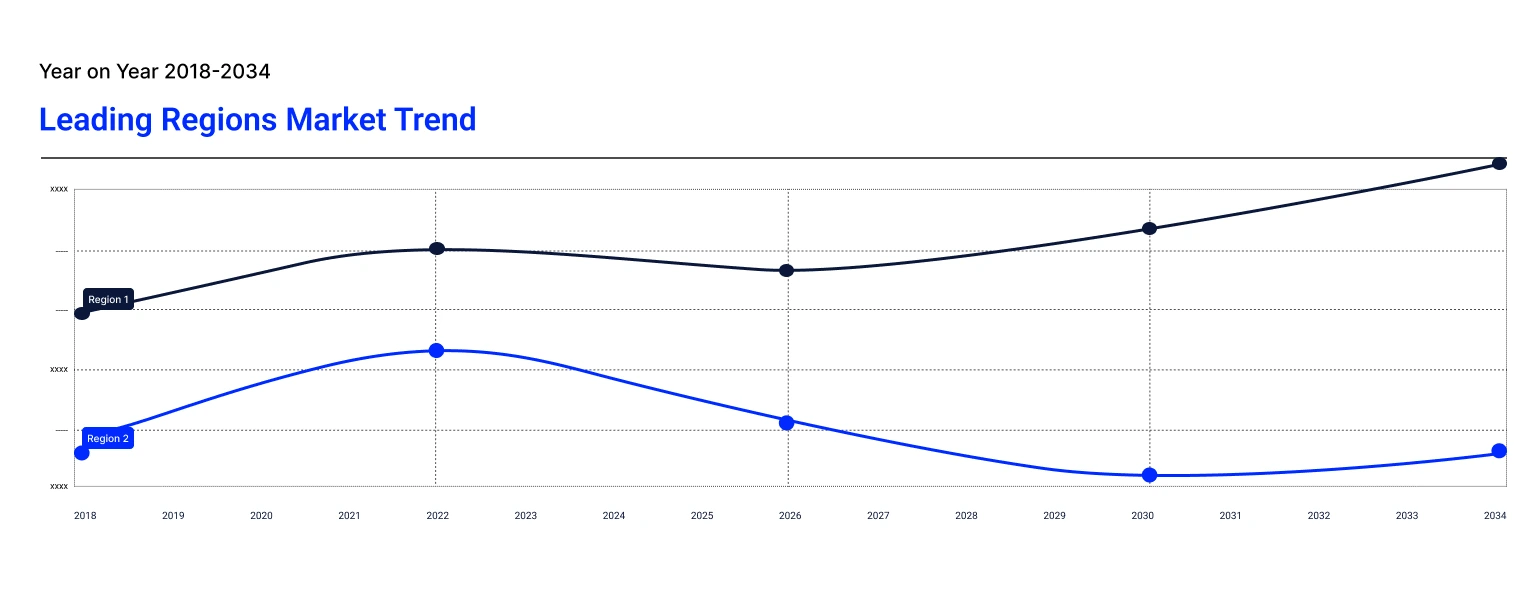
Europe holds the largest share in the global cold chain industry revenue and is set to expand at a 12.7% CAGR through 2034 mainly due to the rapid development of infrastructure specific to life sciences and pharmaceutical logistics. More than 80% of pharmaceutical products in Europe need temperature-controlled transportation. Market players are aggressively investing in extending their capacity to securely deliver critical healthcare products. For instance, in July 2024 , UPS Healthcare invested over €20 million to improve its temperature-controlled fleet, supporting the growing demand for cold chain logistics in Europe. Such initiatives are likely to support market growth in the coming years.
The Middle East and Africa region is the fastest growing region in the global cold chain industry showcasing an 11.2% growth rate between 2025-2034 driven by the growing need for efficient, sustainable, and temperature-controlled logistics. The growing urban population and increasing reliance on imported perishables are pushing the development of cold chain infrastructure. Additionally, industry leaders are focused on improving food safety with reliable last mile delivery while complying with national food security agendas. To cite one example, RSA Cold Chain collaborated with DP World in November 2023, to build a 100,000 sqm multi-temperature cold storage facility in the Jebel Ali Free Zone. The facility is designed to streamline the import, processing, and distribution of perishable goods across the country.
Top companies operating in the global cold chain market include United States Cold Storage, Lineage, Inc., VersaCold Logistics Services, Congebec, Nichirei Corporation, Burris Logistics, CONESTOGA COLD STORAGE, Kloosterboer, COLD BOX EXPRESS, INC., Americold Logistics, Inc., Wabash National Corporation, and A.P. Moller - Maersk. Companies are investing in large-scale temperature-controlled storage facilities, strengthening distribution networks, and synchronizing sustainability norms to fulfill rising worldwide demand for perishable commodities.
Meanwhile, businesses are implementing data-driven technologies such as IoT-enabled monitoring systems and AI-powered fleet management solutions to improve real-time visibility, tracking, and temperature compliance across the transportation chain. Automation and digitalization are being implemented throughout storage and transportation systems to improve operational precision, cut costs, and reinforce product safety. These strategic developments are driving innovation in the industry and setting the cold chain market for long-term success.
United States Cold Storage, established in 1889 and based in New Jersey, is a leading provider of refrigerated storage, transport, and logistics services across the network of temperature-controlled warehouses all over the United States. The company's focus is to enhance cold-chain performance and energy-efficient automation and operations.
Lineage, Inc. is one of the world's largest temperature-controlled logistics solutions. It was founded in 2012 and is based in Novi, Michigan. The company offers warehousing, transportation, and end-to-end cold chain management supported by automation and data science. Additionally, the firm is investing in the expansion of its global cold chain infrastructure through acquisitions and AI-driven systems.
VersaCold Logistics Services, established in 1946 and based in Canada, is a reputed provider for temperature-sensitive storage, transportation, and 3PL solutions. The company operates BRC-certified cold storage facilities in Canada. VersaCold's emphasized cold chain assurance and real-time monitoring to maintain product safety and integrity.
Congebec is a Quebec-based multi-temperature food logistics company founded in 1974. The company provides frozen and refrigerated warehousing, packaging, and distribution across 12 Canadian facilities. With HACCP/BRC-certified infrastructure and secure cold transport, Congebec showcases its commitment to offering sustainable cold chain solutions.
*Please note that this is only a partial list; the complete list of key players is available in the full report. Additionally, the list of key players can be customized to better suit your needs.*
Other players in the global cold chain market include Nichirie Corporation, Burris Logistics, CONESTOGA COLD STORAGE, Kloosterboer, COLD BOX EXPRESS, INC, Americold Logistics, Inc, Wabash National Corporation, and A.P. Moller - Maersk, among others.
Explore the latest trends shaping the global cold chain market 2026-2035 with our in-depth report. Gain strategic insights, future forecasts, and key market developments that can help you stay competitive. Get Your Free Report now on Global Cold Chain Market trends 2026.


Upto 15% Off
USD
$3999 $3599
$2499 $2249
$4999 $4249
$5999 $5099


*While we strive to always give you current and accurate information, the numbers depicted on the website are indicative and may differ from the actual numbers in the main report. At Expert Market Research, we aim to bring you the latest insights and trends in the market. Using our analyses and forecasts, stakeholders can understand the market dynamics, navigate challenges, and capitalize on opportunities to make data-driven strategic decisions.*
Get in touch with us for a customized solution tailored to your unique requirements and save upto 35%!
In 2025, the global cold chain market was valued at approximately USD 412.95 Billion.
The market is anticipated to grow at a CAGR of 12.20% between 2026 and 2035.
Prominent players include United States Cold Storage, Lineage, Inc., VersaCold Logistics Services, NICHIREI CORPORATION, CONGEBEC, Burris Logistics, CONESTOGA COLD STORAGE, Kloosterboer, COLD BOX EXPRESS, INC, Americold Logistics, Inc, Wabash National Corporation, and A.P. Moller - Maersk, among others.
Key strategies include tech-driven infrastructure upgrades, strategic partnerships, eco-friendly solutions, and regional capacity expansion.
The Middle East & Africa region is expected to witness the fastest growth attributed to the increasing number of food security initiatives, infrastructure investment, and demand for pharmaceutical cold logistics.
Explore our key highlights of the report and gain a concise overview of key findings, trends, and actionable insights that will empower your strategic decisions.
| REPORT FEATURES | DETAILS |
| Base Year | 2025 |
| Historical Period | 2019-2025 |
| Forecast Period | 2026-2035 |
| Scope of the Report |
Historical and Forecast Trends, Industry Drivers and Constraints, Historical and Forecast Market Analysis by Segment:
|
| Breakup by Type |
|
| Breakup by Temperature Range |
|
| Breakup by Application |
|
| Breakup by Region |
|
| Market Dynamics |
|
| Competitive Landscape |
|
| Companies Covered |
|
Single User License
One User
USD 3,999
USD 3,599
tax inclusive*
Datasheet
One User
USD 2,499
USD 2,249
tax inclusive*
Five User License
Five User
USD 4,999
USD 4,249
tax inclusive*
Corporate License
Unlimited Users
USD 5,999
USD 5,099
tax inclusive*
*Please note that the prices mentioned below are starting prices for each bundle type. Kindly contact our team for further details.*
Flash Bundle
Small Business Bundle
Growth Bundle
Enterprise Bundle
*Please note that the prices mentioned below are starting prices for each bundle type. Kindly contact our team for further details.*
Flash Bundle
Number of Reports: 3
20%
tax inclusive*
Small Business Bundle
Number of Reports: 5
25%
tax inclusive*
Growth Bundle
Number of Reports: 8
30%
tax inclusive*
Enterprise Bundle
Number of Reports: 10
35%
tax inclusive*
How To Order

Select License Type
Choose the right license for your needs and access rights.

Click on ‘Buy Now’
Add the report to your cart with one click and proceed to register.

Select Mode of Payment
Choose a payment option for a secure checkout. You will be redirected accordingly.
Gain insights to stay ahead and seize opportunities.

Get insights & trends for a competitive edge.

Track prices with detailed trend reports.

Analyse trade data for supply chain insights.

Leverage cost reports for smart savings

Enhance supply chain with partnerships.

Connect For More Information
Our expert team of analysts will offer full support and resolve any queries regarding the report, before and after the purchase.
Our expert team of analysts will offer full support and resolve any queries regarding the report, before and after the purchase.
We employ meticulous research methods, blending advanced analytics and expert insights to deliver accurate, actionable industry intelligence, staying ahead of competitors.
Our skilled analysts offer unparalleled competitive advantage with detailed insights on current and emerging markets, ensuring your strategic edge.
We offer an in-depth yet simplified presentation of industry insights and analysis to meet your specific requirements effectively.





Share