

Consumer Insights
Uncover trends and behaviors shaping consumer choices today
Procurement Insights
Optimize your sourcing strategy with key market data
Industry Stats
Stay ahead with the latest trends and market analysis.
The global copper fungicides market attained a value of USD 407.45 Million in 2025 and is projected to expand at a CAGR of 5.80% through 2035. The market is further expected to achieve USD 716.03 Million by 2035. Growing adoption of organic farming and integrated pest management is supporting copper fungicide demand because copper-based products offer broad-spectrum control of fungal and bacterial diseases while remaining compatible with many organic production systems. Their established use against downy mildew, blight, and leaf-spot diseases makes them particularly relevant for high-value fruits, vegetables, and vineyards.
Market development is increasingly shaped by the need to reduce metallic copper loading while retaining efficacy. Consequently, manufacturers are investing in formulations offering improved adhesion, wash-off resistance, particle distribution, bioavailability, and lower copper concentrations. Regulatory scrutiny is simultaneously encouraging more efficient application strategies and alternatives. In 2026, product activity from companies such as Manica, Albaugh, Gowan, and other crop-protection suppliers demonstrates continued innovation around copper formulations, thereby boosting the copper fungicides market value.
Copper fungicides manufacturers have been working on innovations related to increasing copper efficiency, protection from crop pests, improved stability of formulations, and increased effectiveness of application, all while ensuring that there is no problem of excess copper content and its effect on the environment. As an example, in 2025, Bharat Certis AgriScience brought out Kocide 3000, which is a copper hydroxide fungicide formulation in water-dispersible granules with 46.1% copper hydroxide. The fine particles in this formulation ensure good suspension and sprays and hence, enable the provision of preventive control against fungal and bacterial diseases.
One of the main challenges facing the copper fungicides market is the build-up of copper residues in agricultural soils owing to the continued use of the fungicide. Copper build-up could harm soil microorganisms, beneficial organisms, plants, as well as heighten regulations against the increase of copper usage. Market players can address this challenge through the development of copper fungicides with low levels of copper yet effective at the same time. This can be done using innovative formulation technology like that used by ADAMA which has introduced a formulation that has the same disease control properties but uses up to 15 percent less metallic copper than the standard formulation, thus aiming more towards the copper fungicides market developments.
Compound Annual Growth Rate
5.8%
Value in USD Million
2026-2035
Read more about this report - Request a Free Sample
| Global Copper Fungicides Market Report Summary | Description | Value |
| Base Year | USD Million | 2025 |
| Historical Period | USD Million | 2019-2025 |
| Forecast Period | USD Million | 2026-2035 |
| Market Size 2025 | USD Million | 407.45 |
| Market Size 2035 | USD Million | 716.03 |
| CAGR 2019-2025 | Percentage | XX% |
| CAGR 2026-2035 | Percentage | 5.80% |
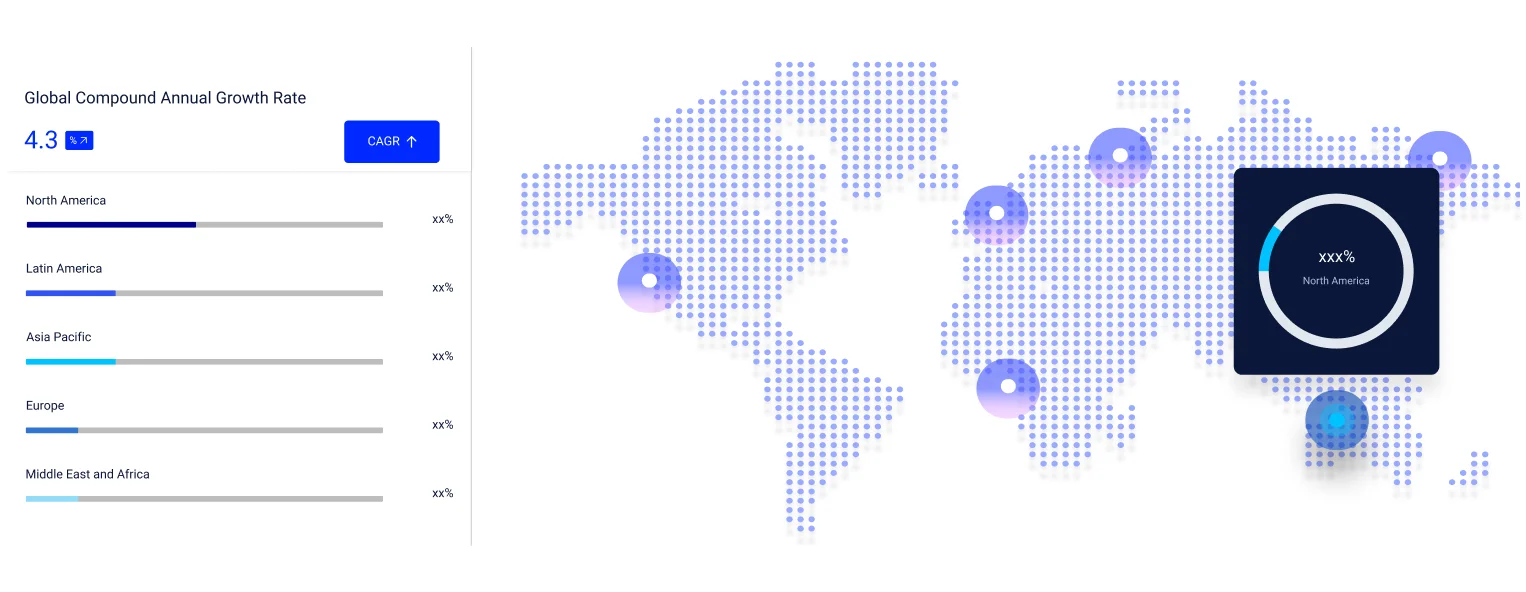
| CAGR 2026-2035 - Market by Region | Asia Pacific | 7.5% |
| CAGR 2026-2035 - Market by Country | India | 8.6% |
| CAGR 2026-2035 - Market by Country | UK | 5.3% |
| CAGR 2026-2035 - Market by Chemistry | Cuprous Oxide | 6.6% |
| CAGR 2026-2035 - Market by Application | Fruits and Vegetables | 6.4% |
| Market Share by Country 2025 | India | 15.4% |
Corteva Biologicals Argentina introduced Rezist, an elicitor containing copper, zinc, and manganese that stimulates plant resistance rather than acting as a conventional fungicide. Its positioning alongside crop-protection programs can encourage integrated disease management and create complementary demand for copper-based disease-control products.
ADAMA issued an updated product document for Axiom Plus Fungicide, confirming copper oxychloride as an inorganic fungicide component. The regulatory update supports continued commercial use of copper-based disease-control products and demonstrates ongoing maintenance of copper fungicide registrations, helping preserve product availability across agricultural applications, boosting the trends in the copper fungicides market.
ADAMA highlighted Mastercop 25 SC, a copper sulfate pentahydrate fungicide and bactericide registered in Thailand for berries, cucurbits, grapes, vegetables, potatoes, and tree nuts. The broader crop coverage can expand copper fungicide adoption across high-value crops and strengthen demand for copper sulfate formulations.
Nuby produced the RapidBottle which is a copper fungicide made up of borosilicate glass. It incorporates silicone coating, breast-like teat nipple, and three anti-colic valves and is used in conjunction with its RapidSterilise + system for quick UV sterilisation, thus aiming for growth of the copper fungicides market.
Corteva announced that Germany’s Federal Office of Consumer Protection and Food Safety approved Recudo, a copper oxychloride fungicide, for sugar beet, grapes, and apples. Importantly, it represents the first regular approval of a copper product for sugar beet in Germany, providing growers with a new tool against Cercospora beticola. This expands the addressable crop base for copper fungicides and could support market growth through greater adoption in sugar-beet disease management.
A major trend shaping the copper fungicides market is the development of formulations designed to improve copper utilisation rather than simply increase application rates. Manufacturers are focusing on particle-size control, improved suspension, adhesion, rainfastness, and controlled copper-ion release. Albaugh's Nu-Cop HB, for example, uses its HiBIO technology to create a smaller and consistent particle size and promote copper-ion availability. Manica's 2026 Macusol development similarly illustrates the industry's movement towards low-copper formulations, with the company describing the product as a Bordeaux mixture containing 2% copper while retaining adhesion and crop-protection performance, thus affecting the copper fungicides market dynamics and trends.
Organic horticulture and high-value perennial crops continue to be significant demand drivers due to the continued effectiveness of copper compounds in offering general protection from a number of fungi and bacteria diseases. It has been estimated in Europe that there is an annual usage of 3,258 tons of copper metal in organic farming in twelve European countries surveyed, with olives, grapes, and almonds being among those crops contributing significantly. The relevance of copper fungicides continues to be pertinent where other options are not able to match disease protection yet.
Copper fungicides have a valuable position in resistance-management programmes because their multi-site activity differs from many single-site synthetic fungicides. This characteristic makes them useful as protective components in integrated disease-management programmes, particularly for crops exposed to recurring disease pressure. UPL's Cuprofix Disperss, combining copper sulphate with mancozeb, is positioned for broad fungal and bacterial disease control and resistance-management applications. Similar combination products from IQV and Manica demonstrate how manufacturers are integrating copper with complementary active ingredients to provide preventive and, where applicable, curative disease-management benefits, thereby boosting the trends in the copper fungicides market.
Environmental and residue considerations are increasingly influencing the development of copper fungicides. European agricultural policy has historically sought to reduce copper inputs because copper can accumulate in soils and affect beneficial organisms. EU guidance continues to emphasise strategies combining preventive agronomic measures, decision-support systems, alternatives, and carefully targeted copper applications. At the same time, the European regulatory framework continues to evaluate copper compounds and their residues. This regulatory environment is pushing manufacturers toward products that improve deposition, persistence, and biological availability while reducing unnecessary metallic copper applications.
Companies are now formulating copper-based fungicides together with other active ingredients that help increase the spectrum of the disease control and performance under difficult conditions. For instance, CURAME 25 WG of Manica is the combination of copper oxychloride with cymoxanil and helps to combine the preventive activity of copper together with the activity of cymoxanil. The formulations of Badge from Gowan contain copper hydroxide and copper oxychloride, which allows the combination of fast and slow release of copper ions in one formulation.
The Expert Market Research’s report titled "Copper Fungicides Market Report and Forecast 2026-2035” offers a detailed analysis of the market based on the following segments:
Market Breakup by Chemistry
Key Insight: Copper oxychloride has gained popularity for use in managing diseases affecting grapes and mangoes, whereas copper hydroxide is known for its quick copper ion release and wide spectrum of disease control. Cuprous oxide is getting recognition for being in high concentration formulations, which provide high metal copper content. Copper sulphate continues to be popular in products like Bordeaux mix and suspension concentrates, especially for grape vineyards. All these chemistries find acceptance owing to crop registrations and control of fungi and bacteria, while different formulations make it possible to design products according to specific release rate, safety, and other considerations., thereby opening up new opportunities and boosting the growth of the copper fungicides market.
Market Breakup by Application
Key Insight: Fruits and vegetables remain a key application area, supported by copper fungicides’ established use against fungal and bacterial diseases in crops such as grapes, citrus, potatoes, and peppers. Cereals and grains are gaining traction through applications in rice and other staple crops, while oilseeds and pulses are seeing greater use as growers strengthen preventive disease-management practices. The broad disease-control spectrum and established crop registrations across these applications continue supporting copper fungicide adoption.
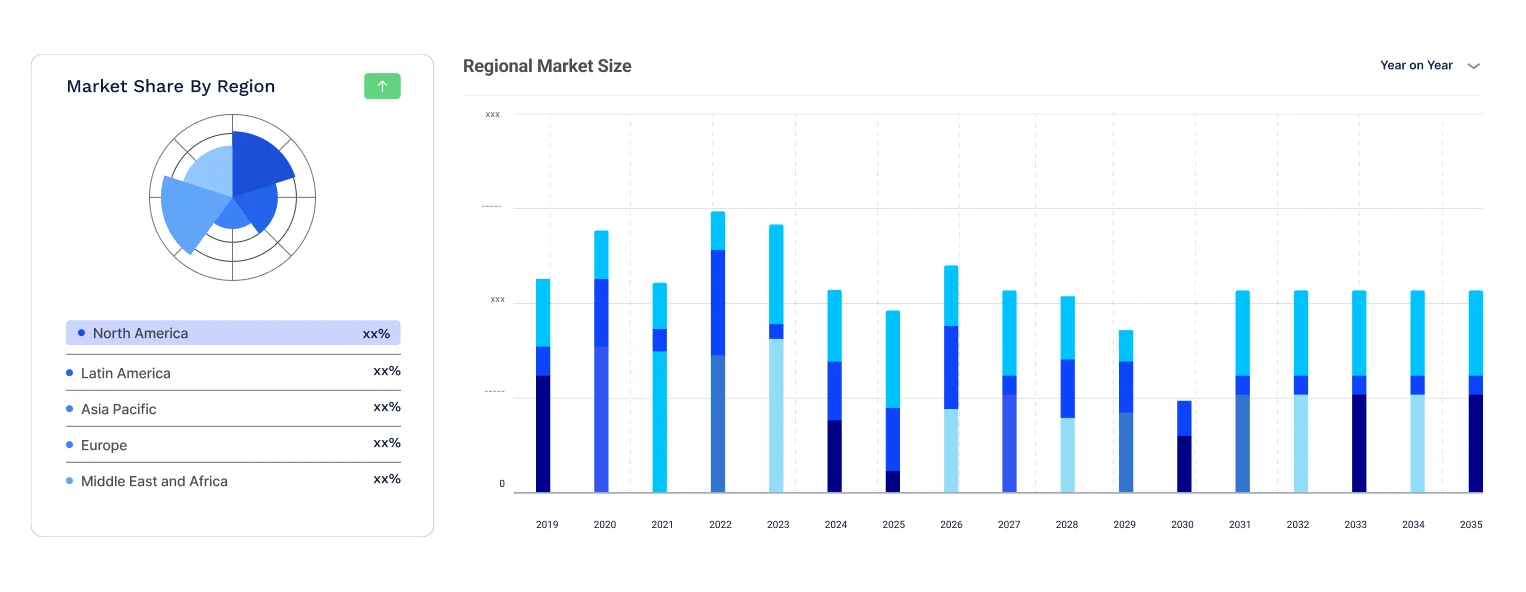
Market Breakup by Region
Key Insight: The European market continues to be an important one due to vineyards, orchards, organic agriculture, and the existing use of copper in integrated disease management systems. The Asia Pacific region is quickly catching up due to increased farming of fruits and vegetables, rice, cereals, and pressure from diseases in the humid environment. The North American market is aided by the existing usage of copper in vineyards, almonds, berries, citrus, and greenhouses. Latin America is benefiting from the massive cultivation of bananas, coffee, citrus, and other exported crops.
By chemistry, copper oxychloride represents the leading chemistry segment, supported by broad crop applicability and extensive commercial availability
Copper oxychloride maintains a strong position within the copper fungicides market because of its established use as a preventive contact fungicide and bactericide across fruits, vegetables, plantation crops, and other agricultural applications. Its comparatively widespread availability across manufacturers and product formulations supports its market penetration. IQV's portfolio, for instance, includes multiple copper oxychloride concentrations and formulations, including WP, WG, and SC products. Such developments will thus boost the copper fungicides market dynamics and trends in the long run.
Copper hydroxide is gaining traction through formulations designed for rapid copper-ion release, broad-spectrum protection, and improved spray performance. Cornell identifies copper hydroxide as the most common copper active ingredient among many fungicides and notes its small-particle structure and relatively rapid ion release. Commercial examples include Kocide 3000-O and ChampION++, which are used on vegetable crops. Continued formulation development and demand for effective protectants against bacterial and fungal diseases are supporting its expansion
By application, fruits and vegetables represent the leading application segment, supported by intensive disease-management requirements
Fruits and vegetables represent the leading application because copper fungicides provide established preventive protection against numerous fungal and bacterial diseases affecting high-value crops. Their use spans grapes, tomatoes, cucurbits, potatoes, citrus, and other horticultural crops. For example, EFSA’s assessment covers copper products for grapes, tomatoes, and cucurbits, while Cornell data lists multiple copper hydroxide, oxychloride, sulfate, and oxide products for broccoli, lettuce, squash, and tomatoes. This broad crop coverage supports sustained demand from commercial and organic growers, thus boosting the overall copper fungicides market development.
Cereals and grains are gaining traction as copper-based disease-management programmes expand beyond traditional horticultural applications. Rice and other cereal crops can benefit from copper-based protection where fungal and bacterial disease pressure threatens yield and quality. In India, ICAR guidance includes copper hydroxide applications for specific crop diseases, demonstrating continued integration of copper products into local disease-management recommendations. Increasing crop intensification and the need for preventive disease control can create additional opportunities for copper fungicides across cereal-growing regions.
Read more about this report - Request a Free Sample
Europe represents a leading regional market, while Asia Pacific offers substantial growth potential from expanding agricultural production.
Europe continues to be the dominant market for copper fungicides because copper has been traditionally used for protecting vineyards, orchards, olives, and organic crops. Copper hydroxide, copper oxychloride, copper (I) oxide, tribasic copper sulfate, and Bordeaux mixture have all been assessed by the EFSA in relation to agricultural applications such as grapes, tomatoes, and cucurbits. The European region is also a location where there is substantial organic farming taking place, and here too, copper-based fungicides are widely used. Such factors are directly boosting the copper fungicides market regional growth.
Asia Pacific is gaining momentum through its large and diverse agricultural base, particularly fruits, vegetables, rice, and other intensively cultivated crops. Copper fungicides are already used in disease-management programmes in countries such as India. For example, ICAR research found copper oxychloride and copper hydroxide effective against tomato late blight under field conditions in Sikkim. Expanding horticulture, crop intensification, and persistent fungal and bacterial disease pressure can therefore broaden copper fungicide adoption across the region.
Copper fungicides market players intend to increase their presence through improved formulations of copper, increased efficacy, decreased copper load, and environment-friendly products. The companies are innovating in order to achieve better disease management, rain fastness, crop safety, and integration with disease management strategies.
Copper fungicide companies are also concentrating on geographical expansion, wider crop applications, improved distribution channels, and alliances in order to target new agricultural markets. Greater focus is being given to technologies that can be used in both conventional and organic agriculture and that take into consideration regulations and sustainability objectives.
Bayer AG, established in 1863, is headquartered in Leverkusen, Germany. The company operates across healthcare and agriculture and offers copper-based crop protection products, including Blue Shield DF, a copper hydroxide fungicide used for protecting fruit, nut, and vegetable crops against fungal diseases. Bayer also has copper-based fungicide formulations and combination products used for disease management.
Corteva Agriscience, incorporated in 2018, is headquartered in Indianapolis, Indiana, United States. The company provides seed and crop protection solutions, including Kocide 2000, a broad-spectrum copper fungicide based on uniform copper particles. It provides contact protection against fungal and bacterial diseases across crops such as grapes, peppers, potatoes, and rice.
Nufarm Ltd., established in the mid-1950s, is headquartered in Melbourne, Australia. Its copper fungicide portfolio includes Cuproxat FL, Cuproxat SC, Champ, Liquicop, and Tri-Base Blue, offering copper-based protection against fungal and bacterial diseases. Its formulations include tribasic copper sulfate, copper hydroxide, and copper-based solutions for horticultural and specialty crops.
ADAMA Agricultural Solutions Ltd. traces its origins to 1945 through Agan, one of the companies that later formed ADAMA, and is headquartered in Tel Aviv, Israel. Its copper fungicide portfolio includes Mastercop, a liquid copper fungicide containing copper sulfate pentahydrate. The product uses BioRetain™ technology and is designed for broad-spectrum fungal and bacterial disease control with improved coverage and copper availability.
Other copper fungicides market key players include ADAMA Agricultural Solutions Ltd., UPL Ltd., Certis USA L.L.C, Gowan Company, L.L.C., Cosaco GmbH, Cinkarna Celje, d. d., and MAT Holding Group (IQV), among others.
*Please note that this is only a partial list; the complete list of key players is available in the full report. Additionally, the list of key players can be customized to better suit your needs.*
Unlock opportunities in the global copper fungicides market with Expert Market Research. Use market forecasts, competitive insights, and industry trends to identify growth opportunities and make informed business decisions.
North America Fungicide Market


Upto 15% Off
USD
$2499 $2249
$3999 $3599
$4999 $4249
$5999 $5099


*While we strive to always give you current and accurate information, the numbers depicted on the website are indicative and may differ from the actual numbers in the main report. At Expert Market Research, we aim to bring you the latest insights and trends in the market. Using our analyses and forecasts, stakeholders can understand the market dynamics, navigate challenges, and capitalize on opportunities to make data-driven strategic decisions.*
In 2025, the market reached an approximate value of USD 407.45 Million.
The market is projected to grow at a CAGR of 5.80% between 2026 and 2035.
The market is estimated to witness a healthy growth in the forecast period of 2026-2035 to reach USD 716.03 Million by 2035.
Key strategies include developing low-copper formulations, integrating products with biologicals and IPM programs, improving formulation efficiency, expanding organic farming applications, strengthening distribution networks, and adopting precision spraying technologies.
The key trends fuelling the growth of the market include altering food and nutritional requirements due to increasing health concerns and rising investments towards the research and development activities.
The major regions in the market are North America, Europe, the Asia Pacific, Latin America, and the Middle East and Africa.
The applications of copper fungicides include fruits and vegetables, cereals and grains, and oilseeds and pulses, among others.
The key players in the market include Bayer AG, Corteva Agriscience, Nufarm Ltd., ADAMA Agricultural Solutions Ltd., UPL Ltd., Certis USA L.L.C, Gowan Company, L.L.C., Cosaco GmbH, Cinkarna Celje, d. d., and MAT Holding Group (IQV), among others.
Key challenges include copper accumulation in soil, phytotoxicity, pathogen resistance, environmental toxicity to non-target organisms, regulatory restrictions, residue concerns, and limited efficacy after pathogen infection.
Explore our key highlights of the report and gain a concise overview of key findings, trends, and actionable insights that will empower your strategic decisions.
| REPORT FEATURES | DETAILS |
| Base Year | 2025 |
| Historical Period | 2019-2025 |
| Forecast Period | 2026-2035 |
| Scope of the Report |
Historical and Forecast Trends, Industry Drivers and Constraints, Historical and Forecast Market Analysis by Segment:
|
| Breakup by Chemistry |
|
| Breakup by Application |
|
| Breakup by Region |
|
| Market Dynamics |
|
| Competitive Landscape |
|
| Companies Covered |
|
Datasheet
One User
USD 2,499
USD 2,249
tax inclusive*
Single User License
One User
USD 3,999
USD 3,599
tax inclusive*
Five User License
Five User
USD 4,999
USD 4,249
tax inclusive*
Corporate License
Unlimited Users
USD 5,999
USD 5,099
tax inclusive*
*Please note that the prices mentioned below are starting prices for each bundle type. Kindly contact our team for further details.*
Flash Bundle
Small Business Bundle
Growth Bundle
Enterprise Bundle
*Please note that the prices mentioned below are starting prices for each bundle type. Kindly contact our team for further details.*
Flash Bundle
Number of Reports: 3
20%
tax inclusive*
Small Business Bundle
Number of Reports: 5
25%
tax inclusive*
Growth Bundle
Number of Reports: 8
30%
tax inclusive*
Enterprise Bundle
Number of Reports: 10
35%
tax inclusive*
How To Order

Select License Type
Choose the right license for your needs and access rights.

Click on ‘Buy Now’
Add the report to your cart with one click and proceed to register.

Select Mode of Payment
Choose a payment option for a secure checkout. You will be redirected accordingly.
Strategic Solutions for Informed Decision-Making
Gain insights to stay ahead and seize opportunities.

Get insights & trends for a competitive edge.

Track prices with detailed trend reports.

Analyse trade data for supply chain insights.

Leverage cost reports for smart savings

Enhance supply chain with partnerships.

Connect For More Information
Our expert team of analysts will offer full support and resolve any queries regarding the report, before and after the purchase.
Our expert team of analysts will offer full support and resolve any queries regarding the report, before and after the purchase.
We employ meticulous research methods, blending advanced analytics and expert insights to deliver accurate, actionable industry intelligence, staying ahead of competitors.
Our skilled analysts offer unparalleled competitive advantage with detailed insights on current and emerging markets, ensuring your strategic edge.
We offer an in-depth yet simplified presentation of industry insights and analysis to meet your specific requirements effectively.




