

Consumer Insights
Uncover trends and behaviors shaping consumer choices today
Procurement Insights
Optimize your sourcing strategy with key market data
Industry Stats
Stay ahead with the latest trends and market analysis.
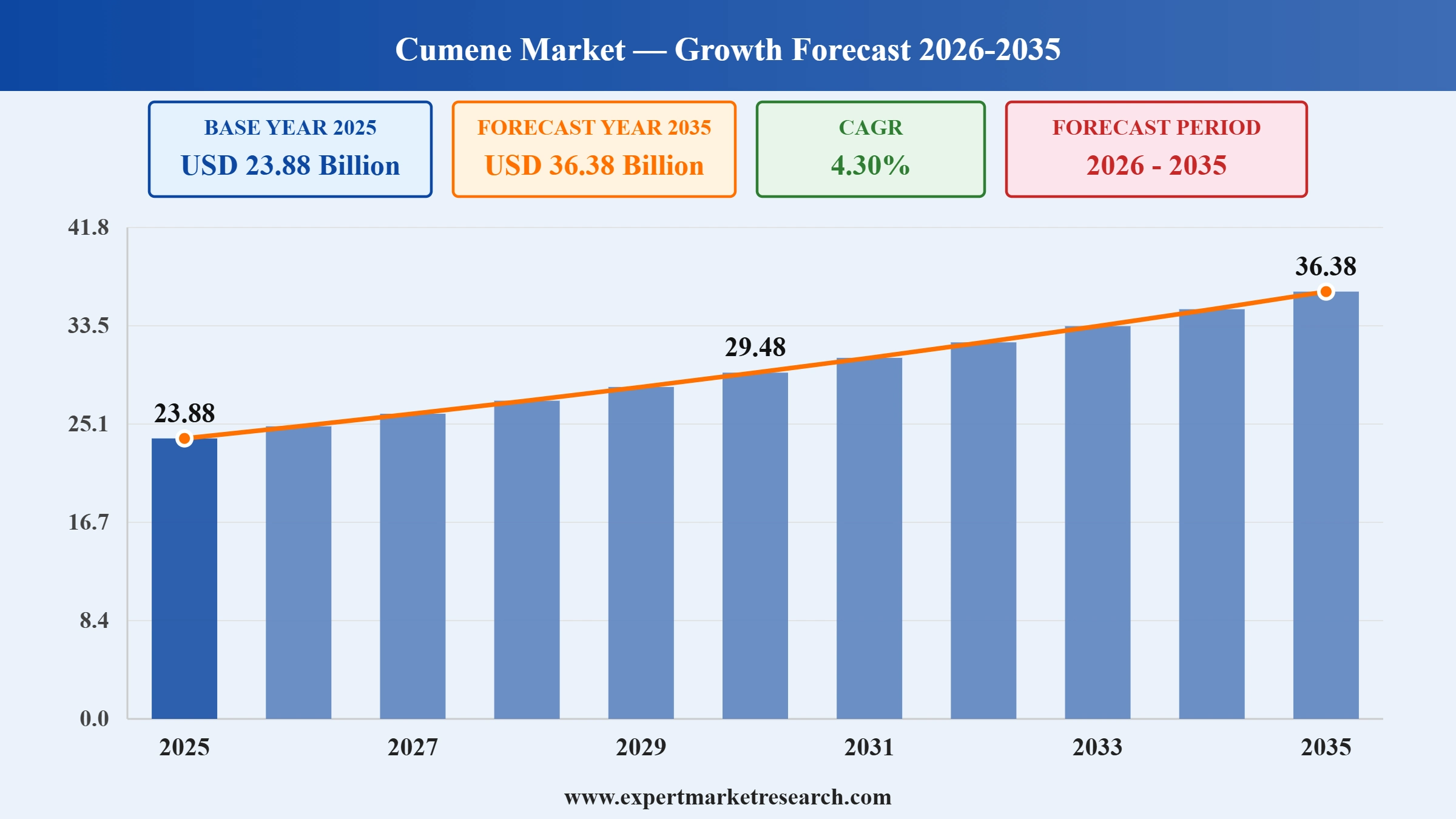
The cumene market attained a value of USD 23.88 Billion in 2025 and is projected to expand at a CAGR of 4.30% through 2035. The market is further expected to achieve USD 36.38 Billion by 2035. Rising demand for high-performance polycarbonate plastics, epoxy resins, and composite materials from electric vehicles, renewable energy systems, and electronics assembly applications is expected to continue to support long-term consumption of intermediates derived from cumene.
Two other factors that are driving growth within the cumene market are the rising demand for high-purity phenol and acetone from the manufacturing and assembly of semiconductors in the Asia and North American regions, which will offer ongoing growth opportunities for integrated cumene producers. Moreover, the growing trend among refiners to use digital optimization technology and new catalysts, are helping them be competitive considering stringent regulations and procurement practices.
Advancements made in circular feedstock integration are contributing to the evolution of the cumene market in the direction of low-carbon petrochemicals production. For example, since August 2022, INEOS Phenol offers extended its portfolio with added bio-attributed phenol and acetone products produced from mass balance-verified renewable feedstocks. This trend is particularly important since production of phenol is responsible for the largest part that is generating consistent demand.
The cumene market continues to evolve as producers place more focus on process efficiency, feedstock flexibility, and downstream integration. Process technologies continue to advance in order to increase propylene conversion efficiency, optimize catalyst performance, and lower energy consumption. Such initiatives are becoming increasingly important due to tightening environmental regulations and transparency requirements of carbon accounting in chemical manufacturing regions and their clients. In March 2026, United States cumene prices rose 7.77% amid feedstock shortages, geopolitical disruptions, higher crude costs, and strong pre-summer restocking demand.
Read more about this report - REQUEST FREE SAMPLE COPY IN PDF
| Global Cumene Market Report Summary | Description | Value |
| Base Year | USD Billion | 2025 |
| Historical Period | USD Billion | 2019-2025 |
| Forecast Period | USD Billion | 2026-2035 |
| Market Size 2025 | USD Billion | 23.88 |
| Market Size 2035 | USD Billion | 36.38 |
| CAGR 2019-2025 | Percentage | XX% |
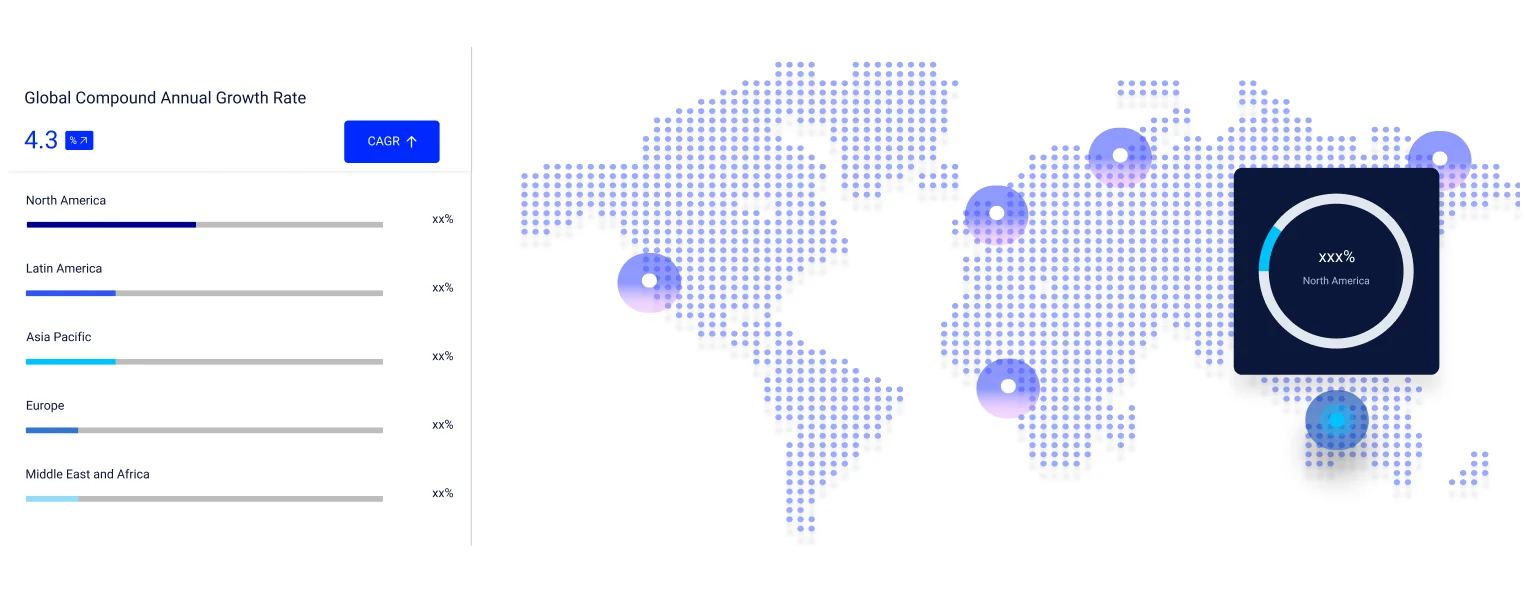
| CAGR 2026-2035 | Percentage | 4.30% |
| CAGR 2026-2035 - Market by Region | Middle East and Africa | 4.8% |
| CAGR 2026-2035 - Market by Country | India | 5.3% |
| CAGR 2026-2035 - Market by Country | China | 4.9% |
| CAGR 2026-2035 - Market by End Use Industry | Automotive Industry | 5.1% |
| CAGR 2026-2035 - Market by Application | High-octane Aviation Fuels | 5.4% |
| Market Share by Country 2025 | Australia | 2.2% |
Flint Hills Resources issued force majeure for cumene supplies from its Corpus Christi, Texas refinery due to operational difficulties, reducing supply in the United States. Other companies in the cumene market can benefit from supply constraints through increased production, signing long-term agreements, and exporting their products to the affected regions.
HOCL restarted its Kochi phenol-cumene plant, increasing domestic production capacity and improving the supply chain for phenol and acetone in India. Manufacturers can take advantage of domestic feedstock supply while enhancing specialty chemicals and resins production capacity, following such trends in the cumene market.
For its cumene production, IndianOil chose the proprietary process technology offered by Lummus that provided sustainable and cost-effective high-volume production. Engineering firms can provide the process optimization services and licensing of technology for cumene production plants, both newly established and existing.
Haldia Petrochemicals used Lummus technology for India’s biggest integrated cumene-phenol complex with India’s first on-purpose propylene unit. For chemicals industry players, building the integrated petrochemical complex might be profitable.
Sustainability continues being a key trend in the cumene market due to the adoption of renewable and circular feedstocks by petrochemical companies in their conventional production process. Producers are adopting mass balance-certified raw materials to reduce lifecycle emissions without requiring major changes to downstream manufacturing facilities. For example, in December 2023, INEOS Phenol launched bio-attributed cumene, enabling lower-carbon phenol production through renewable feedstocks and certified mass-balance manufacturing. Government regulations are also pushing towards such a tendency as well. For exam,ple, the European Union continues encouraging industries to follow lower carbon chemical production with its Renewable Energy Directive and Green Deal Industrial Plan.
The demand for phenol and acetone promotes investments in integrated cumene production facilities in Asia. Manufacturing firms are aiming at producing chemicals near downstream resin and plastic production centers. In China, some projects of refinery-petrochemical integration continue boosting the domestic production of aromatic chemicals reducing the imports, redefining the entire cumene market trends. As for India, Petroleum and Chemicals Petrochemical Investment Regions project helps creating integrated chemical manufacturing zones to stimulate investments in aromatic intermediates. For example, in March 2025, Haldia Petrochemicals announced a USD 1 billion polycarbonate project, integrating cumene, phenol, and acetone production to reduce imports.
Chemical producers are adopting sophisticated catalyst technology solutions to increase production efficiency and cut down energy usage and emissions, accelerating the cumene market growth. Contemporary catalysts made out of zeolites enable higher selectivity, longer operating cycles, and less generation of by-products, thus allowing producers to fine-tune operation costs considering fluctuating raw material prices. Honeywell UOP keeps providing process technologies to enhance aromatic conversion efficiency for petrochemical complexes across the globe. On the other hand, in January 2026, MIRATECH acquired Advanced Catalyst Systems, expanding catalyst manufacturing capacity, accelerating innovation, and strengthening global emissions solutions capabilities. Energy efficiency programs implemented by governments help promote industrial modernization. Industrial decarbonization programs are being funded by the Department of Energy of the United States.
Growing adoption of electric cars and renewable energy facilities stimulates demand for phenol and acetone produced by means of cumene process as intermediaries necessary for manufacturing of polycarbonate plastics, epoxy resins, and composites used in the construction of batteries, light weight auto parts, wind turbine blades, and insulation materials. Major material producers keep increasing specialty resin capacity for these sectors, thereby propelling demand in the cumene market. Government programs such as the United States Inflation Reduction Act and the European Net-Zero Industry Act stimulate investments into the manufacturing of renewables. Following such market trends, in August 2026, Brookfield launched a USD 600 million India-focused renewable energy platform, accelerating clean power investments, grid modernization, and energy transition initiatives.
The digital transformation is revolutionizing operations within the cumene market value chain through predictive analytics, industrial automation, and process optimization. The integrated refining and petrochemicals facilities are increasingly adopting the use of artificial intelligence and digital twins for effective production planning, reduction of downtime, and optimal use of feedstock. Companies such as SABIC and other major chemical companies are also making investments towards smart manufacturing systems for improving operational sustainability in the production of aromatic chemicals. In July 2026, HPCL inaugurated its integrated refinery-petrochemical complex, strengthening energy security, petrochemical output, and downstream manufacturing capabilities.
The EMR’s report titled “Cumene Market Report and Forecast 2026-2035” offers a detailed analysis of the market based on the following segments:
Market Breakup by Production
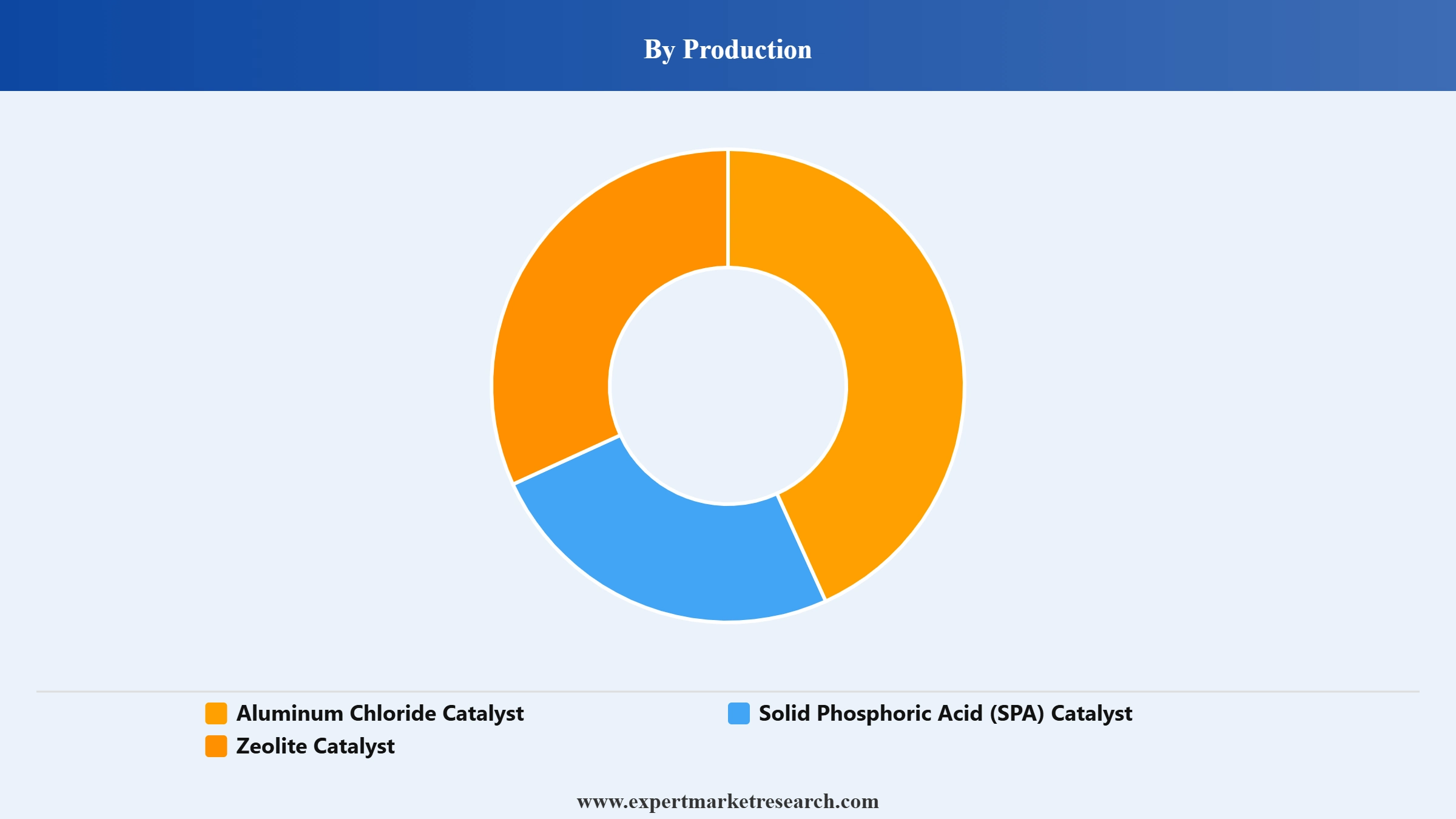
Key Insight: The production section portrays different considerations within the cumene market value chain in terms of production. Aluminum Chloride catalyst is being used in old production plants due to its ability to facilitate production even though its environmental and maintenance issues have been limiting further adoption of this catalyst in newer plants. Solid Phosphoric Acid catalyst is becoming popular by providing cost-effective solutions in retrofitting existing petrochemical facilities. Zeolite catalyst continues dominating the market with its selectivity, longer cycle time, minimal waste, and suitability with automated manufacturing systems.
Market Breakup by Application
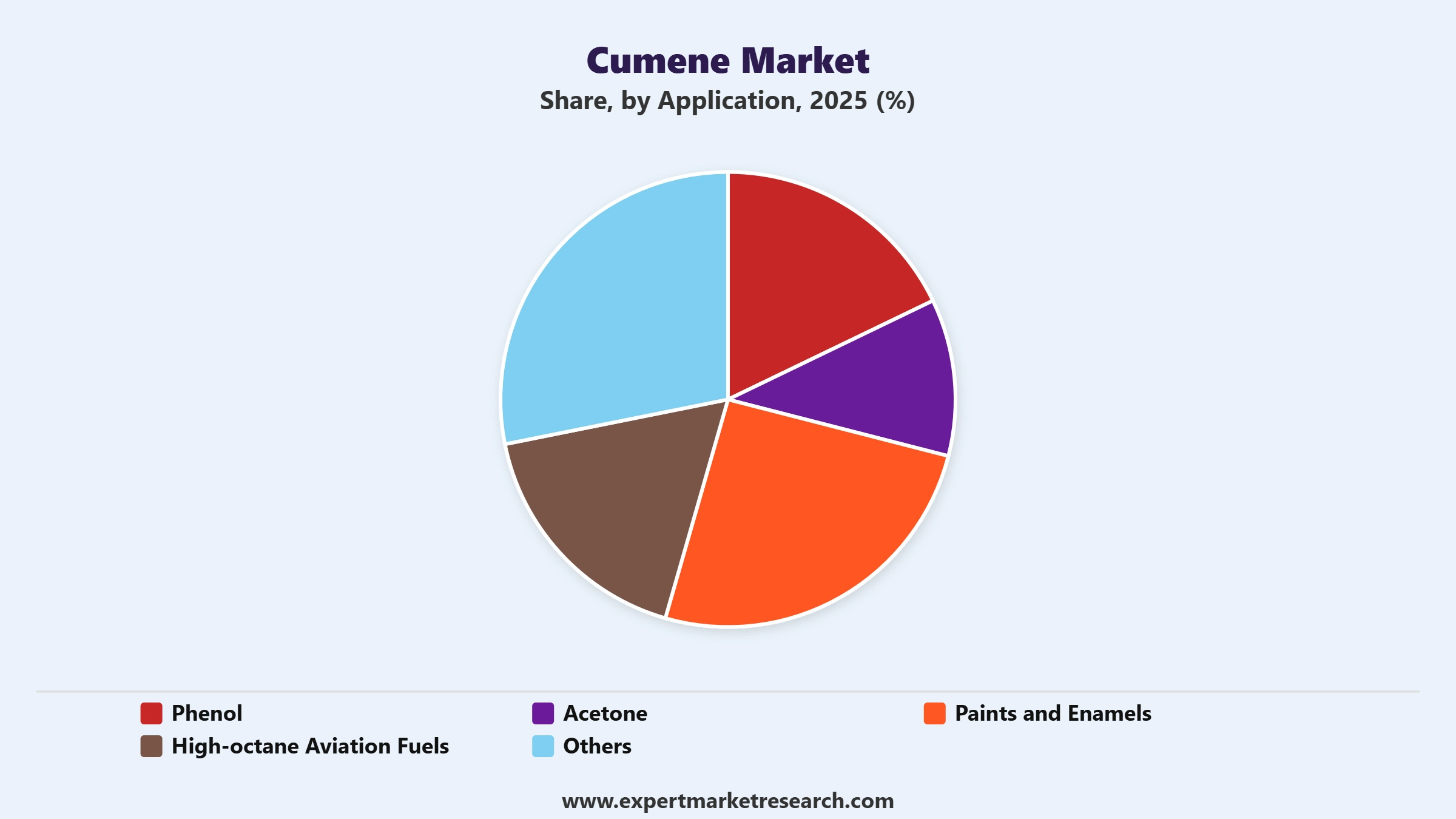
Key Insight: Application diversification keeps building strength within the cumene market through various industries. Phenol forms the most important application due to its capability of forming various resins and polymers. Phenol resins gain popularity due to demand for wood panels, insulation, and adhesives for industrial uses. In October 2024, Princeton University developed a visible light-driven cumene-to-phenol conversion technology, improving yields, reducing energy consumption, and minimizing by-products. Caprolactam forms an important feedstock for nylon formation for engineering purposes, and Bisphenol A is growing along with the demand for advanced plastics. Alkyl phenols act as lubricants and specialty chemicals, while acetone works as solvent feedstock and chemical synthesis of methyl methacrylate and aldol chemicals. Paints and enamels utilize the intermediates for coatings, while high-octane aviation fuels are the special applications.
Market Breakup by End Use
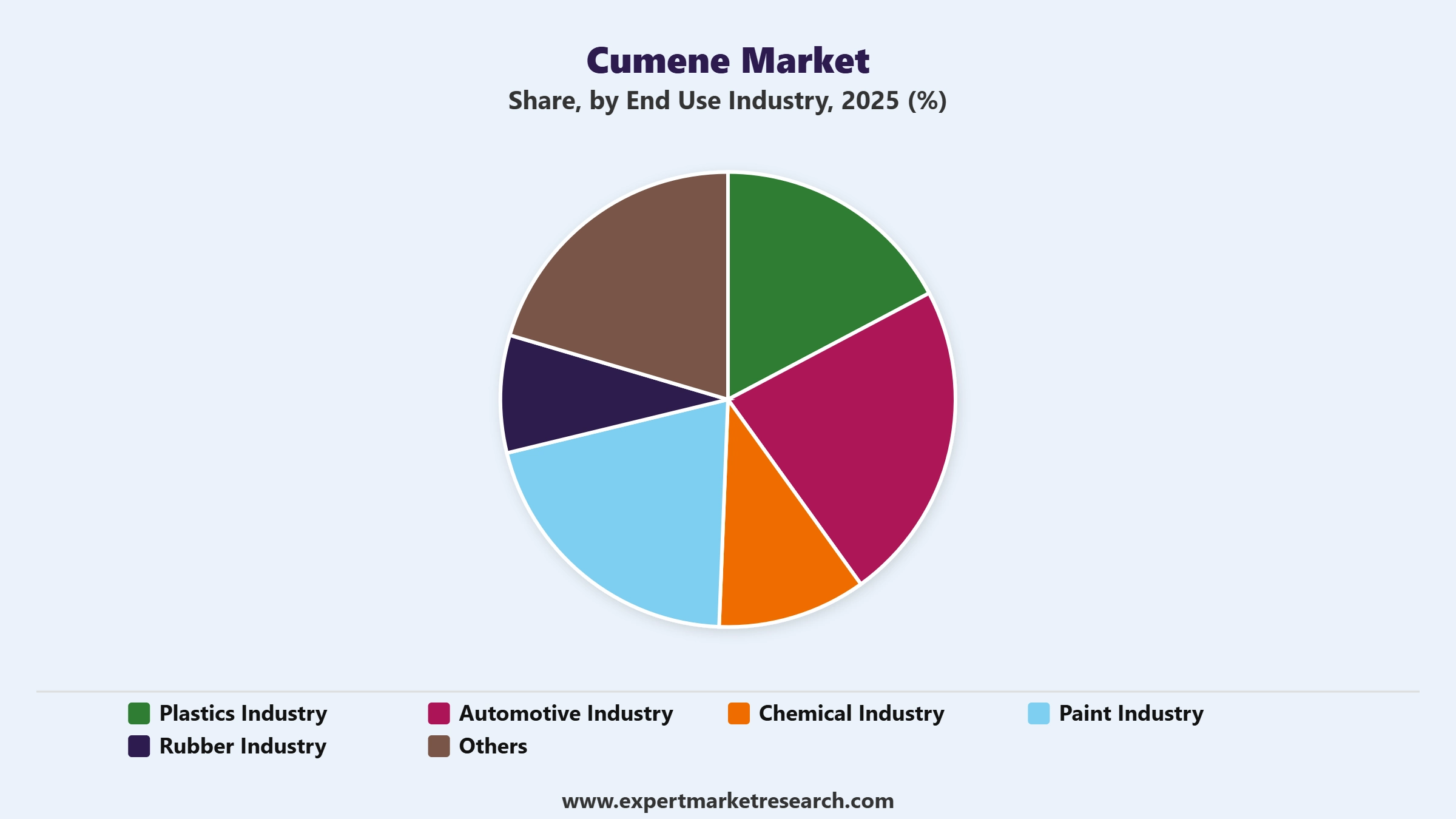
Key Insight: As per the cumene market report, end-use demand highlights the flexibility of cumene-based products in different industrial manufacturing applications. The plastic industry can take advantage of increased demand for tough and flexible engineering plastics as well as lightweight plastics. The automotive industry can increasingly take advantage of phenol-based composites in order to make cars lighter. However, the chemical industry remains the biggest buyer since it converts cumene into various intermediates. Paint industries need aromatic chemicals as paints whereas the rubber industry needs various specialty chemicals for rubber and tires manufacture.
Market Breakup by Region
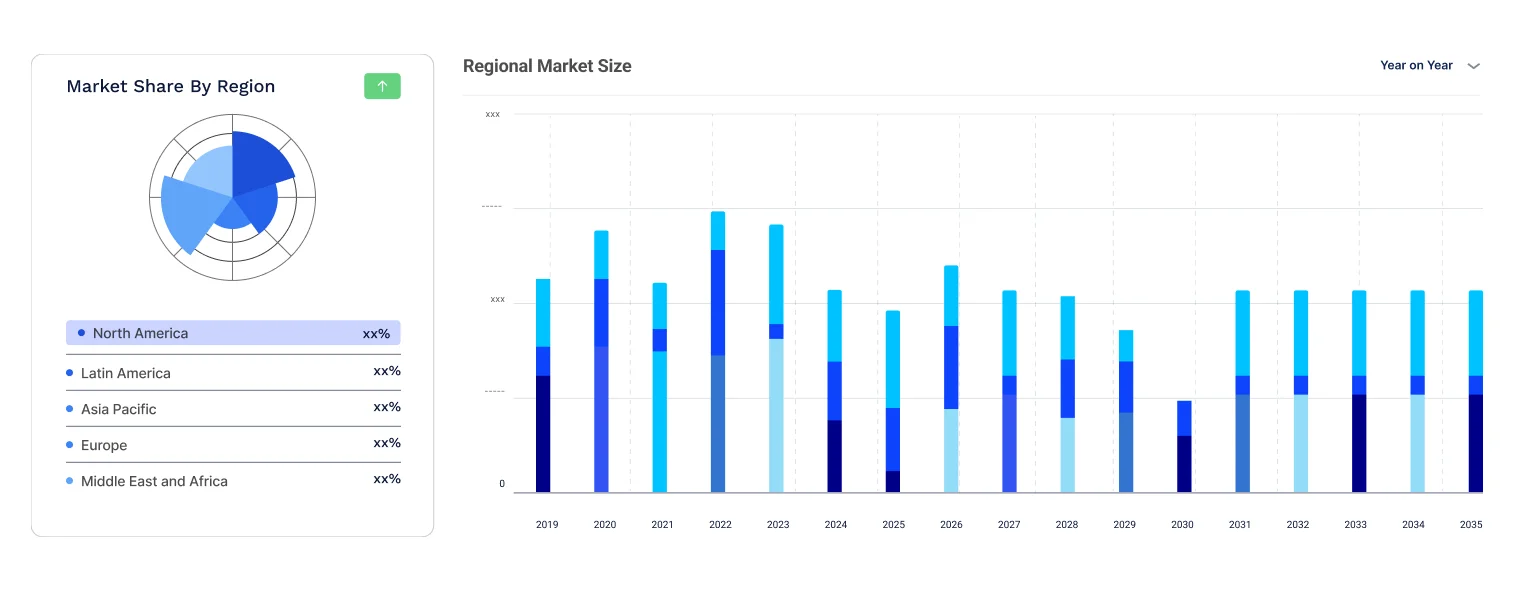
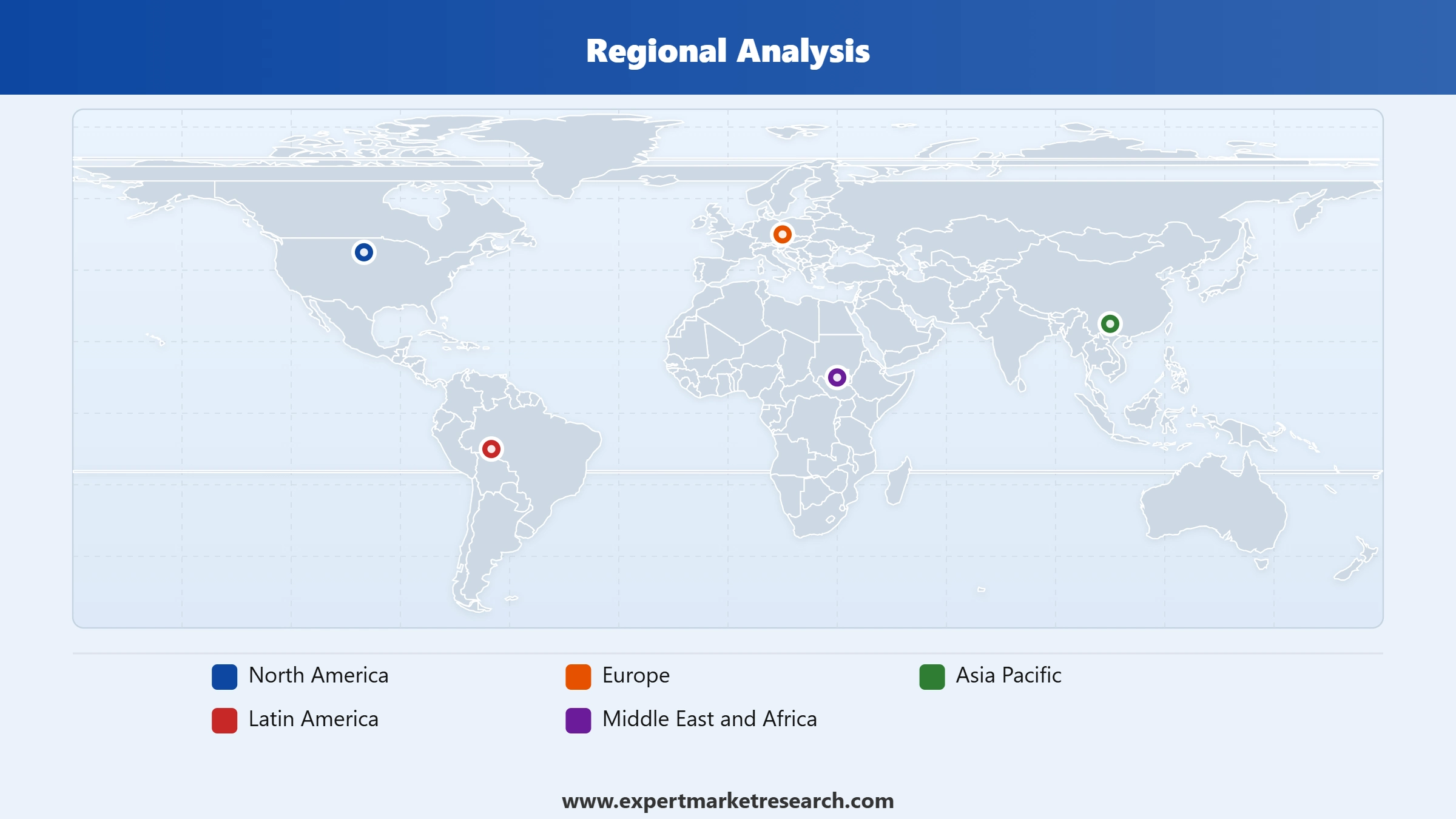
Key Insight: Regional cumene market dynamics are influenced by the maturity of the chemical industry and the development of chemical manufacturing processes. In North America, the integrated nature of the refining facilities, technical advancement, and secure access to feedstocks are key. In Europe, the focus is on sustainable production of chemicals, energy efficiency, and compliance with environmental laws. In the Asia Pacific region, the focus is on petrochemicals manufacture at a large scale, growth in the industrial sector, and efficient production. Latin America is making efforts in building its capacity for chemical processing to aid industrial growth.
By production, zeolite catalyst leads the market through superior selectivity and operational efficiency
Zeolite catalyst holds the largest share in the cumene market due to its superior conversion efficiency, product purity, and extended life as compared to traditional technologies. Petrochemical companies prefer this technology since it eliminates the formation of unnecessary by-products, reduces maintenance expenses, and allows continuous bulk processing. Moreover, integrated oil refineries also gain from the reduction in environmental emissions and improved energy efficiency, thus making zeolite catalysts the favored option for cumene manufacturing. Their compatibility with modern process automation systems increases productivity and ensures stable output in phenol and acetone production. Following such trends, in April 2026, Evonik and Zeopore launched high-performance isodewaxing catalysts, boosting fuel yields, reducing emissions, and improving refining process efficiency.
Read more about this report - REQUEST FREE SAMPLE COPY IN PDF
The Solid Phosphoric Acid (SPA) catalyst represents the highest rate of growth in the cumene market due to increased investments in upgrades of existing petrochemical facilities that give preference to economically feasible process improvements rather than the full technological replacement. The SPA catalysts offer an efficient conversion process with relatively low expenses on integration of existing production lines. Producers in developing countries are using SPA technology to improve the efficiency and longevity of their manufacturing processes. Moreover, the demand for industrial chemicals and expansion of refineries are adding to the adoption of SPA catalysts.
By application, phenol accounts for the largest market share driven by downstream industrial demand
The phenol segment accounts for the largest market share with cumene being produced primarily for the synthesis of phenol via the cumene process. Phenol acts as an essential input for manufacturing polycarbonates, epoxy resins, laminates, engineering materials, adhesives, and electronic components. The demand from automotive, electrical, and construction industries continues driving the growth in phenol consumption. Companies are investing in their facilities to secure feedstock supply and optimize their operations in the phenol value chain.
Read more about this report - REQUEST FREE SAMPLE COPY IN PDF
Bisphenol A represents the fastest growing application that is constantly generating the cumene market revenue due to increasing production of high-performance engineering plastics and polycarbonate materials used in electric vehicles, medical equipment, consumer electronics, and renewable energy applications. Companies are increasing BPA production capacities to cater to the demand for high-performance materials having excellent heat stability, optical clarity, and strength. Ongoing investments in polymer manufacturing and production of specialty resins further drive the BPA demand. In March 2026, BASF launched BPS- and BPA-free Ultrason P PPSU grades, ensuring EU food-contact compliance with high-performance, sustainable material solutions.
By end use, the chemical industry accounts for the dominant share of the market owing to extensive downstream intermediate manufacturing requirements
The chemical industry is being identified as the largest end use segment owing to the fact that cumene acts as an important intermediate in making phenol and acetone, which has several chemical uses. Manufacturers rely on a good supply of cumene to produce resins, adhesives, plastics, solvents, coatings, and performance chemicals. Petrochemical complexes keep on raising their production capacity in order to ensure availability of feedstocks and increase their efficiency and production to meet growing demand from the industrial sector for quality chemicals.
Read more about this report - REQUEST FREE SAMPLE COPY IN PDF
The plastics industry is witnessing rapid growth in the cumene market due to the fact that manufacturers are using phenol-based polycarbonates and epoxy systems in order to make light weight and high-performance plastics. There is a growing need for polymer materials in the making of electric vehicles, consumer electronics, medical devices, and renewable energy installations. Companies keep on investing in specialty plastics with good thermal stability, chemical resistance, and mechanical performance. In July 2023, Eastman launched Advantis adhesion promoters, enabling safer formulations, enhanced coating performance, regulatory compliance, and sustainable material innovation.
Read more about this report - REQUEST FREE SAMPLE COPY IN PDF
Asia Pacific leads growth in the market through integrated petrochemical manufacturing expansion
Asia Pacific leads the global cumene market on account of having vast petrochemical manufacturing capacity, refining infrastructure and increasing downstream chemical manufacturing operations. Nations such as China, South Korea, Japan and India are continuing to invest in integrated refineries and petrochemical plants in order to boost their phenol, acetone and other specialty chemicals' manufacturing operations. Increased car manufacturing, electronics manufacturing, construction and industrialization further boost local consumption of cumene. In August 2026, Deepak Chem Tech approved an INR 2,500 crore BPA manufacturing project, strengthening integrated cumene value chains and polycarbonate production.
Read more about this report - REQUEST FREE SAMPLE COPY IN PDF
The Middle East and Africa region is the fastest growing regional cumene market on account of increasing diversification of energy producing nations towards more petrochemicals manufacturing operations. Various countries in the Gulf region are investing in refineries and chemical production in order to leverage their hydrocarbon resources while developing export-oriented industries. This region is providing immense growth opportunities for cumene producers to expand their share in global aromatic chemicals' value chain.
The competition in the market is becoming focused on the issues of process innovations, feedstocks and downstream integration, and not solely capacity expansions. Leading cumene market players are adopting state-of-the-art catalyst technologies, plant digitalization, and low carbon footprint technologies to increase profits and comply with the new sustainability standards.
Cumene companies are particularly offering very selective catalytic processes that require less energy and have higher conversion rates, while the integrated petrochemicals producers are improving their phenol and acetone value chains in order to establish long-term customer relations. One more promising area for investments is the development of renewable feedstocks and ISCC PLUS production. This allows for supplying chemicals to manufacturers that have lower carbon footprint requirements.
Founded in 2002 and based in Sao Paulo, Brazil, Braskem S.A. contributes to the cumene value chain by virtue of its petrochemical operations and rich portfolio of aromatic chemicals. The firm prioritizes the optimization of the use of feedstock, development of circular chemical solutions, and use of renewable sources of raw materials. The firm’s sustainable petrochemical production operations support downstream companies involved in the production of phenol, resins, and engineering plastics.
Founded in 1907 and based in Texas, United States, Lummus Technology contributes to the cumene market growth through the licensing of state-of-the-art production technologies and process solutions. The company develops new catalysts and process designs, which enhance conversion efficiency, decrease operational expenses, and decrease emissions. The technologies offered by the firm help refiners and petrochemical producers update their production capacities.
Founded in 1991 with headquarters in Leuna, Germany, DOMO Chemicals GmbH focuses on its downstream engineering material production and chemical manufacturing activities. DOMO Chemicals GmbH emphasizes the production of high-performance polyamides and specialty materials, which depend on aromatic chemical intermediates. The sustainability of materials, recycling, and industrial applications helps in maintaining the demand for cumene products.
Founded in 1999 with headquarters in Spring, Texas, United States, Exxon Mobil Corporation helps in increasing the strength of the cumene market through its integrated refining and petrochemical manufacturing processes. The company has invested in process optimization and digital manufacturing techniques along with the production of high-value chemicals.
Other key players in the market include Borealis AG, Sumitomo Corporation, ENEOS Holdings, Inc., Dow Chemical Company, JX Holdings, BASF SE, China Petroleum & Chemical Corporation, Saudi Basic Industries Corporation (SABIC), INEOS Group, Total S.A., and Sinopec Group Ltd, among others.
*Please note that this is only a partial list; the complete list of key players is available in the full report. Additionally, the list of key players can be customized to better suit your needs.*
Unlock the latest insights with our cumene market trends 2026 report. Discover regional growth patterns, consumer preferences, and key industry players. Stay ahead of competition with trusted data and expert analysis. Download your free sample report today and drive informed decisions in the market.


Upto 15% Off
USD
$2499 $2249
$3999 $3599
$4999 $4249
$5999 $5099


*While we strive to always give you current and accurate information, the numbers depicted on the website are indicative and may differ from the actual numbers in the main report. At Expert Market Research, we aim to bring you the latest insights and trends in the market. Using our analyses and forecasts, stakeholders can understand the market dynamics, navigate challenges, and capitalize on opportunities to make data-driven strategic decisions.*
The market is projected to grow at a CAGR of 4.30% between 2026 and 2035.
Expanding integrated production, adopting advanced catalyst technologies, strengthening renewable feedstock sourcing, investing in digital process optimization, building downstream partnerships, and improving sustainable product portfolios are creating long-term competitive advantages.
The key industry trends guiding the market growth are increasing application of cumene in various end-use industries, government initiatives in boosting the production of cumene, and investments made by industry players in expanding the cumene production plants.
The major regions in the industry are North America, Europe, the Asia Pacific, Latin America, and the Middle East and Africa.
The different market divisions, based on manufacturing process, include aluminum chloride catalyst, solid phosphoric acid (SPA) catalyst, and zeolite catalyst.
The various applications of the product are phenol, acetone, paints and enamels, and high-octane aviation fuels, among others.
The major market divisions, based on end use industry, include plastics industry, automotive industry, chemical industry, paint industry, and rubber industry, among others.
The key players in the market include Braskem S.A., Lummus Technology, Domo Chemicals GmbH, Exxon Mobil Corporation, Borealis AG, Sumitomo Corporation, ENEOS Holdings, Inc., Dow Chemical Company, JX Holdings, BASF SE, China Petroleum & Chemical Corporation, Saudi Basic Industries Corporation (SABIC), INEOS Group, Total S.A., and Sinopec Group Ltd, among others.
Asia Pacific is the fastest-growing region in the cumene market due to rapid industrialisation, urbanisation, and increasing chemical production.
Asia Pacific holds the largest share in the cumene market, supported by strong demand from plastics and petrochemical industries.
The cumene market analysis covers the years from 2019 to 2035, offering insights across historical trends and future forecasts.
In 2025, the market reached an approximate value of USD 23.88 Billion.
The market is estimated to witness healthy growth in the forecast period of 2026-2035 to reach a value of around USD 36.38 Billion by 2035.
Volatile benzene and propylene prices, tightening environmental regulations, rising energy costs, catalyst optimization requirements, and increasing pressure to develop lower-carbon production pathways continue challenging cumene manufacturers.
Explore our key highlights of the report and gain a concise overview of key findings, trends, and actionable insights that will empower your strategic decisions.
| REPORT FEATURES | DETAILS |
| Base Year | 2025 |
| Historical Period | 2019-2025 |
| Forecast Period | 2026-2035 |
| Scope of the Report |
Historical and Forecast Trends, Industry Drivers and Constraints, Historical and Forecast Market Analysis by Segment:
|
| Breakup by Production |
|
| Breakup by Application |
|
| Breakup by End Use Industry |
|
| Breakup by Region |
|
| Market Dynamics |
|
| Competitive Landscape |
|
| Companies Covered |
|
Datasheet
One User
USD 2,499
USD 2,249
tax inclusive*
Single User License
One User
USD 3,999
USD 3,599
tax inclusive*
Five User License
Five User
USD 4,999
USD 4,249
tax inclusive*
Corporate License
Unlimited Users
USD 5,999
USD 5,099
tax inclusive*
*Please note that the prices mentioned below are starting prices for each bundle type. Kindly contact our team for further details.*
Flash Bundle
Small Business Bundle
Growth Bundle
Enterprise Bundle
*Please note that the prices mentioned below are starting prices for each bundle type. Kindly contact our team for further details.*
Flash Bundle
Number of Reports: 3
20%
tax inclusive*
Small Business Bundle
Number of Reports: 5
25%
tax inclusive*
Growth Bundle
Number of Reports: 8
30%
tax inclusive*
Enterprise Bundle
Number of Reports: 10
35%
tax inclusive*
How To Order

Select License Type
Choose the right license for your needs and access rights.

Click on ‘Buy Now’
Add the report to your cart with one click and proceed to register.

Select Mode of Payment
Choose a payment option for a secure checkout. You will be redirected accordingly.
Strategic Solutions for Informed Decision-Making
Gain insights to stay ahead and seize opportunities.

Get insights & trends for a competitive edge.

Track prices with detailed trend reports.

Analyse trade data for supply chain insights.

Leverage cost reports for smart savings

Enhance supply chain with partnerships.

Connect For More Information
Our expert team of analysts will offer full support and resolve any queries regarding the report, before and after the purchase.
Our expert team of analysts will offer full support and resolve any queries regarding the report, before and after the purchase.
We employ meticulous research methods, blending advanced analytics and expert insights to deliver accurate, actionable industry intelligence, staying ahead of competitors.
Our skilled analysts offer unparalleled competitive advantage with detailed insights on current and emerging markets, ensuring your strategic edge.
We offer an in-depth yet simplified presentation of industry insights and analysis to meet your specific requirements effectively.




