

Consumer Insights
Uncover trends and behaviors shaping consumer choices today
Procurement Insights
Optimize your sourcing strategy with key market data
Industry Stats
Stay ahead with the latest trends and market analysis.
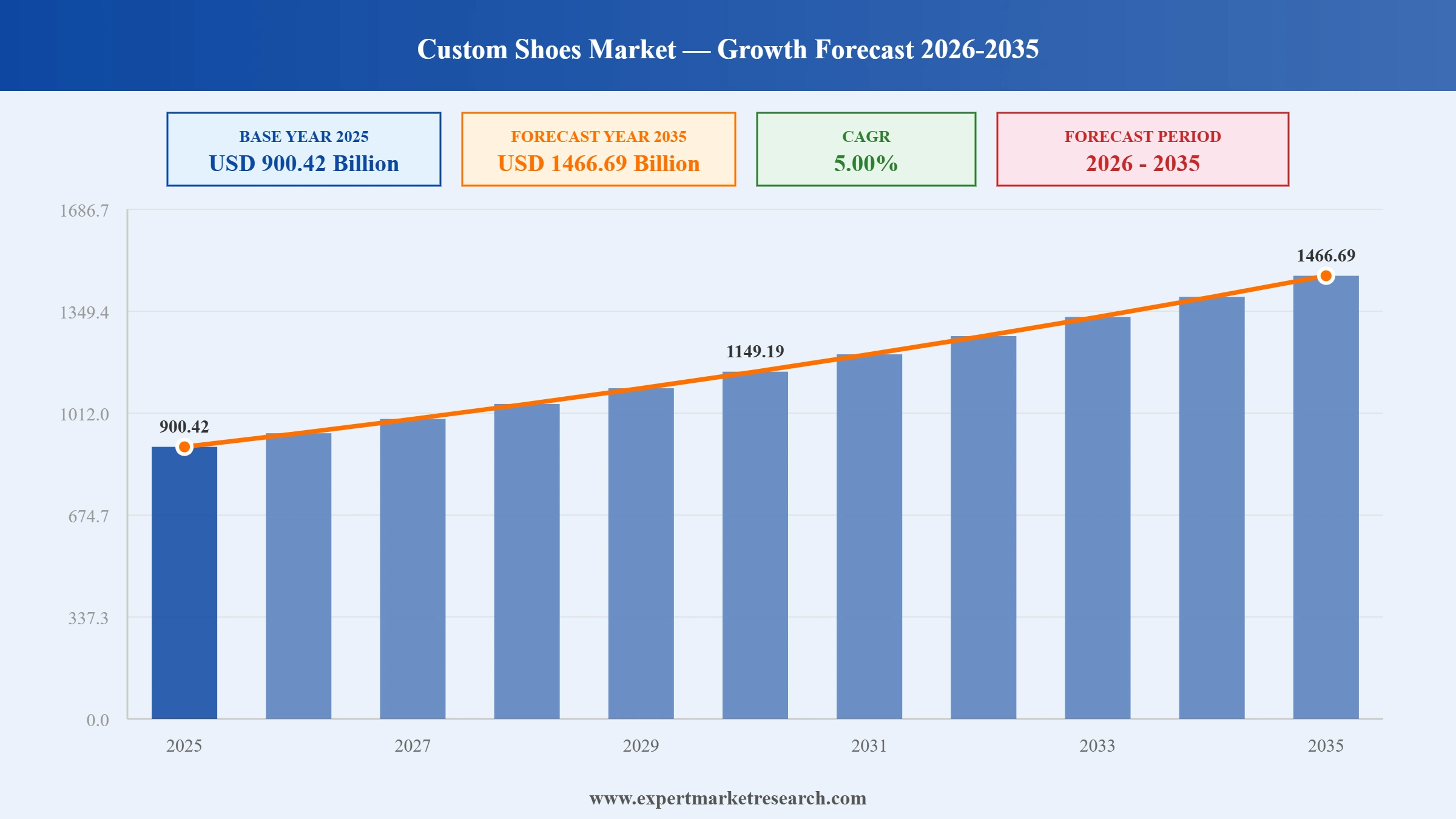
The global custom shoes market attained a value of USD 900.42 Billion in 2025 and is projected to expand at a CAGR of 5.00% through 2035. The market is further expected to achieve USD 1466.69 Billion by 2035. Increased popularity of 3D printing technology, AI-powered foot-mapping services, and direct-to-customer sales channels allow companies to make delivery of customized shoes more efficient, increase the precision of fit, eliminate the risk of unsold stock, and boost their brand reputation.
The custom shoes market is gaining advantage from the increased readiness of consumers to pay premium prices for unique products and better comfort. At the same time, the drive toward sustainability prompts brands to produce on-demand footwear with reduced amounts of excess stock and materials. Another major driving factor of growth in this market is the rise in athlete-specific and medical footwear solutions, which use foot health analysis to create special products.
One of the most prominent trends in the global custom shoes market includes the increased usage of AI-powered foot scanning and on-demand manufacturing. For example, in October 2025, Nike introduced a unified innovation engine combining Innovation, Design, and Product teams across brands, accelerating athlete-focused breakthroughs and product development. Another trend in the footwear industry includes the growing use of 3D foot measurement techniques since studies have shown that more than 60% of the population wear incorrectly fitted footwear. Therefore, there are many opportunities for customized solutions, which encourage manufacturers to go beyond the traditional sizing systems and create digital manufacturing ecosystem.
The custom shoes market is gradually shifting from a niche luxury segment into a manufacturing one owing to advances in technology including design software, additive manufacturing, and direct-to-consumer channels. Companies try to use mass customization approaches, where customers can customize the material of the shoe, colors, cushioning system, and performance-related options. For example, in May 2026, R.A.D Running launched the MALLOW cushioned daily trainer, expanding its performance lineup with versatile comfort-focused footwear. In addition, firms are applying digital twins and automation technology in the production process to handle customized orders while keeping the operations efficient. These changes help footwear firms to distinguish themselves in the competitive environment while making higher profits.
Read more about this report - REQUEST FREE SAMPLE COPY IN PDF
| Global Custom Shoes Market Report Summary | Description | Value |
| Base Year | USD Billion | 2025 |
| Historical Period | USD Billion | 2019-2025 |
| Forecast Period | USD Billion | 2026-2035 |
| Market Size 2025 | USD Billion | 900.42 |
| Market Size 2035 | USD Billion | 1466.69 |
| CAGR 2019-2025 | Percentage | XX% |
| CAGR 2026-2035 | Percentage | 5.00% |
| CAGR 2026-2035 - Market by Region | North America | 5.7% |
| CAGR 2026-2035 - Market by Country | Canada | 6.5% |
| CAGR 2026-2035 - Market by Country | UK | 6.4% |
| CAGR 2026-2035 - Market by End User | Women | 6.6% |
| CAGR 2026-2035 - Market by Distribution Channel | Online | 10.6% |
| Market Share by Country 2025 | USA | 28.1% |
The Air Max 1000, which was an entirely 3D printed shoe, characterized by advanced personalization features and fast production processes, was launched by Nike. Such advancements show the increasing importance of using digital production methods to facilitate customizable shoes with faster production processes. Companies in the custom shoes market can use 3D printing technology to create customizable shoes with faster production processes.
The One-of-One bespoke shoe program by Santoni was expanded to enable customers to customize the material, color, finish, and design of the shoes. Such high-end customization programs indicate the increasing preference of consumers for exclusivity and quality, and will help brands build customer loyalty and target the lucrative market segment of luxury shoes.
Iambic came up with an innovative technique of customized shoe production through the application of AI that uses customers’ foot measurement data and offers design suggestions. This is a clear illustration of how AI technology can be used to increase accuracy, decrease the number of returned products, and satisfy customers with personalized footwear solutions. Companies should adopt AI-based fitting techniques to maximize comfort, ensure optimal sizing, and increase customer loyalty.
Reebok collaborated with Futureverse and released customizable digital wearables. This innovation highlights the new trends in metaverse fashion as it allows brands to target younger generations of customers who can enjoy unique digital experiences and customize their footwear online. Other companies may explore the possibilities of digital footwear and virtual customization tools, boosting the custom shoes market value.
AI and digital foot-scanning technologies are revolutionizing the global custom shoes market by allowing brands to design footwear tailored to the measurements of an individual. Brands are developing mobile scanning apps and digital fitting systems in retail stores to increase the comfort of their products and lower return rates. For example, in May 2026, Fitasy leveraged spatial AI and 3D printing to enable affordable single-shoe purchases, improving accessibility, and personalized footwear manufacturing. Digital manufacturing initiatives backed by the government in countries like Germany, the United States, and South Korea are contributing to the adoption of smart manufacturing technologies.
The growing use of additive manufacturing technology presents new growth opportunities in the custom shoes market. Footwear brands are using 3D printing in order to manufacture midsoles, insoles, and customized performance shoes with minimum wastage. Adidas has made further advancements in its 4D printing footwear technology, whereas New Balance and a number of specialist footwear companies are experimenting with additive manufacturing technology for customization. Advanced manufacturing technologies are also supported by the United States National Institute of Standards and Technology and various European Industry 4.0 programs. Leveraging such trends, in May 2026, Drifbolt Launched India’s First 3D-Printed Footwear Brand with TPU lattice technology and breathable, lightweight designs.
Footwear customizing to meet healthcare needs is turning out to be a lucrative revenue generator for custom shoes market players. The high incidences of diabetes, obesity, and musculoskeletal diseases are leading to high demand for specially made orthopedic shoes and insoles. Manufacturers are integrating the use of biomechanics, gait analysis, and foot scanning technology to produce specialized products. For example, in September 2025, Tru-Mold enhanced accessibility to custom orthopedic shoes through its TMS Scan App, enabling precise digital foot measurements and remote footwear customization. As per the statistics by WHO, musculoskeletal diseases are still major contributors to disability in the world, thus reinforcing demand for preventive and corrective footwear. There are some healthcare systems in Europe and North America that support orthotics treatments, inspiring innovations in the footwear industry.
Sustainability efforts are driving footwear brands into adopting made-to-order and demand-driven manufacturing approaches. The standard process of making footwear leads to overproduction, excess inventory, and wastage of raw materials. However, customizing manufacturing involves production based on demand, thus making it sustainable. Leading custom shoes market players like Nike and Allbirds are increasingly concentrating on sustainable materials and digital manufacturing processes. Sustainable and customized production approach is assisting footwear companies in building strong brands and meeting sustainability targets while at the same time attracting eco-friendly consumers. In April 2026, ARKKY introduced advanced 3D-printed shoes featuring recyclable bio-based materials, AI-driven lattice structures, and zero-waste manufacturing.
There is an increasing sneaker culture all over the world which is significantly contributing towards the demand growth in the custom shoes market. Customers are looking at footwear as a mode of expressing their individuality through their purchasing choices and hence, there is a huge demand for exclusive designs and limited-edition offerings. Leading brands like Nike, Converse, Vans, and Puma are developing web-based customization solutions enabling consumers to choose from different color options, materials, graphics, and functionality. Initiatives related to digital commerce and internet penetration in the Asia Pacific region are helping in fostering this trend. In March 2024, Yoho introduced Blinc hands-free sneakers featuring SpringEase technology, enabling effortless wear, enhanced comfort, convenience, and mobility.
The Expert Market Research’s report titled “Global Custom Shoes Market Report and Forecast 2026-2035” offers a detailed analysis of the market based on the following segments:
Market Breakup by Product
Key Insight: The landscape of products in the custom shoes market is diverse owing to varied customer needs when it comes to performance, comfort, and lifestyles. Running shoes are leading the industry growth on account of their ability to provide better fit optimization and performance-related advantages. Walking shoes are popular among customers looking for greater comfort and ergonomic shoes for their regular activities. The increased engagement in physical training makes aerobic shoes gain popularity. Trekking shoes are becoming popular due to the increasing demand for specific shoes suited to different terrains. In September 2025, Lehar introduced RANNR, offering affordable sports and athleisure footwear for India’s mass-market consumers.
Market Breakup by End User
Key Insight: The end-user segmentation shows that there are different buying incentives among various consumer segments. The male segment remains dominant in the custom shoes market because of the high demand for performance shoes and highly customized footwear. The women segment is fueling growth because of the increasing desire for customized fashion and sports shoes. In March 2026, Sneex launched The Ballerina Hy-Heel, merging ballet-inspired aesthetics with sneaker-like comfort, support, and stability. In addition, the children's segment is increasingly becoming attractive to manufacturers because of the need for footwear customization according to developmental, comfort, and style needs. Customization programs are being created for each specific customer segment to meet their unique demands.
Market Breakup by Distribution Channel
Key Insight: Distribution channel dynamics in the custom shoes market are influenced by the interaction of individualized services and technological convenience. The traditional distribution channels still prevail as customers need professional help with their fitting, assessment, and consultation with shoe experts. The online channels are becoming increasingly popular as technology enhances the precision and convenience of remote customization processes. Companies are using omnichannel strategy when they combine digital technologies for customization with the traditional retail experience of the customer.
Market Breakup by Region
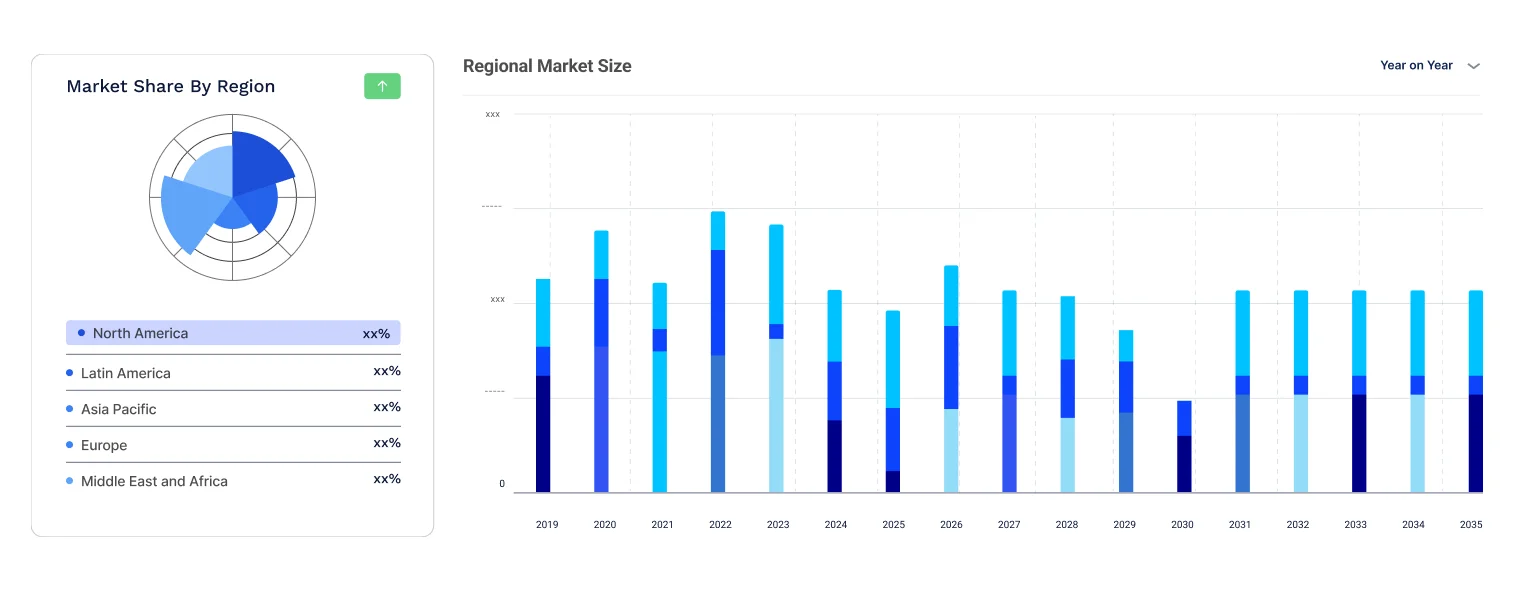
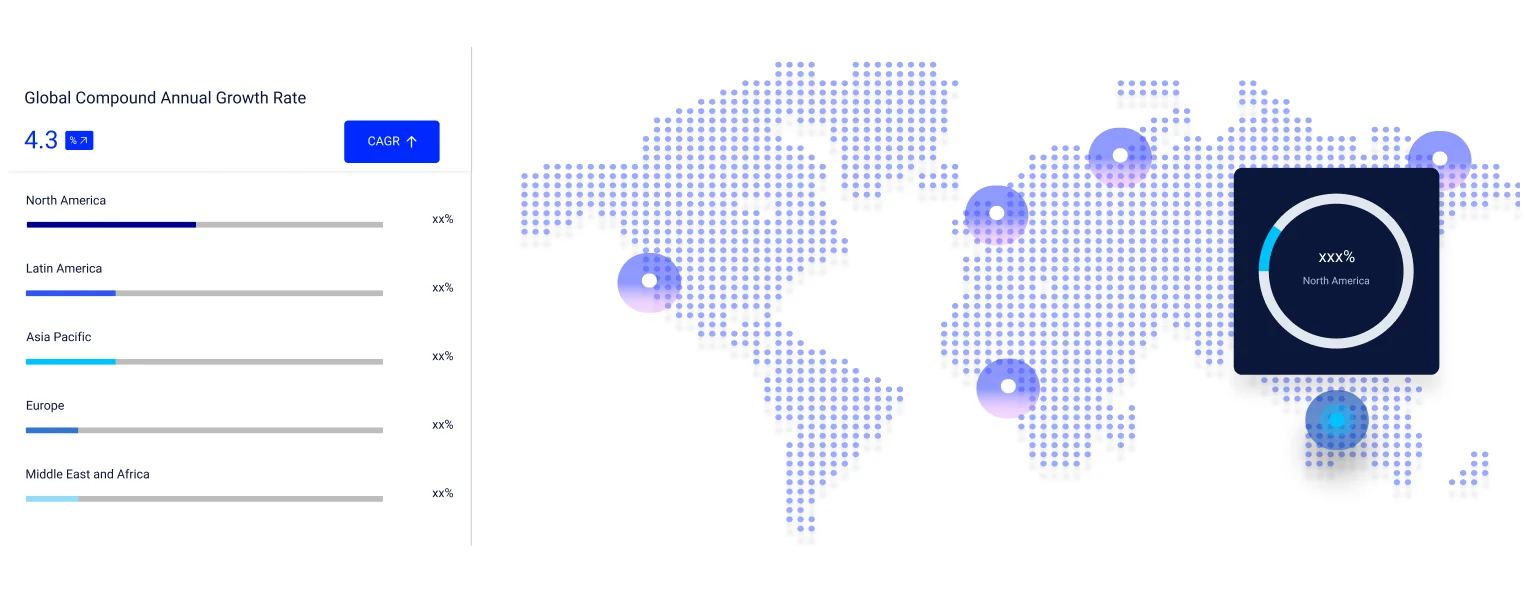
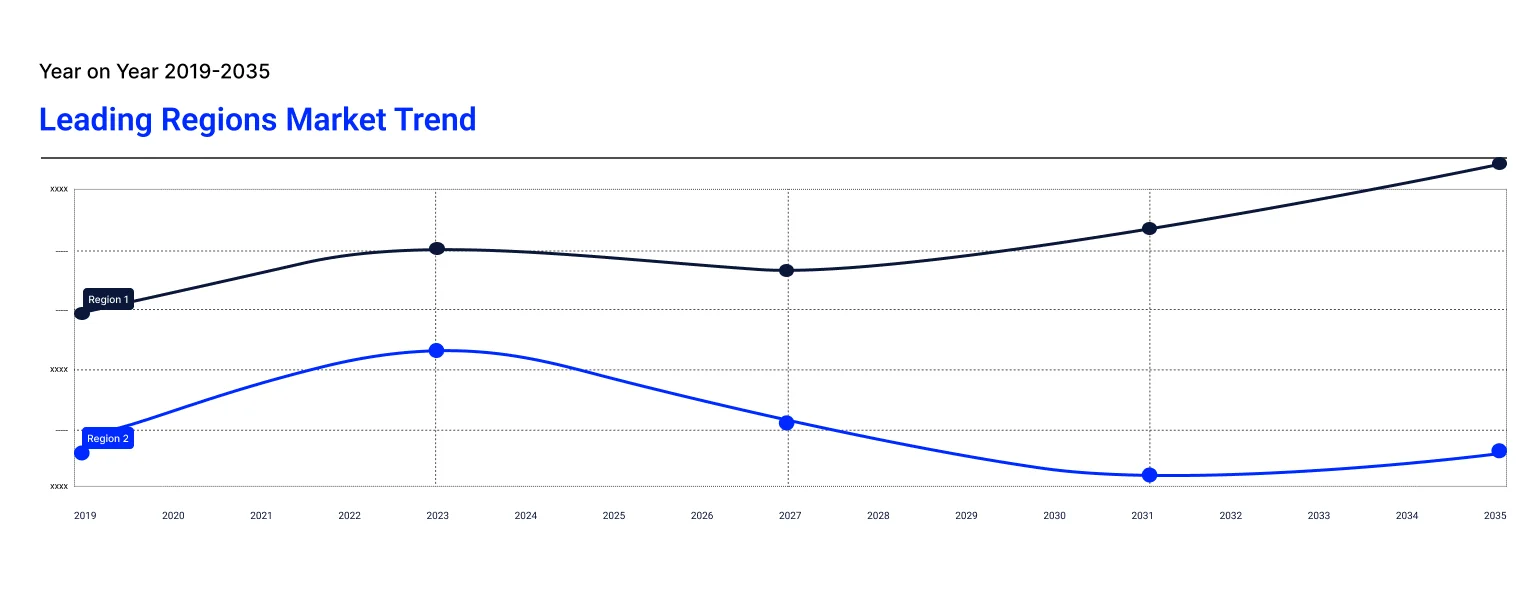
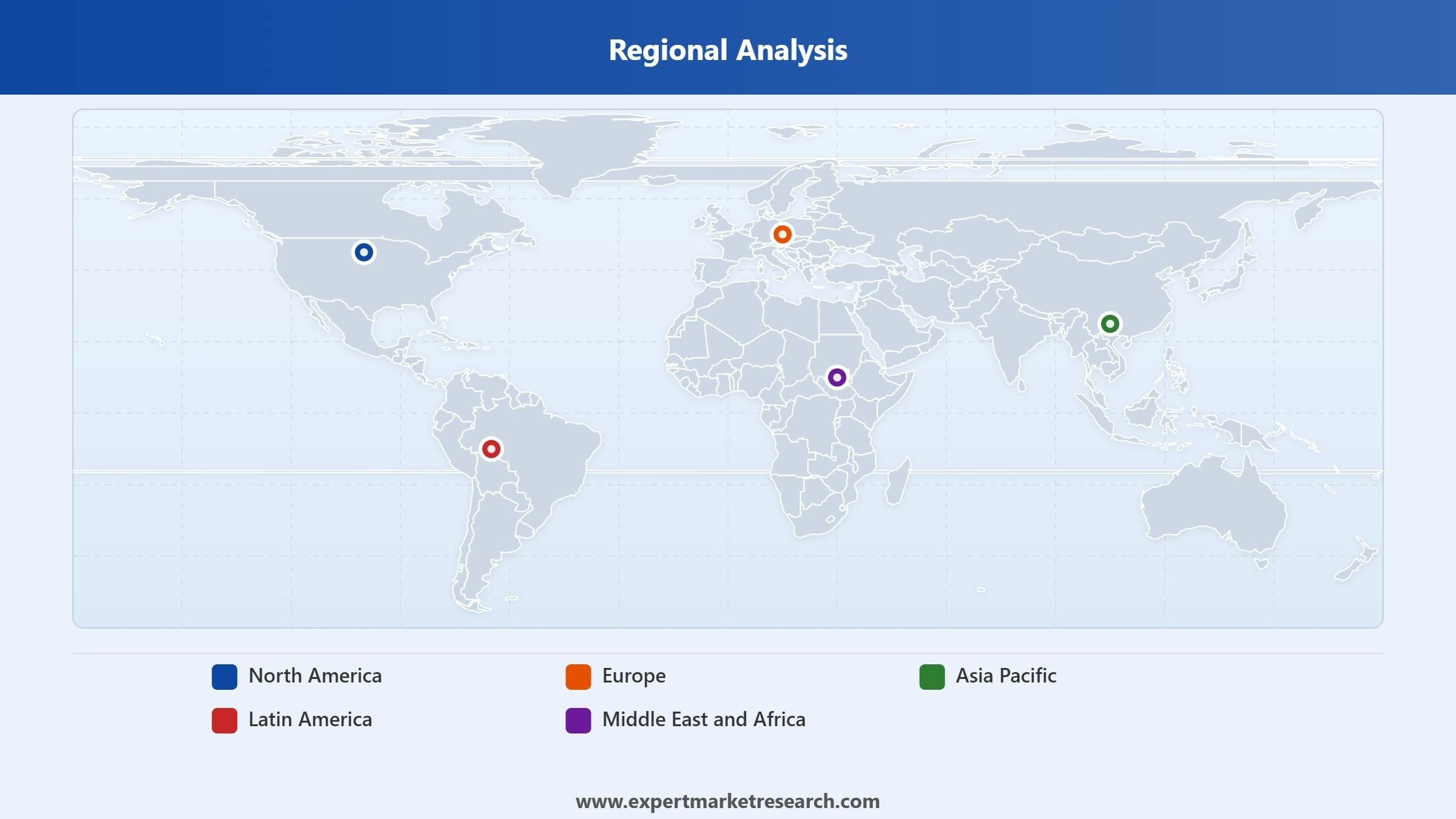
Key Insight: Regional development models depend on customer behavior, technology readiness, and retail environment. The custom shoes market in North America is dominated by innovation-based ecosystems of customizations and high-end footwear demands. Europe relies on traditional expertise in making footwear, sustainability programs, and customers' interest in customization of products. The Asia Pacific region shows rapid development because of e-commerce and fashion trends' evolution. Latin America provides good opportunities because of rapid urbanization and consumers' interest in different footwear products. In addition, the market in the Middle East and Africa region is supported by luxury consumption, improved retailing, and customized footwear.
Read more about this report - REQUEST FREE SAMPLE COPY IN PDF
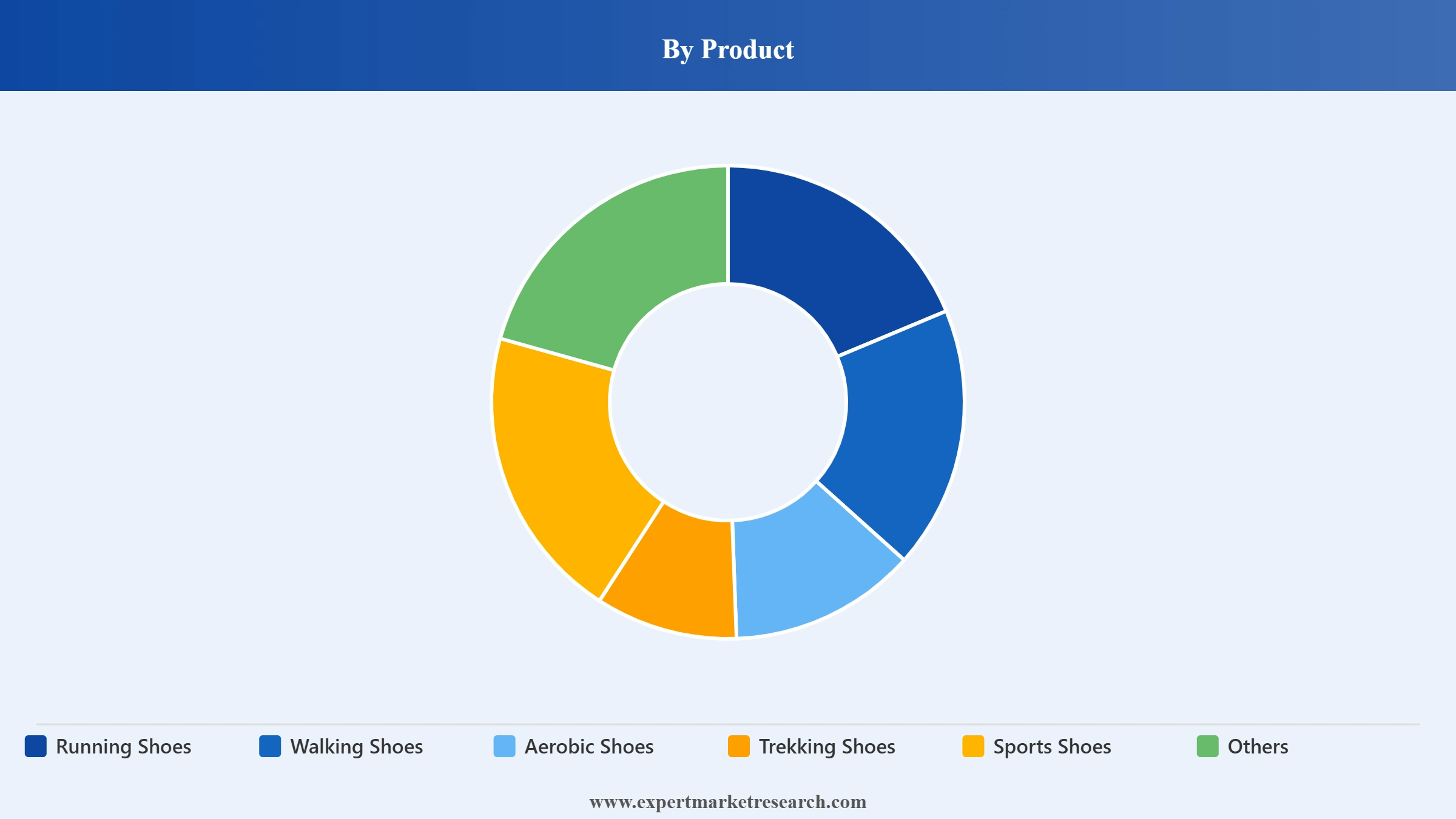
By product, running shoes register the largest share of the market due to performance-focused customization demand and athlete-specific fit requirements
Running shoes represent the largest product segment in the custom shoes market as consumers are looking for footwear made according to their individual foot type, running style, and aims. Companies are using bio-mechanical testing, pressure maps, and artificial intelligence-based gait analyses to create personalized cushioning and support systems. Both professional and leisure runners are increasingly seeking customized running shoes for improved comfort and reduced injuries. Custom sports shoes are getting popular because of the rising involvement in various fitness exercises and endurance activities; hence, companies are developing personalized performance footwear. In February 2024, HOKA introduced the Cielo X1 racing shoe for elite runners and the Skyward X for everyday athletes, expanding its performance footwear portfolio.
Read more about this report - REQUEST FREE SAMPLE COPY IN PDF
Sports shoes represent the fastest-growing segment since there is an increase in demand for personalized lifestyle and athleisure footwear among customers. Consumers want unique color schemes, material types, graphics, and fit specifications in order to match their personality. Leading companies are incorporating digital customization technologies that enable consumers to be a part of the product design process without compromising its quality, accelerating the custom shoes market penetration. Rising popularity of sneakers, celebrity collaborations, and direct-to-consumer strategies is boosting demand for such personalized sports shoes.
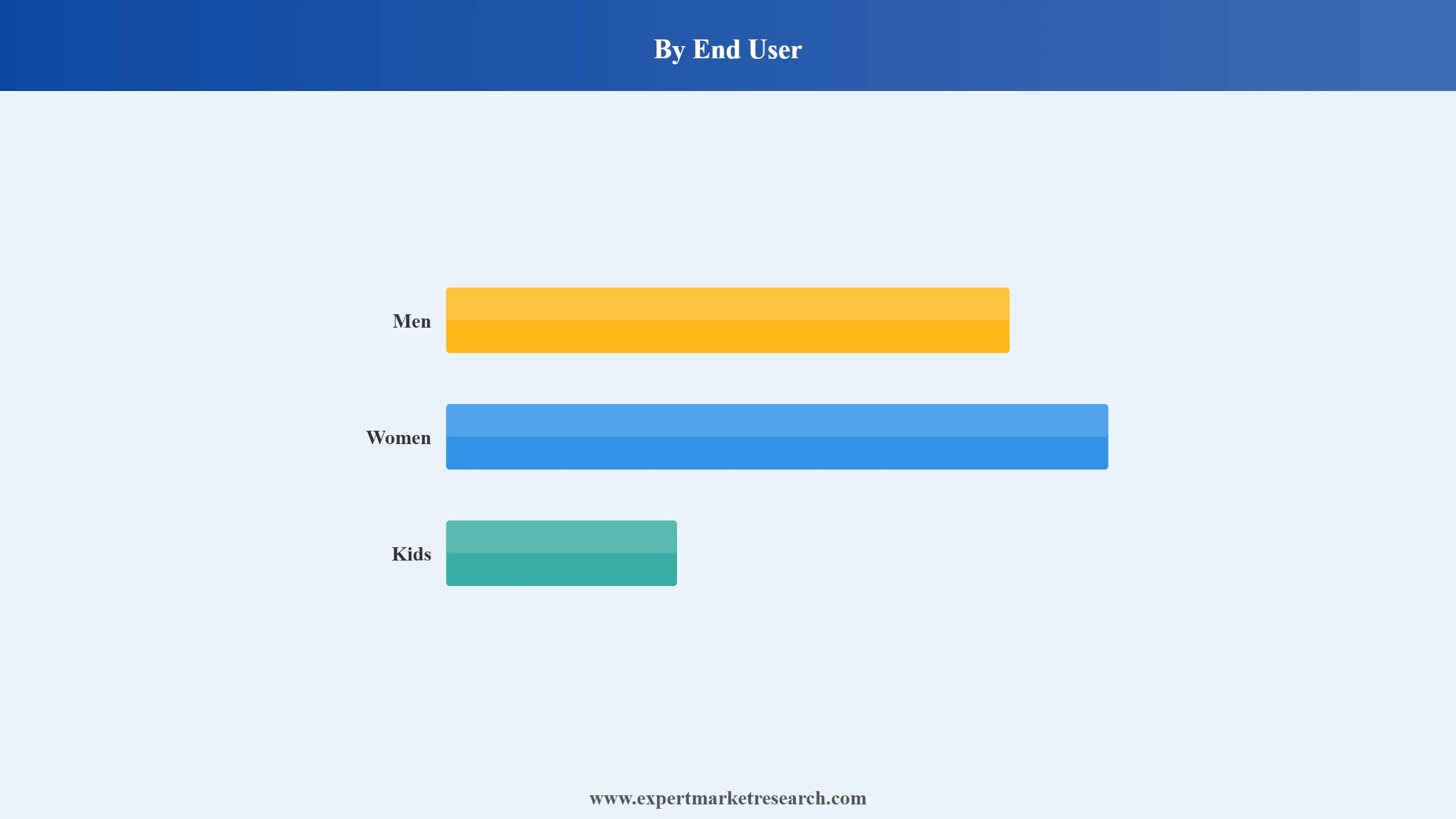
By end user, men account for the largest market share due to higher spending on performance and customized athletic footwear
Male consumers represent the leading end-user group in the custom shoes market owing to their participation in sports, fitness, and purchasing of premium sneakers. High demand exists for comfortable and performance-enhancing customized footwear that helps in running, training, and playing various types of sports. Brands are providing various types of customized products, which include fit adjustments, material, and aesthetics. Consumers are also getting increasingly interested in purchasing premium footwear, which creates opportunities for manufacturing companies specializing in customization technology. In September 2025, Metro Shoes introduced METRO CROSSOVER, blending sneaker comfort with formal styling through loafer-sneaker hybrids, knit slip-ons, and elevated sneakers.
Read more about this report - REQUEST FREE SAMPLE COPY IN PDF
Female consumers constitute the rapidly growing end-user group of custom shoes as increasing personalization of footwear is currently being associated with fashion, health, and lifestyle. Women are looking for customized footwear that would combine fashion, comfort, and personal style. Brands are trying to offer customized products for both fashion, casual, and sporty consumers, accelerating demand in the custom shoes market. Rapid growth in this segment is driven by increased engagement in fitness activities and increasing demand for footwear developed according to the female biomechanics.
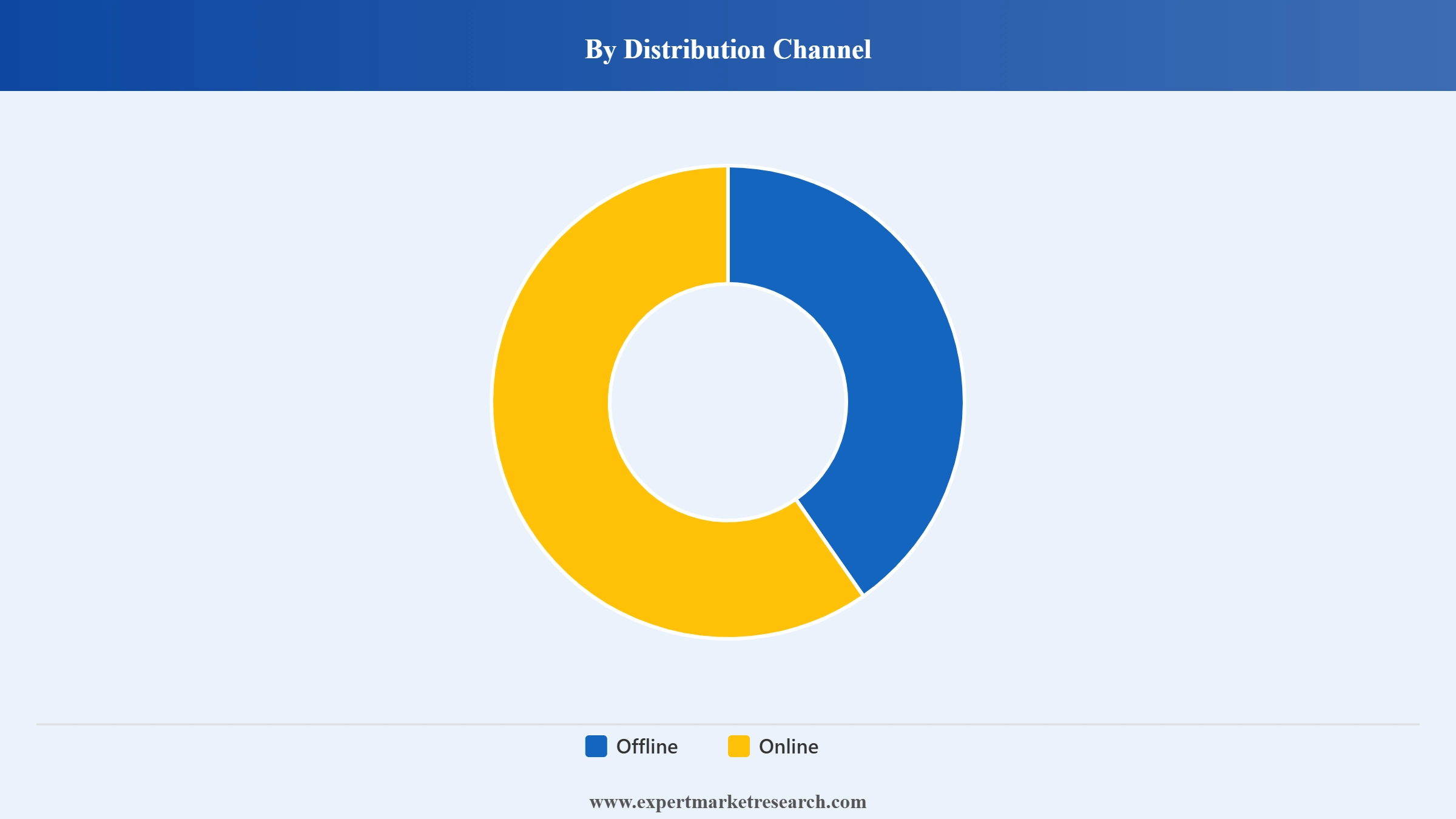
Offline distribution channels lead the market due to consumer preference for physical fitting and personalized consultations
Offline distribution is the primary mode that is contributing to the custom shoes market revenue generation as some customers prefer to test customized footwear in-person using consultation sessions, individual foot measurement, and product trials prior to purchase. Specialized footwear stores offer fitting services to customers that positively affect their trust in customized footwear. In addition, retail settings allow brands to showcase their advanced technology scanning systems and customization abilities to customers. The possibility of receiving expert advice in terms of fit, performance, and design of customized products is an important factor in supporting the importance of offline channels in particular premium and costly purchases. In July 2025, Nike launched the Ja 3 basketball shoe, featuring personalized design details, enhanced responsiveness, and performance.
Read more about this report - REQUEST FREE SAMPLE COPY IN PDF
Online distribution is currently growing at an exponential rate owing to technological developments in terms of customizing platforms, virtual fitting tools, and direct-to-consumer sales. Customers find remote customization of products convenient in terms of time-saving and ease of use. Companies are implementing AR visualization, artificial intelligence algorithms for making size recommendations, and online foot scanning applications for increasing customer online purchasing confidence. In addition, this distribution channel gives companies the possibility of collecting customer preferences while minimizing the need to use intermediaries.
North America captures a substantial share of the market due to advanced customization technologies and premium footwear spending
The dominance of the North America custom shoes market results from high customer demands for exclusive shoes, high level of digital technology development and presence of footwear companies' innovation leaders. Companies are making massive investments in AI customization platforms, 3D printing technologies, and direct-to-consumer business models. People show a high level of demand for innovative, personalized products. In addition, the maturity of sports culture and development of digital retail solutions give companies an opportunity to bring innovations on personalization of their products to the market. In March 2026, Nike launched the A'Two basketball shoe, delivering enhanced responsiveness, personalized fit, and on-court control.
Read more about this report - REQUEST FREE SAMPLE COPY IN PDF
The custom shoes market in the Asia Pacific region holds the highest growth potential. Growing income levels, developing e-commerce ecosystems, and rising customer interests in customized fashion products drive the growth of the segment in the region. Markets such as China, Japan, South Korea, and India are characterized by the emergence of sneaker culture and digital retailing. Manufacturers of footwear create localized customization centers and platforms in order to satisfy the demands of customers in the region.
The global market is getting more competitive as companies venture into digital manufacturing, foot scanning using AI, and on-demand production. Leading custom shoe companies are concentrating on reducing production time while keeping the customization factor high. Modern technologies like 3D printing, foot scanning, and online design are providing new options to footwear producers to make the production process more efficient.
Custom shoes market players are also targeting premium customers by providing limited edition shoes, using sustainable materials, and developing specific footwear for athletes. Companies are increasingly turning to direct-to-consumer strategy in order to gain better control over customer experience and margins. Firms can further differentiate themselves through collaboration with technology providers, sports organizations and material manufacturers.
Nike is among the topmost innovative companies providing customized footwear and was founded in 1964 in Beaverton, Oregon, United States. With its Nike by You, the company gives its customers an opportunity to choose colors, materials, and other features for their shoes. Nike is currently employing digital design software, AI-based consumer insights, and advanced manufacturing technology in order to enhance customization processes and increase engagement and premium positioning.
AliveShoes Inc. was founded in 2013 in Italy, and is specialized in helping independent designers, entrepreneurs, and creators in launching their own personalized footwear brand without the need to have any manufacturing facilities. It provides design software, on-demand manufacturing, and e-commerce all in one package for designers who want to create their own unique line of footwear.
Founded in 1890 and based in Northampton, United Kingdom, Edward Green is known for its bespoke luxury footwear and expert skill in making bespoke shoes. The company targets premium customers who seek customized fitting, high-quality materials, and skilled craft, supporting the custom shoes market growth. Its made-to-order and bespoke offerings focus on exacting manufacturing processes and extended life cycle of the product.
Founded in 2015 and based in Lisbon, Portugal, Undandy specializes in handcrafted luxury shoes made to order following customer specifications. The company provides an array of customization possibilities in terms of material used, color, sole, and finishing. With the help of the online platform, Undandy provides consumers with personalized luxury footwear through combining traditional Portuguese craftsmanship and digital customization process.
Other key players in the market include John Lobb, Crockett & Jones Ltd., J.M. WESTON, S.A.S., Toesmith Shoes, Inc., Italian Shoe Factory, and Carmina Shoemaker, among others.
*Please note that this is only a partial list; the complete list of key players is available in the full report. Additionally, the list of key players can be customized to better suit your needs.*
Unlock the latest insights with our custom shoes market trends 2026 report. Discover regional growth patterns, consumer preferences, and key industry players. Stay ahead of competition with trusted data and expert analysis. Download your free sample report today and drive informed decisions in the market.
United States Athletic Shoe Market
India Hiking Shoes Market
Volleyball Shoes Market
Diabetic Shoes Market
Shoe Packaging Market


Upto 15% Off
USD
$4399 $3959
$2999 $2699
$5599 $4759
$6659 $5660


*While we strive to always give you current and accurate information, the numbers depicted on the website are indicative and may differ from the actual numbers in the main report. At Expert Market Research, we aim to bring you the latest insights and trends in the market. Using our analyses and forecasts, stakeholders can understand the market dynamics, navigate challenges, and capitalize on opportunities to make data-driven strategic decisions.*
The market is projected to grow at a CAGR of 5.00% between 2026 and 2035.
Key strategies driving the market include investing in AI-based fitting, forming localised production alliances, offering white-label custom solutions, integrating ESG metrics, and co-developing seasonal collections with fashion or fitness B2B partners.
The emergence of the new fashion trends in the global society is expected to be a key trend guiding the growth of the industry.
The different products available in the global market are running shoes, walking shoes, aerobic shoes, trekking shoes, and sports shoes, among others.
Custom shoes have offline and online distribution channels.
End users of custom shoes include men, women, and kids.
The leading players in this market are Nike Inc., AliveShoes Inc., Edward Green & Co. Ltd., Undandy S.A., John Lobb, Crockett & Jones Ltd., J.M. WESTON, S.A.S., Toesmith Shoes, Inc., Italian Shoe Factory, and Carmina Shoemaker, among others.
In 2025, the custom shoes market reached an approximate value of USD 900.42 Billion.
The key challenges are high production costs, complex sizing logistics, and lack of standardised technology integration.
Explore our key highlights of the report and gain a concise overview of key findings, trends, and actionable insights that will empower your strategic decisions.
| REPORT FEATURES | DETAILS |
| Base Year | 2025 |
| Historical Period | 2019-2025 |
| Forecast Period | 2026-2035 |
| Scope of the Report |
Historical and Forecast Trends, Industry Drivers and Constraints, Historical and Forecast Market Analysis by Segment:
|
| Breakup by Product |
|
| Breakup by End User |
|
| Breakup by Distribution Channel |
|
| Breakup by Region |
|
| Market Dynamics |
|
| Competitive Landscape |
|
| Companies Covered |
|
Single User License
One User
USD 4,399
USD 3,959
tax inclusive*
Datasheet
One User
USD 2,999
USD 2,699
tax inclusive*
Five User License
Five User
USD 5,599
USD 4,759
tax inclusive*
Corporate License
Unlimited Users
USD 6,659
USD 5,660
tax inclusive*
*Please note that the prices mentioned below are starting prices for each bundle type. Kindly contact our team for further details.*
Flash Bundle
Small Business Bundle
Growth Bundle
Enterprise Bundle
*Please note that the prices mentioned below are starting prices for each bundle type. Kindly contact our team for further details.*
Flash Bundle
Number of Reports: 3
20%
tax inclusive*
Small Business Bundle
Number of Reports: 5
25%
tax inclusive*
Growth Bundle
Number of Reports: 8
30%
tax inclusive*
Enterprise Bundle
Number of Reports: 10
35%
tax inclusive*
How To Order

Select License Type
Choose the right license for your needs and access rights.

Click on ‘Buy Now’
Add the report to your cart with one click and proceed to register.

Select Mode of Payment
Choose a payment option for a secure checkout. You will be redirected accordingly.
Strategic Solutions for Informed Decision-Making
Gain insights to stay ahead and seize opportunities.

Get insights & trends for a competitive edge.

Track prices with detailed trend reports.

Analyse trade data for supply chain insights.

Leverage cost reports for smart savings

Enhance supply chain with partnerships.

Connect For More Information
Our expert team of analysts will offer full support and resolve any queries regarding the report, before and after the purchase.
Our expert team of analysts will offer full support and resolve any queries regarding the report, before and after the purchase.
We employ meticulous research methods, blending advanced analytics and expert insights to deliver accurate, actionable industry intelligence, staying ahead of competitors.
Our skilled analysts offer unparalleled competitive advantage with detailed insights on current and emerging markets, ensuring your strategic edge.
We offer an in-depth yet simplified presentation of industry insights and analysis to meet your specific requirements effectively.




