

Consumer Insights
Uncover trends and behaviors shaping consumer choices today
Procurement Insights
Optimize your sourcing strategy with key market data
Industry Stats
Stay ahead with the latest trends and market analysis.
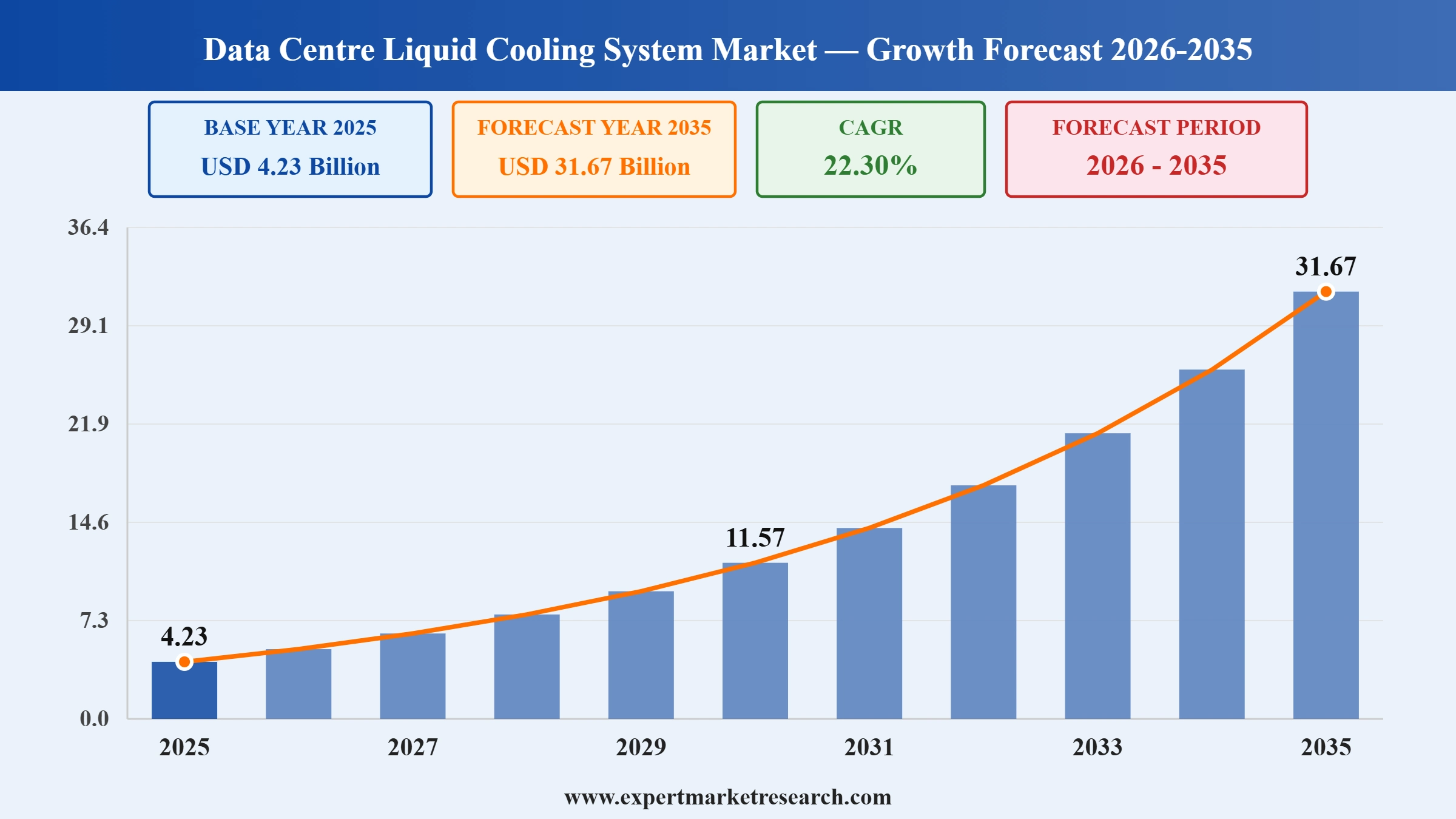
The global data centre liquid cooling system market attained a value of USD 4.23 Billion in 2025. The market is further expected to grow in the forecast period of 2026-2035 at a CAGR of 22.30% to reach USD 31.67 Billion by 2035.
Read more about this report - REQUEST FREE SAMPLE COPY IN PDF
The data centre liquid cooling system market covers the hardware, software, and services used to remove heat from servers with liquid rather than air. It spans direct-to-chip cold plates, single-phase and two-phase immersion cooling, and rear-door heat exchangers, along with coolant distribution units (CDUs), dielectric fluids, and related thermal management systems. Adoption is accelerating as artificial intelligence (AI) and high-performance computing (HPC) push rack power densities beyond the limits of conventional air cooling.
The primary driver is the surge in rack power density created by AI and high-performance computing. Accelerator racks such as NVIDIA's GB200 NVL72 can draw well over 100 kW, far above the roughly 20 to 30 kW per rack at which air cooling remains practical and cost-effective. Liquid carries heat away far more efficiently than air, allowing operators to run dense GPU clusters without throttling performance.
Energy efficiency and sustainability rules add further pressure. Liquid cooling can lower a facility's power usage effectiveness (PUE) and reduce reliance on energy-intensive chillers, which matters as regulations such as the European Union's Energy Efficiency Directive introduce mandatory energy and water reporting for data centers. Thermal guidance from ASHRAE Technical Committee 9.9 and standardization work by the Open Compute Project (OCP) are also lowering the engineering friction of adopting cold-plate and immersion designs.
Hyperscale and colocation expansion underpins demand, as cloud and AI operators build out capacity worldwide. Industry bodies including the International Energy Agency (IEA) have highlighted the rapid rise in data center electricity consumption, reinforcing the shift toward more efficient thermal management.
The banking, financial services, and insurance (BFSI) industry is being transformed with the rapid deployment of cloud computing technology, which is a crucial component of the digital revolution. Security concerns, legacy architecture, country-specific regulations, and difficulty in managing the complicated shifts have been major challenges in the deployment of cloud technology in the BFSI industry.
However, the desire to accept new business models, infuse agility to adapt quickly to the changing market scenarios, and decrease total cost of ownership (TCO) are driving BFSI enterprises to deploy cloud solutions. This is expected to result in even more data points, requiring powerful data storage and processing. In this regard, the cost of maintaining these data centres could be very high if the system is not optimised, thus, necessitating the need for liquid cooling systems. These factors are projected to aid the market growth in the forecast period.
Read more about this report - REQUEST FREE SAMPLE COPY IN PDF
A liquid cooling system uses water as the cooling medium to keep the temperature of a computer CPU low. This cooling method keeps the processor cool while also reducing the noise generated by increased processing speeds. Data centres use this system to improve efficiency due to their high power requirements.
By type, the market can be classified into
On the basis of data centre type, the market can be distributed into
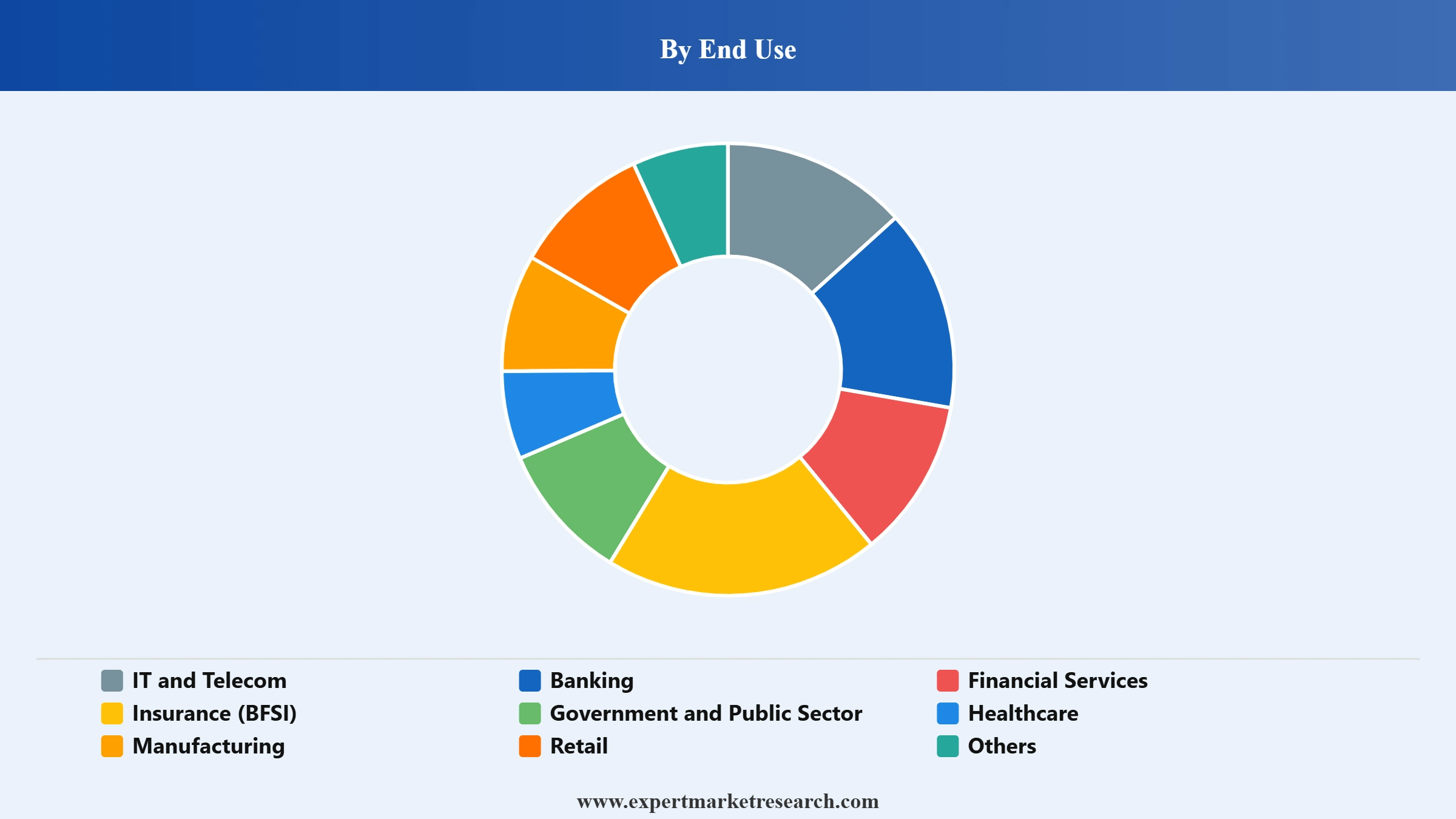
The market can be broadly categorised, on the basis of end use, into
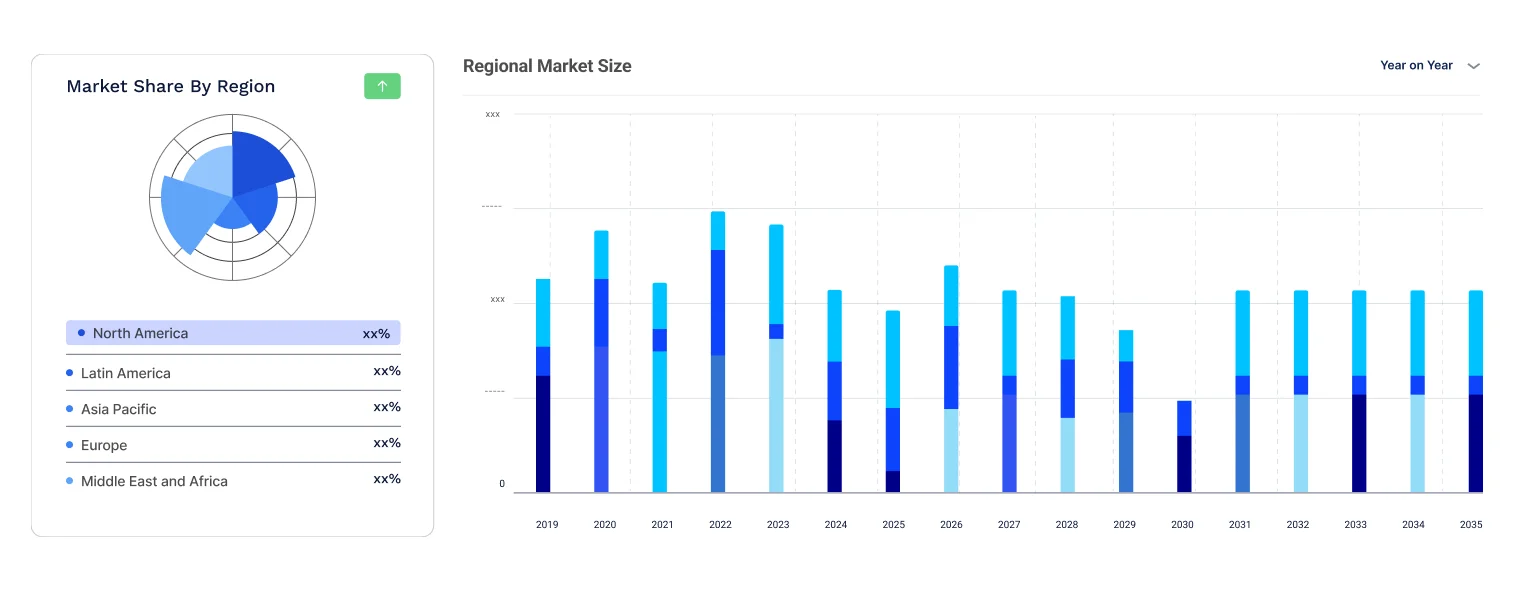
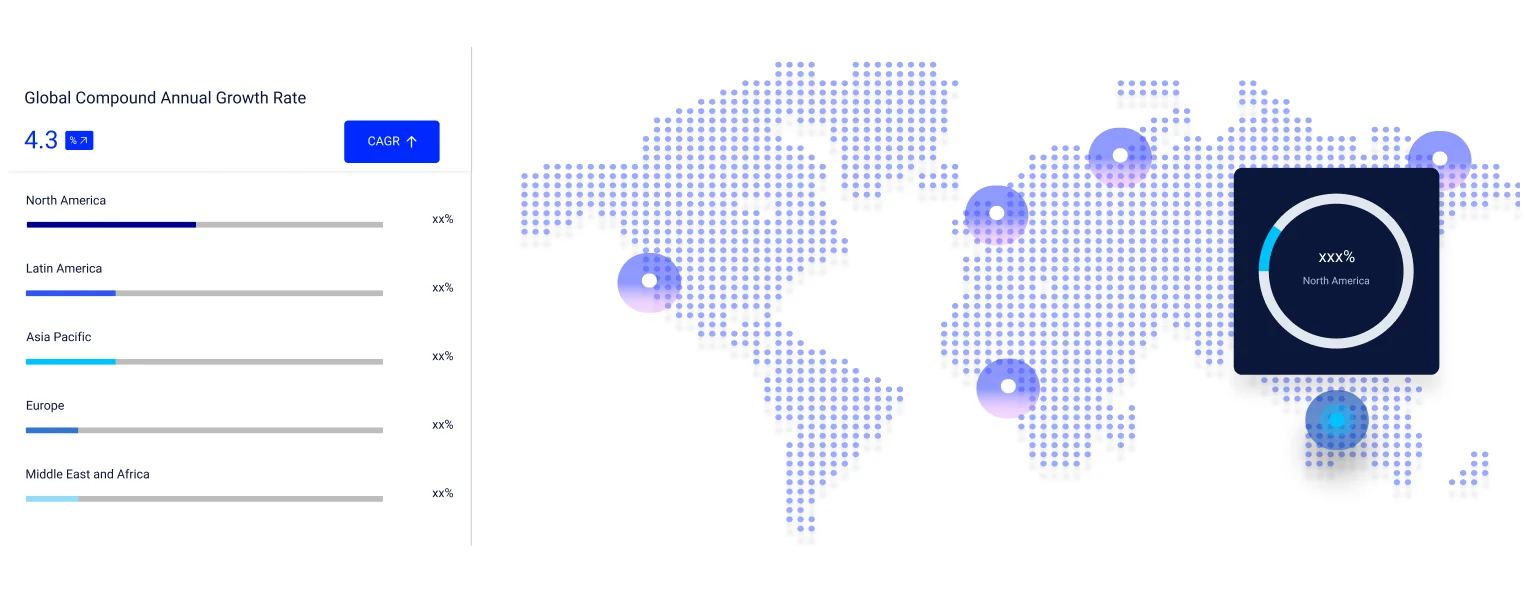
The regional markets for the product include
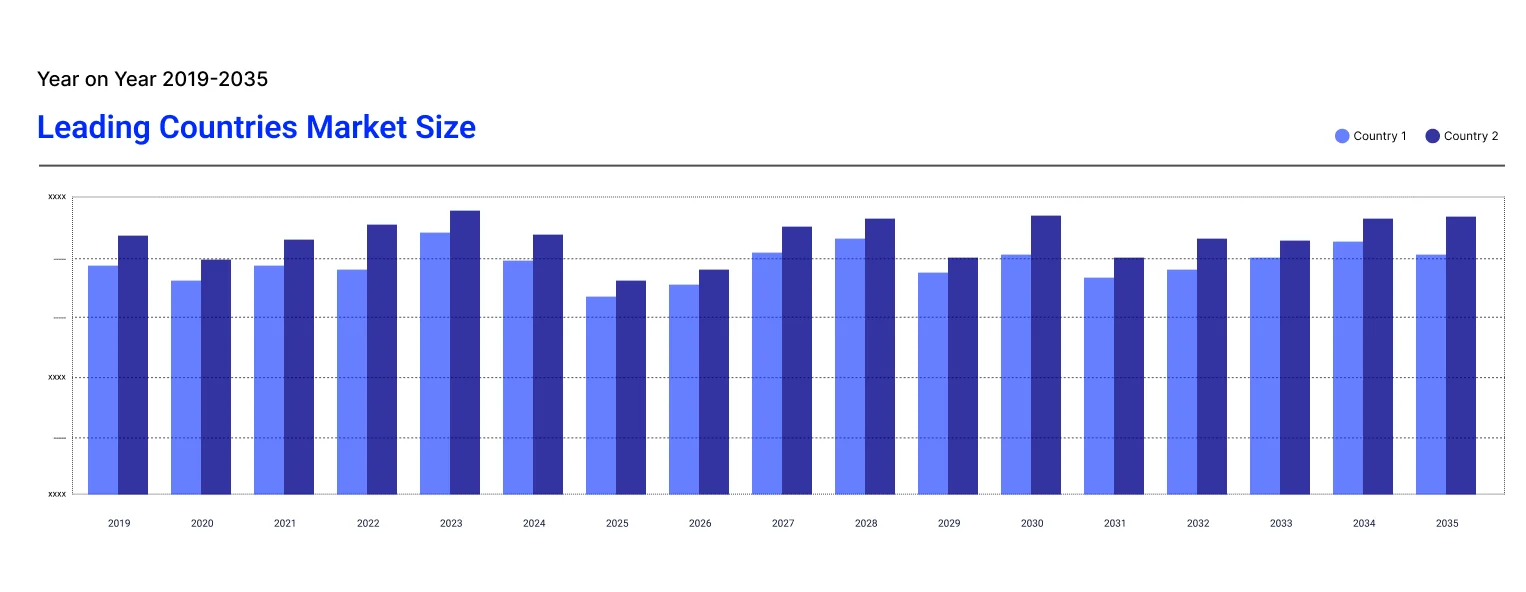
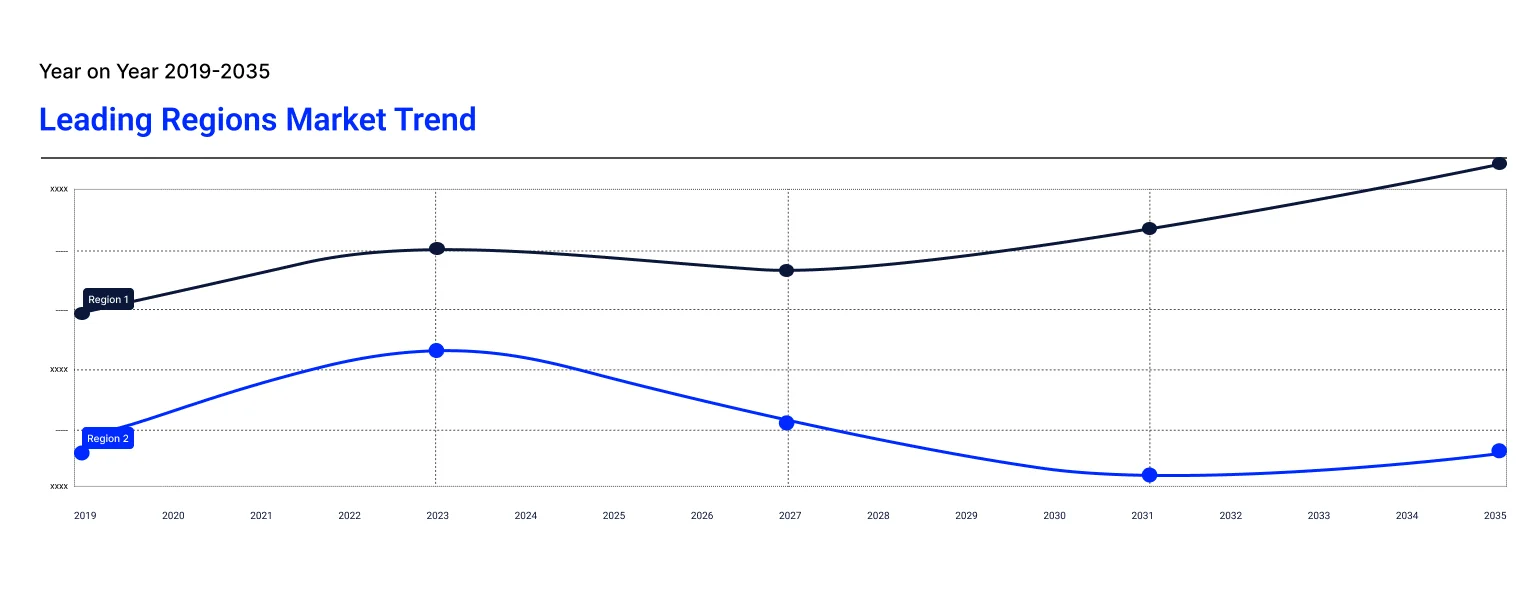
Read more about this report - REQUEST FREE SAMPLE COPY IN PDF
The IT infrastructure, which consists of millions of servers and computer devices for data processing and storage, is facilitated by data centres. The equipment (50%) and HVAC (25%–40%) in place to maintain the computer room environment or computer room air-conditioners absorb the majority of the electricity in these data centres. In this regard, the demand for efficient cooling solutions has increased, with the rapid advancements in computer equipment design and higher equipment density. There is also an increase in demand for noiseless cooling systems across all equipment, starting from laptops to more extensive systems. In addition, the liquid cooling systems also help in achieving better overclocking potential due to better heat management. Moreover, emerging technologies including artificial intelligence (AI) and machine learning (ML) are also creating the need for efficient cooling systems, owing to the increased use of high-performance computing (HPC) principles by a large number of enterprises. These applications necessitate the ability to process large amounts of data in a short amount of time. However, unlike HPC, AI systems frequently analyse data from various sources in a variety of formats, such as big images, audio, and video files. Thus, liquid cooling solutions can efficiently and successfully cool racks with capacities of 50 kW and greater. These factors are projected to aid the market growth in the forecast period.
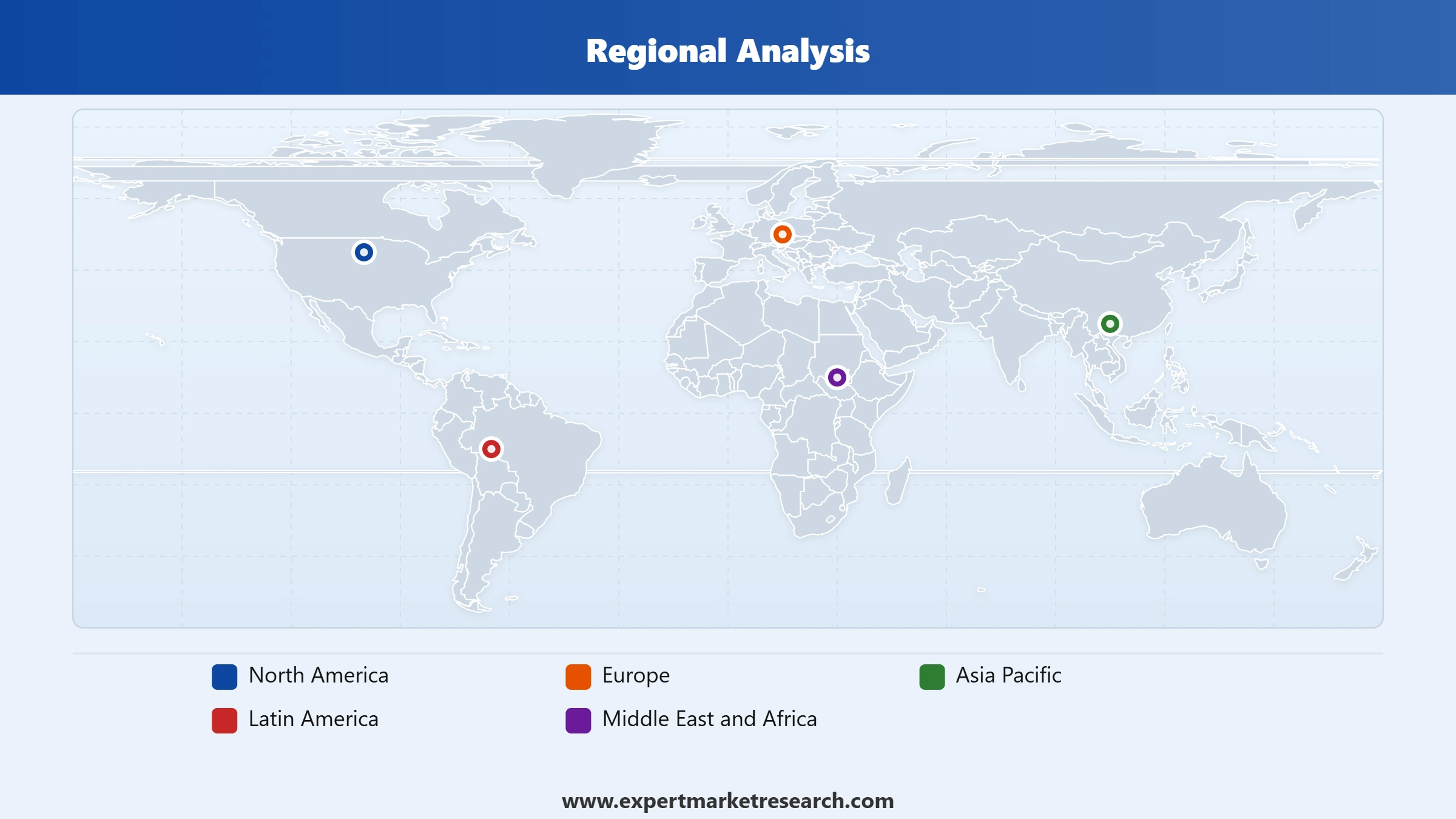
North America currently holds the largest share of the data centre liquid cooling system market, supported by dense concentrations of hyperscale and AI infrastructure and heavy capital investment from cloud providers deploying the latest GPU platforms.
Asia Pacific is widely projected to be the fastest-growing region, driven by large-scale data center construction across China, Japan, India, and South Korea, alongside government-backed digital infrastructure programs.
Europe is advancing on the strength of sustainability mandates and water-efficiency goals, with operators in markets such as Germany, the United Kingdom, the Netherlands, and the Nordics adopting liquid cooling to meet efficiency targets under the EU Energy Efficiency Directive.
Read more about this report - REQUEST FREE SAMPLE COPY IN PDF
The report presents a detailed analysis of the following key players in the global data centre liquid cooling system market, looking into their capacity, market shares, and latest developments like capacity expansions, plant turnarounds, and mergers and acquisitions:
The comprehensive report looks into the macro and micro aspects of the industry. The EMR report gives an in-depth insight into the market by providing a SWOT analysis as well as an analysis of Porter’s Five Forces model.


Upto 15% Off
USD
$2499 $2249
$3999 $3599
$4999 $4249
$5999 $5099


*While we strive to always give you current and accurate information, the numbers depicted on the website are indicative and may differ from the actual numbers in the main report. At Expert Market Research, we aim to bring you the latest insights and trends in the market. Using our analyses and forecasts, stakeholders can understand the market dynamics, navigate challenges, and capitalize on opportunities to make data-driven strategic decisions.*
In 2025, the global data centre liquid cooling system market attained a value of about USD 4.23 Billion.
The market is projected to grow at a CAGR of 22.30% between 2026-2035.
The market is estimated to witness a healthy growth in the forecast period of 2026-2035 to reach nearly USD 31.67 Billion by 2035.
The rising use of cloud technology in the BFSI sectors and the rising trend of digital maintenance of records have augmented the market for data centre liquid cooling systems.
The market growth is expected to be defined by the increasing use of high-performance computers (HPC) and the subsequent demand for data centre liquid cooling systems to achieve better overclocking potential due to better heat management.
The major regions in the industry are North America, Latin America, the Middle East and Africa, Europe, and the Asia Pacific.
The different types of data centre liquid cooling system are indirect cooling and direct cooling.
The several data centres types of liquid cooling system are hyperscale centres, enterprise type, and colocation type centres, among others.
The significant end uses of data centre liquid cooling system include IT and telecom, banking, financial services, and insurance (BFSI), government and public sector, healthcare, manufacturing, and retail, among others.
The major players in the industry are Asetek, Inc., Schneider Electric, Submer Technologies SL., Green Revolution Cooling, Inc. (GRC), Munters Europe AB, and Aspen Systems Inc., among others.
Explore our key highlights of the report and gain a concise overview of key findings, trends, and actionable insights that will empower your strategic decisions.
| REPORT FEATURES | DETAILS |
| Base Year | 2025 |
| Historical Period | 2019-2025 |
| Forecast Period | 2026-2035 |
| Scope of the Report |
Historical and Forecast Trends, Industry Drivers and Constraints, Historical and Forecast Market Analysis by Segment:
|
| Breakup by Type |
|
| Breakup by Data Centre Type |
|
| Breakup by End Use |
|
| Breakup by Region |
|
| Market Dynamics |
|
| Competitive Landscape |
|
| Companies Covered |
|
| Report Price and Purchase Option | Explore our purchase options that are best suited to your resources and industry needs. |
| Delivery Format | Delivered as an attached PDF and Excel through email, with an option of receiving an editable PPT, according to the purchase option. |
Datasheet
One User
USD 2,499
USD 2,249
tax inclusive*
Single User License
One User
USD 3,999
USD 3,599
tax inclusive*
Five User License
Five User
USD 4,999
USD 4,249
tax inclusive*
Corporate License
Unlimited Users
USD 5,999
USD 5,099
tax inclusive*
*Please note that the prices mentioned below are starting prices for each bundle type. Kindly contact our team for further details.*
Flash Bundle
Small Business Bundle
Growth Bundle
Enterprise Bundle
*Please note that the prices mentioned below are starting prices for each bundle type. Kindly contact our team for further details.*
Flash Bundle
Number of Reports: 3
20%
tax inclusive*
Small Business Bundle
Number of Reports: 5
25%
tax inclusive*
Growth Bundle
Number of Reports: 8
30%
tax inclusive*
Enterprise Bundle
Number of Reports: 10
35%
tax inclusive*
How To Order

Select License Type
Choose the right license for your needs and access rights.

Click on ‘Buy Now’
Add the report to your cart with one click and proceed to register.

Select Mode of Payment
Choose a payment option for a secure checkout. You will be redirected accordingly.
Strategic Solutions for Informed Decision-Making
Gain insights to stay ahead and seize opportunities.

Get insights & trends for a competitive edge.

Track prices with detailed trend reports.

Analyse trade data for supply chain insights.

Leverage cost reports for smart savings

Enhance supply chain with partnerships.

Connect For More Information
Our expert team of analysts will offer full support and resolve any queries regarding the report, before and after the purchase.
Our expert team of analysts will offer full support and resolve any queries regarding the report, before and after the purchase.
We employ meticulous research methods, blending advanced analytics and expert insights to deliver accurate, actionable industry intelligence, staying ahead of competitors.
Our skilled analysts offer unparalleled competitive advantage with detailed insights on current and emerging markets, ensuring your strategic edge.
We offer an in-depth yet simplified presentation of industry insights and analysis to meet your specific requirements effectively.




