

Consumer Insights
Uncover trends and behaviors shaping consumer choices today
Procurement Insights
Optimize your sourcing strategy with key market data
Industry Stats
Stay ahead with the latest trends and market analysis.
The global diode market attained a value of USD 18.70 Billion in 2025 and is projected to expand at a CAGR of 5.90% through 2035. The market is further expected to reach USD 33.17 Billion by 2035. Rising automotive electrification, expanding data center and communications infrastructure, and continued miniaturization across consumer electronics are propelling demand for diodes across power management, signal conditioning, and lighting applications worldwide.
Automotive electrification is central to expansion of the diode market, as vehicle architectures shift from 12 volt to 48-volt systems and electric powertrains multiply the number of rectification, protection, and signal diodes required per vehicle. Manufacturers are simultaneously investing in wide-bandgap materials, including silicon carbide and gallium nitride, to meet the efficiency and thermal performance demands of traction inverters, onboard chargers, and fast-charging infrastructure, while consumer electronics buyers continue to push for smaller, denser diode packages that free up board space in increasingly compact devices.
The shift toward wide-bandgap materials in the diode market is also reshaping where diode manufacturers concentrate their capital investment. STMicroelectronics announced plans to build a fully vertically integrated silicon carbide manufacturing campus in Catania, Italy, backed by an investment of approximately EUR 5 billion, with production targeted to begin in 2026 and capacity ramping toward 15,000 wafers per week at full build-out. Investments of this scale reflect how central silicon carbide has become to diode manufacturers competing for automotive and industrial power design wins, since substrate quality and yield at scale increasingly determine which suppliers can meet automotive qualification timelines.
Diode manufacturers are also increasingly diversifying their product portfolios toward application-specific solutions rather than competing purely on general-purpose device pricing, reflecting a broader industry shift toward deeper customer integration. This strategy lets manufacturers command stronger margins on parts engineered for a specific automotive platform or industrial system, rather than commoditized devices sold largely on unit cost. Diodes Incorporated, for example, has continued broadening its portfolio well beyond standard rectifiers into categories such as voltage supervisors, motor controllers, and interface products, illustrating how established diode manufacturers are pursuing deeper system-level integration with automotive and industrial customers rather than competing on commodity pricing alone.
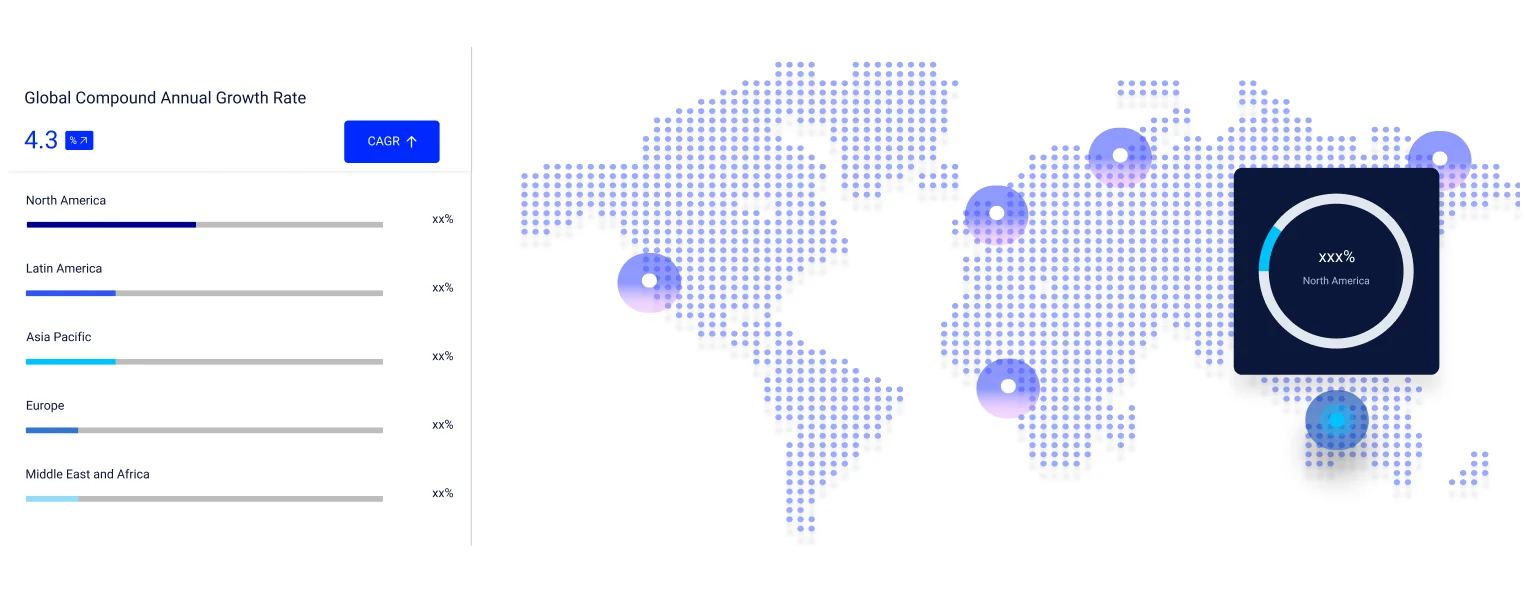
Compound Annual Growth Rate
5.9%
Value in USD Billion
2026-2035
Read more about this report - REQUEST FREE SAMPLE COPY IN PDF
Analog Devices, Inc. completed its acquisition of Empower Semiconductor, strengthening its position in the diode market as a system-level power partner across the fast-growing AI compute ecosystem, where dense, high-efficiency power delivery is becoming a critical design bottleneck. Data center customers can use the combined portfolio to source power delivery and signal chain components from a single supplier rather than qualifying multiple vendors.
Diodes Incorporated introduced a smart load switch delivering low on resistance for automotive advanced driver assistance systems, infotainment, and display cluster power rail control, targeting designers seeking to simplify power sequencing across increasingly complex vehicle electronic architectures. Automotive designers can use the switch to consolidate several discrete protection components into a single package.
Rohm Semiconductor, Toshiba Electronic Devices, and Mitsubishi Electric signed a memorandum of understanding to merge their power semiconductor units, forming what would become the world's second largest power semiconductor supplier, spanning silicon, silicon carbide, and gallium nitride device lines. Suppliers in the diode market to the combined entity can use the consolidation to plan around a more concentrated Japanese customer base.
SemiQ Inc. launched its QSiC Dual3 family of 1,200-volt half-bridge silicon carbide MOSFET modules at APEC 2026, aimed at motor drives and data center cooling applications, with an optional parallel Schottky barrier diode included to reduce switching losses across the power stage. Engineers in the diode market can use the modules to upgrade IGBT-based designs without a full redesign cycle.
Optical component manufacturers in the diode market are increasingly using major photonics trade shows to introduce laser technology aimed at industrial processing, medical, and advanced manufacturing applications, since these events draw the systems integrators and equipment buyers who specify laser diode components for next-generation platforms. Showcasing at these events lets suppliers gather early design feedback before committing to full production runs. In January 2026, IPG Photonics Corporation announced it would showcase new laser solutions at the SPIE Photonics West 2026 exhibition in San Francisco, highlighting fiber laser and diode-based technology aimed at precision manufacturing, welding, and materials processing applications across industrial and automotive supply chains.
Semiconductor manufacturers are increasingly concentrating new capacity investment in the United States, driven by federal incentives and demand for geographically diversified supply chains following recent years of shortages. These investments typically take years to reach full production, requiring manufacturers to commit capital well ahead of anticipated demand. In January 2026, Texas Instruments confirmed it is investing USD 11 billion to build a new 300-millimeter wafer fabrication facility in Lehi, Utah, adjacent to its existing site, with production targeted to begin later in 2026 and the project expected to create approximately 800 direct jobs.
Discrete semiconductor manufacturers are increasingly acquiring specialized fabless design houses to accelerate entry into adjacent high-growth markets rather than building comparable expertise internally over multiple product generations. Automated test equipment has emerged as one such target market given its demand for low-power, high-density analog design in the diode market. In July 2026, Diodes Incorporated entered a definitive agreement to acquire ElevATE Semiconductor, a fabless analog and mixed-signal IC specialist based in San Diego, in an all-cash transaction valued at USD 250 million, with the deal expected to add approximately USD 50 million in revenue during its first year.
Legacy wafer fabrication capacity has been shrinking industry-wide as manufacturers in the diode market migrate mature-node analog and discrete production to larger wafer sizes, a transition that becomes self-reinforcing once enough volume has shifted away from a given fab size. Equipment vendors stop supporting older tooling once the installed base becomes too small to justify continued service. In July 2026, Renesas closed its last 6-inch wafer fab at its Takasaki site, joining TSMC, NXP, Samsung, and Wolfspeed in existing legacy capacity, a shift that has contributed to industry-wide analog IC price increases of 15 to 20 percent during 2026.
Wafer fab equipment spending offers one of the clearest leading indicators of future diode and broader semiconductor production capacity, since manufacturers commit to equipment purchases years before new capacity reaches full output. Industry associations track this spending closely to anticipate where future supply growth will concentrate. According to SEMI's April 2026 report, worldwide 300-millimeter fab equipment spending is projected to increase 18 percent to USD 133 billion in 2026, with the power-related segment, including compound semiconductors relevant to diode production, expected to attract USD 27 billion in investment between 2026 and 2028.
Read more about this report - REQUEST FREE SAMPLE COPY IN PDF
The Expert Market Research's report titled “Diode Market Report and Forecast 2026-2035 offers a detailed analysis of the market based on the following segments:
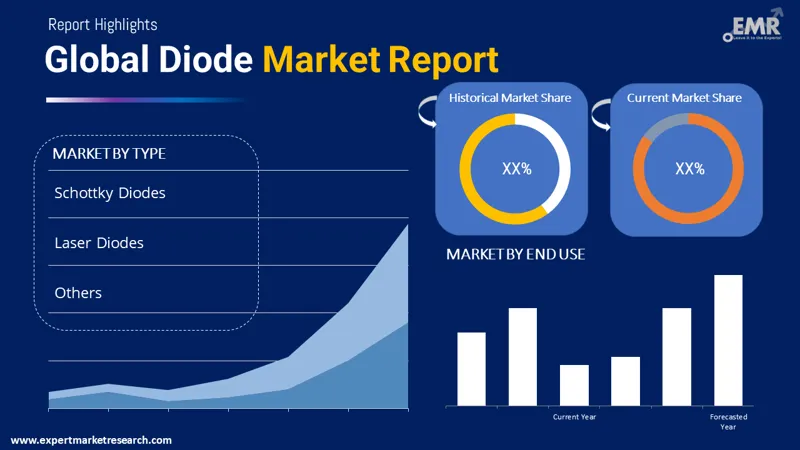
Market Breakup by Type
Key Insight: Light emitting diodes account for the largest share by type, given their entrenched role in general lighting, displays, and automotive signaling, while laser diodes are growing fastest as data center optical interconnects and automotive sensing applications scale. Schottky diodes remain essential for high-frequency rectification and are migrating into 800-volt electric vehicle platforms for their low forward-voltage drop, Zener diodes continue to serve as staples in battery-management and surge-protection circuits, and small signal diodes handle general-purpose switching across consumer and industrial electronics. Nexperia has expanded its planar Schottky diode portfolio with CFP2-HP packaging covering both industrial and AEC-Q101 qualified automotive variants, while Toshiba has broadened its XCEZ series of surge-protection Zener diodes with a compact SOD-523 package aimed at automotive electronic control units.
Market Breakup by End-Use
Key Insight: Consumer electronics represents the largest end-use segment, reflecting the sheer volume of diodes embedded in smartphones, wearables, and home electronics, while automotive is the fastest-growing end use as electrification and advanced driver assistance systems multiply diode content per vehicle. Communications applications rely on diodes for signal conditioning and RF detection in network infrastructure and 5G equipment, computer and peripheral applications use diodes for power management and ESD protection across a wide range of computing hardware, and other end uses span industrial, medical, and aerospace applications where diodes protect and condition sensitive electronic circuits.
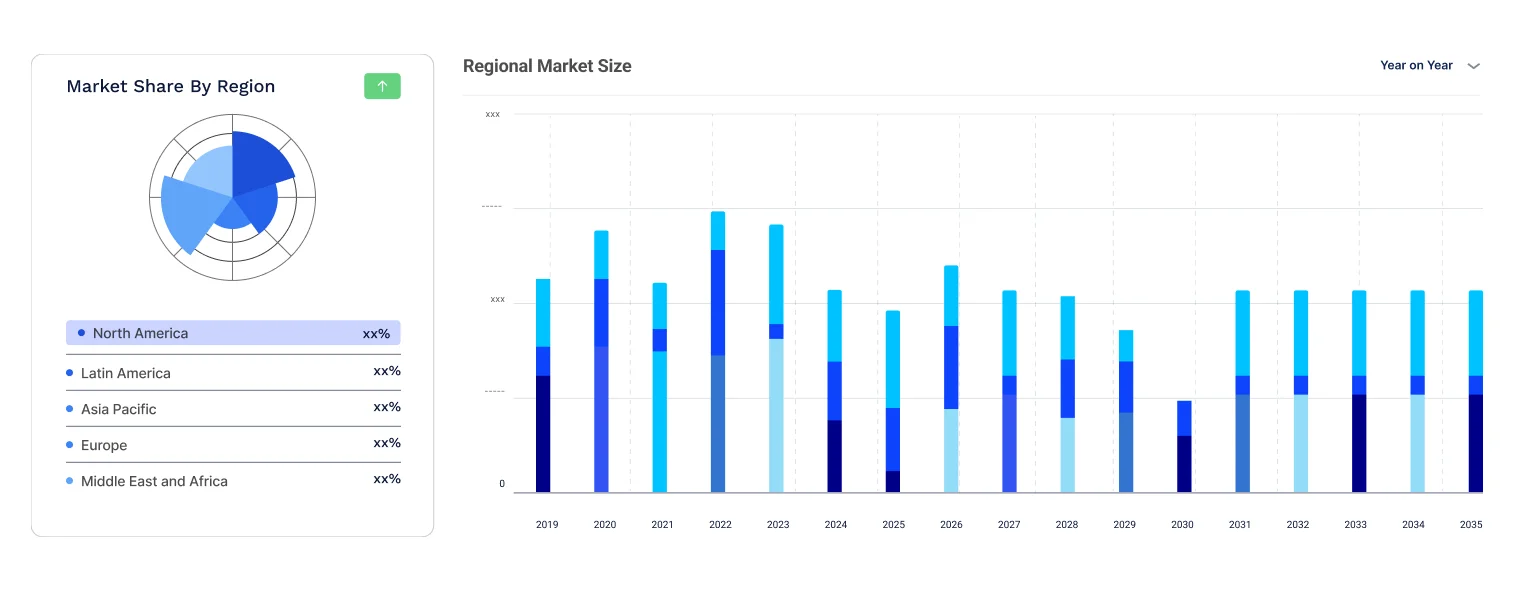
Market Breakup by Region
Key Insight: Asia Pacific leads the diode market given its concentration of consumer electronics manufacturing, semiconductor packaging capacity, and automotive OEM production across China, Japan, and South Korea, while North America is growing fastest as onshore fabrication investment and automotive electrification accelerate domestic demand. Europe benefits from a strong automotive and industrial semiconductor base supported by regional wide-bandgap manufacturing investment, Latin America is a smaller but expanding market tied to growing electronics assembly, and the Middle East and Africa remain nascent markets that are gradually building local demand as broader electronics infrastructure develops.
Read more about this report - REQUEST FREE SAMPLE COPY IN PDF
By type, light emitting diodes dominate the market through their entrenched role in lighting, displays, and automotive signaling
Light emitting diodes hold the largest share of the diode market by type, reflecting decades of adoption across general lighting, displays, and automotive signaling, where LED technology has now reached near-universal adoption for headlamp applications. Manufacturers continue to push LED innovation into more compact, higher-precision formats as automakers pursue increasingly sophisticated lighting designs. In November 2025, LG Innotek received a CES 2026 Innovation Award for its Ultra-Thin Pixel Lighting Module, which uses an independently developed reflective optical component to dramatically reduce the thickness and weight of automotive lighting modules compared to conventional designs.
Laser diodes are the fastest-growing type, driven by rising demand from data center optical interconnects, LiDAR sensing, and high-speed fiber-optic communications, all of which require the precise, high-power optical output that laser diodes provide. Packaging and die-attach materials suppliers are adapting their offerings specifically to support the thermal and mechanical demands of laser diode assembly. At IMS 2026 in Boston, Indium Corporation highlighted its gold-tin preform portfolio, including ultra-thin 8.89 micron preforms designed specifically for high-output laser diode die-attach applications, reflecting the specialized packaging materials development now supporting laser diode volume growth.
By end-use, consumer electronics leads the market on sheer device volume while automotive grows fastest on electrification
Consumer electronics accounted for roughly 28 percent of diode market revenue in 2025, the largest share by end-use, as power-management and ESD protection diodes are required in growing density across increasingly compact smartphones, wearables, and home electronics. This deep embedding across everyday devices underscores how diode content scales with device miniaturization even as growth rates in other end uses begin to outpace consumer electronics. Manufacturers continue to prioritize this segment given its sheer unit volume, even as design wins increasingly concentrate around higher-margin automotive and industrial applications elsewhere in the diode market.
Automotive is the fastest-growing end-use segment, fueled by the multiplication of diode content per vehicle as electrification, advanced driver assistance systems, and intelligent lighting all expand simultaneously. Automotive suppliers are increasingly pairing diode technologies with adjacent sensing and projection systems to differentiate vehicle designs. In April 2026, Valeo and Infineon Technologies AG began collaborating on a short-distance ground projection module integrating laser beam scanning, illustrating how diode-based optical technologies are being embedded ever deeper into next-generation vehicle lighting and sensing systems.
Read more about this report - REQUEST FREE SAMPLE COPY IN PDF
Asia Pacific leads the market through its concentrated electronics manufacturing and automotive OEM base
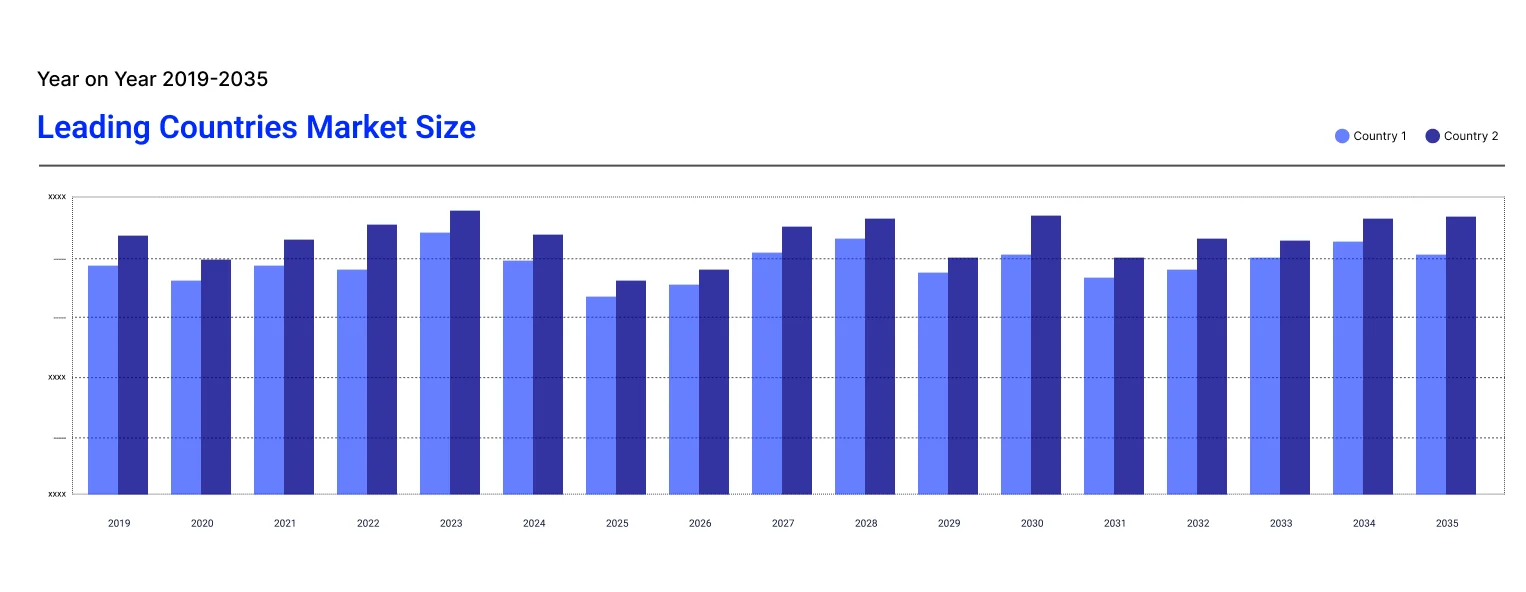
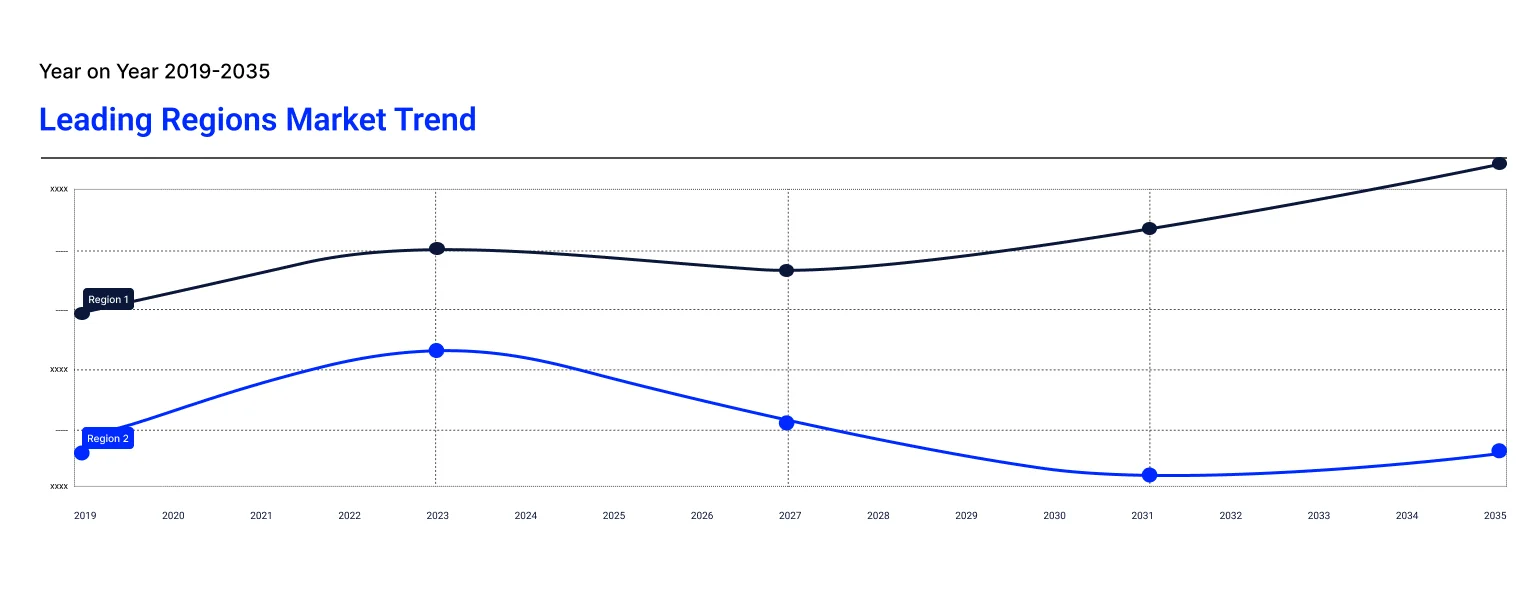
Asia Pacific leads the diode market, supported by its concentration of consumer electronics assembly, semiconductor packaging capacity, and automotive OEM production across China, Japan, and South Korea. Industry estimates place the region's share of global diode revenue at approximately 46 to 47 percent, reflecting decades of accumulated manufacturing infrastructure that remains difficult for other regions to replicate at comparable cost and scale. This entrenched manufacturing base continues to attract new investment even as buyers in other regions diversify their sourcing, reinforcing Asia Pacific's leading position in the market.
North America is the fastest-growing regional market for diodes, driven by federal incentives supporting onshore semiconductor manufacturing and rising automotive electrification demand across the United States. In 2025, Bosch received support under the CHIPS and Science Act to expand its Roseville, California silicon carbide device factory, with the company expecting to produce its first chips on 200-millimeter wafers at the facility starting in 2026, a project that could account for more than 40 percent of all US-based silicon carbide device manufacturing capacity.
The global industry is becoming innovation oriented as major diode companies compete on wide-bandgap material adoption, packaging miniaturization, and automotive qualification speed. Producers are expanding silicon carbide and gallium nitride manufacturing capacity, pursuing targeted acquisitions to add specialized analog and mixed-signal capabilities, and deepening collaboration with automotive and data center customers to co-develop application-specific diode solutions. Many diode companies are also investing in onshore manufacturing capacity across North America and Europe, positioning themselves to serve customers seeking geographically diversified, tariff-resilient supply chains.
Consolidation is accelerating as scale and technology breadth increasingly determine which diode market players can meet automotive-grade qualification timelines and win design slots in next-generation electric vehicle platforms. Recent acquisitions of fabless analog specialists point to a broader strategy among diode market players to add capabilities through acquisition rather than multi-year internal development. Smaller regional suppliers continue to compete on application-specific expertise and customer service, carving out defensible niches even as larger, vertically integrated manufacturers expand their wide-bandgap capacity across new geographies.
Founded in 1999 and headquartered in Neubiberg, Germany, Infineon Technologies AG was spun off from Siemens and has grown into a global leader in power semiconductors, spanning silicon, silicon carbide, and gallium nitride device technologies. The company's diode portfolio covers Schottky, silicon, and integrated devices used across automotive, industrial, and consumer power applications. In February 2026, Infineon published its 2026 GaN Insights report, highlighting its CoolGaN Transistor MV G5 products, which feature a monolithically integrated Schottky diode delivering 15 percent lower losses and more than 10 percent lower device temperature compared to prior generations.
Founded in 1987 and headquartered in Geneva, Switzerland, STMicroelectronics is a global semiconductor manufacturer serving automotive, industrial, and consumer electronics customers with a broad portfolio of diodes, rectifiers, and power devices. The company has supplied silicon carbide diode technology for more than five million passenger vehicles worldwide across traction inverter, onboard charger, and DC-DC converter applications. STMicroelectronics continues to expand its wide-bandgap manufacturing footprint and application-specific diode portfolio to serve automotive and industrial customers pursuing higher power density and efficiency across next-generation electronic systems.
Founded in 1962 and headquartered in Malvern, Pennsylvania, Vishay Intertechnology, Inc. manufactures a broad range of discrete semiconductors and passive components, including diodes, rectifiers, and transient voltage suppressors serving automotive, industrial, and computing customers worldwide. The company's General Semiconductor division supplies rectifiers, Schottky diodes, and protection devices across a wide range of package formats. In May 2026, Vishay launched four series of 3000-watt surface-mount TVS diodes in a compact DFN6546A package for automotive and industrial protection applications, with automotive-grade variants qualified to AEC-Q101 and rated for operation up to 185 degrees Celsius.
Founded in 1959 and headquartered in Plano, Texas, Diodes Incorporated is a NASDAQ-listed manufacturer of discrete, analog, and mixed-signal semiconductor products serving the automotive, industrial, computing, consumer electronics, and communications markets. The company operates a flexible hybrid manufacturing model supported by global engineering, testing, and customer service operations. Diodes Incorporated continues to expand its application-specific product portfolio across power management, protection, and signal chain categories, positioning itself to serve customers across an increasingly broad range of high-growth electronic markets worldwide.
Other key players in the market include Analog Devices, Inc., Littelfuse, Inc., Microchip Technology Inc., Murata Manufacturing Co., Ltd., NXP Semiconductors N.V., Central Semiconductor Corp., Rohm Co., Ltd, Hitachi Power Semiconductor Device, Ltd., MACOM Technology Solutions Inc., and Toshiba Electronic Devices & Storage Corporation, among others.
*Please note that this is only a partial list; the complete list of key players is available in the full report. Additionally, the list of key players can be customized to better suit your needs.*
Unlock the latest insights with our diode market trends 2026 report. Discover regional growth patterns, technology adoption, and key industry players. Stay ahead of competition with trusted data and expert analysis. Download your free sample report today and drive informed decisions in the market.


Upto 15% Off
USD
$2499 $2249
$3999 $3599
$4999 $4249
$5999 $5099


*While we strive to always give you current and accurate information, the numbers depicted on the website are indicative and may differ from the actual numbers in the main report. At Expert Market Research, we aim to bring you the latest insights and trends in the market. Using our analyses and forecasts, stakeholders can understand the market dynamics, navigate challenges, and capitalize on opportunities to make data-driven strategic decisions.*
The market is estimated to grow at a CAGR of 5.90% in the forecast period of 2026-2035.
The increasing applications of automotive grade diodes in vehicles, growing demand for consumer electronics, and increasing affordability of downstream diode products are the major drivers of the market.
The key trends in the market include the growing innovations in the electrical and electronics sector, rapid development of portable consumer electronics, and increasing focus on SiC diode production.
Communications, consumer electronics, automotives, and computer and computer peripherals, among others, are the various end-uses of diodes in the market.
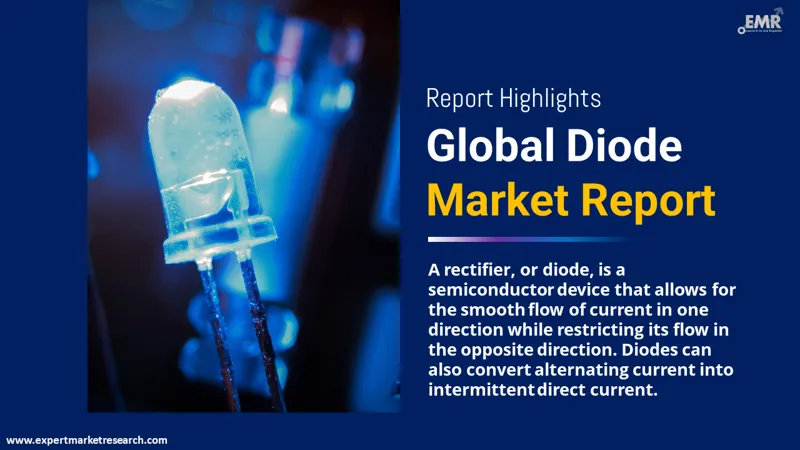
Diodes are used for directing electric current in one specific direction while barring current flow in the opposite direction.
Diode can be used to convert AC into DC, enabling a directional flow of current.
Excessive forward current, or physical jerk to an electronic product can cause damage to a diode.
North America is expected to register the fastest growth, driven by onshore semiconductor investment and automotive electrification.
Infineon Technologies AG, Analog Devices, Inc., STMicroelectronics, Littelfuse, Inc., Microchip Technology Inc., Murata Manufacturing Co., Ltd., NXP Semiconductors N.V., Central Semiconductor Corp., Diodes Incorporated, Rohm Co., Ltd, Vishay Intertechnology, Inc., Hitachi Power Semiconductor Device, Ltd., MACOM Technology Solutions Inc., and Toshiba Electronic Devices & Storage Corporation, among others, are the key players in the diode market, according to the report.
In 2025, the diode market reached an approximate value of USD 18.70 Billion.
The market is anticipated to witness steady expansion and attain a value of USD 33.17 Billion by 2035.
Light emitting diodes hold the largest share, given their entrenched role in lighting, displays, and automotive signaling.
Explore our key highlights of the report and gain a concise overview of key findings, trends, and actionable insights that will empower your strategic decisions.
| REPORT FEATURES | DETAILS |
| Base Year | 2025 |
| Historical Period | 2019-2025 |
| Forecast Period | 2026-2035 |
| Scope of the Report |
Historical and Forecast Trends, Industry Drivers and Constraints, Historical and Forecast Market Analysis by Segment:
|
| Breakup by Type |
|
| Breakup by End-Use |
|
| Breakup by Region |
|
| Market Dynamics |
|
| Competitive Landscape |
|
| Companies Covered |
|
Datasheet
One User
USD 2,499
USD 2,249
tax inclusive*
Single User License
One User
USD 3,999
USD 3,599
tax inclusive*
Five User License
Five User
USD 4,999
USD 4,249
tax inclusive*
Corporate License
Unlimited Users
USD 5,999
USD 5,099
tax inclusive*
*Please note that the prices mentioned below are starting prices for each bundle type. Kindly contact our team for further details.*
Flash Bundle
Small Business Bundle
Growth Bundle
Enterprise Bundle
*Please note that the prices mentioned below are starting prices for each bundle type. Kindly contact our team for further details.*
Flash Bundle
Number of Reports: 3
20%
tax inclusive*
Small Business Bundle
Number of Reports: 5
25%
tax inclusive*
Growth Bundle
Number of Reports: 8
30%
tax inclusive*
Enterprise Bundle
Number of Reports: 10
35%
tax inclusive*
How To Order

Select License Type
Choose the right license for your needs and access rights.

Click on ‘Buy Now’
Add the report to your cart with one click and proceed to register.

Select Mode of Payment
Choose a payment option for a secure checkout. You will be redirected accordingly.
Strategic Solutions for Informed Decision-Making
Gain insights to stay ahead and seize opportunities.

Get insights & trends for a competitive edge.

Track prices with detailed trend reports.

Analyse trade data for supply chain insights.

Leverage cost reports for smart savings

Enhance supply chain with partnerships.

Connect For More Information
Our expert team of analysts will offer full support and resolve any queries regarding the report, before and after the purchase.
Our expert team of analysts will offer full support and resolve any queries regarding the report, before and after the purchase.
We employ meticulous research methods, blending advanced analytics and expert insights to deliver accurate, actionable industry intelligence, staying ahead of competitors.
Our skilled analysts offer unparalleled competitive advantage with detailed insights on current and emerging markets, ensuring your strategic edge.
We offer an in-depth yet simplified presentation of industry insights and analysis to meet your specific requirements effectively.




