

Consumer Insights
Uncover trends and behaviors shaping consumer choices today
Procurement Insights
Optimize your sourcing strategy with key market data
Industry Stats
Stay ahead with the latest trends and market analysis.
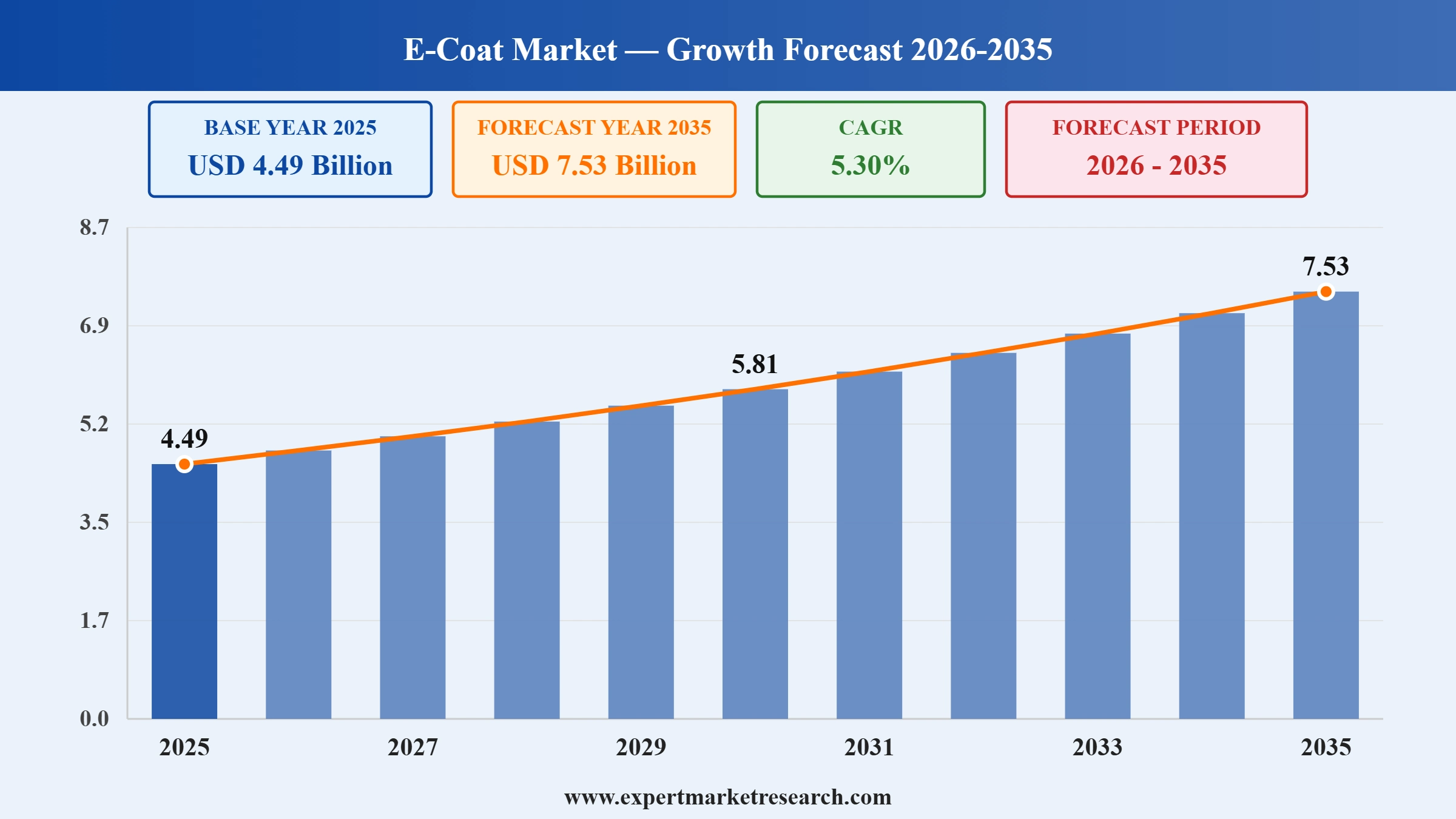
The global e-coat market attained a value of USD 4.49 Billion in 2025 and is projected to expand at a CAGR of 5.30% through 2035. The market is further expected to achieve USD 7.53 Billion by 2035. The expansion of electric and hybrid vehicle manufacturing is supporting demand for e-coat systems because battery enclosures, lightweight metal structures, chassis components, and other conductive parts require consistent corrosion protection. E-coating provides uniform coverage across complex geometries and recessed areas, making it well suited to evolving EV architectures while helping manufacturers maintain durability and finish quality.
The global e-coat market is gaining importance as manufacturers across automotive, appliances, heavy-duty equipment, and industrial components seek durable corrosion protection with efficient material utilisation and lower environmental impact. E-coating applies electrically charged coating particles to conductive metal surfaces, enabling consistent coverage across complex geometries, cavities, edges, and recessed areas. The process is highly automated and can achieve application efficiencies above 95%, supporting reduced material waste and operating costs, thereby boosting the e-coat market value.
The development of high-throw-power and low-bake formulations, which improve coating coverage in complex cavities while reducing material and energy consumption is a major breakthrough in e-coat technology. An example is high throw power electrocoating technology, created by Toyota and Nippon Paint in order to minimise the amount of coating on exterior surfaces and at the same time provide sufficient coverage on the interior side of the cavity. This technology allowed for significant savings in coating and could be easily used without significant equipment changes. More recently, research has progressed toward digital-twin simulation of automotive e-coating processes, enabling manufacturers to optimize film thickness and energy-intensive paint-shop operations before physical production.
The high capital cost to establish e-coating plants is one of the main obstacles facing the e-coating industry, which needs special tanks, rectifiers, curing ovens, pretreatment systems, and automatic control systems. The solution that the players can adopt in this respect is the development of modular systems, offering contract e-coating services, automation, and maintenance of equipment, as well as forming strategic alliances with suppliers of equipment, thus aiming more towards the e-coat market developments.
Read more about this report - REQUEST FREE SAMPLE COPY IN PDF
PPG’s ENVIRO-PRIME EPIC electrocoat was recognised as an “Innovative Coating of the Year” at the Ringier Technology Innovation Awards. The technology provides corrosion protection while supporting process efficiency and improved environmental performance, highlighting the industry’s movement toward more sustainable and efficient e-coat solutions for automotive applications.
The Electrocoat Association held its 2026 Annual Meeting from May 26–28 in Jekyll Island, Georgia, bringing together industry professionals for education, networking and technical discussions. The event supported knowledge-sharing around e-coat process efficiencies, quality control, troubleshooting and innovative technologies, reinforcing ongoing efforts to improve coating performance and production practices.
PPG announced its participation at ECOAT26, where it planned to showcase its electrocoat portfolio, including POWERCRON, ENVIRO-PRIME EPIC and FRAMECOAT. The company’s participation highlights continued product development around corrosion protection, sustainability and process efficiency, while reinforcing e-coat technology’s importance in automotive and industrial coating applications, thus aiming for growth of the e-coat market.
The Polyboat Challenge opened its second edition to electric boatbuilders, owners, and rental companies, with community cruises planned through March 2027. The initiative provides rental operators with opportunities to test electric vessels under real-world conditions, supporting wider adoption of cleaner propulsion and increasing exposure to sustainable boating experiences within the rental market.
BASF Coatings announced plans to enhance electrocoat binder production at its Caojing, China facility, with process optimization scheduled to begin in early 2026. The initiative is intended to strengthen supply reliability and support growing automotive coating demand across China and Asia Pacific, thereby boosting the trends in the e-coat market.
The automotive and industrial coaters have begun using low-temperature cure e-coat paints that will allow reducing heat in ovens, use of natural gas, and emissions while retaining their ability to protect against corrosion. Such a trend is especially important for B2B paint shops where fast throughput and energy savings matter. The PPG’s low-temperature Powercron and Enviro-Prime EPIC paints are examples of such products, thus affecting the e-coat market dynamics and trends.
E-coat formulators are developing tin-free, lead-free, and low-VOC chemistries to help OEMs meet tightening environmental requirements without redesigning established coating processes. Axalta’s AquaEC portfolio illustrates this niche transition, combining waterborne chemistry with reduced hazardous-substance content and corrosion protection. The trend is especially relevant to automotive Tier-1 and Tier-2 suppliers operating under increasingly stringent customer specifications.
Electric vehicles are creating a specialised demand for e-coat systems capable of protecting mixed-metal structures, battery housings, aluminium components, and complex geometries. Suppliers are therefore focusing on enhanced throw power, substrate compatibility, dielectric performance, and wider curing windows. BASF’s CathoGuard and Axalta’s AquaEC technologies demonstrate how e-coat development is increasingly being tailored to EV-specific manufacturing requirements rather than conventional vehicle bodies alone, thereby boosting the trends in the e-coat market.
For automotive and industrial coating applications, there is a trend towards integrating monitoring and automated analysis in the paint-shop for e-coat processes for managing parameters such as thickness, bath composition, energy use, and performance of equipment. This can be seen in PPG’s AIM AUTOMATE software, which is part of this nascent B2B niche whereby coating companies are combining chemistry with digital process management.
The e-coat coating industry is looking to expand its base of applications to include specialized components used in industrial purposes other than automotive parts, such as HVAC systems, farm machinery, construction equipment, fasteners, frames, and fabricated parts. The benefits of e-coat painting in terms of providing even coating of recesses and intricate shapes make the process interesting for B2B manufacturers that need corrosion protection through automation.
The Expert Market Research’s report titled “E-coat Market Report and Forecast 2026-2035” offers a detailed analysis of the market based on the following segments:
Market Breakup by Type
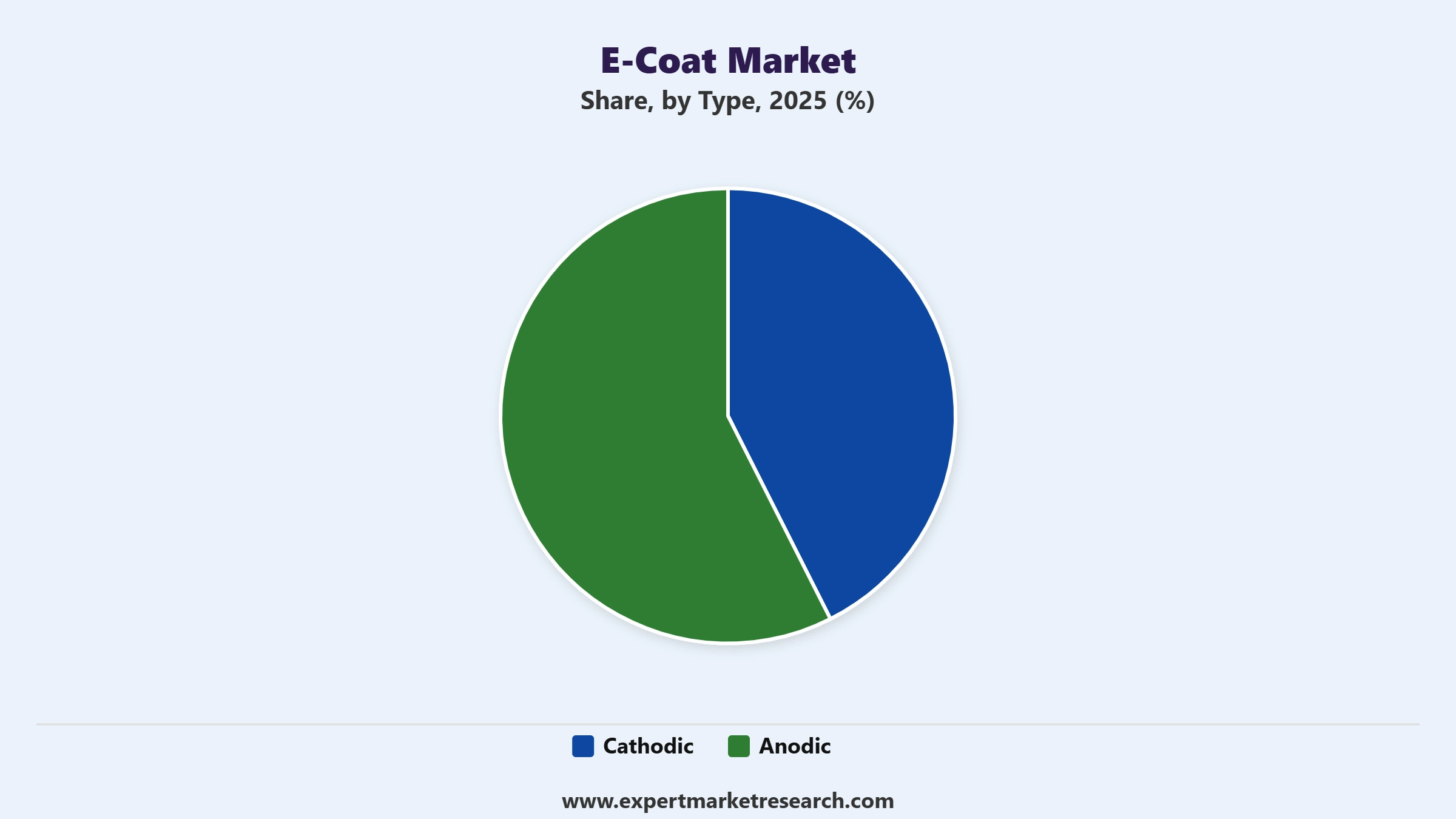
Key Insight: Cathodic e-coat is gaining stronger traction across automotive OEMs and EV component manufacturing because of superior corrosion resistance, adhesion, and throw power on steel, galvanised steel, and aluminium. Anodic e-coat retains niche demand for cost-sensitive industrial components and assemblies where lower curing temperatures and compatibility with heat-sensitive parts are important. Both technologies are being differentiated through substrate compatibility, film performance, curing requirements, and suitability for specialised metal-component applications, thereby opening up new opportunities and boosting the growth of the e-coat market.
Market Breakup by Technology
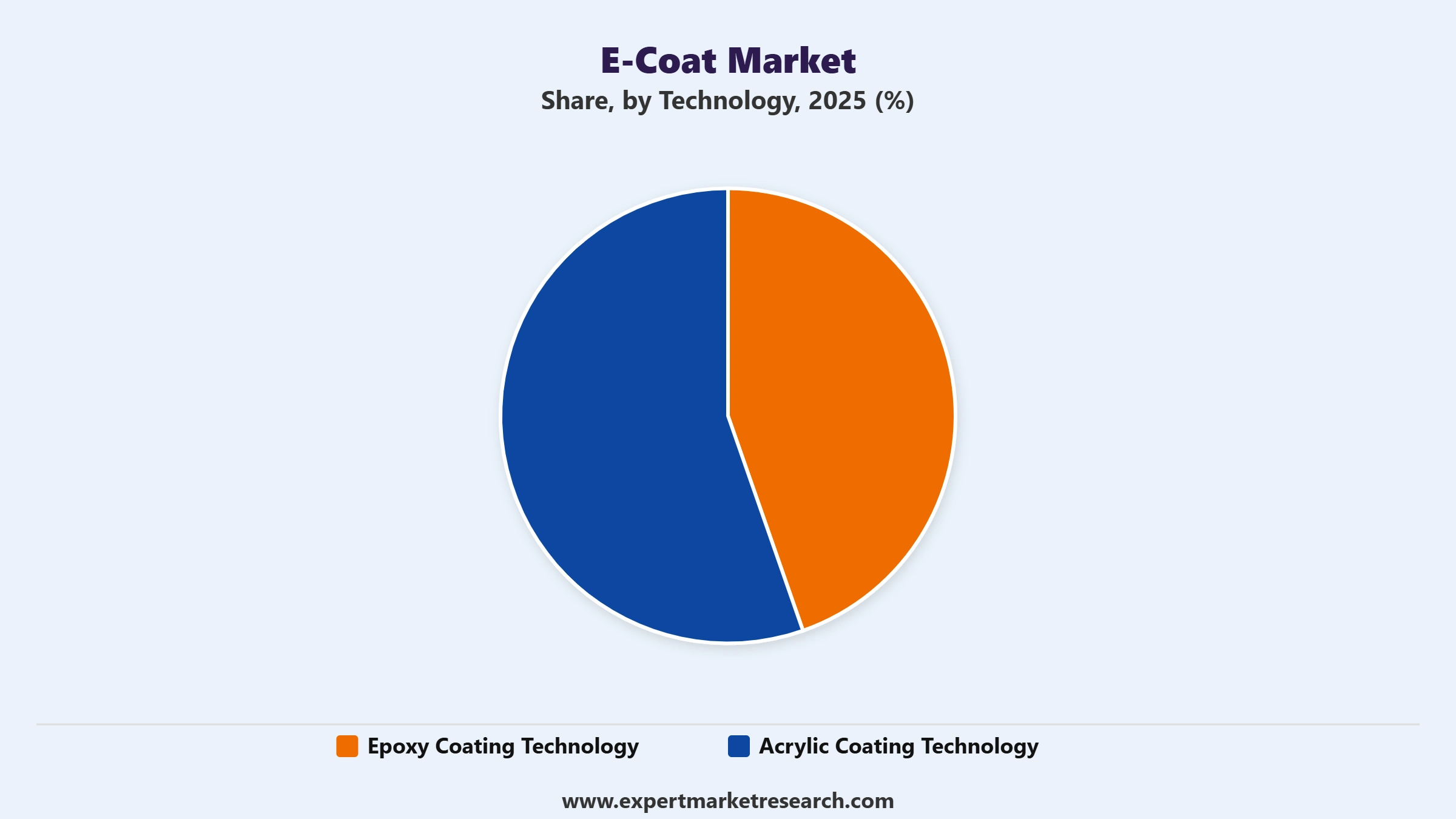
Key Insight: Epoxy coatings are gaining traction in automotive bodies, battery trays for EVs, and heavy components due to the high chemical resistance of the crosslinked film created through the process. On the other hand, acrylic coatings are more specialized and are finding favour in applications where UV resistance and durability are important factors, especially in appliances and exterior products.
Market Breakup by Application
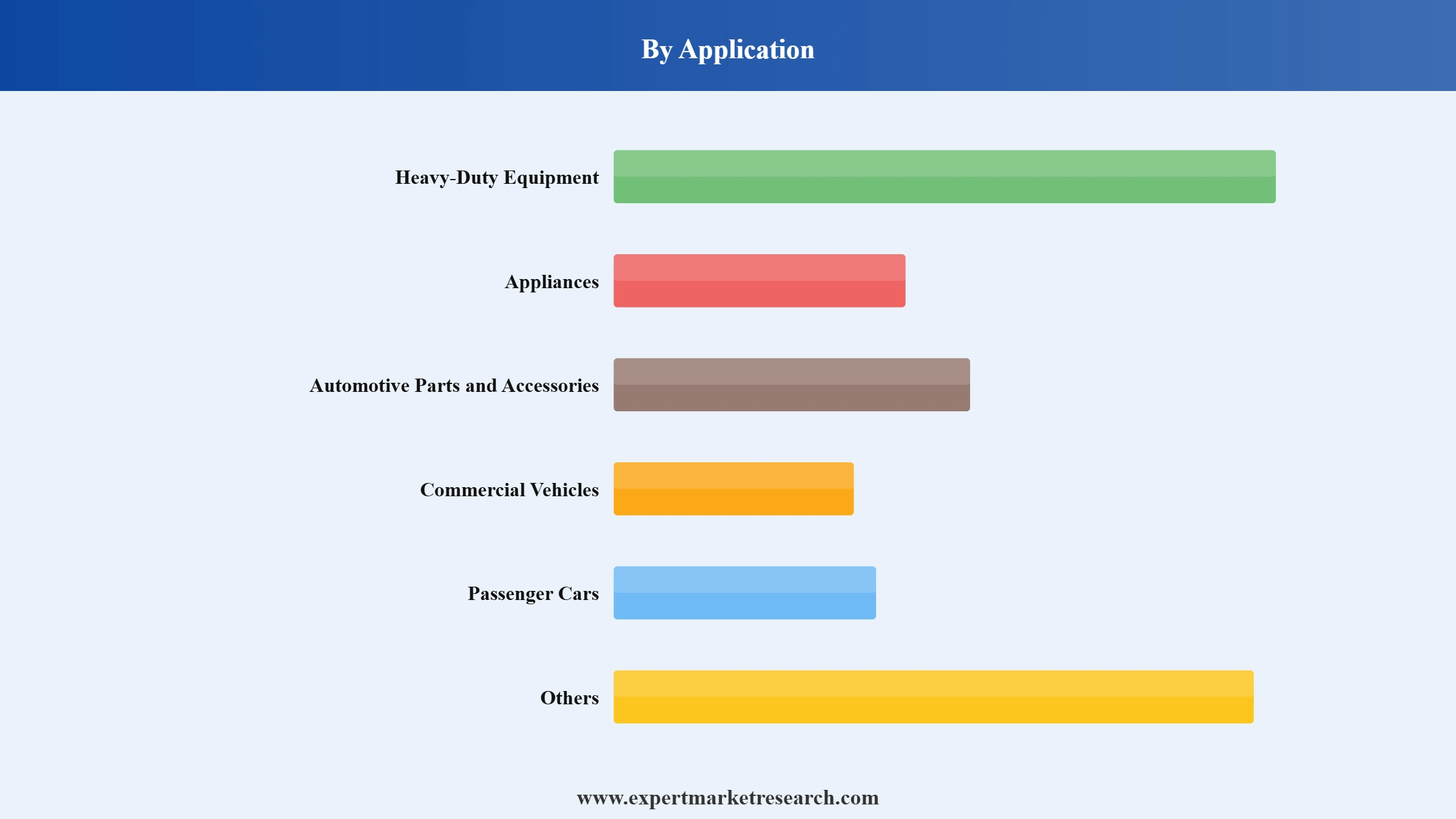
Key Insight: Passenger cars remain the strongest e-coat application because body shells require uniform corrosion protection across large surfaces and complex cavities. Commercial vehicles and automotive parts gain traction through chassis, frames, suspension components, and underbody protection exposed to severe operating conditions. Heavy-duty equipment increasingly uses e-coat for agricultural and construction machinery, while appliances adopt it for moisture-resistant, uniform finishes. Other applications include HVAC, fasteners, castings, furniture, and industrial components requiring consistent coverage.
Market Breakup by Region
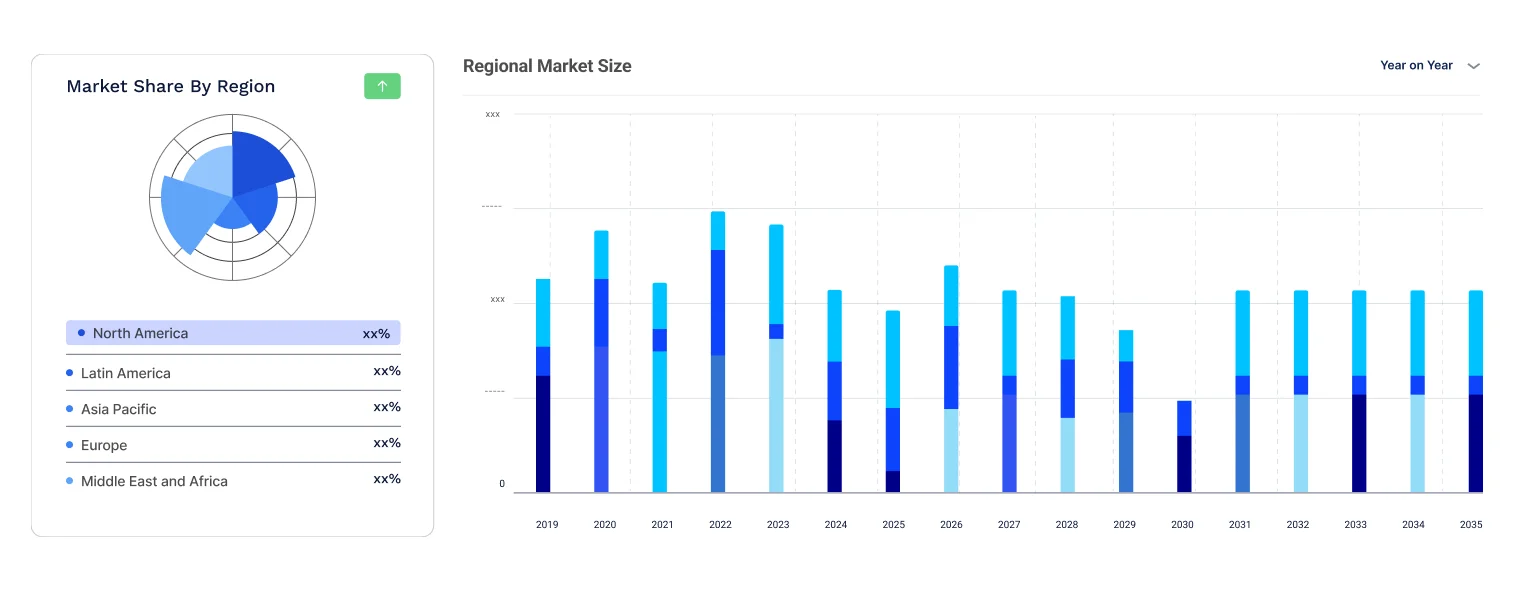
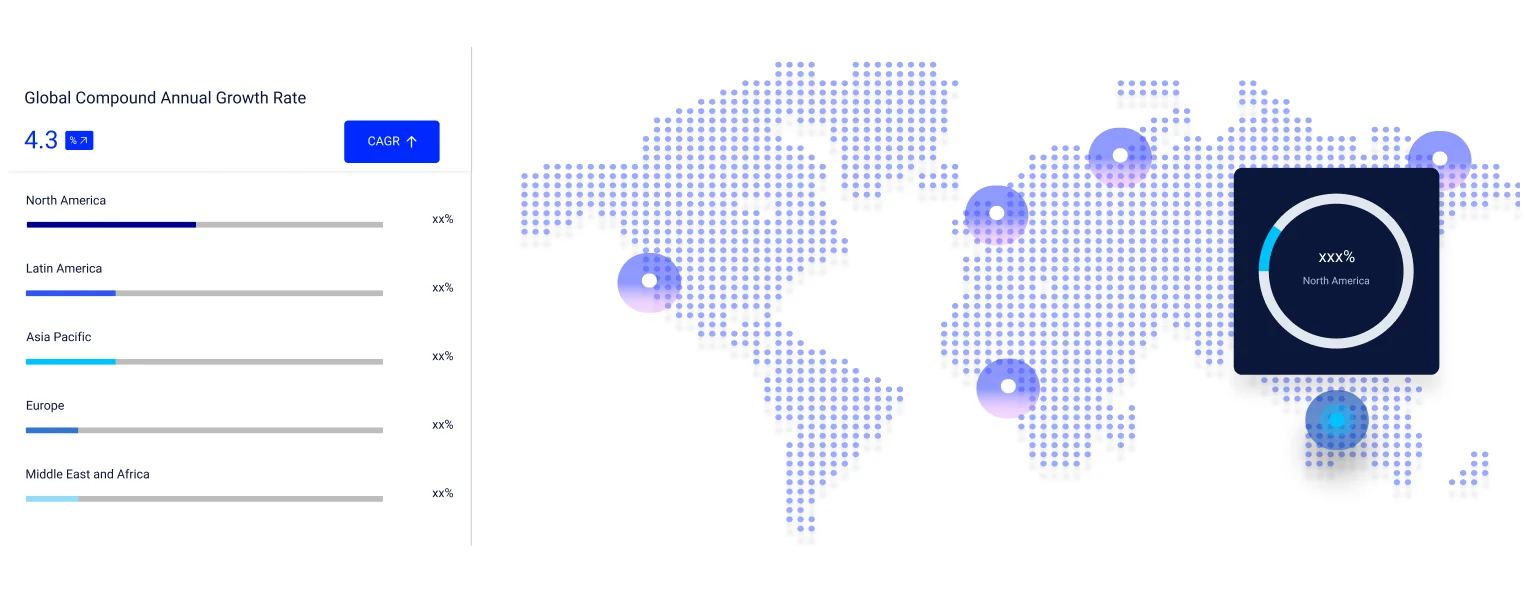
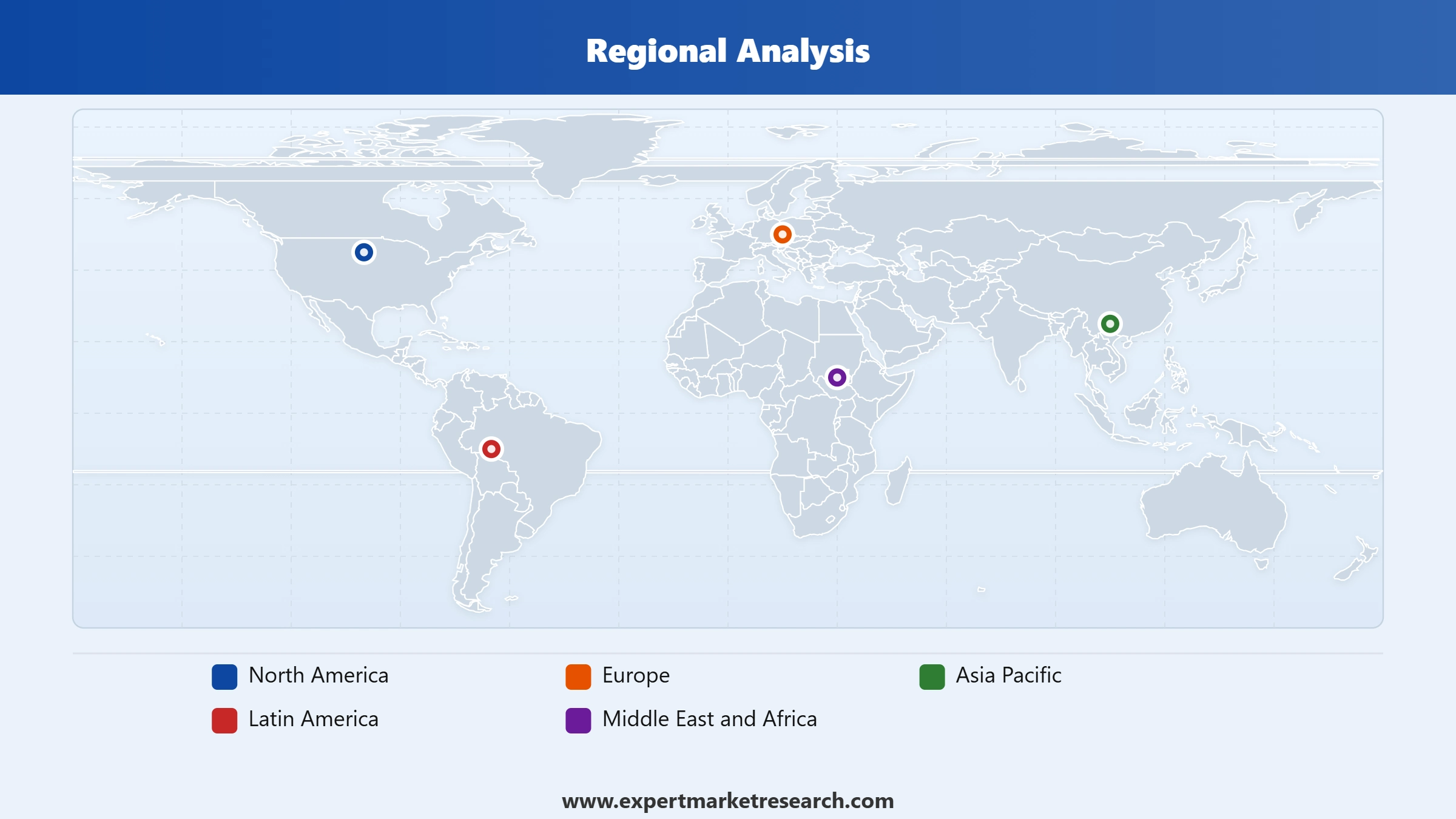
Key Insight: Asia Pacific market for e-coats is gaining the strongest traction through concentrated automotive, EV, appliance, and industrial-equipment manufacturing in China, India, Japan, South Korea, and Southeast Asia. North America benefits from established automotive and Tier-1 supply chains, while Europe is shifting toward low-VOC and automated e-coat systems. Latin America is supported by automotive and agricultural-equipment localisation, whereas the Middle East and Africa present niche opportunities in heavy equipment, power infrastructure, and corrosion-intensive applications.
By type, cathodic e-coat dominates corrosion-critical automotive applications
Cathodic e-coat is the dominant type because automotive OEMs rely on its high corrosion resistance and throw power to protect body structures, cavities, welds, and recessed areas. PPG describes cathodic systems as its core automotive electrocoat technology, while PPG Asian Paints positions cathodic epoxy e-coat as a benchmark for automotive primer performance, thus boosting the overall e-coat market development.
Read more about this report - REQUEST FREE SAMPLE COPY IN PDF
Anodic electrocoat technology is gaining momentum in industrial parts due to its suitability for lower temperature application, dimensional stability, and cost. This technology’s potential for use in systems that incorporate heat-sensitive parts and applications where there is no need for extremely good corrosion resistance is immense.
By technology, epoxy e-coat leads where corrosion and chemical resistance matter most
Epoxy still continues to dominate because it offers great resistance against corrosion, chemical attacks, moisture, and physical damage in the form of the cured film. These features make it highly beneficial for use in automotive bodies, chassis, farm machinery, construction equipment, and other metal-based products that require durable primer coatings in challenging operating environments.
Read more about this report - REQUEST FREE SAMPLE COPY IN PDF
Acrylic e-coat is gaining traction where manufacturers prioritise exterior appearance, UV stability, colour retention, and weathering performance alongside corrosion protection. Its characteristics create opportunities in appliances, outdoor equipment, furniture, and selected industrial components, particularly where the finished coating must retain appearance during prolonged exposure to sunlight and changing weather conditions.
By application, passenger cars anchor e-coat demand through full-body corrosion protection
Passenger cars remain the principal application because vehicle bodies require comprehensive primer coverage across exterior panels, internal cavities, weld zones, and complex structural sections. E-coat provides consistent deposition over these difficult geometries while establishing the corrosion-resistant foundation required before subsequent primer, paint, or finishing operations, and hence bolstering the e-coat market revenues.
Read more about this report - REQUEST FREE SAMPLE COPY IN PDF
Automotive parts and accessories are gaining traction as suppliers increasingly apply e-coat to chassis components, brackets, wheels, suspension parts, seats, and other fabricated metal assemblies. Growing component complexity and corrosion-protection requirements are encouraging Tier-1 and Tier-2 manufacturers to adopt automated electrocoating for consistent coverage across high-volume production.
Read more about this report - REQUEST FREE SAMPLE COPY IN PDF
Asia Pacific market leads through automotive and industrial manufacturing concentration
The Asia Pacific region is leading owing to its well-established automotive, electric vehicle, appliance, and industrial manufacturing base. China, India, Japan, and South Korea possess strong vehicle and components manufacturing facilities, which demand the application of automation of corrosion protection on a constant basis. Also, the region’s manufacturers are increasingly using new e-coating technology. Such factors are directly boosting the e-coat market regional growth.
The Middle East and Africa market is gaining traction through expanding industrial equipment, commercial vehicle, infrastructure, and metal-fabrication activity. Harsh heat, humidity, dust, and corrosive operating environments increase the value of durable protective coatings, creating opportunities for e-coat adoption in heavy equipment, HVAC systems, fabricated components, and infrastructure-related applications.
Read more about this report - REQUEST FREE SAMPLE COPY IN PDF
E-coat market players are aiming to strengthen corrosion protection, coating uniformity, durability, and environmental performance while expanding applications across automotive, heavy-duty equipment, appliances, and industrial components. Companies are also focusing on R&D, production efficiency, geographic expansion, and broader distribution networks to capture emerging demand.
E-coat companies differentiate through specialised coating formulations, application expertise, substrate compatibility, colour and finish options, automated processing, and customised services. Hawking emphasises specialist electrophoretic systems and decorative finishes, while B.L. Downey differentiates through multiple cathodic e-coat lines, broad component-size capabilities, colour choices, and computer-controlled processing.
Established in 1985, Hawking Electrotechnology Limited is headquartered in Brierley Hill, West Midlands, United Kingdom. The company offers specialist electrophoretic coating systems, including ALPHACLAD CB105, ALPHACLAD AN, and ALPHACLAD XL6000 Series, providing decorative and engineering finishes with corrosion and wear resistance across automotive, architectural, security, and industrial applications.
Established in 1957, H.E. Orr Company is headquartered in Paulding, Ohio, United States. Its e-coat offerings provide durable, uniform corrosion protection for steel components, including complex geometries, recesses, welds, and fasteners. The company combines e-coating and powder coating on a single automated production line, serving OEM and automotive customers.
Founded in 1999 and headquartered in Brook Park, Ohio, United States, Greenkote provides e-coating alongside its proprietary thermal-diffusion coatings. Its electrocoating services use lead-free cathodic black epoxy coatings for corrosion protection, applied over zinc-phosphate pretreatment or Greenkote undercoatings, supporting automotive, appliance, electrical, and industrial applications.
Established in 1955, B.L. Downey Company LLC is headquartered in Broadview, Illinois, United States. The company provides custom e-coating and powder-coating services through five e-coat lines offering green, blue, red, black, and gray finishes. Its capabilities accommodate diverse part sizes and volumes, supporting industrial coating requirements across multiple applications.
Other key players in the market include Axalta Coating Systems, LLC, Lippert, PPG Industries, Inc., BASF SE, and Henkel AG & Co. KGaA, among others.
*Please note that this is only a partial list; the complete list of key players is available in the full report. Additionally, the list of key players can be customized to better suit your needs.*
Unlock opportunities in the growing global e-coat market with Expert Market Research. Use market forecasts, competitive insights, and trend analysis to identify growth opportunities, strengthen market positioning, and make informed business decisions.


Upto 15% Off
USD
$2499 $2249
$3999 $3599
$4999 $4249
$5999 $5099


*While we strive to always give you current and accurate information, the numbers depicted on the website are indicative and may differ from the actual numbers in the main report. At Expert Market Research, we aim to bring you the latest insights and trends in the market. Using our analyses and forecasts, stakeholders can understand the market dynamics, navigate challenges, and capitalize on opportunities to make data-driven strategic decisions.*
In 2025, the market reached an approximate value of USD 4.49 Billion.
The market is projected to grow at a CAGR of 5.30% between 2026 and 2035.
The market is estimated to witness a healthy growth in the forecast period of 2026-2035 to reach a value of USD 7.53 Billion by 2035.
Key strategies include developing eco-friendly formulations, improving coating performance, expanding automotive and industrial applications, investing in advanced technologies, strengthening regional production capabilities, and forming strategic partnerships to enhance market reach.
The key trends in the market include the growing awareness about the advantages of epoxy coatings and rising investments by the major market players aimed towards producing innovative e coats.
The thickness of e coating can last from 18 to 28 microns.
Cathodic and anodic are the different types in the market.
Epoxy coating technology and acrylic coating technology are the primary technologies in the market.
Heavy-duty equipment, appliances, automotive parts and accessories, commercial vehicles, and passenger cars, among others, are the different applications of e-coating in the market.
The key players in the market include Hawking Electrotechnology Limited, HE Orr Company, Greenkote PLC, B.L. Downey Company LLC, Axalta Coating Systems, LLC, Lippert, PPG Industries, Inc., BASF SE, and Henkel AG & Co. KGaA, among others.
Key challenges in the e-coat market include high initial investment, complex application processes, energy consumption, stringent environmental regulations, raw material price volatility, and competition from alternative coating technologies.
Explore our key highlights of the report and gain a concise overview of key findings, trends, and actionable insights that will empower your strategic decisions.
| REPORT FEATURES | DETAILS |
| Base Year | 2025 |
| Historical Period | 2019-2025 |
| Forecast Period | 2026-2035 |
| Scope of the Report |
Historical and Forecast Trends, Industry Drivers and Constraints, Historical and Forecast Market Analysis by Segment:
|
| Breakup by Type |
|
| Breakup by Technology |
|
| Breakup by Application |
|
| Breakup by Region |
|
| Market Dynamics |
|
| Competitive Landscape |
|
| Companies Covered |
|
Datasheet
One User
USD 2,499
USD 2,249
tax inclusive*
Single User License
One User
USD 3,999
USD 3,599
tax inclusive*
Five User License
Five User
USD 4,999
USD 4,249
tax inclusive*
Corporate License
Unlimited Users
USD 5,999
USD 5,099
tax inclusive*
*Please note that the prices mentioned below are starting prices for each bundle type. Kindly contact our team for further details.*
Flash Bundle
Small Business Bundle
Growth Bundle
Enterprise Bundle
*Please note that the prices mentioned below are starting prices for each bundle type. Kindly contact our team for further details.*
Flash Bundle
Number of Reports: 3
20%
tax inclusive*
Small Business Bundle
Number of Reports: 5
25%
tax inclusive*
Growth Bundle
Number of Reports: 8
30%
tax inclusive*
Enterprise Bundle
Number of Reports: 10
35%
tax inclusive*
How To Order

Select License Type
Choose the right license for your needs and access rights.

Click on ‘Buy Now’
Add the report to your cart with one click and proceed to register.

Select Mode of Payment
Choose a payment option for a secure checkout. You will be redirected accordingly.
Strategic Solutions for Informed Decision-Making
Gain insights to stay ahead and seize opportunities.

Get insights & trends for a competitive edge.

Track prices with detailed trend reports.

Analyse trade data for supply chain insights.

Leverage cost reports for smart savings

Enhance supply chain with partnerships.

Connect For More Information
Our expert team of analysts will offer full support and resolve any queries regarding the report, before and after the purchase.
Our expert team of analysts will offer full support and resolve any queries regarding the report, before and after the purchase.
We employ meticulous research methods, blending advanced analytics and expert insights to deliver accurate, actionable industry intelligence, staying ahead of competitors.
Our skilled analysts offer unparalleled competitive advantage with detailed insights on current and emerging markets, ensuring your strategic edge.
We offer an in-depth yet simplified presentation of industry insights and analysis to meet your specific requirements effectively.




