

Consumer Insights
Uncover trends and behaviors shaping consumer choices today
Procurement Insights
Optimize your sourcing strategy with key market data
Industry Stats
Stay ahead with the latest trends and market analysis.
The Europe Building Automation Systems Market attained a value of USD 18.71 Billion in 2025 and is projected to expand at a CAGR of around 8.99% through 2035. With binding EU Energy Performance of Buildings Directive mandating BACS installation in large non-residential buildings by 2025, growing demand for energy-efficient smart building solutions driven by rising energy costs and sustainability commitments, accelerating digital transformation of building infrastructure through IoT, AI, and cloud-based monitoring platforms, and significant EU investment programs including the Renovation Wave channeling EUR 297 billion annually into building energy performance upgrades requiring automated controls, the market is set to achieve USD 44.25 Billion by 2035.
The Europe Building Automation Systems (BAS) market encompasses integrated hardware and software platforms-including HVAC control systems, lighting management, access control, fire detection, security, energy management software, and unified building management platforms-that monitor and automate building operations to optimize energy consumption, occupant comfort, and operational efficiency. European BAS adoption is fundamentally driven by EU regulatory mandates, specifically the Energy Performance of Buildings Directive (EPBD) Article 14/15 requiring Building Automation Control System (BACS) installation in all non-residential buildings with operational heating/cooling rated output above 290 kW by January 2025. With approximately 85% of European buildings constructed before 2000 and 75% demonstrating poor energy performance, the retrofit market for BAS represents a multi-decade investment cycle supported by EU Renovation Wave funding of EUR 297 billion annually.
The Europe Building Automation Systems market growth is propelled by the EPBD BACS mandate-which took effect in January 2025 across EU member states-creating an immediate compliance-driven demand spike for BAS installations in existing large commercial buildings that had not previously implemented automated control systems. In February 2025, the DePIN platform Solpen launched AI-driven building automation using blockchain-based infrastructure tracking on the Solana network. In December 2024, STMicroelectronics and Qualcomm's collaboration produced the first ST67W611M1 wireless IoT module combining Bluetooth 5.3, Wi-Fi 6, and Thread protocols, representing the component-level innovation enabling next-generation wireless BAS sensor networks. Germany leads with approximately 22% of European BAS revenue, reflecting its large commercial real estate market valued at approximately USD 1.9 trillion.
Compound Annual Growth Rate
8.99%
Value in USD Billion
2026-2035
| Report Summary | Description | Value |
| Base Year | USD Billion | 2025 |
| Historical Period | USD Billion | 2019-2025 |
| Forecast Period | USD Billion | 2026-2035 |
| Market Size 2025 | USD Billion | 18.71 |
| Market Size 2035 | USD Billion | 44.25 |
| CAGR 2026-2035 | Percentage | 8.99% |
| Dominant Region | Germany | 22+% |
The Europe Building Automation Systems Market is undergoing significant transformation driven by technological advances and evolving demand dynamics.
The EU Energy Performance of Buildings Directive's Building Automation Control System mandate-requiring all large non-residential buildings to implement automated control systems for HVAC, lighting, and metering by January 2025-has activated the largest single regulatory demand stimulus in European BAS market history, requiring installation of automated control capabilities in hundreds of thousands of commercial buildings that previously operated with manual or legacy pneumatic controls. Retrofit work captured 64.27% of European BAS market share in 2025, with the retrofit addressable base exceeding new-build opportunities by 180-to-1 given Europe's large existing building stock. Wireless sensors costing USD 6 per unit are enabling cost-effective BACS deployment in buildings where cable installation would be prohibitively expensive, shrinking HVAC overcooling by up to 18% through granular zone-level monitoring.
Artificial intelligence and edge computing integration is transforming building automation systems from programmed-schedule controllers into intelligent, learning systems that continuously optimize energy consumption based on occupancy patterns, weather forecasting, utility price signals, and equipment degradation signals. Edge AI chips embedded directly in BAS controllers are cutting cloud traffic by 40% while improving response times for critical safety and comfort adjustments, and protecting tenant data from transmission to external servers-a critical advantage in GDPR-regulated European markets. Building owners leveraging AI-enabled BAS are reporting 20-30% energy savings above what conventional scheduled control can achieve, creating compelling ROI cases that accelerate voluntary BAS investment beyond regulatory minimums.
The EU's NIS2 Directive-designating building management systems in critical infrastructure as essential services requiring incident reporting and penetration testing-is fundamentally reshaping BAS procurement as facility managers require zero-trust network architectures, encrypted communications, and ISO 27001-certified vendors to maintain cyber liability insurance coverage and avoid regulatory penalties. CISA issued 17 advisories during 2024-2025 flagging hard-coded credentials in major BAS controller brands, highlighting systemic vulnerabilities requiring architecture remediation. The EPBD's Article 8 requiring smart building indicators for automation readiness is creating opportunities for cybersecure, open-protocol BAS platforms (KNX IoT, BACnet/SC) that demonstrate security-by-design features alongside energy management performance.
The EU Sustainable Finance Taxonomy's technical screening criteria for green buildings-requiring automated monitoring of energy performance metrics-is creating institutional investor demand for BAS-equipped commercial buildings that can provide continuous, auditable energy KPI reporting required for EU Taxonomy-aligned green bond compliance. Buildings with certified BAS demonstrate lower energy intensity, reduced carbon emissions, and improved operational resilience, commanding rental premiums of 3-8% in European prime commercial real estate markets as occupiers set Scope 1 and 2 emission reduction targets requiring landlord cooperation. ESG-linked loans with interest rate incentives tied to building energy performance improvement are creating financial product structures that reward BAS installation investments with reduced borrowing costs.
The EU's Building Automation Control System mandate under the Energy Performance of Buildings Directive entered into force in January 2025, requiring all large non-residential buildings with operational heating/cooling output above 290 kW to implement automated building control systems, creating the largest near-term demand driver for European BAS installation.
In March 2025, Siemens AG announced USD 10 billion in U.S. infrastructure investment, with significant portions allocated to smart building automation technologies including Siemens Desigo CC and Comfy building automation platforms, demonstrating BAS market growth investment at major global scale.
In December 2024, Siemens highlighted a EUR 300 billion total addressable market for smart building automation, energy management, and building electrification infrastructure, signaling the company's strategic commitment to European BAS market leadership through product innovation and service expansion.
In 2024, Johnson Controls continued expanding its OpenBlue digital building management platform with enhanced AI analytics, predictive maintenance capabilities, and ESG reporting features, enabling building owners to track carbon emissions, energy intensity, and occupant wellbeing metrics through a unified cloud-based BAS interface.
In 2024, Schneider Electric expanded its EcoStruxure Building platform with AI-powered energy optimization algorithms, predictive maintenance models, and enhanced occupancy analytics, serving European commercial building operators with comprehensive energy and sustainability performance management integrated across HVAC, lighting, and electrical systems.
The EMR report titled "Europe Building Automation Systems Market Report and Forecast 2026-2035" offers detailed segmentation analysis:
Market Breakup by Component
Key Insights: Hardware-including controllers, sensors, actuators, and network infrastructure-represents the largest BAS component category at 52.63% of European market share in 2025, as BACS mandate installations require physical controller and sensor deployment across previously unautomated building systems. Software-as-a-Service is the fastest-growing component category at 4.37% CAGR, driven by cloud-based building management platforms offering subscription analytics, remote monitoring, and energy reporting services that generate recurring revenue beyond one-time hardware sales.
Market Breakup by End User
Key Insights: Commercial buildings represent the dominant end-user segment for European BAS, encompassing office buildings, retail developments, hotels, hospitals, and educational facilities requiring comprehensive energy management, HVAC control, and security automation. Industrial facilities are a growing segment implementing BAS for process optimization, energy management, and regulatory compliance. Residential adoption is growing driven by smart home integration platforms extending into multi-family and luxury residential buildings.
Market Breakup by Building Life-Cycle
Key Insights: Retrofit is the dominant building life-cycle segment capturing 64.27% of European BAS market revenue in 2025, driven by the vast existing building stock requiring BACS mandate compliance and energy performance improvement. New-build projects integrate advanced BAS from design stage, achieving 40-50% lower installation costs versus retrofit while enabling more sophisticated open-protocol automation architectures. Maintenance and service agreements represent a growing recurring revenue segment.
Market Breakup by Region
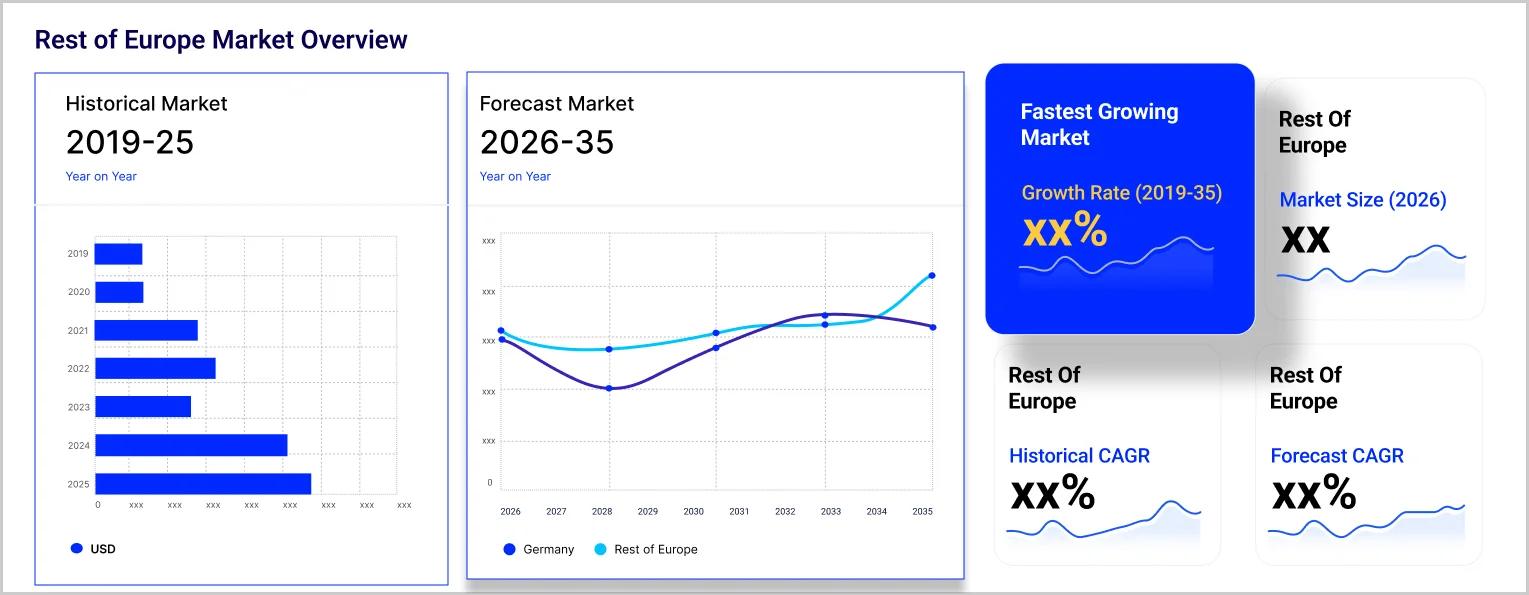
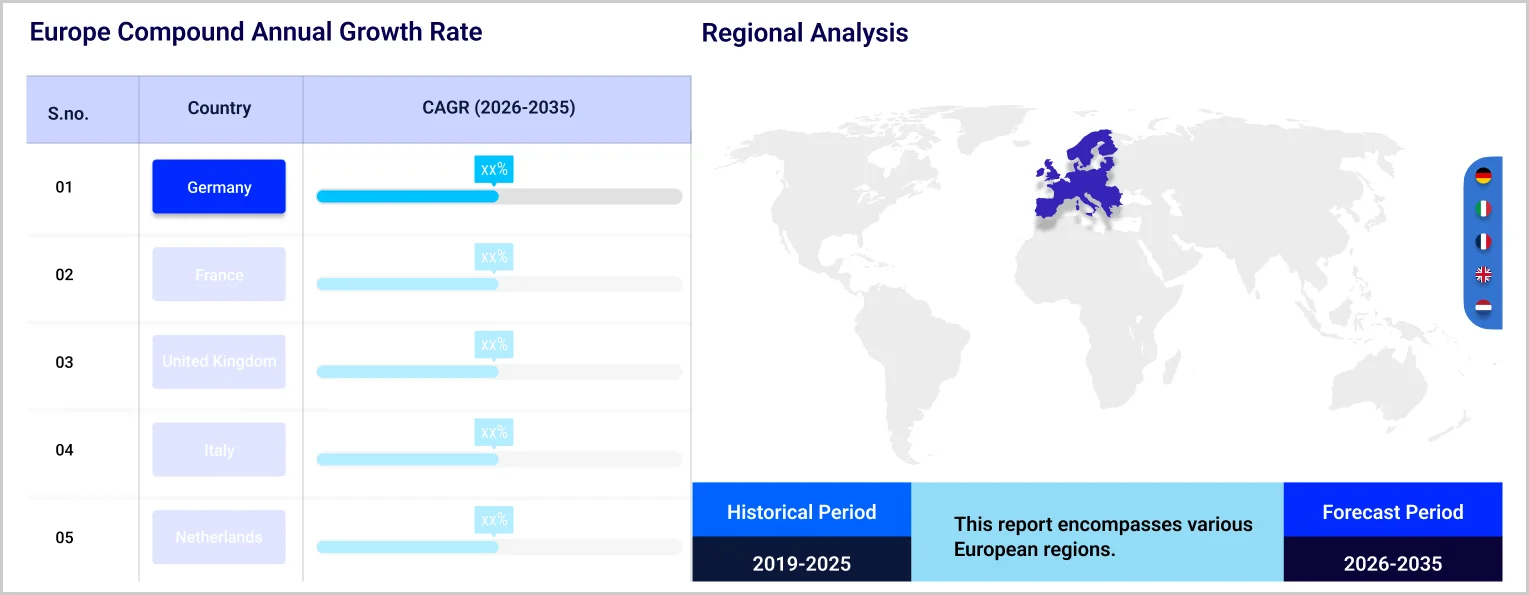
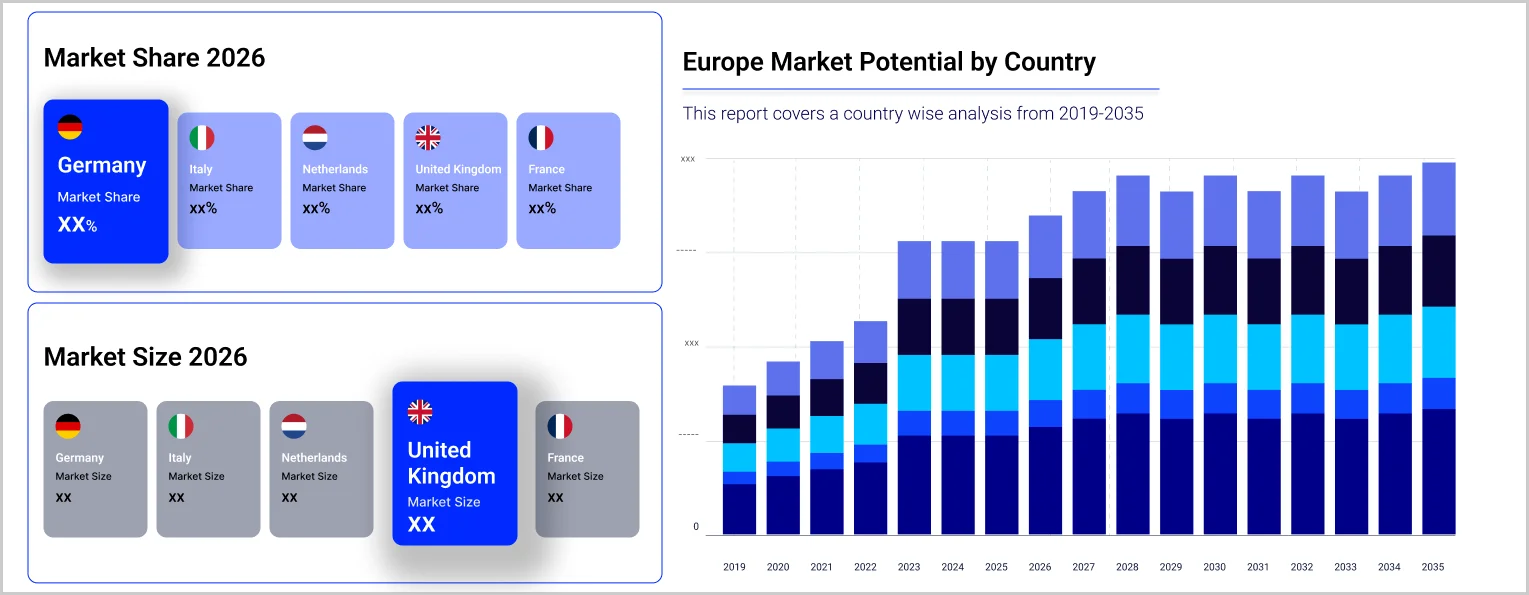
Key Insights: Germany leads the European BAS market with approximately 22% of regional revenue, reflecting Europe's largest commercial real estate market, strong manufacturing and industrial facility automation demand, and government renovation incentive programs. UK, France, and the Netherlands represent major markets. Spain is the fastest-growing market at 5.13% CAGR, as delayed EPBD transposition concentrates retrofit activity in a shorter compliance window.
The European Building Automation Systems market is led by global industrial and automation conglomerates-Siemens, Honeywell, Schneider Electric, Johnson Controls, and ABB-who offer comprehensive BAS solutions encompassing hardware, software platforms, and professional services, competing against specialized BAS providers and growing IoT-native platform companies.
Market dynamics are characterized by the convergence of BAS, energy management, and cybersecurity into unified smart building platforms, with the KNX IoT and BACnet/SC protocol standards enabling open interoperability that challenges proprietary vendor lock-in while enabling broader ecosystem partner integration.
Headquartered in Munich, Germany, Siemens is the global leader in building automation through its Siemens Smart Infrastructure division offering Desigo CC, Sinteso, and Apogee BAS platforms serving hospitals, airports, commercial buildings, and industrial facilities across Europe with comprehensive HVAC, fire safety, and security automation solutions.
Headquartered in Charlotte, North Carolina, Honeywell provides building automation through its Building Technologies division including Alerton BAS, Niagara Framework, and Forge Energy Management platforms, serving European commercial buildings with open-protocol HVAC control, energy analytics, and integrated security management systems.
Headquartered in Rueil-Malmaison, France, Schneider Electric provides the EcoStruxure Building platform encompassing BAS controllers, energy metering, and cloud analytics, serving European commercial and industrial customers with integrated energy management, occupancy analytics, and sustainability reporting capabilities.
Headquartered in Cork, Ireland (U.S. operations in Milwaukee), Johnson Controls provides OpenBlue building automation, York HVAC controls, and Sensormatic security systems for European commercial buildings, with AI-powered analytics and sustainability management capabilities designed for net-zero building transitions.
Other key players include ABB Ltd., Robert Bosch GmbH (Bosch Building Technologies), Sauter AG, Kieback&Peter GmbH, Priva Holding, and Beckhoff Automation.
*Please note that this is only a partial list; the complete list of key players is available in the full report. Additionally, the list of key players can be customized to better suit your needs.*
Unlock the latest insights into the Europe Building Automation Systems Market 2035 with our comprehensive report. Download your free sample now.


Upto 15% Off
USD
$2499 $2249
$3999 $3599
$4999 $4249
$5999 $5099


*While we strive to always give you current and accurate information, the numbers depicted on the website are indicative and may differ from the actual numbers in the main report. At Expert Market Research, we aim to bring you the latest insights and trends in the market. Using our analyses and forecasts, stakeholders can understand the market dynamics, navigate challenges, and capitalize on opportunities to make data-driven strategic decisions.*
The Europe Building Automation Systems Market was valued at USD 18.71 Billion in 2025.
Projected CAGR of 8.99% during 2026-2035, reaching USD 44.25 Billion by 2035.
Key drivers include EU EPBD BACS mandate requiring BAS in large non-residential buildings by 2025, growing energy cost pressures driving building energy optimization investment, ESG finance requirements demanding automated energy performance monitoring, and AI-powered BAS platforms delivering 20-30% additional energy savings beyond conventional controls.
Germany leads with approximately 22% of European market revenue, reflecting Europe's largest commercial real estate market and strong government renovation incentive programs channeling investment into building energy efficiency.
Major players include Siemens AG, Honeywell International, Schneider Electric, Johnson Controls, ABB, Robert Bosch (Bosch Building Technologies), and Sauter AG.
Explore our key highlights of the report and gain a concise overview of key findings, trends, and actionable insights that will empower your strategic decisions.
| REPORT FEATURES | DETAILS |
| Base Year | 2025 |
| Historical Period | 2019-2025 |
| Forecast Period | 2026-2035 |
| Scope of the Report |
Historical and Forecast Trends, Industry Drivers and Constraints, Historical and Forecast Market Analysis by Segment:
|
| Breakup by Component |
|
| Breakup by End User |
|
| Breakup by Building Life-Cycle |
|
| Breakup by Region |
|
| Market Dynamics |
|
| Competitive Landscape |
|
| Companies Covered |
|
Datasheet
One User
USD 2,499
USD 2,249
tax inclusive*
Single User License
One User
USD 3,999
USD 3,599
tax inclusive*
Five User License
Five User
USD 4,999
USD 4,249
tax inclusive*
Corporate License
Unlimited Users
USD 5,999
USD 5,099
tax inclusive*
*Please note that the prices mentioned below are starting prices for each bundle type. Kindly contact our team for further details.*
Flash Bundle
Small Business Bundle
Growth Bundle
Enterprise Bundle
*Please note that the prices mentioned below are starting prices for each bundle type. Kindly contact our team for further details.*
Flash Bundle
Number of Reports: 3
20%
tax inclusive*
Small Business Bundle
Number of Reports: 5
25%
tax inclusive*
Growth Bundle
Number of Reports: 8
30%
tax inclusive*
Enterprise Bundle
Number of Reports: 10
35%
tax inclusive*
How To Order

Select License Type
Choose the right license for your needs and access rights.

Click on ‘Buy Now’
Add the report to your cart with one click and proceed to register.

Select Mode of Payment
Choose a payment option for a secure checkout. You will be redirected accordingly.
Strategic Solutions for Informed Decision-Making
Gain insights to stay ahead and seize opportunities.

Get insights & trends for a competitive edge.

Track prices with detailed trend reports.

Analyse trade data for supply chain insights.

Leverage cost reports for smart savings

Enhance supply chain with partnerships.

Connect For More Information
Our expert team of analysts will offer full support and resolve any queries regarding the report, before and after the purchase.
Our expert team of analysts will offer full support and resolve any queries regarding the report, before and after the purchase.
We employ meticulous research methods, blending advanced analytics and expert insights to deliver accurate, actionable industry intelligence, staying ahead of competitors.
Our skilled analysts offer unparalleled competitive advantage with detailed insights on current and emerging markets, ensuring your strategic edge.
We offer an in-depth yet simplified presentation of industry insights and analysis to meet your specific requirements effectively.




