

Consumer Insights
Uncover trends and behaviors shaping consumer choices today
Procurement Insights
Optimize your sourcing strategy with key market data
Industry Stats
Stay ahead with the latest trends and market analysis.
The global facial recognition market was valued at USD 7.14 Billion in 2025. The market is expected to grow at a CAGR of 17.20% during the forecast period of 2026-2035 to reach a value of USD 34.91 Billion by 2035. Advancements in biometric sensing technologies and the increasing need for seamless, secure authentication across consumer electronics are major driving factors that are accelerating the market expansion.
The global facial recognition market is driven by rising demand for high-precision identity verification in security-sensitive environments, where advanced AI algorithms and liveness detection are improving authentication reliability and reducing spoofing risks. Another key driving factor is the rapid integration of facial recognition into consumer electronics and smart infrastructure, enabling seamless, contactless user experiences across devices, payments, and access systems. This convergence of security enhancement and convenience-focused automation is accelerating adoption across both enterprise and consumer applications, significantly supporting overall market expansion.
Smartphone manufacturers and digital payment ecosystems are increasingly integrating facial biometrics to enable frictionless identity verification without compromising security. Innovations in optical sensing, AI-driven facial analytics, and liveness detection are improving system reliability by accurately distinguishing real human faces from spoofing attempts such as photos, masks, or synthetic replicas. These developments are expanding the applicability of facial recognition across smartphones, laptops, digital payments, and other connected devices, thereby strengthening the overall demand in the facial recognition market.
Furthermore, the demand for uninterrupted device design and contactless authentication experiences is encouraging technology providers to develop compact, high-performance biometric modules that can operate in challenging environments such as under-display systems. For instance, in May 2026, Metalenz introduced an under-display camera capable of performing payment-grade facial authentication beneath a smartphone OLED display while maintaining full biometric integrity. The technology leverages metasurface optics and polarization-based sensing to detect genuine human skin and prevent spoofing attempts. Such innovations that combine advanced security with seamless device integration are expected to significantly accelerate the growth of the global facial recognition market.
Compound Annual Growth Rate
17.2%
Value in USD Billion
2026-2035
Get a sample of the market report in PDF – REQUEST A FREE SAMPLE
| Global Facial Recognition Market Report Summary | Description | Value |
| Base Year | USD Billion | 2025 |
| Historical Period | USD Billion | 2019-2025 |
| Forecast Period | USD Billion | 2026-2035 |
| Market Size 2025 | USD Billion | 7.14 |
| Market Size 2035 | USD Billion | 34.91 |
| CAGR 2019-2025 | Percentage | XX% |
| CAGR 2026-2035 | Percentage | 17.20% |
| CAGR 2026-2035 - Market by Region | Asia Pacific | 19.4% |
| CAGR 2026-2035 - Market by Country | USA | 19.1% |
| CAGR 2026-2035 - Market by Country | China | 18.3% |
| CAGR 2026-2035 - Market by Type | Facial Analytics | 18.1% |
| CAGR 2026-2035 - Market by Application | Security and Law Enforcement | 18.6% |
| Market Share by Country 2025 | India | 4.1% |
Godrej launched India’s first facial recognition-enabled home locker, integrating biometric authentication with smart digital locking systems for enhanced residential security. The solution combined facial recognition, fingerprint, and PIN-based access to deliver multi-layer protection. The launch reflected growing adoption of AI-driven smart home security solutions and advanced biometric integration in consumer devices.
EyeMatch AI introduced a facial recognition platform designed for high-speed identity verification and fraud detection across enterprise applications. The system leveraged advanced AI algorithms to improve recognition accuracy under diverse conditions. The development highlighted increasing enterprise reliance on scalable biometric authentication solutions, supporting growth in the facial recognition market.
Meta expanded facial recognition capabilities in its smart glasses, enabling real-time identity recognition and contextual interaction features. The update enhanced personalized user experiences and secure access through biometric authentication. The development marked continued convergence of wearable devices and AI-based identity systems in consumer technology.
Marubeni advanced biometric security collaboration initiatives focused on integrating facial recognition technologies into enterprise and infrastructure applications. The initiative aimed to strengthen digital identity verification systems and improve operational security efficiency. These developments reinforced enterprise adoption trends, supporting expansion of the global facial recognition market.
Ongoing technical challenges in improving mobile facial recognition reliability under low-light and under-display conditions are driving demand for more advanced biometric authentication systems. The need for higher accuracy, faster processing, and seamless smartphone integration is also strengthening innovation in secure identity verification technologies. These factors are reinforcing sustained R&D momentum in device-level biometrics, supporting the expansion of the global facial recognition market, as reflected in Google’s delayed Face Unlock upgrade during the Pixel 11 development cycle, announced in May 2026.
Growing demand for real-time, hands-free identity verification in wearable devices are accelerating the adoption of AI-powered facial recognition systems in smart glasses and AR ecosystems. The shift toward contextual authentication and personalized user interaction are boosting the integration of biometric intelligence in consumer electronics. This trend enhances convergence of augmented reality and identity verification technologies, strengthening innovation in the facial recognition market.
Increasing focus on proactive retail security and loss prevention are driving the adoption of subject recognition systems capable of identifying behavioral patterns and repeat offenders. Enhanced AI-powered video analytics are improving real-time monitoring and operational decision-making across retail environments. This shift toward intelligent surveillance is also expanding the application scope of biometric technologies beyond traditional security use cases, supporting growth in the facial recognition market. One key development aligning with this trend, is Auror’s subject recognition enhancement for retail intelligence, announced in November 2025.
Increasing preference for hygiene-focused, credential-free entry systems are accelerating the adoption of facial recognition in access control technologies across commercial and institutional infrastructure. Demand for faster, more secure, and seamless authentication methods are strengthening the integration of biometric systems with existing security frameworks. This trend is supporting the digital transformation of physical security infrastructure, contributing to the expansion of the facial recognition market, as demonstrated by SALTO’s facial recognition reader for access control applications, launched in January 2026.
Rising demand for secure, contactless identity verification in critical infrastructure and enterprise environments is driving the adoption of advanced facial recognition technologies. Enhanced accuracy, anti-spoofing capabilities, and faster authentication processes improve operational security efficiency. The shift toward AI-powered biometric systems also reduces reliance on traditional credentials and strengthens digital security frameworks, supporting long-term growth of the facial recognition market, as observed in IDEMIA’s VisionPass SP facial recognition solution for access control, launched in January 2024.
Read more about this report - REQUEST FREE SAMPLE COPY IN PDF
The Expert Market Research report titled “Global Facial Recognition Market Report and Forecast 2026-2035” offers a detailed analysis of the market based on the following segments:
Market Breakup by Types
Key Insight: The global facial recognition market comprising 2D facial recognition, 3D facial recognition, and facial analytics is driven by rising demand for higher accuracy, liveness detection, and AI-based behavioral insights. While 2D systems remain widely deployed for cost-efficient authentication, 3D facial recognition is gaining traction due to improved spoof resistance and depth-based precision. Facial analytics is expanding through emotion detection and demographic profiling used in retail and security optimization. Companies such as NEC and Apple are advancing their 3D biometric systems, while AI analytics tools are increasingly being embedded in surveillance ecosystems, supporting diversified technological adoption.
Market Breakup by Application
Key Insight: The global facial recognition market report analyzes sectors such as security and law enforcement, healthcare, retail, and others. Growth in each of these sectors is driven by the increasing adoption of biometric identification technologies to enhance safety, operational efficiency, and customer experience. Security and law enforcement dominate the market due to rising surveillance needs and crime prevention initiatives. Healthcare applications support patient identification and fraud reduction, while retail leverages facial analytics for personalization and operational efficiency. In May 2026, Disneyland deployed facial recognition for park entry and safety management, reflecting growing commercial integration of biometrics across entertainment and public-facing environments.
Market Breakup by Region
Key Insight: The global facial recognition market dynamics, that covers North America, Europe, Asia Pacific, Latin America, and the Middle East and Africa, are shaped by differing regulatory frameworks, security priorities, and technology adoption rates. North America registers leading market position due to strong enterprise and government surveillance investments, while Europe emphasizes strict privacy compliance in biometric deployments. Asia Pacific is rapidly expanding its share through smart city and public security initiatives, whereas Latin America and the Middle East and Africa focus on border control and law enforcement modernization. In May 2023, Amnesty International reported concerns over facial recognition use in Israel, highlighting regional disparities in surveillance practices.
Access Detailed Forecasts & Data-Driven Insights – Download Free PDF
By type, 3D facial recognition witnesses high demand owing to the under-display biometric innovation push
Growth in the 3D facial recognition market can be attributed to the increased demand for secure, non-spoofable, and under-display biometrics in smartphones and consumer electronic devices. Suppliers of smartphone products are directing their efforts on integrating depth sensing, infrared scanning, and other biometric recognition methods to ensure high accuracy in user authentication without sacrificing device design. Leading manufacturers such as Apple are exploring innovative methods to integrate 3D facial recognition technology beneath display panels to enable seamless biometric authentication, as demonstrated by the company’s work on an under-display 3D face recognition system in December 2025.
Additionally, the demand for facial analytics is fueled by an increased demand from enterprises for facial mapping technology-based authentication and security services. Enterprises are employing more complex algorithms for recognizing faces and extracting predictive data. For example, in March 2026, EyeMatch AI announced that it had released an updated version of its platform for fast authentication and improved fraud detection.
Get a sample of the market report in PDF – REQUEST A FREE SAMPLE
By application, the security and law enforcement category leads the market growth owing to increasing adoption of AI surveillance in public safety infrastructure
In terms of applications, the security and law enforcement category largely contributes to the facial recognition market value, driven by rising adoption of AI-enabled surveillance systems for crime prevention, suspect tracking, and public safety enhancement. Governments are increasingly integrating facial recognition into transport hubs and urban infrastructure to improve real-time monitoring capabilities. For example, in July 2025, India launched AI-based facial recognition systems across seven major railway stations to combat crimes against women, demonstrating expanding use of biometric surveillance in national security frameworks.
On the other hand, growth in the retail segment of the facial recognition market is driven by growing demand for loss prevention, customer behavior analytics, and enhanced in-store security systems. Retailers are adopting biometric technologies to identify repeat offenders and improve operational efficiency while balancing privacy concerns. In February 2024, grocery stores in New Zealand implemented facial recognition systems to reduce theft and improve safety, reflecting increasing retail-sector experimentation with biometric surveillance tools and their integration into everyday commercial environments.
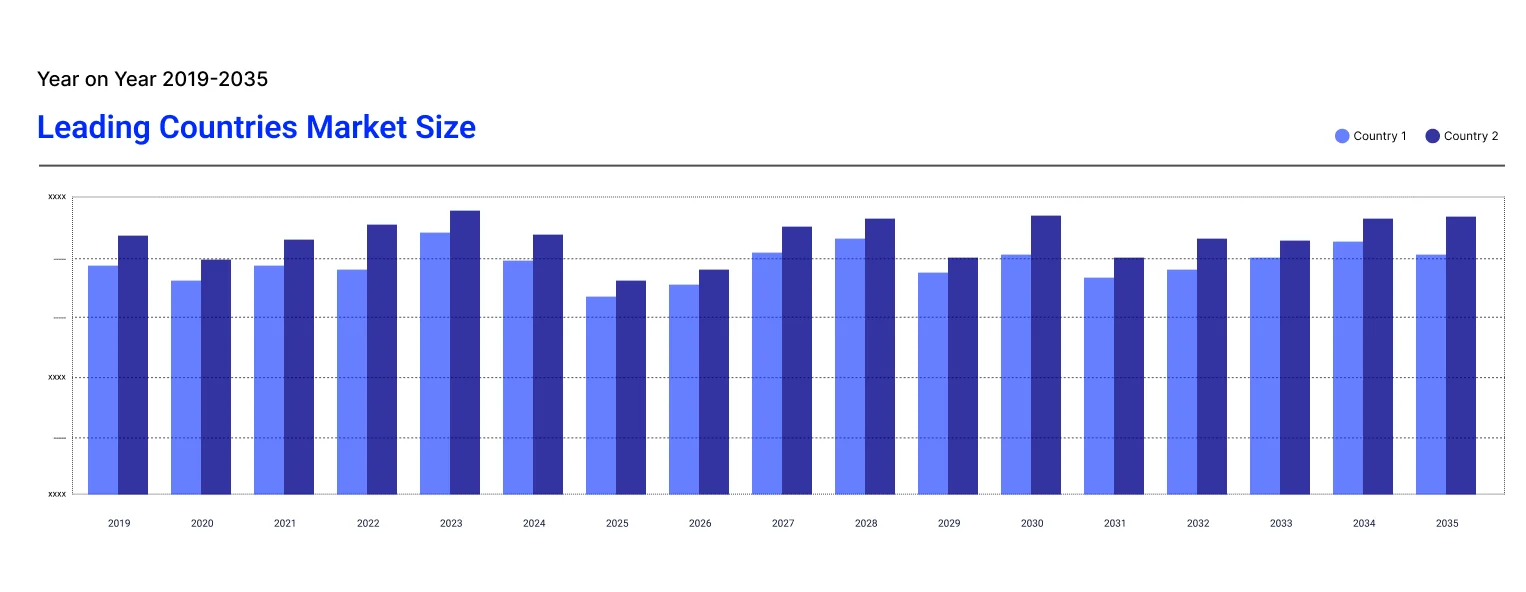
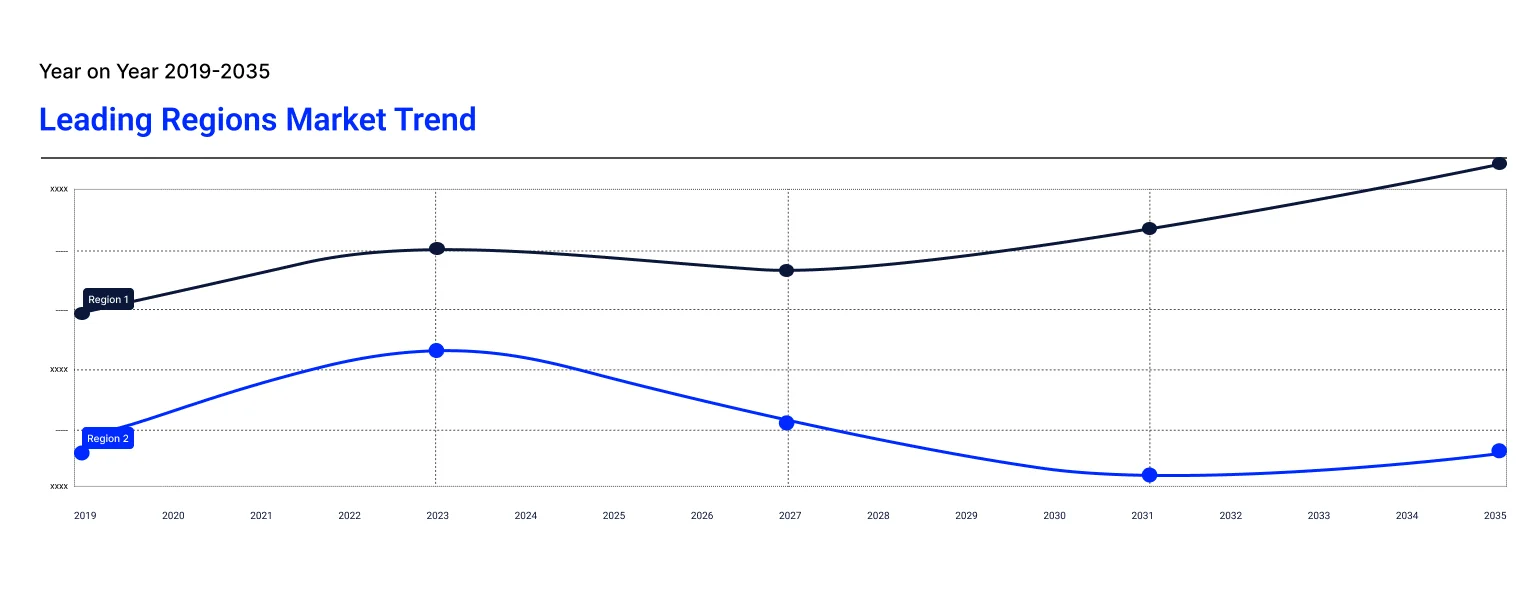
By region, Europe dominates the market driven by the ongoing regulatory-driven shift toward compliant biometric systems
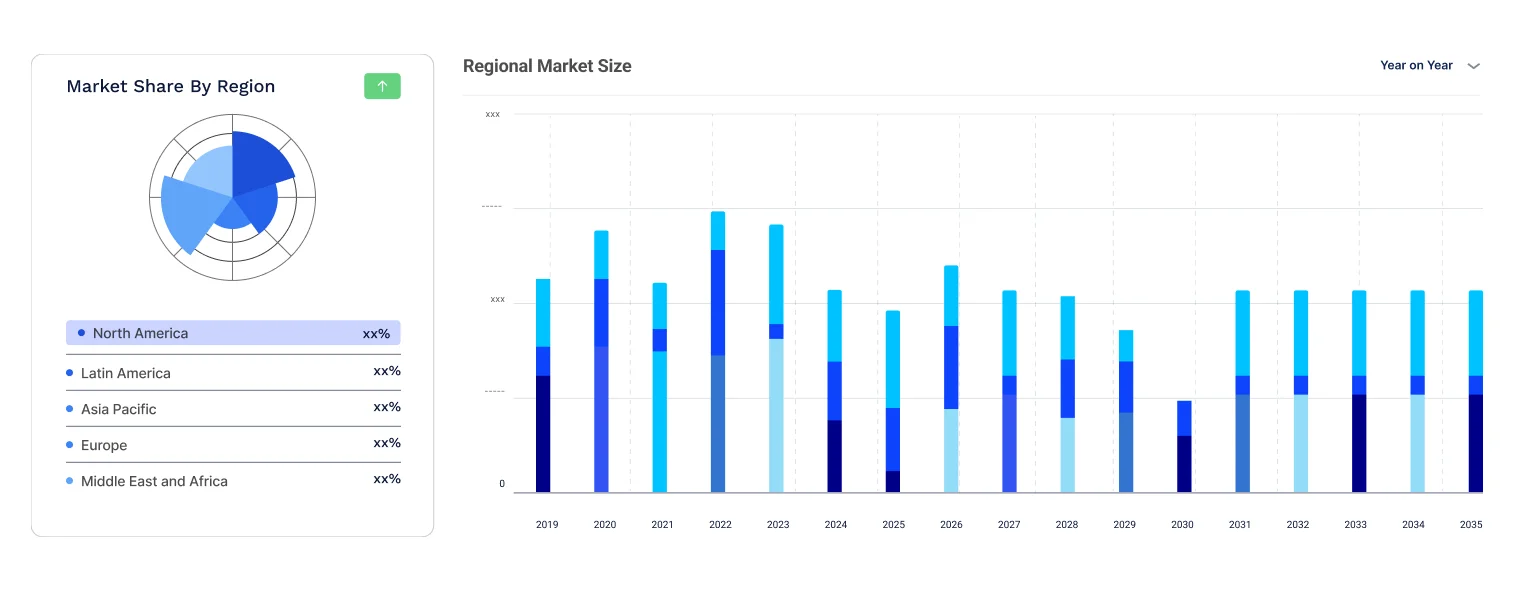
Dominance of the European facial recognition market is powered by the strict regulatory framework under the EU AI Act that restructures deployment tactics based on compliance, consent-based use of data, and huge fines for non-conformity. There are increased investments being made towards privacy-compliant biometric systems as well as regulated methods of constructing bioetric databases. The EU prepared for the full rollout of the EU AI Act in April 2026 by putting in place strict regulation of retrospective facial recognition.
The Asia Pacific facial recognition market shows robust growth driven by the fast digitization of mobility solutions and rising need for identity authentication and verification through secure and real-time processes within transport apps and ride-hailing apps. With rising risks regarding driver identity verification and fraud prevention, facial recognition technologies are becoming more prevalent in ride-hailing solutions. The inclusion of biometric verification in such mobility solutions brings about benefits including reduced chances of impersonation and increased efficiency. For example, since July 2022, Uber implemented driver verification through facial recognition technologies in China as a measure to enhance identity verification and prevent fraud within its ride-hailing solution.
Leading facial recognition market players are making great contributions to the expansion of the global industry through continuous investments in advanced technologies such as artificial intelligence, deep learning, and 3D biometrics to increase accuracy and spoof resistance. They are investing in the deployment of facial recognition technology to edge devices, smartphones, and smart infrastructure for real-time authentication. Integration of facial recognition technology in multimodal biometric systems along with voice recognition and behavior analytics is emerging as a key trend in the retail environments around the world.
Strategic collaboration and partnering with an ecosystem of companies is another key trend observed among market participants. This has been achieved by deploying facial recognition solutions on large scale across various industries including retail, healthcare, transportation, and smart city applications. Many facial recognition companies are also investing in cloud-based biometric solutions for increasing flexibility and interoperability.
Panasonic Corporation is an internationally diversified corporation involved in the manufacture of electronics, industrial systems, and intelligent systems such as imaging and biometric systems. Founded in 1918, the company is based in Osaka, Japan. The firm emphasizes innovation in consumer and business electronics.
Thales SA is an international technology firm that deals with aerospace, defense, and security solutions, including identity and biometric solutions. Founded in 2000, the company is located in Paris, France. Thales SA creates digital identity and authentication solutions around the world.
NEC Corporation is a multinational Japanese corporation offering IT services, artificial intelligence, and biometric identification services for security and infrastructure purposes. It was founded in 1899 and is based in Tokyo, Japan. The firm is well-known for its highly advanced facial recognition technology.
Cognitec Systems GmbH is a German company that specializes in developing facial recognition software for security, law enforcement, and business applications. Founded in 2002 and headquartered in Dresden, Germany, Cognitec Systems GmbH develops high-precision facial recognition systems globally.
Other key players in the global facial recognition market include Aware, Inc., Ayonix Face Technoligies Inc., Microsoft Corporation, FaceFirst, Inc., Fujitsu Limited, and FACEPHI BIOMETRÍA SA, among others.
*Please note that this is only a partial list; the complete list of key players is available in the full report. Additionally, the list of key players can be customized to better suit your needs.*
Explore the latest trends shaping the global facial recognition market 2026-2035 with our in-depth report. Gain strategic insights, future forecasts, and key market developments that can help you stay competitive. Download a free sample report or contact our team for customized consultation on global facial recognition market trends 2026.


Upto 15% Off
USD
$2499 $2249
$3999 $3599
$4999 $4249
$5999 $5099


*While we strive to always give you current and accurate information, the numbers depicted on the website are indicative and may differ from the actual numbers in the main report. At Expert Market Research, we aim to bring you the latest insights and trends in the market. Using our analyses and forecasts, stakeholders can understand the market dynamics, navigate challenges, and capitalize on opportunities to make data-driven strategic decisions.*
In 2025, the global facial recognition market attained a value of nearly USD 7.14 Billion.
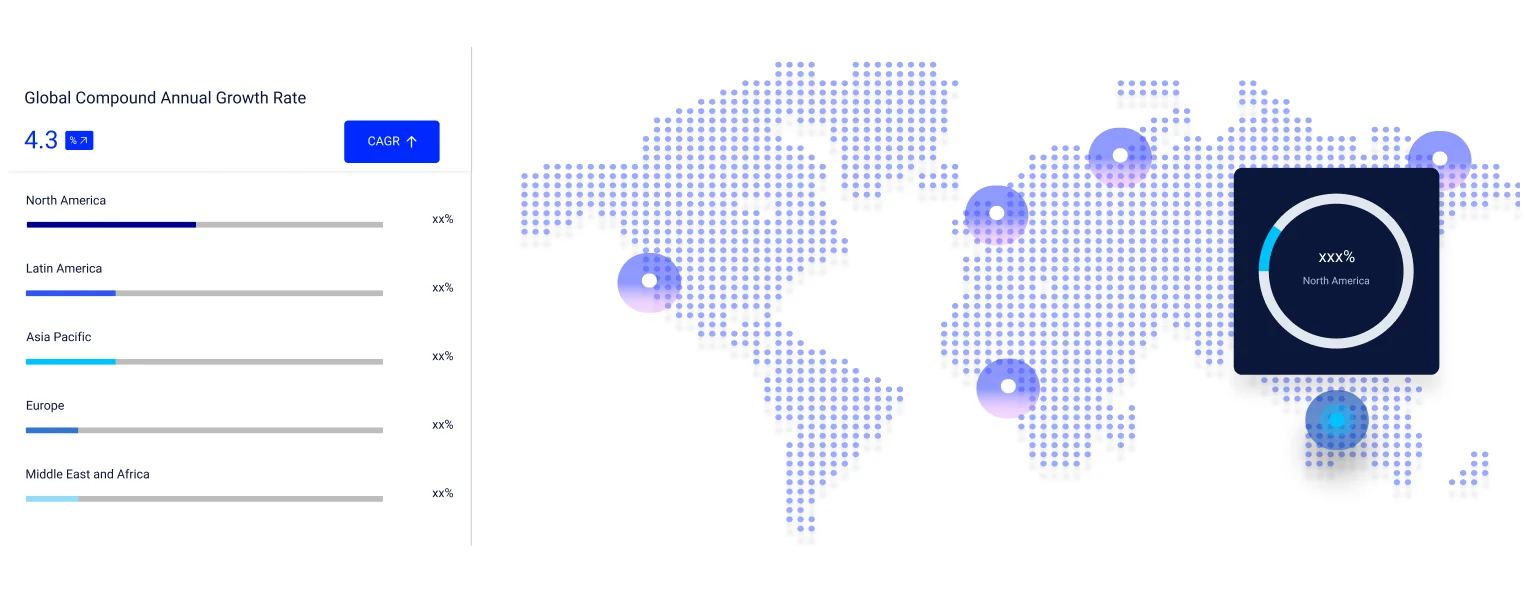
The market is projected to grow at a CAGR of 17.20% between 2026 and 2035.
The market is estimated to witness a healthy growth in the forecast period of 2026-2035 to reach about USD 34.91 Billion by 2035.
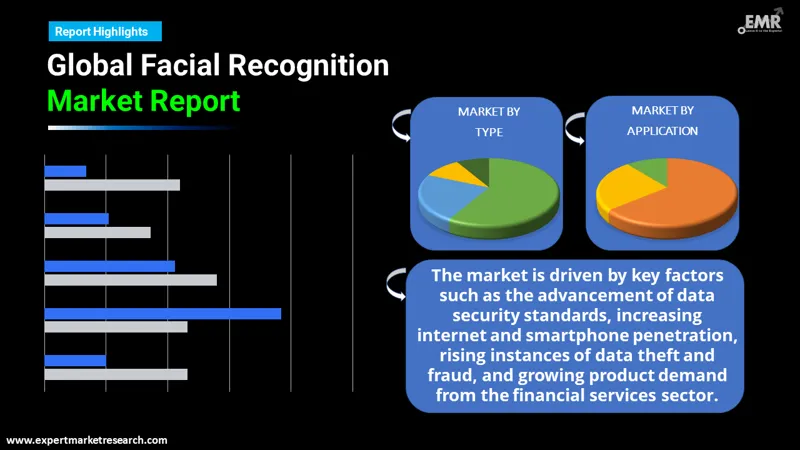
The major market drivers include the improving data security standards, the growing internet and smartphone penetration, increasing incidences of data theft and fraud, and the growing product demand from financial services sector.
The key market trends guiding the growth of the market include the growing technological advancements and the increasing adoption of automation in various enterprises.
The major regions in the market are North America, Latin America, the Middle East and Africa, Europe, and the Asia Pacific.
2D facial recognition, 3D facial recognition, and facial analytics are the leading types of facial recognition in the market.
Security and law enforcement, healthcare, and retail, among others, are the significant applications of the product in the market.
The major players in the market are Panasonic Corporation, Thales SA, NEC Corporation, Cognitec Systems GmbH, Aware, Inc., Ayonix Face Technoligies Inc., Microsoft Corporation, FaceFirst, Inc., Fujitsu Limited, and FACEPHI BIOMETRÍA SA, among others.
Explore our key highlights of the report and gain a concise overview of key findings, trends, and actionable insights that will empower your strategic decisions.
| REPORT FEATURES | DETAILS |
| Base Year | 2025 |
| Historical Period | 2019-2025 |
| Forecast Period | 2026-2035 |
| Scope of the Report |
Historical and Forecast Trends, Industry Drivers and Constraints, Historical and Forecast Market Analysis by Segment
|
| Breakup by Type |
|
| Breakup by Application |
|
| Breakup by Region |
|
| Market Dynamics |
|
| Competitive Landscape |
|
| Companies Covered |
|
| Report Price and Purchase Option | Explore our purchase options that are best suited to your resources and industry needs. |
| Delivery Format | Delivered as an attached PDF and Excel through email, with an option of receiving an editable PPT, according to the purchase option. |
Datasheet
One User
USD 2,499
USD 2,249
tax inclusive*
Single User License
One User
USD 3,999
USD 3,599
tax inclusive*
Five User License
Five User
USD 4,999
USD 4,249
tax inclusive*
Corporate License
Unlimited Users
USD 5,999
USD 5,099
tax inclusive*
*Please note that the prices mentioned below are starting prices for each bundle type. Kindly contact our team for further details.*
Flash Bundle
Small Business Bundle
Growth Bundle
Enterprise Bundle
*Please note that the prices mentioned below are starting prices for each bundle type. Kindly contact our team for further details.*
Flash Bundle
Number of Reports: 3
20%
tax inclusive*
Small Business Bundle
Number of Reports: 5
25%
tax inclusive*
Growth Bundle
Number of Reports: 8
30%
tax inclusive*
Enterprise Bundle
Number of Reports: 10
35%
tax inclusive*
How To Order

Select License Type
Choose the right license for your needs and access rights.

Click on ‘Buy Now’
Add the report to your cart with one click and proceed to register.

Select Mode of Payment
Choose a payment option for a secure checkout. You will be redirected accordingly.
Strategic Solutions for Informed Decision-Making
Gain insights to stay ahead and seize opportunities.

Get insights & trends for a competitive edge.

Track prices with detailed trend reports.

Analyse trade data for supply chain insights.

Leverage cost reports for smart savings

Enhance supply chain with partnerships.

Connect For More Information
Our expert team of analysts will offer full support and resolve any queries regarding the report, before and after the purchase.
Our expert team of analysts will offer full support and resolve any queries regarding the report, before and after the purchase.
We employ meticulous research methods, blending advanced analytics and expert insights to deliver accurate, actionable industry intelligence, staying ahead of competitors.
Our skilled analysts offer unparalleled competitive advantage with detailed insights on current and emerging markets, ensuring your strategic edge.
We offer an in-depth yet simplified presentation of industry insights and analysis to meet your specific requirements effectively.




