

Consumer Insights
Uncover trends and behaviors shaping consumer choices today
Procurement Insights
Optimize your sourcing strategy with key market data
Industry Stats
Stay ahead with the latest trends and market analysis.
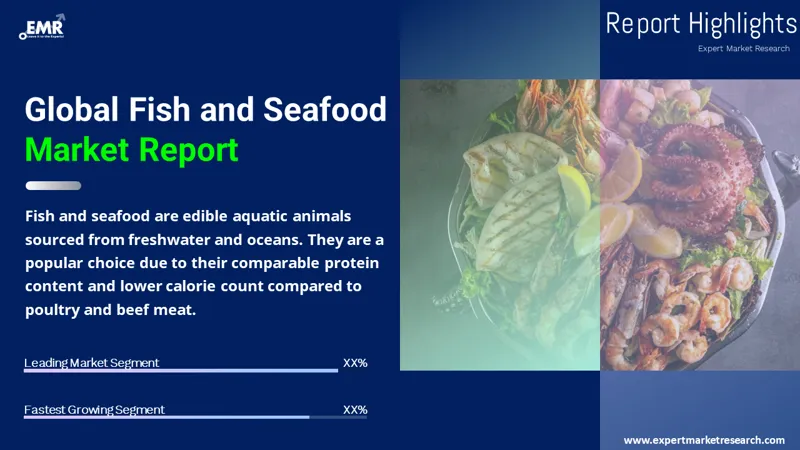
The global fish and seafood market attained a value of USD 423.92 Billion in 2025 and is projected to expand at a CAGR of 4.10% through 2035. The market is further expected to achieve USD 633.57 Billion by 2035. Increasing investments in offshore aquaculture technology, precision feed systems, and new approaches to preserve seafood are helping increase efficiency of production, create more opportunities for premium export, and enhance future food security on a global scale.
Investments in recirculating aquaculture systems are providing seafood producers with the opportunity to produce more with less water use and constant quality of their products all year round. On the other hand, increased use of high-pressure processing technology helps to extend the shelf life of seafood without affecting its freshness, which provides opportunities for food producers to reduce food losses and reach premium retail and foodservice outlets internationally.
The fish and seafood market is undergoing significant changes as the leading firms are investing in value-added processing as well as increasing the transparency in their supply chains. For instance, in April 2026, the Thai Union Group launched an AI-powered digital traceability tool for selected seafood products, enabling the buyers to track the sourcing, processing and logistics of their products in real-time. This change responds to growing procurement demands by retailers and foodservice establishments for sustainably sourced seafood products. As indicated by the Food and Agriculture Organization (FAO), in 2024, the global production of aquatic animals surpassed 185 million metric tons, with aquaculture accounting for more than 50% of seafood meant for human consumption. Such production increases continue to create opportunities for processors in producing premium frozen, chilled, and ready-to-cook seafood products.
Leading suppliers are focusing on certifications in responsible sourcing, regenerative aquaculture and low-emission processing technologies to gain long-term contracts from international retailers, widening the fish and seafood market scope. Companies are incorporating machine vision grading tools, intelligent freezing techniques, as well as using recyclable packaging materials to boost efficiency and minimize product losses. For example, in October 2025, BASF and Knauf launched 100% recyclable CELOOPS fish boxes, advancing sustainable cold-chain packaging for seafood logistics. Suppliers are even forging strategic partnerships with biotech companies to increase the freshness of their seafood products to enhance seafood freshness through natural preservation solutions rather than synthetic additives.
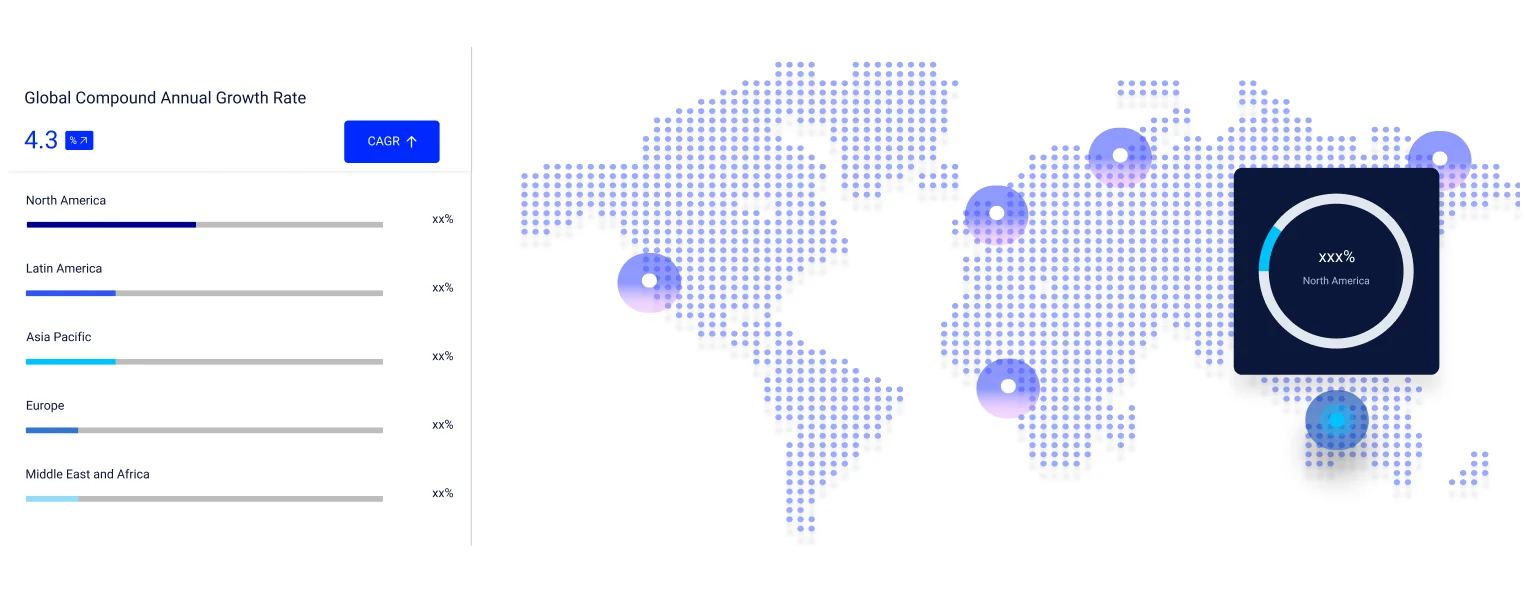
Compound Annual Growth Rate
4.1%
Value in USD Billion
2026-2035
Read more about this report - REQUEST FREE SAMPLE COPY IN PDF
India initiated the Letter of Authorisation scheme for high-seas fishing, providing benefits in the form of increased seafood exports through better regulation and use of resources. Companies therefore will be able to invest in their export-oriented seafood processing facilities and fishing fleets through favorable fishing regulations and international fish and seafood markets.
Proximar Seafood made an announcement regarding the private placement that would provide growth funding to the company. This move will help the company increase its production capabilities and enhance sustainable land-based salmon farming.
Karnataka Fisheries Development Corporation introduced an e-portal for ready-to-cook seafood, increasing digital accessibility and efficiency. Hence, there is scope for seafood businesses to create e-commerce sites and products for catering to rising internet-based demand for ready-to-cook seafood.
The United States National Science Foundation announced funding of USD 15 million to set up the New England Seafood Engine. Companies can work with research institutes on developing sustainable seafood technology for commercial purposes, boosting growth in the fish and seafood market.
Investment in land-based aquaculture is becoming increasingly strategic for seafood businesses to achieve more dependable production and reduced environmental impacts. Owing to the adoption of RAS technology, farmers are cultivating seafood all year round while drastically decreasing the use of water and incidences of disease. Leading players in the fish and seafood market such as Atlantic Sapphire and Nordic Aqua Partners are increasing their investments in commercial RAS farms to deliver superior-quality salmon to consumers near urban centers. Besides that, governments encourage sustainable aquaculture through policies and funding research. Following this trend, in July 2026, Khyber Aquaculture launched a recirculating aquaculture system trout farm in Kashmir targeting 7,000-metric-ton annual production.
With increasing demands from customers for greater transparency in the supply chain, processors are adopting digital traceability solutions including blockchain and artificial intelligence, redefining the fish and seafood market dynamics. These platforms assist the firms in verifying the origin of products and sustainability certifications as well as adherence to international regulations regarding food safety while reducing the risk of fraud. For example, Thai Union Group is introducing digital traceability programs for select seafoods to enhance traceability for commercial buyers. Similarly, in June 2025, Mars strengthened seafood traceability across pet food supply chains, enhancing responsible sourcing, transparency, and sustainable marine resource management. In addition, governments are also tightening the requirements for traceability. For instance, the European Union Illegal, Unreported and Unregulated (IUU) Fishing Regulation continues to drive digitalization of seafood imports.
In response to evolving foodservice and retail buying trends, fish and seafood market players are increasing the production of ready-to-cook, ready-to-eat, marinated, and portion-controlled products. Ready-to-eat seafood products yield higher margins while lowering labor demands for commercial kitchens. Major players like Mowi ASA and High Liner Foods keep increasing their value-added seafood lineups by creating frozen meals and seasoned seafood options. In January 2026, High Liner Foodservice launched fully cooked frozen seafood products, delivering convenient, value-added, protein-rich solutions for foodservice operators. Government-supported seafood promotion programs are contributing to higher seafood consumption. The Norwegian Seafood Council keeps supporting international marketing efforts which bolster demand for premium Norwegian seafood while prompting producers to develop diverse seafood products for restaurants, retailers, and institutional foodservice buyers.
Leading seafood firms are pursuing investment in recyclable packaging, energy-renewable processing factories, and refrigeration technology as a way to lower carbon emissions in operations. These steps allow export-oriented seafood firms to satisfy the retailer's demands for sustainable practices while boosting competitiveness across the fish and seafood market scope. Thai Union and other seafood processors around the world are also accelerating the development of packaging innovations that reduce plastic virgin material use for commercial products. On the other hand, in July 2026, Tetra Pak introduced industry-first carton packaging for shelf-stable tuna, enhancing sustainability, product protection, and logistics efficiency across Southeast Asia.
Aquaculture companies are reducing fishmeal usage in aquafeed by adopting insect protein, algae-based ingredients, and precision fermentation technologies. This trend in the fish and seafood market helps in increasing feed conversion efficiency, besides achieving sustainable goals. Firms like BioMar Group and Skretting are making investments in feed formulations, which minimize the exploitation of oceanic resources but do not hinder the growth of the fish. The governments are also forging stronger collaboration in research activities to speed up the process of commercialization. Demonstarating this shift, in July 2026, Omani Bioproducts launched a new aquafeed plant, targeting over 300,000 tons annual production for sustainable aquaculture growth.
Read more about this report - REQUEST FREE SAMPLE COPY IN PDF
The EMR’s report titled “Global Fish and Seafood Market Report and Forecast 2026-2035” offers a detailed analysis of the market based on the following segments:
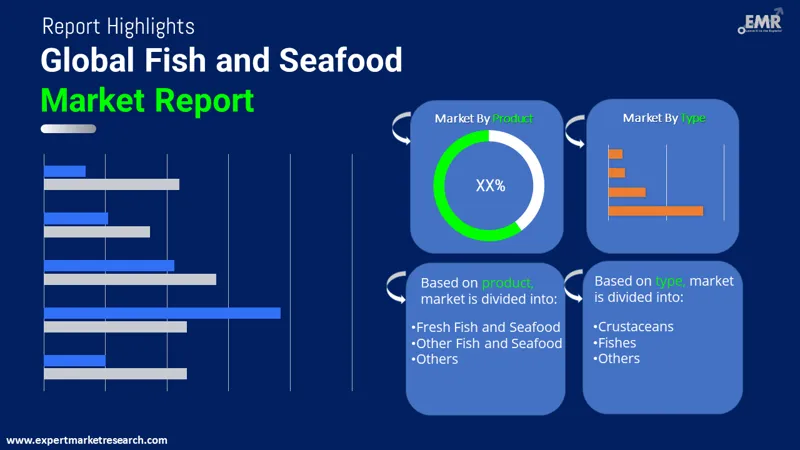
Market Breakup by Type
Key Insight: The fish and seafood market exhibits unique growth trajectories for all categories of products. The fish category continues to hold the largest market share on account of diverse uses in business, effective fish farming practices, and wide consumer acceptability. Crustaceans are witnessing quick growth because of premiumization, export prospects, and advancements in shrimp farming techniques. In July 2026, Dedicated Crustacean Expert Group was launched to advance global welfare standards, promoting sustainable harvesting, aquaculture, and responsible seafood practices. Molluscs keep generating demand from specialty food service outlets owing to nutritional and gastronomic qualities along with shellfish farming that is sustainable in nature.
Market Breakup by Product
Key Insight: Product segmentation as considered in the fish and seafood market report exhibits different consumer preferences in various commercial segments. Frozen fish and seafood is the leading segment owing to its efficient storage, quality consistency, and suitability for export. The fresh fish and seafood category is growing fast since high-end retailers and food service providers prefer fresh and locally-sourced fish and seafood. The canned fish and seafood segment continues to generate steady demand owing to its affordable prices, extended shelf life, and convenient packaging. There is another product category of fish and seafood comprising smoked, dried, marinade, and ready to eat products catering to specific consumer tastes.
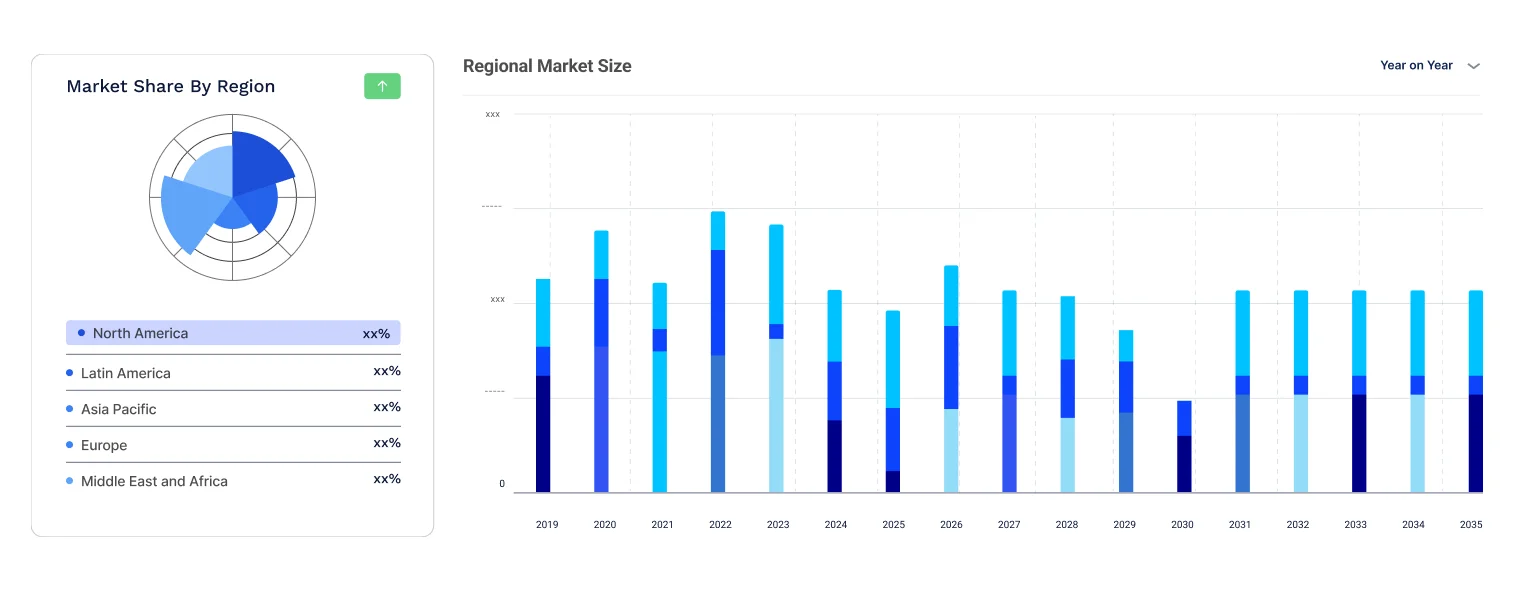
Market Breakup by Region
Key Insight: The overall fish and seafood market performance is influenced by different levels of production and consumption capabilities. Asia Pacific dominates the market with extensive aquaculture activities, advanced fish processing, and competitive exports. North America experiences rapid growth due to increasing demand for quality and sustainable seafood products, as well as investment in modern technologies. Europe continues to be an important region due to high sustainability standards and consumption of valuable seafood. Latin America is influenced due to its export-driven aquaculture and vast marine resources. Middle East and Africa regions are developing steadily due to increasing seafood imports, aquaculture, and increased hospitality.
Read more about this report - REQUEST FREE SAMPLE COPY IN PDF
By type, the fish category registers the largest market share due to extensive commercial harvesting, aquaculture expansion, and broad consumer acceptance
The dominance of the fish segment in the fish and seafood market is driven by its extensive consumption, supported by both wild-caught fisheries and rapidly expanding aquaculture production, ensuring consistent supply, affordability, and widespread availability across retail and foodservice channels. The continuous investments in aquaculture operations for species such as salmon, tilapia, pangasius, tuna, and seabass are contributing towards maintaining adequate supply throughout the year. The preferred source of seafood among foodservice operators and retailers includes fish owing to product versatility, easy processing, and availability in various formats including fresh, frozen, smoked, and ready to cook variants. In July 2026, India joined the WTO fisheries pact, advancing digital seafood traceability to support sustainable exports exceeding USD 10 billion.
Crustaceans are expected to register significant growth in the fish and seafood market because of rising consumption of shrimp, crab, and lobster in premium retail and hospitality sectors. Producers are increasing the capacity of shrimp farming operations using bio-security technology and precision feeding in order to increase survival and productivity. The commercial buyers are favoring crustaceans because of their potential for premium prices and high export demand.
By product, the frozen fish and seafood category leads the market growth owing to longer shelf life and export efficiency
The largest market share belongs to frozen fish and seafood since freezing is an effective way of preserving freshness and delivering the product over vast distances. Buyers such as retailers, wholesalers, institutions, and foodservice organizations prefer frozen fish as it allows for flexibility and decreased spoilage. New methods of individually quick freezing and top-notch packaging are being developed by manufacturers to preserve texture and nutrition of the product. Moreover, frozen seafood allows for international export as exporters can deliver their goods to distant countries without any change in consistency and quality, which is why this segment is preferred in global commercial channels. In July 2026, Just Shrimp entered the frozen seafood category, expanding premium shrimp offerings through convenient, retail-ready frozen product innovations.
Development in the fish and seafood market is experienced through the fresh segment due to increasing demand for minimally processed premium seafood of guaranteed freshness. Chilled seafood counters are expanding in supermarkets and specialized retailers with the help of cold chain logistics and fast delivery. Aquaculture companies are decreasing time cycles with the help of regional centers of production. In addition, there is growing demand from high-end restaurants and hospitality organizations for fresh local seafood.
Read more about this report - REQUEST FREE SAMPLE COPY IN PDF
Asia Pacific accounts for the largest share of the market through aquaculture leadership, seafood exports, and processing capacity
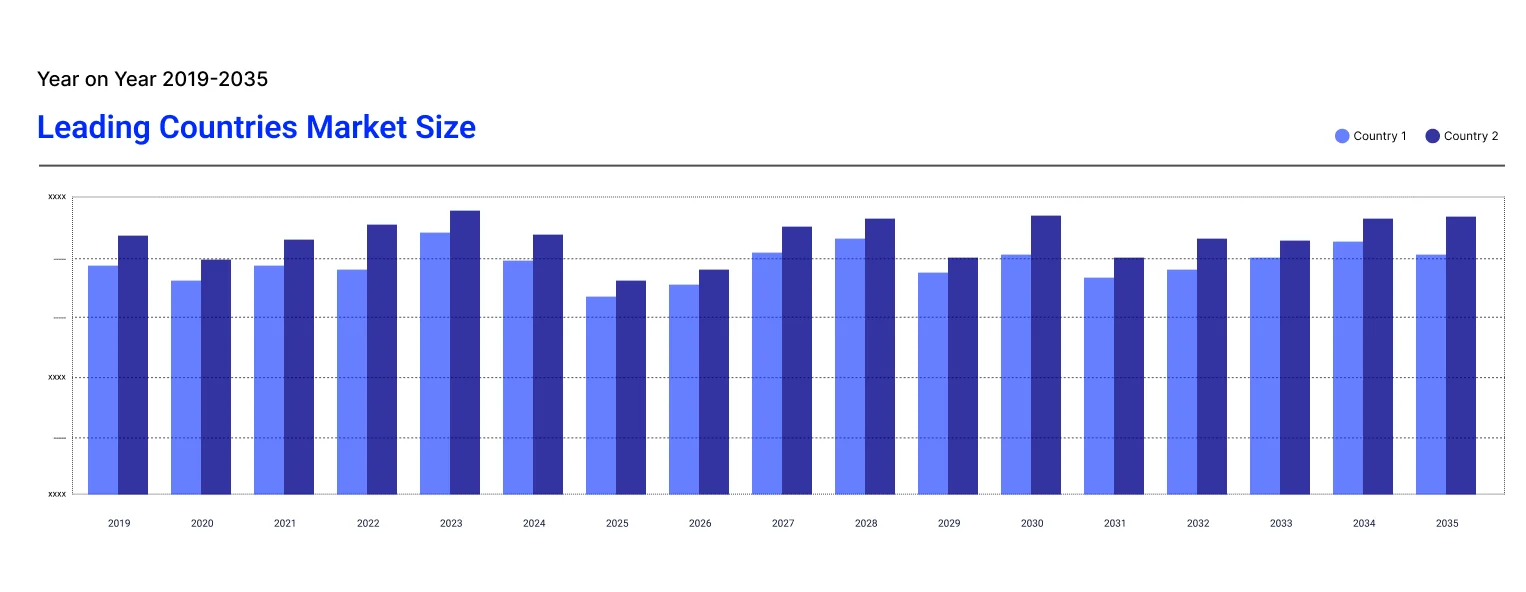
Asia Pacific serves as the largest regional fish and seafood market due to the presence of high aquaculture production and robust seafood consumption. Nations like China, India, Vietnam, Indonesia, and Japan are making significant strides towards expanding their farming facilities and developing modern seafood processing techniques. The region is enjoying an abundance of marine resources, efficient processing capabilities, and cost-effective production processes. Modernization of cold chain logistics and development of export-focused seafood production enables companies in the region to supply major international markets while meeting domestic demands for quality seafood products.
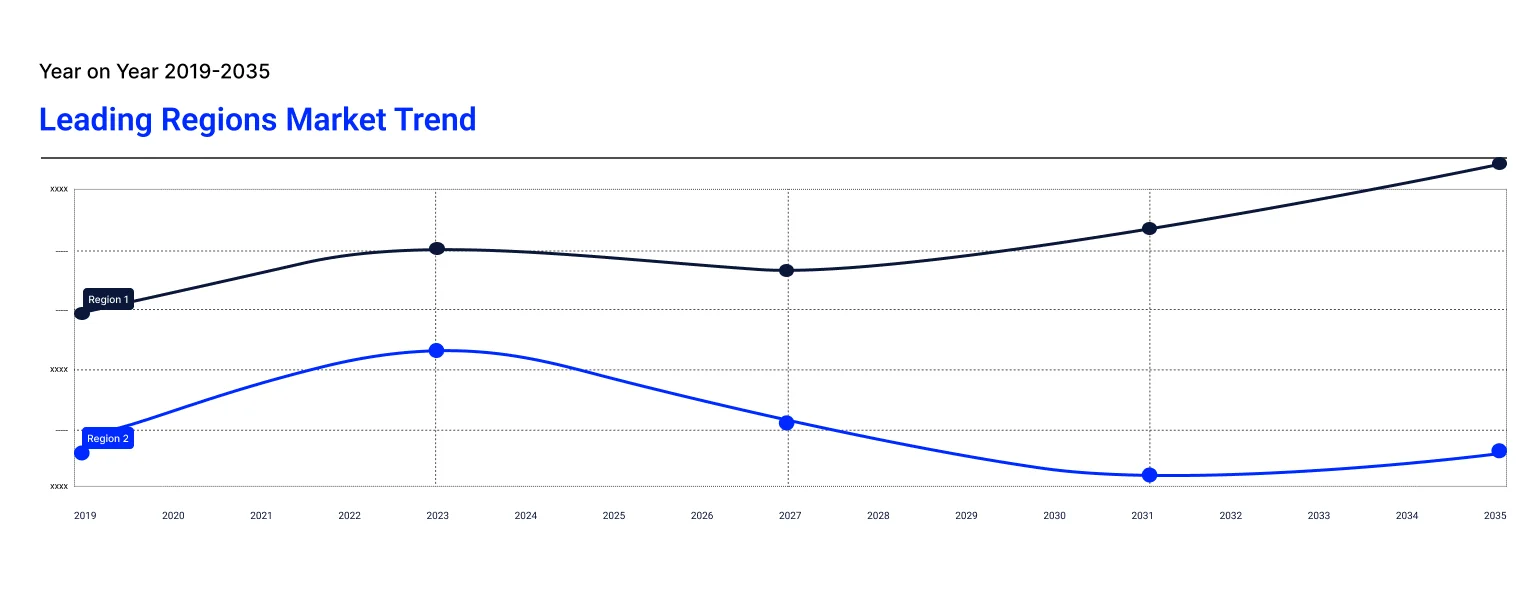
The North American region is anticipated to be the fastest-growing regional fish and seafood market because of the rising demand for sustainable seafood, quality convenience products, and investments in aquaculture. Food retail chains and foodservice providers in the region are increasing their product lines with certified seafood products that offer digital traceability and sustainability credentials. Producers are making efforts in the development of land-based aquaculture facilities, automation of processing facilities, and value-added seafood products in order to cut down import dependence. In July 2026, NOAA announced regional seafood priorities, strengthening domestic fisheries, production, market access, and supply chain competitiveness across the United States.
The competitiveness of the market is on the rise as fish and seafood companies concentrate on high-quality seafood items, digital traceability, sustainable aquaculture, and value addition. The leading players are putting up initiatives aimed at improving yields through the use of AI systems for product grading, automated filleting and state-of-the-art freezing systems for quality maintenance.
Leading fish and seafood market players are offering products that are ready for cooking and those rich in protein content as a way of meeting the needs of food service and retailing industries. Partnerships with technology firms in aquaculture, packaging, and logistics are giving businesses an opportunity to develop resilient supply chains. Growth opportunities abound in the areas of land-based aquaculture, sustainable seafood, functional seafood items, alternative aquaculture feedstock, and recyclable packaging.
High Liner Foods Incorporated, established in 1899 and based in Nova Scotia, Canada, is one of the main suppliers of frozen seafood products in North America. The company is engaged in the production of added-value seafood, with the development of chef-inspired meals, premium breaded seafood, and retail products. It keeps developing new products with automated processes, and sustainable sourcing programs for building relationships with retailers and food service partners.
Established in 1899 and headquartered in Bergen, Norway, Leroy Seafood Group is one of the largest fish and seafood market companies in the world, producing salmon farming, processing, and distribution services. The company engages in digital aquaculture technology, automatic harvesting, and fish welfare systems. The integrated value chain helps to provide high quality of products for supermarkets, wholesalers, restaurants, and export businesses around the globe.
Lyons Seafoods Co., founded in 1958 and based in the United Kingdom, is known for its luxury prawns and chilled seafood products. The company strives to source responsibly and provide innovative packaging options, accelerating the fish and seafood market growth. The company is consistently investing in its processing technologies in order to produce top-notch seafood products that satisfy growing consumer demands.
Maruha Nichiro Corporation was established in 1880 and is based in Tokyo, Japan. It has been operating in fisheries, aquaculture, seafood processing and food manufacturing sectors and developing high-quality frozen seafood products, ready-to-eat meals, and functional marine products. The company is consistently investing in its processing technologies to improve efficiency and enhance its worldwide seafood business.
Other key players in the market include Thai Union Group PCL, Trident Seafoods Corporation, Austevoll Seafood ASA, Pacific Seafood, Mowi ASA, and Tassal, among others.
*Please note that this is only a partial list; the complete list of key players is available in the full report. Additionally, the list of key players can be customized to better suit your needs.*
Unlock the latest insights with our fish and seafood market trends 2026 report. Discover regional growth patterns, consumer preferences, and key industry players. Stay ahead of competition with trusted data and expert analysis. Download your free sample report today and drive informed decisions in the market.


Upto 15% Off
USD
$2499 $2249
$3999 $3599
$4999 $4249
$5999 $5099


*While we strive to always give you current and accurate information, the numbers depicted on the website are indicative and may differ from the actual numbers in the main report. At Expert Market Research, we aim to bring you the latest insights and trends in the market. Using our analyses and forecasts, stakeholders can understand the market dynamics, navigate challenges, and capitalize on opportunities to make data-driven strategic decisions.*
The market is projected to grow at a CAGR of 4.10% between 2026 and 2035.
The major regions in the industry are North America, Latin America, the Middle East and Africa, Europe, and the Asia Pacific.
Expanding sustainable aquaculture investments, adopting AI-driven processing, strengthening digital traceability, developing premium convenience products, improving recyclable packaging, and building strategic retail partnerships are creating stronger long-term competitive advantages.
The increasing inclination towards seafood owing to the high nutrition content and rising demand for fish and seafood from Asia and the Americas are the key trends guiding the growth of the industry.
Molluscs, crustaceans, and fishes, among others are the major types of fish and seafoods included in the market.
Fresh fish and seafood, canned fish and seafood, and frozen fish and seafood, among other fish and seafood are the different products included in the market.
The key players in the market include High Liner Foods Incorporated, Leroy Seafood Group, Lyons Seafoods Co., Maruha Nichiro Corporation, Thai Union Group PCL, Trident Seafoods Corporation, Austevoll Seafood ASA, Pacific Seafood, Mowi ASA, and Tassal, among others.
In 2025, the market reached an approximate value of USD 423.92 Billion.
The market is estimated to witness healthy growth in the forecast period of 2026-2035 to reach a value of around USD 633.57 Billion by 2035.
Maintaining sustainable fish stocks, complying with evolving environmental regulations, controlling aquaculture diseases, managing volatile raw material costs, ensuring traceability, and addressing climate-related supply chain disruptions remain major industry challenges.
Explore our key highlights of the report and gain a concise overview of key findings, trends, and actionable insights that will empower your strategic decisions.
| REPORT FEATURES | DETAILS |
| Base Year | 2025 |
| Historical Period | 2019-2025 |
| Forecast Period | 2026-2035 |
| Scope of the Report |
Historical and Forecast Trends, Industry Drivers and Constraints, Historical and Forecast Market Analysis by Segment:
|
| Breakup by Type |
|
| Breakup by Product |
|
| Breakup by Region |
|
| Market Dynamics |
|
| Competitive Landscape |
|
| Companies Covered |
|
| Report Price and Purchase Option | Explore our purchase options that are best suited to your resources and industry needs. |
| Delivery Format | Delivered as an attached PDF and Excel through email, with an option of receiving an editable PPT, according to the purchase option. |
Datasheet
One User
USD 2,499
USD 2,249
tax inclusive*
Single User License
One User
USD 3,999
USD 3,599
tax inclusive*
Five User License
Five User
USD 4,999
USD 4,249
tax inclusive*
Corporate License
Unlimited Users
USD 5,999
USD 5,099
tax inclusive*
*Please note that the prices mentioned below are starting prices for each bundle type. Kindly contact our team for further details.*
Flash Bundle
Small Business Bundle
Growth Bundle
Enterprise Bundle
*Please note that the prices mentioned below are starting prices for each bundle type. Kindly contact our team for further details.*
Flash Bundle
Number of Reports: 3
20%
tax inclusive*
Small Business Bundle
Number of Reports: 5
25%
tax inclusive*
Growth Bundle
Number of Reports: 8
30%
tax inclusive*
Enterprise Bundle
Number of Reports: 10
35%
tax inclusive*
How To Order

Select License Type
Choose the right license for your needs and access rights.

Click on ‘Buy Now’
Add the report to your cart with one click and proceed to register.

Select Mode of Payment
Choose a payment option for a secure checkout. You will be redirected accordingly.
Strategic Solutions for Informed Decision-Making
Gain insights to stay ahead and seize opportunities.

Get insights & trends for a competitive edge.

Track prices with detailed trend reports.

Analyse trade data for supply chain insights.

Leverage cost reports for smart savings

Enhance supply chain with partnerships.

Connect For More Information
Our expert team of analysts will offer full support and resolve any queries regarding the report, before and after the purchase.
Our expert team of analysts will offer full support and resolve any queries regarding the report, before and after the purchase.
We employ meticulous research methods, blending advanced analytics and expert insights to deliver accurate, actionable industry intelligence, staying ahead of competitors.
Our skilled analysts offer unparalleled competitive advantage with detailed insights on current and emerging markets, ensuring your strategic edge.
We offer an in-depth yet simplified presentation of industry insights and analysis to meet your specific requirements effectively.




