

Consumer Insights
Uncover trends and behaviors shaping consumer choices today
Procurement Insights
Optimize your sourcing strategy with key market data
Industry Stats
Stay ahead with the latest trends and market analysis.
The global g-protein coupled receptors market was valued at USD 3.99 Billion in 2025. It is poised to grow at a CAGR of 5.10% during the forecast period of 2026-2035, and reach USD 6.56 Billion by 2035. The market growth is driven by the expanding role of GPCRs as the largest druggable target class in modern pharmacology, rising R&D spending on biologics and allosteric modulators, the continued clinical success of GLP-1 receptor agonists in obesity and diabetes, and growing adoption of high-throughput screening assays in drug discovery workflows.
Compound Annual Growth Rate
5.1%
Value in USD Billion
2026-2035
The market reached a value of approximately USD 3.99 Billion in 2025. Steady expansion is anticipated over the forecast period, supported by sustained pharmaceutical investment in cell-based assays and biochemical assays for receptor profiling. The growing demand for cAMP, calcium flux, and reporter gene assay platforms is reinforcing throughput, while integration with high-content imaging and biosensor-based detection is improving data quality. Rising interest in biased agonism, allosteric modulation, and GPCR-targeted antibodies is broadening the assay user base. Additionally, expanding adoption across cardiovascular, metabolic, oncology, and neurological pipelines, supported by progress in cryo-EM and structure-based design, is expected to sustain long-term growth in drug discovery.
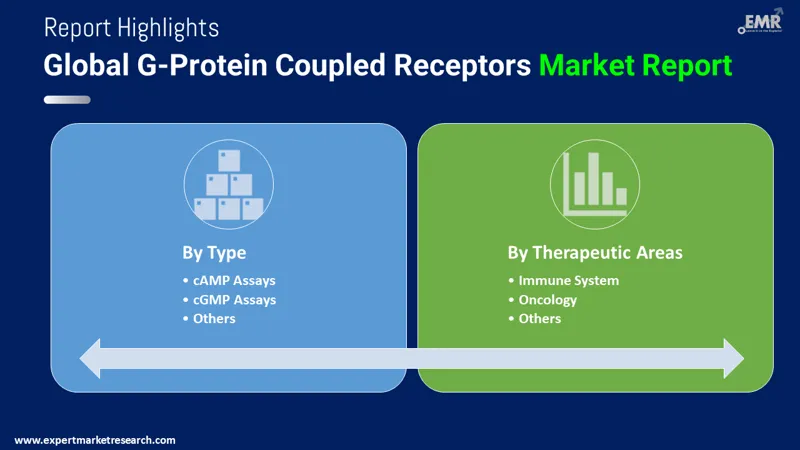
Market Breakup by Type
The market is segmented by assay type into calcium level detection, GTP gamma S binding, cAMP, cGMP, reporter gene, and other assays, each addressing distinct GPCR signalling pathways. cAMP assays are likely to lead due to their broad applicability across Gs- and Gi-coupled receptors, while reporter gene and calcium flux assays continue to anchor primary screening campaigns. Increasing automation and miniaturization are supporting demand across functional drug discovery applications.
Market Breakup by Therapeutic Areas
Based on therapeutic area, the market spans cardiovascular, central nervous system, immune system, oncology, and other indications, with CNS likely to lead due to the high prevalence of neurological and psychiatric disorders and a deep pipeline of GPCR modulators. Cardiovascular and metabolic indications are expanding rapidly on the back of GLP-1 receptor agonists, while immune and oncology applications are growing as chemokine and adhesion receptor biology is better understood.
Market Breakup by Region
The market is segmented by region into North America, Europe, Asia Pacific, Latin America, and the Middle East and Africa. North America is expected to dominate due to concentrated pharmaceutical R&D, mature biotech infrastructure, and well-funded academic translational programs, while Europe maintains steady growth. Asia Pacific is expected to expand rapidly, supported by rising contract research outsourcing and growing investment in domestic biopharma capacity.
Read more about this report - REQUEST FREE SAMPLE COPY IN PDF
|
Analysis Type |
Factors |
Example |
|
Market Drivers |
Rising R&D investment in GPCR-targeted drug discovery and the growing pipeline of biologics |
Expanding clinical success of GLP-1 receptor agonists in obesity and type 2 diabetes is supporting sustained assay demand |
|
Market Restraints |
Technical complexity of GPCR expression, purification, and functional characterization |
Membrane protein instability limits assay throughput and increases reagent costs in screening programs |
|
Market Opportunities |
Growth of AI-enabled antibody discovery and structure-based design platforms |
Increasing use of cryo-EM and machine learning to identify allosteric modulators and biased agonists |
This section analyzes the key factors influencing market growth, including disease burden, technology adoption, regulatory drivers, cost dynamics, and ecosystem shifts, while integrating interlinking keywords to highlight industry-wide connections.
Validated Expansion of GPCR-Targeted Therapeutics Supporting Market Growth
The market is strongly supported by sustained clinical validation of GPCR-targeting therapies across multiple indications. In January 2025, a peer-reviewed Wiley pharmacology review confirmed that more than 500 approved drugs target 121 GPCRs, representing a significant proportion of marketed therapeutics and reinforcing their central role in modern drug development. This widespread clinical utilization demonstrates long-term pharmaceutical dependence on receptor-based mechanisms. The findings further highlight growing demand for receptor-targeted therapeutics, driven by expanding pipelines in oncology, metabolic, and neurological disorders, strengthening the market’s structural foundation and supporting continued pharmaceutical innovation and commercial expansion.
Technical Complexity of GPCR Assays Limiting Market Penetration
The technical complexity associated with GPCR expression, purification, and conformationally relevant antigen production remains a major restraint, particularly for laboratories with limited specialized infrastructure. Membrane protein instability, low expression yields, and the need for stabilising fusion partners or detergents drive up assay development timelines and reagent costs. However, ongoing advances in cell-free expression systems, nanodisc technology, and cryo-EM-guided design are gradually improving assay tractability and supporting wider adoption across the market during the forecast period.
The rapid expansion of artificial intelligence and machine learning platforms in antibody discovery is creating significant growth opportunities in the market. AI-enabled antigen design and predictive modeling are improving success rates in identifying functional therapeutic antibodies targeting GPCRs, while significantly reducing early-stage development timelines. The growing maturity of GPCR antibody pipelines, supported by already approved therapies such as mogamulizumab, erenumab, and talquetamab, is encouraging broader exploration of receptor-targeted biologics. These advancements are expanding the addressable therapeutic landscape and strengthening innovation in biologics development, thereby enhancing long-term growth prospects across the GPCR-focused drug discovery ecosystem.
AI-Driven Computational Modeling Transforming
The GPCR drug discovery landscape is rapidly evolving due to artificial intelligence and advanced computational modeling technologies. In January 2026, a peer-reviewed study published via arXiv introduced GPCR-Filter, a deep learning framework designed to enhance ligand-receptor prediction using protein language models and graph neural networks. This innovation significantly improves early-stage screening efficiency and reduces drug discovery timelines for complex receptor targets. The adoption of AI-driven platforms is transforming computational pharmacology, enabling faster identification of viable therapeutic candidates and improving success rates in previously undruggable receptor classes, marking a major shift toward data-centric pharmaceutical research and precision drug design.
Oncology Likely to Lead the Market Segment by Therapeutic Area
The oncology segment is likely to lead, as it accounted for more than 28% market share in the historical period. The rising prevalence of cancer and increasing focus on targeted therapies are driving strong demand for receptor-based drug development. Pharmaceutical companies are investing heavily in precision medicine approaches to improve treatment outcomes and reduce side effects. Advancements in biologics and molecular research are further accelerating innovation. Growing adoption of GPCR drug discovery in oncology research is strengthening its application in identifying novel cancer treatment targets and improving therapeutic pipeline development.
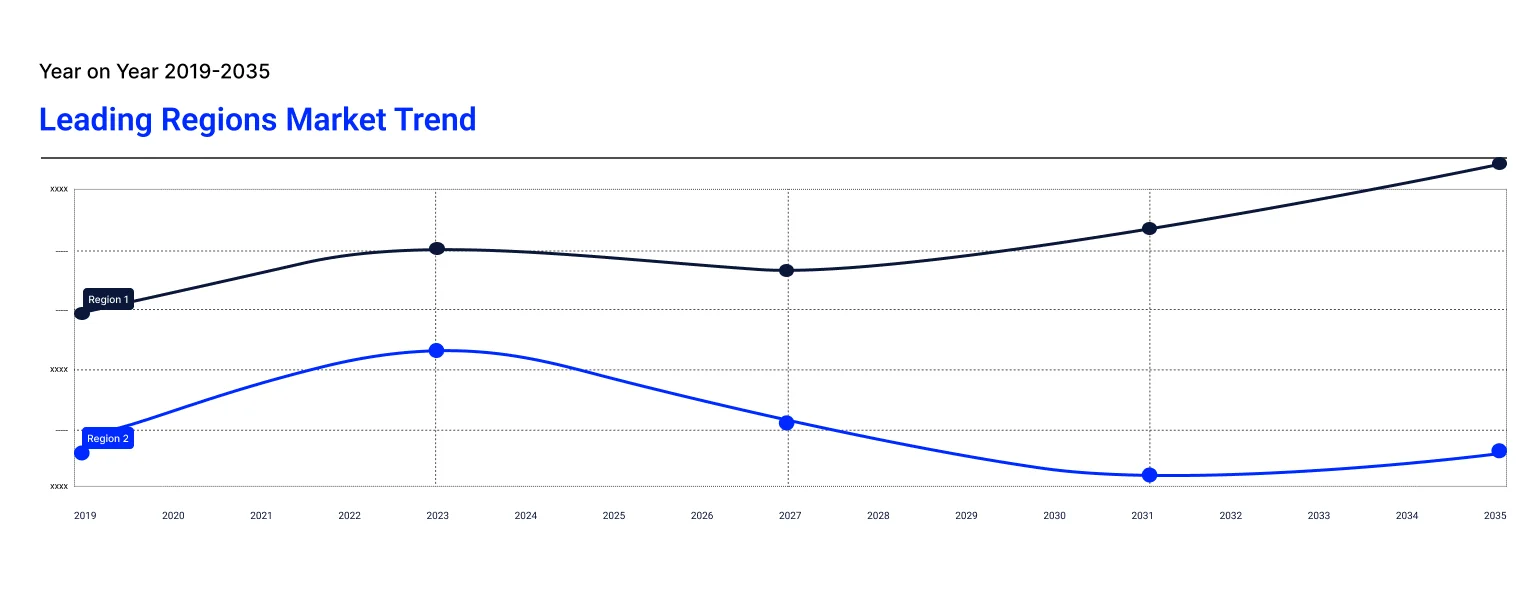
North America is expected to dominate as it accounted for about 37% market share in the historical period. The region benefits from a strong pharmaceutical R&D ecosystem, advanced biotechnology infrastructure, and high funding for innovative drug development programs. Early adoption of cutting-edge research technologies and strong presence of leading biopharmaceutical companies are key growth drivers. Increasing focus on precision therapeutics and receptor-targeted drug pipelines is further supporting market expansion. The widespread use of GPCR drug discovery platforms continues to enhance innovation and accelerate therapeutic advancements across the region.
Abcam Plc, headquartered in Cambridge, United Kingdom, was established in 1998 and supplies validated antibodies, assays, and reagents to research and clinical laboratories worldwide. Its portfolio includes a broad catalog of GPCR antibodies and functional assay kits widely used in target validation studies, strengthening its position within the antibody-based research tools segment.
PerkinElmer, Inc., headquartered in Waltham, Massachusetts, United States, was founded in 1937 and operates across diagnostics, life sciences, and applied markets. Its portfolio includes AlphaLISA and HTRF detection platforms widely used for cAMP, IP1, and reporter gene assays, supporting high-throughput GPCR screening campaigns.
Thermo Fisher Scientific Inc., headquartered in Waltham, Massachusetts, United States, was founded in 2006 and is a global leader in serving science. Its portfolio includes Invitrogen calcium-sensitive dyes, Tango and GeneBLAzer reporter assays, and frozen GPCR-expressing cell lines, supporting end-to-end functional GPCR screening workflows.
Promega Corporation, headquartered in Madison, Wisconsin, United States, was founded in 1978 and develops innovative reagents, assay technologies, and integrated systems for life sciences research. Its portfolio includes the GloSensor cAMP assay, NanoBiT protein interaction technology, and bioluminescent reporter platforms widely used in GPCR signalling studies.
Other key players in the market include Becton, Dickinson and Company, Merck KGaA, Enzo Life Sciences, Inc., Qiagen NV, HD Biosciences Co., Ltd. and others.
*Please note that this is only a partial list; the complete list of key players is available in the full report. Additionally, the list of key players can be customized to better suit your needs.*


Upto 15% Off
USD
$3299 $2969
$5499 $4949
$6999 $5949
$8199 $6969


*While we strive to always give you current and accurate information, the numbers depicted on the website are indicative and may differ from the actual numbers in the main report. At Expert Market Research, we aim to bring you the latest insights and trends in the market. Using our analyses and forecasts, stakeholders can understand the market dynamics, navigate challenges, and capitalize on opportunities to make data-driven strategic decisions.*
Explore our key highlights of the report and gain a concise overview of key findings, trends, and actionable insights that will empower your strategic decisions.
| REPORT FEATURES | DETAILS |
| Base Year | 2025 |
| Historical Period | 2019-2025 |
| Forecast Period | 2026-2035 |
| Scope of the Report |
Historical and Forecast Trends, Industry Drivers and Constraints, Historical and Forecast Market Analysis by Segment:
|
| Breakup by Type |
|
| Breakup by Therapeutic Areas |
|
| Breakup by Region |
|
| Market Dynamics |
|
| Competitive Landscape |
|
| Companies Covered |
|
| Report Price and Purchase Option | Explore our purchase options that are best suited to your resources and industry needs. |
| Delivery Format | Delivered as an attached PDF and Excel through email, with an option of receiving an editable PPT, according to the purchase option. |
Datasheet
One User
USD 3,299
USD 2,969
tax inclusive*
Single User License
One User
USD 5,499
USD 4,949
tax inclusive*
Five User License
Five User
USD 6,999
USD 5,949
tax inclusive*
Corporate License
Unlimited Users
USD 8,199
USD 6,969
tax inclusive*
*Please note that the prices mentioned below are starting prices for each bundle type. Kindly contact our team for further details.*
Flash Bundle
Small Business Bundle
Growth Bundle
Enterprise Bundle
*Please note that the prices mentioned below are starting prices for each bundle type. Kindly contact our team for further details.*
Flash Bundle
Number of Reports: 3
20%
tax inclusive*
Small Business Bundle
Number of Reports: 5
25%
tax inclusive*
Growth Bundle
Number of Reports: 8
30%
tax inclusive*
Enterprise Bundle
Number of Reports: 10
35%
tax inclusive*
How To Order

Select License Type
Choose the right license for your needs and access rights.

Click on ‘Buy Now’
Add the report to your cart with one click and proceed to register.

Select Mode of Payment
Choose a payment option for a secure checkout. You will be redirected accordingly.
Strategic Solutions for Informed Decision-Making
Gain insights to stay ahead and seize opportunities.

Get insights & trends for a competitive edge.

Track prices with detailed trend reports.

Analyse trade data for supply chain insights.

Leverage cost reports for smart savings

Enhance supply chain with partnerships.

Connect For More Information
Our expert team of analysts will offer full support and resolve any queries regarding the report, before and after the purchase.
Our expert team of analysts will offer full support and resolve any queries regarding the report, before and after the purchase.
We employ meticulous research methods, blending advanced analytics and expert insights to deliver accurate, actionable industry intelligence, staying ahead of competitors.
Our skilled analysts offer unparalleled competitive advantage with detailed insights on current and emerging markets, ensuring your strategic edge.
We offer an in-depth yet simplified presentation of industry insights and analysis to meet your specific requirements effectively.




