

Consumer Insights
Uncover trends and behaviors shaping consumer choices today
Procurement Insights
Optimize your sourcing strategy with key market data
Industry Stats
Stay ahead with the latest trends and market analysis.
The global gas separation membranes market attained a value of USD 1049.01 Million in 2025 and is projected to expand at a CAGR of 5.40% through 2035. The market is further expected to achieve USD 1774.95 Million by 2035. Increased spending on hydrogen recovery in both refineries and steel production plants drive the demand for smaller, more energy-efficient gas separation membranes that can minimize emissions and increase efficiency in industrial processes.
According to Nature Communications, researchers published a 2026 paper on a liquid water gas separation membrane achieving CO2 permeances up to 11,600 GPU and CO2/N2 selectivity of 40, surpassing state-of-the-art polymeric materials. The plant-inspired platform targets carbon capture, biogas upgrading, and hydrogen purification, signaling a potentially disruptive technology pathway for industrial gas separation deployments through the rest of the decade.
As reported by Chemical Processing, Toray Industries continued operating its all-carbon CO2 separation membrane pilot at Shiga through Q1 2026, refining hollow fiber spinning and thin-layer coating to enable mass production targeted at biogas and natural gas customers. Linde's clean hydrogen supply agreement with Dow's Path2Zero project further reinforces membrane demand across blue hydrogen and decarbonization investments.
One major factor boosting the gas separation membranes market growth is increased government regulation in the area of methane emission measurement and an industry-wide shift toward the concept of circular carbon usage. Membrane separation technology is becoming the norm in biogas upgrading plants due to their scalability and reduced chemical consumption and operational complications. Moreover, electronic manufacturers and semiconductor producers are demanding highly pure gas separation membranes due to precision manufacturing needs. Several companies are also developing graphene membranes and mixed matrix membranes to improve selectivity/permeance ratio.
Highly selective gas separation polymeric and hybrid membrane systems observe an increased adoption of gas separation membranes owing to industrial efforts to develop energy-efficient purification technology. For example, in July 2025, Air Liquide made notable investments in advanced membrane modules aimed at developing highly efficient biomethane upgrading and hydrogen recovery technology. The investment was triggered by increased industrial demand for hydrogen across refinery plants and clean mobility initiatives in Europe and Asia. Growing investments in carbon capture technologies across the chemical and steel industries are creating significant opportunities for the gas separation membranes market. The increasing adoption of membrane-based carbon dioxide separation systems is driven by their compact design, lower operating costs, and reduced equipment footprint.
The current momentum in the market is also driven by investments in natural gas purification and renewable fuel plants. Manufacturers of membrane separation technology are developing membranes that can handle high-pressure gas streams, aggressive impurities, and varying feed gas mixtures while maintaining permeability efficiency. Companies in the gas separation membranes market are adopting advanced monitoring technology through the use of artificial intelligence to minimize downtime of membrane separators in offshore installations. For example, in January 2025, Arkema partnered with OOYOO to develop advanced gas-separation membranes, accelerating efficient carbon-capture technology commercialization. Membrane manufacturers are also adopting modular membrane separator designs in container systems to facilitate easy transportation for midstream gas facilities and specialty gas plants.
Compound Annual Growth Rate
5.4%
Value in USD Million
2026-2035
Read more about this report - REQUEST FREE SAMPLE COPY IN PDF
| Gas Separation Membranes Market Report Summary | Description | Value |
| Base Year | USD Million | 2025 |
| Historical Period | USD Million | 2019-2025 |
| Forecast Period | USD Million | 2026-2035 |
| Market Size 2025 | USD Million | 1049.01 |
| Market Size 2035 | USD Million | 1774.95 |
| CAGR 2019-2025 | Percentage | XX% |
| CAGR 2026-2035 | Percentage | 5.4% |
| CAGR 2026-2035 - Market by Region | Asia Pacific | 6.3% |
| CAGR 2026-2035 - Market by Country | India | 7.1% |
| CAGR 2026-2035 - Market by Country | China | 6.0% |
| CAGR 2026-2035 - Market by Modules | Hollow Fibre | 5.9% |
| CAGR 2026-2035 - Market by Application | Nitrogen Generation and Oxygen Enrichment | 6.2% |
| Market Share by Country 2025 | France | 3.3% |
Air Products announced its intention to construct, own, and run a new air separation plant in Florida, ensuring greater availability of industrial gas supply and addressing the demands from industries. This type of development showcases greater efforts in investing in industrial gas separation infrastructure to ensure efficiency and address greater demands.
Toray made strides toward advancing technologies related to membrane separation that can be applied to carbon dioxide capture processes. Such developments in the gas separation membranes market indicate a greater demand for innovation in membrane technology to improve carbon dioxide capture efficiency while minimizing energy consumption.
Air Products developed the PRISM GreenSep LNG membrane separator for the production of bio-LNG, which facilitates methane recovery and production of renewable fuels. The development indicates an increased emphasis by the industry on sustainable gas separation technologies that maximize resource efficiency and help create renewable energy value chains, accelerating the gas separation membranes market value.
Evonik released a high capacity SEPURAN Green membrane that improves the efficiency of biogas upgrading processes and increases methane recovery. The introduction of such innovations demonstrates an increased industry trend towards high-capacity membrane systems that optimize economic benefits for renewable gas production processes and promote sustainable development goals.
Carbon capture operations within industries are incorporating membrane technology to lower the energy intensity involved in the process of CO2 extraction, redefining the gas separation membranes market trends and dynamics. Industrial energy producers and refineries are favoring modular membranes due to their ease of installation in older industrial structures. For example, in January 2025, Honeywell UOP intensified its partnerships with PTT Global Chemical Public Company Limited (GC) for the purpose of installing carbon capture facilities in heavy industry through the use of membrane separators.
Investment in hydrogen manufacturing plants is creating many opportunities in the gas separation membranes market. Refineries, manufacturers of ammonia, and hydrogen fuel providers are employing membrane systems for hydrogen separation operations. For example, in January 2026, Air Products secured NASA contracts exceeding USD 140 million, supplying liquid hydrogen for space missions and facilities. Governments in Japan and South Korea are also launching new hydrogen commercialization strategies that encourage private investments in emission-free hydrogen systems.
Membrane systems are increasingly gaining acceptance as separators in biomethane upgrading units as they require less maintenance and low chemical usage, compared to conventional separators. Agriculture-based waste treatment companies and municipal landfills are incorporating membrane technology to produce renewable natural gas from raw biogas. For example, in April 2026, Evonik Industries AG expanded its business initiatives on the development of SEPURAN membranes for renewable gas upgrading initiatives in Europe. Renewable energy incentives by governments in Germany, France, and India are promoting decentralized biogas plants. Such trends in the gas separation membranes market are compelling manufacturers to develop membrane systems that can adapt well to varying methane and CO2 contents.
The development of LNG infrastructures across the world is promoting the adoption of industrial membranes with the ability to eliminate impurities and increase the purity of gas before liquefaction. Industrial midstream companies are favoring membrane systems because of their reduced requirement for facility footprint in offshore and floating LNG units. For example, SLB's advanced gas separation membranes for natural gas processing are deployed in offshore operations. Southeast Asian and Middle Eastern governments are at the same time increasing investments in LNG export and gas monetization infrastructure. Demonstrating this shift in the gas separation membranes market, in May 2026, Air Liquide launched operations in Kazakhstan, expanding industrial gas solutions, strengthening regional presence, and supporting industrial growth.
The semiconductor sector is evolving into a crucial driving factor for increased ultra-pure gas membrane separator adoption as the chip production industry increases their fabrication capacities around the world. The semiconductor fabrication process needs controlled nitrogen, hydrogen, and other gases in order to ensure precise production, boosting demand in the gas separation membranes market. With government incentives for semiconductors available in countries like the United States, Japan, Taiwan, and India, the market observes increased investment in new fabrication units as well as specialized chemicals production facilities. For example, in April 2026, Air Liquide invested EUR 200 million in Japanese semiconductor gas plants, supporting growing chip manufacturing demand.

Read more about this report - REQUEST FREE SAMPLE COPY IN PDF
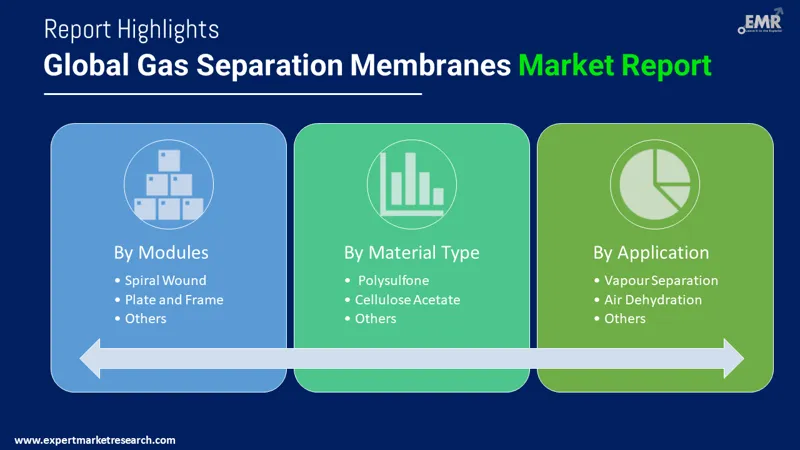
The EMR’s report titled “Global Gas Separation Membranes Market Report and Forecast 2026-2035” offers a detailed analysis of the market based on the following segments:
Market Breakup by Module
Key Insight: Hollow fiber modules retain their prominent position in the gas separation membranes market owing to the need for compact size, stable operation, and effective gas recovery in industrial processes. The spiral wound type is experiencing rapid growth due to rising demands for scalable solutions that can be applied for renewable energy and carbon management projects. The plate and frame module design maintains its relevance in some niche industrial applications due to their ability to facilitate easy replacement of the membrane. Other types of modules are used selectively in various chemical processes and laboratory experiments with different separation requirements. The focus of manufacturers is now being placed on improved durability and pressure resistance.
Market Breakup by Material Type
Key Insight: Polyimide and polyaramid materials continue to dominate the gas separation membranes market owing to their tolerance to rough operating conditions in industry while having excellent gas selectivity properties. The importance of polysulfone membranes cannot be overlooked due to their significance in moderately high-pressure industrial uses due to their processing ease and reliable permeability properties. Cellulose acetate materials are increasingly becoming relevant in the market owing to their appropriateness for renewable gas purification uses that are cost-effective. Other types of materials, such as mixed matrices and specialty polymers, continue to become popular in applications requiring contamination resistance.
Market Breakup by Application
Key Insight: As per the gas separation membranes market report, oil and gas applications remain prevalent owing to the need for separation equipment that will enhance separation in natural gas processing and contaminants and hydrocarbons separation applications. The packaging and storage applications find support due to the increasing need for an atmosphere-controlled environment which helps preserve sensitive products. The metal manufacturing and fabrication industries employ membranes for generating pure nitrogen and managing their industrial gases. In the electronic industry, there is an increasing demand for high purity gases for separation applications in the electronics production process. For example, in May 2024, DiviGas launched advanced polymeric hydrogen separation membranes, reducing hydrogen losses while improving durability, purity, and heat resistance.
Market Breakup by Region
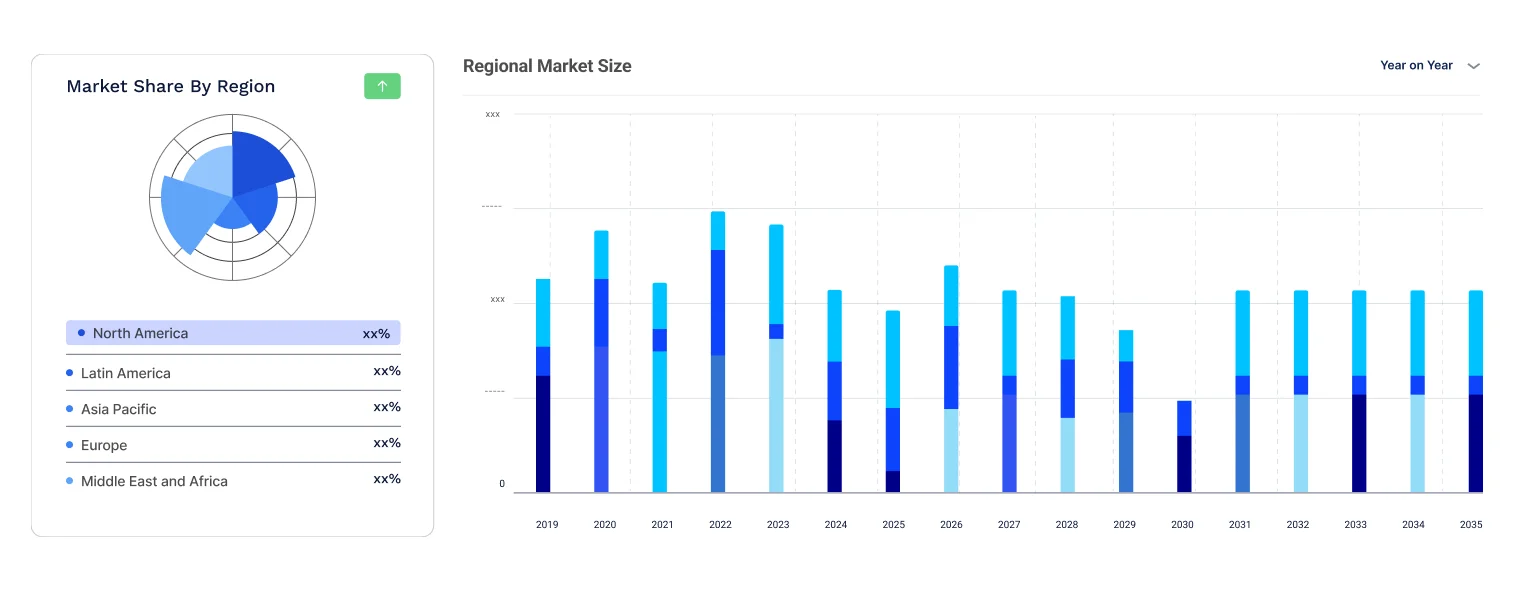
Key Insight: North America is positioned at the forefront of the gas separation membranes market owing to robust industrial gas processing facilities, investment in hydrogen, and membrane technology commercialization. The Europe region exhibits substantial demands for membrane separation equipment owing to the increasing efforts made towards emission control and integration of renewables into energy generation systems. The Asia Pacific region continues to grow fast due to rapid industrialization, development of semiconductor manufacturing facilities, and clean energy infrastructure development. Latin America is slowly making progress with renewable gas projects and industrial processing upgrades.
Read more about this report - REQUEST FREE SAMPLE COPY IN PDF
Hollow fiber modules account for the dominant share of the market due to superior gas permeability efficiency
Hollow fiber membranes are continuing to dominate the gas separation membranes market since industrial users increasingly favor smaller and denser systems that have better surface areas. They are becoming common in nitrogen plants, hydrogen separation plants, and natural gas plants due to their requirement for uninterrupted service and low maintenance issues. The lightweight nature of these modules allows their use in offshore gas processing and portable industries. Manufacturers are focusing on enhancing membrane resistance to fouling and improving performance under high-pressure conditions, making these modules increasingly preferred for industrial gas processing applications in petrochemical plants, refineries, and related industries.
Spiral wound membrane modules are witnessing significant growth in the gas separation membranes market due to their flexibility in large-scale industrial purification processes. Industrial customers are increasingly incorporating these modules within biogas processing and syngas processing industries as they can operate at a larger flow while reducing the operational space requirements. This module is suitable for industrial gas processing with moisture content within industrial conditions. In October 2023, Evonik expanded SEPURAN membrane production capacity in Austria, supporting growing biogas, hydrogen, and natural gas markets.
By material type, polyimide and polyaramid materials lead the overall market growth through higher selectivity performance
Polyimide and polyaramid membranes capture a larger share of the gas separation membranes market revenue due to their high level of thermal stability, chemical resistance, and outstanding gas selectivity in tough conditions experienced in industries. The membrane materials are commonly used in refining, petrochemical plants, and hydrogen recovery industries since they are able to withstand aggressive gases and high temperatures while still retaining their efficiency. They reduce maintenance needs in industries through their ability to ensure continued effectiveness throughout operation periods. Manufacturers are improving these materials to increase carbon dioxide selectivity. To capitalize on such trends, in January 2023, UBE expanded gas separation membrane manufacturing facilities, increasing capacity to meet rising global CO₂ separation demand.
Cellulose acetate membranes exhibit rapid expansion in the gas separation membranes market because of increasing demand for cost-effective materials for separating gases in moderate scale operations. Cellulose acetate membranes are becoming more useful in carbon dioxide and methane upgrades where low production costs are highly valued. The relatively affordable prices make cellulose acetate membranes suitable in the industrial regions developing renewable energy technologies. Suppliers are also working on improving the structure of cellulose acetate membranes to increase moisture resistance.
Oil and gas applications register notable demand in the market through large-scale industrial purification requirements
Membrane technology continues to be applied most commonly in the oil and gas industry, owing to the use of such technology in processes like natural gas sweetening, hydrocarbon recovery, nitrogen stripping, and carbon dioxide separation. The refining and petrochemical industries continue to adopt membrane processes because they require less energy than other separation techniques. Compact membrane processes are being used in offshore operations where the efficient use of space adds value commercially. Newer membranes are being developed that can tolerate higher pressure and highly contaminated gases.
The gas separation membranes market also experiences a significant growth in hydrogen recovery processes as industries seek more sustainable methods for their manufacturing and fuel production processes. Refineries, ammonia plants, and steel producers are adopting membrane technology that enables them to recycle hydrogen from the purge gases, thus saving energy and becoming more efficient. This is because membrane technology makes continuous processing possible with reduced energy and infrastructure costs. Technology developers are also concentrating on increasing hydrogen purity and recovery at high pressure. For example, in March 2025, H2SITE and SNAM partnered on hydrogen-natural gas separation technology, advancing energy transition, infrastructure efficiency, and decarbonization.
Read more about this report - REQUEST FREE SAMPLE COPY IN PDF
North America secures a substantial share of the market through strong hydrogen and LNG infrastructure investments
North America’s ongoing dominance in the gas separation membranes market is sustained by heavy investments into liquefied natural gas processing, hydrogen recovery processes, and carbon capture technology developments. Refineries and petrochemical facilities operating throughout the United States are adopting membrane technologies to increase their efficiencies as well as to comply with increasingly stringent targets related to emission reductions. In terms of product innovations, membrane technology developers in North America are focusing on polymer membranes for industrial applications. In August 2025, Transfilm Technology launched IonClear membrane company, strengthening North American filtration, purification, resource recovery, and sustainability solutions.
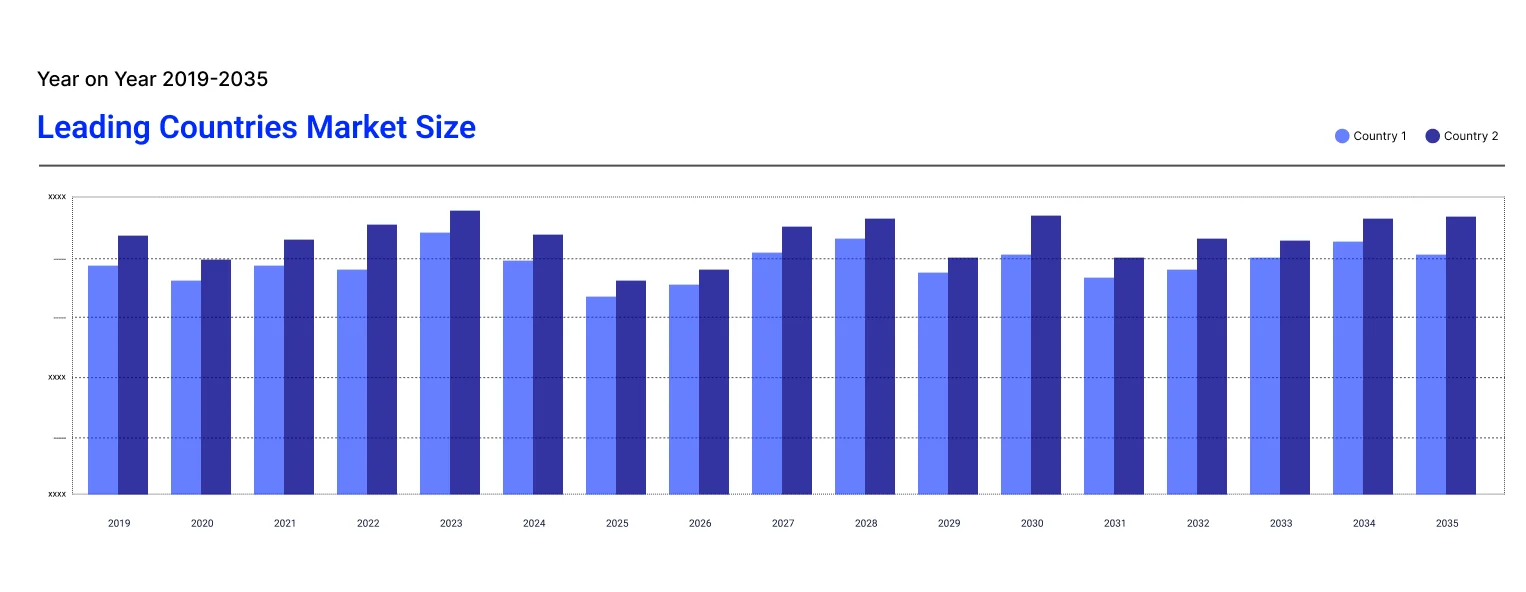
| CAGR 2026-2035 - Market by | Country |
| India | 7.1% |
| China | 6.0% |
| USA | 4.8% |
| France | 4.2% |
| Italy | 3.8% |
| Canada | XX% |
| UK | XX% |
| Germany | XX% |
| Japan | 3.7% |
| Australia | XX% |
| Saudi Arabia | XX% |
| Brazil | XX% |
| Mexico | XX% |
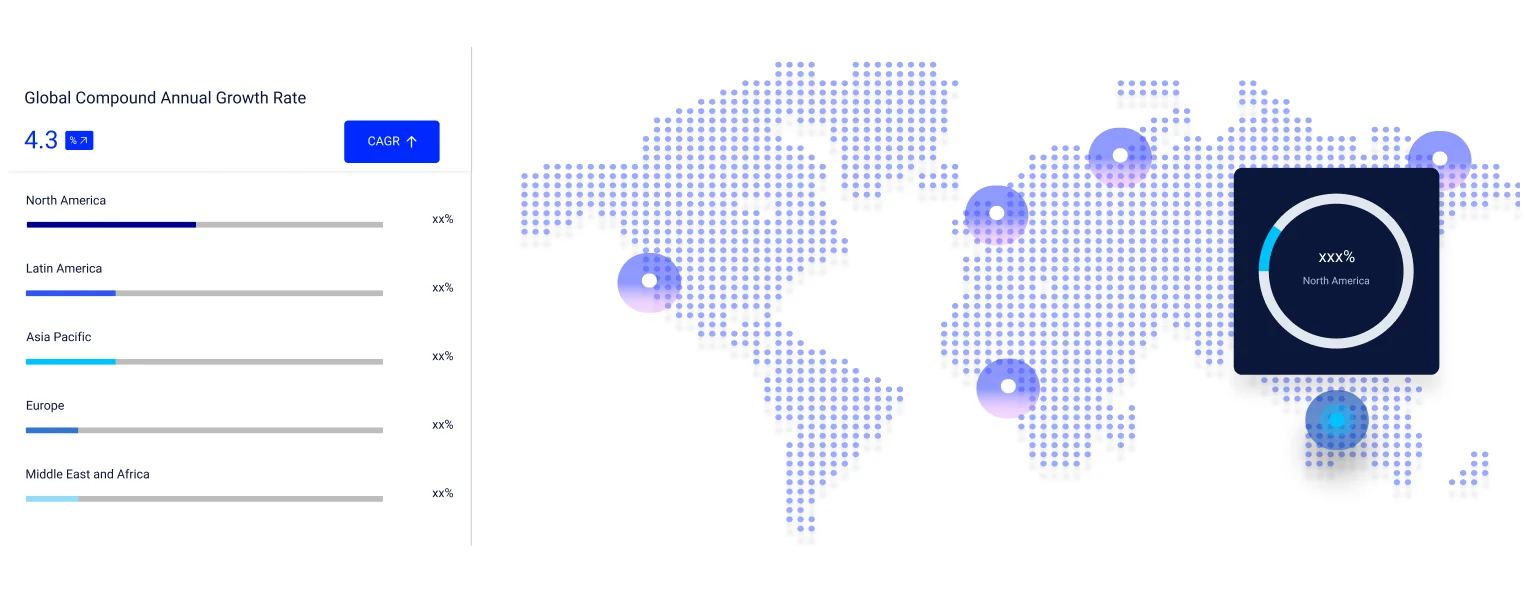
On the other hand, the gas separation membranes market in Asia Pacific records the highest growth rate owing to the development of manufacturing industries and increased investments into energy transformation. Countries such as China, India, Japan, and South Korea are making rapid advancements with regard to the development of hydrogen-based infrastructure, semiconductor facilities, as well as renewables production facilities, all of which require efficient gas separation. The market further witnesses a high adoption rate of membrane technologies due to the preference for compactness as well as lower operational costs.
Leading gas separation membranes market players are increasingly focusing on material science, modular integration, and decarbonization. Participants are focusing on hydrogen recovery, carbon dioxide separation, upgrading renewable natural gas, and production of semiconductor-grade gases. They are developing mixed matrix membranes, AI-based monitoring solutions, and pressure-resistant modules in order to enhance industrial output and cut down energy consumption.
Gas separation membrane companies are also forming strategic partnerships with EPC contractors and refinery operators to ensure the acquisition of projects related to infrastructure construction across different countries. In addition, there is a high growth potential in blue hydrogen plants, LNG plants, landfill gas upgrading, and offshore gas treatment facilities. Companies are also looking at the production of compact and containerized gas membranes which are easier to install in remote industrial locations. Moreover, some manufacturers are increasing the durability of their membranes in order to minimize replacement costs.
Founded in 1940 and based in the United States, Air Products and Chemicals specializes in hydrogen recovery and the purification of industrial gases. It offers high-efficiency membranes to help the energy industry refine natural gas. In recent years, its focus has been on developing clean hydrogen technologies and implementing industrial decarbonization.
Founded in 2006 and headquartered in Delaware, United States, Air Liquide Advanced Technologies provides its customers with membrane solutions for biomethane upgrading, industrial gas purification, and carbon capture applications. It is actively developing modular purification solutions for renewable gases infrastructure.
Founded in 1897 and located in Tokyo, Japan, UBE Corporation produces membranes based on polyimide material for use in hydrogen purification and semiconductor gas separation. The company invests in research concerning membranes made from highly durable polymers that are able to withstand severe industrial operation conditions. The company's products are widely used across precision manufacturing and advanced industrial processing applications.
Founded in 1885 and located in North Carolina, United States, Honeywell International creates membranes for use in projects related to carbon capture, natural gas purification, and refinery improvements. As a subsidiary of the firm, Honeywell UOP offers its customers systems for industrial purification with process automation features.
Other key players in the market include Fujifilm Holdings Corporation, Schlumberger Limited, DIC Corporation, and Parker Hannifin Corp., among others.
*Please note that this is only a partial list; the complete list of key players is available in the full report. Additionally, the list of key players can be customized to better suit your needs.*
Unlock the latest insights with our gas separation membranes market trends 2026 report. Discover regional growth patterns, consumer preferences, and key industry players. Stay ahead of competition with trusted data and expert analysis. Download your free sample report today and drive informed decisions in the market.


Upto 15% Off
USD
$2499 $2249
$3999 $3599
$4999 $4249
$5999 $5099


*While we strive to always give you current and accurate information, the numbers depicted on the website are indicative and may differ from the actual numbers in the main report. At Expert Market Research, we aim to bring you the latest insights and trends in the market. Using our analyses and forecasts, stakeholders can understand the market dynamics, navigate challenges, and capitalize on opportunities to make data-driven strategic decisions.*
In 2025, the global gas separation membranes market attained a value of nearly USD 1049.01 Million.
The market is projected to grow at a CAGR of 5.40% between 2026 and 2035.
The major drivers of the industry, such as the growing product demand for carbon dioxide removal owing to rising environmental concern, increased utilisation of biogas, rising demand from the developing regions, and affordable nature of these membranes, are expected to aid the market growth.
The key market trends guiding the growth of the industry include the launch of improved products range by the key players and the growing R&D activities.
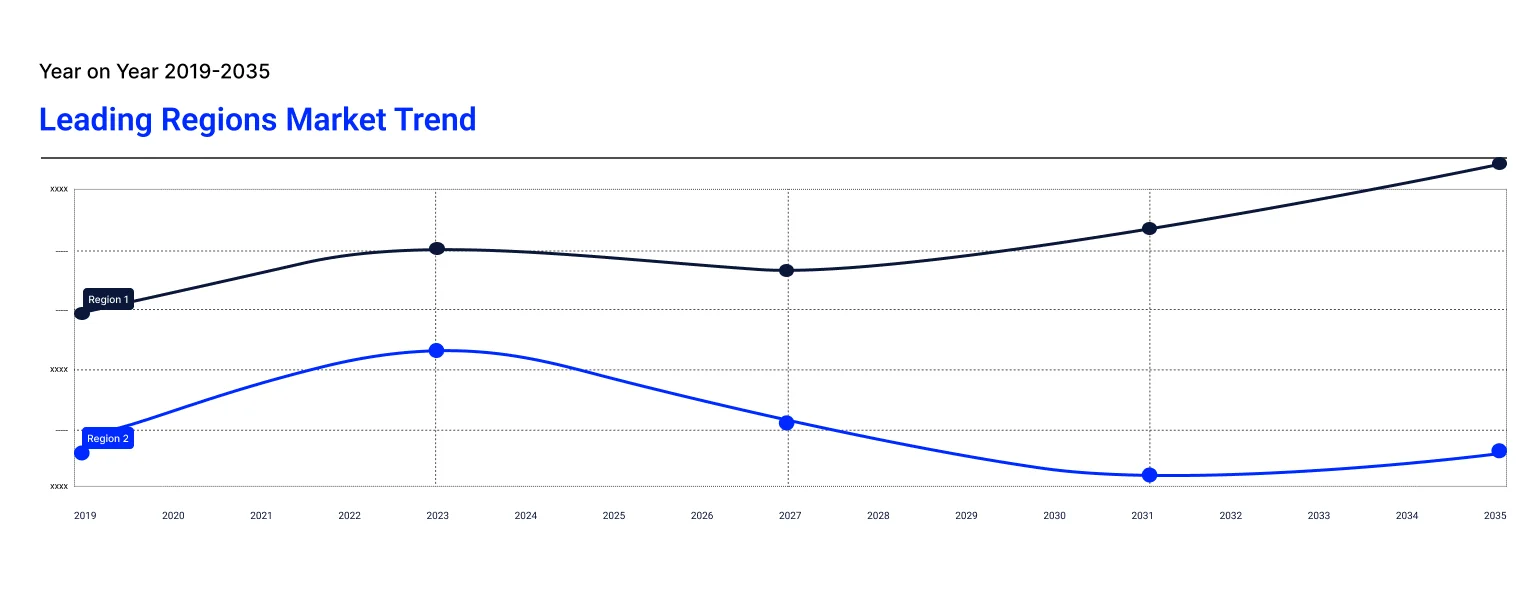
The major regions in the industry are North America, Europe, the Asia Pacific, Latin America, and the Middle East and Africa, with the Asia Pacific accounting for the largest share in the market.
Hollow fibre, spiral wound, and plate and frame, among others, are the significant modules of the product in the industry.
Polyimide and polyaramid, polysulfone, and cellulose acetate, among others, are the leading material types of the product in the market.
The major applications of the product include nitrogen generation and oxygen enrichment, hydrogen recovery, carbon dioxide removal, vapour/gas separation, vapour/vapour separation, and air dehydration, among others.
The major players in the industry are Air Products and Chemicals, Inc., Air Liquide Advanced Separations, UBE Industries, Ltd., Honeywell UOP, Fujifilm Manufacturing Europe B.V., Schlumberger Limited, DIC Corporation, and Parker Hannifin Corp, among others.
The market is estimated to witness a healthy growth in the forecast period of 2026-2035 to reach USD 1774.95 Million by 2035.
Explore our key highlights of the report and gain a concise overview of key findings, trends, and actionable insights that will empower your strategic decisions.
| REPORT FEATURES | DETAILS |
| Base Year | 2025 |
| Historical Period | 2019-2025 |
| Forecast Period | 2026-2035 |
| Scope of the Report |
Historical and Forecast Trends, Industry Drivers and Constraints, Historical and Forecast Market Analysis by Segment:
|
| Breakup by Modules |
|
| Breakup by Material Type |
|
| Breakup by Application |
|
| Breakup by Region |
|
| Market Dynamics |
|
| Competitive Landscape |
|
| Companies Covered |
|
| Report Price and Purchase Option | Explore our purchase options that are best suited to your resources and industry needs. |
| Delivery Format | Delivered as an attached PDF and Excel through email, with an option of receiving an editable PPT, according to the purchase option. |
Datasheet
One User
USD 2,499
USD 2,249
tax inclusive*
Single User License
One User
USD 3,999
USD 3,599
tax inclusive*
Five User License
Five User
USD 4,999
USD 4,249
tax inclusive*
Corporate License
Unlimited Users
USD 5,999
USD 5,099
tax inclusive*
*Please note that the prices mentioned below are starting prices for each bundle type. Kindly contact our team for further details.*
Flash Bundle
Small Business Bundle
Growth Bundle
Enterprise Bundle
*Please note that the prices mentioned below are starting prices for each bundle type. Kindly contact our team for further details.*
Flash Bundle
Number of Reports: 3
20%
tax inclusive*
Small Business Bundle
Number of Reports: 5
25%
tax inclusive*
Growth Bundle
Number of Reports: 8
30%
tax inclusive*
Enterprise Bundle
Number of Reports: 10
35%
tax inclusive*
How To Order

Select License Type
Choose the right license for your needs and access rights.

Click on ‘Buy Now’
Add the report to your cart with one click and proceed to register.

Select Mode of Payment
Choose a payment option for a secure checkout. You will be redirected accordingly.
Strategic Solutions for Informed Decision-Making
Gain insights to stay ahead and seize opportunities.

Get insights & trends for a competitive edge.

Track prices with detailed trend reports.

Analyse trade data for supply chain insights.

Leverage cost reports for smart savings

Enhance supply chain with partnerships.

Connect For More Information
Our expert team of analysts will offer full support and resolve any queries regarding the report, before and after the purchase.
Our expert team of analysts will offer full support and resolve any queries regarding the report, before and after the purchase.
We employ meticulous research methods, blending advanced analytics and expert insights to deliver accurate, actionable industry intelligence, staying ahead of competitors.
Our skilled analysts offer unparalleled competitive advantage with detailed insights on current and emerging markets, ensuring your strategic edge.
We offer an in-depth yet simplified presentation of industry insights and analysis to meet your specific requirements effectively.




