

Consumer Insights
Uncover trends and behaviors shaping consumer choices today
Procurement Insights
Optimize your sourcing strategy with key market data
Industry Stats
Stay ahead with the latest trends and market analysis.
The global gluten-free pasta market was valued at USD 1.20 Billion in 2025. The market is expected to grow at a CAGR of 4.90% during the forecast period of 2026-2035 to reach a value of USD 1.94 Billion by 2035. Growing online retail penetration of gluten-free foods fuels accessibility and consumer adoption of specialty pasta across developing economies.
The market is being reshaped by the accelerating prevalence of celiac disease and gluten intolerance across the globe. According to the Celiac Disease Foundation, roughly 1 in 100 people globally are affected, while the United States National Institutes of Health (NIH) estimates nearly 2.5 million Americans remain undiagnosed. This growing awareness has directly translated into a surge in demand for gluten-free alternatives, particularly in pasta, an everyday staple for households and foodservice channels. With pasta consumption increasing globally, manufacturers are recognizing this as one of the fastest emerging niche categories, boosting growth in the gluten-free pasta market.
Government initiatives have added momentum to this shift. For instance, the European Commission’s Regulation (EU) No 828/2014 provides labeling clarity for gluten-free products, enhancing consumer trust. In the United States, the FDA’s “gluten-free” labeling rule implemented in August 2013 remains a strong regulatory driving factor, standardizing production practices and encouraging companies to enter the gluten-free pasta market dynamics. Meanwhile, rising health-conscious demographics in the Asia Pacific region have pushed governments. For example, India’s FSSAI issued gluten-free product guidelines in June 2019, aiming to streamline manufacturing and prevent misleading claims.
Compound Annual Growth Rate
4.9%
Value in USD Billion
2026-2035
Banza introduced Gluten-Free Brown Rice Pasta. The launch of brown rice pasta diversifies ingredient innovation, strengthening Banza’s competitive presence in premium gluten-free pasta.
Pastificio De Cecco entered the gluten-free market in the United States for the first time. In keeping with its status as a major Italian food products company, the firm decided to launch its new range during the esteemed Summer Fancy Food Show 2025 in New York. Entry into the United States expands global competition, signaling stronger Italian heritage brands moving into gluten-free pasta.
White Rabbit, a gluten-free pizza company, introduced a new plain gnocchi and biscotti in its prepare-at-home Italian menu. Introduction of gnocchi and biscotti broadens gluten-free Italian offerings, expanding category innovation beyond pasta.
The gluten-free pasta line from Better For You pasta manufacturer Goodles was launched, following the release of its gluten-free macaroni and cheese products in February 2024. Expansion into gluten-free pasta after macaroni and cheese highlights portfolio extension, driving brand loyalty across related categories.
The adoption of ancient grains like quinoa, millet, and amaranth in gluten-free pasta formulations is one of the major contributors of the market growth. For example, Barilla offers gluten-free range in Europe with millet-based pasta, citing sustainability and nutritional value as growth pillars. On the other hand, according to the FAO, the Indian government declared 2023 as the “International Year of Millets.” This shift is not merely ingredient diversification but a strategy to align with both consumer wellness trends and government-backed sustainability initiatives. The gluten-free pasta market’s ability to integrate ancient grains is increasingly defining competitive differentiation.
Gluten-free pasta’s retail availability is growing rapidly across mainstream supermarket chains and specialty stores. Companies like Tesco United Kingdom are expanding gluten-free pasta SKUs under its “Free From” line. Government-backed campaigns, like the USDA’s “Choose My Plate” initiative promoting whole grains, indirectly encourage adoption of alternative pasta bases, boosting the gluten-free pasta market opportunities.
One of the strongest driving factors has been global regulatory backing for gluten-free product standardization. The United States FDA’s 2013 gluten-free labeling rule provides a benchmark for trust, stating that gluten-free products must contain less than 20 ppm of gluten. In Canada, Health Canada mandates allergen labeling, ensuring transparency in gluten-free pasta packaging. The EU’s harmonized rules have also accelerated imports and exports within member states. This uniformity has emboldened manufacturers to expand portfolios, as the regulatory risks of entering gluten-free pasta are minimized, fueling broader consumer adoption with trust in product safety.
Restaurants and quick-service chains are increasingly offering gluten-free pasta options to meet customer expectations. Domino’s introduced gluten-free pasta bowls in August 2024 across selected markets, aligning with rising demand for gluten-free pizzas. In Italy, government-backed tourism initiatives now emphasize gluten-free dining inclusivity, encouraging local trattorias to add pasta alternatives, broadening the scope of gluten-free pasta market expansion. Such adoption by foodservice players is pushing gluten-free pasta further into mainstream dining culture, reinforcing its position as a viable revenue stream.
Trade policies have also accelerated global gluten-free pasta distribution. The United States Department of Agriculture has supported small-scale producers in exporting gluten-free goods under trade programs like “Export Food Assistance.” These developments are giving gluten-free pasta brands access emerging markets in Asia and Africa. Beyond health-conscious populations, the trend is also meeting growing urban demand for premium imported goods. Global trade backing has thus become a strategic growth engine for the industry.
Read more about this report - REQUEST FREE SAMPLE COPY IN PDF
The EMR’s report titled “Global Gluten-Free Pasta Market Report and Forecast 2026-2035” offers a detailed analysis of the market based on the following segments:
Market Breakup by Ingredient
Key Insight: Rice pasta largely contributes to the gluten-free pasta market value due to its wide acceptance and cost-efficiency, while corn pasta appeals for its affordability and sweet flavor profile in Latin American markets. Millet pasta is the fastest-growing, propelled by nutrition-rich marketing and government initiatives. Other ingredients, such as chickpea, lentil, and quinoa, serve niche consumers seeking protein-dense, plant-based alternatives. Such ingredient innovations ensure manufacturers can serve varied consumer bases, balancing taste, nutrition, and affordability.
Market Breakup by Product Type
Key Insight: Dried pasta, offering cost-effectiveness and durability that make it the top choice for retailers and exporters, accelerating the gluten-free pasta market expansion. Fresh pasta, though smaller in share, is growing fastest, as premium shoppers seek authentic taste and are willing to pay for higher quality. Canned or preserved gluten-free pasta appeals mostly to institutional buyers and convenience-driven consumers, but it remains a niche category compared to dried and chilled formats.
Market Breakup by Distribution Channel
Key Insight: Distribution channels each serve distinct market roles. Hypermarkets and supermarkets deliver scale, shelf credibility and private-label opportunities. Convenience stores drive urban impulse gluten-free pasta consumption and single-serve innovations. Online stores are unlocking premium D2C and subscription business models, supporting small producers and enabling chilled/premium launches. Others, chiefly foodservice and institutional procurement, rely on bulk, specialized contracts and menu inclusivity.
Market Breakup by Region
Key Insight: Regional trends show complementary strengths. Europe leads in regulation, culinary credibility and retail scale; North America drives product premiumization and foodservice adoption; Asia Pacific is expanding at the fastest pace with raw-material advantages and rising health literacy; Latin America and MEA gluten-free pasta market are niche but growing via urban premium imports and institutional contracts.
Read more about this report - REQUEST FREE SAMPLE COPY IN PDF
By ingredients, rice pasta accounts for substantial market share owing to its digestibility and consumer familiarity
Rice-based pasta dominates due to its neutral flavor and digestibility, making it the most accessible alternative for consumers transitioning from wheat pasta. Asia-Pacific, home to over 90% of global rice production, played a central role in raw material availability, reducing supply chain costs for manufacturers. Rice pasta also aligns with consumer demand for low-allergen, easily digestible foods, which is critical for children and sensitive demographics. Global retailers including Carrefour and Whole Foods, report rice pasta as the fastest-selling gluten-free variant, underscoring its stronghold in mainstream retail channels and its role as a gateway product for new buyers.
Millet-based pasta is expanding rapidly in terms of its share in the gluten-free pasta market revenue, driven by government-backed millet promotion campaigns. In 2023, India’s declaration of the “International Year of Millets” gained UN recognition, triggering a surge in millet product innovations across Europe, United States, and Asia. Millet pasta is being marketed not just as gluten-free, but also as nutrient-rich, with higher fiber and protein compared to rice or corn pasta.
By product type, dried gluten-free pasta holds the largest share for shelf stability
Dried gluten-free pasta represents the largest share due to its long shelf life and convenience in retail logistics. As global supply chains optimize for packaged foods, dried pasta’s durability makes it ideal for exports and bulk retail formats. Supermarket chains prioritize dried variants due to their cost-efficiency and standardized packaging. Furthermore, consumers prefer stocking dried pasta as a pantry staple, particularly in regions like Italy where pasta consumption per capita exceeds 23 kg annually.
The fresh gluten-free pasta market is growing rapidly, aligning with premiumization trends and consumer desire for authentic, restaurant-style experiences at home. Brands like Garofalo are introducing chilled gluten-free pasta across European supermarkets, citing double-digit demand growth in urban hubs. Fresh pasta is strongly associated with artisanal quality and is increasingly being sold through online grocery platforms, ensuring direct-to-consumer access. This category’s growth reflects the convergence of gourmet positioning and convenience in gluten-free food products.
By distribution channel, hypermarkets and supermarkets register largest share due to wide assortment and pricing
Hypermarkets and supermarkets remain the dominant distribution channel for gluten-free pasta because they combine scale, category management and buyer trust. Large retailers maintain dedicated “free-from” aisles and work with suppliers on co-op promotional plans and in-store demos, reducing trial friction for mainstream shoppers. Chain buyers are pushing private-label gluten-free lines with clean-label claims, enabling suppliers to capture shelf space and predictable volume. Retailers also demand traceability and certifications, so suppliers investing in dedicated gluten-free lines are favored.
Online stores experience strong growth in the gluten-free pasta market because digital shelves let small gluten-free producers reach niche B2B buyers and discerning consumers without heavy retail listing fees. Foodservice procurement platforms and specialty distributors are also adopting marketplace models to source allergen-safe lines for catering and healthcare contracts. Logistics providers offering temperature-controlled last-mile options are enabling chilled gluten-free pasta D2C launches, while analytics let sellers track repeat rates and lifetime value.
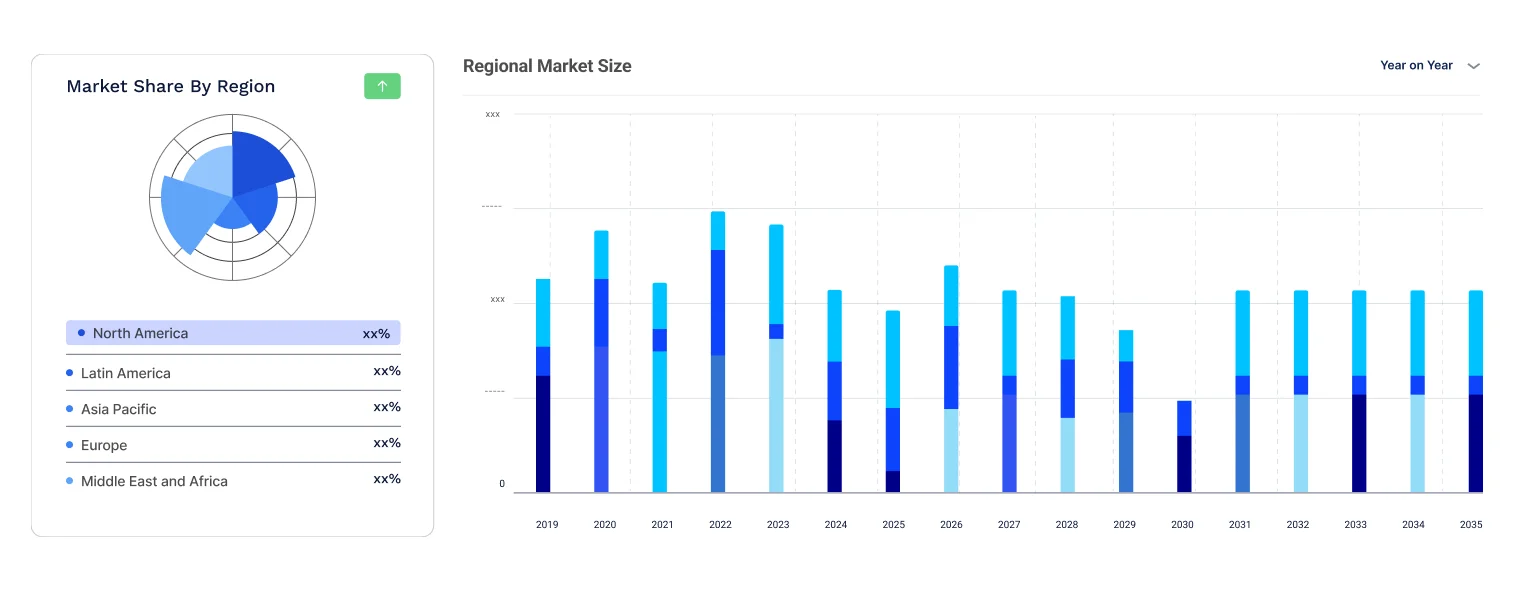
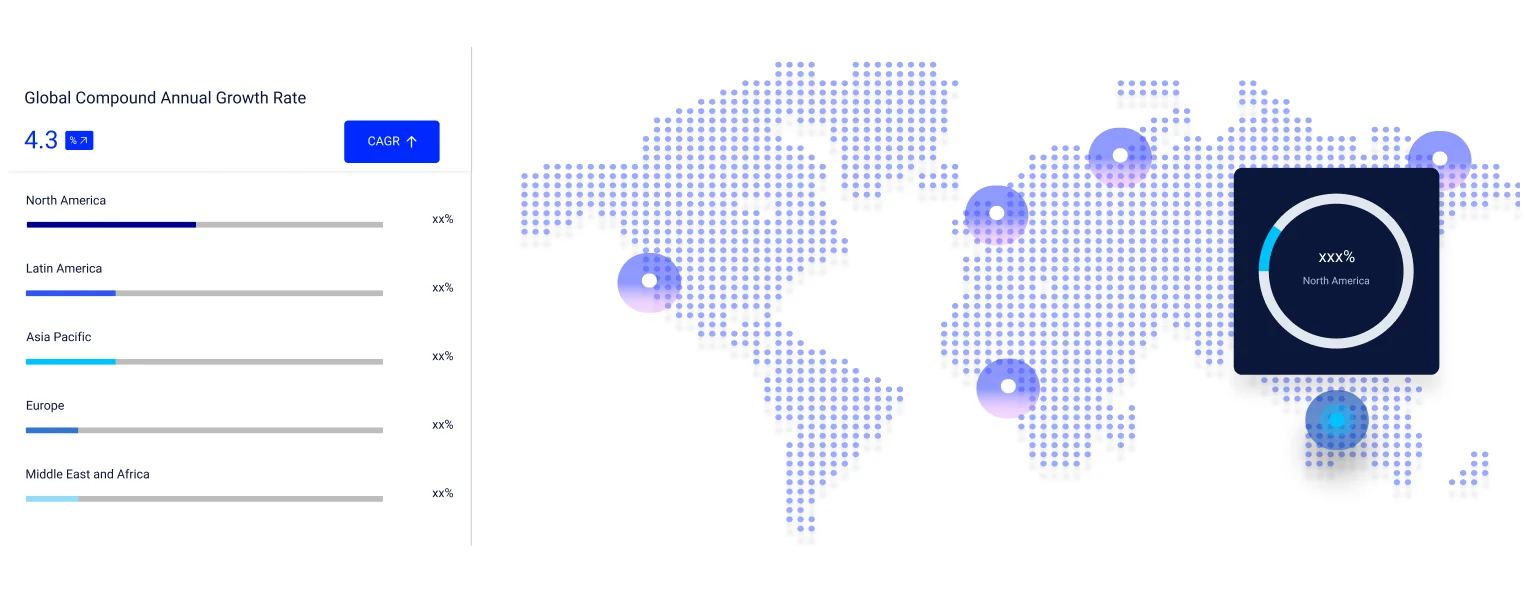
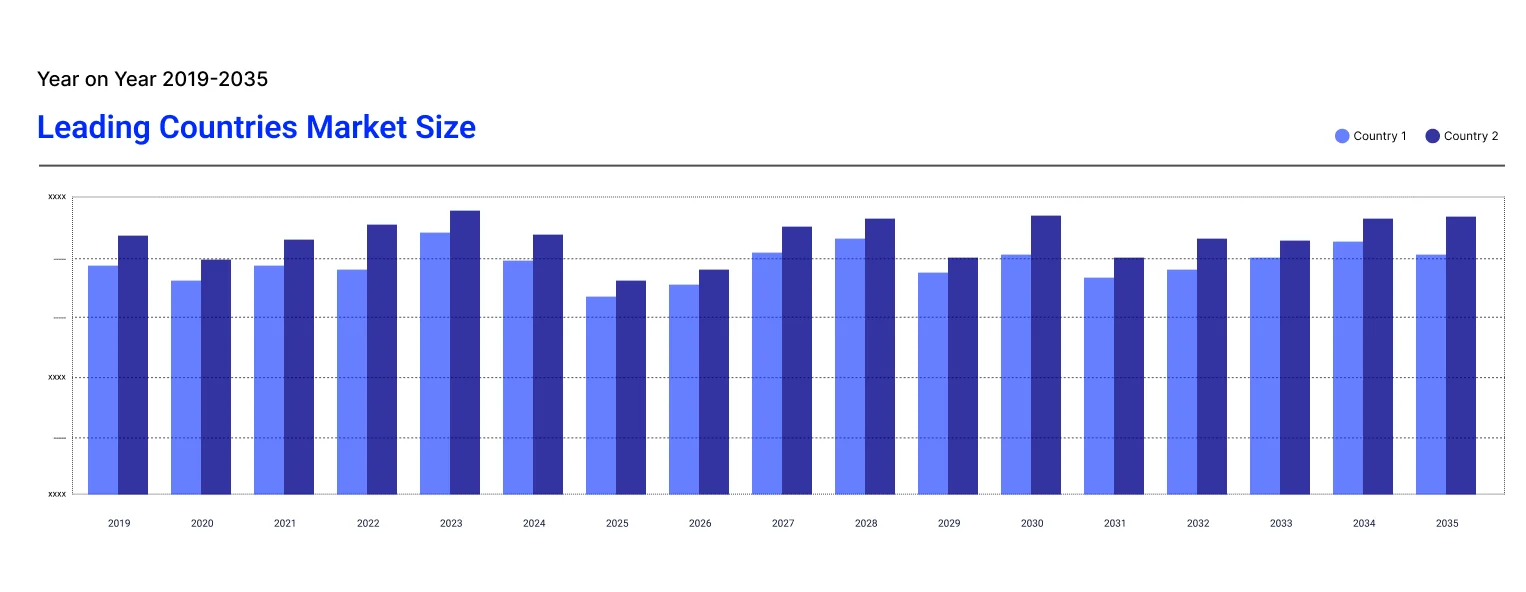
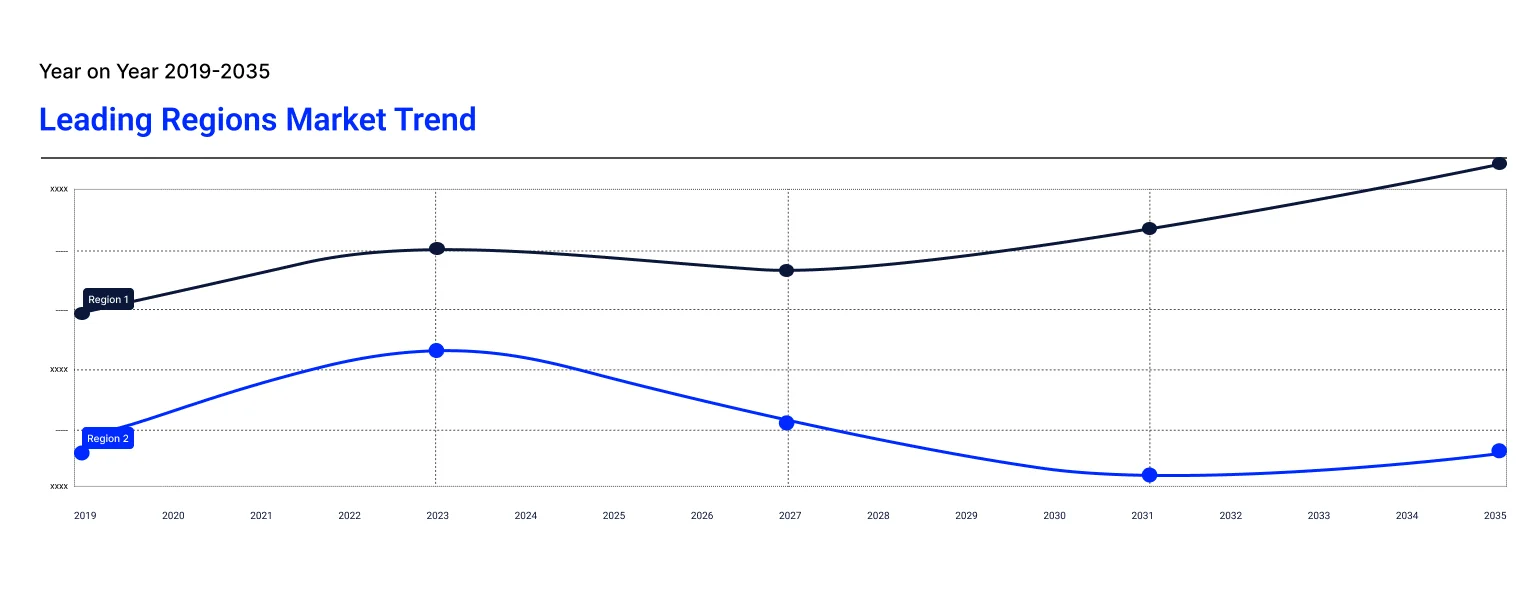
Europe clocks in the leading market position owing to established gluten-free diets
Europe is the dominant regional market, supported by an established gluten-free consumer diet, strong regulation and robust retail penetration. Harmonized EU labeling rules and high per-capita pasta consumption let brands scale certified gluten-free ranges rapidly across borders. European specialty retailers and foodservice chains are offering gluten-free menus driven by tourism and inclusive dining policy, encouraging local producers to invest in dedicated lines. Italy’s pasta heritage is helping premium gluten-free offerings gain culinary cachet, while northern European private labels provide value options for mass shoppers.
The growth of the Asia Pacific gluten-free pasta market is propelled by rising urban middle classes, growing health awareness and government nutrition programs promoting alternative staples. Local manufacturers are leveraging abundant rice and millet supply chains to develop low-cost, culturally adapted gluten-free formats. E-commerce penetration and modern retail expansion in India, China and Southeast Asia are accelerating distribution. Governments in the region are publishing clearer guidance on “free-from” labeling and promoting ancient grains; this is enabling exporters to pilot millet and pseudo-cereal noodles under health-focused food categories.
The key focus areas for leading gluten-free pasta market players are establishing dedicated gluten-free production lines to avoid cross-contamination, securing credible third-party certification for export access, and investing in ingredient R&D to improve texture and nutrition (millet, chickpea, lentil blends). Opportunities lie in premium chilled pasta, B2B foodservice contracts for inclusive menus, and private-label partnerships with retail chains seeking margin control.
Sustainability and traceability have become key differentiators. Most of the gluten-free pasta companies using regenerative millet sourcing or compostable packaging command higher price points. Analytics-driven shelf optimization and subscription pricing are helping small players scale.
Dr. Schar AG/SPA was established in 1922 and is headquartered in Burgstall, Italy. The company is widely recognized as a global leader in gluten-free nutrition, operating across both consumer retail and healthcare markets. It invests heavily in R&D for gluten-free pasta texture, taste, and nutritional improvements, while maintaining strict cross-contamination controls.
Barilla G. e R. F.lli S.p.A. was established in 1877 and is headquartered in Parma, Italy. As the world’s largest pasta manufacturer, Barilla has expanded into gluten-free pasta with corn and rice blends designed to replicate traditional taste. The company leverages its strong global distribution networks and brand recognition to secure supermarket shelf space and private-label contracts.
Jovial Foods, Inc. was established in 2010 and is headquartered in the United States. This family-owned company specializes in organic and gluten-free Italian food, with strong emphasis on transparency and sustainability. Jovial uses ancient grains and legumes in pasta production, creating nutrient-rich, clean-label products. It distributes through natural food retailers, specialty stores, and rapidly growing e-commerce channels.
Doves Farm Foods Ltd, is a British brand that was established in 1978. The company is known for its FREEE brand, offering certified gluten-free pasta and flour blends across retail and foodservice markets. Doves Farm has deep expertise in organic milling, enabling consistent quality in gluten-free formulations. Its reputation for sustainability and ethical sourcing makes it a preferred supplier for retailers and institutional contracts.
*Please note that this is only a partial list; the complete list of key players is available in the full report. Additionally, the list of key players can be customized to better suit your needs.*
Other key players in the market are Pastificio Lucio Garofalo S.p.A, and Quinoa Corporation, among others.
Explore the latest trends shaping the global gluten-free pasta market 2026-2035 with our in-depth report. Gain strategic insights, future forecasts, and key market developments that can help you stay competitive. Download a free sample report or contact our team for customized consultation on gluten-free pasta market trends 2026.


Upto 15% Off
USD
$2499 $2249
$3999 $3599
$4999 $4249
$5999 $5099


*While we strive to always give you current and accurate information, the numbers depicted on the website are indicative and may differ from the actual numbers in the main report. At Expert Market Research, we aim to bring you the latest insights and trends in the market. Using our analyses and forecasts, stakeholders can understand the market dynamics, navigate challenges, and capitalize on opportunities to make data-driven strategic decisions.*
In 2025, the global gluten-free pasta market reached an approximate value of USD 1.20 Billion.
The market is projected to grow at a CAGR of 4.90% between 2026 and 2035.
Prioritizing dedicated gluten-free lines, expanding ancient-grain R&D, negotiating private-label contracts, piloting chilled premium SKUs online, and deploying certification plus traceability across supply chains.
The increasing prevalence of celiac disease and the rise in the demand for ready-to-eat food are the key industry trends propelling the market's growth.
The major regions in the industry are North America, Latin America, the Middle East and Africa, Europe, and the Asia Pacific.
The various ingredients are rice, corn, and millet, among others.
The market is segmented into dried, chilled/fresh, and canned/preserved based on product type.
The several distribution channels are hypermarkets and supermarkets, convenience stores, and online stores, among others.
The key players in the market include Dr. Schar AG/ SPA, Barilla G. e R. F.lli S.p.A. P.I., Jovial Foods, Inc., Doves Farm Foods Ltd, Pastificio Lucio Garofalo S.p.A, and Quinoa Corporation, among others.
Balancing texture and nutrition while avoiding cross-contamination, securing affordable alternative grains, navigating inconsistent global labeling rules, and competing with low-cost private labels under thin margin conditions.
Explore our key highlights of the report and gain a concise overview of key findings, trends, and actionable insights that will empower your strategic decisions.
| REPORT FEATURES | DETAILS |
| Base Year | 2025 |
| Historical Period | 2019-2025 |
| Forecast Period | 2026-2035 |
| Scope of the Report |
Historical and Forecast Trends, Industry Drivers and Constraints, Historical and Forecast Market Analysis by Segment:
|
| Breakup by Ingredients |
|
| Breakup by Product Type |
|
| Breakup by Distribution Channel |
|
| Breakup by Region |
|
| Market Dynamics |
|
| Competitive Landscape |
|
| Companies Covered |
|
| Report Price and Purchase Option | Explore our purchase options that are best suited to your resources and industry needs. |
| Delivery Format | Delivered as an attached PDF and Excel through email, with an option of receiving an editable PPT, according to the purchase option. |
Datasheet
One User
USD 2,499
USD 2,249
tax inclusive*
Single User License
One User
USD 3,999
USD 3,599
tax inclusive*
Five User License
Five User
USD 4,999
USD 4,249
tax inclusive*
Corporate License
Unlimited Users
USD 5,999
USD 5,099
tax inclusive*
*Please note that the prices mentioned below are starting prices for each bundle type. Kindly contact our team for further details.*
Flash Bundle
Small Business Bundle
Growth Bundle
Enterprise Bundle
*Please note that the prices mentioned below are starting prices for each bundle type. Kindly contact our team for further details.*
Flash Bundle
Number of Reports: 3
20%
tax inclusive*
Small Business Bundle
Number of Reports: 5
25%
tax inclusive*
Growth Bundle
Number of Reports: 8
30%
tax inclusive*
Enterprise Bundle
Number of Reports: 10
35%
tax inclusive*
How To Order

Select License Type
Choose the right license for your needs and access rights.

Click on ‘Buy Now’
Add the report to your cart with one click and proceed to register.

Select Mode of Payment
Choose a payment option for a secure checkout. You will be redirected accordingly.
Strategic Solutions for Informed Decision-Making
Gain insights to stay ahead and seize opportunities.

Get insights & trends for a competitive edge.

Track prices with detailed trend reports.

Analyse trade data for supply chain insights.

Leverage cost reports for smart savings

Enhance supply chain with partnerships.

Connect For More Information
Our expert team of analysts will offer full support and resolve any queries regarding the report, before and after the purchase.
Our expert team of analysts will offer full support and resolve any queries regarding the report, before and after the purchase.
We employ meticulous research methods, blending advanced analytics and expert insights to deliver accurate, actionable industry intelligence, staying ahead of competitors.
Our skilled analysts offer unparalleled competitive advantage with detailed insights on current and emerging markets, ensuring your strategic edge.
We offer an in-depth yet simplified presentation of industry insights and analysis to meet your specific requirements effectively.




