

Consumer Insights
Uncover trends and behaviors shaping consumer choices today
Procurement Insights
Optimize your sourcing strategy with key market data
Industry Stats
Stay ahead with the latest trends and market analysis.
The global home healthcare equipment market was valued at USD 32.35 Billion in 2025 and is expected to grow at a CAGR of 7.40%, reaching USD 66.06 Billion by 2035. The market growth is driven by rising ageing populations, supportive regulations, and increasing adoption of advanced home-care technologies that enable safer and more convenient treatment at home across the globe.
The market is likely to grow steadily as ageing populations and rising chronic cases push demand for smarter remote health monitoring systems, reshaping how patients manage long-term care at home.
Increasing regulatory support and faster device approvals are anticipated to strengthen innovation, driving wider adoption of advanced home-care technologies and boosting confidence among patients seeking reliable in-home solutions.
Expanding investments in digital health tools are expected to accelerate development of user-friendly equipment, enabling more personalized care and improving patient independence across diverse home-care settings.
Compound Annual Growth Rate
7.4%
Value in USD Billion
2026-2035
The market continues to expand steadily as more people choose convenient, cost-effective care within their homes. Rising demand for therapeutic devices, advanced monitoring tools, and mobility support solutions is supported by an ageing population, growing chronic illnesses, and increasing preference for remote treatment options. Strong regulatory support and rising investments are further boosting innovation, making equipment more accessible and user-friendly. Online pharmacies are also reshaping buying behavior by offering quick and transparent access to essential supplies. This collective shift is strengthening overall adoption of home medical equipment across regions.
Growing Ageing Population Fueling the Market Demand
The steadily increasing need for comfortable, affordable, and accessible care at home is reshaping families’ efforts to support ageing ones. With more seniors choosing to age in familiar environments rather than rely on long hospital stays, the demand for dependable home-care solutions is rising rapidly. For example, in February 2025, the World Health Organization reported that the global population aged 60 and above will rise from 1.1 billion to 1.4 billion by 2030. This surge is pushing households and healthcare systems toward smarter solutions like remote patient monitoring, creating strong demand for advanced home-healthcare equipment that ensures independence, safety, and continuous care for seniors.
Regulatory Advancements Propelling the Market Expansion
Growing regulatory focus on delivering medical care directly into homes is becoming a major growth driver in the market, encouraging wider use of safe, user-friendly equipment. For example, in April 2024, the U.S. Food and Drug Administration (FDA) introduced its Health Care at Home Initiative, aimed at supporting medical devices specifically designed for home environments. This move boosts confidence in advanced solutions like telehealth devices, accelerating the adoption of equipment that enhances comfort, reduces hospital visits, and improves long-term care for patients.Top of FormBottom of Form
The market is witnessing several emerging trends, including increasing investments in remote-care technologies and strategic acquisitions that strengthen distribution networks and expand access to home-healthcare solutions.
Rising Investments to Propel the Home Healthcare Equipment Market Value
Growing investor interest in remote-care technologies is shaping a strong trend in today’s market, making home health monitoring more advanced and dependable. Many healthcare providers are now actively integrating smarter digital tools to improve patient oversight outside hospital settings. For instance, in 2025, European med-tech firm RDS secured EUR 14 million to scale its “MultiSense” remote-patient-monitoring patch. This funding boost is accelerating the development of wearable health devices, helping patients stay connected with doctors from home, reducing unnecessary hospital visits, and supporting the wider adoption of home-healthcare equipment.
Strategic Acquisitions to Accelerate the Home Healthcare Equipment Market Growth
Growing consolidation among service providers and equipment suppliers is shaping a new phase in the home healthcare equipment market. For example, in May 2025, Viemed Healthcare announced a definitive agreement to acquire Lehan's Medical Equipment, a specialist in respiratory and home care devices. This merger strengthens distribution networks and expands access to essential home medical equipment across communities. As larger firms integrate smaller suppliers, patients benefit from improved availability and better support, driving stronger demand across the sector.
Online Pharmacies Expected to Dominate the Market Share by Distribution Channel
Online pharmacies are likely to lead the segment as consumers increasingly prefer convenient, doorstep access to essential medical supplies. Their ability to offer wider product choices, transparent pricing, and quick delivery has strengthened trust among patients who rely on home-care solutions. This shift directly supports market growth, especially as more people opt for self-monitoring tools and home-based treatments. The strong push toward digital buying habits also boosts the demand for durable medical equipment, reinforcing steady expansion. Other segments in this category include retail pharmacies and hospital pharmacies.
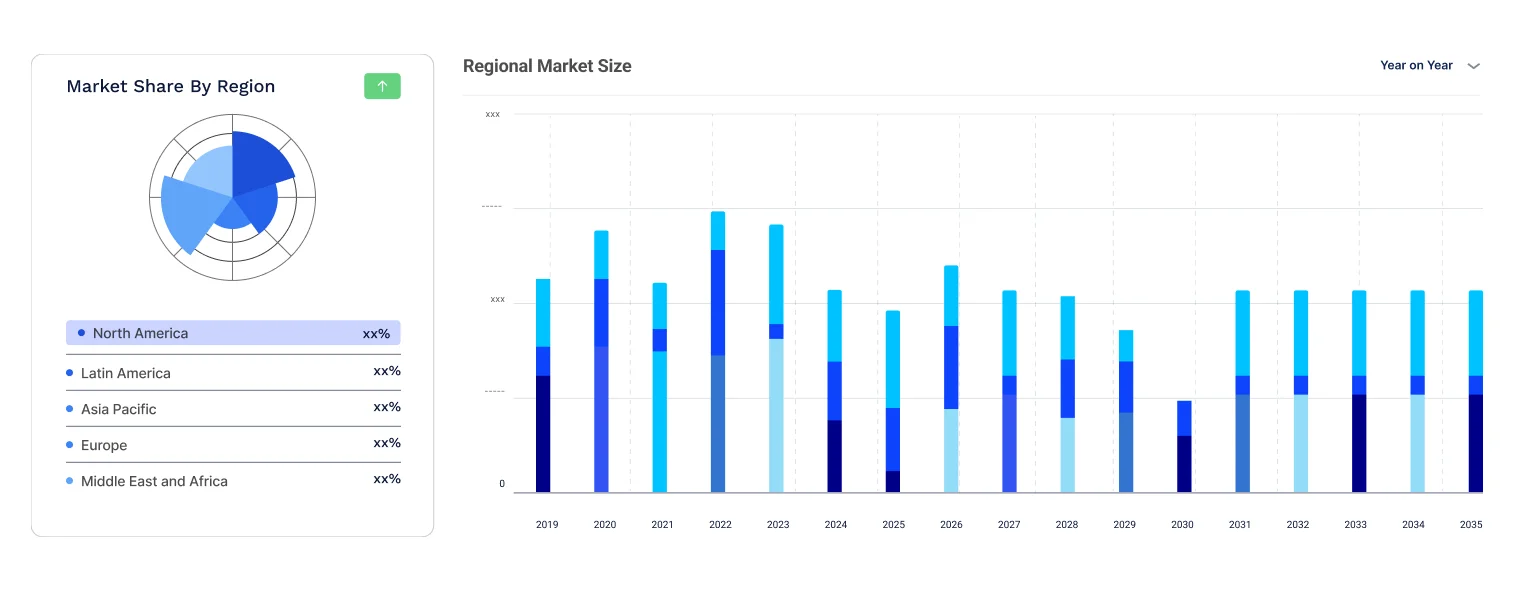
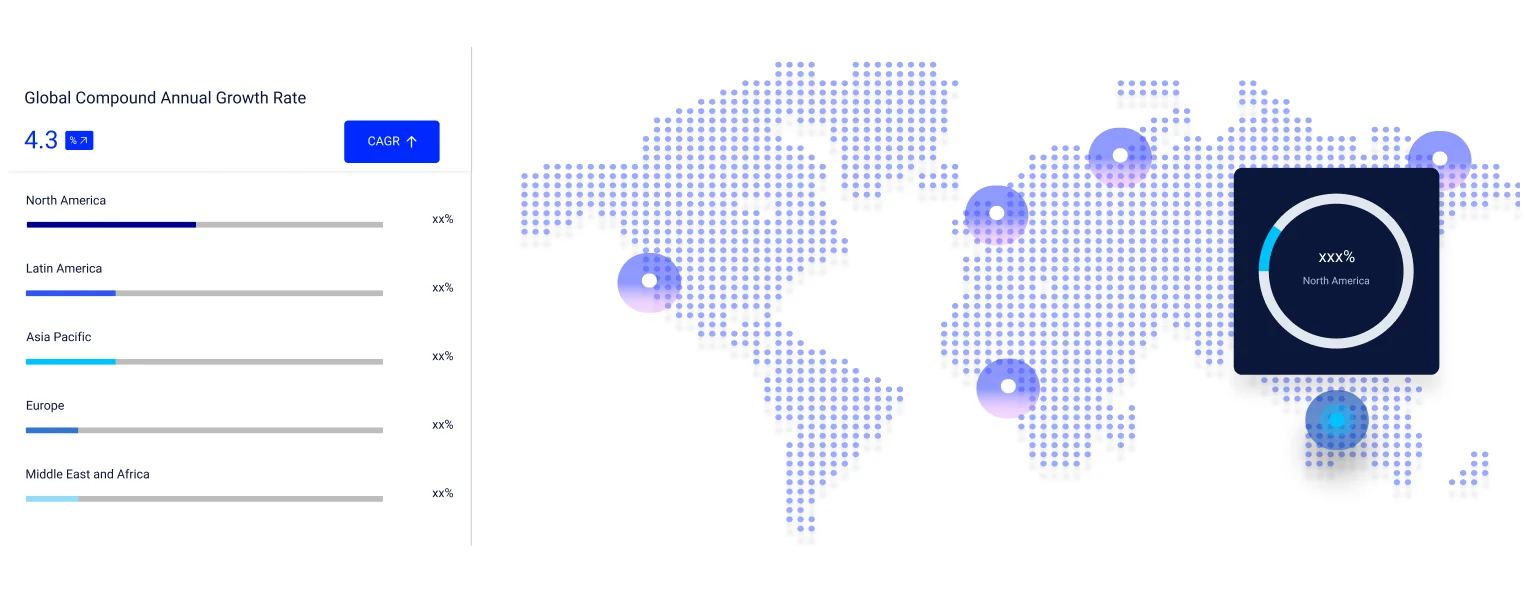
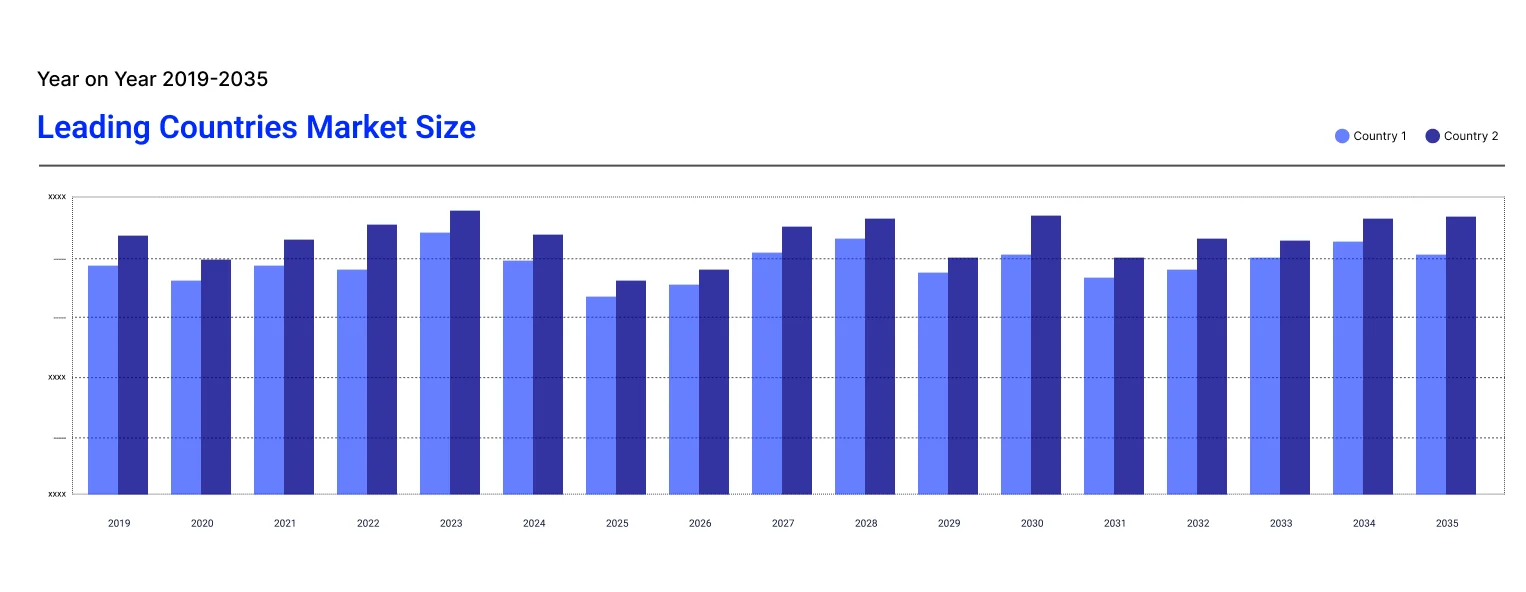
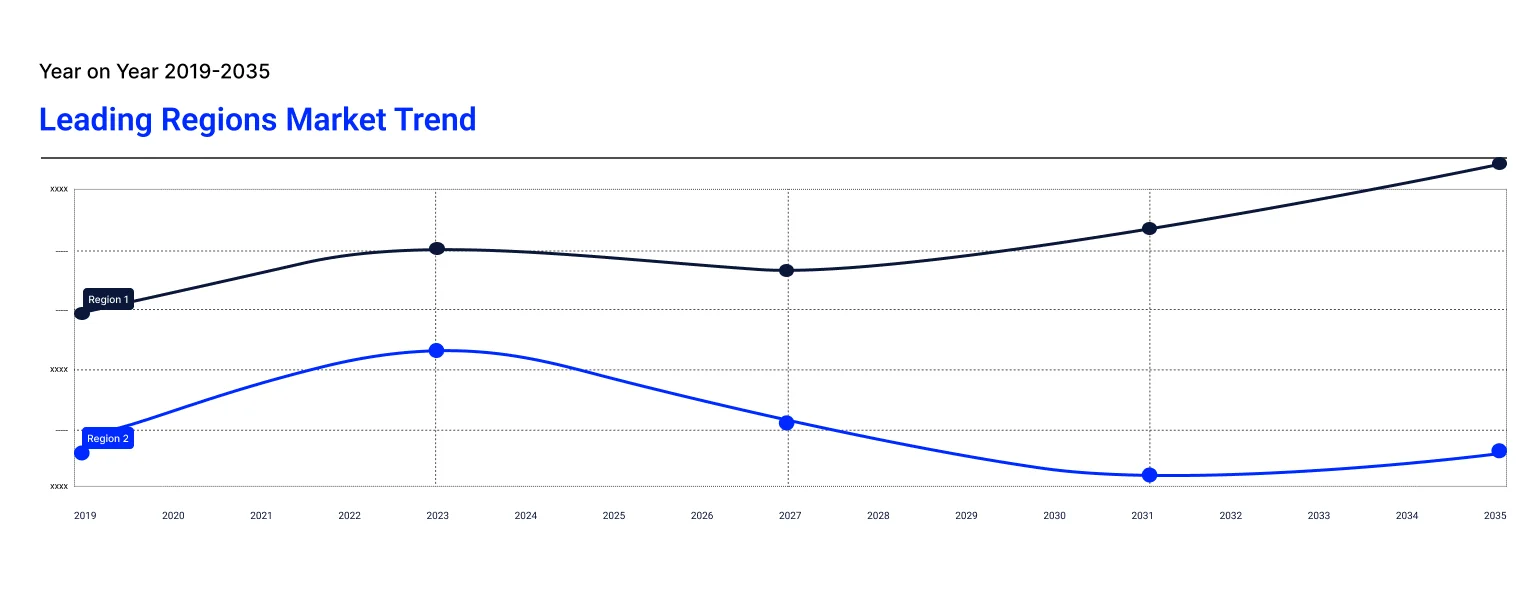
North America is expected to lead the market, mainly because of its strong healthcare infrastructure, high awareness of home-care solutions, and early adoption of advanced medical equipment. Growing preference for remote care and digital health tools in the region also strengthens its overall market position. This region’s consistent focus on shifting suitable treatments from hospitals to home settings continues to support overall market expansion and boosts demand for reliable home-care devices. The second-ranking region is Asia Pacific, supported by its rising elderly population, growing chronic disease burden, and improving access to healthcare services across developing economies.
The key features of the market report comprise funding and investment analysis and strategic initiatives by the leading players. The major companies in the market are as follows:
Founded in 1996 and headquartered in Bad Homburg, Germany, Fresenius Medical Care is a global leader in renal treatment solutions. The company provides dialysis machines, dialyzers, and support services that make home dialysis accessible for patients managing chronic kidney disease. Its strong presence in home-based renal care continues to support the overall expansion of the home healthcare equipment market. Fresenius also invests heavily in technology that improves patient comfort and long-term treatment outcomes at home.
Established in 1888 and headquartered in Illinois, United States, Abbott has evolved into a major contributor to home-care technologies through its advanced diagnostic and monitoring devices. Products like its continuous glucose monitoring systems enable patients to manage diabetes independently and more accurately at home. Abbott’s strong innovation pipeline and global reach continue to support the shift toward connected, home-based health management. The company’s focus on user-friendly devices further boosts patient confidence and long-term adoption.
Founded in 1879 and headquartered in Dublin, Ireland, Linde plc is a global pioneer in industrial and medical gases. Through its home-care division, the company supplies oxygen concentrators, cylinders, and respiratory-care support essential for patients with chronic lung conditions. Its reliable medical-gas infrastructure strengthens the availability of home respiratory solutions worldwide. Linde also focuses on improving delivery systems to ensure safer and more efficient home-based oxygen therapy for long-term users.
Established in 1896 and headquartered in Basel, Switzerland, F. Hoffmann-La Roche is a global leader in pharmaceuticals and diagnostics. The company contributes to home care by offering advanced diagnostic tools that help patients track chronic conditions from their homes. Roche’s commitment to decentralizing diagnostics supports early detection, better monitoring, and reduced dependence on hospital visits. Its ongoing investments in personalized healthcare continue to shape the future of home-based disease management.
*Please note that this is only a partial list; the complete list of key players is available in the full report. Additionally, the list of key players can be customized to better suit your needs.*
Other key players include Koninklijke Philips N.V., Resmed, GE Healthcare, Omron Healthcare Co., Ltd., Convatec Group plc, and Amedisys.
The market report offers a detailed analysis of the market based on the following segments:
Market Breakup by Type
Market Breakup by Indication
Market Breakup by Distribution Channel
Market Breakup by Region


Upto 15% Off
USD
$3299 $2969
$5499 $4949
$6999 $5949
$8199 $6969


*While we strive to always give you current and accurate information, the numbers depicted on the website are indicative and may differ from the actual numbers in the main report. At Expert Market Research, we aim to bring you the latest insights and trends in the market. Using our analyses and forecasts, stakeholders can understand the market dynamics, navigate challenges, and capitalize on opportunities to make data-driven strategic decisions.*
Explore our key highlights of the report and gain a concise overview of key findings, trends, and actionable insights that will empower your strategic decisions.
| REPORT FEATURES | DETAILS |
| Base Year | 2025 |
| Historical Period | 2019-2025 |
| Forecast Period | 2026-2035 |
| Scope of the Report |
Historical and Forecast Trends, Industry Drivers and Constraints, Historical and Forecast Market Analysis by Segment:
|
| Breakup by Type |
|
| Breakup by Indication |
|
| Breakup by Distribution Channel |
|
| Breakup by Region |
|
| Market Dynamics |
|
| Supplier Landscape |
|
| Companies Covered |
|
Datasheet
One User
USD 3,299
USD 2,969
tax inclusive*
Single User License
One User
USD 5,499
USD 4,949
tax inclusive*
Five User License
Five User
USD 6,999
USD 5,949
tax inclusive*
Corporate License
Unlimited Users
USD 8,199
USD 6,969
tax inclusive*
*Please note that the prices mentioned below are starting prices for each bundle type. Kindly contact our team for further details.*
Flash Bundle
Small Business Bundle
Growth Bundle
Enterprise Bundle
*Please note that the prices mentioned below are starting prices for each bundle type. Kindly contact our team for further details.*
Flash Bundle
Number of Reports: 3
20%
tax inclusive*
Small Business Bundle
Number of Reports: 5
25%
tax inclusive*
Growth Bundle
Number of Reports: 8
30%
tax inclusive*
Enterprise Bundle
Number of Reports: 10
35%
tax inclusive*
How To Order

Select License Type
Choose the right license for your needs and access rights.

Click on ‘Buy Now’
Add the report to your cart with one click and proceed to register.

Select Mode of Payment
Choose a payment option for a secure checkout. You will be redirected accordingly.
Strategic Solutions for Informed Decision-Making
Gain insights to stay ahead and seize opportunities.

Get insights & trends for a competitive edge.

Track prices with detailed trend reports.

Analyse trade data for supply chain insights.

Leverage cost reports for smart savings

Enhance supply chain with partnerships.

Connect For More Information
Our expert team of analysts will offer full support and resolve any queries regarding the report, before and after the purchase.
Our expert team of analysts will offer full support and resolve any queries regarding the report, before and after the purchase.
We employ meticulous research methods, blending advanced analytics and expert insights to deliver accurate, actionable industry intelligence, staying ahead of competitors.
Our skilled analysts offer unparalleled competitive advantage with detailed insights on current and emerging markets, ensuring your strategic edge.
We offer an in-depth yet simplified presentation of industry insights and analysis to meet your specific requirements effectively.




