

Consumer Insights
Uncover trends and behaviors shaping consumer choices today
Procurement Insights
Optimize your sourcing strategy with key market data
Industry Stats
Stay ahead with the latest trends and market analysis.
The India black pepper market was valued at USD 153.43 Billion in 2025. The market is expected to grow at a CAGR of 4.30% during the forecast period of 2026-2035 to reach a value of USD 233.75 Billion by 2035. Increased consumer needs from nutraceutical manufacturers as well as from functional food industries are causing processors to adopt standardized extracts, certified labels, and precision-drying technology to comply with the changing needs of global formulators.
One major driving factor behind the growth of the India black pepper market is the increased demand from institutional buyers, including food service and packaged food firms looking for standardized spices. Further, companies with export plans are making use of their government-endorsed geographical indication tags and spice parks for better brand management and processing facility infrastructure.
In the India black pepper market, there has been an organizational transformation where enterprises are no longer seen as mere commodity exporters but as comprehensive solution providers. Organizations are adopting innovative traceability systems, pesticide residue-free cultivation processes, and tailored grinding systems to cater to the stringent requirements of European Union and American imports. This approach is enabling exporters to secure lucrative deals while simultaneously lowering the probability of rejections associated with chemical residues. For example, in December 2023, India launched Shinwa (Benzamide 10% EC) insecticide with Nissan Chemical, targeting lepidoptera pests and thrips, strengthening crop protection solutions. In parallel, domestic consumption trends are evolving, with branded spices focusing on single-origin Malabar pepper or GI-labeled pepper varieties.
Companies like Synthite Industries Ltd. are enhancing their ability to extract high purity piperine, catering primarily to pharmaceutical and nutraceutical businesses, who are interested in sourcing standardized bioactive ingredients. This development comes in line with the growing interest in pepper-based active components among manufacturers of functional products, particularly since piperine is being used to increase the absorption of curcumin. According to the India black pepper market analysis, the country’s pepper exports increased by 14.7% , while the SPICED project is supporting pepper growers with equipment, training and market linkages.
Compound Annual Growth Rate
4.3%
Value in USD Billion
2026-2035
|
India Black Pepper Market Report Summary |
Description |
Value |
|
Base Year |
USD Billion |
2025 |
|
Historical Period |
USD Billion |
2019-2025 |
|
Forecast Period |
USD Billion |
2026-2035 |
|
Market Size 2025 |
USD Billion |
153.43 |
|
Market Size 2035 |
USD Billion |
233.75 |
|
CAGR 2019-2025 |
Percentage |
XX% |
|
CAGR 2026-2035 |
Percentage |
4.30% |
|
CAGR 2026-2035 - Market by Region |
South India |
4.9% |
|
CAGR 2026-2035 - Market by Region |
West India |
4.6% |
|
CAGR 2026-2035 - Market by Nature |
Organic |
6.2% |
|
CAGR 2026-2035 - Market by Form |
Ground |
4.8% |
|
2025 Market Share by Region |
South India |
32.2% |
Embrapa developed new black pepper seeds with greater disease resistance and productivity, enhancing sustainability and stability in global supplies. Companies can therefore capitalize on the development of robust seeds and engage in joint research projects to increase yield stability.
The NCDEX revealed its intentions of introducing black pepper futures contracts in India. Such an initiative would be useful for companies as futures contracts provide the opportunity for companies to hedge their risks.
MDBP-16, a revolutionary black pepper variety, was launched to boost yields, reduce water usage, and support spice cultivation in low-rainfall regions. Companies may use their position in the market to promote high yielding variants and develop relationships with farmers to ensure raw material supply.
Campco released sterile black pepper sachets emphasizing the aspects of sanitation, ease of handling, and packaging that caters to changing needs of consumers as well as export. Other brands can also diversify into packaging and selling premium spices through retail channels.
The India black pepper market witnesses an emerging trend towards oleoresins and piperine extracts. Companies such as Kancor Ingredients have upgraded their processing facilities to meet the growing demands of their overseas nutraceutical clients for bioavailability enhancing ingredients. The Spices Board of the country is also supporting several export-oriented units under the Spice Processing Scheme which is geared towards adoption of more advanced extraction technologies. On the other hand, in January 2026, KAPPEC urged black pepper growers to enhance value through branding, quality improvement, and exports. The above-mentioned trends help exporters reduce risks arising due to fluctuations in raw pepper prices.
Malabar Pepper GI-tagging is becoming popular with premium customers and is increasingly preferred by gourmet stores. This GI tag is being used by companies for developing origin-based branding strategies and marketing them abroad in countries such as Germany and United Kingdom. The Spices Board is promoting Indian spices in international platforms through trade fairs and buyer-seller meets, boosting the India black pepper market value. In March 2025, APEDA facilitated export of GI-tagged Dalle chili, a red hot cherry pepper, to Solomon Islands, boosting farmer incomes, promoting organic produce, and expanding India’s global spice trade presence. Traceability technology via QR codes that help buyers verify farm level origin are also being developed by Indian exporters.
The tough MRL guidelines by the European Union have made it imperative for exporters from India to use digital traceability systems. They have started using blockchain technologies along with monitoring crops at farms in order to adhere to MRLs. Various exporters are collaborating with agricultural technology firms to implement crop monitoring as well as digital record keeping for export shipments. This trend in the India black pepper market has led to fewer consignment rejection cases. Aligning with this trend, in December 2025, ofi launched ‘Spice Maps’ initiative, outlining 2030 climate, regenerative farming, and traceability goals.
In order to ensure that there are no disruptions in supply of spices, various companies operating in this sector have started making use of contract farming arrangements for cultivating crops with farmers in the states of Kerala and Karnataka. These contracts also involve training farmers on sustainable practices along with providing planting material of high yield. Government sponsored Farmer Producer Organizations are helping in stabilizing supplies of crops by maintaining quality standards. Aligning with this India black pepper market trend, in January 2026, WorldVeg released 37 new pepper varieties with climate resilience, disease resistance, and improved traits, supporting global seed innovation and sustainable crop productivity.
The burgeoning packaged foods and QSR industry in the country is fueling demand in the India black pepper market. The food processing firms are now more inclined toward signing long-term agreements with the spice suppliers for assured quality and prices. Several renowned brands of spices are increasing their verticals for business-to-business customers to address the demands of institutional buyers through tailor-made grind sizes and formulation blends. This initiative is being supported by government policies aimed at food processing under initiatives such as PMKSY, thus generating additional demand for black pepper in industrial usage. In November 2023, IISR Kozhikode introduced ‘IISR Chandra’, a high-yielding black pepper variety with superior quality, bold berries, and improved productivity potential.
The EMR’s report titled “India Black Pepper Market Report and Forecast 2026-2035” offers a detailed analysis of the market based on the following segments:
Market Breakup by Nature
Key Insight: Segmentation based on natural resources represents the duality of the India black pepper market that relies on the role of conventional peppers to facilitate high volumes of trading and the role of organic peppers to ensure premium status. In the case of conventional supply chains, the optimization for efficiency comes from meeting the needs of industrial customers requiring reliable qualities in large volumes. On the contrary, the production and delivery of organic peppers rely on market certification and focuses on the importance of traceability and sustainability of production processes. In February 2025, Newman’s Own introduced organic seasoning blends incorporating spices like black pepper and red pepper, offering versatile, clean-label flavors for everyday cooking needs.
Market Breakup by Form
Key Insight: As per the India black pepper market report, the form category underlines the difference between primary commodities and processed products. Whole pepper is gaining importance because of its versatility and durability, thus allowing it to be traded internationally. Ground pepper is emerging as a popular choice because buyers prefer pre-prepared forms which facilitate manufacturing operations. Crushed pepper holds a secondary position and is preferred by customers who need it for specific culinary purposes. Companies have started offering products in various forms to meet customer demands.
Market Breakup by End Use
Key Insight: The industrial purchasers emphasize standardization, consistency, and quality, hence forming the core of bulk purchases. The market witnesses increased preference by food service providers to find standardized seasoning products to ensure consistent taste. Although retail buyers purchase in smaller quantities, they significantly influence packaging innovation due to the market’s competitive nature. The suppliers are realizing that to address these diverse needs, separate products need to be formulated.
Market Breakup by Distribution Channel
Key Insight: The India black pepper market dynamics, in terms of distribution channels, point out an important distinction between the magnitude of institutions versus consumer-based growth. The B2B channels continue to dominate the market because of their capacity for volume, standardization, and long-term contracts. They are driven by demand from industries and exports. On the other hand, B2C channels are growing due to the importance that firms place on brand building, product packaging, and customer engagement.
Market Breakup by Region
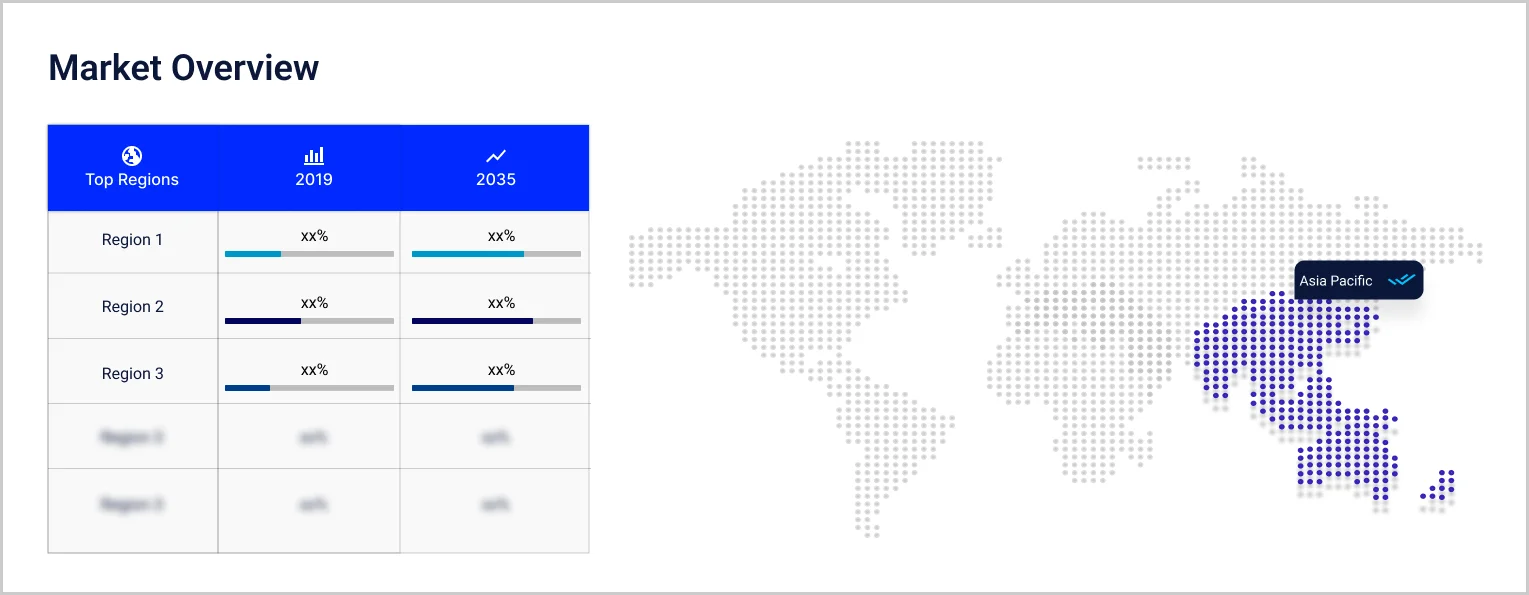
Key Insight: Regional dynamics in the India black pepper market focus on the importance of South India in terms of production. The importance of South India can be seen in its developed infrastructure, competent growers, and suitability for the growth of pepper. North India and West India play the role of consumers and distributors respectively. East India, however, is emerging as a key region in the pursuit of diversification.
Conventional pepper currently dominates the market due to scale efficiency and export readiness
Traditionally grown black pepper continues to dominate the overall India black pepper market due to the preference of bulk buyers for consistent volume and price competitiveness. For example, Olam Food Ingredients plans to create sourcing hubs in Kerala and Vietnam so that there is no disruption in the supply for its bulk clients. This category enjoys advantages like existing trade connections, a grading system in place, and the ability to fulfill large-scale purchase orders. Exports are adopting sterilization and cleaning facilities to ensure food safety standards at affordable prices.
Demand for organically cultivated black pepper is growing rapidly within the India black pepper market scope as foreign buyers prefer residue-free and sustainable spices. India's exporting organizations are partnering with certifying agencies to increase the area for organic cultivation. Karnataka's Western Ghats have emerged as a hotspot of activity where organic growers are entering into partnership with the local farmers. Organizations like Synthite Industries Ltd. are incorporating organic ingredient mixes in their portfolio, catering to nutraceutical and natural food companies. For example, in January 2024, Organic India launched new black tea variants infused with spices including black pepper, enhancing flavor profiles and wellness benefits.
By form, whole pepper leads the market growth due to export preference and shelf stability
The whole black pepper holds the most significant share in the India black pepper market mainly due to its popularity among exporters. The Indian companies involved in exports of pepper are improving their capacity to clean, sort and grade the whole peppers that can be exported. For example, VKC Nuts Private Limited included automated processing lines in its production cycle. As a result, the whole pepper is less prone to losses during the shipment, as well as is more durable and stable. Leveraging this trend, in March 2026, VH Global Export expanded global supply of Indian spices including black pepper, strengthening export networks, ensuring quality consistency, and serving international bulk buyers.
The rapid rise of the ground black pepper market in India is characterized by high growth rates in demand for spices in food processing and quick-service restaurants. In order to meet this increased demand, producers concentrate on developing unique grinds, and other technologies to preserve aroma, and introduce new types of packaging. Companies such as Everest Spices increase their business-to-business product range by offering blended ground black pepper.
By end use, the Industrial segment occupies a substantial market share driven by large-scale food processing requirements globally
The industrial sector largely contributes to the India black pepper market revenue, as the need for large volumes of pepper is essential for food, seasonings, and nutraceuticals producers. Suppliers in India are entering long-term agreements with international food producers, emphasizing consistency and punctuality in supply. Firms like Kancor Ingredients Limited are using sophisticated methods of extraction and processing to target the industrial sector looking for functionality-based ingredients. Moreover, there is an increasing demand for blends, convenience meals, and processed products, which is driving the industrial sector.
The food service sector is witnessing rapid expansion in the India black pepper market due to the increasing presence of restaurant chains and cloud kitchens throughout the country. Food service providers seek consistency in taste profiles, making spice suppliers provide pre-blended formulas of pepper. Enterprises like ITC Limited are expanding their institutional marketing channel through hotels, restaurants, and caterers. In December 2025, From Byadgi introduced traceable, single-origin Indian spices including black pepper to United States markets, emphasizing authenticity, quality sourcing, and premium culinary experiences.
The B2B category leads the Indian industry due to bulk procurement and long-term contracts
B2B consumers represent the major contributor that is boosting the India black pepper market penetration, due to consistent volume requirements and standard quality demands. Suppliers increasingly prefer to engage in procurement arrangements that emphasize customized parameters, such as moisture level, grind size, and piperine content. Companies like Olam Food Ingredients are improving integrated processing capabilities and catering to institutional purchasers more effectively. Seasoning manufacturers and ready meal producers are driving steady demand cycles in this segment. Aligning with this trend, in May 2024, IPSTA launched an online e-auction platform for black pepper, enabling nationwide trading access, improving price discovery, and enhancing market transparency.
The B2C channel shows robust growth in the India black pepper market owing to changing consumer preferences for branded and hygienically processed black pepper. Companies are concentrating on novel packaging solutions, ranging from grinders to resealable packs, to provide convenience while retaining the pepper's aroma. ITC Limited is among those companies that are developing a diversified portfolio of spices, including single-origin and residue-free varieties of black pepper. E-commerce sales also help accelerate growth in this segment by providing greater accessibility and tailored marketing opportunities. Health benefits linked to black pepper consumption are another key factor influencing growth in this category.
|
CAGR 2026-2035 - Market by |
Region |
|
South India |
4.9% |
|
West India |
4.6% |
|
North India |
XX% |
|
East India |
XX% |
South India leads production due to favorable climate and established supply chains
Southern India, especially the states of Kerala and Karnataka, experiences supremacy in the production of black pepper owing to its favorable agro-climatic environment and advanced methods of cultivation. Companies are making heavy investments in the region to ensure acquisition of quality raw material through direct procurement and contract farming. Some of the leading organizations include Olam India, which is trying to create an integrated chain linking farmers and processing units. Further, in February 2025, ICAR-IISR organized training on sustainable black pepper production practices, educating farmers on advanced techniques in Kodagu district.
The East India black pepper market is rapidly gaining prominence as companies try out other cultivation zones to diversify risk. This region includes states such as Odisha and West Bengal, where trials to cultivate black pepper outside conventional zones are being made. Exporting firms are partnering with small-scale farmers in the region to encourage the adoption of new varieties of pepper and advanced agricultural methods.
The competitive dynamics in the market are gradually changing, moving away from being purely quantity-oriented and towards becoming more quality-oriented and compliant with regulations. Leading India black pepper market players are now emphasizing residue-free supplies, custom grinding facilities, and high-piperine extract creation to cater to customers from the nutraceuticals and food processing sectors. They are also making efforts to establish themselves as origin-specific brands and traceability experts to get premium export orders to Europe.
There are new prospects coming up for contract farming arrangements which are creating an environment of guaranteed quality. Cooperation between the India black pepper companies and food processing and QSR chains is proving to be helpful in ensuring constant institutional demand.
Founded in 1959, and based in Delhi, India, Mahashian Di Hatti Private Limited specializes in branded spice mixes, using their MDH brands to market black pepper through superior packaging solutions. The company is investing heavily in automated systems for grinding and packing black pepper to ensure consistent taste across retail and B2B channels in India as well as overseas markets.
Founded in 1929 and based in Noida, India, Catch Foods highlights their innovations in packaging like spray packs and aroma-proof packaging for black pepper. Targeted towards urban consumers and HoReCa buyers, Catch Foods provides consistent grain size and moisture control in their packaging and also invests in better B2B solutions.
Incorporated in 1968, Nani Agro Foods is an Indian spice manufacturing company that deals with the export business. The company produces quality whole pepper and ground pepper by investing in technology such as cleaning, grading, and steam sterilization. Nani Agro Foods mainly caters to its customers in Europe and the Middle East.
VLC Spices was founded in 2020 and headquartered in Mumbai, India, and operates in both the domestic and export segments. VLC Spices is now concentrating more on building its supply chain network. The company also provides customized grinding machines for institutions.
*Please note that this is only a partial list; the complete list of key players is available in the full report. Additionally, the list of key players can be customized to better suit your needs.*
Other key players in the market include Palia Brothers, Kapadiya Expo Company, Vedaliya Industries LLP, and Anu Foods, among others.
Explore the latest trends shaping the India black pepper market 2026-2035 with our in-depth report. Gain strategic insights, future forecasts, and key market developments that can help you stay competitive. Download a free sample report or contact our team for customized consultation on India black pepper market trends 2026.


Upto 15% Off
USD
$2499 $2249
$3999 $3599
$4999 $4249
$5999 $5099


*While we strive to always give you current and accurate information, the numbers depicted on the website are indicative and may differ from the actual numbers in the main report. At Expert Market Research, we aim to bring you the latest insights and trends in the market. Using our analyses and forecasts, stakeholders can understand the market dynamics, navigate challenges, and capitalize on opportunities to make data-driven strategic decisions.*
In 2025, the India black pepper market reached an approximate value of USD 153.43 Billion.
The market is projected to grow at a CAGR of 4.30% between 2026 and 2035.
The key players in the market include Mahashian Di Hatti Private Limited, Catch Foods, Nani Agro Foods (P) Ltd., VLC Spices, Palia Brothers, Kapadiya Expo Company, Vedaliya Industries LLP, and Anu Foods, among others.
Investing in traceable sourcing networks, expanding value-added processing, forming contract farming partnerships, targeting nutraceutical buyers, and optimizing institutional supply agreements are strengthening competitive positioning across evolving demand segments.
Maintaining consistent quality amid climate variability, meeting strict export residue norms, managing price volatility, ensuring traceability, and balancing cost pressures with investments in processing technologies remain critical challenges.
Explore our key highlights of the report and gain a concise overview of key findings, trends, and actionable insights that will empower your strategic decisions.
| REPORT FEATURES | DETAILS |
| Base Year | 2025 |
| Historical Period | 2019-2025 |
| Forecast Period | 2026-2035 |
| Scope of the Report |
Historical and Forecast Trends, Industry Drivers and Constraints, Historical and Forecast Market Analysis by Segment:
|
| Breakup by Nature |
|
| Breakup by Form |
|
| Breakup by End Use |
|
| Breakup by Distribution Channel |
|
| Breakup by Region |
|
| Market Dynamics |
|
| Competitive Landscape |
|
| Companies Covered |
|
Datasheet
One User
USD 2,499
USD 2,249
tax inclusive*
Single User License
One User
USD 3,999
USD 3,599
tax inclusive*
Five User License
Five User
USD 4,999
USD 4,249
tax inclusive*
Corporate License
Unlimited Users
USD 5,999
USD 5,099
tax inclusive*
*Please note that the prices mentioned below are starting prices for each bundle type. Kindly contact our team for further details.*
Flash Bundle
Small Business Bundle
Growth Bundle
Enterprise Bundle
*Please note that the prices mentioned below are starting prices for each bundle type. Kindly contact our team for further details.*
Flash Bundle
Number of Reports: 3
20%
tax inclusive*
Small Business Bundle
Number of Reports: 5
25%
tax inclusive*
Growth Bundle
Number of Reports: 8
30%
tax inclusive*
Enterprise Bundle
Number of Reports: 10
35%
tax inclusive*
How To Order

Select License Type
Choose the right license for your needs and access rights.

Click on ‘Buy Now’
Add the report to your cart with one click and proceed to register.

Select Mode of Payment
Choose a payment option for a secure checkout. You will be redirected accordingly.
Strategic Solutions for Informed Decision-Making
Gain insights to stay ahead and seize opportunities.

Get insights & trends for a competitive edge.

Track prices with detailed trend reports.

Analyse trade data for supply chain insights.

Leverage cost reports for smart savings

Enhance supply chain with partnerships.

Connect For More Information
Our expert team of analysts will offer full support and resolve any queries regarding the report, before and after the purchase.
Our expert team of analysts will offer full support and resolve any queries regarding the report, before and after the purchase.
We employ meticulous research methods, blending advanced analytics and expert insights to deliver accurate, actionable industry intelligence, staying ahead of competitors.
Our skilled analysts offer unparalleled competitive advantage with detailed insights on current and emerging markets, ensuring your strategic edge.
We offer an in-depth yet simplified presentation of industry insights and analysis to meet your specific requirements effectively.




