

Consumer Insights
Uncover trends and behaviors shaping consumer choices today
Procurement Insights
Optimize your sourcing strategy with key market data
Industry Stats
Stay ahead with the latest trends and market analysis.
The India crop protection chemicals market is witnessing remarkable growth, driven by the immediate need to boost agricultural yields and manage pest and disease challenges in the face of changing climatic conditions. As of 2025, the market size was estimated at USD 1.26 Billion and is projected to grow at a CAGR of around 8.80% through 2035. With agriculture being a vital pillar of India’s economy, protecting crops from damage has become a national priority. This growing emphasis is expected to drive the crop protection chemicals market to reach USD 2.93 Billion by 2035.
India's crop protection market is embracing precision agriculture, with drones and sensors enabled by AI transforming pest control. Startups like Fasal and BharatRohan are advancing precision agriculture in India through drone-based pest management. Their systems detect pest infestations early and enable precise spraying, reducing pesticide use, improving crop health, and increasing yields. These innovations support sustainable farming and align with India’s push toward tech-driven agri-solutions in rural areas.
Precision farming can enhance productivity by 25% as per NITI Aayog. These technologies optimize chemical use and maximize effect while enhancing both crop health and environmental sustainability in key agricultural states such as Punjab and Maharashtra, thereby bolstering the growth of the India crop protection chemicals market.
Furthermore, mobile apps like Kisan Suvidha and AgriApp provide farmers with real-time weather, soil, and pest notifications to support field-level decision-making. These apps facilitate on-time usage of crop protection chemicals, thus cutting losses due to unexpected pest attacks. Digital tools have the potential to decrease pesticide abuse by 30%, according to the Indian Ministry of Agriculture, enabling farmers to maximize yield and cost while increasing long-term crop resistance.
India's biopesticide market is driven by consumer demand for residue-free food and regulatory support. IPL Biologicals and BioSafe are leading companies expanding green formulations from neem and microbial concentrates on a large scale. In 2023, IPL Biologicals entered a ₹400 crore MoU with the Gujarat government to build a cutting-edge facility for biofertilizers, biopesticides, biofungicides, and microbial promoters. This initiative focuses on neem- and microbe-based formulations boosting domestic manufacturing capacity, reducing chemical pesticide use, and reinforcing India's leadership in sustainable, residue-free agriculture. As the ban on harmful chemicals grows stronger, biopesticides are gaining share, particularly in export-oriented produce such as basmati rice and fruits. The change makes India the world leader in sustainable crop protection.
Compound Annual Growth Rate
8.8%
Value in USD Billion
2026-2035
Read more about this report - REQUEST FREE SAMPLE COPY IN PDF
|
India Crop Protection Chemicals Market Report Summary |
Description |
Value |
|
Base Year |
USD Billion |
2025 |
|
Historical Period |
USD Billion |
2019-2025 |
|
Forecast Period |
USD Billion |
2026-2035 |
|
Market Size 2025 |
USD Billion |
1.26 |
|
Market Size 2035 |
USD Billion |
2.93 |
|
CAGR 2019-2025 |
Percentage |
XX% |
|
CAGR 2026-2035 |
Percentage |
8.8% |
|
CAGR 2026-2035 - Market by Region |
South India |
10.0% |
|
CAGR 2026-2035 - Market by Region |
East India |
9.4% |
|
CAGR 2026-2035 - Market by Source |
Natural |
9.7% |
|
CAGR 2026-2035 - Market by Form |
Liquid |
9.3% |
|
2025 Market Share by Region |
West India |
28.2% |
PI Industries secured registration for Pioxaniliprole, covering both the technical material and formulation in India, in September 2026. The registration represents a significant product development milestone for the company as Pioxaniliprole is its first proprietary insecticide active ingredient discovered through its own research and development programme. The molecule is being positioned as a new chemistry for crop protection, expanding the domestic portfolio of differentiated insecticide solutions. The development also demonstrates the increasing emphasis among Indian agrochemical companies on indigenous molecule discovery and registration rather than relying solely on off-patent active ingredients and imported technologies.
ADAMA announced the launch of Actagon herbicide for Indian wheat growers in September 2026. The ready-mix formulation combines pyroxasulfone and metribuzin and is designed for pre-emergence control of Phalaris minor and other grass and broadleaf weeds. The launch specifically targets Punjab and Haryana, where resistance in Phalaris minor has made wheat weed management more challenging. Field trials across major wheat-growing regions demonstrated residual weed control under high weed pressure following a single pre-emergence application. The development highlights the introduction of dual-mode herbicide formulations aimed at improving resistance management while simplifying application for farmers.
Dhanuka Agritech announced plans in August 2026 to invest up to INR 200 crore in a new pesticide manufacturing facility in Nagpur, Maharashtra. The proposed plant is expected to have annual production capacity of approximately 23,000 tonnes and is targeted for commissioning by April 2028. The facility is intended to strengthen Dhanuka’s domestic manufacturing base and improve supply coverage across agricultural markets in central and other parts of India. The investment is also expected to provide additional production flexibility during periods of seasonal demand. The project represents continued investment by domestic agrochemical manufacturers in expanding local crop protection production capacity.
Bayer launched Trance insecticide in India in July 2026 for cotton farmers managing sucking pest complexes such as aphids, jassids and whitefly nymphs. The product combines two complementary modes of action and is designed to provide broad-spectrum pest control while supporting crop health. Bayer introduced Trance across major cotton-producing states including Maharashtra, Gujarat, Madhya Pradesh, Telangana, Karnataka, Andhra Pradesh and West Bengal. The launch responds to increasing pest pressure and resistance challenges in cotton cultivation and adds a targeted solution to Bayer’s Indian crop protection portfolio.
India’s crop protection sector is increasingly incorporating biopesticides and other biological inputs alongside conventional insecticides, herbicides and fungicides. ICAR reported in 2025 that India’s biopesticides market had shown sustained growth, with cited industry estimates indicating base-year values ranging from around USD 70 million to USD 260 million and projected growth rates of roughly 9-10% depending on the source. Government policy is also encouraging biopesticides and sustainable practices while strengthening pest monitoring and farmer awareness. This is encouraging manufacturers to develop microbial, botanical and other lower-risk formulations that can complement chemical crop protection and support integrated pest management programmes.
Drone spraying is becoming an increasingly relevant application channel for crop protection chemicals in India. The government is providing financial assistance for agricultural drones through the Sub-Mission on Agricultural Mechanization, while drones are being used for pesticide and nutrient application. By July 2026, more than 40,928 drone demonstrations had been conducted across 40,918 hectares with INR 52.5 crore in financial support. The trend is encouraging pesticide manufacturers to consider formulations, packaging and application characteristics suited to aerial spraying. Government material also notes that 477 pesticides had received interim approval for drone use, while research into ultra-low-volume formulations is continuing.
Crop protection is increasingly moving from blanket chemical application toward targeted pest management supported by digital technologies. India’s National Pest Surveillance System uses artificial intelligence and machine learning to identify pest infestations and provide timely interventions. By July 2026, the system was being used by more than 10,000 extension workers. The wider precision agriculture ecosystem is also incorporating satellite imagery, remote sensing, sensors, GIS, drones and AI-based decision-support systems. For crop protection companies, this creates opportunities to pair chemical products with field-level pest diagnostics, targeted application recommendations and digital advisory services, potentially improving application efficiency and reducing unnecessary pesticide use.
Integrated pest management is becoming more prominent as India seeks to improve pesticide stewardship while maintaining crop productivity. ICAR’s September 2026 guidance defines IPM as an approach combining cultural, physical, mechanical, varietal, biological, biotechnological and chemical methods, with pesticides used only when necessary and at recommended doses. In August 2026, ICAR and CABI also initiated a programme to identify and test lower-risk alternatives to highly hazardous pesticides for tomato production in India. This is encouraging crop protection companies to develop products that can be incorporated into broader pest-management programmes rather than relying exclusively on repeated conventional chemical applications.
Pesticide resistance is encouraging greater attention to diversified modes of action and integrated application strategies across Indian agriculture. The need is particularly relevant in crops where repeated use of similar chemistries can reduce control effectiveness. Recent product development is therefore increasingly centred on combinations or formulations offering complementary modes of action, while IPM programmes promote biological, cultural and chemical measures together. ICAR specifically highlights informed decision-making and the judicious use of pesticides as part of responsible pest management. This environment is encouraging manufacturers to invest in differentiated active ingredients, combination products, resistance-management recommendations and field surveillance to preserve the effectiveness of existing crop protection chemistries.
The EMR’s report titled “India Crop Protection Chemicals Market Report and Forecast 2026-2035” offers a detailed analysis of the market based on the following segments:
Market Breakup by Source
Key Insight: Synthetic crop protection chemicals dominate due to their immediate effectiveness and affordability. Maharashtra and other states utilized more than 8,700 metric tonnes of pesticides in 2023–24, primarily synthetic, as per the Ministry of Agriculture. Their extensive availability and suitability for wide varieties of crops render them a favourite among farmers, particularly for crop pests like cotton and rice, facilitating mass-scale, high-yield cultivation throughout India.
Market Breakup by Form
Key Insight: Liquid formulation leads the market because of easy blending, even application, and quick absorption. Government-backed precision agriculture initiatives in Andhra Pradesh promote the employment of liquid pesticides to control pests effectively. Liquid chemicals are also supported by spraying machines such as drones and boom sprayers, increasing their uptake. They are versatile and adaptable to contemporary farming methods, which makes them the most favoured formulation to adopt for Indian farmers who own large or small farms, thereby pushing the India crop protection chemicals demand.
Market Breakup by Product Type
Key Insight: Insecticides dominate the product category, especially for cotton, rice, and pulses. According to a 2023 ICAR report, India's increasing pest incidence, especially cotton bollworms, has rendered insecticides a crucial category in India. In Punjab and Telangana, agricultural extension services pay attention to pest identification and the application of insecticides. Their role in preventing yield loss and guaranteeing food security reinforces insecticides' stronghold in India's crop protection portfolio.
Market Breakup by Crop Type
Key Insight: Cereals and grains dominate chemical usage due to their vast cultivation area across India. Wheat and paddy fields in Uttar Pradesh and Punjab heavily rely on herbicides and fungicides to prevent yield loss from rust and blast diseases. The emphasis on grain buffer stocks by the Food Corporation of India encourages farmers toward the use of chemicals to maintain quality and yield consistency, making the segment a dominant contributor to pesticide use.
Market Breakup by Application
Key Insight: Foliar spray is the most common method of application for crop protection chemicals, providing quick pesticide uptake. Under government extension programs, foliar spraying is encouraged in Karnataka's horticulture industry because it is cost-effective and results in little wastage, thus pushing the demand of the India crop protection chemicals market. Leaf spraying provides an opportunity for farmers to apply pesticides directly, thus enhancing efficacy. Its applicability with drones and sprayers adds greater support for foliar spraying as the preferred technique in varied Indian agricultural settings.
Market Breakup by Region
Key Insight: South India dominates crop protection chemical usage due to its diverse cropping patterns and high-value horticulture. States like Andhra Pradesh and Karnataka cultivate chili, cotton, and paddy, which are pest prone. In 2023, Andhra Pradesh reported one of the highest pesticide consumption rates, according to the Directorate of Plant Protection. Government-led Integrated Pest Management (IPM) initiatives and strong agri-extension networks further drive chemical adoption across this region.
Read more about this report - REQUEST FREE SAMPLE COPY IN PDF
|
CAGR 2026-2035 - Market by |
Region |
|
South India |
10.0% |
|
East India |
9.4% |
|
West India |
XX% |
|
North India |
XX% |
Synthetic chemicals dominate for immediate pest control in large-scale conventional farming.
Synthetic crop protection chemicals dominate due to their immediate efficacy, established supply chains, and wide application across pest-prone crops. They are heavily used in commercial agriculture for crops like cotton and rice, particularly in states like Maharashtra and Punjab, where pest pressure is high and rapid action is critical, thus boosting the growth of the India crop protection chemicals market.
Natural crop protection chemicals are growing fastest with a CAGR of 9.7% (2026–2035), driven by increased demand for organic produce and sustainable agriculture. Government initiatives promoting residue-free farming and rising exports of organic fruits and spices from states like Sikkim and Kerala are accelerating the adoption of bio-based alternatives.
Solid forms preferred for cost, storage ease, and long shelf life.
Solid forms like dusts, granules, and wettable powders continue to lead the way because of greater shelf life, affordability, and convenience of storage. They are used in conventional farming circles, particularly in northern and western India, where staple crops like pulses and wheat have a high incidence of granular fungicides and herbicides.
Liquid formulations are the fastest-growing with a CAGR of 9.3% (2026–2035), attributed to better absorption, precision dosing, and compatibility with mechanized spraying. These are increasingly used in high-value horticulture and drip-irrigated farms in Karnataka and Andhra Pradesh, enhancing efficiency in targeted application.
Fungicides dominate due to widespread fungal infections in fruits and cereals.
Fungicides lead with rampant fungal disease infestations on fruits, vegetables, and cereals. In Tamil Nadu and West Bengal states, crops such as rice and bananas are extremely vulnerable, leading to large-scale applications of fungicidal controls to safeguard yields, especially during monsoon periods, thereby bolstering the India crop protection chemicals market development. In 2024, pesticide use surged in key infested crops. Kerala reported 511 MT total pesticide use, with paddy leading and banana ranking second. West Bengal’s rice-rich regions battled persistent rice-blast outbreaks, prompting widespread fungicide application during the monsoon to protect yields, especially in Tamil Nadu and West Bengal.
Biopesticides are the most rapidly growing segment, aided by more stringent residue policies and growing export requirements. Greater uptake within certified organic cultivation belts such as Sikkim and subsidies provided by the government for microbial-based crop care products are fuelling market penetration along India's fruit and vegetable belt.
Commercial crops like cotton demand heavy pesticide use for yield protection.
Commercial crops like cotton, sugarcane, and tobacco are heavily dependent on pesticides because of high incidence of pests and economical value. The states of Maharashtra and Gujarat exhibit high intensity of pesticide use in cotton, maintaining regular productivity and safety of farmer earnings. In Madhya Pradesh’s Chhindwara region, over 6,000 cotton farmers transitioned from conventional Bt cotton to organic practices in 2024, thus employing biofertilizers and biopesticides instead of chemical sprays. This shift significantly reduced pesticide uses while improving soil health, demonstrating fertile potential for scaling sustainable cotton production in other states like Maharashtra and Gujarat.
Fruits and vegetables are the most rapidly growing segment due to the rise in domestic consumption and exports. The perishable crop patterns of tomatoes, grapes, and chilies, cultivated in Andhra Pradesh and Karnataka, demand frequent safeguarding, promoting high growth in this segment with more frequency of application of chemicals.
Foliar sprays dominate for quick, direct pest action across many crops.
The most applied form is through foliar sprays because they act directly and instantly. Foliar sprays are used extensively in all major crop groups, particularly for vegetables and cereals in Tamil Nadu and Punjab, providing instant pest protection and simplicity in application compatibility with both manual and mechanized spraying.
Seed treatment is the fastest-growing method of application, driven by its cost-savings and performance in the initial stages of crops. Growing use in crops such as maize, soybean, and cotton, especially in Madhya Pradesh and Telangana, thus indicates growing preference for preventive crop protection methods.
Read more about this report - REQUEST FREE SAMPLE COPY IN PDF
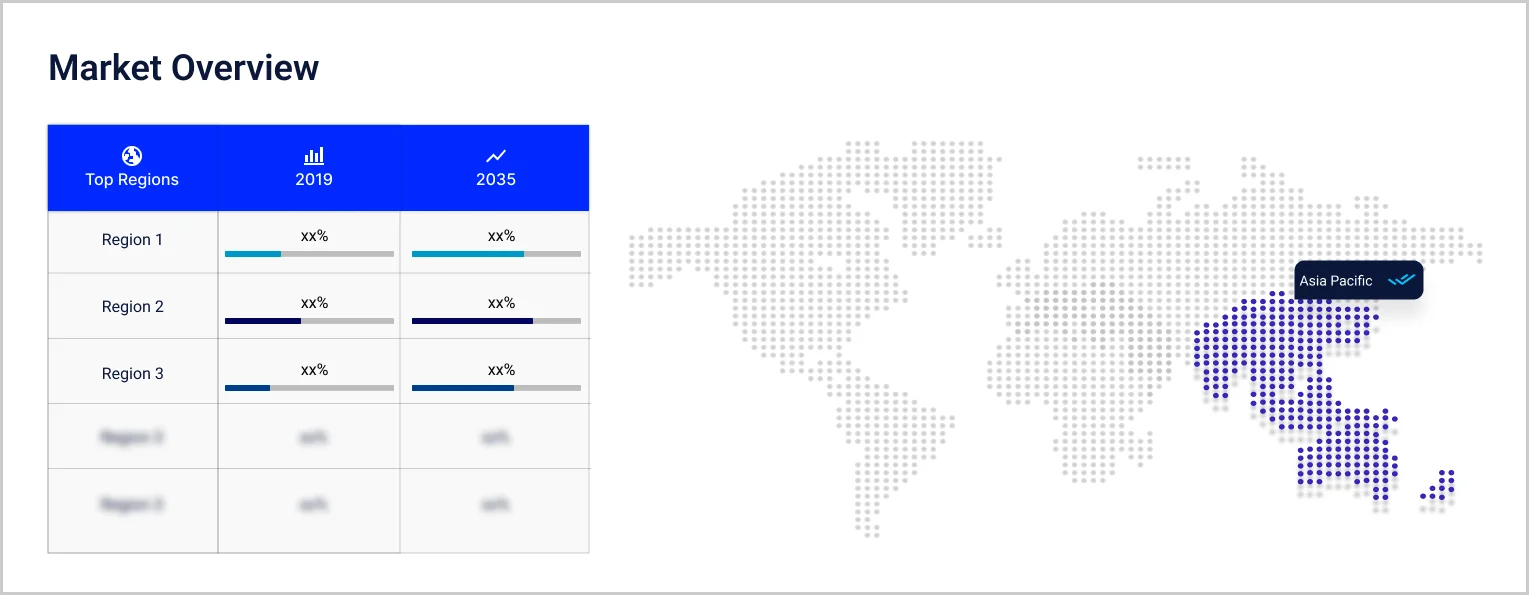
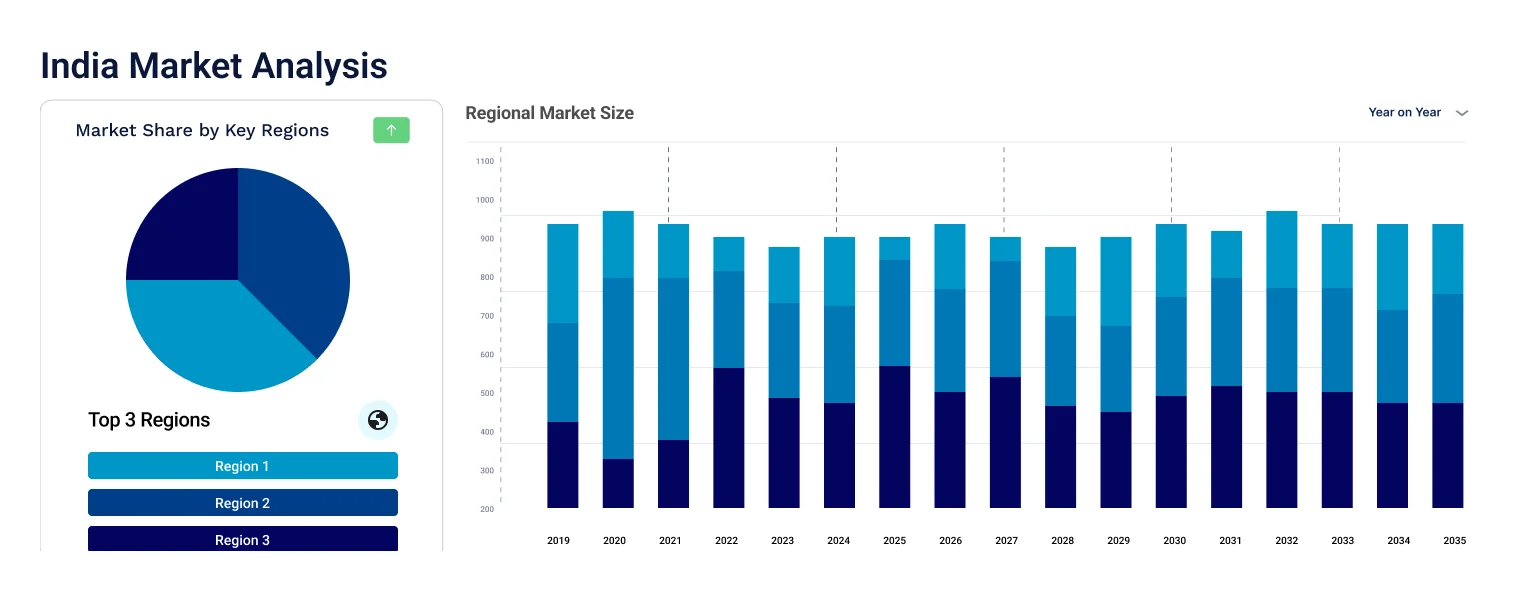
West India Leads, South India Emerges as Fast-Growing Hub for Crop Protection
West India is presently dominating India's crop protection chemicals market share by taking up almost 28.2% share in 2025. This is due to extensive cultivation of vegetables, sugarcane, and cotton in Maharashtra and Gujarat. Both the states possess robust agricultural supply chains and high farmer consciousness, which makes crop protection solutions widely used, thus boosting the India crop protection chemicals market revenues.
The fastest-growing region is South India, specifically Andhra Pradesh, Telangana, and Tamil Nadu. The region is anticipated to garner a robust CAGR of 10.0% during the forecast period. The region is experiencing a rising demand for specialized pesticides and biopesticides, driven by high-value horticultural crops like mangoes, bananas, and tomatoes. Export promotion and government-supported horticulture missions, like the "National Horticulture Mission," are driving growth and widening market penetration. Furthermore, the launch of the Clean Plant Programme (INR 1,765 crore initiative) under MIDH in August 2024 boosts access to virus-free planting materials, driving pesticide use for crop protection and export-quality yields.
Major India crop protection chemicals market players are pursuing dual strategies of localization and innovation to strengthen their regional presence. For example, numerous companies are consolidating their manufacturing hubs in India to cater to both domestic and overseas markets. Partnerships with local distributors, farmer training, and digital advisory platforms are also being employed to create brand confidence and market reach. On the innovation front, major India crop protection chemicals companies are putting a lot of money into research and development of green formulations. Online platforms providing real-time pest diagnosis and precision application suggestions are assisting these players in building long-term customer relationships while aligning with India's sustainability agenda.
ADAMA Agricultural Solutions Ltd., founded in 1945 and based in Israel, is increasing its foothold in India with cost-effective, broad-spectrum products suited to local crops. It deals in post-patent molecules and farmer education programs.
BASF SE, founded in 1865 and based in Germany, is tapping its worldwide R&D strength to create sustainable crop protection solutions. It deals with innovation in fungicides and collaborates with Indian agritech start-ups for field trials.
Bayer AG, founded in 1863 and based in Germany, is selling integrated crop solutions with a strong emphasis on biologicals and digital farm services. Its collaboration with Indian research centers is to localize high-impact molecules.
Corteva Agriscience, founded in 2019 and headquartered in the United States, specializes in natural-origin pesticide and seed treatment solutions. Its approach consists of farmer education programs and creating low-residue products in compliance with export market norms.
*Please note that this is only a partial list; the complete list of key players is available in the full report. Additionally, the list of key players can be customized to better suit your needs.*
Other key players in the report include IPL Biologicals Limited, Jaipur Bio Fertilizers, FMC Corporation, T. Stanes and Company Limited, Volkschem Crop Science Pvt. Ltd., among others.
Download your free sample report on the India Crop Protection Chemicals Market Forecast 2026–2035. Explore innovations, regulatory developments, and growth opportunities in one of India’s most vital agricultural sectors. Make informed decisions with expert research and stay ahead in a changing agrochemical landscape.


Upto 15% Off
USD
$2499 $2249
$3999 $3599
$4999 $4249
$5999 $5099


*While we strive to always give you current and accurate information, the numbers depicted on the website are indicative and may differ from the actual numbers in the main report. At Expert Market Research, we aim to bring you the latest insights and trends in the market. Using our analyses and forecasts, stakeholders can understand the market dynamics, navigate challenges, and capitalize on opportunities to make data-driven strategic decisions.*
In 2025, the India crop protection chemicals market reached an approximate value of USD 1.26 Billion.
The market is projected to grow at a CAGR of 8.80% between 2026 and 2035.
The key players in the market includes ADAMA Agricultural Solutions Ltd., BASF SE, Bayer AG, Corteva Agriscience, Gujarat State Fertilizers & Chemicals Limited, IPL Biologicals Limited, Jaipur Bio Fertilizers, FMC Corporation, T. Stanes and Company Limited, Volkschem Crop Science Pvt. Ltd., among others.
The natural segment by source is gaining traction and anticipated to expand with a 9.7% CAGR through 2035.
Key strategies include expanding biopesticide portfolios, forming distribution partnerships, investing in localized R&D, and adopting digital agri-solutions for precision spraying. Companies also focus on export markets and registration of new active ingredients.
Explore our key highlights of the report and gain a concise overview of key findings, trends, and actionable insights that will empower your strategic decisions.
| REPORT FEATURES | DETAILS |
| Base Year | 2025 |
| Historical Period | 2019-2025 |
| Forecast Period | 2026-2035 |
| Scope of the Report |
Historical and Forecast Trends, Industry Drivers and Constraints, Historical and Forecast Market Analysis by Segment:
|
| Breakup by Source |
|
| Breakup by Form |
|
| Breakup by Product Type |
|
| Breakup by Crop Type |
|
| Breakup by Application |
|
| Breakup by Region |
|
| Market Dynamics |
|
| Competitive Landscape |
|
| Companies Covered |
|
Datasheet
One User
USD 2,499
USD 2,249
tax inclusive*
Single User License
One User
USD 3,999
USD 3,599
tax inclusive*
Five User License
Five User
USD 4,999
USD 4,249
tax inclusive*
Corporate License
Unlimited Users
USD 5,999
USD 5,099
tax inclusive*
*Please note that the prices mentioned below are starting prices for each bundle type. Kindly contact our team for further details.*
Flash Bundle
Small Business Bundle
Growth Bundle
Enterprise Bundle
*Please note that the prices mentioned below are starting prices for each bundle type. Kindly contact our team for further details.*
Flash Bundle
Number of Reports: 3
20%
tax inclusive*
Small Business Bundle
Number of Reports: 5
25%
tax inclusive*
Growth Bundle
Number of Reports: 8
30%
tax inclusive*
Enterprise Bundle
Number of Reports: 10
35%
tax inclusive*
How To Order

Select License Type
Choose the right license for your needs and access rights.

Click on ‘Buy Now’
Add the report to your cart with one click and proceed to register.

Select Mode of Payment
Choose a payment option for a secure checkout. You will be redirected accordingly.
Strategic Solutions for Informed Decision-Making
Gain insights to stay ahead and seize opportunities.

Get insights & trends for a competitive edge.

Track prices with detailed trend reports.

Analyse trade data for supply chain insights.

Leverage cost reports for smart savings

Enhance supply chain with partnerships.

Connect For More Information
Our expert team of analysts will offer full support and resolve any queries regarding the report, before and after the purchase.
Our expert team of analysts will offer full support and resolve any queries regarding the report, before and after the purchase.
We employ meticulous research methods, blending advanced analytics and expert insights to deliver accurate, actionable industry intelligence, staying ahead of competitors.
Our skilled analysts offer unparalleled competitive advantage with detailed insights on current and emerging markets, ensuring your strategic edge.
We offer an in-depth yet simplified presentation of industry insights and analysis to meet your specific requirements effectively.




