

Consumer Insights
Uncover trends and behaviors shaping consumer choices today
Procurement Insights
Optimize your sourcing strategy with key market data
Industry Stats
Stay ahead with the latest trends and market analysis.
The India floriculture market size was valued at USD 3.86 Billion in 2025. The industry is expected to grow at a CAGR of 11.10% during the forecast period of 2026-2035 to reach a valuation of USD 11.06 Billion by 2035.
India floriculture market is witnessing strong growth due to rising demand for decorative flowers in weddings, festivals, and public events. Government support through schemes like MIDH (Mission for Integrated Development of Horticulture) is also boosting production. Additionally, the expanding use of flowers in cosmetics and aromatherapy is contributing to market expansion. Floriculture is now commercially cultivated in several states with Tamil Nadu (21%), Karnataka (16%), Madhya Pradesh (14%) and West Bengal (12%), having gone ahead of other producing states like Mizoram, Gujarat, Andhra Pradesh, Orissa, Jharkhand, Haryana, Assam and Chhattisgarh.
India floriculture industry is also growing due to increasing exports of cut flowers, particularly roses, carnations, and orchids, to countries like the UAE, Netherlands, and Japan. As per industry reports, there are more than 300 export-oriented units in India. More than 50% of the floriculture units are based in Karnataka, Andhra Pradesh and Tamil Nadu. With the technical collaborations from foreign companies, the Indian floriculture industry is poised to increase its share in world trade. The adoption of greenhouse technology, drip irrigation, and advanced cold storage systems is improving quality and shelf life. E-commerce platforms and online flower delivery services are further expanding the consumer base, especially in urban and semi-urban regions, supporting continued growth of the sector.
Compound Annual Growth Rate
11.1%
Value in USD Billion
2026-2035
| India Floriculture Market Report Summary |
Description |
Value |
|
Base Year |
USD Billion |
2025 |
|
Historical Period |
USD Billion |
2019-2025 |
|
Forecast Period |
USD Billion |
2026-2035 |
|
Market Size 2025 |
USD Billion |
3.86 |
|
Market Size 2035 |
USD Billion |
11.06 |
|
CAGR 2019-2025 |
Percentage |
XX% |
|
CAGR 2026-2035 |
Percentage |
11.10% |
|
CAGR 2026-2035- Market by Region |
South India |
12.2% |
|
CAGR 2026-2035 - Market by Region |
East India |
11.8% |
|
CAGR 2026-2035 - Market by Flower Type |
Cut Flowers |
11.7% |
|
CAGR 2026-2035 - Market by Distribution Channel |
Online |
14.7% |
| 2025 Market Share by Region | West India |
27.2% |
The Mysuru-based CSIR-Central Food Technological Research Institute (CFTRI) has developed a technology that extends the freshness of cut flowers, which is aimed at supporting the floriculture sector under the CSIR’s Floriculture Mission. “Freshness Keeper” is a paper-based technology on which the scientists from the institute worked to extend the freshness of cut flowers.
Agricultural and Processed Food Products Export Development Authority (APEDA) facilitated the first-ever export of Anthurium flowers from Mizoram to Singapore, marking a significant milestone for India's floriculture industry, especially from the Northeastern Region (NER). Through Kolkata, the shipment which included 1,024 cut flowers weighing 70 kg in 50 corrugated boxes was shipped overseas. This strengthened India's agricultural exports and highlighted Mizoram's floriculture potential, local farmers and women economically.
FlowerAura, a leading online gifting platform, launched a new range of floral gifting products, including preserved flower arrangements and floral subscription services. The new collection introduced fresh additions like hydrangeas and unique dry flower bouquets. While traditional favorites such as roses, lilies, and carnations continue to feature prominently, these new additions cater to evolving preferences.
The government of India identified floriculture as a “sunrise industry” with a 100 per cent export orientation, as per the Economic Survey 2025. Commercial floriculture is particularly lucrative, offering higher returns per unit area than many traditional field crops, it observed. Profitable avenues in commercial floriculture include production of cut-flowers, loose-flower production, dry flowers, cut greens, pot plants, flower seeds, perfumes and essential oils.
Cut flowers, especially roses, gerberas, and carnations, are gaining popularity in India due to increased use in weddings, decorations, and corporate events. The growing culture of gifting flowers and using them in interior decor is fueling the demand of India floriculture market. Cities like Bengaluru, Pune, and Delhi are key markets. Gerberas are popular in centerpieces and hanging installations, which have trended in upscale weddings in Pune and Bengaluru. Their long vase life (7–10 days) makes them a practical choice for elaborate setups. Carnations are favored for their durability and cost-effectiveness, often used as a base for floral arrangements or as fillers in bouquets. In India, they are particularly popular for Mother’s Day gifting and as secondary flowers in wedding decor, complementing roses or orchids.
India is expanding its floriculture exports, with countries like the Netherlands, UAE, UK, and Japan being major buyers. The government supports floriculture under schemes like APEDA, offering subsidies and training. Exporters are adopting better packaging, cold chain logistics, and air freight to maintain freshness. As global demand for exotic and quality flowers grows, Indian growers are aligning production with international standards to tap into this lucrative opportunity. In FY 2024, India exported 19,678 metric tonnes of floriculture products, earning INR 717.83 crore (USD 86.63 million). Key export destinations included the USA, Netherlands, UAE, UK, Canada, and Malaysia. The Netherlands, a global hub for flower trade, accounted for 18.2% of India’s flower exports.
Greenhouse and polyhouse farming are becoming increasingly common in floriculture to ensure better climate control and higher yields. Farmers are investing in these methods to grow flowers year-round, protect them from pests, and maintain consistent quality. Government subsidies and training programs under MIDH are encouraging adoption. This trend is helping increase productivity and profitability, especially in states like Maharashtra, Karnataka, Tamil Nadu, and Andhra Pradesh. Under the Mission for Integrated Development of Horticulture (MIDH), the Indian government offers up to 50% subsidy on the construction of greenhouses and polyhouses. Training on modern farming techniques is also provided to help farmers maximise benefits.
Online flower retail platforms like Ferns N Petals and FlowerAura are transforming how flowers are sold in India. These services offer same-day or scheduled delivery, custom bouquets, and festival combos, making flower gifting more accessible, thereby boosting the growth of India floriculture market. With growing smartphone and internet usage, especially in tier-2 and tier-3 cities, e-commerce in floriculture is rapidly expanding. These platforms also help small-scale flower growers reach wider markets directly. Platforms like FNP and FlowerAura offer same-day delivery in over 200 cities and midnight delivery for special occasions, ensuring timely surprises. FNP also delivers to 19,000+ PIN codes across India, covering both urban and semi-urban areas.
The wedding industry’s growth, fueled by rising disposable incomes, has led to increased spending on exotic and hybrid flower varieties. India’s per capita net national income (at current prices) for 2022-23 stands at INR 172,000, according to estimates from the National Statistical Office (NSO). With increasing disposable incomes, couples and event planners are prioritising bespoke floral designs that incorporate exotic flowers like orchids, lilies, tulips, hydrangeas, and hybrid roses. These flowers are often chosen for their visual appeal and ability to create Instagram-worthy wedding aesthetics, aligning with the growing influence of social media.
India floriculture market growth faces several restraints, including limited cold chain infrastructure and high post-harvest losses that affect flower quality. Small-scale farmers often lack access to modern technology and skilled labor. Fluctuating weather conditions and pest infestations impact yield stability. Additionally, low awareness about global quality standards and insufficient export facilities hinders international competitiveness. Market fragmentation and inconsistent pricing also pose challenges to long-term growth and investment in the sector.
The Expert Market Research’s report titled “India Floriculture Market Report and Forecast 2026-2035” offers a detailed analysis of the market based on the following segments:
Market Breakup by Flower Type
Key Insight: Cut flowers continue to dominate India floriculture market, driven by robust demand from weddings, festivals, and international exports. Roses, carnations, and gerberas are among the most cultivated varieties, often grown under protected environments like greenhouses to ensure quality and year-round production. Additionally, the establishment of floriculture parks and cluster farming initiatives in states like Maharashtra and Karnataka has further bolstered production capabilities, positioning India as a competitive player in the floriculture market.
Market Breakup by Distribution Channel
Key Insight: As per India floriculture market analysis, florists remain a leading distribution channel. Traditional flower shops, especially in urban centers, continue to be primary points for consumers seeking fresh flowers for occasions like weddings, religious ceremonies, and daily offerings. These florists often source directly from local growers, ensuring freshness and supporting local economies. In Mumbai, traditional flower shops in areas like Dadar and Matunga are go-to sources for wedding planners organising large-scale events.
Market Breakup by Application
Key Insight: As per India floriculture market report, flavours and fragrances stand out as a leading application segment. The country's rich biodiversity offers a plethora of aromatic flowers like jasmine, rose, and tuberose, which are integral to the production of essential oils and natural fragrances. These are extensively used in the perfumery and cosmetic industries. The demand for natural and organic products has further propelled this segment, with both domestic consumption and exports witnessing steady growth.
Market Breakup by Region
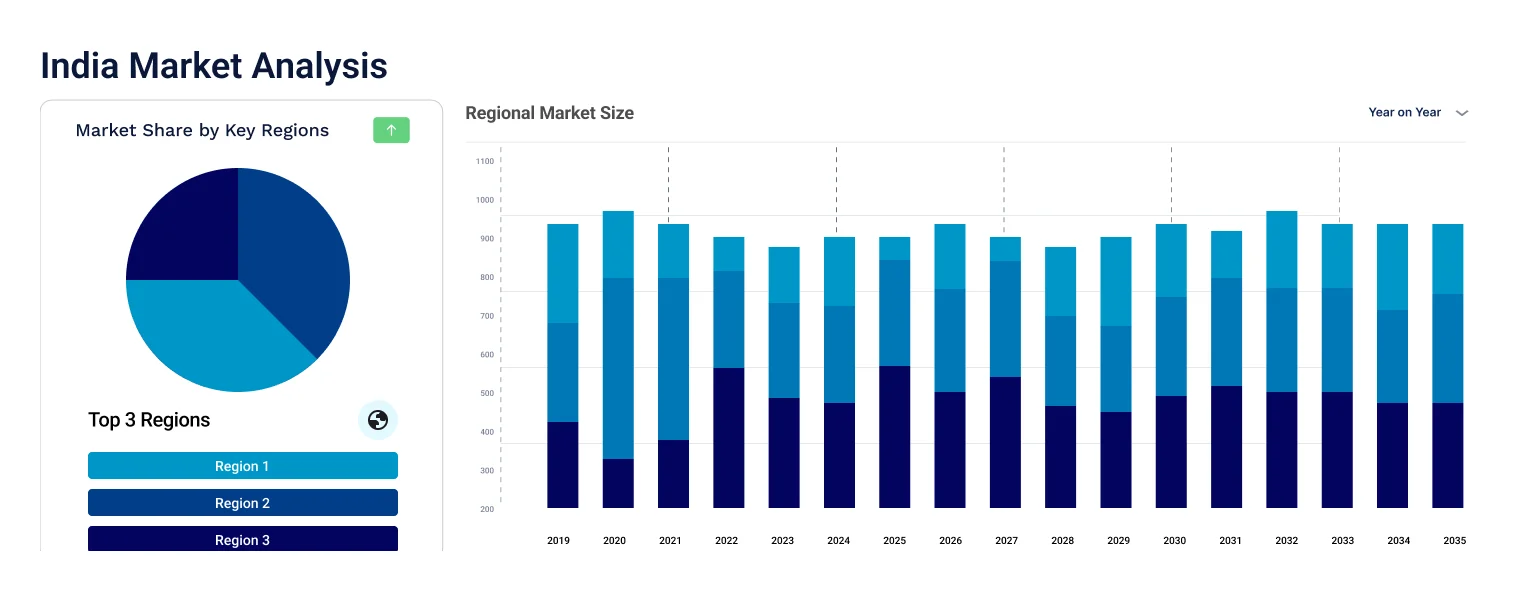
Key Insight: In India floriculture market, South India stands out as the leading region. States like Tamil Nadu and Karnataka have established a strong presence due to favorable climatic conditions and well-developed infrastructure. Tamil Nadu, for instance, has been a significant contributor to the country's flower production, with regions like Hosur and Nilgiris known for cultivating a variety of flowers. Karnataka also plays a crucial role, with areas like Bengaluru and surrounding districts actively engaged in floriculture activities.
|
CAGR 2026-2035 - Market by |
Region |
| South India |
12.2% |
| East India |
11.8% |
| West India |
XX% |
| North India |
XX% |
Rapid Growth of Loose Flowers Driven by Cultural Demand and Innovative Farming Practices
Loose flowers are experiencing rapid growth, primarily due to their extensive use in religious ceremonies, festivals, and traditional events across India. Marigold, jasmine, and chrysanthemum are widely cultivated in states like Tamil Nadu, Karnataka, and West Bengal. Additionally, the integration of loose flower cultivation with other crops, such as banana plantations in Tamil Nadu, exemplifies innovative farming practices that optimise land use.
Online and Retail Chains Fueling Floriculture Growth in India
The online segment is the fastest-growing distribution channel in floriculture demand growth. The rise of e-commerce platforms and increased internet penetration have made online flower purchasing more accessible and convenient. Consumers can now order flowers for delivery across cities, with options for customisation and scheduling. This growth is further supported by the expansion of logistics and supply chain networks, ensuring timely and fresh deliveries to customers nationwide.
The supermarkets and hypermarkets segment is rapidly growing in the India floriculture market, driven by the increasing trend of one-stop shopping and the growing number of modern retail outlets across the country. This segment has benefited from the convenience of purchasing flowers along with other groceries and household items, making it a popular choice for consumers looking for ease and accessibility. As modern retail chains like Big Bazaar, Reliance Fresh, and D-Mart expand across urban and semi-urban areas, they are increasingly dedicating space for floral displays and fresh flowers. These outlets offer a wide variety of fresh-cut flowers, potted plants, and flower arrangements, targeting middle- and upper-middle-class consumers.
Rising Demand for Natural Colourants Fuels Growth in India's Floriculture Market
Natural colours have emerged as the fastest-growing application segment in India's floriculture sector. Flowers such as marigold, hibiscus, and safflower are being cultivated for their pigments, which serve as eco-friendly alternatives to synthetic dyes in the food, textile, and cosmetic industries. The increasing awareness of health and environmental issues has led to a surge in demand for natural colorants, prompting farmers and entrepreneurs to explore floriculture as a viable source for sustainable dye production.
The medicinal applications of flowers in the floriculture market have seen significant growth in India, owing to the rising adoption of traditional and herbal medicines. Flowers like chamomile, calendula, and hibiscus are extensively used in Ayurvedic formulations, cosmetics, and health supplements. With the growing global interest in traditional medicine, India has seen a resurgence in demand for Ayurvedic products, particularly those containing floral extracts. Flowers such as hibiscus and calendula are widely used in teas, oils, and topical creams for their health benefits.
Floriculture Booms in East and West India
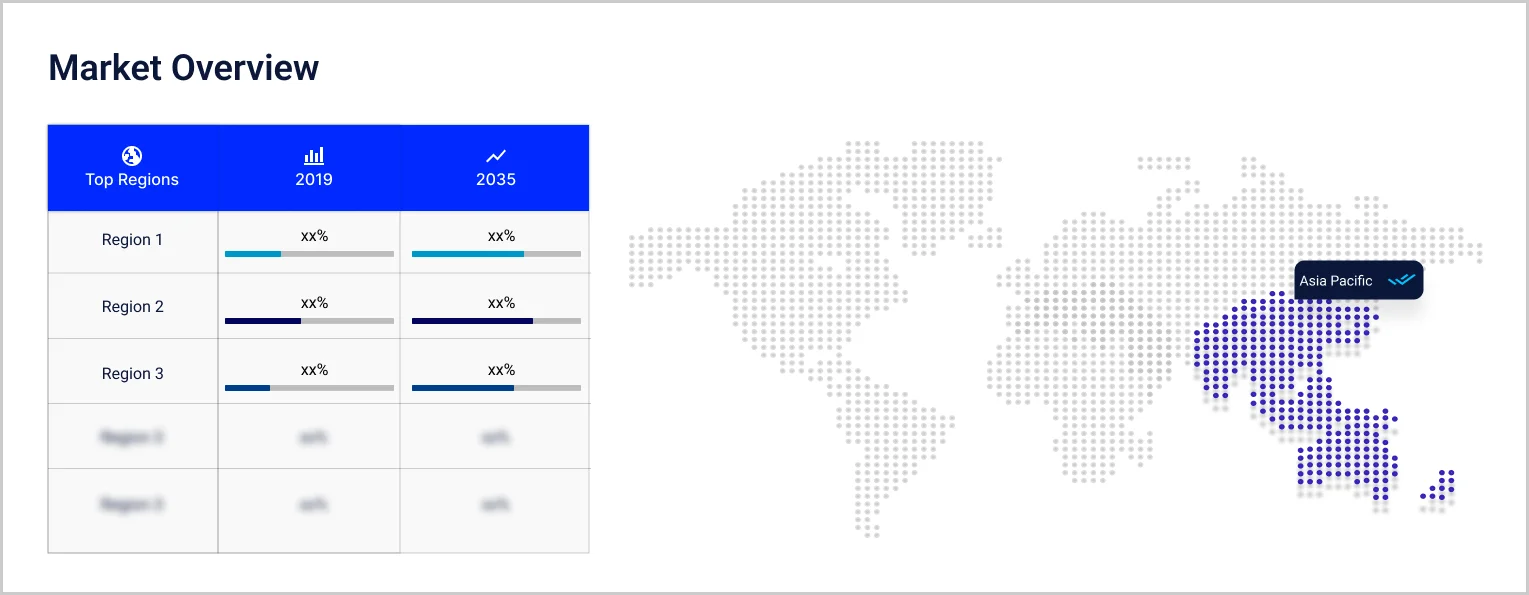
East India is emerging as the fastest-growing region in the floriculture market. States like West Bengal and Odisha are witnessing increased participation in flower cultivation, driven by rising domestic demand and export opportunities. In West Bengal, for example, areas such as Khirai have become notable for their vibrant flower farming activities, contributing to the region's growing reputation in floriculture.
West India, including Maharashtra, Gujarat, and Rajasthan, is another fast-growing region in the floriculture market. Maharashtra, in particular, is a key player, with areas like Pune, Nashik, and Mumbai seeing rapid growth in flower production. This region is known for growing a variety of flowers such as roses, carnations, and gerberas.
Key players in the India floriculture market are expanding greenhouse and polyhouse infrastructure to boost year-round flower production and maintain quality. They are adopting modern cultivation practices, including tissue culture and drip irrigation, to enhance productivity. Companies are also focusing on strengthening supply chains, improving post-harvest handling, and establishing cold storage to reduce losses and extend flower shelf life. In addition, these players are leveraging online platforms and retail networks to reach broader markets. They are exploring export opportunities by aligning with international standards and participating in global flower trade fairs. Training programs, research collaborations, and investments in sustainable farming techniques are also part of their strategy to support farmer engagement and ensure long-term industry growth.
Headquartered in Bengaluru, Karnataka, Karuturi Global is one of the world’s largest producers of cut roses. It operates large-scale floriculture farms in India and Africa, focusing on exports to Europe and the Middle East. The company specialises in greenhouse-based rose cultivation and has been a key player in putting India on the global floriculture map.
Syngenta Flowers, a division of Syngenta headquartered in Enkhuizen, Netherlands, operates globally, including in India. It focuses on breeding and producing high-quality flower seeds and young plants for professional growers. In India, it supports local floriculture with advanced genetics, innovative solutions, and sustainable practices, helping farmers improve yield and flower quality through R&D-backed varieties.
Based in New Delhi, Ferns and Petals is India’s largest flower and gifting company. Founded in 1994, it offers floral arrangements, event décor, and e-commerce flower delivery across India and abroad. With over 300 retail outlets and a strong online presence, it plays a major role in retail floriculture and last-mile floral delivery services.
Florance Flora is headquartered in Bengaluru, Karnataka, and is a leading player in Indian floriculture and greenhouse solutions. The company supplies ornamental plants, flower seeds, tissue culture products, and turnkey greenhouse projects. It partners with international floriculture brands to bring advanced cultivation technologies to India, supporting professional growers and nurseries with quality planting material and infrastructure solutions.
*Please note that this is only a partial list; the complete list of key players is available in the full report. Additionally, the list of key players can be customized to better suit your needs.*
Other key player in the India floriculture market report is Soex Flora, among others.
Unlock the latest trends and forecasts in the India floriculture market with our comprehensive report. Stay ahead of market developments and make informed business decisions. Download a sample today or contact us for personalised insights on "India Floriculture Market Trends 2026." Don't miss out on this opportunity to enhance your business strategy!


Upto 15% Off
USD
$2499 $2249
$3999 $3599
$4999 $4249
$5999 $5099


*While we strive to always give you current and accurate information, the numbers depicted on the website are indicative and may differ from the actual numbers in the main report. At Expert Market Research, we aim to bring you the latest insights and trends in the market. Using our analyses and forecasts, stakeholders can understand the market dynamics, navigate challenges, and capitalize on opportunities to make data-driven strategic decisions.*
In 2025, the market reached an approximate value of USD 3.86 Billion.
The market is projected to grow at a CAGR of 11.10% between 2026 and 2035.
Key players in the market include Karuturi Global Limited, Syngenta Flowers, Ferns and Petals Group, Florance Flora, Soex Flora, and others.
The flavours and fragrances stand out as a leading application segment due to the country's rich biodiversity that offers a plethora of aromatic flowers like jasmine, rose, and tuberose.
Rising demand for flowers in events, expanding exports, supportive government schemes, and growing online flower sales are key factors driving the India floriculture market.
Explore our key highlights of the report and gain a concise overview of key findings, trends, and actionable insights that will empower your strategic decisions.
| REPORT FEATURES | DETAILS |
| Base Year | 2025 |
| Historical Period | 2019-2025 |
| Forecast Period | 2026-2035 |
| Scope of the Report |
Historical and Forecast Trends, Industry Drivers and Constraints, Historical and Forecast Market Analysis by Segment:
|
| Breakup by Flower Type |
|
| Breakup by Distribution Channel |
|
| Breakup by Application |
|
| Breakup by Region |
|
| Market Dynamics |
|
| Competitive Landscape |
|
| Companies Covered |
|
Datasheet
One User
USD 2,499
USD 2,249
tax inclusive*
Single User License
One User
USD 3,999
USD 3,599
tax inclusive*
Five User License
Five User
USD 4,999
USD 4,249
tax inclusive*
Corporate License
Unlimited Users
USD 5,999
USD 5,099
tax inclusive*
*Please note that the prices mentioned below are starting prices for each bundle type. Kindly contact our team for further details.*
Flash Bundle
Small Business Bundle
Growth Bundle
Enterprise Bundle
*Please note that the prices mentioned below are starting prices for each bundle type. Kindly contact our team for further details.*
Flash Bundle
Number of Reports: 3
20%
tax inclusive*
Small Business Bundle
Number of Reports: 5
25%
tax inclusive*
Growth Bundle
Number of Reports: 8
30%
tax inclusive*
Enterprise Bundle
Number of Reports: 10
35%
tax inclusive*
How To Order

Select License Type
Choose the right license for your needs and access rights.

Click on ‘Buy Now’
Add the report to your cart with one click and proceed to register.

Select Mode of Payment
Choose a payment option for a secure checkout. You will be redirected accordingly.
Strategic Solutions for Informed Decision-Making
Gain insights to stay ahead and seize opportunities.

Get insights & trends for a competitive edge.

Track prices with detailed trend reports.

Analyse trade data for supply chain insights.

Leverage cost reports for smart savings

Enhance supply chain with partnerships.

Connect For More Information
Our expert team of analysts will offer full support and resolve any queries regarding the report, before and after the purchase.
Our expert team of analysts will offer full support and resolve any queries regarding the report, before and after the purchase.
We employ meticulous research methods, blending advanced analytics and expert insights to deliver accurate, actionable industry intelligence, staying ahead of competitors.
Our skilled analysts offer unparalleled competitive advantage with detailed insights on current and emerging markets, ensuring your strategic edge.
We offer an in-depth yet simplified presentation of industry insights and analysis to meet your specific requirements effectively.




