

Consumer Insights
Uncover trends and behaviors shaping consumer choices today
Procurement Insights
Optimize your sourcing strategy with key market data
Industry Stats
Stay ahead with the latest trends and market analysis.
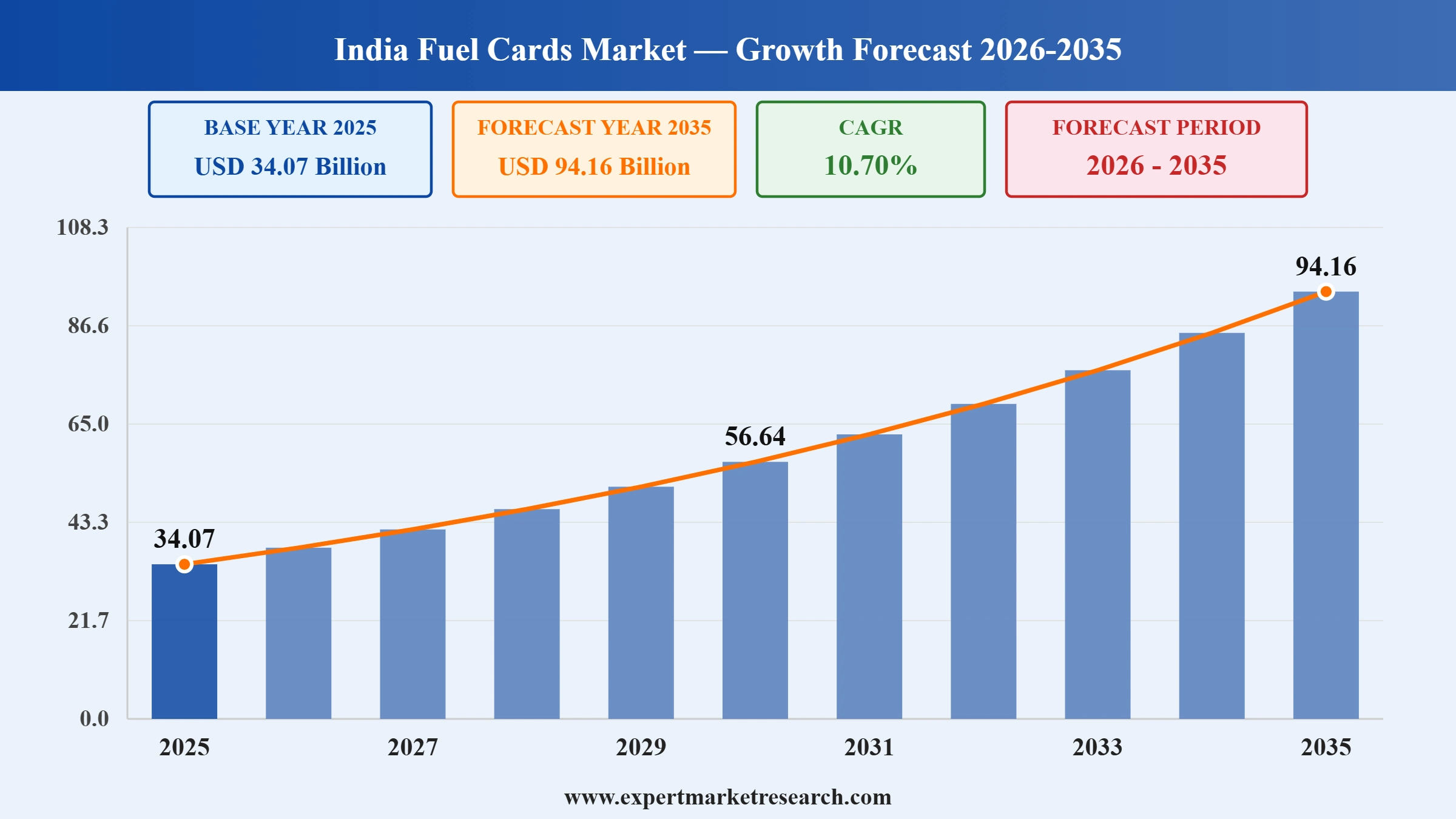
The India fuel cards market size was valued at USD 34.07 Billion in 2025. The industry is expected to grow at a CAGR of 10.70% during the forecast period of 2026-2035 to reach a value of USD 94.16 Billion by 2035.
The India fuel cards market is gaining momentum primarily due to targeted government and corporate initiatives promoting fuel efficiency and cost management. Programs encouraging cashless fuel transactions, corporate fleet digitization, and GST-compliant expense tracking are driving adoption among logistics, transportation, and SME fleets. Companies like IndianOil Fleet Card and HPCL SmartDrive are expanding coverage in metro and Tier 2 cities, offering benefits such as discounts, automated reporting, and real-time monitoring. These measures are streamlining fuel procurement, reducing operational costs, and fostering the shift toward cleaner, more efficient mobility across India.
Leading oil marketing companies and fuel distributors are increasingly adopting digital solutions to streamline transactions, improve fleet management, and strengthen customer loyalty. A notable example is Mahanagar Gas Ltd (MGL), which launched the ‘MGL CNG Mahotsav’ in September 2023, distributing free fuel cards worth INR 20,000–INR 500,000 for new or retrofitted CNG vehicles across the Mumbai Metropolitan Region.
This initiative allowed users to access over 310 MGL outlets and select bus depots, in collaboration with OEMs and CNG kit distributors. Such company-led initiatives are accelerating the adoption of fuel cards by promoting cashless transactions, clean fuel usage, and expense efficiency, positioning corporate innovation as a key growth engine for the India fuel cards market.
Read more about this report - REQUEST FREE SAMPLE COPY IN PDF
| India Fuel Cards Market Report Summary | Description | Value |
| Base Year | USD Billion | 2025 |
| Historical Period | USD Billion | 2019-2025 |
| Forecast Period | USD Billion | 2026-2035 |
| Market Size 2025 | USD Billion | 34.07 |
| Market Size 2035 | USD Billion | 94.16 |
| CAGR 2019-2025 | Percentage | XX% |
| CAGR 2026-2035 | Percentage | 10.70% |
| CAGR 2026-2035 - Market by Region | South India | 11.8% |
| CAGR 2026-2035 - Market by Region | North India | 11.3% |
| CAGR 2026-2035 - Market by Type | Branded | 12.2% |
| CAGR 2026-2035 - Market by End User | Individual | 12% |
| 2025 Market Share by Region | East India | 18.1% |
Zaggle Prepaid Ocean Services entered into a five-year agreement with Hindustan Petroleum Corporation Limited in July 2026 to strengthen the DriveTrack Plus fleet card programme. Under the partnership, Zaggle is integrating its platform with HPCL’s fleet card ecosystem to provide loyalty reward points to corporate, fleet and retail customers purchasing petroleum products. The arrangement links fuel spending with digital rewards and customer management capabilities, while the commercial consideration is tied to users onboarded and fuel expenditure through the programme. The development strengthens the role of fintech platforms in expanding the functionality of India’s fuel card ecosystem.
Pine Labs secured multi-year contracts from Indian Oil Corporation Limited, Bharat Petroleum Corporation Limited and Hindustan Petroleum Corporation Limited in February 2026 to deploy, manage and maintain digital payment infrastructure across petrol pumps and merchant outlets nationwide. The contracts cover nearly 130,000 digital payment acceptance devices and are intended to modernise payment processing at fuel retail locations. For IndianOil, Pine Labs will also manage the XTRAPOWER loyalty platform, which serves fleet operators through fuel management, fleet analytics, trip management and card, mobile and RFID payment capabilities. The initiative strengthens the digital infrastructure supporting fuel card transactions and fleet payment services.
IndianOil began onboarding Indane LPG delivery vehicles onto its XTRAPOWER and XTRAREWARDS platforms in January 2026. The initiative was launched through TAPSO with approximately 40 Indane delivery vehicles onboarded during the initial phase and a roadmap to integrate more than 9,000 delivery vehicles. The development expands the application of IndianOil’s fleet card and loyalty ecosystem beyond conventional road transport operators to LPG distribution fleets. By linking delivery vehicles with fuel purchasing and rewards infrastructure, the initiative is designed to provide structured fuel management and strengthen engagement with delivery partners operating across multiple Indane distributorships.
TrucksUp partnered with IndianOil in April 2025 to roll out the XTRAPOWER-Fleet Card for small logistics companies, fleet operators and corporate customers. The partnership combines TrucksUp’s logistics technology platform with IndianOil’s fuel card network to simplify fuel payments and provide greater visibility over fleet expenditure. The solution is designed to support digital fuel transactions, rewards and fuel monitoring, helping operators manage recurring fuel costs through a structured payment platform. The initiative is particularly relevant to India’s fragmented road logistics sector, where smaller fleet operators require cashless payment and better control over vehicle-level fuel expenditure.
India’s fuel card market is increasingly moving beyond simple fuel-payment functionality toward integrated fleet management. IndianOil’s XTRAPOWER platform combines fuel payments with fleet analytics, trip management, expense controls, route monitoring and enterprise integration. Its platform supports card, mobile and RFID transactions, while businesses can monitor parameters such as fuel consumption, kilometres per litre and cost per kilometre. This shift is particularly relevant for logistics companies and commercial vehicle operators that want fuel cards to provide operational data alongside payment control. As a result, providers are increasingly positioning fuel cards as broader digital fleet-management solutions rather than standalone prepaid or payment instruments.
Fuel card providers are increasingly integrating cards with mobile payments, UPI, RFID and software-based payment infrastructure. IndianOil currently supports card, mobile and RFID transactions, alongside recharge through UPI, NEFT, IMPS, credit and debit cards and internet banking. In February 2026, Pine Labs announced multi-year contracts with IndianOil, Bharat Petroleum Corporation Limited and Hindustan Petroleum Corporation Limited covering nearly 130,000 digital payment acceptance devices across petrol pumps and merchant outlets. This indicates a broader transition toward interoperable and software-enabled fuel payments, allowing fleet operators to manage transactions through multiple digital channels.
RFID-based fuelling is gaining importance as fleet operators seek stronger controls over fuel misuse, vehicle identification and consumption tracking. IndianOil’s XTRAPOWER RFID solution links an RFID device to a specific vehicle and requires cloud-based authorisation before fuel can be dispensed. The system records how much fuel is delivered and allows operators to establish transaction limits. This technology is particularly relevant for large commercial fleets where conventional cards can be shared between drivers or vehicles. Fuel card providers are therefore combining payment credentials with vehicle-level identification and automated fuelling controls. The trend is moving fuel cards toward secure, vehicle-specific systems that provide greater visibility over fuel consumption.
Loyalty rewards are becoming an important component of India’s fuel card proposition, particularly for fleet operators and corporate customers. IndianOil’s XTRAPOWER programme combines cashless fuel purchases with loyalty points, rewards and fleet-management services, while HPCL’s DriveTrack Plus programme provides electronic-purse functionality for fuel and lubricant purchases alongside rewards. The integration of rewards with fuel expenditure gives oil marketing companies an additional mechanism for retaining high-frequency fleet customers and encouraging transactions within their retail networks. Fuel cards are consequently evolving into customer-engagement platforms where payment, rewards, expenditure monitoring and fleet services are delivered through a single account.
Indian fuel card platforms are increasingly being connected with the broader technology systems used by fleet operators and corporate customers. IndianOil provides API-based enterprise integration through XTRAPOWER, enabling businesses to connect fuel and fleet information with their internal systems. The platform also provides automated reports, transaction monitoring, fleet analytics and trip-management functions. Pine Labs’ 2026 contracts with the three major public-sector oil marketing companies further reinforce this software-led direction, with the company describing a unified payments and loyalty infrastructure covering fuel retail and fleet services. This is encouraging fuel card providers to compete on data visibility, integration capabilities and automated fleet controls in addition to payment acceptance.
The Expert Market Research's report titled “India Fuel Cards Market Report and Forecast 2026-2035” offers a detailed analysis of the market based on the following segments:
Market Breakup by Type
Key Insight: Branded cards attract loyal customers with exclusive offers, while universal cards appeal to businesses and fleet operators seeking flexibility. Merchant cards are increasingly used by retail businesses for operational convenience. For example, in July 2025, SBI Card and PhonePe launched the co-branded PhonePe SBI Card, offering rewards and a fuel surcharge waiver, promoting cashless fuel transactions. Growth is driven by cost control, transparency, rewards, and fleet management integration, making fuel cards essential for corporate and individual users.
Market Breakup by Technology
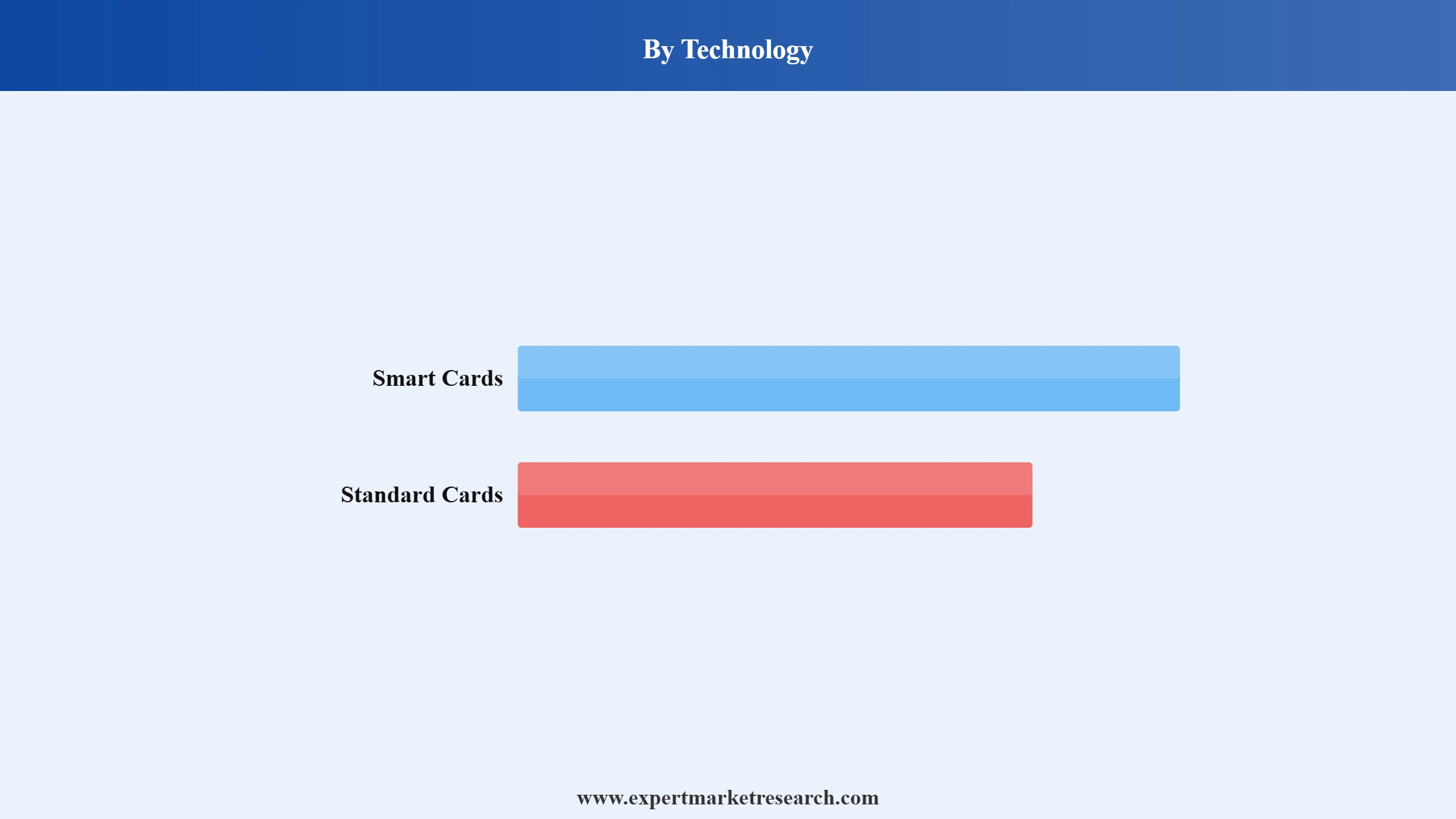
Key Insight: Smart cards are witnessing higher demand in the India fuel cards market due to their enhanced security features, compatibility with mobile apps, and real-time tracking capabilities, offering an efficient way to manage fuel expenses. Standard cards remain relevant for basic transaction needs but are gradually being complemented by digital solutions. The market is further driven by innovations such as Tango Brook Technologies’ smart fuel card launch in September 2025, which enhances transparency, fraud prevention, and cost optimization. These advancements support fleet efficiency and promote seamless, data-driven fuel management across regions.
Market Breakup by Application
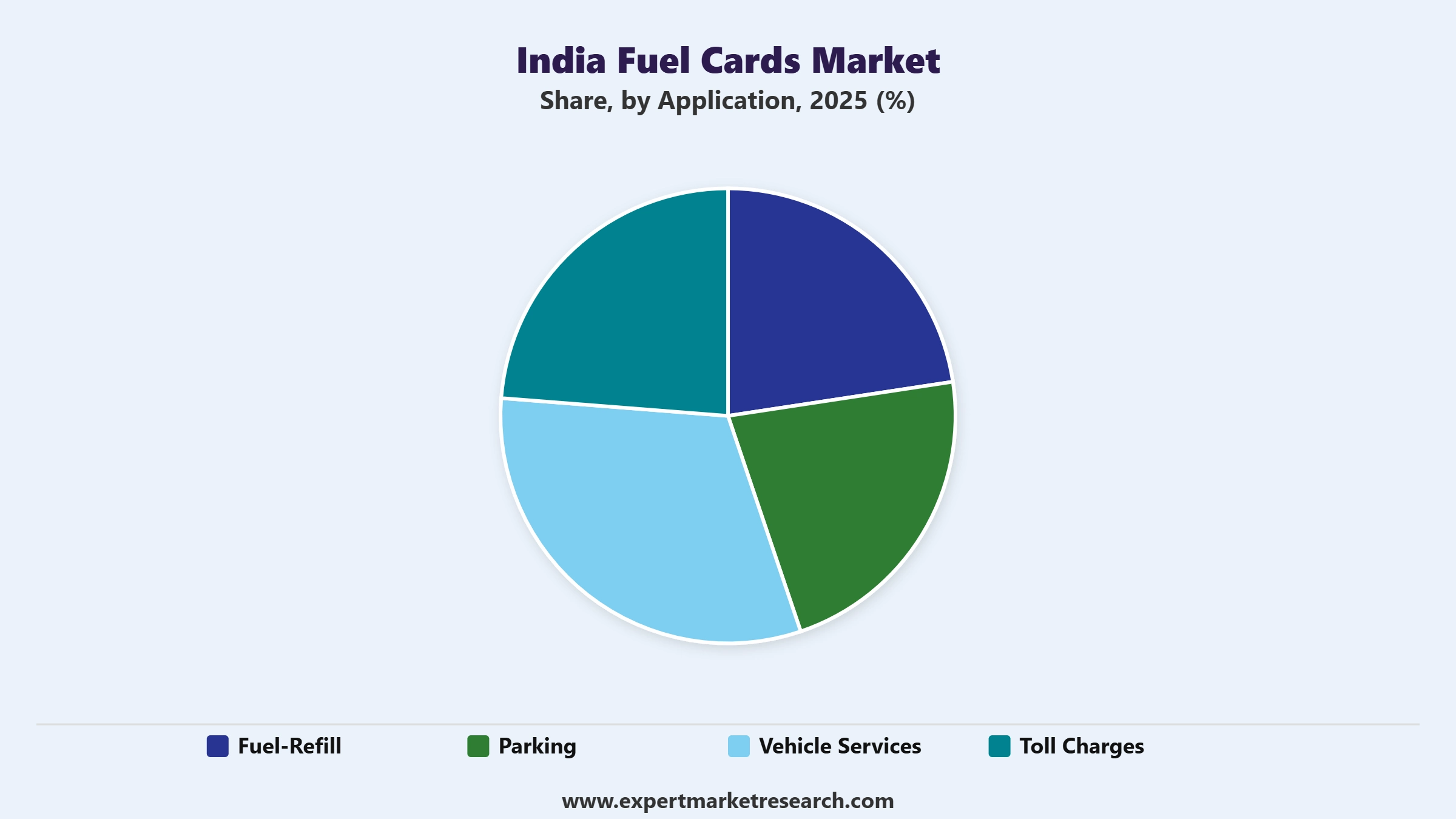
Key Insight: Fuel-refill drives consistent usage, with cashback and loyalty programs encouraging regular adoption among individual drivers and fleets. Parking solutions simplify payments in urban areas, offering convenience and transparency. Vehicle services benefit from streamlined billing for maintenance and repairs, enhancing operational ease. Toll payments, integrated with FASTag and digital solutions, reduce waiting times and enable seamless highway travel. Together, these applications reinforce the India fuel cards market revenue by expanding daily mobility adoption.
Market Breakup by End-User
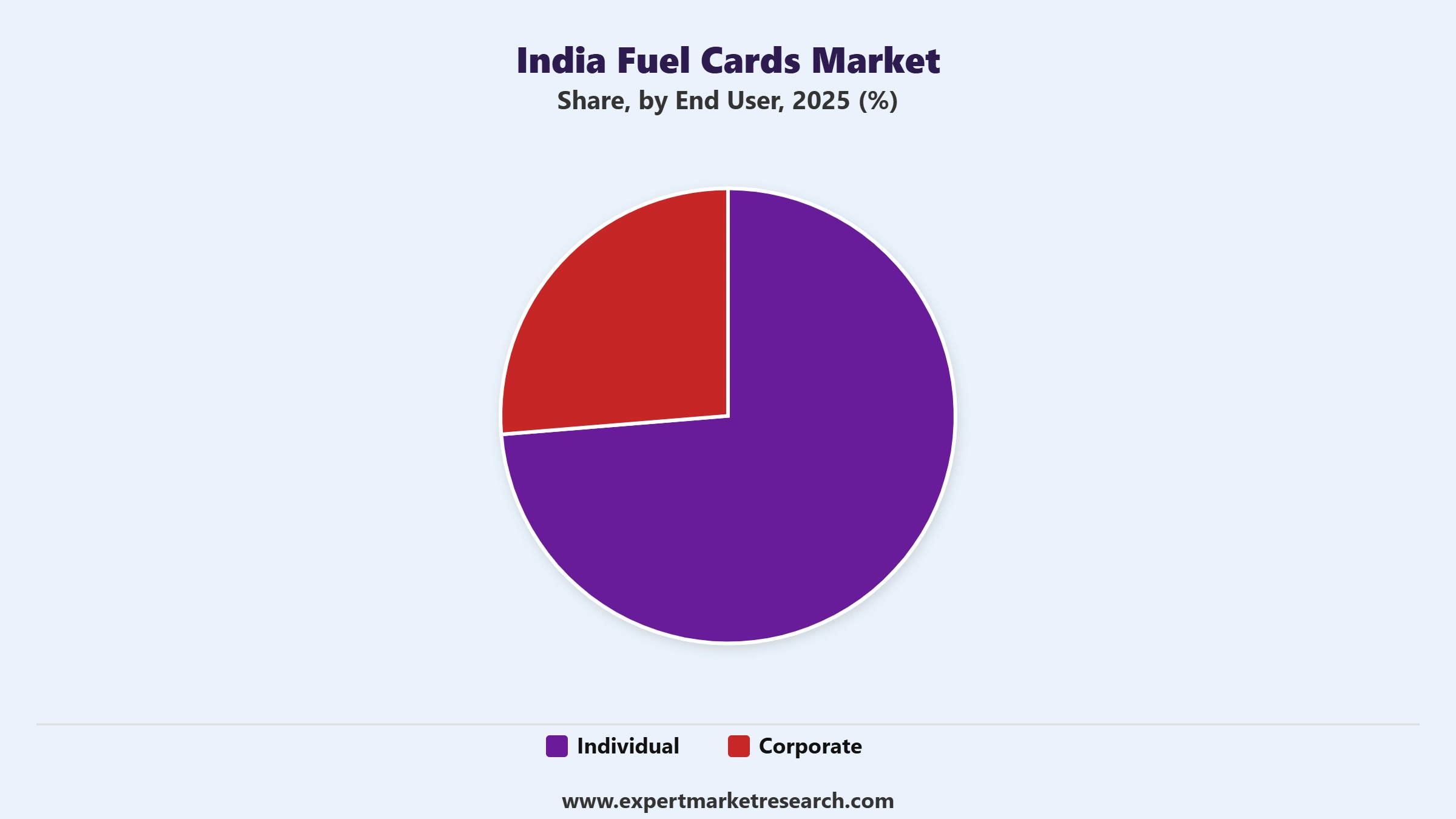
Key Insight: Corporate clients are driving adoption through fleet management, operational efficiency, and expense control, supported by tools for real-time monitoring, reporting, and route optimization, exemplified by the MRPL–SBI HiQ Fleet Card launched in September 2025 offering tailored benefits for large fleets. Individual users value convenience, rewards, and cashless refueling, especially in urban areas. Rising digital literacy, increasing vehicle ownership, and awareness of efficient fuel management solutions further drive demand, with tailored programs addressing specific operational and financial needs for both end-users.
Market Breakup by Region
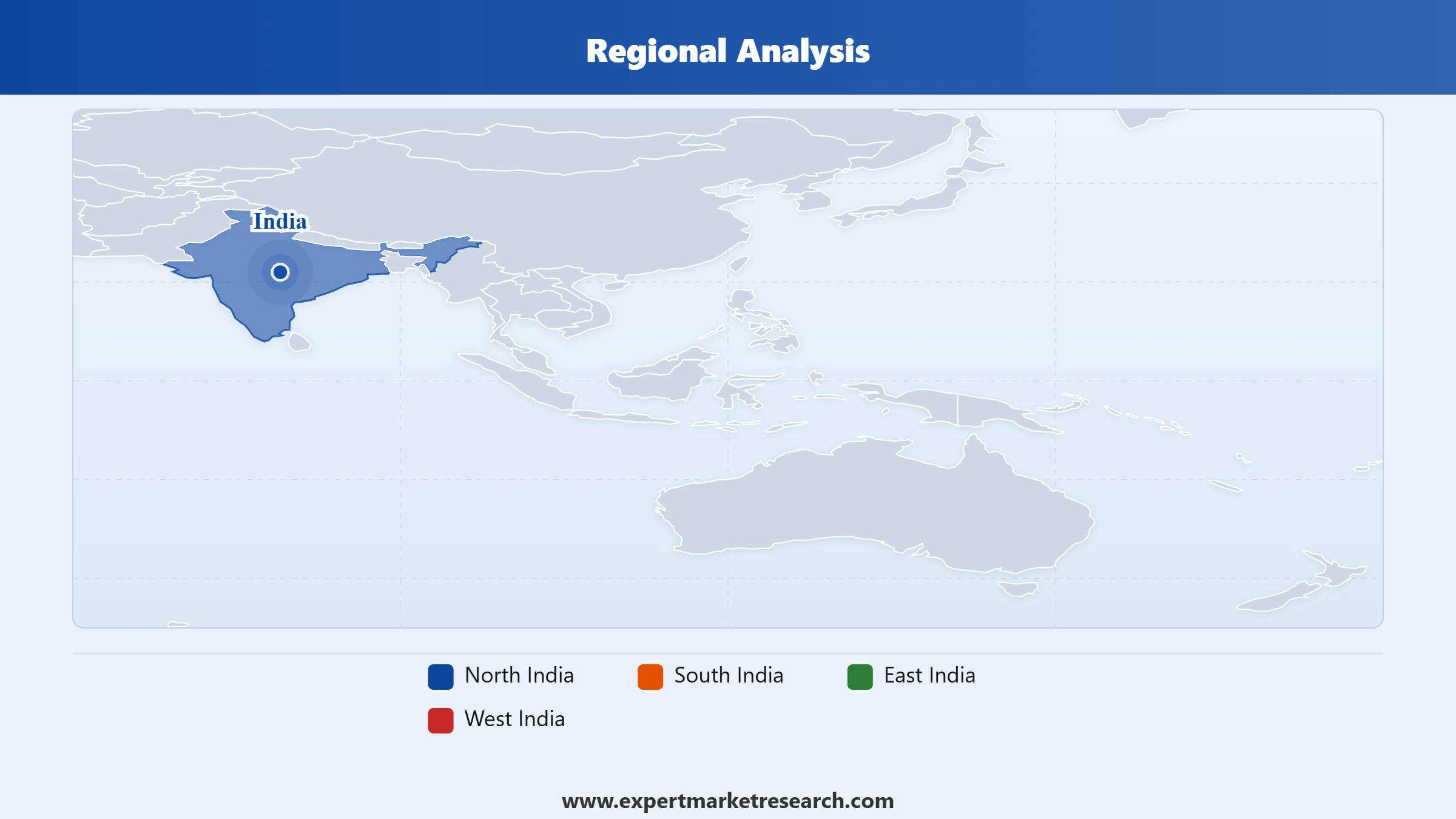
Key Insight: North and West India are witnessing strong uptake due to dense urbanization, extensive logistics networks, and growing fleet operations. South India fuel card market is experiencing surging adoption driven by IT hubs, corporate centers, and government digital initiatives, while East India is gradually expanding with infrastructure development and increased transport activity. Growth across these regions is fueled by urban expansion, government incentives for cashless payments, improved fueling infrastructure, and awareness of fleet management solutions enhancing operational efficiency.
Read more about this report - REQUEST FREE SAMPLE COPY IN PDF
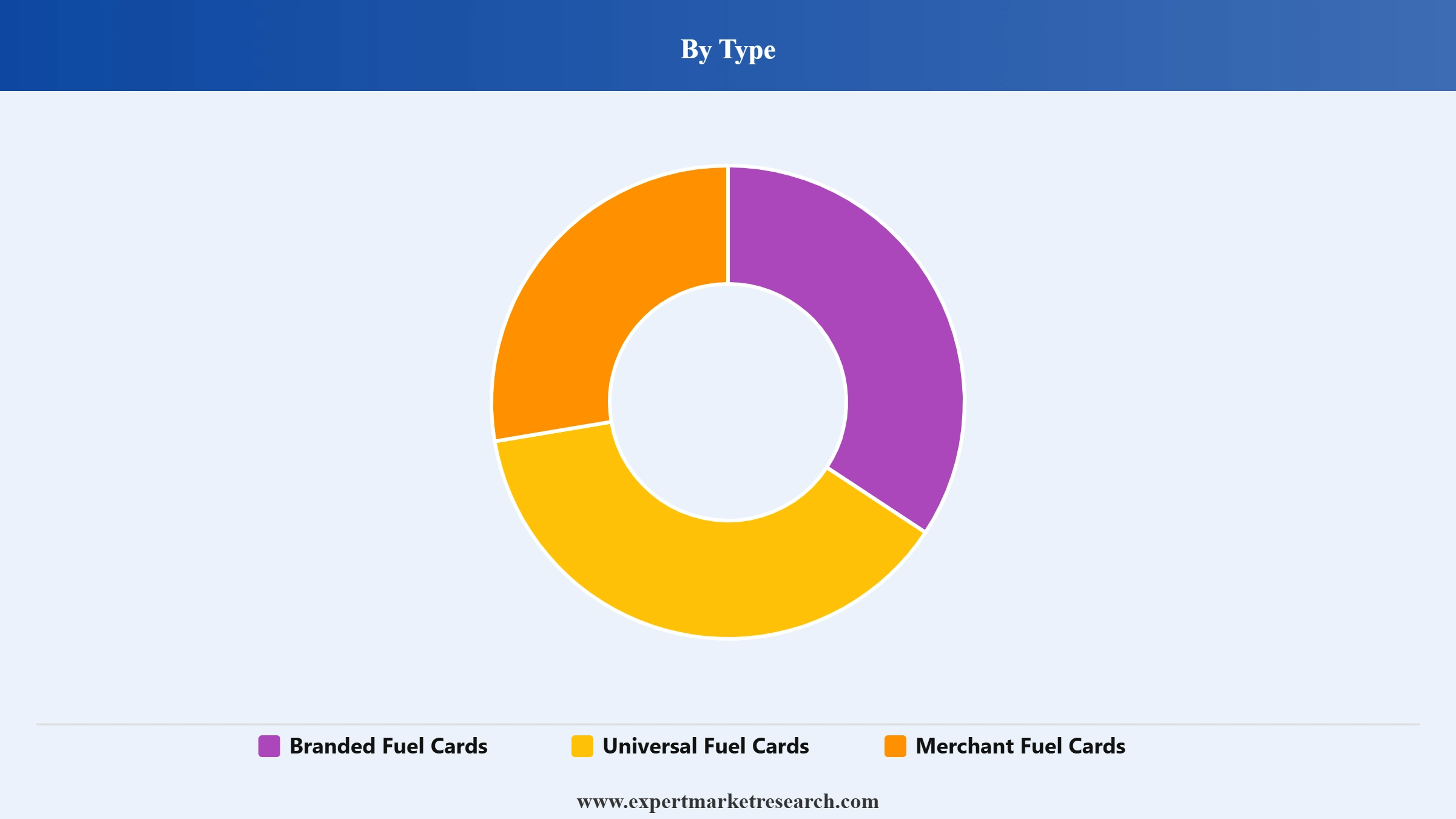
By type, branded fuel cards are emerging as a leading category
Branded fuel cards are increasingly shaping the spending habits of fleet operators and individual users by offering exclusive loyalty benefits and enhanced convenience. Partnerships like the HPCL–IDFC FIRST Bank–RuPay collaboration, announced in March 2023, have amplified this trend by introducing co-branded cards that combine fuel savings, lifestyle perks, and seamless digital onboarding. Such initiatives highlight the growing integration of financial technology with mobility services. As fuel retailers and banks work together to enhance value propositions, branded cards continue to attract a wide customer base seeking secure, rewarding, and digitally efficient payment solutions.
Read more about this report - REQUEST FREE SAMPLE COPY IN PDF
Meanwhile, merchant fuel cards account for significant India fuel cards market share fueled by the growing digitalization of fleet management and the push toward efficient, transparent logistics operations. Strengthening this momentum, the April 2025 partnership between TrucksUp and IndianOil to launch the XTRAPOWER-Fleet Card is transforming the landscape by integrating digital payments, reward programs, and fuel monitoring systems. This synergy between technology and energy infrastructure is redefining how logistics operators control costs and enhance productivity.
By technology, smart fuel cards are picking up momentum
Smart fuel cards market is gaining significant traction in owing to the integration of advanced tracking systems and digital fleet management is redefining how businesses monitor fuel use and operational costs, driving demand in India. These cards enable seamless oversight of large fleets, offering enhanced control, transparency, and efficiency through technology-driven platforms. In January 2025, AG&P Pratham-THINK Gas, in partnership with Zaggle, introduced the Mileage+ CNG Fuel Card, featuring real-time expense tracking, analytics, and multi-card management under a single account, which empowers fleet operators to streamline fuel operations and optimize performance across networks.
Read more about this report - REQUEST FREE SAMPLE COPY IN PDF
On the other hand, standard fuel cards are witnessing steady demand due to the growing preference for reliable and cost-effective payment solutions among small transporters and individual vehicle owners. These cards offer simplicity, ease of use, and broad accessibility without requiring complex digital setups, making them ideal for traditional users. Their compatibility with existing POS systems at fuel stations further encourages adoption, reflecting key India fuel cards market trends, such as straightforward cashless transactions, expense tracking, and surcharge waivers. For example, the IndianOil EasyFuel Card is a widely used standard fuel card in India. It provides small transporters and individual vehicle owners with cashless fuel payments, automated expense tracking, and fuel surcharge waivers across a vast network of petrol stations, making it a simple and cost-effective solution for traditional users.
By application, fuel-refill category represents a notable revenue share
The availability of cashback, loyalty points, and value-back incentives is driving fuel card adoption for fuel-refill application. These rewards encourage frequent usage by providing tangible benefits on every fuel purchase, motivating both individual vehicle owners and fleet operators to rely on digital payment solutions. By combining seamless refueling with financial incentives, fuel cards not only enhance customer satisfaction but also promote consistent usage. This focus on rewarding consumers is actively accelerating the growth of fuel cards for refueling across India.
Read more about this report - REQUEST FREE SAMPLE COPY IN PDF
Moreover, fuel cards are highly preferred to pay toll charges amid the shift towards cashless and convenient toll payments in India. The FASTag Annual Toll Pass launched by NHAI in August 2025, directly addresses this need by allowing private vehicle owners up to 200 prepaid trips on national highways and expressways. Activated through the Rajmarg Yatra app or NHAI website, it eliminates repeated payments, reduces waiting times, and highlights India fuel cards market opportunities in seamless, efficient toll-related transactions.
By end user, individuals show significant uptake
Fuel card adoption among individual users is increasingly driven by the focus on enhanced customer experience. Cards offering personalized offers and targeted promotions reward loyalty and make refueling more appealing. Coupled with simplified account management and real-time transaction monitoring, users gain full visibility and control over their fuel spending. This combination of convenience and tailored benefits ensures seamless refueling while improving financial oversight. The focus on delivering a user-centric, rewarding experience is actively motivating individual vehicle owners to adopt fuel cards.
Read more about this report - REQUEST FREE SAMPLE COPY IN PDF
Besides this, India fuel cards market expansion is gaining momentum as corporate fleets increasingly seek cost optimization and value-added rewards. Initiatives like RBL Bank’s launch of the Xtra Credit Card with IOCL in September 2024 highlight this trend, offering corporate clients up to 8.5% savings on fuel and 15 fuel points per INR 100 spent. Such programs help businesses manage operational fuel costs efficiently, streamline payments, and enhance financial oversight, actively promoting the adoption of fuel cards as a strategic tool for fleet management and corporate convenience across India.
By Region, North India accounts for the significant market share
North India accounts for a substantial revenue share in the fuel cards market, driven by rapid digitalization and the government’s focus on modernizing transport infrastructure. The region’s expanding vehicle base, growing logistics activity, and preference for cashless transactions have accelerated the adoption of fuel management solutions. For instance, Uttar Pradesh’s 2025 initiative to replace paper vehicle registration documents with chip-based smartcards highlights the region’s increasing inclination toward secure, digital systems that align with fuel card integration and smart mobility goals.
Read more about this report - REQUEST FREE SAMPLE COPY IN PDF
Meanwhile, East India fuel cards market demonstrates significant growth owing to the ongoing industrial and energy infrastructure in the nation, which is driving demand for streamlined fuel management solutions. Investments in large-scale petrochemical and refinery projects increase fuel consumption across transport and logistics sectors, creating a need for efficient, cashless, and trackable fuel payment systems. For instance, in April 2025, IndianOil signed an INR 61,077-crore MoU with the Government of Odisha to develop a mega petrochemical complex at Paradip, boosting regional fuel demand and supporting downstream industries. This expanding fuel ecosystem highlights the importance of advanced fuel cards and payment solutions.
Leading India fuel cards market players are increasingly focusing on digital integration to enhance customer convenience and streamline operations. They are investing in mobile apps, contactless payment solutions, and real-time tracking systems to provide seamless fuel management experiences. Additionally, partnerships with logistics and fleet operators are being leveraged to offer customized programs, reward schemes, and cost-optimization solutions, enabling businesses to monitor fuel consumption, reduce expenses, and improve overall operational efficiency.
To expand market reach, many companies are targeting both urban and semi-urban regions, aligning with government initiatives promoting digital transactions. Strategic investments are being made in infrastructure, including modern fueling stations and alternative energy refueling points. Efforts also include enhancing sustainability by incorporating cleaner fuels and supporting electric vehicle charging. These strategies collectively help players strengthen their competitive positioning while catering to evolving consumer preferences and regulatory frameworks.
Engen Petroleum Ltd. is a South African energy company headquartered in Cape Town, established in 1881. It offers a wide portfolio including fuels, lubricants, and petrochemicals, catering to both retail and commercial customers across Africa. Engen has a strong focus on sustainability, safety, and quality management, and operates an extensive network of service stations that support local communities and businesses.
Puma Energy, BP p.l.c. is a global integrated energy company headquartered in London, United Kingdom, with origins tracing back to 1909 (through BP’s establishment). The company provides midstream and downstream solutions including fuel storage, distribution, and retail operations. Puma Energy BP p.l.c. has a strong presence in emerging economies, including India fuel cards market landscape, focusing on operational efficiency, technological innovation, and sustainable energy practices.
FirstRand Limited is a leading financial services group headquartered in Johannesburg, South Africa, founded in 1998. It provides banking, insurance, and investment services to retail, commercial, and corporate clients across Africa. The company emphasizes digital innovation, financial inclusion, and customer-focused solutions, and has been recognized for pioneering mobile banking and fintech initiatives in the region.
FleetCor Technologies, Inc. is a United States-based global provider of fuel cards, payment solutions, and workforce management services, headquartered in Norcross, Georgia, and established in 2000. The company is known for its secure, technology-driven platforms that integrate expense tracking, reporting, and analytics for corporate clients.
Other notable players in the India fuel cards market include Libya Oil Holdings Ltd., WEX Inc., Royal Dutch Shell PLC, Exxon Mobil Corporation, U.S. Bancorp, Myprotein, among others.
*Please note that this is only a partial list; the complete list of key players is available in the full report. Additionally, the list of key players can be customized to better suit your needs.*
Explore the latest trends shaping the India Fuel Cards Market 2026-2035 with our in-depth report. Gain strategic insights, future forecasts, and key market developments that can help you stay competitive. Get a free sample report or contact our team for customized consultation on India fuel cards market trends 2026.


Upto 15% Off
USD
$2499 $2249
$3999 $3599
$4999 $4249
$5999 $5099


*While we strive to always give you current and accurate information, the numbers depicted on the website are indicative and may differ from the actual numbers in the main report. At Expert Market Research, we aim to bring you the latest insights and trends in the market. Using our analyses and forecasts, stakeholders can understand the market dynamics, navigate challenges, and capitalize on opportunities to make data-driven strategic decisions.*
In 2025, the market reached an approximate value of USD 34.07 Billion.
The market is projected to grow at a CAGR of 10.70% between 2026 and 2035.
The key players in the market include Engen Petroleum Ltd., Puma Energy, BP p.l.c., FirstRand Limited, FleetCor Technologies, Inc., Libya Oil Holdings Ltd., WEX Inc., Royal Dutch Shell PLC, Exxon Mobil Corporation, U.S. Bancorp, Myprotein, among others.
Key strategies driving the market include launching co-branded and branded fuel cards, integrating digital and contactless payment solutions, offering loyalty programs and reward points, expanding multi-fuel and sustainable refueling networks, and forming strategic partnerships with banks and fuel retailers.
South India holds the largest share of the India fuel cards market and is expected to grow at 11.8% CAGR through 2035.
Explore our key highlights of the report and gain a concise overview of key findings, trends, and actionable insights that will empower your strategic decisions.
| REPORT FEATURES | DETAILS |
| Base Year | 2025 |
| Historical Period | 2019-2025 |
| Forecast Period | 2026-2035 |
| Scope of the Report |
Historical and Forecast Trends, Industry Drivers and Constraints, Historical and Forecast Market Analysis by Segment:
|
| Breakup by Type |
|
| Breakup by Technology |
|
| Breakup by Application |
|
| Breakup by End User |
|
| Breakup by Region |
|
| Market Dynamics |
|
| Competitive Landscape |
|
| Companies Covered |
|
Datasheet
One User
USD 2,499
USD 2,249
tax inclusive*
Single User License
One User
USD 3,999
USD 3,599
tax inclusive*
Five User License
Five User
USD 4,999
USD 4,249
tax inclusive*
Corporate License
Unlimited Users
USD 5,999
USD 5,099
tax inclusive*
*Please note that the prices mentioned below are starting prices for each bundle type. Kindly contact our team for further details.*
Flash Bundle
Small Business Bundle
Growth Bundle
Enterprise Bundle
*Please note that the prices mentioned below are starting prices for each bundle type. Kindly contact our team for further details.*
Flash Bundle
Number of Reports: 3
20%
tax inclusive*
Small Business Bundle
Number of Reports: 5
25%
tax inclusive*
Growth Bundle
Number of Reports: 8
30%
tax inclusive*
Enterprise Bundle
Number of Reports: 10
35%
tax inclusive*
How To Order

Select License Type
Choose the right license for your needs and access rights.

Click on ‘Buy Now’
Add the report to your cart with one click and proceed to register.

Select Mode of Payment
Choose a payment option for a secure checkout. You will be redirected accordingly.
Strategic Solutions for Informed Decision-Making
Gain insights to stay ahead and seize opportunities.

Get insights & trends for a competitive edge.

Track prices with detailed trend reports.

Analyse trade data for supply chain insights.

Leverage cost reports for smart savings

Enhance supply chain with partnerships.

Connect For More Information
Our expert team of analysts will offer full support and resolve any queries regarding the report, before and after the purchase.
Our expert team of analysts will offer full support and resolve any queries regarding the report, before and after the purchase.
We employ meticulous research methods, blending advanced analytics and expert insights to deliver accurate, actionable industry intelligence, staying ahead of competitors.
Our skilled analysts offer unparalleled competitive advantage with detailed insights on current and emerging markets, ensuring your strategic edge.
We offer an in-depth yet simplified presentation of industry insights and analysis to meet your specific requirements effectively.




