

Consumer Insights
Uncover trends and behaviors shaping consumer choices today
Procurement Insights
Optimize your sourcing strategy with key market data
Industry Stats
Stay ahead with the latest trends and market analysis.
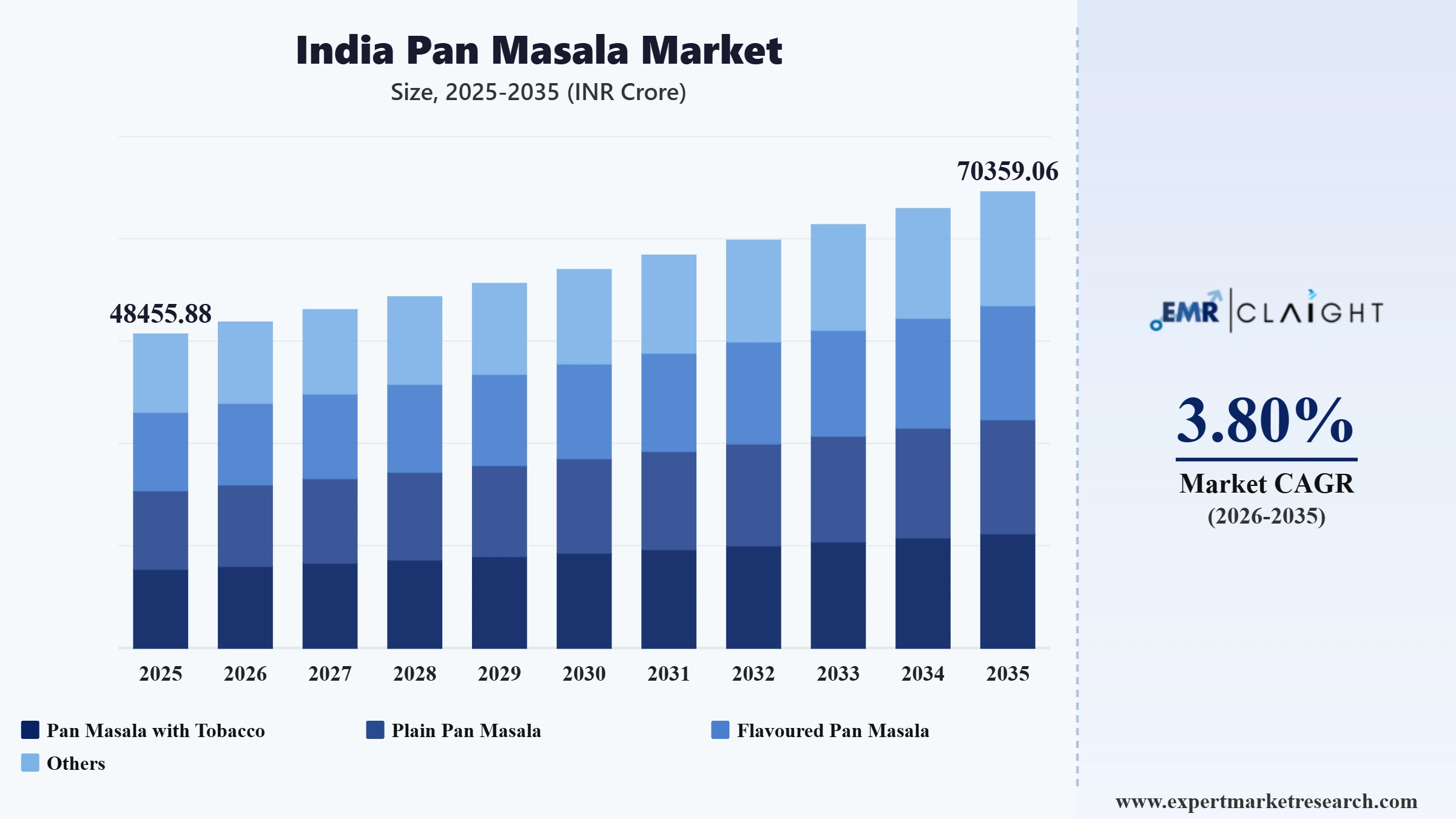
The India pan masala market size was valued at INR 48455.88 Crore in 2025. Growth in modern retail chains, including V-Mart and Reliance Smart Bazaar, is expanding shelf space for branded pan masala, redefining distribution beyond paan shops and boosting visibility in semi-urban and Tier II zones. As a result, the market is expected to grow at a CAGR of 3.80% during the forecast period of 2026-2035 to reach a value of INR 70359.06 Crore by 2035.
India is the third largest producer of tobacco products as 2 in 3 surveyed citizens under LocalCircles survey stated that pan masala was easily accessible in the country.
Around 300 million people in South Asia, including India, consume smokeless tobacco such as pan masala.
As per the Global youth tobacco survey, Nagaland was the highest consumer of pan masala in the country with a share of around 21%.
The market is also being reshaped by demographic shifts. According to industry reports, smokeless tobacco consumption among young adolescents is about 21.38%. Consumers are also shifting from traditional tobacco to flavoured or plain variants due to rising health concerns. Meanwhile, state-level bans and taxation policies are compelling companies to innovate in non-tobacco variants and eco-friendly packaging.
Furthermore, the India pan masala industry is growing as key industry participants increase their investments in product advertising and marketing. The introduction of novel pan masala flavours is expected to promote market growth throughout the forecast period. Rajnigandha, for example, is a renowned manufacturer of pan masala and offers unique flavours such as cloves and saffron. Furthermore, manufacturers' increasing investment on quality packaging to permit longer shelf life and assure long-term flavour and aroma retention is expected to result in market growth in the coming years.
India pan masala manufacturers are also investing in data-driven marketing, aligning product launches with regional festivals, and experimenting with biodegradable sachets. DS Group’s partnership with German packaging firm Syntegon for sustainable pouching systems is one such example. These tech-led upgrades have been major compliance measures.
Read more about this report - REQUEST FREE SAMPLE COPY IN PDF
| India Pan Masala Market Report Summary | Description | Value |
| Base Year | INR Crore | 2025 |
| Historical Period | INR Crore | 2019-2025 |
| Forecast Period | INR Crore | 2026-2035 |
| Market Size 2025 | INR Crore | 48455.88 |
| Market Size 2035 | INR Crore | 70359.06 |
| CAGR 2019-2025 | Percentage | XX% |
| CAGR 2026-2035 | Percentage | 3.80% |
| CAGR 2026-2035 - Market by Region | North India | 4.9% |
| CAGR 2026-2035 - Market by Packaging | Pouch | 4.3% |
| CAGR 2026-2035 - Market by End Use | Online | 4.1% |
Aayush Wellness Limited announced the launch of Aayush Tobaccofree Herbal Pan Masala & Gutka, an innovative product which is Tobacco-free, Supari-free, and non-addictive in nature, which serves as a healthy alternative for the traditional pan masalas. This launch of non-addictive, tobacco-free pan masala reflects a shift toward wellness-positioned alternatives, enabling new product strategies amidst tightening regulatory and health scrutiny.
GST portal in India developed a form for the Pan Masala providers and Tobacco taxpayers, through which they can register their machines. There are two forms, GST SRM-I and GST and the other is used for inputs and outputs during a month. This development introduces traceability across production lines, enforcing accountability and pushing mid-sized players to streamline operations and tax compliance frameworks.
Prominent celebrity figures such as Akshay Kumar Shah Rukh Khan and Ajay Devgn were featured in a new Vimal pan masala advertisement. The brand is known for promoting its pan masala product through prominent celebrities which can positively impact India pan masala demand forecast. Such advertisements influence aspirational consumption behaviour and shape visibility-driven growth strategies for premium SKUs across metro cities and semi-urban regions.
DS Group, known for its Rajnigandha brand, announced that it has acquired The Good Stuff Pvt Ltd which is known for its LuvIt Chocolate and Confectionary brand. This acquisition diversifies the company’s FMCG portfolio and deepens modern retail reach, strengthening cross-category placement opportunities for flagship pan masala lines.
Pan masala has been ingrained into Indian culture for a long time as many people use it as a mouth freshener or digestive aid. Chewing betel nut and leaf, from which pan masala originates, has been a traditional practice in Indian ceremonies, propelling demand in the India pan masala market. As per the research by LocalCircles, around 199.4 million adults in India use smokeless tobacco, compared to 99·5 million adults who use smoked tobacco products. Around 10% of the people surveyed by LocalCircles also stated that at least one person in their immediate family consumed gutkha or other chewable tobacco products, indicating the widespread usage of pan masala in families.
The competitive marketing strategies adopted by the leading producers of pan masala are anticipated to positively influence the market. Companies are focused on both online and offline marketing efforts to maintain their reach among existing customers as well as attract new customers. Pan-masala advertisements which feature famous actors have widely contributed to the widespread use of pan-masala among young adults, contributing to the India pan masala market value. Moreover, as per industry reports, the total digital ad spending was around 50% of the total advertisement spending in India. This, along with the total number of internet users in India expected to surpass 1 billion by 2025, has created lucrative opportunities for online advertisement of tobacco.
Pouch packaging has been gaining popularity in the market in recent years due to its ease of usage. Additionally, the availability of resealable pan masala packages that offer the convenience of consumption is expected to further enhance the product's popularity in the coming years. The market experiences a rising demand for sachet packaging that has also made pan masala more accessible to consumers. Moisture-proof, resealable packs maintain the freshness of the product for a long time, making them popular among tobacco manufacturers as well, accelerating the pan masala consumption in India. As per a report in Business Standard, the tin and can packaging appeals to high-end consumers and allows the brand to position the brand in the luxury or premium category.
The market observes an increased shift towards flavoured and nicotine-free pan masala products which appeal to health-conscious consumers. Manufacturers are introducing flavours such as mint, saffron, and rose, among others, which appeal to a wider range of consumers. For instance, Rajnigandha and Manikchand are now offering innovative flavours such as saffron and cardamom to consumers. The rising preference for flavoured pan masala is driven by growing interest in more pleasant-tasting products, which further aids the India pan masala market growth . Moreover, several market players are developing gutkha-free" or "nicotine-free" pan masala products to maintain their prominence in the market, amid rising health consciousness.
Regional expansion has been one of the primary driving factors of the market growth, especially in tier-2 and tier-3 cities. As per industry reports, 1.75 crore consumers in Bihar chew tobacco. Consumers have gained accessibility due to increased rural disposable income and improved retail infrastructure under PMGSY and the Digital India scheme. Moreover, brands like Pan Bahar and Rajnigandha are leveraging regional influencers and vernacular campaigns, boosting localised consumption. These dynamics are bolstering B2B interest in supply chain digitisation and rural distribution networks.
The Expert Market Research's report titled “India Pan Masala Market Report and Forecast 2026-2035” offers a detailed analysis of the market based on the following segments:
Market Breakup by Type
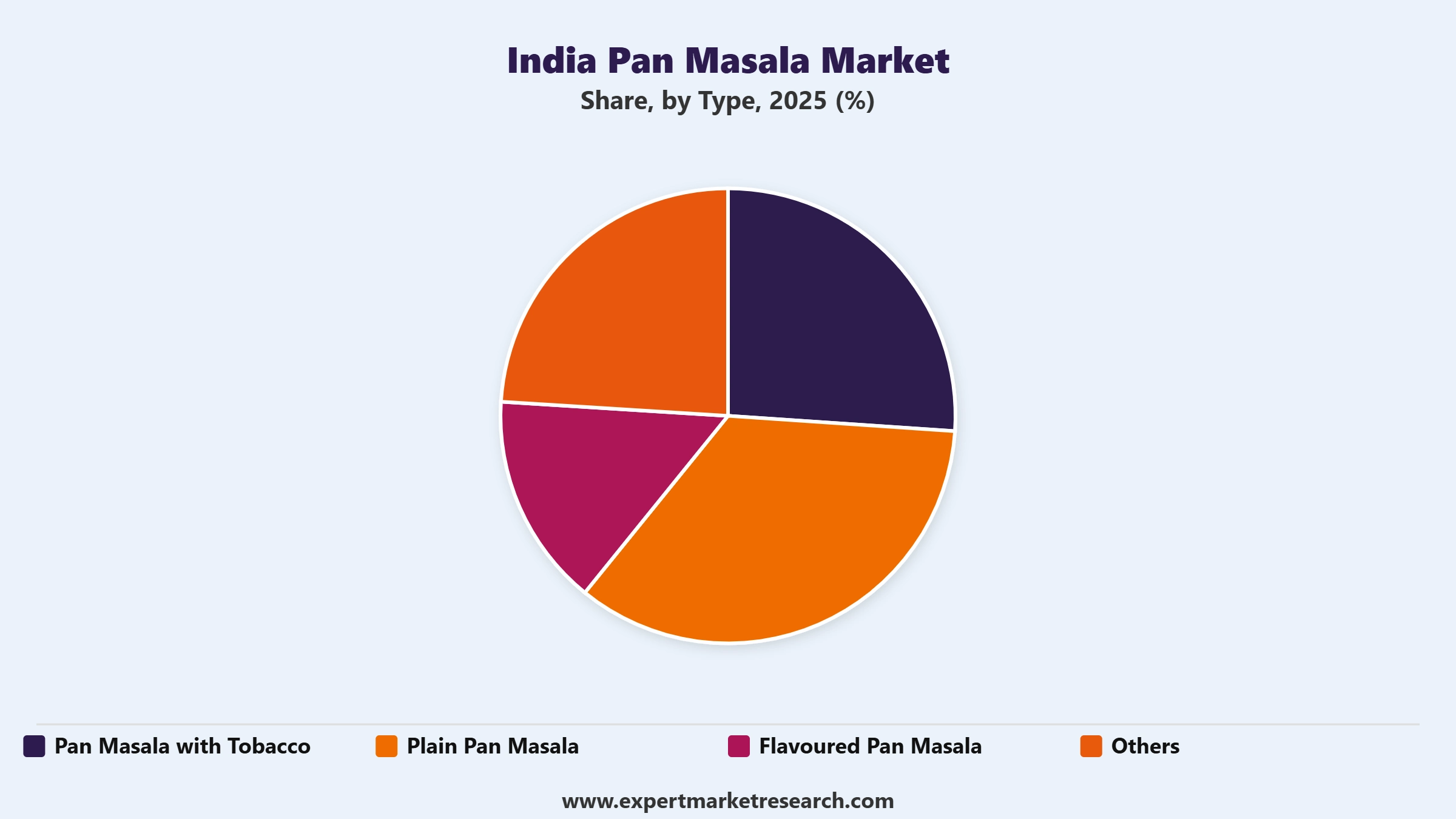
Key Insight: Pan masala with tobacco has maintained a majority share in the market over the years owing to its widespread prevalence in semi-urban and rural areas. The addictive nature of nicotine also contributes to the India pan masala industry revenue. Despite state-level bans, the growth of this category is supported by informal retail networks and single-serve sachets priced as low as INR 1. Companies are also introducing odour-masking flavours and stylish packaging to normalise usage.
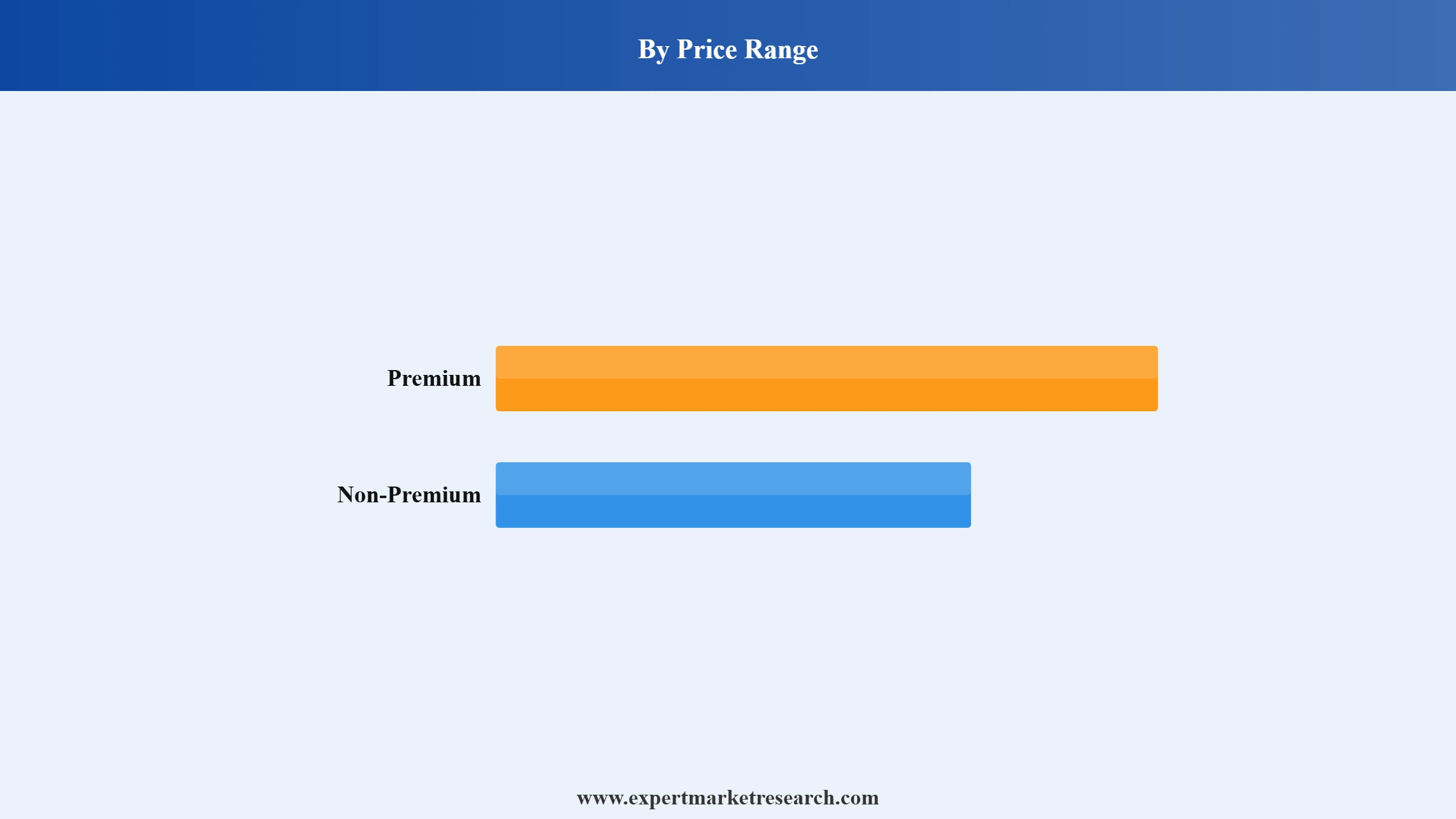
Market Breakup by Price Range
Key Insight: With sachets priced under INR 5, the non-premium price range is expanding rapidly in small towns. Government initiatives like Jan Dhan Yojana and direct cash transfers have increased rural disposable incomes, making affordable indulgences like pan masala more accessible. Local brands such as Talab and Shikhar are offering hyper-local flavours, thereby accelerating the India pan masala demand growth. For B2B players, this opens up fresh opportunities in sachet packaging technology, affordable flavour formulation, and rural distribution logistics. E-commerce firms catering to semi-urban regions are also experimenting with bulk sale models for these mass-market variants.
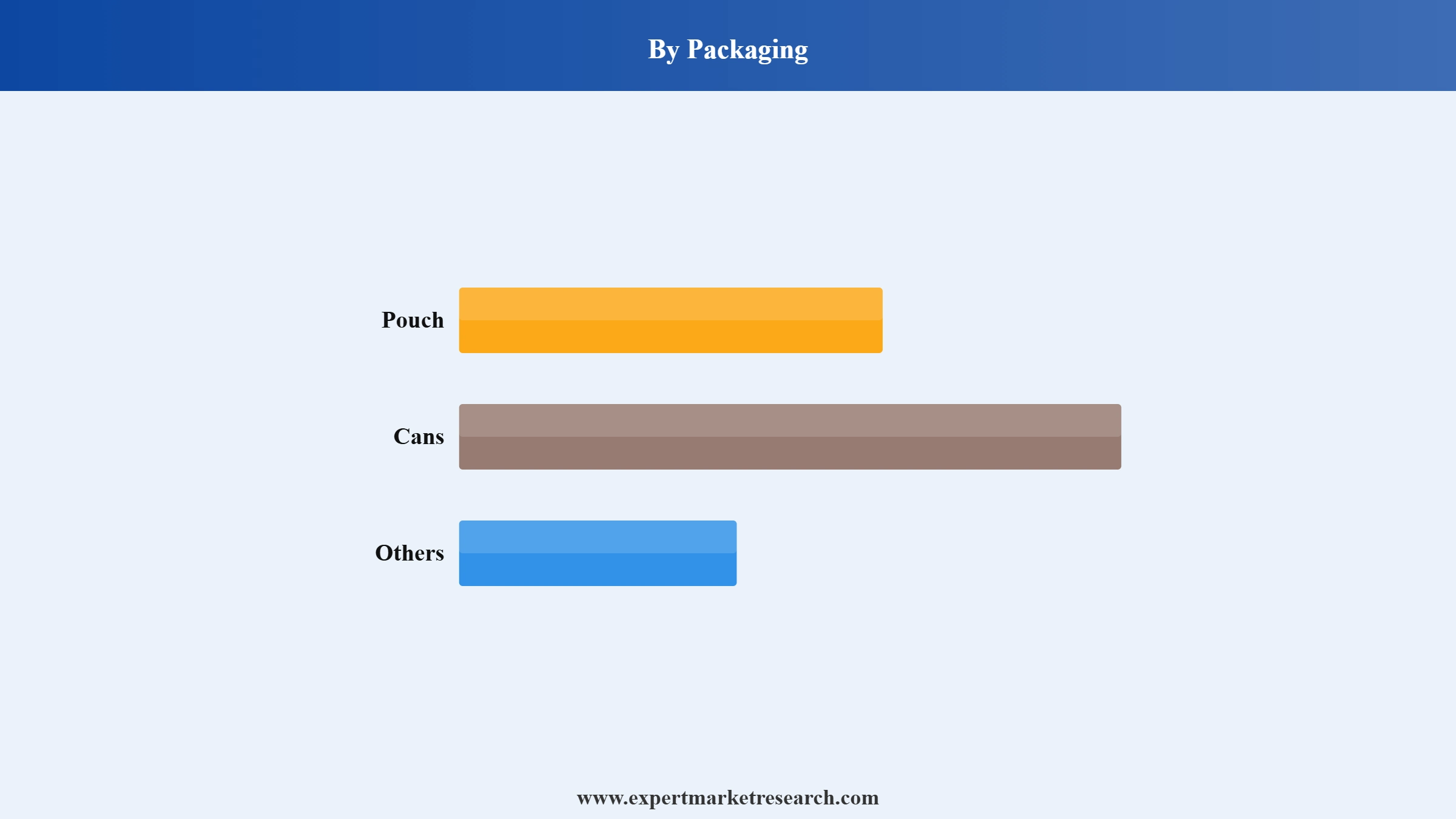
Market Breakup by Packaging
Key Insight: Pouch packaging is expected to witness a CAGR of 4.3% over the forecast period as it is lightweight in nature and easy to carry. This type of packaging is typically moisture-proof and air-tight and can preserve the taste and quality of the product. It is also more cost-effective for manufacturers as well as consumers compared to other packaging types. For manufacturers, pouches also offer better margins due to reduced overheads. Companies in laminate films, high-speed filling lines, and barcode printing technology have become critical enablers, boosting the India pan masala market trends.
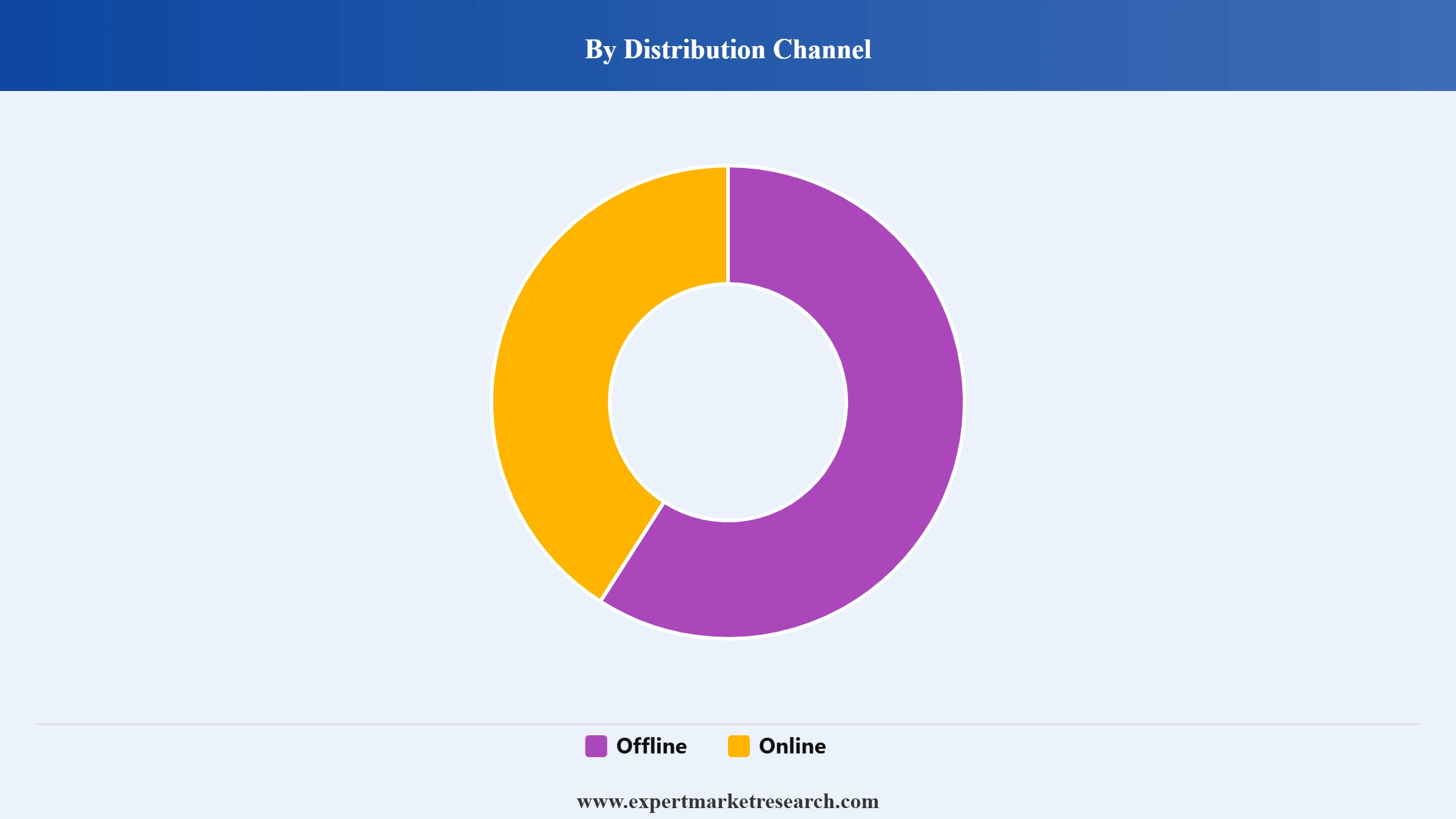
Market Breakup by Distribution Channel
Key Insight: The trust factor of neighbourhood vendors and the product’s impulsive nature contribute to the offline channel’s ongoing dominance in the Indian industry. Brands provide trade incentives like scratch cards and exclusive SKUs to deepen ties with high-performing outlets. Furthermore, B2B opportunities lie in demand forecasting software, vendor management systems, and promotional material printing.
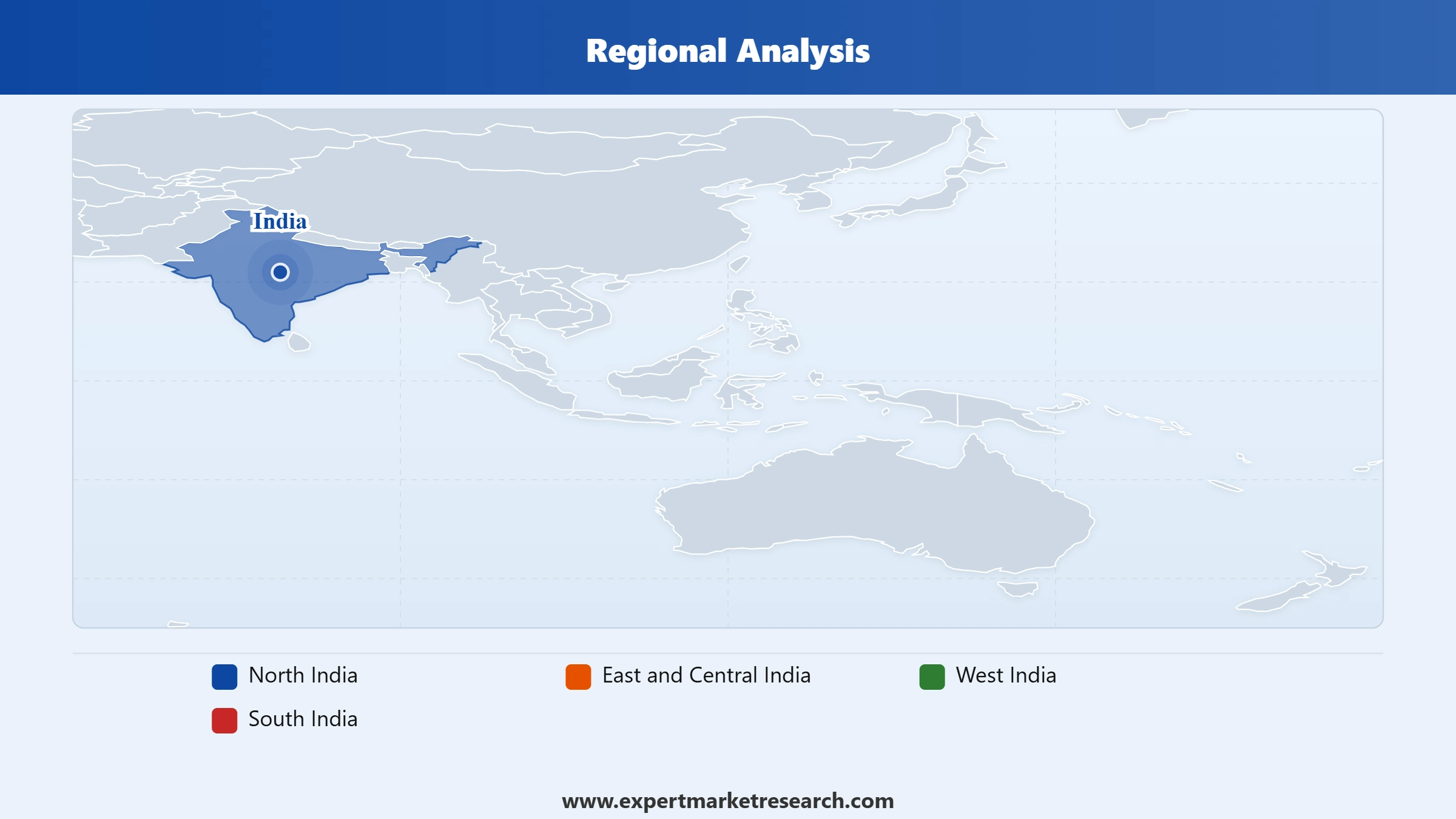
Market Breakup by Region
Key Insight: The North India pan masala market’s dominance stems from the region’s massive population, deep-rooted habits, and wide retail penetration. Cultural preference for such products during weddings and community events sustains bulk orders. For B2B players, opportunities abound in regional distribution, co-branding with local influencers, and adapting package sizes to regional price sensitivity.
Read more about this report - REQUEST FREE SAMPLE COPY IN PDF
By Type, Pan Masala with Tobacco Secure the Largest Share in the Market
Despite regulatory backlash, pan masala with tobacco remains the dominant category in the market due to entrenched consumer habits and high repeat usage. Rural markets, where regulatory oversight is lower, mainly account for the continuous demand. Firms like Manikchand are actively lobbying for pan-India uniform regulation to reduce interstate smuggling and tap into formal retail chains. The availability of twin-pack units, combining tobacco and flavouring in separate sachets, is further driving consumer convenience.
Read more about this report - REQUEST FREE SAMPLE COPY IN PDF
Flavoured pan masala, often positioned as a lifestyle product, is witnessing an impressive growth in the India pan masala market. Metro cities like Delhi and Bengaluru are witnessing surging demand for saffron, cardamom, and chocolate-flavoured variants, catering especially to Gen Z and female consumers. This growth is fuelled by strategic marketing, celebrity endorsements, and tie-ups with OTT content and cricket leagues. B2B wholesalers and e-retail aggregators are increasingly viewing this as a low-risk entry point into the broader market.
By Price Range, the Non-Premium Segment Holds the Dominant Share in the Market
The non-premium price range considerably drives the market revenue growth. Consumers continue to seek affordable solutions that do not sacrifice taste or quality. The non-premium category meets this demand by delivering a diverse selection of low-cost pan masala products that appeal to a wide spectrum of consumers. These products are accessible to a larger audience, including low-income and rural consumers. Furthermore, producers in this category use aggressive marketing and promotional techniques to increase product visibility and attract price-conscious customers.
Read more about this report - REQUEST FREE SAMPLE COPY IN PDF
Premium pan masala accelerates the overall India pan masala market revenue growth to a significant extent. This category is largely dominated by DS Group and Kothari Products. These products, priced between INR 100–200 per pack, feature exotic ingredients and ornate packaging. Technology integration, like scannable QR codes for authenticity, also appeals to brand-conscious buyers. Further, B2B partnerships for luxury packaging, logistics, and display infrastructure are booming in this category.
By Packaging, Pouches Account for the Biggest Share of the Market
Pouches continue to dominate the market due to their affordability, lightweight nature, and logistical convenience. As per the India pan market analysis, over 70% of total sales occur through pouches, especially in Tier 2 and rural regions. Their compact size reduces transportation costs and improves shelf efficiency, making them ideal for general stores and vending machines. Innovations in pouch lamination and aroma-seal technology are being pursued to preserve product integrity over long hauls. Furthermore, recent BIS guidelines on multilayered pouch recyclability have spurred brands to co-develop biodegradable alternatives.
Read more about this report - REQUEST FREE SAMPLE COPY IN PDF
Canned packaging, often associated with premium variants, is rapidly growing popular among urban consumers, boosting the pan masala consumption. The can format is growing because of its aesthetic appeal, re-sealability, and hygiene. The growth of this particular category has created opportunities for B2B players offering metal forming and luxury design services. Retailers, too, report higher shelf retention for cans compared to pouches. With rising import substitution, local metal packaging manufacturers are set to benefit from this surge.
Offline Distribution Channels Account for the Largest Market Share
Offline retail, especially via paan shops, kiranas, and local grocery stores, have fuelled pan masala sales in India. These outlets offer accessibility, trust, and impulse buying opportunities. Regional fairs and festivals are key seasonal demand triggers, prompting B2B players to scale temporary supply routes and promotions. Moreover, innovative POS materials and freebie-led bundling strategies are being tested in the offline space. New partnerships are forming between FMCG logistics providers and regional wholesalers to digitise billing and manage demand volatility more efficiently.
Read more about this report - REQUEST FREE SAMPLE COPY IN PDF
Though currently small in volume, online sales are resulting in India pan masala expansion opportunities, especially boosted by urban millennials and NRIs. Growth is mainly accelerated by platforms like Flipkart Grocery and BigBasket. The online model also allows brands to collect first-party data, enabling targeted upselling. This distribution channel is expected to witness a CAGR of 4.1% during the forecast period, due to increased penetration of the internet as well as rising availability of smartphones, which have made it easier to access pan masala products online. Rural India had 442 million active internet users in 2023, and the number is only expected to rise, which offers significant marketing opportunities for pan masala providers.
By Region, North India Occupies a Substantial Share in the Market
The North Indian market observes continuous growth owing to the cultural acceptance, dense retail networks, and high migrant populations. Uttar Pradesh, Bihar, and Delhi are critical markets. Notably, religious events and local fairs drive bulk sales, creating seasonal demand. Additionally, regional brands are penetrating via vernacular branding, creating white-labelling opportunities.
Maharashtra and Gujarat are fast becoming hotspots for India pan masala market opportunities, owing to increased urbanisation, high disposable income, and diverse consumer palette. The market witnesses an ongoing demand for flavoured and premium pan masala. Mumbai’s affluent consumer bases are key adopters of the can-packaged, premium offerings. The region also benefits from robust logistics and port infrastructure, boosting export readiness.
Read more about this report - REQUEST FREE SAMPLE COPY IN PDF
Key India pan masala market players include the DS Group, Manikchand and Kothari. These companies compete with mid-size firms who are investing in digital retail, flavour innovation, and sustainable packaging. Companies have also increasingly diversified to herbal and non-tobacco variants to get around bans and enhance consumer appeal. Some of their current priorities involve AI-based inventory control, direct-to-retail marketing and recyclable packaging. Strategic partnerships with packaging technology companies and flavour houses are also changing production flexibility options for India pan masala companies. Furthermore, as cross border licensing is being pursued to access the Indian diaspora, companies are placing more importance on traceability, ethical sourcing, and QR code enabled supply chains.
Dharampal Satyapal Group was established in 1929 and is famous in India for its pan-masala brand, Rajnigandha which has established a prominent position in the premium pan-masala market. Its product portfolio includes Catch Spices, Pass Pass mouth fresheners, and pan masala, among others.
Founded in 1939, Manikchand Group is mainly known for its premium pan masala brand Manikchand. The company’s product portfolio includes Manikchand Gutka, RMD Pan Masala, and Oxyrich packaged drinking water, among others. The company is known for its mass appeal as it has a significant presence in both urban and rural areas.
JMJ Group is known for its prominent product, Goa Pan Masala, and also offers its services in the real estate and hospitality sectors. The company’s offered pan masala is widely popular for its mass appeal triggered by the strong marketing strategies.
Godfrey Phillips India Ltd., established in 1844 and headquartered in New Delhi, is a prominent player. The company ventured into the pan masala segment in 2009 with its premium brand 'Pan Vilas.’
Other key players in the market are Kothari Product Limited, Dharampal Premchand Limited, Shikhar Group, Pan Bahar Products Private Limited, Dinesh Pouches Private Limited, and Red Rose Group, among others.
*Please note that this is only a partial list; the complete list of key players is available in the full report. Additionally, the list of key players can be customized to better suit your needs.*
Explore the latest trends shaping the India pan masala market 2026-2035 with our in-depth report. Gain strategic insights, future forecasts, and key market developments that can help you stay competitive. Download a free sample report or contact our team for customized consultation on India pan masala market trends 2026.
India Cardamom and Spice Blend Market
India Tobacco-Free Chewing Industry Growth
India Areca Nut (Supari) Market Trends


Upto 15% Off
USD
$2499 $2249
$3999 $3599
$4999 $4249
$5999 $5099


*While we strive to always give you current and accurate information, the numbers depicted on the website are indicative and may differ from the actual numbers in the main report. At Expert Market Research, we aim to bring you the latest insights and trends in the market. Using our analyses and forecasts, stakeholders can understand the market dynamics, navigate challenges, and capitalize on opportunities to make data-driven strategic decisions.*
The market is projected to grow at a CAGR of 3.80% between 2026 and 2035.
The market is estimated to witness healthy growth in the forecast period of 2026-2035 to reach a value of around INR 70359.06 Crore by 2035.
Key strategies driving the market include investing in traceability, co-developing biodegradable packs, digitizing last-mile delivery, expanding in rural networks, collaborating on QR-trace technology.
The introduction of innovative packaging solutions by the key players is a key trend for the market.
The leading regions for pan masala in India are North India, East and Central India, West India, and South India.
The major types of the product in the market are pan masala with tobacco, along with plain and flavoured pan masala, among others.
The leading price segments in the market are premium and non-premium.
Pouch and cans, among others, are the most significant packaging types in the market.
The primary distribution channels of the market are offline and online.
The leading players in the Indian market are DS Group, Manikchand Group, JMJ group, Godfrey Phillips India Ltd., Kothari Product Limited, Dharampal Premchand Limited, Shikhar Group, Pan Bahar Products Private Limited, Dinesh Pouches Private Limited, and Red Rose Group, among others.
In 2025, the India pan masala market reached an approximate value of INR 48455.88 Crore.
The key challenges hindering companies are navigating multi-state regulatory discrepancies, managing plastic packaging bans, and curbing counterfeit product infiltration.
Explore our key highlights of the report and gain a concise overview of key findings, trends, and actionable insights that will empower your strategic decisions.
| REPORT FEATURES | DETAILS |
| Base Year | 2025 |
| Historical Period | 2019-2025 |
| Forecast Period | 2026-2035 |
| Scope of the Report |
Historical and Forecast Trends, Industry Drivers and Constraints, Historical and Forecast Market Analysis by Segment:
|
| Breakup by Type |
|
| Breakup by Price Range |
|
| Breakup by Packaging |
|
| Breakup by Distribution Channel |
|
| Breakup by Region |
|
| Market Dynamics |
|
| Competitive Landscape |
|
| Companies Covered |
|
Datasheet
One User
USD 2,499
USD 2,249
tax inclusive*
Single User License
One User
USD 3,999
USD 3,599
tax inclusive*
Five User License
Five User
USD 4,999
USD 4,249
tax inclusive*
Corporate License
Unlimited Users
USD 5,999
USD 5,099
tax inclusive*
*Please note that the prices mentioned below are starting prices for each bundle type. Kindly contact our team for further details.*
Flash Bundle
Small Business Bundle
Growth Bundle
Enterprise Bundle
*Please note that the prices mentioned below are starting prices for each bundle type. Kindly contact our team for further details.*
Flash Bundle
Number of Reports: 3
20%
tax inclusive*
Small Business Bundle
Number of Reports: 5
25%
tax inclusive*
Growth Bundle
Number of Reports: 8
30%
tax inclusive*
Enterprise Bundle
Number of Reports: 10
35%
tax inclusive*
How To Order

Select License Type
Choose the right license for your needs and access rights.

Click on ‘Buy Now’
Add the report to your cart with one click and proceed to register.

Select Mode of Payment
Choose a payment option for a secure checkout. You will be redirected accordingly.
Strategic Solutions for Informed Decision-Making
Gain insights to stay ahead and seize opportunities.

Get insights & trends for a competitive edge.

Track prices with detailed trend reports.

Analyse trade data for supply chain insights.

Leverage cost reports for smart savings

Enhance supply chain with partnerships.

Connect For More Information
Our expert team of analysts will offer full support and resolve any queries regarding the report, before and after the purchase.
Our expert team of analysts will offer full support and resolve any queries regarding the report, before and after the purchase.
We employ meticulous research methods, blending advanced analytics and expert insights to deliver accurate, actionable industry intelligence, staying ahead of competitors.
Our skilled analysts offer unparalleled competitive advantage with detailed insights on current and emerging markets, ensuring your strategic edge.
We offer an in-depth yet simplified presentation of industry insights and analysis to meet your specific requirements effectively.




