

Consumer Insights
Uncover trends and behaviors shaping consumer choices today
Procurement Insights
Optimize your sourcing strategy with key market data
Industry Stats
Stay ahead with the latest trends and market analysis.
The global industrial wax market attained a value of USD 12.29 Billion in 2025 and is projected to expand at a CAGR of 3.60% through 2035. The market is further expected to achieve USD 17.50 Billion by 2035. Rising demand for high-quality, durable packaging, effective coatings, and polymer processing is prompting companies to consider wax products with characteristics which ensure greater processability and improved end product quality.
Demand growth in the industrial wax market can be attributed to rising packaging production, as well as the requirement for consistent hot melt adhesive properties throughout the manufacturing process. Specialized wax additives help to ensure faster curing times, consistent viscosity, and better bonding. Further, plastics manufacturers make use of specialized wax products to act as lubricating agents during processing. This helps the purchasing department to determine the efficiency of wax grades in terms of processing.
The industrial wax market is witnessing change as producers of waxes emphasize low carbon footprint, applicability, and efficiency of production processes. One of the recent examples of developments was introduced in February 2025 by Sasol Chemicals that extended the range of micronized waxes with SASOLWAX LC Spray 30 G and LC Spray 30 G-EF. The product provides a 32% reduced carbon footprint compared to traditional ones due to the improved gas-to-liquid Fischer-Tropsch production process. The development showcases how producers are focusing on the sustainability of the industry without changing significantly formulas of coatings, printing inks, and surface treatment manufacturers.
Differentiation in the industrial wax market is becoming one of the most important competitive strategies as consumers require consistency of melting properties, viscosity, protection, and compatibility with existing production lines. In May 2025, Henkel and Sasol signed a deal according to which SASOLWAX LC products will be integrated into the range of hot-melt adhesives TECHNOMELT of Henkel. SASOLWAX LC100 is 35% less carbon foot printed against baseline formulations of the product.
Compound Annual Growth Rate
3.6%
Value in USD Billion
2026-2035
Read more about this report - REQUEST FREE SAMPLE COPY IN PDF
| Global Industrial Wax Market Report Summary | Description | Value |
| Base Year | USD Billion | 2025 |
| Historical Period | USD Billion | 2019-2025 |
| Forecast Period | USD Billion | 2026-2035 |
| Market Size 2025 | USD Billion | 12.29 |
| Market Size 2035 | USD Billion | 17.50 |
| CAGR 2019-2025 | Percentage | XX% |
| CAGR 2026-2035 | Percentage | 3.60% |
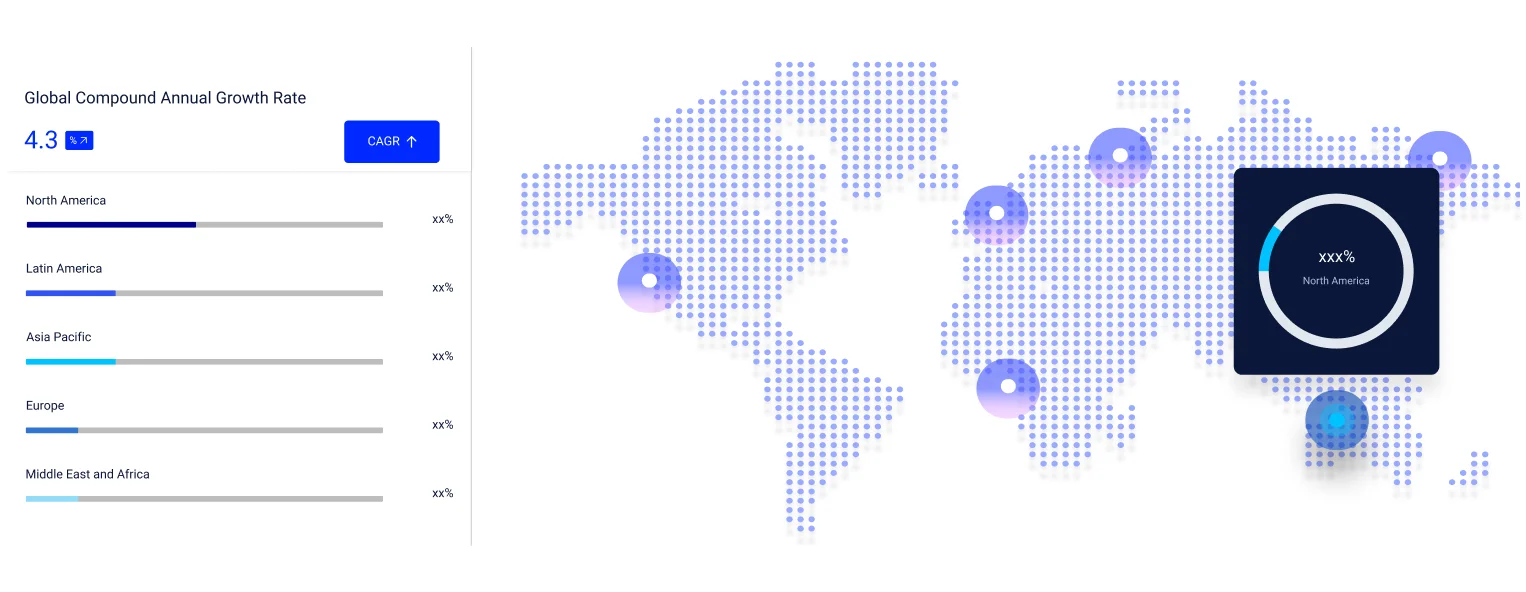
| CAGR 2026-2035 - Market by Region | Asia Pacific | 4.2% |
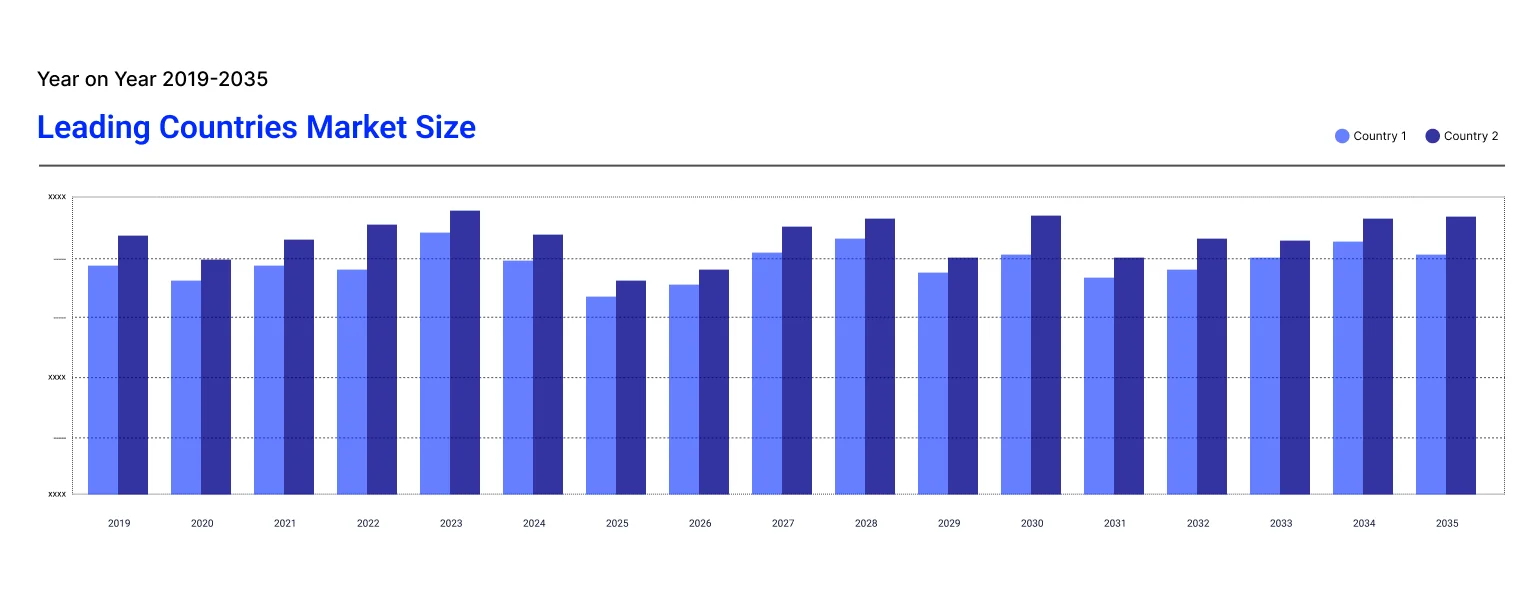
| CAGR 2026-2035 - Market by Country | India | 4.8% |
| CAGR 2026-2035 - Market by Country | China | 3.9% |
| CAGR 2026-2035 - Market by Type | Bio-Based Waxes | 4.0% |
| CAGR 2026-2035 - Market by Application | Candles | 4.1% |
| Market Share by Country 2025 | UK | 3.6% |
INERATEC shipped its first commercial supply of synthetic wax made from captured carbon dioxide and green hydrogen to an American company working on an alternative to edible fat. Companies in the industrial wax market have the option to consider producing carbon-based synthetic wax as another source and to create specialty waxes for novel industrial uses.
Lubrizol released Lanco 8020 SF, which is a bio-based and microplastic-free micronized wax that improves scratch resistance, protection of surfaces, and matting of wood coatings. Industrial wax producers can formulate renewable micronized waxes for protective coatings, especially for manufacturers looking for more durable surfaces.
The FDA approved Clariant for its use of renewable rice bran waxes as additives in rigid PVC products used in contact with food products. Companies can create plant-based additives for PVC and food packaging in order to meet sustainability objectives and overcome supply issues associated with conventional waxes, broadening the industrial wax market scope.
Polyguard introduced its new product, Wax Wrap Integrated System, that gives flexible and VOC free corrosion protection for pipelines, valves, and metal structures. Industrial wax firms can formulate special corrosion control wax coatings for pipelines and water and wastewater infrastructure.
Wax suppliers are creating low-carbon waxes that allow industrial customers to decrease carbon footprints without altering existing formulations. In August 2024, for instance, Sasol launched the SASOLWAX LC100 wax intended for use in packaging adhesives, citing a reduction of 35% in product carbon footprint compared to a conventional benchmark. The drop-in nature of the product makes it relevant to adhesive producers looking to lower emissions without sacrificing manufacturing performance. This development in the industrial wax market is in line with corporate emissions reduction initiatives and with the EPA guidelines on calculating greenhouse gas emissions from manufacturing.
Companies in the industrial wax market are improving melting characteristics, crystal structure, and viscosity for faster packaging processes and even distribution of the adhesive. For example, in April 2025, Tex Year introduced a bio-based, stretch-film-free pallet wrapping solution, reducing carbon emissions by 55%, and packaging materials by 62%. This development is an example of how raw material suppliers can impact the performance of downstream adhesives through formulating work. Converters may benefit from fast-setting adhesives by increasing line speeds and ensuring that the packages are closed securely.
Wax microparticles present themselves as an option for coatings, printing ink, and surface treatment manufacturers that need increased scratch resistance, slip, rub resistance, and gloss control. Sasol, for example, offers SASOLWAX LC Spray 30 G and LC Spray 30 G-EF. On the other hand, in April 2025, Clariant launched Ceridust 1310, a bio-based rice bran wax blend improving printing ink rub resistance while reducing carnauba wax supply dependency, boosting demand in the industrial wax market. Such products provide possibilities in architectural coating, wood coating, powder coating, and printing inks applications.
The industrial wax market observes several application possibilities as additives that help modify asphalt and increase its workability and make road construction processes more efficient. Such additives may reduce the viscosity of asphalt binders allowing for mixing and compacting at reduced temperatures depending on their formula and operating conditions. The opportunities for the producers exist since the United States supports its transportation infrastructure through the Infrastructure Investment and Jobs Act. For example, in June 2025, Ziebart introduced an advanced wax-based undercoating formula providing long-lasting rust protection, moisture resistance, and improved vehicle durability under extreme weather conditions.
Alternative routes for producing waxes involve the use of renewable carbon sources and synthesis methodologies that minimize reliance on traditional fossil fuel sources, accelerating growth in the industrial wax market. Fischer-Tropsch technology plays an important role in this context due to its ability to produce hydrocarbons from synthesis gases produced by different sources, albeit dependent on economics and product specifications based on the route used. On the other hand, in April 2025, BASF launched Lamesoft OP Plus, a biodegradable, wax-based opacifier offering sustainable alternatives to synthetic ingredients in personal care formulations. The Department of Energy of the United States is also supporting the research and development of sustainable aviation fuels based on Fischer-Tropsch processes that utilize renewable sources.
The Expert Market Research's report titled “Industrial Wax Market Report and Forecast 2026-2035” offers a detailed analysis of the market based on the following segments:
Market Breakup by Type
Key Insight: The use of fossil wax in the making of candles, packaging, coatings, and rubber manufacturing is achieved through a reliable source and pricing, accelerating the overall industrial wax market expansion. The synthetic waxes find their uses where there is a need for a defined molecular structure for various uses such as adhesives, printing inks, polymers, and specialty surfaces. The bio-based waxes gain preference among the manufacturers who seek to make renewable products for cosmetics, packaging, and certain food applications.
Market Breakup by Application
Key Insight: As per the industrial wax market report, wax is used by candles to burn with consistency, decoration, and easy production. These waxes are also used to coat packaging to make them water resistant and provide protection for paper substrates. Companies can find wax applications in coatings and polishes in order to provide scratch resistance, slip properties, glossiness, and surface durability. Wax is used in hot-melt adhesives to modify their viscosity and setting properties. Moreover, industrial wax is also used by tire and rubber producers in processing and surface applications. In August 2025, Siegwerk acquired Allinova, expanding its packaging coatings portfolio with water-based dispersions, wax emulsions, adhesives, and sustainable functional coating technologies.
Market Breakup by Region
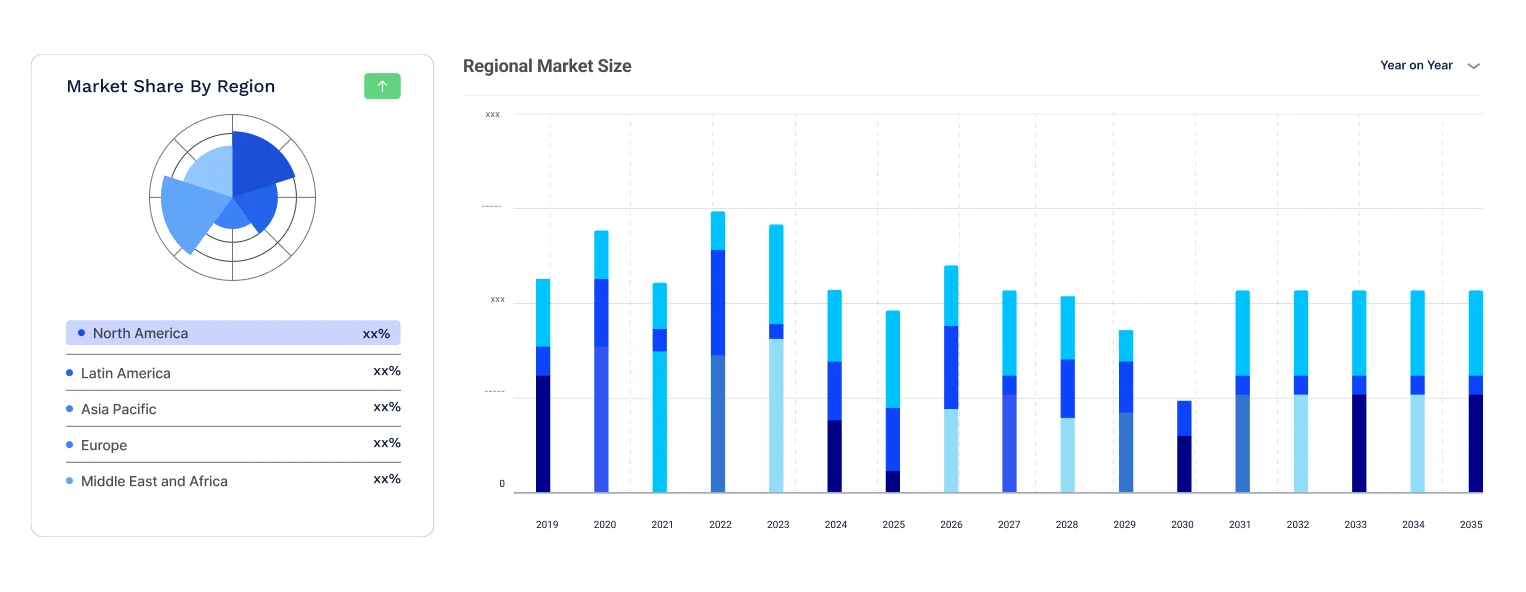
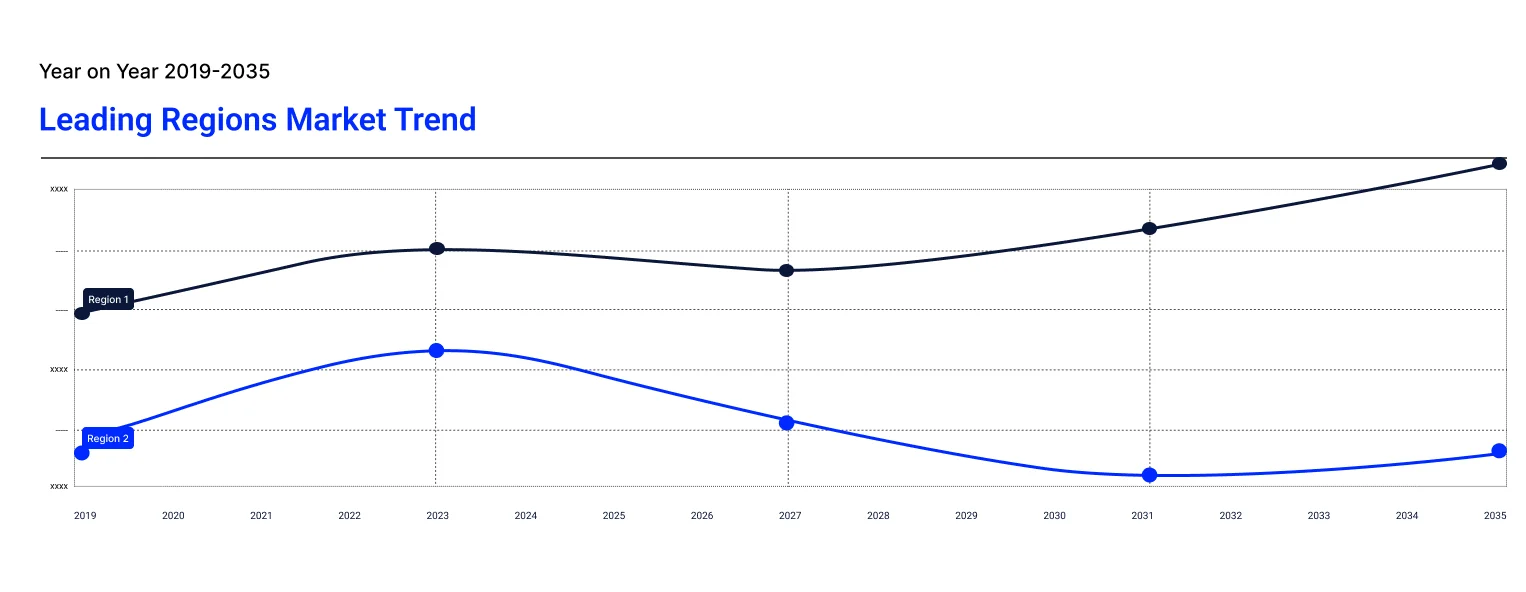
Key Insight: The Asia Pacific industrial wax market gains from economies of scale in manufacturing, refining facilities, and demands for candles, packaging, rubber, and consumer products. North America is an excellent region to target due to possibilities for specializing in advanced waxes, adhesives, coatings, and carbon-friendly formulations. Europe focuses on quality and performance of products as well as sustainability-driven material selection within the established chemical and manufacturing industries. Latin America provides many opportunities in packaging conversion, candle manufacturing, and growth of industrial supply chains, although there are times when volatility may affect buying behavior.
Read more about this report - REQUEST FREE SAMPLE COPY IN PDF
By type, fossil-based waxes account for the dominant share of the market due to established supply chains, cost efficiency, and broad industrial applicability
Fossil-derived waxes such as paraffin and microcrystalline waxes continue to be important in industrial settings due to availability, processing technology, and low costs, boosting demand in the industrial wax market. Candle makers require consistent melting properties, and packagers utilize paraffin wax coating that increases moisture resistance and protection. Microcrystalline waxes offer flexibility and adhesion in applications demanding better adhesion properties. In June 2026, Lubrizol introduced Lanco 8020 SF, a 100% bio-based, microplastic-free wax improving scratch resistance and durability in water-based wood coatings.
Synthetically derived waxes are becoming more popular across the industrial wax market scope owing to the need for precise control of melting temperature, molecular composition, hardness, and viscosity. Fischer-Tropsch and polyethylene waxes are most relevant in areas such as hot-melt adhesives, printing inks, coatings, and polymer processing, where consistent performance of additives is critical for the process. Producers are increasingly differentiating themselves in terms of low-carbon products and application-specific grades.
Candles maintain their dominance in the market due to established consumption across household, decorative, and commercial uses
Candles continue to be the main applications that are consistently contributing to the overall industrial wax market revenue. Manufacturers are producing household, decorative, religious, and specialty candles, while private label candle producers compete on product uniformity and efficiency of manufacturing runs. Blend-able wax formulas make it possible for producers to change the hardness of the product, fragrance retention, appearance, and burning properties. For the wax suppliers, there are possibilities to develop grades for molded candles, container candles, and specialty finish candles. In May 2024, HyImpulse successfully test-launched its paraffin wax-powered SR75 rocket, demonstrating cheaper, safer propulsion for commercial satellite transportation.
Hot melt adhesive producers use industrial waxes to change the viscosity, setting time, open time, and application properties. All these features are essential for packaging lines that need reliable bonding in high-speed operations. Synthetic waxes and well-formulated blends may help to balance the processability with the demands of adhesion, broadening the industrial wax market scope. In September 2024, Power Adhesives launched Tecbond 214B, a certified biodegradable hot-melt adhesive containing 44% bio-based materials for sustainable carton packaging
Asia Pacific accounts for the dominant regional position due to extensive manufacturing capacity and strong downstream demand
The Asia Pacific industrial wax market leverages widespread candle manufacture, packaging conversions, plastics manufacturing and rubber production in China, India, Japan and Southeast Asia. This area has refining and chemical manufacturing facilities, which facilitate the supply of traditional waxes, while increasing production necessitates the need for special additives. Manufacturers in China supply both the domestic manufacturers and export markets, while the opportunities in India arise due to the packaging, consumer goods and auto sectors in the country. Suppliers can leverage their presence by offering local distribution services, technical assistance, and bulk supplies. In March 2026, Bio Green Wax Ltd entered India, supplying industrial waxes and introducing certified natural alternatives for manufacturing and candle production.
In the industrial wax market in North America, there is the potential of marketing waxes among customers who are involved in packaging, adhesives, coatings, rubber, and personal care products. Chemical suppliers can target customers that need formulations, low carbon content, and increased processing efficiency. Advanced packaging materials create demand for waxes, which increase moisture resistance and adhesives' efficiency, while the industrial coatings industry requires additives that increase surface durability. There is also opportunity in bio-based waxes.
Competition is based on access to raw materials, refining capabilities, formulation capabilities, and relationships with manufacturers downstream. Well-established petroleum companies have advantages in the supply of large amounts of paraffin, whereas chemical specialists have an advantage in the supply of synthetic, micronized, and application-oriented formulations. Industrial wax companies are developing low-carbon products which allow manufacturers of packaging, coatings, and adhesives to enhance the environmental impact without having to make substantial changes to the processes involved. Product uniformity, technical capabilities, and reliable supplies continue to be significant for industrial procurement.
There are new prospects in renewable sources, high-performance hot melt adhesives, polymerization and processing, and enhanced surface treatments. It is possible to benefit from customized formulation and formulation testing with converters, as well as traceability through sourcing and manufacturing. It is necessary to balance price competitiveness and logistics when expanding into a new region. Strategic partnerships between industrial wax market players and adhesive manufacturers show how product development in partnership can lead to differentiation and business relationships.
Founded in 2000 and based in Beijing, China, China Petroleum & Chemical Corporation, better known as Sinopec, is an integrated energy and chemicals company. Through its refining and petrochemical operations, it provides petrochemical products, such as paraffin wax. The company caters to industrial clients who require reliable sources of materials for their candle, packaging, coating, and other manufacturing purposes.
Royal Dutch Shell PLC was formed as a result of the 1907 merger of Royal Dutch Petroleum Company and Shell Transport and Trading Company and is based in London, United Kingdom. The current company, known as Shell plc, has a robust energy and chemicals business. Its portfolio of industrial materials and its expertise in chemicals make it useful for manufacturers, though wax products differ across businesses and regions.
Exxon Mobil Corporation was created in 1999 after the merger of Exxon and Mobil and operates from Spring, Texas, United States. Its integrated refining and chemical production provide hydrocarbon-based material to industry customers. The extended petrochemical business capabilities include applications with packaging, polymers, and specialty chemistries whereas the waxes purchasing is defined by current product range and availability in respective regions.
Sasol Limited founded in 1950, operating from South Africa, specializes in synthetic fuels and Fischer-Tropsch technology. The SASOLWAX range includes applications in coatings, printing ink, adhesives, and other industries. Sasol is working on reducing-carbon content in wax grades, thus offering possibilities to develop better products and reduce carbon emissions.
Other key players in the market include Numaligarh Refinery Limited, Petroleo Brasilerio S.A., and NK Lukoil PAO, among others.
*Please note that this is only a partial list; the complete list of key players is available in the full report. Additionally, the list of key players can be customized to better suit your needs.*
Unlock the latest insights with our industrial wax market trends 2026 report. Discover regional growth patterns, consumer preferences, and key industry players. Stay ahead of competition with trusted data and expert analysis. Download your free sample report today and drive informed decisions in the market.


Upto 15% Off
USD
$2499 $2249
$3999 $3599
$4999 $4249
$5999 $5099


*While we strive to always give you current and accurate information, the numbers depicted on the website are indicative and may differ from the actual numbers in the main report. At Expert Market Research, we aim to bring you the latest insights and trends in the market. Using our analyses and forecasts, stakeholders can understand the market dynamics, navigate challenges, and capitalize on opportunities to make data-driven strategic decisions.*
In 2025, the market reached an approximate value of USD 12.29 Billion.
The market is projected to grow at a CAGR of 3.60% between 2026 and 2035.
The market is estimated to witness a healthy growth in the forecast period of 2026-2035 to reach about USD 17.50 Billion by 2035.
The major market drivers include the rising consumption and production of products like coatings, candles, and packaging products, the robust growth of the personal care sector, and increasing research and development activities.
The key market trends include the development of innovative technologies to expand industrial wax applications, the surging use of industrial wax in food packaging applications, and the rising use of industrial wax to improve the durability of cosmetics products.
The major regions in the market are North America, Latin America, the Middle East and Africa, Europe, and the Asia Pacific.
The major types of industrial wax in the market are fossil based wax, synthetic based wax, and bio-based wax.
The significant applications of industrial wax include candles, packaging, coatings and polishes, hot melt adhesives, tyres and rubber, cosmetics and personal care, and food, among others.
The key players in the market include China Petroleum and Chemical Corporation, Royal Dutch Shell PLC, Exxon Mobil Corporation, Sasol Limited, Numaligarh Refinery Limited, Petroleo Brasilerio S.A., and NK Lukoil PAO, among others.
Companies face volatile feedstock prices, refining constraints, competition from alternative materials, and pressure to reduce emissions. Maintaining consistent wax specifications while meeting regulatory requirements and customers' cost expectations remains challenging.
Stakeholders are expanding specialty wax portfolios, validating renewable feedstocks, strengthening application-testing partnerships, improving supply-chain resilience, and measuring carbon footprints while targeting packaging, adhesives, coatings, and polymer-processing customers.
Explore our key highlights of the report and gain a concise overview of key findings, trends, and actionable insights that will empower your strategic decisions.
| REPORT FEATURES | DETAILS |
| Base Year | 2025 |
| Historical Period | 2019-2025 |
| Forecast Period | 2026-2035 |
| Scope of the Report |
Historical and Forecast Trends, Industry Drivers and Constraints, Historical and Forecast Market Analysis by Segment:
|
| Breakup by Type |
|
| Breakup by Application |
|
| Breakup by Region |
|
| Market Dynamics |
|
| Competitive Landscape |
|
| Companies Covered |
|
| Report Price and Purchase Option | Explore our purchase options that are best suited to your resources and industry needs. |
| Delivery Format | Delivered as an attached PDF and Excel through email, with an option of receiving an editable PPT, according to the purchase option. |
Datasheet
One User
USD 2,499
USD 2,249
tax inclusive*
Single User License
One User
USD 3,999
USD 3,599
tax inclusive*
Five User License
Five User
USD 4,999
USD 4,249
tax inclusive*
Corporate License
Unlimited Users
USD 5,999
USD 5,099
tax inclusive*
*Please note that the prices mentioned below are starting prices for each bundle type. Kindly contact our team for further details.*
Flash Bundle
Small Business Bundle
Growth Bundle
Enterprise Bundle
*Please note that the prices mentioned below are starting prices for each bundle type. Kindly contact our team for further details.*
Flash Bundle
Number of Reports: 3
20%
tax inclusive*
Small Business Bundle
Number of Reports: 5
25%
tax inclusive*
Growth Bundle
Number of Reports: 8
30%
tax inclusive*
Enterprise Bundle
Number of Reports: 10
35%
tax inclusive*
How To Order

Select License Type
Choose the right license for your needs and access rights.

Click on ‘Buy Now’
Add the report to your cart with one click and proceed to register.

Select Mode of Payment
Choose a payment option for a secure checkout. You will be redirected accordingly.
Strategic Solutions for Informed Decision-Making
Gain insights to stay ahead and seize opportunities.

Get insights & trends for a competitive edge.

Track prices with detailed trend reports.

Analyse trade data for supply chain insights.

Leverage cost reports for smart savings

Enhance supply chain with partnerships.

Connect For More Information
Our expert team of analysts will offer full support and resolve any queries regarding the report, before and after the purchase.
Our expert team of analysts will offer full support and resolve any queries regarding the report, before and after the purchase.
We employ meticulous research methods, blending advanced analytics and expert insights to deliver accurate, actionable industry intelligence, staying ahead of competitors.
Our skilled analysts offer unparalleled competitive advantage with detailed insights on current and emerging markets, ensuring your strategic edge.
We offer an in-depth yet simplified presentation of industry insights and analysis to meet your specific requirements effectively.




