

Consumer Insights
Uncover trends and behaviors shaping consumer choices today
Procurement Insights
Optimize your sourcing strategy with key market data
Industry Stats
Stay ahead with the latest trends and market analysis.
The Japan automation as a service market was valued at USD 400.82 Million in 2025. The market is expected to grow at a CAGR of 19.70% during the forecast period of 2026-2035 to reach a value of USD 2420.42 Million by 2035. The implementation of subscription-based robotic systems is becoming increasingly common among Japanese SMEs, as the automation approach is both cost-effective and provides greater operational flexibility, while offering the opportunity for scaling manufacturing processes within industrial regions.
The Japan automation as a service market growth trajectory is influenced by factors such as the introduction of AI-driven predictive maintenance services that enable service providers to offer guarantees on their products while minimizing business risks associated with their operations. The other factor contributing to the popularity of the trend is more flexible finance schemes, such as paying per use.
The Japan automation as a service market is undergoing a structural change as business leaders are now separating ownership, which entails high capital cost, from actual usage. In August 2024, Yokogawa announced updates enhancing sustainability strategy, accelerating ESG initiatives, and strengthening long-term corporate value creation. This development is consistent with the METI report that shows majority of the small and medium factories lack automation facilities because of capital requirements. The current trend of adopting flexibility in service purchasing is gradually gaining momentum.
The overall dynamics in the Japan automation as a service market is influenced by technological advancement, including robotics, cloud management, and AI predictive maintenance. Japanese firms are increasingly engaging in contractual agreements focusing on the results achieved. In addition, firms are integrating digital twinning capabilities, real-time analytics, and monitoring features in their services. For example, in November 2025, NEC partnered with Siemens to expand digital twin solutions, advancing global smart manufacturing and automation capabilities. Labor shortage in some aging industrial areas is leading to the rapid increase in demand for automation solutions.
Compound Annual Growth Rate
19.7%
Value in USD Million
2026-2035
|
Japan Automation As A Service Market Report Summary |
Description |
Value |
|
Base Year |
USD Million |
2025 |
|
Historical Period |
USD Million |
2019-2025 |
|
Forecast Period |
USD Million |
2026-2035 |
|
Market Size 2025 |
USD Million |
400.82 |
|
Market Size 2035 |
USD Million |
2420.42 |
|
CAGR 2019-2025 |
Percentage |
XX% |
|
CAGR 2026-2035 |
Percentage |
19.70% |
|
CAGR 2026-2035 - Market by Region |
Kansai |
22.5% |
|
CAGR 2026-2035 - Market by Type |
Services |
21.7% |
|
CAGR 2026-2035 - Market by Deployment Type |
Cloud |
22.1% |
|
2025 Market Share by Region |
Kanto |
34.5% |
OMRON and Dassault Systèmes were able to combine their efforts by incorporating virtual twins into actual automation processes, thus increasing productivity levels, increasing simulation accuracy, and implementing predictive maintenance services.
Top companies from Japan including SoftBank Group Corp., Sony Corp. and NEC Corp. joined forces in forming a joint venture to develop physical artificial intelligence robots that will be responsible for automating processes for various industries. Companies may consider exploring robotics as a service business model to serve logistics, healthcare, and manufacturing customers, leveraging on such developments in the Japan automation as a service market.
Japan launched a national strategy focusing on AI and robotics implementation challenges, encouraging innovation, workforce preparation, and service robot application. Companies may align with government initiatives, designing AI-enabled service models specifically for labor shortage and demographic challenges, follwoing these trends in the Japan automation as a service market.
SCIO Automation reinforced its market position in Japan by entering into a distribution agreement with Fabmatics, providing improved automation solutions and services within an advanced manufacturing setting. Participants may leverage regional alliances, offering customized Automation-as-a-Service solutions within semiconductor and advanced manufacturing industries.
Japan's leading robotic firms are now shifting towards subscription-based delivery models, mainly focusing on small and medium enterprises. For instance, FANUC and Yaskawa Electric are offering service-based robotic solutions encompassing installation, servicing, and software updates all in one package. In addition, firms are incorporating analytics dashboards and uptime guarantees to make automation services measurable for clients and minimize capital expenditure approval while providing regular updates. For example, in March 2026, Rakuten Symphony launched a dedicated unit delivering cloud-native and OSS solutions, accelerating enterprise digital transformation and innovation across the Japan automation as a service market.
Predictive maintenance is now becoming an essential component, reshaping the Japan automation as a service market dynamics. Leading firms such as Mitsubishi Electric are adopting artificial intelligence algorithms in their automation platforms to identify potential issues and minimize unplanned downtimes. Vendors are using cloud-based technologies to monitor industrial plant operations and trigger automatic alerts. This integration is paving the way for performance-based service agreements. For example, in January 2026, ITOKI introduced AI-driven predictive maintenance solution leveraging Oracle technologies, optimizing logistics uptime, reducing failures, and enabling efficient, data-driven maintenance planning.
The adoption of automation-as-a-service is steadily increasing in the logistics industry in Japan, spurred by growth in online business and labor shortages. Companies like Daifuku are releasing their warehousing automation solution, featuring autonomous guided vehicles and sortation systems based on a subscription service model. Service-based models enable logistics firms to meet demand during peak periods without making long-term investments. Such models are particularly useful when expanding urban distribution centers, thereby stimulating demand in the Japan automation as a service market. For example, in April 2026, Neolix and Pegasus showcased L4 autonomous RoboVan solutions in Japan, advancing AI-driven logistics automation and scalable last-mile delivery services.
The Japanese government supports automation implementation in businesses through subsidy programs and digitalization initiatives. For example, through the initiative titled "Connected Industries" launched by METI, the government has promoted service-based automation models, particularly for regional manufacturing firms. Further, in April 2026, Japan’s government announced USD 6.3 billion investment to accelerate AI-driven robotics adoption, targeting 30% global physical AI market share by 2040. The government-led programs are enabling partnerships between technology vendors and manufacturing organizations. Companies in the Japan automation as a service market are increasingly developing technologies in line with the digitalization policies of the government.
Another trend in the Japan automation as a service market is the formation of partnerships among robotics suppliers, banks, and systems integration companies. The collaboration involves creating integrated packages consisting of robots, applications, and funding under one service contract. For example, in April 2026, Fujitsu partnered with BULL to develop space situational awareness service, enhancing orbital data analytics and advancing space traffic management capabilities. Such ecosystems are not only lowering the barrier to adoption by users but also securing stable cash flows for suppliers. Contract structures are also getting attention with performance metrics playing a vital role.
The EMR’s report titled “Japan Automation As A Service Market Report and Forecast 2026-2035” offers a detailed analysis of the market based on the following segments:
Market Breakup by Type
Key Insight: As per the Japan automation as a service market report, the industry is increasingly defined by a balance between automation platforms on one side and value-added services on the other. The segment of solutions continues dominating the market because companies favor solutions that integrate different functions and streamline them by reducing complexity in operations. For example, in April 2026, Comau showcased flexible automation and digital manufacturing solutions, enabling multi-model production and advancing efficiency across Southeast Asia’s commercial vehicle industry. On the other hand, the services segment is growing due to the capabilities of extending the lifecycle of systems, optimizing performances, and adjusting costs to consumption patterns. This interaction between the two segments might result in hybrid models that allow vendors to not only provide technologies but also embed themselves in operations.
Market Breakup by Deployment Type
Key Insight: Market deployment choices reflect the need for a balance between control and flexibility. Premise-based solutions continue to be important in sectors that require minimum delay and stringent data management to ensure continuous and safe operation. Cloud-based deployments, on the other hand, are increasingly preferred because of their capacity to accommodate dispersed operations, facilitate remote management, and simplify the infrastructure. According to the Japan automation as a service market report, on-premise and cloud-based solutions often complement each other. Analysis and monitoring capabilities are typically outsourced to the cloud environment.
Market Breakup by Enterprise Size
Key Insight: The classification of enterprises based on their sizes shows the Japan automation as a service market trend towards inclusivity in the uptake of automation technology. Large enterprises continue to lead in the utilization of automation technology since they have the capacity to adopt highly-integrated technology across various departments and locations. Nonetheless, SMEs are quickly gaining ground owing to the ease with which service-oriented solutions can be adopted.
Market Breakup by Business Function
Key Insight: Functional department automation demonstrates how the process of automating goes beyond the main processes to the higher levels of the organization. The IT function continues to be predominant because of its importance in controlling the infrastructure and connectivity. On the other hand, there is a fast adoption of automation technology by financial and accounting departments due to its accuracy, compliance, and better decision-making capabilities. Aligning with this trend in the Japan automation as a service market, in January 2026, Fujitsu partnered with Mizuho Bank to automate order-payment processing, reducing manual workload and enabling data-driven SME digital transformation services.
Market Breakup by End User
Key Insight: The BFSI sector is currently leading the Japan automation as a service market growth because of its compliance requirements, precision, and stability, which require high levels of automation to ensure all norms and criteria are met. However, Telecommunications and Information Technologies are implementing automation rapidly in order to effectively address changing networks and offer efficient digital services. Automation is also being considered to be a key operational component by other sectors, which increases the adoption rate and contributes to its diversity of use. In May 2025, Omron and Cognizant launched an integrated IT-OT automation solution, combining AI, IoT, and digital twin technologies for manufacturing transformation.
Market Breakup by Region
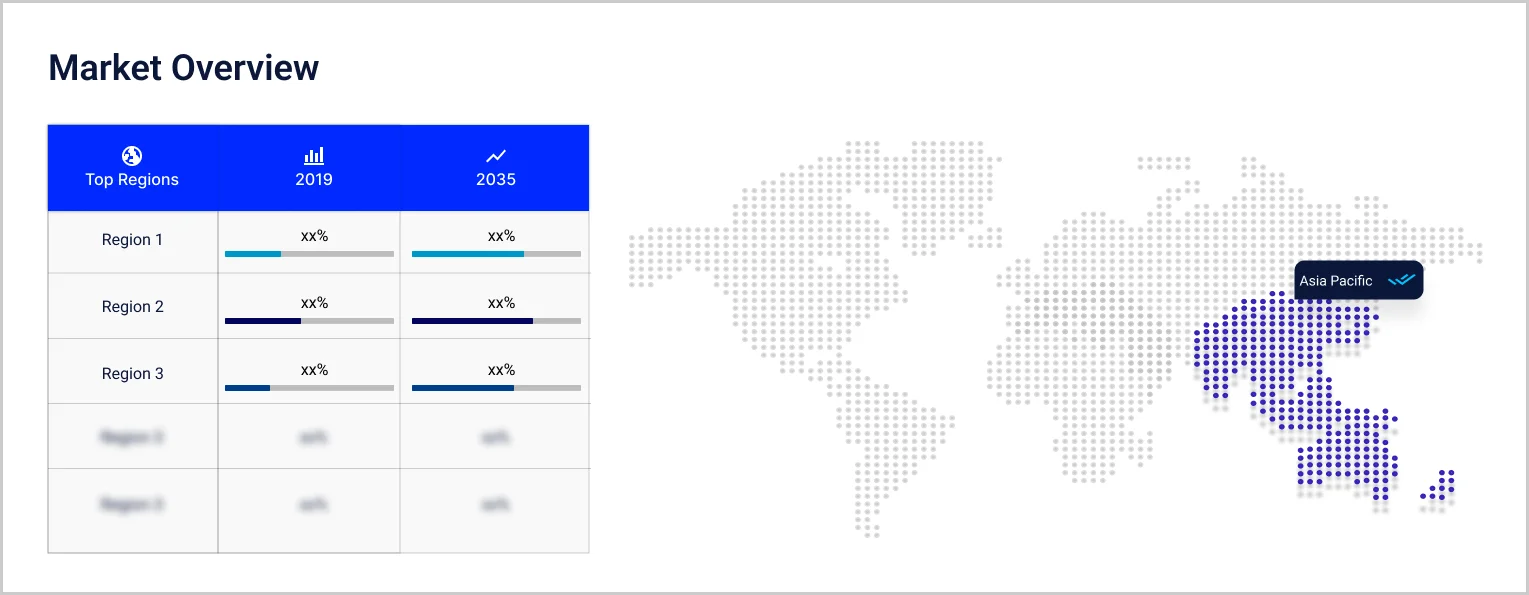
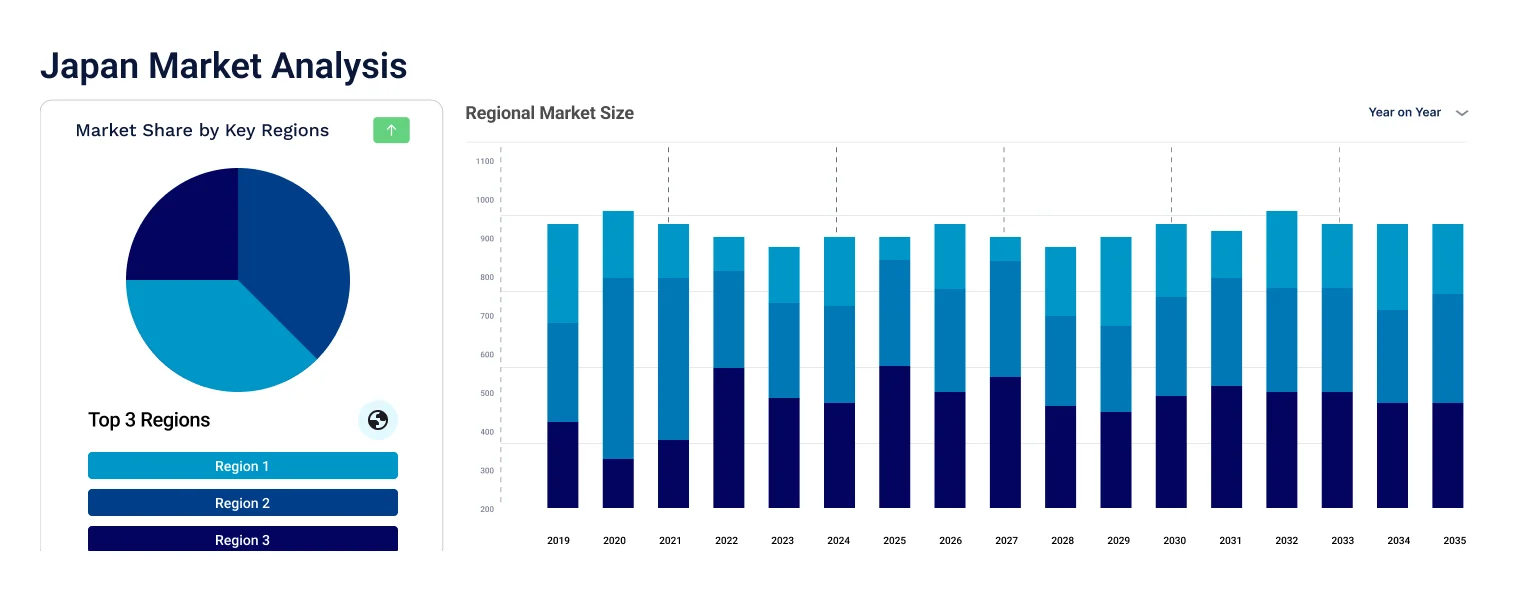
Key Insight: The Japan automation as a service market dynamics vary from region to region depending on different strengths and adoption levels. Kanto maintains its dominance owing to its industrial base, technological support, and the culture of early adoption. On the other hand, the Chubu region is witnessing increasing prominence as the demand from manufacturing industries drives the adoption of automation technologies. Similarly, other regions are also progressively adopting automation technologies backed by industrial operations and increased recognition of the advantages of automation technologies.
By type, the solutions segment accounts for the largest market share driven by integrated automation orchestration platforms demand
The solution category continues to be central in the Japan automation as a service market, primarily because of the increasing use of orchestration solutions in manufacturing and logistics operations. Businesses are focusing on orchestration platforms that allow the integration of robotics, artificial intelligence analytics, and digital twin technologies into one comprehensive system. The vendors are working on improving the modularity of automation stacks to deploy them across production lines with minimal need for modifications. This is especially important for companies involved in manufacturing activities in Japan that require high levels of precision.
The services category observes rapid growth in the Japan automation as a service market, as companies opt for lifecycle-based automation solutions, as opposed to one-off deployments. Vendors are offering their clients ongoing monitoring and predictive analytics services to make their automation systems run smoothly. It is becoming an increasingly attractive alternative to capital-intensive investment, as most businesses prefer to cover operational expenses when automating their operations. The vendors are also offering analytical insights as part of services to optimize automation processes and minimize potential disruptions to the workflow. In January 2026, Tsunagu launched implementation-focused AI automation service, enabling businesses to design, deploy, and operate practical AI-driven workflows efficiently.
On-premise deployment leads market growth driven by data control and latency requirements priority
The on-premise approach retains its dominance across the Japan automation as a service market scope, especially in industries such as automotive and electronics, which demand strict control over their operations and lower latencies. These industries depend on immediate responses from their automated systems, and any delay may hinder their precision-based processes. Automation infrastructure is being developed locally to enable smooth interactions between devices and control systems. Additionally, there is a general preference to maintain private manufacturing data within the company's local networks due to the nature of the proprietary processes used by different industries. In April 2026, Aptean launched AppCentral AI platform enabling on-premises ERP automation, analytics, and workflow optimization without requiring cloud migration.
On the other hand, cloud computing is gaining rapid popularity as many firms explore automation solutions with greater flexibility and scalability options that can be controlled remotely. Software vendors are developing cloud-native automation solutions that offer capabilities for centralizing the monitoring of multiple locations, an advantage for businesses that span across several locations. It is also easier to make updates to software installations, deploy analytics algorithms, and optimize workflows in the cloud without having to be physically present at the manufacturing plants.
Large enterprises register the dominant market position driven by capital capability and complex automation integration requirements
Large enterprises remain at the forefront of automation technology adoption, having the required funds and organizational structures to incorporate automation. Such companies are implementing a layered automation structure within manufacturing, logistics, and quality control departments. The objective of such organizations is to integrate automation with enterprise resource planning and sophisticated analytics software, which demands considerable investment and knowledge. Japan automation as a service market players are creating custom-tailored solutions that may entail long-term business relationships and regular software improvements. For example, in March 2026, NEC and NTT DOCOMO launched AI-automated 5G core on AWS, enhancing network efficiency and scalability.
On the other hand, small and medium enterprises represent an emerging category due to the affordability of subscription-based automation services. Such organizations have become more inclined towards modular automation solutions, the capacity of which depends on their production needs. Vendors have started delivering plug-and-play solutions that do not necessitate any complex technical setup. Thus, automation has become accessible even for organizations using only manual methods before. The key factor for SMEs is to get immediate efficiency benefits from automation technology.
By business function, IT function dominates the market driven by need for automation orchestration and infrastructure management efficiency
Information technology is at the forefront of driving the adoption of automation technology, as the technology is integrated into the management of infrastructure and systems orchestration. Firms are now using automation solutions to manage data traffic, perform system monitoring, and allocate resources in their digital ecosystems. Vendors are offering tools capable of recognizing inefficiencies and performing remediation actions independently. Firms are implementing automation solutions to help support hybrid environments comprising both on-premises and cloud computing solutions. Demonstrating this shift in the Japan automation as a service market, in February 2026, Fujitsu launched AI-driven platform automating entire software development lifecycle, improving productivity, accelerating system updates, and enabling scalable enterprise IT transformation.
Rapid adoption of automation technologies is occurring within the finance and accounting sector, as businesses strive to enhance precision and minimize human intervention in essential activities. Automation solutions are increasingly being applied to automate financial transactions, reconcile accounts, and generate financial reports. The integration of compliance capabilities by software providers has facilitated the adoption of automation tools in Japan, considering the country’s rigid corporate landscape. Real-time financial insight capabilities are also fueling the adoption rate of automation solutions among Japanese firms.
The BFSI sector secures a substantial share of the market driven by need for accuracy, compliance, and operational efficiency automation
The BFSI industry commands a strong position in the Japan automation as a service market, as the financial sector tends to automate its services for improved accuracy, efficiency, and security. There are several automation solutions offered by vendors, including those related to back-office tasks, risk assessment, customer experience, and fraud detection. Considering the strict regulation of the BFSI industry, vendors need to develop automated solutions to enable consistent compliance and efficiency throughout the process. In April 2026, Celonis and ProcessLab launched AI-powered banking solution, optimizing workflows, enhancing customer experience, and enabling real-time process intelligence.
The fast-paced growth of the telecom and IT industry is resulting in the accelerated implementation of automation solutions. Network management and service delivery are two major aspects that require automation, and therefore, market participants are focusing on providing solutions that can optimize networks and deliver services efficiently. As the Japan automation as a service market moves towards 5G services, the need for network automation is increasing rapidly.
|
CAGR 2026-2035 - Market by |
Region |
|
Kansai |
22.5% |
|
Kanto |
XX% |
|
Chubu |
XX% |
|
Others |
XX% |
The Kanto region dominates the market driven by industrial concentration and advanced technology adoption ecosystem presence
Kanto emerges to be the leading region in terms of Japan automation as a service market dominance because of its high density of industrial centers, corporate headquarters, and advanced technology environments. Tokyo and other areas within the region are home to a significant number of companies that are adopting automation technology. Providers are aggressively marketing their products through pilot programs and sophisticated technological solutions by leveraging the availability of talented personnel and innovation hubs. In March 2026, Daifuku opened Tokyo innovation lab, strengthening advanced automation R&D and accelerating next-generation intralogistics and manufacturing technology development initiatives.
Chubu is fast becoming the primary regional automation as a service market in Japan with the highest demand for automation technologies. Companies are adopting automation technologies to improve productivity and remain competitive on an international scale. Providers are concentrating on supplying custom-made automation solutions that cater to the demands of different manufacturing zones. The region's focus on precision engineering encourages the use of sophisticated robotics and artificial intelligence-based automation technologies.
Competition trends are now moving toward platform competition, with automation solutions being offered through a combination of AI, orchestration, and service management within an ecosystem. Japan automation as a service market players are emphasizing on creating automation templates based on specific industries, such as manufacturing, BFSI, and logistics, as a means of cutting down on deployment time.
Additionally, there has been a trend towards pricing models that are tied to performance rather than simply selling the solution. New opportunities are emerging for Japan automation as a service companies, particularly among mid-sized enterprises whose operational needs can be effectively met through more flexible and less complex automated processes.
Automation Anywhere was established in the year 2003 with its headquarters located in San Jose, United States of America. This automation vendor is currently increasing its footprint in the Japan automation as a service market through automation solutions that leverage cloud technology for scaling. It is emphasizing its AI-powered robots and process discovery capabilities to enable Japanese enterprises to automate complicated business processes.
UiPath was established in 2005 with its headquarters located in New York, United States. Currently, UiPath is rapidly developing its presence in the Japanese market through end-to-end automation software, which leverages AI technology. Some of the industries targeted by this firm include manufacturing and finance services. It is currently emphasizing its generative AI-powered automation solution and user interface design.
Founded in 2001 and based out of Warrington, United Kingdom, Blue Prism is establishing its presence in Japan through robotic process automation software designed for enterprise usage. Blue Prism is highlighting its ability to provide secure and scalable automation services in industries where regulatory compliance is required. The digital workers platform is being modified by Blue Prism to enable compliance with industry standards. This makes Blue Prism suitable for BFSI among other industries.
Founded in the year 1911 and headquartered in Armonk, United States, IBM is utilizing its strong presence in Japan to provide automation as a service. IBM is combining its automation services within its digital transformation suite, particularly through AI-powered workflow orchestration. IBM is focused on providing end-to-end automation along with advanced analytics services to large-scale corporations.
*Please note that this is only a partial list; the complete list of key players is available in the full report. Additionally, the list of key players can be customized to better suit your needs.*
Other key players in the market include Microsoft, HCLTech, Hewlett Packard Enterprise, Kofax, NICE, SAP, Oracle, Salesforce (MuleSoft/RPA), and AutomationEdge, among others.
Explore the latest trends shaping the Japan automation as a service market 2026-2035 with our in-depth report. Gain strategic insights, future forecasts, and key market developments that can help you stay competitive. Download a free sample report or contact our team for customized consultation on Japan automation as a service market trends 2026.


Upto 15% Off
USD
$2499 $2249
$3999 $3599
$4999 $4249
$5999 $5099


*While we strive to always give you current and accurate information, the numbers depicted on the website are indicative and may differ from the actual numbers in the main report. At Expert Market Research, we aim to bring you the latest insights and trends in the market. Using our analyses and forecasts, stakeholders can understand the market dynamics, navigate challenges, and capitalize on opportunities to make data-driven strategic decisions.*
In 2025, the Japan automation as a service market reached an approximate value of USD 400.82 Million.
The market is projected to grow at a CAGR of 19.70% between 2026 and 2035.
The key players in the market include Automation Anywhere, UiPath, Blue Prism, IBM, Microsoft, HCLTech, Hewlett Packard Enterprise, Kofax, NICE, SAP, Oracle, Salesforce (MuleSoft/RPA), and AutomationEdge, among others.
Investing in modular automation platforms, forming ecosystem partnerships, targeting SME clients, enhancing AI-driven capabilities, and adopting flexible pricing models to align with evolving enterprise automation needs.
Legacy system integration complexity, data security concerns, high customization requirements, and shortage of skilled automation professionals are limiting seamless deployment and slowing adoption among traditional enterprises in Japan.
Explore our key highlights of the report and gain a concise overview of key findings, trends, and actionable insights that will empower your strategic decisions.
| REPORT FEATURES | DETAILS |
| Base Year | 2025 |
| Historical Period | 2019-2025 |
| Forecast Period | 2026-2035 |
| Scope of the Report |
Historical and Forecast Trends, Industry Drivers and Constraints, Historical and Forecast Market Analysis by Segment:
|
| Breakup by Type |
|
| Breakup by Deployment Type |
|
| Breakup by Enterprise Size |
|
| Breakup by Business Function |
|
| Breakup by End User |
|
| Breakup by Region |
|
| Market Dynamics |
|
| Competitive Landscape |
|
| Companies Covered |
|
Datasheet
One User
USD 2,499
USD 2,249
tax inclusive*
Single User License
One User
USD 3,999
USD 3,599
tax inclusive*
Five User License
Five User
USD 4,999
USD 4,249
tax inclusive*
Corporate License
Unlimited Users
USD 5,999
USD 5,099
tax inclusive*
*Please note that the prices mentioned below are starting prices for each bundle type. Kindly contact our team for further details.*
Flash Bundle
Small Business Bundle
Growth Bundle
Enterprise Bundle
*Please note that the prices mentioned below are starting prices for each bundle type. Kindly contact our team for further details.*
Flash Bundle
Number of Reports: 3
20%
tax inclusive*
Small Business Bundle
Number of Reports: 5
25%
tax inclusive*
Growth Bundle
Number of Reports: 8
30%
tax inclusive*
Enterprise Bundle
Number of Reports: 10
35%
tax inclusive*
How To Order

Select License Type
Choose the right license for your needs and access rights.

Click on ‘Buy Now’
Add the report to your cart with one click and proceed to register.

Select Mode of Payment
Choose a payment option for a secure checkout. You will be redirected accordingly.
Strategic Solutions for Informed Decision-Making
Gain insights to stay ahead and seize opportunities.

Get insights & trends for a competitive edge.

Track prices with detailed trend reports.

Analyse trade data for supply chain insights.

Leverage cost reports for smart savings

Enhance supply chain with partnerships.

Connect For More Information
Our expert team of analysts will offer full support and resolve any queries regarding the report, before and after the purchase.
Our expert team of analysts will offer full support and resolve any queries regarding the report, before and after the purchase.
We employ meticulous research methods, blending advanced analytics and expert insights to deliver accurate, actionable industry intelligence, staying ahead of competitors.
Our skilled analysts offer unparalleled competitive advantage with detailed insights on current and emerging markets, ensuring your strategic edge.
We offer an in-depth yet simplified presentation of industry insights and analysis to meet your specific requirements effectively.




