

Consumer Insights
Uncover trends and behaviors shaping consumer choices today
Procurement Insights
Optimize your sourcing strategy with key market data
Industry Stats
Stay ahead with the latest trends and market analysis.
The Japan automotive connectors market was valued at USD 905.27 Million in 2025. The market is expected to grow at a CAGR of 5.30% during the forecast period of 2026-2035 to reach a value of USD 1517.27 Million by 2035. Increasing adoption of zonal electrical systems in Japanese electric vehicles is contributing to rising demands for connectors that have high density and resistance to heat, resulting in lower wiring requirements and increased efficiency in vehicle energy usage.
The growth of the Japan automotive connectors market can be attributed to two factors. The first one is the rise in manufacturing of electric and hybrid cars that requires high-voltage waterproof connectors suitable for batteries and electric powertrains. On the other hand, innovations in autonomous technology require connectors for high-speed data transmission.
The Japan automotive connectors market landscape is experiencing a re-alignment based on high-voltage electrification and zonal architecture integration. In March 2024, Sumitomo Electric launched Lynx-CustomFit connectors with improved packaging, faster assembly, fewer parts, and simplified ordering. The shift is driven by Japan's EV transition strategy, in which the Ministry of Economy, Trade, and Industry aims at achieving 100% sales of fully electric vehicles by 2035. The change does not merely aim at cost savings but ensures vehicle range optimization while meeting safety requirements.
In addition, the evolution of the Japan automotive connectors market is being characterized by a preference for small and multi-use connectors amid changing vehicle electronics architecture. The adoption of zonal electronic/electrical (E/E) architectures is rising among Japanese OEMs who seek simplicity in wiring and use of high-density connectors. Consequently, connector manufacturers are introducing modular connector platforms that can be quickly assembled and can withstand higher temperatures, especially in hybrid and battery EVs. For example, in December 2025, Molex launched MX-DaSH modular connectors integrating power, signal, data, reducing wiring complexity, cost, weight.
Compound Annual Growth Rate
5.3%
Value in USD Million
2026-2035
|
Japan Automotive Connectors Market Report Summary |
Description |
Value |
|
Base Year |
USD Million |
2025 |
|
Historical Period |
USD Million |
2019-2025 |
|
Forecast Period |
USD Million |
2026-2035 |
|
Market Size 2025 |
USD Million |
905.27 |
|
Market Size 2035 |
USD Million |
1517.27 |
|
CAGR 2019-2025 |
Percentage |
XX% |
|
CAGR 2026-2035 |
Percentage |
5.30% |
|
CAGR 2026-2035 - Market by Region |
Kansai |
6.0% |
|
CAGR 2026-2035 - Market by Connection Type |
Board to Board Connection |
5.8% |
|
CAGR 2026-2035 - Market by Conenctor Type |
RF Connectors |
5.5% |
|
2025 Market Share by Region |
Kanto |
36.8% |
The company JST outlined its intentions to construct a major connector manufacturing plant. The move would bolster global production capacity, supply security, and fulfillment of automotive electronics demand. It is apparent from developments such as these how localization and diversification in supply chains are impacting the approach to automotive connectors production around the world.
Hirose Electric outlined its new connector manufacturing facility operations in India. Such developments indicate how geographic expansion and cost-optimized manufacturing hubs are influencing competitive positioning in automotive connectors markets.
Nomura Research Institute offered digital engineering solutions to improve the process of electronic integration in automobiles, which can enhance efficiency, simulation, and connectivity in connected vehicles. These Japan automotive connectors market developments indicate that digital engineering has become significant in improving connector integration in automobiles.
Envalior unveiled PBT material that is highly durable, insulating, and thermally resistant and suitable for high-voltage electric vehicle connectors. Such a development in the Japan automotive connectors market illustrates how improvements in materials have allowed the manufacture of better connectors for automobiles.
Electrification in Japan is leading to innovations in the design of connectors that need to be able to accommodate the high voltages involved in the new EV technology. Companies are coming up with designs for connectors with voltage capacity of over 800V to facilitate the emerging next-gen EV architectures. The growing adoption of EVs through incentives under the Green Growth Strategy has resulted in rising demand for connectors. These connectors must provide power transfer capabilities, safety, insulation, and durability in dynamic load conditions. Demonstrating such shifts in the Japan automotive connectors market, in May 2025, JAE launched MY05 connectors supporting 1000V EV BMS, enabling compact design, insulation compliance, high-voltage performance.
Japanese automakers are shifting towards zonal architecture of the electrical system of cars in place of the existing domain-based architecture. This is driving demand for small-sized and multiple pins connectors that will serve the function of powering and transmitting data. There has been development of high-density connectors by companies such as Hirose Electric that cut down wiring harness size by a significant extent, boosting demand in the Japan automotive connectors market. This is facilitated by the country's drive towards digitalization in automobiles which allows OEMs to streamline assembly processes and reduce overall production costs. In February 2024, Kyocera launched 5814 Series board-to-board connectors with 0.3mm pitch, enhancing miniaturization, durability, and device functionality.
With the increase in demand for ADAS and autonomous driving systems, there is a need for connectors that support data transfer at fast speeds. Companies in the Japan automotive connectors market are now manufacturing connectors that comply with the standards required for automotive Ethernet and high frequency applications. For instance, in February 2026, Molex launched Impress co-packaged copper connectors enabling near-ASIC connectivity, improving signal integrity, scalability, durability, and ultra-high-speed data transmission. The testing of autonomous vehicles through government programs is further fueling this requirement.
Sustainability is fast becoming an important issue for manufacturers in the Japan automotive connectors market. Lightweight materials like aluminum and polymers are being used by connector makers to lighten the load of vehicles. Sumitomo Wiring Systems Company is among those Japanese manufacturers that are focusing on recyclable materials for their connectors. This is part of the strategy of Japanese manufacturers to help the country meet its goal of achieving carbon neutrality by 2050. Besides the pressure from regulatory authorities, this trend is also being encouraged by OEMs who prefer eco-friendly connectors. In May 2024, Toray and Yazaki Corporation developed recycled PBT resin for automotive connectors, reducing emissions while maintaining performance and material reliability standards.
Companies are setting up manufacturing units within the country to avoid reliance on foreign suppliers. The government’s initiatives in the form of subsidies to produce semiconductors and automobile components domestically are facilitating this trend. Many connector makers have started increasing their manufacturing capacity in Kyushu, an emerging semiconductor production center. Through localization, companies are able to ensure steady availability of products and respond promptly to OEM needs, thereby propelling the growth of the Japan automotive connectors market. In November 2025, Nomura Research Institute introduced Catena-X certified EDC connector enabling secure data collaboration, traceability, and compliance for automotive supply networks globally.
The EMR’s report titled “Japan Automotive Connectors Market Report and Forecast 2026-2035” offers a detailed analysis of the market based on the following segments:
Market Breakup by Connection Type
Key Insight: Wire-to-wire connectors take the lead in the Japan automotive connectors market owing to their significance in power transfer and their robustness in high-voltage networks. On the other hand, wire-to-board connectors are becoming popular for establishing connections between harnesses and controllers, ensuring adequate levels of performance and adaptability. For example, in May 2025, IRISO introduced an integrated ECU connector concept with scalable, high-speed 32Gbps interfaces, improving space efficiency, reliability, and automotive system integration. However, the uptake of board-to-board connectors is gaining momentum owing to the move towards smaller and software-driven platforms in automobiles.
Market Breakup by Connector Type
Key Insight: PCB connectors are highly favored owing to their crucial involvement in electronic control units, boosting the overall Japan automotive connectors market growth. On the other hand, IC connectors provide connectivity to chips that require fast communication. RF Connectors cater to the need for wireless communication and telematics. Fiber Optic Connectors are expanding their shares owing to the need for fast transfer of information. There are other types of connectors that serve niche purposes in specialized uses. All these connector categories emerge from different technology needs, with signal fidelity and speed being important considerations in Japan's auto industry.
Market Breakup by Vehicle Type
Key Insight: Most vehicle electronic systems are designed for passenger cars, and their growing integration, driven by higher production volumes, is reshaping the Japan automotive connectors market dynamics. Evolving requirements for commercial vehicles are being shaped by electrification and digitization, driving faster, more efficient fleet operations. Passenger vehicles require a compact and high-performance connector, while commercial vehicles require a robust and long-lasting connector. In May 2024, Hexagon Purus partnered with Hino Trucks to launch the Tern RC8 electric truck, enabling zero-emission logistics, high-performance battery systems, and fleet electrification. The differing needs are impacting how suppliers are designing and positioning their connector solutions across various vehicle types.
Market Breakup by System Type
Key Insight: According to the Japan automotive connectors market report, sealed connector systems are becoming dominant because of their capability to endure difficult environments and provide reliable service over time. Unsealed connectors are finding wide applications in interior installations that require less emphasis on durability and more on economy. The two types of connectors are suitable for different purposes since the former provides protection whereas the latter is efficient and economical.
Market Breakup by Application
Key Insight: The interior and body controls dominate the Japan automotive connectors market because of the increasing use of electronic devices inside the cabin along with user-friendly applications. Safety and security systems are witnessing rapid growth, driven by stricter regulations and increasing adoption of advanced driver assistance systems. In May 2025, Nuvoton launched 4th-generation Gerda HMI display ICs with advanced image processing, security, and safety features enhancing vehicle UX. Engine control and thermal management systems require robust connectors for consistent performance, while the fuel delivery and exhaust systems need accurate connectors.
Market Breakup by Region
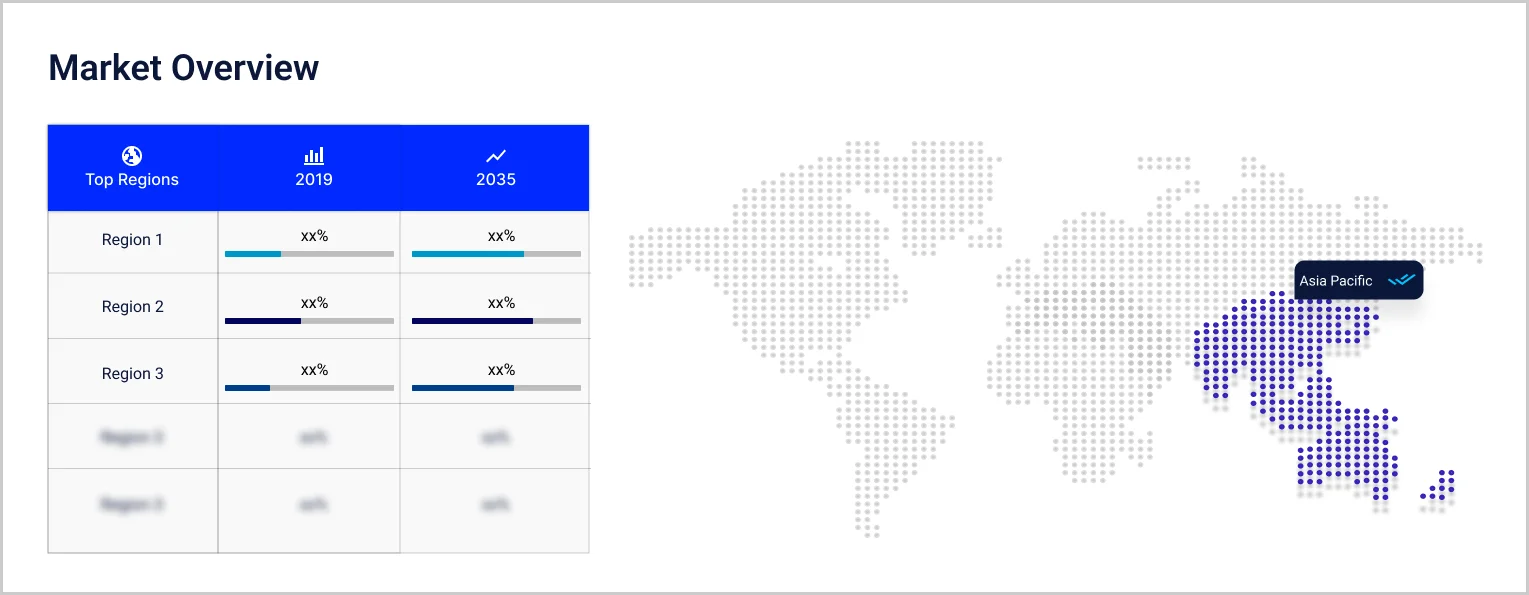
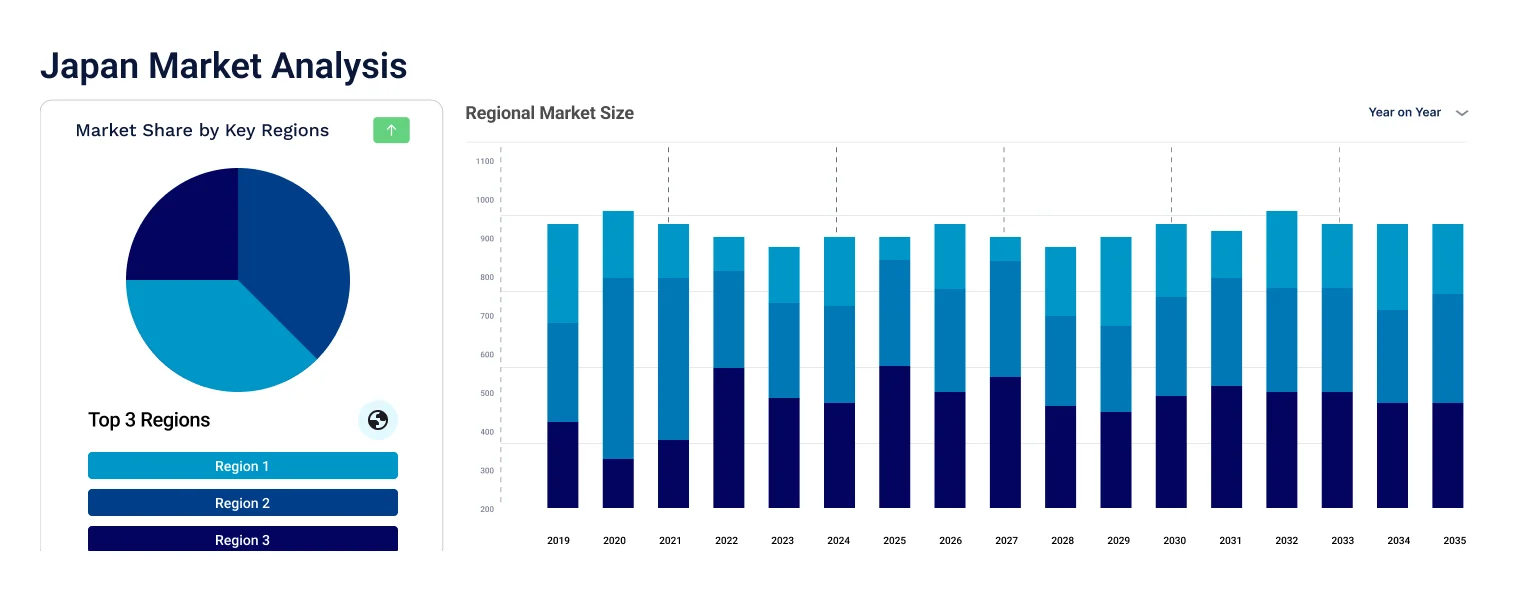
Key Insight: The Kanto region dominates the Japan automotive connectors market due to the strong presence of leading companies and their innovation-driven demand for connectors, whereas Kansai boasts an excellent balance of manufacturing and research & development activities. On the other hand, the region of Chubu is growing popular as an emerging manufacturer of automobile parts. Other regions add value through manufacturing expertise and logistics services.
Wire-to-Wire connections dominate the market owing to their robustness in high-voltage EV harness systems
Wire-to-wire connectors continue to be prevalent within the Japan automotive connectors market due to the importance of high-voltage wiring harness connectors within EVs and hybrid vehicles. Wire-to-wire connectors are known for their strength, vibration resistance, and thermal properties that make them suitable for use in battery packs and the powertrain. Reliability in severe operational conditions is being prioritized by Japanese automotive OEMs, ensuring a constant need for sealed wire-to-wire connectors. Quick lock features and harness modularity are also included in newly developed connectors to allow for quick harness assembly. Aligning with such trends, in February 2025, Hirose launched AU1 USB 3.2 automotive connector enabling high-speed transmission, durability, enhanced reliability, and flexible in-vehicle connectivity solutions.
The board-to-board connector sector within Japan automotive connectors market dynamics is witnessing an increased uptake due to the shift towards zonal electronics architecture among the nation's automotive manufacturers. Board-to-board connectors are being designed for direct communication between printed circuit boards, minimizing wiring, and optimizing data transmission performance. The increase in the number of ECUs and central computing units requires efficient and compact board-to-board connectors that are better shielded against EMI. The growing popularity of ADAS is another major factor boosting demand within the market.
PCB connectors account for the dominant share of the market driven by extensive ECU integration across modern vehicles
PCB connectors hold the largest share in the Japan automotive connectors market, as they form the core interface for ECUs across a wide range of vehicle models produced by Japanese automakers. As the amount of ECU usage increases in both electric and conventional vehicles, the market for PCB connectors is expected to remain strong. The PCB connectors can ensure good signal performance and thermal cooling within the electronics control module, in addition to allowing compact assembly. Car companies are manufacturing PCB connectors able to withstand higher currents without compromising miniaturization.
The fiber optic connectors are also contributing to the Japan automotive connectors market revenue due to the need for data transfer in modern vehicles. These connectors provide fast and reliable data transfer capabilities, which are important in ADAS systems and in-vehicle networking. The fiber optic connectors provide immunity to electromagnetic interference and are suitable in complex environments. In August 2025, ATTEND launched floating board-to-board connectors supporting 8 GT/s speeds, improving misalignment tolerance, reliability, and performance in automotive electronics.
Passenger vehicles dominate the Japanese industry driven by high production and advanced feature integration demand
Passenger vehicles represent the largest end-use segment due to robust domestic production and exports from Japan. An increasing number of vehicles are being equipped with advanced safety systems, infotainment and electrified powertrains, leading to a demand for sophisticated connectors. The demand for connectors is expected to rise as OEMs are integrating more electronic components per vehicle. Consumer preferences for connected and smart automobiles are compelling manufacturers to use high-performance connectors that can carry power along with data, propelling the Japan automotive connectors market penetration. For instance, in December 2024, Toyota launched Alphard and Vellfire PHEV minivans in Japan, enhancing electrification, luxury mobility, and energy-efficient transportation solutions.
In Japan, the electrification and modernization of logistics fleets are driving commercial vehicle growth at a faster rate. The rise of electric trucks and buses creates escalating demands for high-voltage connectors and heavy-duty wiring systems. Fleet owners are now deploying telematics and advanced monitoring systems that require dependable data connectors. Moreover, government initiatives to promote sustainable transportation are reinforcing this trend in the market. Participants in the Japan automotive connectors market are developing more durable and long lifecycle performance products in commercial applications as these vehicles are subject to more severe conditions.
Sealed connector systems dominate the market due to increasing need for environmental protection
Sealed connector systems are becoming the most popular technologies as they can prevent moisture, dust, and extreme temperatures in cars, accelerating the overall demand in the Japan automotive connectors market. These connections are most often found in engine compartments, battery applications, and external locations exposed to harsh conditions. Japanese manufacturers are upgrading their sealing technology to enhance durability and decrease maintenance. The emergence of electric vehicles is further boosting demand for sealed connectors since battery systems require high levels of protection. In September 2024, Stäubli introduced hands-free QCC-5000 connectors delivering 7.5 MW charging, enabling faster, safer electrification of heavy-duty electric mining trucks.
The demand for unsealed connector systems is growing at a steady rate owing to their low cost and suitability for interior applications in automotive use. These connectors find usage in the infotainment system, lighting, as well as cabin electronics with limited exposure. Manufacturers are designing products for easier installation and lower material usage, securing long-term contracts from OEMs.
By application, body control and interiors capture the largest market share due to rising in-cabin electronic feature integration
The body control and interior category accounts for the largest share in the Japan automotive connectors market revenue. With more electronic equipment being installed in the cabin of automobiles, the need for connective networks is rising. Functions such as light fixtures, air conditioning, and seat adjustment require connectors to operate efficiently. The Japanese carmakers are increasingly using advanced systems, including connectivity and smart control technologies, in their vehicles' interiors. This trend increases the demand for compact connectors. For example, in January 2025, Marelli launched advanced Body Control Modules integrating power distribution, lighting, and HMI control, reducing vehicle cost, weight, and system complexity.
The fastest growing application sector for automotive connectors is the safety and security category, which benefits from the development of advanced driver assistance systems and safety regulations. Connectors in this category are required to be highly reliable to provide proper functionality for features such as collision detection and brake assist systems. Japanese automobile manufacturers are extensively investing in advanced technologies, thus increasing the demand for specialized connectors.
|
CAGR 2026-2035 - Market by |
Region |
|
Kansai |
6.0% |
|
Kanto |
XX% |
|
Chubu |
XX% |
|
Others |
XX% |
Kanto dominates the market due to concentration of OEM headquarters and advanced R&D centers
The Kanto region leads the Japan automotive connectors market growth, driven by the presence of major automaker headquarters and advanced research and development centers. It is a center for innovation where companies develop new connectors. The proximity to leading automotive manufacturers allows for a faster pace in innovation and product development. In addition, Kanto is well-developed in terms of infrastructure and has a talented workforce that can be utilized for value-added manufacturing and R&D processes. In December 2025, OKI developed machine vision interface cable with FAKRA connector, enabling high-speed, reliable data transmission for robotics and industrial automation systems.
The Chubu region is experiencing rapid growth, supported by its strong and well-established automotive manufacturing base. It is an important production center for components of automobiles and is expected to grow at a higher rate than other regions. There is a significant amount of investment in the production of EVs and their components, resulting in greater demand for connectors. Companies are investing in Chubu to meet the production requirements of OEMs.
The market is becoming highly competitive, influenced by the ongoing process of electrification and software-defined vehicle architecture. Japan automotive connectors market players are concentrating on high voltage, compact connector systems, and power data module technologies to address OEM requirements. Collaborations with automobile companies are becoming common as well, particularly in connection with EVs and advanced driver assistance systems (ADAS).
In addition, Japan automotive connector companies are working with advanced material technology, including polymers that withstand heat, and alloys to enhance performance. The growth potential of the market comes from the use of optical fibers, zonal architecture, and expanded local manufacturing capacities.
TE Connectivity was formed in 1941 and is based in Ireland. The firm is enhancing its footprint in Japan by offering high-voltage connectors that are optimized for EV architectures. The company specializes in high-current connectors with improved thermal performance. Additionally, it partners with OEMs to design customized applications for future mobility systems.
Founded in 2017 and operating from Switzerland, Aptiv PLC is designing sophisticated connector systems compatible with vehicle architecture platforms. The company is concentrating on fast data connectivity for self-driving cars and centralized computing systems. In Japan, the company is improving its engineering expertise to help OEMs shift towards software-defined vehicles and zonal architectures.
Founded in 1932 and located in Wallingford, United States, Amphenol Corporation is using its extensive experience in manufacturing high-quality interconnect systems to serve the Japanese automotive industry. It has started producing robust connectors that can withstand harsh conditions inside vehicles. In addition, it is also working on high-speed data connectors to support ADAS and infotainment solutions.
Founded in 1941 and based in Tokyo, Japan, Yazaki Corporation is one of the leading domestic companies specialized in manufacturing wiring harnesses and connector systems. It is developing eco-friendly connector material that is both light and easy to recycle. Furthermore, it is also developing connectors with higher durability and safety features suitable for electric and hybrid vehicles.
*Please note that this is only a partial list; the complete list of key players is available in the full report. Additionally, the list of key players can be customized to better suit your needs.*
Other key players in the market include Molex Incorporated, Sumitomo Electric Industries, Ltd., Hirose Electric Co., Ltd., JST Manufacturing Co., Ltd., Kyocera Corporation, and Rosenberger Group, among others.
Explore the latest trends shaping the Japan automotive connectors Market 2026-2035 with our in-depth report. Gain strategic insights, future forecasts, and key market developments that can help you stay competitive. Download a free sample report or contact our team for customized consultation on Japan automotive connectors market trends 2026.


Upto 15% Off
USD
$2499 $2249
$3999 $3599
$4999 $4249
$5999 $5099


*While we strive to always give you current and accurate information, the numbers depicted on the website are indicative and may differ from the actual numbers in the main report. At Expert Market Research, we aim to bring you the latest insights and trends in the market. Using our analyses and forecasts, stakeholders can understand the market dynamics, navigate challenges, and capitalize on opportunities to make data-driven strategic decisions.*
In 2025, the Japan automotive connectors market reached an approximate value of USD 905.27 Million.
The market is projected to grow at a CAGR of 5.30% between 2026 and 2035.
The key players in the market include TE Connectivity, Aptiv PLC, Amphenol Corporation, Yazaki Corporation, Molex Incorporated, Sumitomo Electric Industries, Ltd., Hirose Electric Co., Ltd., JST Manufacturing Co., Ltd., Kyocera Corporation, and Rosenberger Group, among others.
Investing in co-development partnerships, expanding localized production, adopting lightweight materials, enhancing high-speed connectivity solutions, and aligning product portfolios with EV and software-defined vehicle requirements to capture long-term contracts.
Managing rising material costs, ensuring thermal reliability in high-voltage systems, adapting to rapid design changes, and maintaining supply chain stability are key challenges for connector manufacturers in Japan.
Explore our key highlights of the report and gain a concise overview of key findings, trends, and actionable insights that will empower your strategic decisions.
| REPORT FEATURES | DETAILS |
| Base Year | 2025 |
| Historical Period | 2019-2025 |
| Forecast Period | 2026-2035 |
| Scope of the Report |
Historical and Forecast Trends, Industry Drivers and Constraints, Historical and Forecast Market Analysis by Segment:
|
| Breakup by Connection Type |
|
| Breakup by Connector Type |
|
| Breakup by Vehicle Type |
|
| Breakup by System Type |
|
| Breakup by Application |
|
| Breakup by Region |
|
| Market Dynamics |
|
| Competitive Landscape |
|
| Companies Covered |
|
Datasheet
One User
USD 2,499
USD 2,249
tax inclusive*
Single User License
One User
USD 3,999
USD 3,599
tax inclusive*
Five User License
Five User
USD 4,999
USD 4,249
tax inclusive*
Corporate License
Unlimited Users
USD 5,999
USD 5,099
tax inclusive*
*Please note that the prices mentioned below are starting prices for each bundle type. Kindly contact our team for further details.*
Flash Bundle
Small Business Bundle
Growth Bundle
Enterprise Bundle
*Please note that the prices mentioned below are starting prices for each bundle type. Kindly contact our team for further details.*
Flash Bundle
Number of Reports: 3
20%
tax inclusive*
Small Business Bundle
Number of Reports: 5
25%
tax inclusive*
Growth Bundle
Number of Reports: 8
30%
tax inclusive*
Enterprise Bundle
Number of Reports: 10
35%
tax inclusive*
How To Order

Select License Type
Choose the right license for your needs and access rights.

Click on ‘Buy Now’
Add the report to your cart with one click and proceed to register.

Select Mode of Payment
Choose a payment option for a secure checkout. You will be redirected accordingly.
Strategic Solutions for Informed Decision-Making
Gain insights to stay ahead and seize opportunities.

Get insights & trends for a competitive edge.

Track prices with detailed trend reports.

Analyse trade data for supply chain insights.

Leverage cost reports for smart savings

Enhance supply chain with partnerships.

Connect For More Information
Our expert team of analysts will offer full support and resolve any queries regarding the report, before and after the purchase.
Our expert team of analysts will offer full support and resolve any queries regarding the report, before and after the purchase.
We employ meticulous research methods, blending advanced analytics and expert insights to deliver accurate, actionable industry intelligence, staying ahead of competitors.
Our skilled analysts offer unparalleled competitive advantage with detailed insights on current and emerging markets, ensuring your strategic edge.
We offer an in-depth yet simplified presentation of industry insights and analysis to meet your specific requirements effectively.




