

Consumer Insights
Uncover trends and behaviors shaping consumer choices today
Procurement Insights
Optimize your sourcing strategy with key market data
Industry Stats
Stay ahead with the latest trends and market analysis.
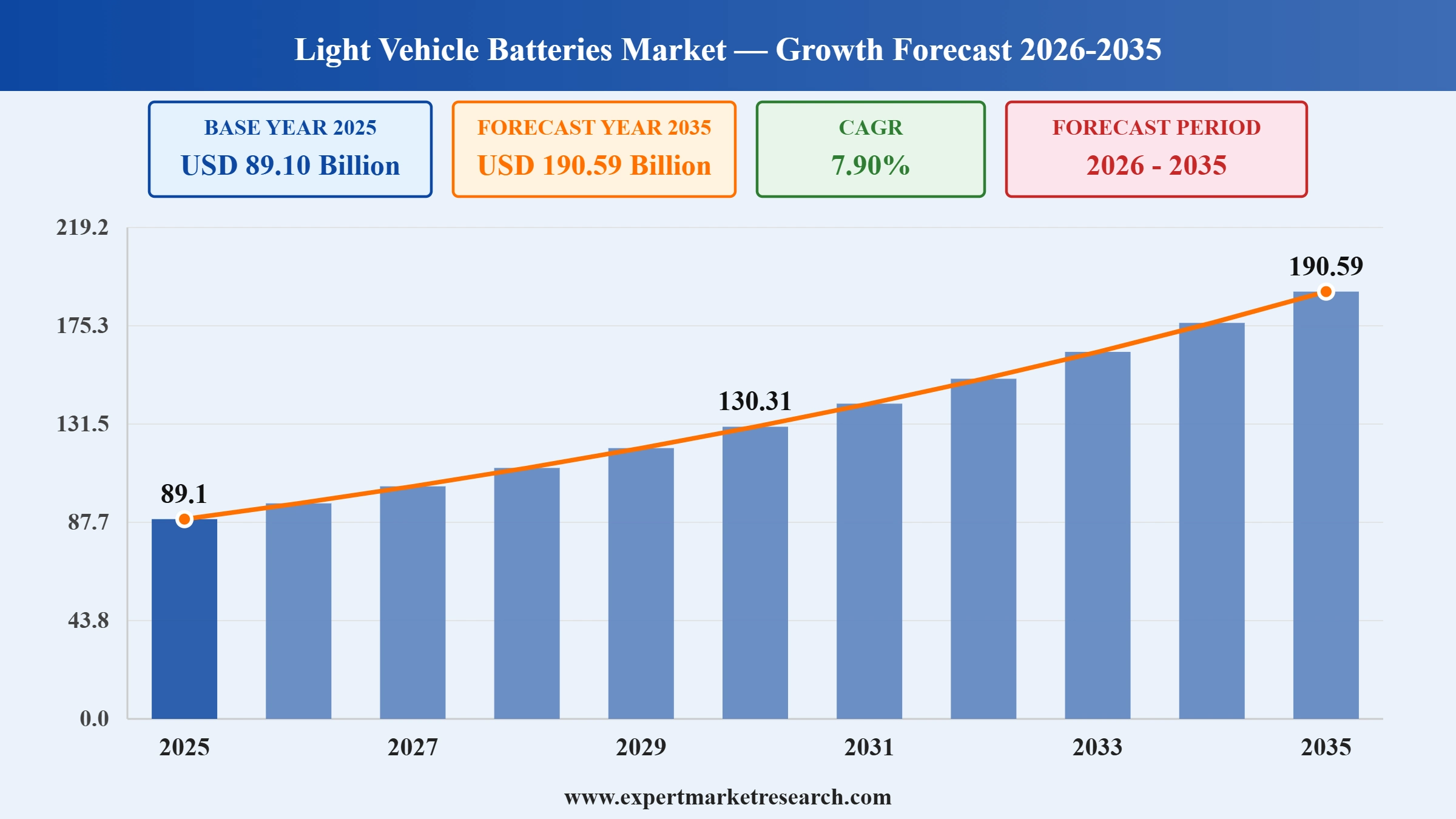
The global light vehicle batteries market was valued at USD 89.10 Billion in 2025. The market is expected to grow at a CAGR of 7.90% during the forecast period of 2026-2035 to reach a value of USD 190.59 Billion by 2035. Rising global vehicle production, increasing adoption of electric and hybrid vehicles, and growing demand for reliable automotive power systems are driving the overall growth in the market. Battery manufacturers are investing in higher energy density, improved charging performance, and longer service life. The expansion of start-stop systems and electrified powertrains is further increasing demand for advanced vehicle batteries.
According to South China Morning Post, Contemporary Amperex Technology Co. (CATL) reported record first-quarter 2026 battery shipments in April, with light vehicle lithium-ion cells driving global EV deployments. The Ningde-based leader cited strong order books from European, Chinese, and emerging-market automakers, reinforcing China's dominance across LFP and NMC chemistries used in passenger EV applications.
As reported by Financial Times, BMW and LG Energy Solution progressed their North American light vehicle battery joint venture in March 2026, supporting electrification of BMW's US-built model line. The investment underscores ongoing US Inflation Reduction Act-driven onshoring of battery manufacturing, strengthening regional supply for premium EVs and reducing exposure to imported cell sourcing.
There are two major growth factors that positively influence the light vehicle batteries market development. First, car manufacturers are actively introducing complex electronic systems to their vehicles, including advanced entertainment devices, digital instrumentation panel, telematic system, as well as driver assistance functions, which requires high-quality battery operation. The second factor includes localization of the supply chains that is encouraging battery manufacturers to build production plants in the region and cooperate with automobile OEMs, thereby providing quick delivery of the products and avoiding any potential risk associated with logistics. Moreover, investments into analytics, predictive maintenance, and recyclability can provide competitive advantages for companies in the market.
The development in the light vehicle batteries market is proceeding through substantial investment into next-generation battery chemistries, local production, and intelligent battery management systems. For example, in September 2025, VARTA expanded its AGM and EFB battery portfolio, enhancing low-voltage battery coverage, energy efficiency, reliability, and lifespan across modern vehicle applications. Such an initiative was driven by the proliferation of start-stop systems in passenger cars globally. Battery makers are particularly paying more attention to the extension of service life, improvements in charge acceptance rates, and incorporation of digitized monitoring features.
Furthermore, battery producers are modifying their strategies under the influence of the emerging trends toward electrification of the automotive sector and increased complexity of automotive electronics. Suppliers like LG Energy Solution, Panasonic Energy, and CATL are actively introducing innovations into their product lines in order to assist automakers with building robust battery supply chains, boosting the light vehicle batteries market growth. In May 2026, Ashok Leyland announced plans to begin in-house EV battery pack production by FY28, strengthening localization, supply-chain efficiency, and electric commercial vehicle manufacturing capabilities. Increased complexity of autonomous driving systems, communication, and on-board computer functions raises demands in terms of energy storage capabilities.
Read more about this report - REQUEST FREE SAMPLE COPY IN PDF
FAW Group integrated an innovative 1,000 km range semi-solid state battery on its production car, increasing the efficiency, safety, and energy storage capacity. Such innovations illustrate how the next generation of batteries is contributing to the popularity of electric vehicles due to increased efficiency and decreased range anxiety. Companies may consider developing semi-solid-state batteries for more efficient light vehicle solutions, boosting the light vehicle batteries market value.
Scania released a battery electric crewcab that is used for rescue purposes. This innovative design features zero-emissions, reliable operation, and the ability to perform high-efficiency vehicle electrification. Innovations like these showcase the increased demand for customized electric vehicle solutions in the commercial and municipal transportation industry. Companies can therefore create custom battery solutions for emergency and municipal vehicles.
Changan and CATL outlined strategies for the commercialization of sodium-ion batteries, which could provide more affordable and resource-diverse energy storage solutions for electric vehicles. Such developments indicate the efforts of companies in reducing their dependency on lithium and making more options of vehicle electrification available at affordable prices. Firms can look into sodium-ion batteries as an alternative source to diversify their portfolios to further strengthen light vehicle batteries market growth trajectory.
CATL announced its new sodium-ion battery that is specifically designed for light commercial vehicles with low-temperature operation, durability, and affordability. Such developments highlight the growing trend of the utilization of various types of battery chemistries as part of the strategy to facilitate the wider process of vehicle electrification.
The rising popularity of start-stop technology is creating ongoing demand for improved light vehicle battery technologies such as the AGM and the enhanced flooded battery types. Start-stop vehicle systems enable vehicle manufacturers to achieve greater fuel efficiency and emissions reduction objectives without requiring expensive vehicle design changes. Start-stop systems necessitate batteries with fast charging abilities and energy recovery capabilities. European Union vehicle emissions regulations further encourage fuel-efficient vehicle systems, thereby enhancing battery technologies in passenger vehicles. Manufacturers are introducing start-stop technologies to their mass-market vehicles in addition to their premium vehicles, creating demand in the light vehicle batteries market. For example, in November 2024, Exide Technologies launched AGM EK454 and EK457 batteries, expanding compatibility for start-stop and hybrid vehicles.
Automotive battery companies are making significant investments towards the establishment of production facilities closer to their clients in order to build resilient supply chains and gain more contracts. Many countries within North America, Europe, and Asia are initiating programs to encourage local battery manufacturing by providing incentives, favorable industrial policy conditions, and infrastructure development support. The United States Inflation Reduction Act is encouraging battery investments for localizing procurement operations by automotive firms. Companies like Clarios, LG Energy Solution, and Panasonic Energy are initiating capacity expansions, aiding the light vehicle batteries market growth. On the other hand, December 2025, Maruti Suzuki confirmed localized EV battery production and buyback programs for e-Vitara, strengthening affordability, supply-chain resilience, and customer confidence.
The incorporation of intelligence-based technologies for monitoring battery status and performing predictive maintenance is one of the trends expected to shape the batteries market for light vehicles. Intelligent battery solutions allow for gaining real-time information about the status of a battery, its capacity, temperature, and performance indicators. This feature is beneficial for fleet owners as well as connected car makers who strive to minimize maintenance expenses. Moreover, the shift towards connected mobility solutions by governments drives the emergence of this trend in the light vehicle batteries market. In May 2026, MaxVolt Energy introduced an IoT-enabled Smart Battery Management System with AI diagnostics, enhancing lithium battery safety.
The implementation of sustainability strategies is expected to become another driving factor shaping the light vehicle batteries market dynamics. Automakers and governments are expected to pay more attention to promoting circular economy practices among battery makers and encouraging investment in the programs for collecting, recycling, and recovering materials. EU Battery Regulation, for instance, promotes the use of recycled material and transparency throughout the lifecycle of the batteries. Aligning with this trend, in May 2026, Ferrari unveiled the fully electric Luce, integrating advanced battery technology, regenerative systems, sustainable materials, and high-performance driving capabilities.
Due to the rising complexities in electrical architecture in automobiles, there is an increased need for sophisticated batteries. Modern cars have digital dashboard displays, sophisticated entertainment systems, over-the-air update functionality, and various driver-assistance systems that require significant levels of energy consumption. Hence, batteries with greater charge capacity and durability are being developed by battery makers to meet these demands. Manufacturers in the light vehicle batteries market are also installing more batteries into their vehicles due to the rising energy demands associated with electronics within vehicles. For example, in June 2026, Polestar and Clever launched a bidirectional charging pilot, enabling EV batteries to power homes and support grids.
The EMR’s report titled “Global Light Vehicle Batteries Market Report and Forecast 2026-2035” offers a detailed analysis of the market based on the following segments:
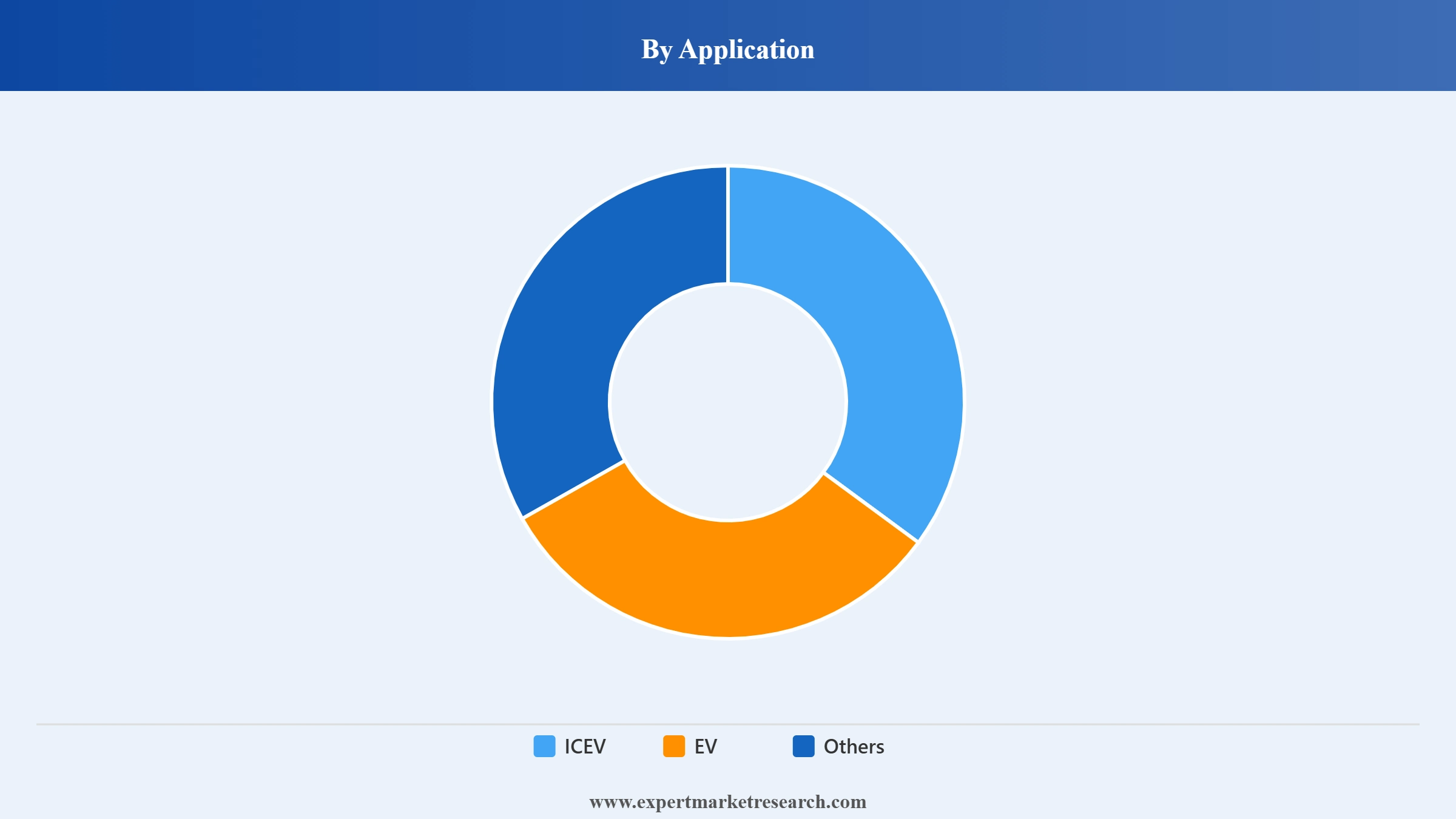
Market Breakup by Application
Key Insight: The light vehicle batteries market features different growth trends in application segments. ICEV retains the leading position in the market owing to the large number of vehicles available around the world, the high demand for replacement batteries, and increased dependence on sophisticated electrical systems requiring reliable battery performance. EVs are emerging as the fastest-growing segment, driven by the automotive industry's increasing focus on electrification and the shift toward sustainable vehicle manufacturing strategies. The others segment comprising hybrid vehicles and other types of specialized vehicles, also exhibits good prospects in view of the demand for dual power source vehicles and improved energy management.
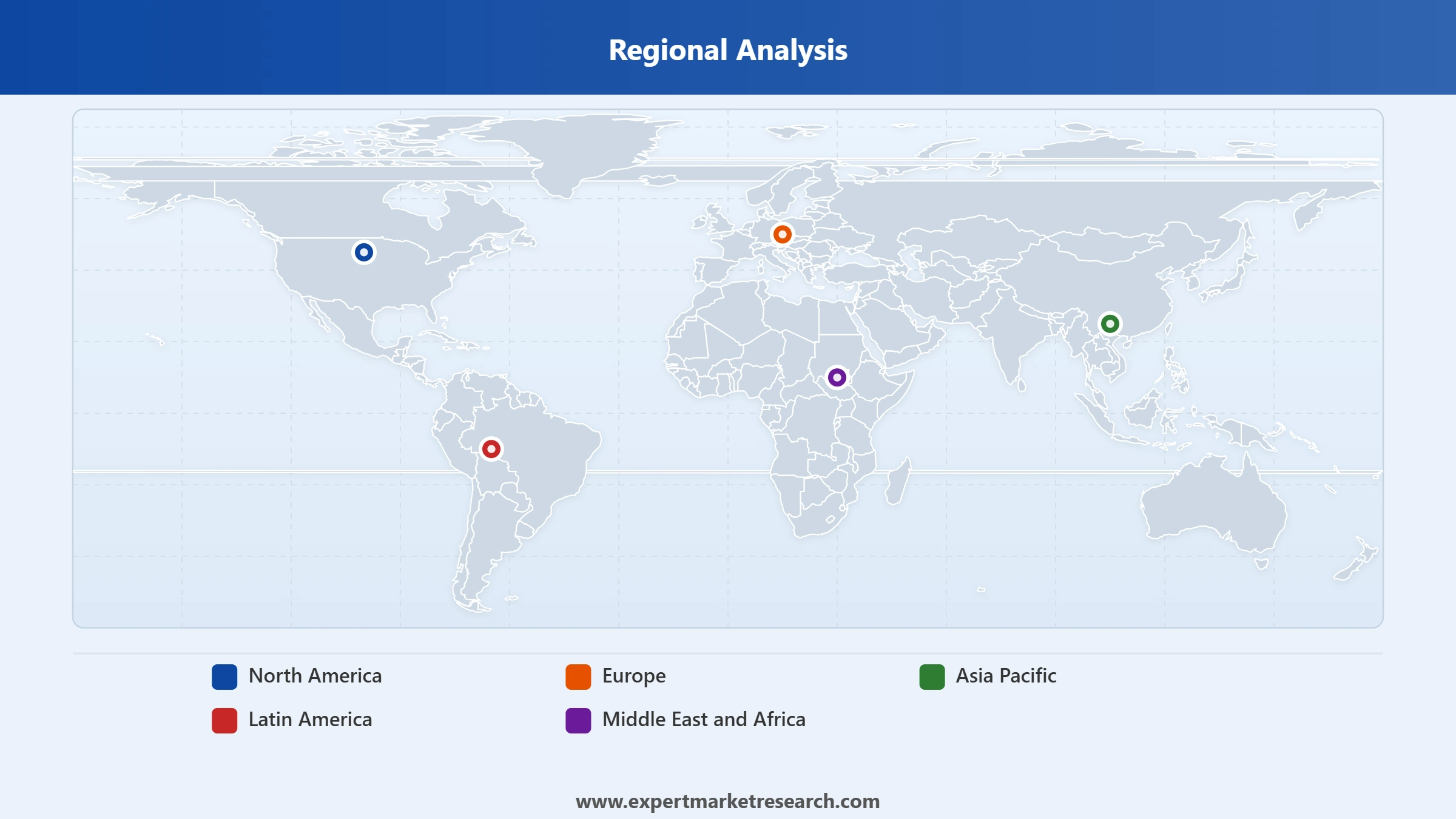
Market Breakup by Region
Key Insight: Performance of the light vehicle batteries market across different regions varies due to different approaches towards the automotive industry. The Asia Pacific region emerges to be the leader due to mass automotive production, supply chain integration for batteries, and manufacturing competitiveness. The market of North America is showing fast development due to localization initiatives in battery manufacturing and electrification programs. Europe continues to be an important regional market, powered by sustainable goals, technical innovations in the automotive sector, and emission standards. In Latin America, there is stable development of the battery market owing to continuous increase in car penetration and replacement battery purchases.
Read more about this report - REQUEST FREE SAMPLE COPY IN PDF
By application, the ICEV segment registers the largest share of the market due to extensive global vehicle fleet
The ICEV application segment accounts for a prominent share of the light vehicle batteries market revenue due to the huge number of gasoline and diesel passenger vehicles across the world. These vehicles use lead-acid, AGM, and advanced flood batteries for starting, lighting, ignition, and power supply for complex electronic circuits. Aftermarket demand is driven by regular replacements, and the adoption of start-stop technologies raises the need for high-capacity batteries. Manufacturers are working on improving the charge capacity, longevity, and cycle life of their products to meet the growing energy needs of modern internal combustion engine vehicles. In February 2025, Honda upgraded its Ohio EV Hub, enabling flexible production of EVs, hybrids, and ICE vehicles.
Read more about this report - REQUEST FREE SAMPLE COPY IN PDF
The EV application segment exhibits rapid growth in the light vehicle batteries market in response to the rise in investments in electric mobility by automobile manufacturers. Growing demands for high-voltage batteries as well as auxiliary low-voltage batteries are being observed in the segment under review. Manufacturers are improving their products through innovations related to new lithium-ion battery chemistries, battery monitoring solutions, and thermal management technologies. The rising interest in electric mobility on the part of consumers as well as the growing charging infrastructure is boosting manufacturers' efforts to increase capacity and build partnerships with OEMs.
Asia Pacific secures the leading position in the market due to large-scale automotive production
Asia Pacific emerges to be the leading light vehicle batteries market owing to the presence of strong automotive production networks and the capability to produce batteries. Nations including China, Japan, and India house vehicle and battery manufacturing companies which not only manufacture batteries for their own consumption but also export them. These countries are endowed with efficient networks for the processing of raw materials along with the growth in vehicle ownership and investments in battery technology. With an increase in the production of standard as well as electric passenger vehicles, there is an increasing need for high-quality battery innovations to increase the efficiency, life span, and performance of automobiles. For example, in January 2026, Ola Electric launched Shakti home battery systems powered by indigenous 4680 cells, enabling reliable residential energy storage.
Read more about this report - REQUEST FREE SAMPLE COPY IN PDF
On the other hand, North America represents the fastest-growing regional light vehicle batteries market due to growing investments made in battery manufacturing plants and local supply chains along with increasing vehicle electrification initiatives. In addition to this, automotive manufacturers are also emphasizing local sourcing to ensure their supply chain security and make themselves less dependent on foreign suppliers. The market also observes a rising need for premium batteries for connected vehicle systems, ADAS, and start-stop systems. For example, in June 2026, PNNL launched a prismatic battery cell production line, accelerating scalable battery research, testing, and commercialization partnerships.
The market observes increasing competition due to manufacturers' emphasis on battery intelligence, localization, sustainability, and new chemistry. Leading light vehicle battery companies are investing in intelligent battery management, rapid charging solutions, and recycling platforms as they strive to improve connections with their automotive customers. One promising opportunity for companies is offering software-based battery management with capabilities for predictive maintenance and real-time performance optimization.
Light vehicle batteries market players are also building more manufacturing sites in different locations in order to improve their supply chain and to meet local sourcing requirements. Moreover, increased use of start-stop vehicles and software-defined vehicles is creating a demand for batteries that can cycle better and be more energy-efficient. In addition, through strategic partnerships, investment in recyclable battery components, and innovation in low voltage battery solutions, companies are distinguishing themselves within the marketplace.
A123 Systems was founded in the year 2001 and its headquarters are located in Michigan, United States. The firm specializes in providing advanced lithium-ion battery technologies used in automotive and mobility products. A123 systems provides high power and long-life batteries for use in electrified automobiles. It uses lithium iron phosphate technology to provide solutions to automotive companies looking for more safety and efficient energy.
East Penn Manufacturing Company was founded in the year 1946 and its headquarters are located in Pennsylvania, United States. East Penn Manufacturing Company is a producer of lead acid batteries and energy storage systems. The firm uses advanced AGM and flooded battery technology to produce light vehicle batteries.
GS Yuasa Corporation was founded in 2004 and operates out of Kyoto, Japan. The company offers automotive, industrial, and lithium-ion battery technologies. The emphasis is placed on advanced start-stop batteries, hybrid vehicle battery packs, and energy storage innovation solutions. GS Yuasa possesses a significant portfolio of collaborations in the automotive industry and conducts ongoing research to develop new products.
LG Energy Solution was formed in 2020 and is located in Seoul, South Korea, serving the market with its advanced lithium-ion batteries, high-energy density cells, and battery management systems. LG Energy Solution keeps increasing its production capacities and cooperating with global automakers.
Other key players in the market include Samsung SDI Co. Ltd., among others.
*Please note that this is only a partial list; the complete list of key players is available in the full report. Additionally, the list of key players can be customized to better suit your needs.*
Unlock the latest insights with our light vehicle batteries market trends 2026 report. Discover regional growth patterns, consumer preferences, and key industry players. Stay ahead of competition with trusted data and expert analysis. Download your free sample report today and drive informed decisions in the market.


Upto 15% Off
USD
$2499 $2249
$3999 $3599
$4999 $4249
$5999 $5099


*While we strive to always give you current and accurate information, the numbers depicted on the website are indicative and may differ from the actual numbers in the main report. At Expert Market Research, we aim to bring you the latest insights and trends in the market. Using our analyses and forecasts, stakeholders can understand the market dynamics, navigate challenges, and capitalize on opportunities to make data-driven strategic decisions.*
The global light vehicle batteries market is projected to grow at a CAGR of nearly 7.90% in the forecast period of 2026-2035.
The major drivers of the industry include rising disposable incomes, increasing population, growing sales of electric vehicles, and the reducing Li-ion battery prices.
The strict legislation on automotive CHG emissions is expected to be a key trend guiding the growth of the industry.
North America, Europe, the Asia Pacific, Latin America, and the Middle East and Africa are the leading regions in the market.
The leading application segments of the product include ICEV and EV, among others.
The leading players in the market are A123 Systems LLC, East Penn Manufacturing Co. Inc., GS Yuasa Corp., LG Chem Ltd., and Samsung SDI Co. Ltd., among others.
In 2025, the global light vehicle batteries market reached an approximate value of USD 89.10 Billion.
The market is expected to attain approximately USD 190.59 Billion by 2035.
Explore our key highlights of the report and gain a concise overview of key findings, trends, and actionable insights that will empower your strategic decisions.
| REPORT FEATURES | DETAILS |
| Base Year | 2025 |
| Historical Period | 2019-2025 |
| Forecast Period | 2026-2035 |
| Scope of the Report |
Historical and Forecast Trends, Industry Drivers and Constraints, Historical and Forecast Market Analysis by Segment:
|
| Breakup by Application |
|
| Breakup by Region |
|
| Market Dynamics |
|
| Competitive Landscape |
|
| Companies Covered |
|
| Report Price and Purchase Option | Explore our purchase options that are best suited to your resources and industry needs. |
| Delivery Format | Delivered as an attached PDF and Excel through email, with an option of receiving an editable PPT, according to the purchase option. |
Datasheet
One User
USD 2,499
USD 2,249
tax inclusive*
Single User License
One User
USD 3,999
USD 3,599
tax inclusive*
Five User License
Five User
USD 4,999
USD 4,249
tax inclusive*
Corporate License
Unlimited Users
USD 5,999
USD 5,099
tax inclusive*
*Please note that the prices mentioned below are starting prices for each bundle type. Kindly contact our team for further details.*
Flash Bundle
Small Business Bundle
Growth Bundle
Enterprise Bundle
*Please note that the prices mentioned below are starting prices for each bundle type. Kindly contact our team for further details.*
Flash Bundle
Number of Reports: 3
20%
tax inclusive*
Small Business Bundle
Number of Reports: 5
25%
tax inclusive*
Growth Bundle
Number of Reports: 8
30%
tax inclusive*
Enterprise Bundle
Number of Reports: 10
35%
tax inclusive*
How To Order

Select License Type
Choose the right license for your needs and access rights.

Click on ‘Buy Now’
Add the report to your cart with one click and proceed to register.

Select Mode of Payment
Choose a payment option for a secure checkout. You will be redirected accordingly.
Strategic Solutions for Informed Decision-Making
Gain insights to stay ahead and seize opportunities.

Get insights & trends for a competitive edge.

Track prices with detailed trend reports.

Analyse trade data for supply chain insights.

Leverage cost reports for smart savings

Enhance supply chain with partnerships.

Connect For More Information
Our expert team of analysts will offer full support and resolve any queries regarding the report, before and after the purchase.
Our expert team of analysts will offer full support and resolve any queries regarding the report, before and after the purchase.
We employ meticulous research methods, blending advanced analytics and expert insights to deliver accurate, actionable industry intelligence, staying ahead of competitors.
Our skilled analysts offer unparalleled competitive advantage with detailed insights on current and emerging markets, ensuring your strategic edge.
We offer an in-depth yet simplified presentation of industry insights and analysis to meet your specific requirements effectively.




