

Consumer Insights
Uncover trends and behaviors shaping consumer choices today
Procurement Insights
Optimize your sourcing strategy with key market data
Industry Stats
Stay ahead with the latest trends and market analysis.
The Luxury Fashion Market reached a value of USD 284.86 Billion at 2025 and is projected to expand at a CAGR of around 4.10% during the forecast period of 2026-2035. With rising disposable incomes among affluent consumers, rapid growth of digital and e-commerce luxury channels, strong demand for sustainable and ethically sourced fashion, and an expanding high-net-worth individual base across emerging economies, the market is expected to reach USD 425.73 Billion by 2035.
Compound Annual Growth Rate
4.1%
Value in USD Billion
2026-2035
| Global Luxury Fashion Market Report Summary | Description | Value |
| Base Year | USD Billion | 2025 |
| Historical Period | USD Billion | 2019-2025 |
| Forecast Period | USD Billion | 2026-2035 |
| Market Size 2025 | USD Billion | 284.86 |
| Market Size 2035 | USD Billion | 425.73 |
| CAGR 2019-2025 | Percentage | XX% |
| CAGR 2026-2035 | Percentage | 4.10% |
| CAGR 2026-2035- Market by Region | Europe | 4.30% |
| CAGR 2026-2035 - Market by Country | India | 5.10% |
| CAGR 2026-2035 - Market by Country | China | 4.50% |
| CAGR 2026-2035 - Market by End User | Unisex | 4.60% |
| CAGR 2026-2035 - Market by Distribution Channel | Online | 5.60% |
| Market Share by Country 2025 | Canada | 3.10% |
The luxury fashion market is shaped by a set of powerful structural shifts: sustainability imperatives, digital disruption, strategic consolidation, and the rapid rise of emerging-market consumers. These forces are not just influencing individual brand strategies; they are collectively redrawing the competitive map of the entire industry.
Reliance Brands Limited announced a partnership with Stella McCartney to introduce her cruelty-free luxury label in the Indian market. The collaboration will deliver sustainable ready-to-wear collections, vegan footwear, and accessories through standalone boutiques and the Ajio Luxe platform. The move directly responds to growing consumer appetite for ethical and conscious luxury in India, where a new generation of affluent shoppers increasingly aligns purchasing decisions with personal values around sustainability and animal welfare. It also highlights how global luxury brands are actively pursuing India as a priority growth market within the Asia Pacific region.
Prada Group finalised its acquisition of Versace from Capri Holdings for approximately EUR 1.5 billion, marking one of the most consequential luxury M&A deals in recent memory. The transaction meaningfully expanded Prada's brand portfolio, positioning the Italian house as a sharper rival to French conglomerates LVMH and Kering. Prada had reported a 17% revenue increase in 2024, reaching EUR 3.1 billion, and the Versace acquisition signals a clear intent to scale up through brand consolidation rather than organic growth alone. The move reinforces the broader industry trend of Italian luxury brands uniting to compete with larger European peers.
Nykaa Fashion broadened its luxury fashion portfolio by onboarding Calvin Klein and Tommy Hilfiger, making more than 2,000 styles available across menswear, womenswear, and accessories on its platform. The expansion signals the rising appetite for premium international brands among Indian consumers and demonstrates the growing strategic importance of digital-first platforms as entry points for global luxury labels in markets where flagship retail infrastructure is still developing. This move also validates the view that e-commerce and app-based discovery are reshaping how luxury fashion reaches new consumer demographics across Asia Pacific.
L'Oreal announced the acquisition of a minority stake in French fashion brand Jacquemus, simultaneously entering a long-term strategic partnership to co-develop Jacquemus's beauty and fragrance offerings. The deal underscores the deepening crossover between high fashion and premium beauty, a convergence that has already proven highly profitable for luxury houses such as Chanel, Hermes, and Tom Ford. For Jacquemus, the partnership provides access to L'Oreal's global distribution infrastructure. For L'Oreal, it offers a stronger foothold in the aspirational fashion-beauty space and exposure to a coveted younger, style-driven consumer base.
Saks Fifth Avenue completed its USD 2.56 billion acquisition of Neiman Marcus Group, forming a combined entity rebranded as Saks Global. The merger brought two of the United States' most prestigious luxury department store chains under one roof, with the stated goal of strengthening collective negotiating leverage with global fashion brands and elevating the overall shopping experience through integrated digital and physical platforms. The deal reflects mounting pressure on traditional luxury retailers as standalone players battle digital competition and evolving consumer behaviour, making consolidation a strategic necessity rather than an option.
Sustainability is no longer a fringe concern in luxury fashion; it has moved to the centre of brand strategy and consumer expectation alike. High-income shoppers, particularly millennials and Gen Z, increasingly scrutinise supply chains, material sourcing, and labour practices before making a purchase. Luxury houses are responding by investing in circular fashion initiatives, cruelty-free alternatives, and transparent production processes. This shift is generating a new axis of competition where environmental credentials sit alongside design excellence. In October 2025, Reliance Brands Limited partnered with Stella McCartney to bring her cruelty-free luxury label to India, introducing vegan collections through standalone stores and the Ajio Luxe digital platform, directly responding to demand for ethical luxury in one of the world's fastest-growing markets.
Digital transformation is one of the most consequential forces reshaping global luxury fashion market growth. From virtual showrooms and AI-driven personalisation to social commerce and app-based discovery, luxury brands are investing heavily to meet consumers where they are. Digital-first platforms are becoming critical entry points in markets where flagship store networks remain limited. In March 2025, Nykaa Fashion introduced Calvin Klein and Tommy Hilfiger on its platform, offering over 2,000 styles to Indian consumers. The move demonstrated how digital retailers are bridging the gap between international luxury labels and aspirational buyers in high-growth emerging markets, accelerating reach without requiring physical retail infrastructure.
Consolidation has emerged as a defining strategy in luxury fashion, as major houses seek scale, portfolio diversification, and competitive insulation. The pace of M&A activity in 2024 and 2025 has been particularly notable, with deals cutting across brands, geographies, and price tiers. Luxury conglomerates are absorbing niche labels to access new creative directions and consumer segments. In April 2025, Prada Group completed its acquisition of Versace from Capri Holdings for approximately EUR 1.5 billion, a landmark deal that positioned Prada as a more formidable competitor to French conglomerates and reflected the broader Italian luxury sector's push toward consolidation for competitive parity.
The expansion of the high-net-worth individual base across Asia Pacific, the Middle East, and Latin America is a structural tailwind for global luxury fashion. Economic development, urbanisation, and cultural exposure through social media and international travel are cultivating new generations of luxury consumers in these regions. Brands are adapting by opening flagship stores, localising product assortments, and investing in culturally relevant campaigns. According to a November 2025 Bain and Company report prepared in partnership with Altagamma, global luxury spending reached approximately EUR 1.44 trillion in 2025, and the personal luxury goods segment is forecast to grow at 4 to 6% per year through 2035, driven substantially by expanding consumer bases in emerging economies.
The EMR’s report titled “Luxury Fashion Market Report and Forecast 2026-2035” offers a detailed analysis of the market based on the following segments:
Market Breakup by Type
Key Insight: Apparel is the cornerstone of the global luxury fashion market, drawing the largest share of consumer spending across all geographies. The sub-category breadth, ranging from tailored outerwear to casual denim, allows brands to serve diverse lifestyle occasions while sustaining high price points. Footwear has evolved into a prestige battleground, particularly driven by the luxury sneaker culture that has captivated younger demographics. Accessories, including gems, jewellery, bags, and watches, are increasingly being pursued as investment assets in addition to status symbols, a trend that is attracting a wider buyer pool and fuelling consistent segment growth across both established and emerging luxury markets.
Market Breakup by End User
Key Insight: Women represent the single largest consumer base in global luxury fashion, spanning spending across couture apparel, designer handbags, fine jewellery, and premium footwear. The women's segment benefits from deep brand loyalty and a broad product repertoire that spans everyday luxury to occasion wear. Men's luxury consumption is rising meaningfully, particularly in categories like tailored suiting, high-end streetwear, and luxury watches. The Unisex segment, though smaller in revenue terms, is growing at the fastest pace at a CAGR of 4.6%, reflecting a generational shift toward gender-fluid styling that several leading houses are actively designing toward. Brands that are early in embracing this evolution stand to capture a loyal, values-driven consumer cohort.
Market Breakup by Distribution Channel
Key Insight: Offline channels remain the backbone of luxury fashion distribution, delivering the curated, sensory-rich retail experience that defines the luxury shopping occasion. Flagship stores in key fashion capitals continue to function as brand embassies rather than simple retail points. However, online channels are posting superior growth rates as luxury brands refine their digital strategies and as younger consumers increasingly prefer the convenience of app-based discovery and digital concierge services. The convergence of offline and online is accelerating through omnichannel models where digital channels drive awareness and emotional engagement while physical stores convert and deepen brand relationships.
Market Breakup by Region
Key Insight: Europe holds the largest market share, anchored by its unrivalled concentration of heritage luxury brands and iconic fashion capitals including Paris, Milan, and London. North America is a high-value market driven by strong consumer spending power and a deeply established luxury retail infrastructure. Asia Pacific is the fastest-growing region at a CAGR of 5.65% over the forecast period, propelled by rising affluence in China, India, Japan, and ASEAN nations, an expanding upper-middle class, and growing digital-native consumer cohorts. Latin America and the Middle East and Africa are emerging pockets of opportunity, particularly as luxury brands invest in local retail presence and culturally tailored collections to meet aspirational demand in Saudi Arabia, the UAE, Brazil, and Mexico.
| CAGR 2026-2035 - Market by | Country |
| India | 5.10% |
| China | 4.50% |
| USA | 4.30% |
| Italy | 4.00% |
| Brazil | 3.70% |
| Canada | XX% |
| UK | XX% |
| Germany | XX% |
| France | XX% |
| Japan | XX% |
| Australia | XX% |
| Saudi Arabia | XX% |
| Mexico | XX% |
The Apparel segment commands the dominant share of the global luxury fashion market by type, accounting for the majority of total revenue in 2025. The segment's breadth, spanning everyday essentials such as shirts and trousers to occasion-centric categories like dresses and outerwear, ensures consistent year-round demand across all consumer profiles. Luxury apparel also benefits from the highest level of brand storytelling and creative investment, with seasonal collections from major houses driving cultural conversations that extend well beyond the retail transaction. Accessories, particularly bags and watches, are gaining ground as consumers increasingly treat them as alternative investment assets. Gems and jewellery within the accessories sub-category are especially popular in Asia Pacific and the Middle East, where cultural traditions around precious metals and gemstones align with luxury purchasing behaviour.
Women are the dominant end user segment in the global luxury fashion market, representing the largest share of spending across apparel, handbags, footwear, and jewellery categories. Female consumers have historically been the core loyalty base for major luxury houses, and continued increases in female workforce participation and financial independence are strengthening this dynamic. The Women's segment spans a wide spectrum from aspirational buyers accessing entry-level luxury to ultra-high-net-worth individuals purchasing bespoke couture, making it the broadest and most commercially significant consumer group. The Unisex segment, while smaller, is the fastest-growing at a CAGR of 4.6%, as gender-neutral luxury collections from houses like Gucci, Prada, and others attract younger consumers who reject rigid gender categories in fashion.
The Offline distribution channel remains the dominant route to market for luxury fashion globally, reflecting the enduring importance of the physical retail experience in the luxury purchase journey. Flagship stores in prime locations are far more than transactional spaces; they function as immersive brand environments that reinforce exclusivity, heritage, and craftsmanship values. Premium department stores and multi-brand luxury retailers also contribute significantly to offline revenue, particularly in North America and Europe. That said, the Online channel is growing rapidly as brands invest in digital flagship stores, personalised e-commerce experiences, and social commerce strategies. In Asia Pacific particularly, online channels are growing at a markedly faster rate than the global average, driven by digitally native consumer habits and the rise of luxury brand partnerships with regional e-commerce platforms.
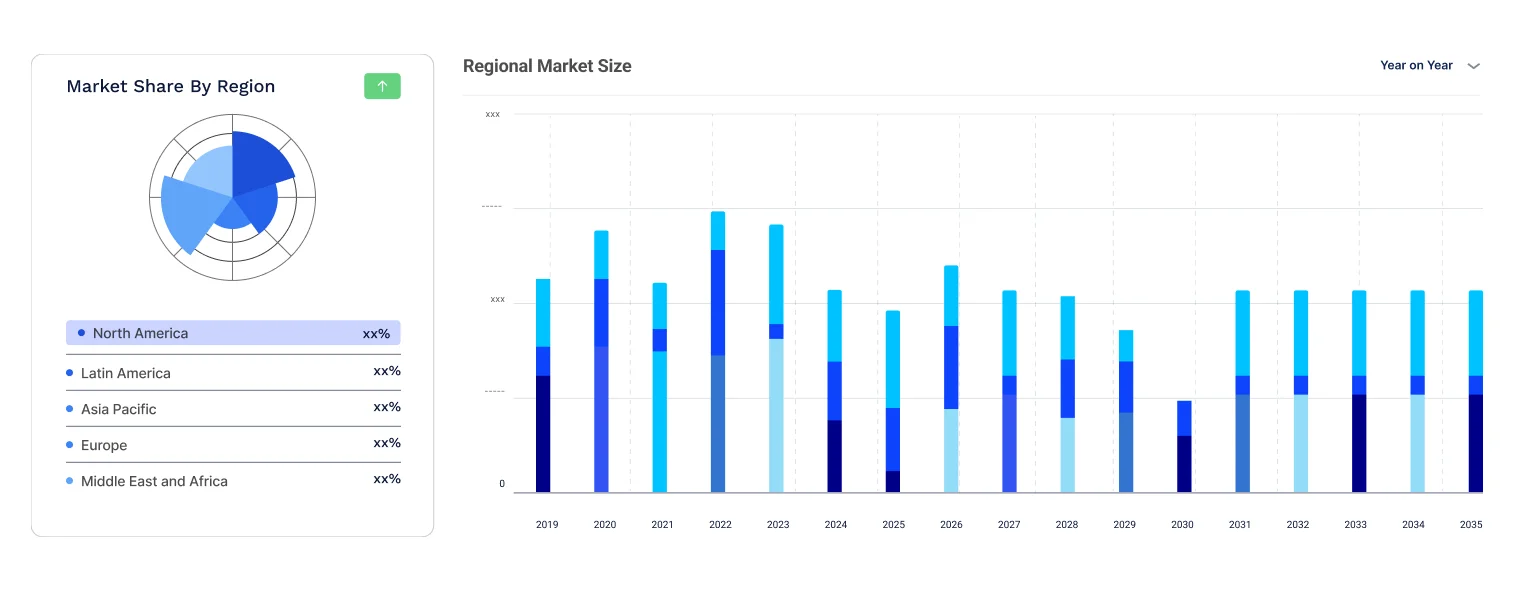
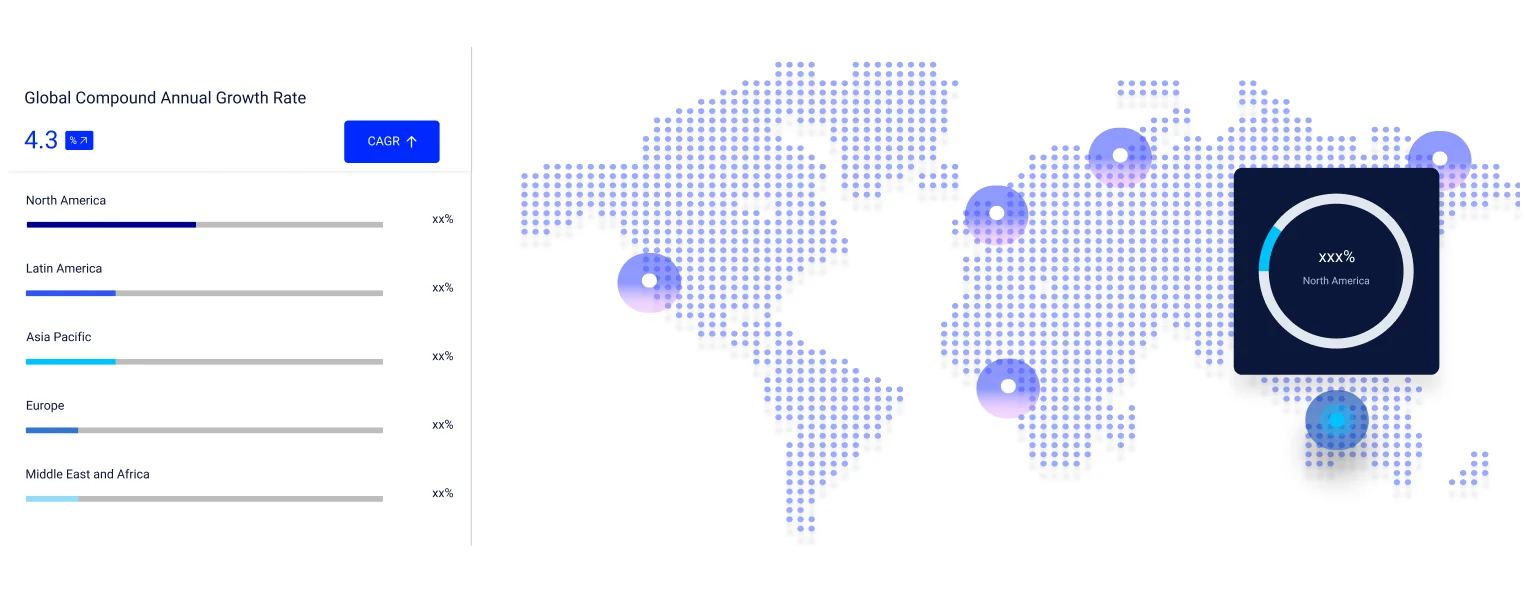
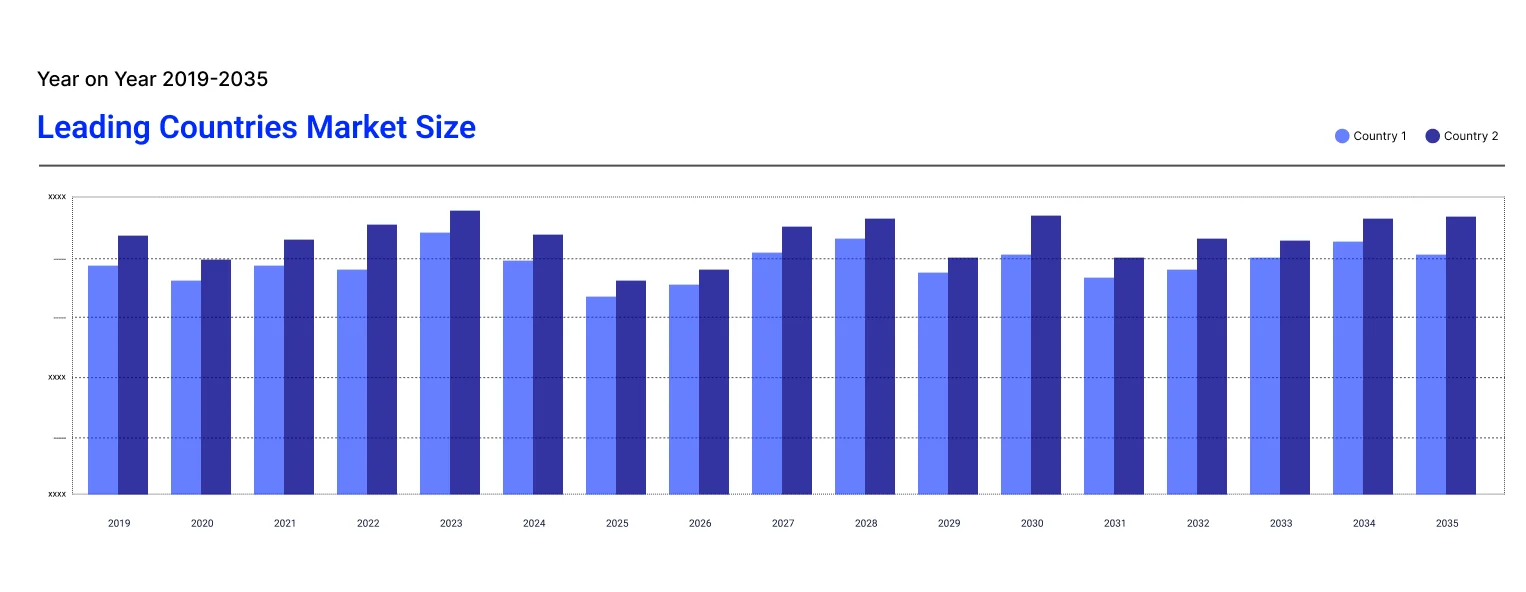
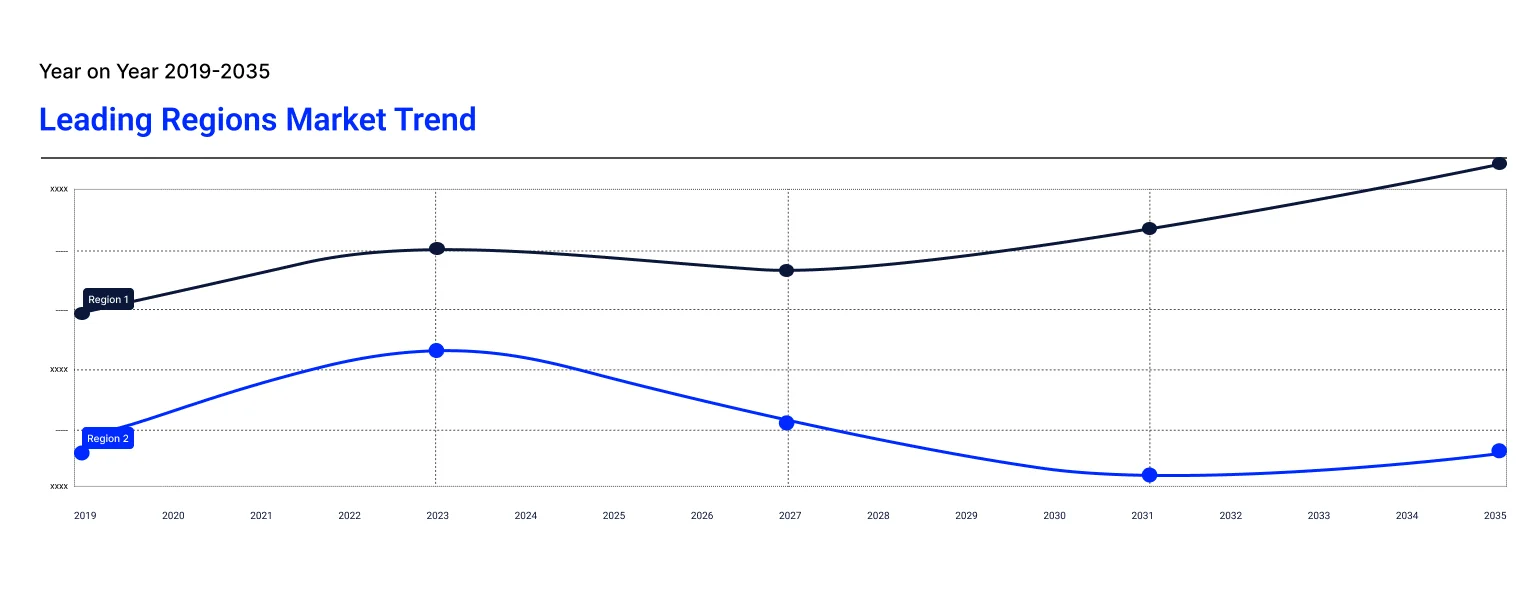
Europe holds the leading position in the global luxury fashion market and is projected to maintain its dominance throughout the forecast period. The region is home to the world's most iconic luxury fashion houses, with France, Italy, and the United Kingdom serving as the creative and commercial nerve centres of the industry. Paris and Milan are globally recognised fashion capitals that host the industry's most influential seasonal shows, generating cultural authority that directly translates into brand equity and pricing power. European luxury brands benefit from centuries of accumulated craftsmanship heritage, deep supply chains built around premium materials, and a domestic consumer base that is among the most sophisticated luxury buyers in the world. The region's fashion and luxury sector also plays an important economic role, supporting hundreds of thousands of skilled jobs across design, manufacturing, and retail. Recent investments in sustainable production and artisanal craft preservation are reinforcing Europe's long-term competitive advantage as consumer scrutiny of supply chain ethics intensifies globally.
Asia Pacific is the fastest-growing regional market for luxury fashion globally, expanding at a CAGR of 5.65% over the forecast period. China remains the anchor market, driven by a vast domestic consumer base, rising disposable incomes, and a culture of aspirational brand consumption that has deepened significantly over the past decade. Japan continues to attract luxury investment and international tourist spending, with the weak yen in 2024 creating a regional shopping hub effect. India is emerging as one of the most promising frontiers, with a growing upper-middle-class population, rising brand awareness, and active investment from global luxury players seeking first-mover advantage. Southeast Asian markets, particularly Singapore, Thailand, and Vietnam, are also seeing accelerated luxury adoption. In October 2025, Reliance Brands Limited announced its partnership with Stella McCartney to launch her ethical luxury label in India, reflecting the commercial and strategic priority that global brands now assign to the Asia Pacific region.
The global luxury fashion market is characterised by a dual structure: a handful of powerful conglomerates such as LVMH and Kering that compete on scale and multi-brand portfolio breadth, alongside highly prestigious independent houses that rely on singular heritage and exclusivity for their competitive positioning. The pace of M&A activity in 2024 and 2025 has intensified this dynamic, as consolidation accelerates and smaller brands are absorbed into larger platforms. European houses continue to dominate brand rankings globally, while American and Asian players are gaining ground through innovation, digital investment, and aspirational positioning.
Competition is increasingly fought on multiple fronts simultaneously: creative direction, sustainability credentials, digital experience quality, and flagship store presence. Brands are investing heavily in building direct relationships with consumers through loyalty ecosystems, personalisation, and cultural collaborations. The secondary resale market, growing at nearly twice the pace of the primary market, adds a new layer of complexity as luxury houses grapple with questions of brand control, authentication, and circular economy integration.
Founded in 1967 and headquartered in New York, USA, Ralph Lauren Corporation is one of America's most enduring luxury lifestyle brands. The company manages a diverse portfolio that includes Polo Ralph Lauren, Ralph Lauren Purple Label, Double RL, and Club Monaco, spanning premium apparel, accessories, home furnishings, and fragrances. Ralph Lauren operates retail channels across more than 70 countries, combining a strong DTC model with strategic wholesale partnerships. Its competitive strength lies in a well-defined brand identity built around the American Dream aesthetic, deep heritage equity, and an expanding global digital presence.
Founded in 1881 and headquartered in New York, PVH Corp. owns two of the most globally recognised fashion brands in Calvin Klein and Tommy Hilfiger. Operating across 40-plus countries, PVH has built a formidable global platform by combining iconic design sensibilities with strong omnichannel retail execution. The company has been investing substantially in digital transformation, DTC acceleration, and sustainability initiatives. Its strength in the accessible luxury and premium segments gives it broad consumer reach, while its brand portfolio delivers differentiated positioning across demographics and geographies.
Established in 1913 and headquartered in Milan, Italy, Prada S.p.A. is one of the most prestigious names in global luxury fashion. The group's portfolio encompasses Prada, Miu Miu, Church's, and most recently Versace, following the April 2025 acquisition. Present across more than 70 countries, Prada is known for its intellectually rigorous approach to design, premium Italian craftsmanship, and a distinctive brand voice that balances heritage with contemporary relevance. The Versace acquisition significantly expands Prada's market reach and competitive positioning vis-a-vis the French luxury conglomerates.
Founded in 1987 and headquartered in Paris, France, LVMH is the world's largest luxury goods conglomerate by revenue and brand portfolio breadth. The group houses over 75 prestigious brands across fashion, leather goods, perfumes, cosmetics, watches, jewellery, and wines and spirits. With operations in more than 80 countries, LVMH combines global scale with brand-level creative independence, allowing each maison to preserve its heritage while benefiting from shared infrastructure. Notable fashion brands include Louis Vuitton, Dior, Givenchy, Fendi, Loewe, and Celine, spanning the entire luxury spectrum.
Other key players in the market are Kering SA, Giorgio Armani S.p.A., Dolce and Gabbana S.r.l., Diesel S.p.A. (OTB Group), Chanel S.A., Capri Holdings Limited, Burberry Group Plc, Rolex SA, and Others.
*Please note that this is only a partial list; the complete list of key players is available in the full report. Additionally, the list of key players can be customized to better suit your needs.*
Ready to stay ahead of the curve in the rapidly evolving world of luxury fashion? Our comprehensive Global Luxury Fashion Market report for 2026 delivers the intelligence you need: from segment-by-segment growth forecasts and detailed competitor profiles to the latest developments in sustainability, digital retail, and emerging market expansion. Whether you are a luxury brand refining your portfolio strategy, an investor evaluating opportunities in the premium fashion space, or a retailer seeking to understand where demand is heading, this report puts the data in your hands. Download your free sample now and explore the key opportunities shaping the future of global luxury fashion.


Upto 15% Off
USD
$2499 $2249
$3999 $3599
$4999 $4249
$5999 $5099


*While we strive to always give you current and accurate information, the numbers depicted on the website are indicative and may differ from the actual numbers in the main report. At Expert Market Research, we aim to bring you the latest insights and trends in the market. Using our analyses and forecasts, stakeholders can understand the market dynamics, navigate challenges, and capitalize on opportunities to make data-driven strategic decisions.*
In 2025, the Asia Pacific luxury fashion market reached an approximate value of USD 284.86 Billion.
The market is projected to grow at a CAGR of 4.10% between 2026 and 2035.
The market is estimated to witness healthy growth in the forecast period of 2026-2035 to reach a value of around USD 425.73 Billion by 2035.
The major drivers of the market are increasing digital shift, the growing number of high net-worth individuals, and growing desire for ethical and sustainable production.
The key trends of the market include sustainability and eco-conscious fashion, digital and virtual fashion experiences, inclusivity and diverse representation, and growth of resale and circular economy.
The major regions in the market are North America, Europe, Asia Pacific, Latin America, and Middle East and Africa.
The various types considered in the market report are apparel, footwear, and accessories.
The various end users considered in the luxury fashion market include men, women, and unisex.
The major players in the market include Ralph Lauren Corporation, PVH Corp., Prada S.p.A., LVMH Moët Hennessy Louis Vuitton SE, Kering SA, Giorgio Armani S.p.A, Dolce & Gabbana S.r.l, Diesel S.p.A. (OTB Group), Chanel S.A., Capri Holdings Limited, Burberry Group Plc, Rolex SA, among others.
The distribution channels considered are offline and online.
Explore our key highlights of the report and gain a concise overview of key findings, trends, and actionable insights that will empower your strategic decisions.
| REPORT FEATURES | DETAILS |
| Base Year | 2025 |
| Historical Period | 2019-2025 |
| Forecast Period | 2026-2035 |
| Scope of the Report |
Historical and Forecast Trends, Industry Drivers and Constraints, Historical and Forecast Market Analysis by Segment:
|
| Breakup by Type |
|
| Breakup by End User |
|
| Breakup by Distribution Channel |
|
| Breakup by Region |
|
| Market Dynamics |
|
| Competitive Landscape |
|
| Companies Covered |
|
Datasheet
One User
USD 2,499
USD 2,249
tax inclusive*
Single User License
One User
USD 3,999
USD 3,599
tax inclusive*
Five User License
Five User
USD 4,999
USD 4,249
tax inclusive*
Corporate License
Unlimited Users
USD 5,999
USD 5,099
tax inclusive*
*Please note that the prices mentioned below are starting prices for each bundle type. Kindly contact our team for further details.*
Flash Bundle
Small Business Bundle
Growth Bundle
Enterprise Bundle
*Please note that the prices mentioned below are starting prices for each bundle type. Kindly contact our team for further details.*
Flash Bundle
Number of Reports: 3
20%
tax inclusive*
Small Business Bundle
Number of Reports: 5
25%
tax inclusive*
Growth Bundle
Number of Reports: 8
30%
tax inclusive*
Enterprise Bundle
Number of Reports: 10
35%
tax inclusive*
How To Order

Select License Type
Choose the right license for your needs and access rights.

Click on ‘Buy Now’
Add the report to your cart with one click and proceed to register.

Select Mode of Payment
Choose a payment option for a secure checkout. You will be redirected accordingly.
Strategic Solutions for Informed Decision-Making
Gain insights to stay ahead and seize opportunities.

Get insights & trends for a competitive edge.

Track prices with detailed trend reports.

Analyse trade data for supply chain insights.

Leverage cost reports for smart savings

Enhance supply chain with partnerships.

Connect For More Information
Our expert team of analysts will offer full support and resolve any queries regarding the report, before and after the purchase.
Our expert team of analysts will offer full support and resolve any queries regarding the report, before and after the purchase.
We employ meticulous research methods, blending advanced analytics and expert insights to deliver accurate, actionable industry intelligence, staying ahead of competitors.
Our skilled analysts offer unparalleled competitive advantage with detailed insights on current and emerging markets, ensuring your strategic edge.
We offer an in-depth yet simplified presentation of industry insights and analysis to meet your specific requirements effectively.




