

Consumer Insights
Uncover trends and behaviors shaping consumer choices today
Procurement Insights
Optimize your sourcing strategy with key market data
Industry Stats
Stay ahead with the latest trends and market analysis.
The global medical sensors market was valued at USD 2.52 Billion in 2025 and is expected to grow at a CAGR of 7.20%, reaching USD 5.05 Billion by 2035. The market growth is driven by The market growth is driven by the rising need for continuous and accurate health monitoring as chronic disease cases surge worldwide. This growing burden is encouraging wider adoption of sensor-enabled medical technologies across the globe.
In January 2025, rising chronic conditions boosted demand for sensors enabling early detection, real-time tracking, and advanced healthcare IoT solutions, strengthening the market’s shift toward preventive care.
In March 2025, GE HealthCare’s acquisition of Nihon Medi-Physics enhanced access to high-precision imaging technologies, accelerating demand for sophisticated sensors supporting integrated diagnostics and strengthening innovation efforts.
In July 2025, expanded FDA approval of AI-enabled devices increased reliance on sensor-driven insights, encouraging adoption of smarter diagnostic tools that enhance accuracy and advance clinical performance.
Compound Annual Growth Rate
7.2%
Value in USD Billion
2026-2035
The market is expanding rapidly as medical sensors become essential tools for modern healthcare. These sensors help track vital signs, support accurate diagnostics, and enable real-time monitoring across hospitals, home-care settings, and wearable technologies. Growing chronic disease cases, rising use of AI-driven devices, and continuous innovation in sensor design are strengthening market demand. Strategic acquisitions and increased public funding are further accelerating technological progress. With healthcare shifting toward predictive analytics and connected care, the adoption of smart medical devices continues to rise, shaping a strong and promising outlook for the overall market.
Rising Chronic Disease Burden to Propel the Market Demand
The growing need for continuous and precise health monitoring is pushing healthcare businesses to adopt advanced smart medical devices, ultimately strengthening market demand. For example, in January 2025, the CDC reported that 76.4% of US adults, nearly 194 million people, were living with one or more chronic conditions in 2023, with the burden rising significantly across midlife and older populations. Such widespread health challenges naturally accelerate the use of sensor-enabled solutions that support early detection, real-time monitoring, and long-term disease management, boosting growth in the market.
Strategic Acquisitions Accelerating Growth in the Medical Sensors Market
Rising industry acquisitions are creating a more advanced and integrated healthcare environment, ultimately boosting the need for high-precision solutions such as medical imaging technology. For example, in March 2025, GE HealthCare announced the completion of its acquisition of Nihon Medi-Physics, as reported on its official investor platform. This major move strengthens GE HealthCare’s diagnostic imaging and radiopharmaceutical capabilities, which directly increases the demand for cutting-edge sensors used in imaging and monitoring systems. Such consolidation encourages innovation, expands global capabilities, and supports strong growth in the market.
The market is witnessing several emerging trends, including the rapid rise of AI-powered diagnostic devices and increasing public funding that accelerates next-generation sensor innovation.
Rising AI-Driven Innovation to Boost the Market Expansion
A major shift is reshaping the industry as technology continues to play a stronger role in healthcare. For instance, in July 2025, the FDA announced that medical devices using artificial intelligence (AI) are now being routinely cleared under its official “AI-Enabled Medical Devices” framework. This regulatory push is accelerating the adoption of smart medical devices that use sensors combined with AI for imaging, monitoring, and diagnostics. As hospitals and clinics increasingly adopt these AI-powered systems, demand for high-quality sensors surges, strengthening the market and supporting tech-enabled healthcare advancement.
Surge in Strategic Public Fundings to Accelerate the Medical Sensors Market Value
Public funding is becoming a powerful force shaping the future of medical-device innovation, creating new opportunities for companies to scale and modernize their technologies. For example, in July 2025, the European Commission approved up to EUR 403 million in public funding to accelerate advancements in the sector. This initiative also reflects the region’s commitment to strengthening healthcare technology through long-term investment. This move is expected to draw an additional EUR 826 million in private investment, motivating companies to create next-generation smart medical devices equipped with advanced sensors. Such strong financial backing fuels innovation, supports large-scale development, and strengthens the overall growth momentum of the market.
Diagnostic Expected to Lead the Market Share by Application
Diagnostic applications are likely to lead the segment, as they play a crucial role in enabling early detection and timely medical intervention. For example, in January 2025, a new AI-powered wearable device called EPISERAS was announced, designed to predict epileptic seizures, showing how innovative diagnostic tools are reshaping patient care. Such advancements significantly boost market growth by increasing the demand for high-accuracy sensors used in predictive analytics, imaging, and remote patient monitoring. The remaining segments include therapeutics, monitoring, and others.
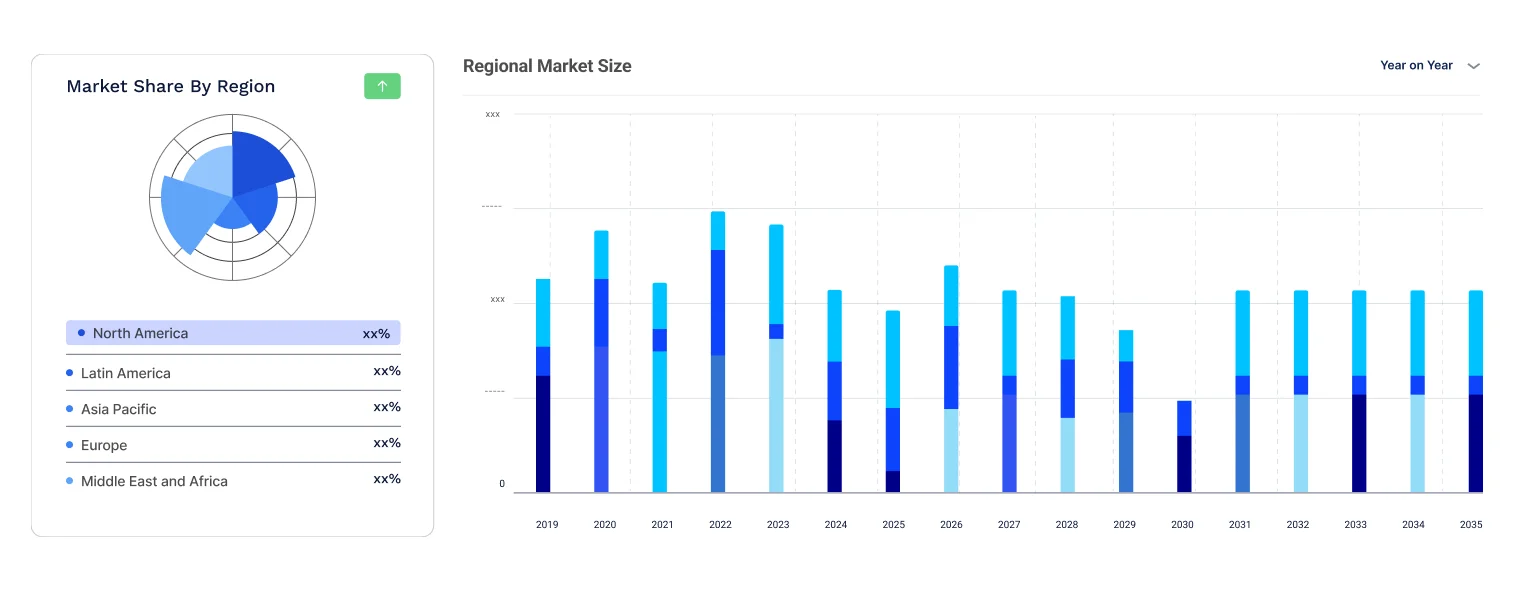
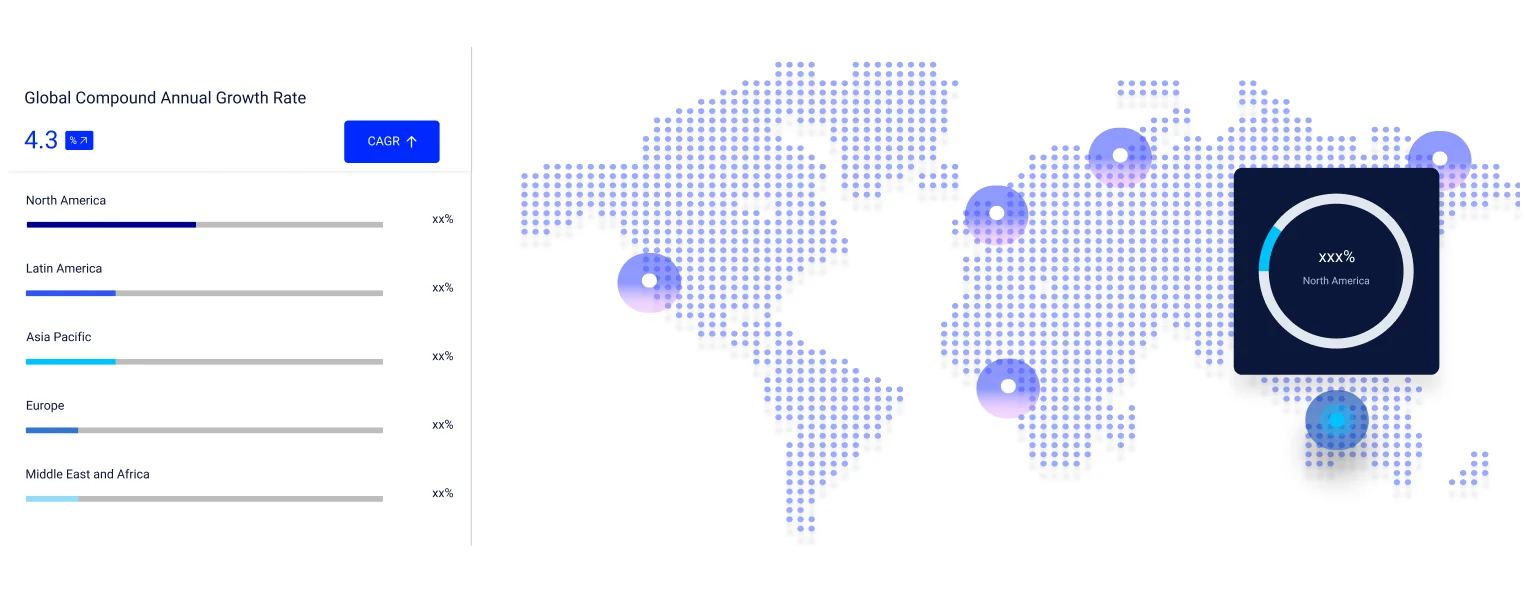
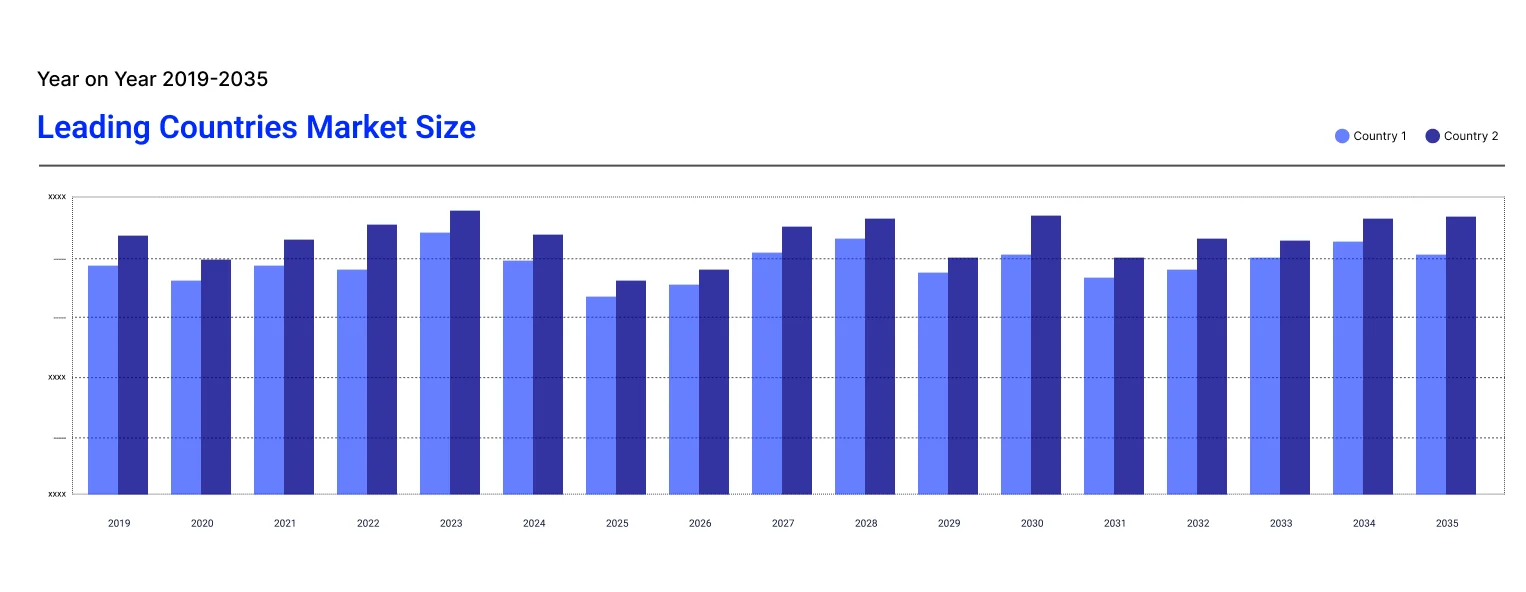
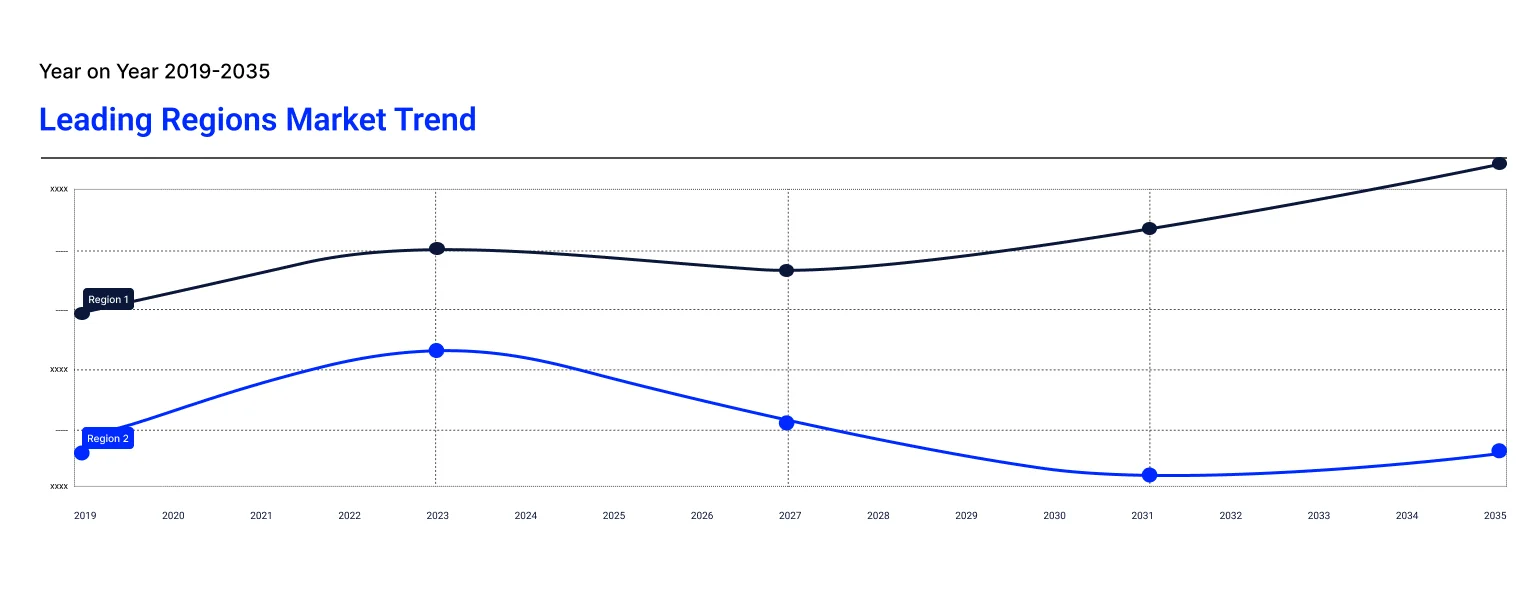
North America is expected to lead the market as the region offers strong healthcare systems, rapidly adopts advanced technologies, and shows high demand for smart diagnostic and monitoring devices. A recent contribution includes increased investment in innovative sensor-based solutions, such as AI-enabled wearables and advanced imaging tools, which continue to strengthen its market position. The second-ranking region is Europe, supported by growing regulatory support, rising digital-health adoption, and continuous innovation across medical-device companies. Overall, these regional developments are expected to support steady market growth.
The key features of the market report comprise patent analysis and strategic initiatives by the leading players. The major companies in the market are as follows:
Medtronic plc stands among the leading global players in advanced medical technologies, offering a wide portfolio of devices that rely heavily on precise and reliable sensor systems. The company contributes significantly to this industry by developing sensor-integrated solutions for cardiac care, diabetes management, neurological conditions, and surgical monitoring. Its continuous efforts toward miniaturization, smart connectivity, and real-time data capabilities help improve patient outcomes and expand the use of intelligent sensor technologies in modern healthcare environments.
TE Connectivity plays an important role in this industry by offering high-performance sensors designed for medical-grade accuracy, durability, and safety. The company provides critical components for applications such as patient monitoring, imaging, diagnostics, and minimally invasive procedures. Through its expertise in engineering and materials science, TE Connectivity supports the development of compact, reliable, and high-sensitivity sensor solutions that enable better clinical decision-making and enhance the performance of next-generation medical devices.
Honeywell International contributes to the industry by delivering advanced sensing technologies used in respiratory care, patient monitoring, diagnostics, and critical-care equipment. Known for its precision, stability, and long-term reliability, Honeywell’s medical sensors support applications such as airflow measurement, pressure monitoring, and temperature tracking. The company’s commitment to innovation and safety enables healthcare providers to access highly accurate data, ultimately improving patient care and supporting the growth of smart medical devices.
Texas Instruments Incorporated plays a key role in advancing medical-sensor capabilities by providing high-performance analog chips, low-power processors, and precision signal-conditioning components. These technologies are essential for wearable sensors, imaging equipment, portable diagnostics, and remote-monitoring devices. The company’s focus on power efficiency, miniaturization, and robust data accuracy enables manufacturers to build more reliable and user-friendly medical devices, contributing to the ongoing evolution of health monitoring and smart healthcare solutions.
*Please note that this is only a partial list; the complete list of key players is available in the full report. Additionally, the list of key players can be customized to better suit your needs.*
Other key players include Sensirion AG, Tekscan, Inc., OmniVision, Nihon Kohden Corporation, GE Healthcare, and Abbott.
The market report offers a detailed analysis of the market based on the following segments:
Market Breakup by Type
Market Breakup by Product Type
Market Breakup by Application
Market Breakup by Connectivity
Market Breakup by End User
Market Breakup by Region


Upto 15% Off
USD
$3299 $2969
$5499 $4949
$6999 $5949
$8199 $6969


*While we strive to always give you current and accurate information, the numbers depicted on the website are indicative and may differ from the actual numbers in the main report. At Expert Market Research, we aim to bring you the latest insights and trends in the market. Using our analyses and forecasts, stakeholders can understand the market dynamics, navigate challenges, and capitalize on opportunities to make data-driven strategic decisions.*
Explore our key highlights of the report and gain a concise overview of key findings, trends, and actionable insights that will empower your strategic decisions.
| REPORT FEATURES | DETAILS |
| Base Year | 2025 |
| Historical Period | 2019-2025 |
| Forecast Period | 2026-2035 |
| Scope of the Report |
Historical and Forecast Trends, Industry Drivers and Constraints, Historical and Forecast Market Analysis by Segment:
|
| Breakup by Type |
|
| Breakup by Product Type |
|
| Breakup by Application |
|
| Breakup by Connectivity |
|
| Breakup by End User |
|
| Breakup by Region |
|
| Market Dynamics |
|
| Supplier Landscape |
|
| Companies Covered |
|
Datasheet
One User
USD 3,299
USD 2,969
tax inclusive*
Single User License
One User
USD 5,499
USD 4,949
tax inclusive*
Five User License
Five User
USD 6,999
USD 5,949
tax inclusive*
Corporate License
Unlimited Users
USD 8,199
USD 6,969
tax inclusive*
*Please note that the prices mentioned below are starting prices for each bundle type. Kindly contact our team for further details.*
Flash Bundle
Small Business Bundle
Growth Bundle
Enterprise Bundle
*Please note that the prices mentioned below are starting prices for each bundle type. Kindly contact our team for further details.*
Flash Bundle
Number of Reports: 3
20%
tax inclusive*
Small Business Bundle
Number of Reports: 5
25%
tax inclusive*
Growth Bundle
Number of Reports: 8
30%
tax inclusive*
Enterprise Bundle
Number of Reports: 10
35%
tax inclusive*
How To Order

Select License Type
Choose the right license for your needs and access rights.

Click on ‘Buy Now’
Add the report to your cart with one click and proceed to register.

Select Mode of Payment
Choose a payment option for a secure checkout. You will be redirected accordingly.
Strategic Solutions for Informed Decision-Making
Gain insights to stay ahead and seize opportunities.

Get insights & trends for a competitive edge.

Track prices with detailed trend reports.

Analyse trade data for supply chain insights.

Leverage cost reports for smart savings

Enhance supply chain with partnerships.

Connect For More Information
Our expert team of analysts will offer full support and resolve any queries regarding the report, before and after the purchase.
Our expert team of analysts will offer full support and resolve any queries regarding the report, before and after the purchase.
We employ meticulous research methods, blending advanced analytics and expert insights to deliver accurate, actionable industry intelligence, staying ahead of competitors.
Our skilled analysts offer unparalleled competitive advantage with detailed insights on current and emerging markets, ensuring your strategic edge.
We offer an in-depth yet simplified presentation of industry insights and analysis to meet your specific requirements effectively.




