

Consumer Insights
Uncover trends and behaviors shaping consumer choices today
Procurement Insights
Optimize your sourcing strategy with key market data
Industry Stats
Stay ahead with the latest trends and market analysis.
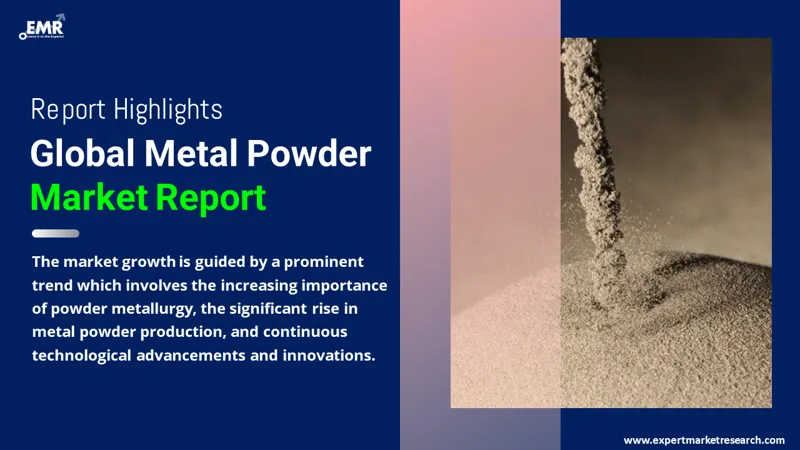
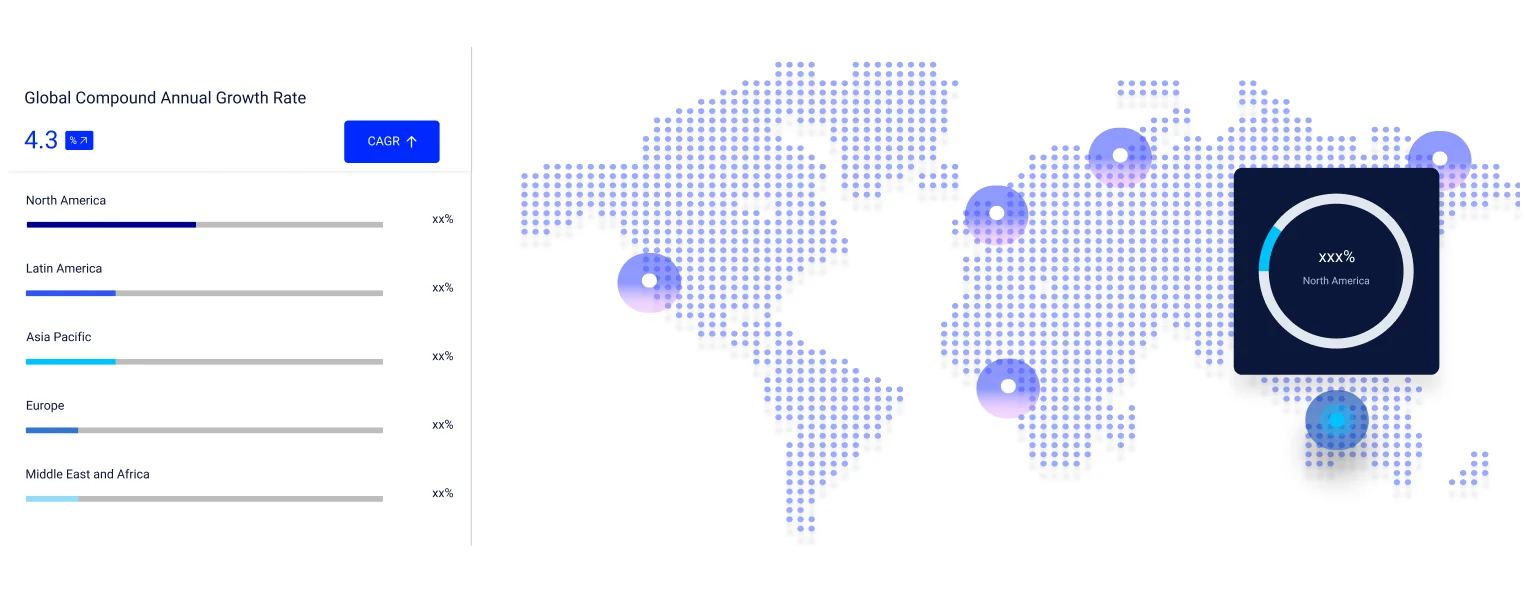
The global metal powder market attained a value of USD 7.25 Billion in 2025 and is projected to expand at a CAGR of 4.30% through 2035. The market is further expected to achieve USD 11.05 Billion by 2035. The increase in usage of powder technology in the aerospace, electrical vehicle components, and tooling industries is creating demand for better atomization technology, more recyclability features, and improved alloys that are custom-made.
Boulder-based Scrap Labs unveiled the Scrap 1 laser powder bed fusion metal 3D printer at the Rocky Mountain RepRap Festival on 18–19 April 2026, with kit pricing starting at USD 9,600. The system targets workshops, university labs and small manufacturers traditionally priced out of metal additive manufacturing, expanding addressable demand for fine atomised metal powders, Tom's Hardware reported.
Researchers at Hiroshima University demonstrated in March 2026 a hot-wire laser additive manufacturing process for WC-Co cemented carbide that achieves hardness above 1400 HV while reducing material waste. The findings, published by ScienceDaily, point to expanding metal powder applications in cutting tools and high-wear industrial components.
The growing use of electric mobility solutions requires the use of lightweight sintered components and soft magnetic alloys used in motors and transmission devices in addition to other applications, accelerating the metal powder market value. Secondly, the increased use of thermal spray coatings and 3D printing in the aerospace industry and industrial reconditioning creates a need for high-purity nickel, titanium, and aluminium powders.
The evolution of the metal powder market can be further attributed to increased focus on precise alloy engineering and localized manufacturing, especially due to increasing demands from aerospace, automotive, and additive manufacturing sectors for improved particle size control and better thermal stability. For example, in June 2024, Höganäs introduced product-specific carbon footprints, enhancing transparency, supporting emission reduction goals, and advancing sustainable metal powder production. With such developments taking place, the trend of using additive manufacturing technology in the aerospace and defense sector is becoming more prominent, with aerospace OEMs and tiered suppliers using powder metallurgy parts to minimize waste and decrease tooling cycles in lightweight components.
Another important structural change happening in the metal powder market is that there is an increasing preference for powders that are more engineered and can be used for battery systems, powder metallurgy, and thermal spray coating. Aligning with this trend, in May 2026, Unionfab launched accelerated low-volume metal parts production services, reducing delivery timelines from 30 days to five. Instead of relying solely on material-grade powders, companies are trying to refine their capabilities by improving their atomization, powder purification processes, and specialty alloys to cater to the growing demand in electric vehicle market. Firms such as GKN Powder Metallurgy and Rio Tinto Metal Powders are targeting stronger penetration in lightweight mobility and energy-efficient manufacturing chains, where consistent powder morphology directly impacts part density and reliability.
Compound Annual Growth Rate
4.3%
Value in USD Billion
2026-2035
Read more about this report - REQUEST FREE SAMPLE COPY IN PDF
The supply of 3.5 tons of titanium powder by PyroGenesis helped boost the process of advanced alloys manufacturing, additive manufacturing optimization, and mineral chains security. This kind of development offers opportunities for metal powder market players to engage in similar powder supply relationships that include sustainable metals recycling.
Osprey MAR 55 high-strength alloy powder by Sandvik provides ultra-high strength and weldability for the aerospace, energy, and demanding additive manufacturing applications. These kinds of innovations give other companies opportunities to develop similar powders meant for such high-performance industries.
Renishaw and Metalpine developed robust additively manufactured components that perform well in hostile marine conditions, thereby improving corrosion resistance. These developments pave the way for other companies to investigate marine powders and conduct R&D within such specialized industrial fields.
Globus offered alloy X metal powder for applications requiring high strength and temperature resistance, particularly in aerospace, tooling, and industrial AM markets. This provides scope for other companies in the metal powder market to develop their powder offerings suitable for manufacturing in extreme environments.
Additive manufacturing continues to remain an influential factor that is driving market growth, due to the increasing adoption by aerospace, defense, and engineering firms that rely on metal powder-based products for lightweight and complex parts. Metal powders including titanium, aluminum, and nickel alloys are adopted in these industries as they offer better dimensional accuracy while minimizing waste generation. Atomized metal powders continue to increase in the market in order to meet demand. Leveraging such trends in the metal powder market, in July 2025, Novamet launched an online metal powder store, improving accessibility, faster procurement, and broader adoption across additive manufacturing industries.
The rapid rise of electric vehicles (EVs) is substantially generating demand in the metal powder market owing to their requirement for soft magnetic powders, copper-based metal powders, and structural powders. Powder metallurgy ensures the reduction in weight and improved energy efficiency. Leading companies are developing alloys in their efforts to secure high-value EV orders. For example, in February 2025, Sumitomo Electric expanded powder magnetic core materials, improving motor efficiency, performance flexibility, and supporting advanced industrial applications.
Growing emphasis on manufacturing self-reliance among nations is expected to drive higher demand for domestically produced metal powders. Metal powders that have a high degree of reliability are necessary for missile production, turbine production, armor manufacturing, and aviation structures that have consistent material properties. Metal powder companies are trying to locate nearer to OEMs since geopolitics can limit their sourcing ability. For example, companies like Sandvik AB are expanding its powder business line for aerospace and tooling applications, accelerating the metal powder market growth. Furthermore, in November 2024, Continuum Powders opened a new Houston facility, expanding metal powder production capacity, and strengthening sustainable recycling operations.
The metal powder market observes an increase in the demand by healthcare manufacturers since orthopedic implants, dental components, and surgical components are increasingly using additive manufacturing for precision purposes. Stainless steel and titanium are widely used because they are highly biocompatible and corrosion-resistant and provide a precise structure. This trend is expected to create premium margins for companies whose focus is on producing ultra-fine particles. For example, in February 2025, Oerlikon launched MetcoMed metal powders, supporting medical additive manufacturing, stronger implant precision, and advanced biocompatible healthcare applications.
Sustainability-based manufacturing processes are set to become a key trend in the metal powder market, driven by growing demand from industrial consumers for green metal sources and recyclable inputs. Metal powder technology inherently generates less waste than subtractive metalworking technologies, appealing to automotive and engineering purchasers. Companies are using recycled metals and more sustainable atomizers. The Rio Tinto Metal Powders company, for example, is directing its efforts on specialized iron powder products used for efficient industrial production processes. On the other hand, in November 2025, Equispheres advanced copper powder for additive manufacturing, improving conductivity, production efficiency, and expanding applications in electronics. Further, the governments of both Europe and North America are implementing strict emission controls for manufacturers, thus incentivizing companies to decrease furnace energy efficiency and utilize circular metal flows.
Read more about this report - REQUEST FREE SAMPLE COPY IN PDF
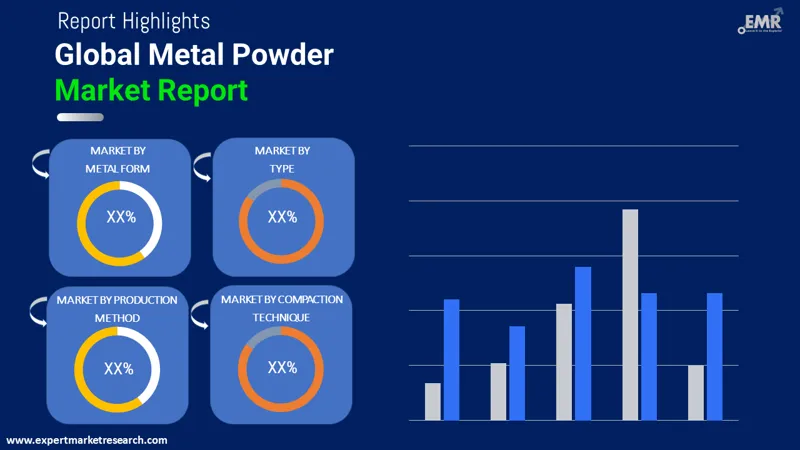
The Expert Market Research's report titled “Global Metal Powder Market Report and Forecast 2026-2035” offers a detailed analysis of the market based on the following segments:
Market Breakup by Metal Form
Key Insight: In terms of metal form, the dominance of ores/pure metal in the metal powder market continues to persist due to the need for precise alloys in highly technical sectors like aerospace, electronic devices, and medical equipment, which require purity, chemistry, and superior structural integrity. In November 2023, 6K Additive and Metal Powder Works formed a partnership to launch sustainable copper-based AM powders. The trend of using scrap/recycled metal is gaining popularity owing to the manufacturers' consideration of sustainability goals against the backdrop of supply chain security and optimizing raw material usage. Scrap metal sources become economically viable when metallurgical advancements make them useful for performance-related applications. Both markets illustrate a paradigm change in their purchasing strategies. Pure metals continue to be used for elite engineering applications, whereas scrap metal is increasing its relevance in industrial manufacturing.
Market Breakup by Type
Key Insight: In terms of classification, ferrous metal powder continues to capture substantial metal powder market share, considering the broad application range of the material, high durability, and good cost-effectiveness ratio. These products play a crucial role in manufacturing processes that rely on strength, consistency of structure, and magnetism. The market segment for non-ferrous metal powder is growing faster due to the demand for lightweight, highly conductive, and durable material suitable for high-end engineering tasks. The others category serves the demand for custom and special needs for different industrial purposes.
Market Breakup by Production Method
Key Insight: As per the metal powder market report, the physical processing method is widely used since it involves mass production of the product and is compatible with its morphology and other characteristics. Chemical processing emerges as the fastest-growing method due to the demand for pure powders and the need for better control of their morphology and chemistry in certain industries. Mechanical processing retains significance in certain grinding applications. Positioning within segments will be dependent on end-use functionalities. Physical processing serves an important role in mass production and metallurgy whereas chemical processing plays an important role in innovation. In October 2025, EOS released four new LPBF metal powders, expanding alloy options for aerospace, automotive, energy, and marine.
Market Breakup by Compaction Technique
Key Insight: In terms of compaction techniques, cold compaction retains its superiority since it enables efficient and economical production processes for most powder metallurgy products. This technique applies to mass production scenarios which require speed and precise size dimensions. On the other hand, hot compaction is gaining momentum, which can be attributed to the growing demand for higher density and greater mechanical strength in component materials used in industrial activities, especially where thermal stress is concerned. The differentiating factor in both sectors stems from expectations and economic considerations of their respective production processes, which is further redefining the metal powder market trends and dynamics.
Market Breakup by Region
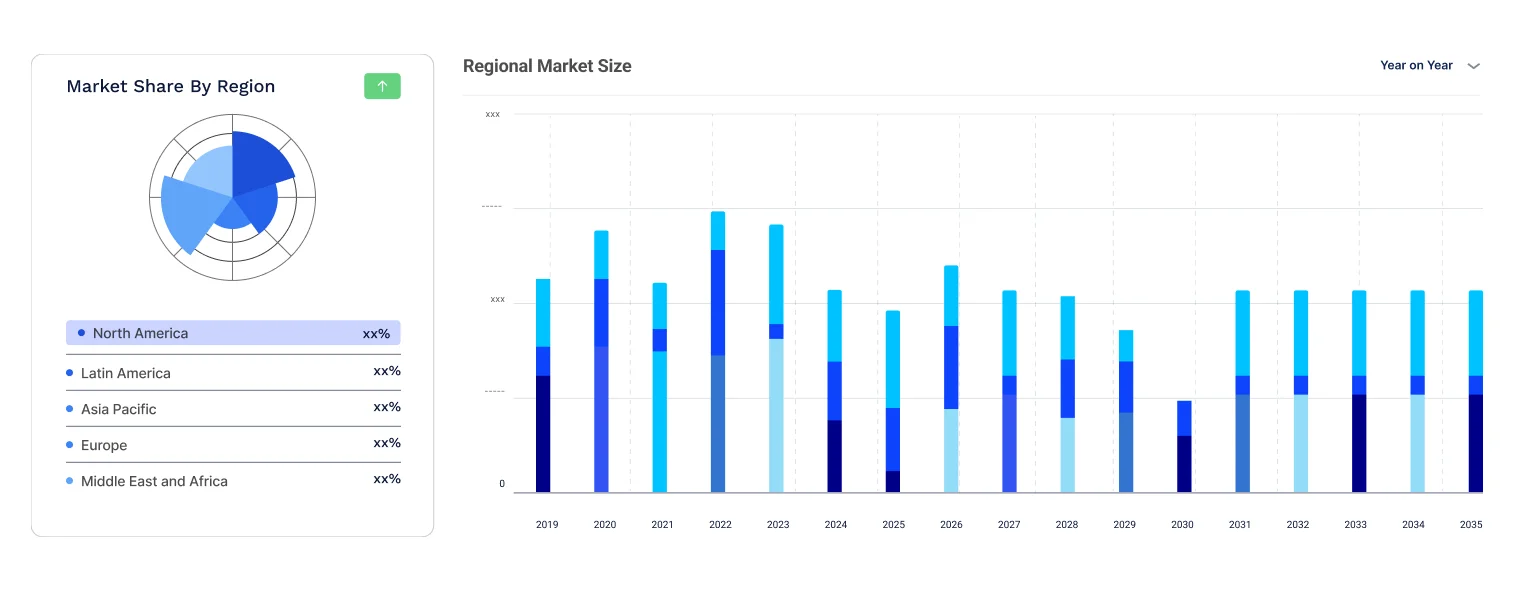
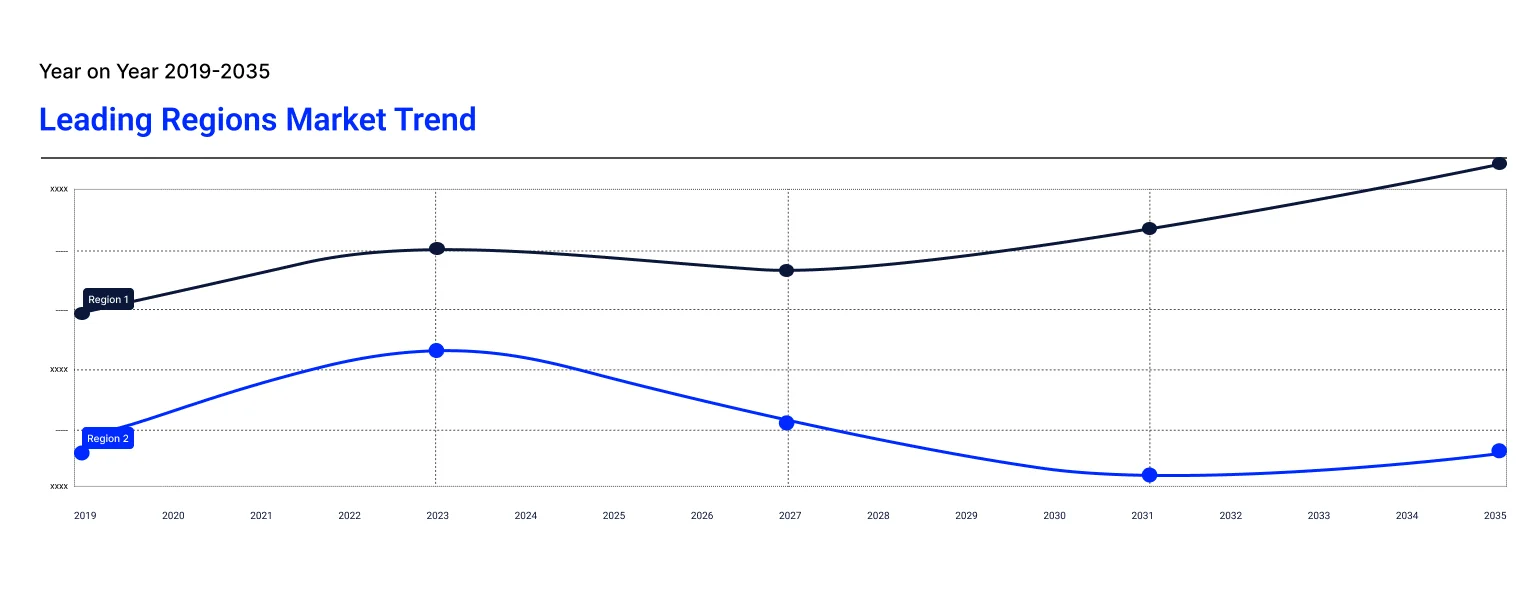
Key Insight: The Asia Pacific metal powder market continues to be dominant owing to the presence of manufacturing capability and demand from automotive, electronics, and heavy engineering industries. In February 2026, Epson Atmix announced a new production facility in Japan, boosting amorphous alloy powder capacity and strengthening supply stability. North America is expected to grow fast due to innovation-led growth in aerospace, defense, and additive manufacturing industries. Europe observes stable growth powered by premium alloy engineering processes, sustainable processes, and automotive technologies. Latin America continues to gain momentum owing to the process of industrialization and increased metal processing in the region. Middle East and Africa continue to develop slowly with metallurgical processes and industrial needs.
Read more about this report - REQUEST FREE SAMPLE COPY IN PDF
By metal form, ores/pure metal accounts for the dominant share of the market due to higher purity requirements.
The ores/pure metal form category is currently the leading market segment owing to the need for high purity feedstock in aerospace alloy, medicine, and advanced additive manufacturing. Manufacturers prefer purified iron, titanium, aluminum, and nickel sources that are critical in determining particle density, heat behavior, and mechanical resistance. The production of specialized powders for EV motors, turbine engines, and protective coatings requires high-purity metals to achieve precise metallurgical performance.
Recycled/scrap metals are expected to become the fastest-growing segment in the metal powder market due to the rising demand for recycled metals as a sustainable raw material. Steel, aluminum, and copper are some metals that are recovered from scrap materials for further processing to develop various types of metal powders for use in automotive, thermal spraying, and sintering industries. In June 2025, Epson Atmix opened a USD 38 million recycling facility, strengthening sustainable metal powder production and circular manufacturing efficiency.
By type, ferrous metal powder registers the largest share of the market due to versatility
Ferrous metal powder continues to lead the metal powder market growth since iron and steel powders find applications in the production of automobile parts, machine parts, magnetic products, and powder metallurgy processes. The robustness, wear resistance, workability, and cost-efficiency associated with these powders explain their widespread use in bulk industrial manufacturing. Manufacturers are continually improving their ferrous powders for better compression and sintering efficiency. In January 2026, CNPC Powder secured funding to expand its 76.5-acre AM facility, boosting metal powder capacity and innovation.
Non-ferrous metal powders observe rapid growth in the metal powder market owing to growing demand for corrosion-resistant materials with superior conductive properties. This is mainly driven by aluminum, titanium, copper, and nickel powders used in batteries, aircraft, medical devices, and thermal coatings, among others. The preference for non-ferrous metals stems from the need for more energy-efficient and performance-specific materials. Advanced manufacturing processes are leading to rising demand for heat-resistant alloys.
By production method, the physical method category accounts for the dominant market revenue share due to consistent particle shape control
The physical technique continues to be the most prevalent technique in the metal powder market owing to its ability to offer high levels of control over particle size, shape, and overall composition. Such metals are favored in applications including additive manufacturing, automobile sintering, coatings, and metallurgy. Physical techniques are favored by manufacturers due to scalability and suitability for large-scale industrial production. The physical technique enables efficient powder making in both ferrous and non-ferrous metals and provides reasonably reliable quality outputs. For example, in October 2025, Metalysis developed next-generation Tanbium alloy powder, supporting space propulsion innovation, stronger durability, and advanced aerospace manufacturing.
Chemical technique largely contributes to the metal powder market revenue due to the increasing need for ultra-fine, high purity metals that can be used in electronics, catalysts, and medical technology. Such a process allows for higher chemical accuracy and special microstructures. Manufacturers prefer to use chemically obtained metal powders in industries where there is a need for better electrical conductivity or higher reactivity, among other attributes.
By compaction method, the cold compaction category accounts for the dominant share of the market due to large-scale powder metallurgy efficiency
Cold compaction continues to be predominant within the metal powder market scope since it is largely used within powder metallurgy manufacturing processes of automotive gears, bearings, filters, and machine structures. Cold compaction is becoming a preferable option for companies since it is economical and precise in terms of dimensions. Ferrous powders exhibit high quality when using cold compaction. This market sector benefits from the presence of productive sectors, developed tool systems, and stable part forming with minimal use of thermal processing within the first stage. In January 2026, AM 4 AM gained a United States patent for cold plasma-treated metal powders, improving performance and additive manufacturing reliability.
The rapid growth of hot compaction in the metal powder market is associated with the increased demand for denser products used in the aerospace industry, defense, and special types of industrial machinery. High temperatures during compacting improve bonding and increase density. Hot compaction is gaining popularity among manufacturers, who require high product resistance to external conditions and low porosity. For example, in May 2026, IperionX commissioned a six-axis powder production furnace, expanding titanium powder capacity, and advanced manufacturing scalability.
Read more about this report - REQUEST FREE SAMPLE COPY IN PDF
Asia Pacific leads market growth due to its expanding manufacturing concentration
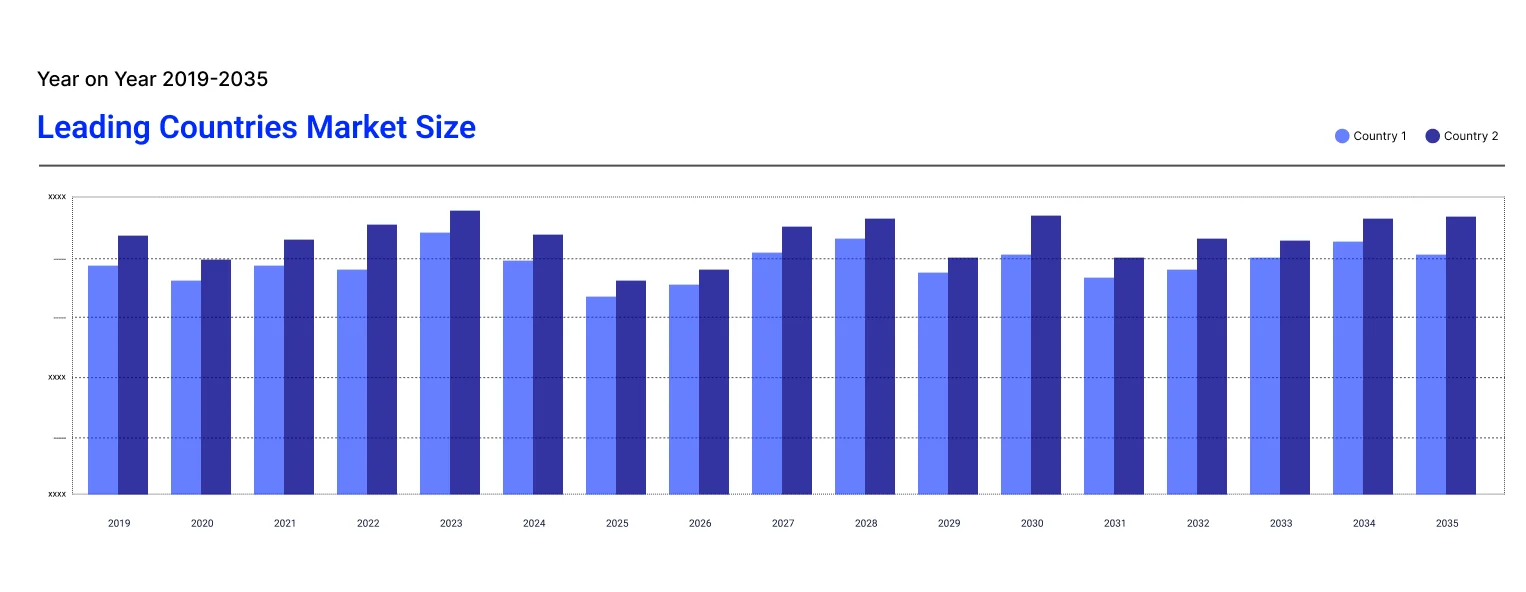
Asia Pacific leads the global metal powder market growth owing to its well-developed manufacturing ecosystem across sectors like automobiles, electronics, machinery, and industrial tools. Countries in this region including China, Japan, South Korea, and India, have become major players in powder metallurgy and alloying. The suppliers in this region are benefiting from integration into their raw material supply chain, engineering products production, and increasing production of parts for electric vehicles.
The North American region is growing at the fastest pace owing to significant investments in aerospace manufacturing and additive manufacturing. The powder suppliers in this region target niche markets of specialized alloy powder and medical-grade powder. Buyers, on the other hand, are demanding powders that can be used in industrial energy systems and electronics. In November 2025, Xact Metal debuted XM200G and introduced two metal powders, expanding additive manufacturing flexibility, speed, and material options.
The market observes serval innovations in terms of particle engineering, customized alloys, and sustainable powder generation processes. Leading metal powder companies are developing spherical powders for AM, soft magnetic powder for EV applications, and ultra-pure powders for healthcare and semiconductor industries. The key strategic growth areas in the industry include recycling technology for feedstock, specialized powder solutions for defense applications, and dense powders for thermal spray coating purposes.
Major metal powder market players are upgrading their atomization technologies to enhance powder flowability and minimize oxidation. Vertical integration is becoming another key area wherein companies are working on aligning feedstock availability, powder generation processes, and post-engineering support. Companies capable of offering industry-specific powders with better traceability and sustainability are signing high-value industrial contracts. Companies find numerous growth prospects in aerospace, electric mobility, precision medicine, and industrial tooling sectors due to the performance-oriented nature of such powders against machining-oriented materials.
Sandvik AB is a company founded in the year 1862, and its headquarters is based in Stockholm, Sweden. Sandvik AB is one of the companies involved in supplying metal powders used in additive manufacturing, tools, and advanced industrial engineering processes. This company deals with gas atomized powders, stainless steels and alloys, and other specialty materials for use in aerospace industries and the medical field.
CRS Holdings Inc. was founded in the year 1889 and is headquartered in the United States. CRS Holdings Inc. is one of the leading companies dealing in specialty materials associated with alloy and engineered powders. It serves the aerospace, defense, and industrial manufacturing industries with its metal powder materials.
Rio Tinto plc, founded in 1873, is based in London, United Kingdom, and is heavily involved in offering solutions for powders based on iron as well as the provision of industrial feedstock. The firm is engaged in specialty powders and serves various applications like the automotive industry, additive manufacturing, and sintered parts. It emphasizes purity, effectiveness in iron conversion, and sustainable processing.
Allegheny Technologies ATI, founded in 2005, is based in Texas, United States, and provides specialty metals, engineered powders for aerospace and defense industries, as well as the medical industry. ATI caters to industries requiring titanium, nickel-based alloys, and precision-grade metals through its advanced specialty materials and alloy solutions.
Other key players in the market include Höganäs AB, and Alcoa Inc., among others.
*Please note that this is only a partial list; the complete list of key players is available in the full report. Additionally, the list of key players can be customized to better suit your needs.*
Unlock the latest insights with our metal powder market trends 2026 report. Discover regional growth patterns, consumer preferences, and key industry players. Stay ahead of competition with trusted data and expert analysis. Download your free sample report today and drive informed decisions in the market.


Upto 15% Off
USD
$2499 $2249
$3999 $3599
$4999 $4249
$5999 $5099


*While we strive to always give you current and accurate information, the numbers depicted on the website are indicative and may differ from the actual numbers in the main report. At Expert Market Research, we aim to bring you the latest insights and trends in the market. Using our analyses and forecasts, stakeholders can understand the market dynamics, navigate challenges, and capitalize on opportunities to make data-driven strategic decisions.*
The global metal powder market is projected to grow at a CAGR of 4.30% between 2026 and 2035.
The market is estimated to witness a healthy growth in the forecast period of 2026-2035 to reach about USD 11.05 Billion by 2035.
The key drivers of the market include rapid economic growth, increasing demand of metal powder from various end-use sectors, and rapid urbanisation.
The key trend guiding the market growth include the growing significance of powder metallurgy, the increasing colossal production of metal powders, and technological advancements and innovations.
The major regions in the market are North America, Latin America, the Middle East and Africa, Europe, and the Asia Pacific.
Scrap/recycled metal and ores/pure metal are the significant forms of the product considered in the market report.
Ferrous and non-ferrous metal powder, among others, are the significant types of the product in the market.
Physical method, chemical method, and mechanical method are the major production methods of the product considered in the market report.
The various compaction techniques of metal powder considered in the market report are cold compaction and hot compaction.
The major players in the market are Sandvik AB, CRS Holdings Inc., Rio Tinto plc, Allegheny Technologies (ATI), Höganäs AB, and Alcoa Inc., among others.
Explore our key highlights of the report and gain a concise overview of key findings, trends, and actionable insights that will empower your strategic decisions.
| REPORT FEATURES | DETAILS |
| Base Year | 2025 |
| Historical Period | 2019-2025 |
| Forecast Period | 2026-2035 |
| Scope of the Report |
Historical and Forecast Trends, Industry Drivers and Constraints, Historical and Forecast Market Analysis by Segment:
|
| Breakup by Metal Form |
|
| Breakup by Type |
|
| Breakup by Production Method |
|
| Breakup by Compaction Technique |
|
| Breakup by Region |
|
| Market Dynamics |
|
| Competitive Landscape |
|
| Companies Covered |
|
| Report Price and Purchase Option | Explore our purchase options that are best suited to your resources and industry needs. |
| Delivery Format | Delivered as an attached PDF and Excel through email, with an option of receiving an editable PPT, according to the purchase option. |
Datasheet
One User
USD 2,499
USD 2,249
tax inclusive*
Single User License
One User
USD 3,999
USD 3,599
tax inclusive*
Five User License
Five User
USD 4,999
USD 4,249
tax inclusive*
Corporate License
Unlimited Users
USD 5,999
USD 5,099
tax inclusive*
*Please note that the prices mentioned below are starting prices for each bundle type. Kindly contact our team for further details.*
Flash Bundle
Small Business Bundle
Growth Bundle
Enterprise Bundle
*Please note that the prices mentioned below are starting prices for each bundle type. Kindly contact our team for further details.*
Flash Bundle
Number of Reports: 3
20%
tax inclusive*
Small Business Bundle
Number of Reports: 5
25%
tax inclusive*
Growth Bundle
Number of Reports: 8
30%
tax inclusive*
Enterprise Bundle
Number of Reports: 10
35%
tax inclusive*
How To Order

Select License Type
Choose the right license for your needs and access rights.

Click on ‘Buy Now’
Add the report to your cart with one click and proceed to register.

Select Mode of Payment
Choose a payment option for a secure checkout. You will be redirected accordingly.
Strategic Solutions for Informed Decision-Making
Gain insights to stay ahead and seize opportunities.

Get insights & trends for a competitive edge.

Track prices with detailed trend reports.

Analyse trade data for supply chain insights.

Leverage cost reports for smart savings

Enhance supply chain with partnerships.

Connect For More Information
Our expert team of analysts will offer full support and resolve any queries regarding the report, before and after the purchase.
Our expert team of analysts will offer full support and resolve any queries regarding the report, before and after the purchase.
We employ meticulous research methods, blending advanced analytics and expert insights to deliver accurate, actionable industry intelligence, staying ahead of competitors.
Our skilled analysts offer unparalleled competitive advantage with detailed insights on current and emerging markets, ensuring your strategic edge.
We offer an in-depth yet simplified presentation of industry insights and analysis to meet your specific requirements effectively.




