

Consumer Insights
Uncover trends and behaviors shaping consumer choices today
Procurement Insights
Optimize your sourcing strategy with key market data
Industry Stats
Stay ahead with the latest trends and market analysis.
The Mexico meat market size is projected to grow at a CAGR of 6.10% between 2026 and 2035. The market is being aided by the rising disposable incomes of the growing middle-class population in the country.
Mexico's meat sector sits at the intersection of strong domestic demand, growing export ambitions, and the challenges of modernizing a supply chain that spans vast rural production territories and increasingly urbanized consumption centers. The country is the world's sixth-largest poultry producer and a significant player in beef and pork markets at the regional level.
The industry is undergoing a structural shift driven by three parallel forces. First, a demographic and income-driven increase in protein consumption as Mexico's middle class expands. Second, a diversification of meat preferences toward processed, value-added, and premium products among urban consumers. Third, a growing institutional focus on food safety, cold chain modernization, and sustainable production practices, underscored by the sector's March 2025 commitment of approximately USD 5.1 billion to expand processing capacity and improve production efficiency.
Compound Annual Growth Rate
6.1%
2026-2035
Read more about this report - REQUEST FREE SAMPLE COPY IN PDF
As per the USDA Global Agricultural Information Network, the consumption of chicken meat in Mexico is expected to record a y-o-y growth of 3% in 2024. Due to the rising consumption of frozen meat products by Mexican consumers, the annual production is expected to reach 4.9 MMT in 2024. This is expected to favourably drive the Mexico meat market expansion over the forecast period.
The minimum wage rate of Mexican consumers recorded an increase of $6.00 between 2019-2025, which is further expected to boost the market growth. In 2023, remittances reached an all-time high in Mexico, which is also expected to favour the development of the market.
Increasing investments in researching innovative ways of producing cultured meat are expected to drive the Mexico meat market growth. This is because artificially grown meat is a more sustainable and ethical option for consumption. Moreover, since it is grown in labs, its fat content and cholesterol levels can be modified to enhance its nutritional profile, which can attract vegetarian consumers. Increasing focus on health and wellness is a primary driver of the market, which is prompting startups like Forma Foods to invest in the cultivation and large-scale commercialization of in vitro meat.
Rising Middle-Class Incomes and Protein Demand
Mexico's expanding middle class is fundamentally reshaping dietary patterns. As household incomes rise, particularly in urban centers, consumers are increasing their frequency of meat consumption and trading up from economy cuts to premium, branded, and processed products. This income-driven demand increase is broad-based, affecting beef, pork, and poultry segments, and is expected to remain a durable driver of market growth over the forecast period.
Read more about this report - REQUEST FREE SAMPLE COPY IN PDF
Record Per Capita Meat Consumption
Total meat consumption in Mexico reached a record 84.7 kg per capita in 2025, reflecting both growing purchasing power and the deeply embedded role of meat in Mexican cuisine and food culture. Poultry leads in volume, accounting for approximately 20 kg per person annually, followed by pork and beef. This consumption trajectory is projected to continue rising through 2035 as population growth, urbanization, and income gains converge.
Growth of Modern Retail and Foodservice Channels
The expansion of supermarkets, hypermarkets, convenience stores, and organized foodservice chains across Mexico is creating new demand pathways for packaged, branded, and value-added meat products. Modern trade now reaches a significant proportion of urban consumers who increasingly favour packaged, shelf-stable, and convenience-format meat products over traditional wet market purchases. The hotel, restaurant, and institutional (HRI) foodservice sector is similarly expanding, driven by domestic tourism growth and urbanization.
Read more about this report - REQUEST FREE SAMPLE COPY IN PDF
USMCA-Enabled Trade Integration
The USMCA provides duty-free access for meat products traded between Mexico, the United States, and Canada, creating a deeply integrated regional supply chain. Mexico imports substantial volumes of U.S. pork, poultry, and beef to meet consumption demand that domestic production cannot satisfy. Simultaneously, this trade framework enables Mexican producers to export specialized cuts and processed meat products to North American markets. The geographic proximity and logistical efficiency of U.S.-Mexico cross-border trade will continue to underpin Mexico's meat supply security over the forecast horizon.
Premiumization and Health-Conscious Consumption
A meaningful and growing segment of Mexican consumers, particularly in urban areas, is seeking premium meat products that align with health, wellness, and ethical consumption values. Grass-fed beef, antibiotic-free poultry, organic pork, and hormone-free meat products are gaining shelf space in specialty retailers and premium supermarket chains. This premiumization trend is driving higher average revenue per kilogram sold and improving margins for producers capable of meeting certification requirements.
Processed and Convenience Meat Expansion
Ready-to-eat and convenience meat formats, including marinated cuts, pre-seasoned proteins, sausages, deli meats, and packaged cold cuts, are capturing a growing share of Mexican household expenditure on meat. Busy urban lifestyles, the growth of dual-income households, and the increasing availability of refrigerated home delivery services are all supporting this category's expansion.
Read more about this report - REQUEST FREE SAMPLE COPY IN PDF
Cold Chain Infrastructure Gaps
Approximately 30% of Mexico's rural areas lack adequate cold chain infrastructure. Spoilage rates for perishable goods, including fresh meat, are estimated at around 25% in these underserved regions. Developing a robust nationwide cold chain network requires capital investment that can exceed USD 1.2 million per facility for small to mid-sized enterprises, presenting a significant barrier to supply chain modernization and food safety compliance.
In 2023, the Mexican government implemented regulations requiring all meat products to be transported and stored within specific temperature ranges, raising the compliance standard across the industry. While this is a positive development for food safety and quality assurance, it has placed short-term cost pressure on producers and distributors, particularly smaller regional operators.
Supply-Demand Gap and Import Dependency
Domestic meat production, while growing, consistently falls short of the country's demand. Mexico's poultry sector, despite being one of the largest in the world, still relies on imports to cover approximately 20% of national poultry consumption. Pork and beef gaps are similarly met through imports, predominantly from the United States. This import dependency exposes the market to exchange rate fluctuations, trade policy changes, and supply chain disruptions originating outside Mexico's borders.
Beef Price Inflation and Consumer Substitution
Beef prices in Mexico increased by 16.5% year-over-year in January 2026, driven by tight domestic supply, rising production costs, and strong export competition for Mexican beef. This sharp price escalation is pushing price-sensitive consumers to substitute toward pork and poultry, reshaping protein basket dynamics and placing pressure on beef-focused producers and retailers. While substitution behavior benefits pork and poultry operators in the short term, sustained beef inflation risks altering long-term consumption habits.
Food Safety and Regulatory Compliance Complexity
Meeting increasingly stringent domestic food safety standards, alongside export eligibility requirements for shipments to the United States and other markets, demands continuous investment in traceability systems, laboratory testing, employee training, and facility upgrades. Smaller producers and artisanal operators face disproportionate compliance burdens, which may accelerate industry consolidation as scale becomes a prerequisite for meeting regulatory standards cost-effectively.
USMCA Review Uncertainty
As the 2026 USMCA review approaches, uncertainty around potential renegotiation of trade terms, tariff structures, and regulatory alignment has created planning challenges for both producers and importers. Any adverse changes to the current duty-free framework could meaningfully affect the cost of imported raw materials and finished meat products, with downstream implications for pricing, margins, and market access.
Read more about this report - REQUEST FREE SAMPLE COPY IN PDF
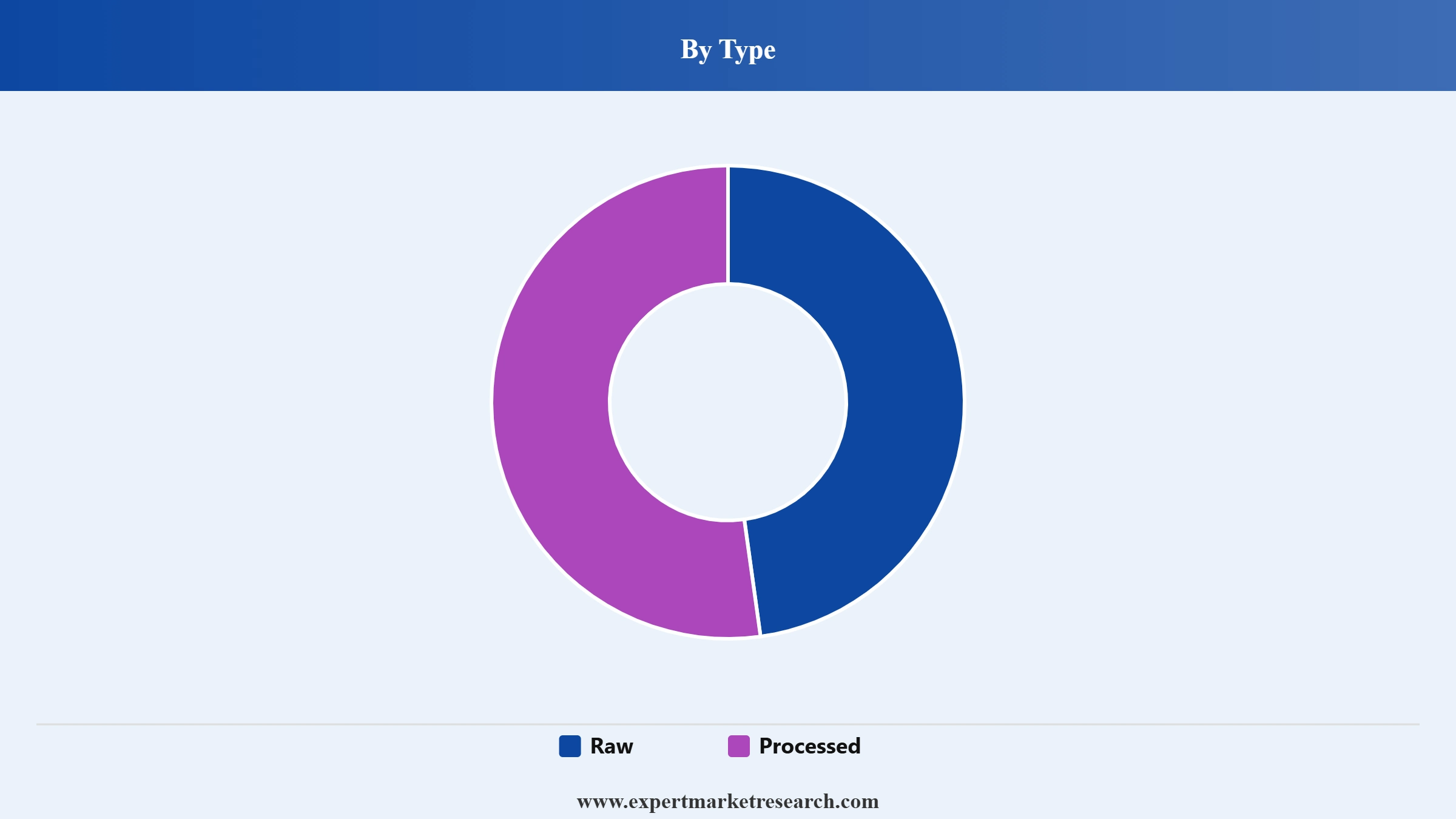
"Mexico Meat Market Report and Forecast 2026-2035" offers a detailed analysis of the market based on the following segments:
Market Breakup by Type
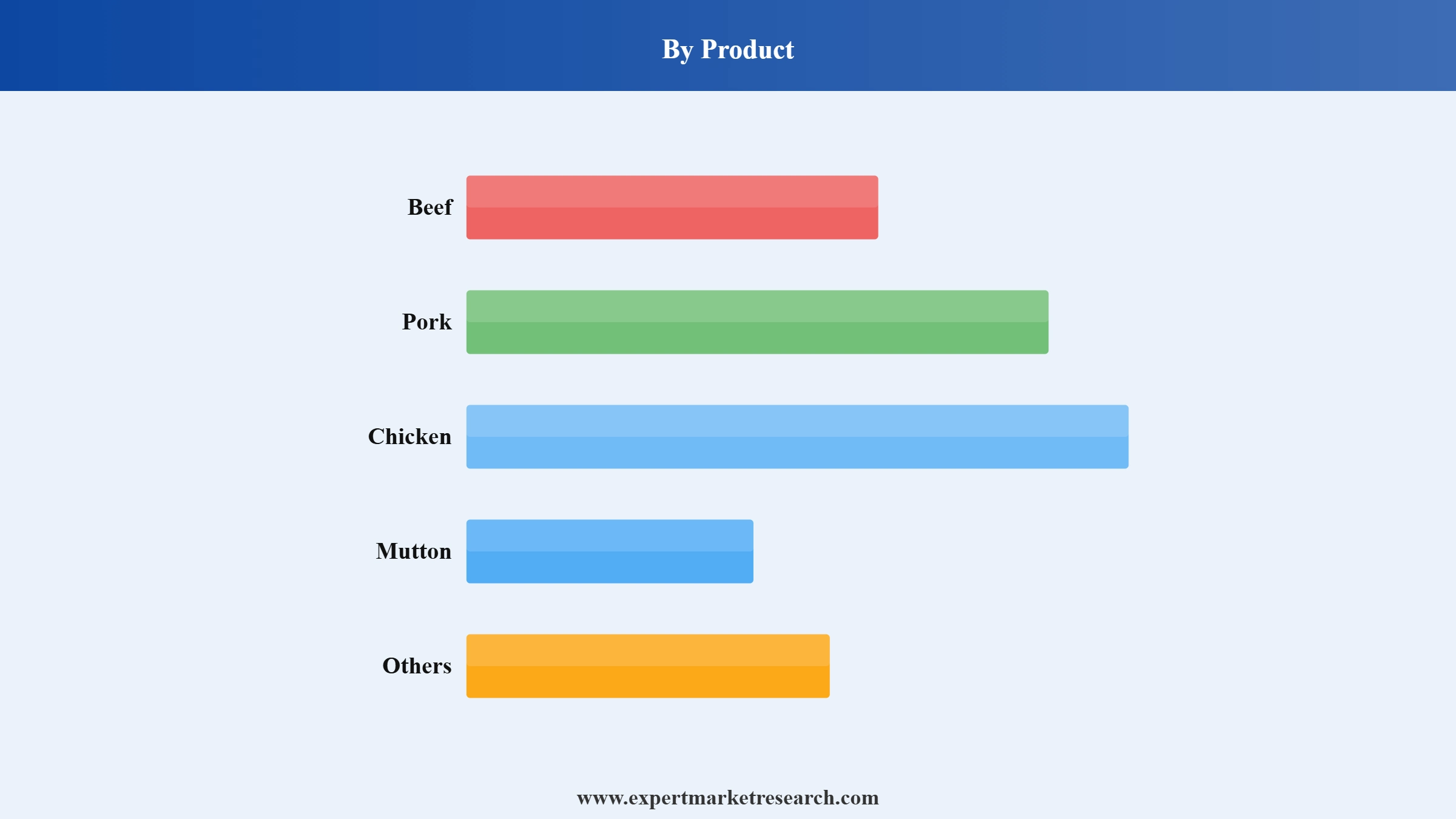
Market Breakup by Product
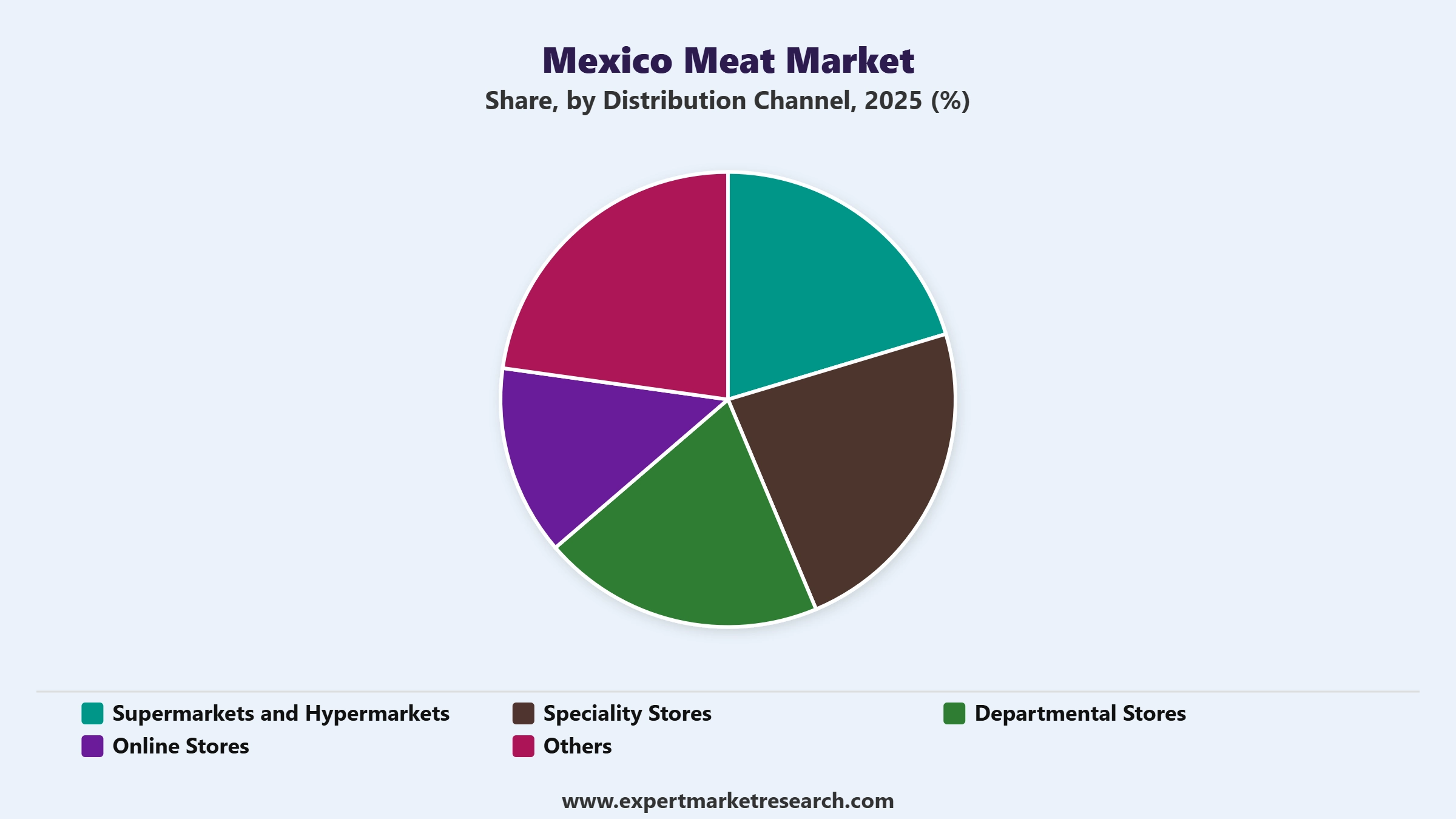
Market Breakup by Distribution Channel
Market Breakup by Region
The Mexico meat market is moderately consolidated at the top, with several large vertically integrated companies commanding significant market share across production, processing, and distribution. The competitive landscape is defined by scale advantages in procurement and processing, the strength and reach of distribution networks, investment in food safety and quality assurance systems, and the ability to innovate in value-added and branded product categories.
Mid-tier and regional players compete on local sourcing relationships, flexibility in product customization, and community-level distribution reach. The market is also seeing increasing participation from international agribusiness groups that have established Mexican operations to serve both domestic demand and regional export requirements.
Key competitive dynamics shaping strategy include investment in processing capacity modernization, expansion into organized retail channels, cold chain infrastructure development, food safety certification for export market eligibility, and brand building in the premium and processed meat categories. The key Mexico meat market players are:


Upto 15% Off
USD
$2499 $2249
$3999 $3599
$4999 $4249
$5999 $5099


*While we strive to always give you current and accurate information, the numbers depicted on the website are indicative and may differ from the actual numbers in the main report. At Expert Market Research, we aim to bring you the latest insights and trends in the market. Using our analyses and forecasts, stakeholders can understand the market dynamics, navigate challenges, and capitalize on opportunities to make data-driven strategic decisions.*
The market is projected to grow at a CAGR of 6.10% between 2026 and 2035.
The different distribution channels in the market include supermarkets and hypermarkets, speciality stores, departmental stores, and online stores, among others.
The major types of meat in the market include raw and processed.
The different products considered in the market report include beef, pork, chicken, and mutton, among others.
The major regions in the market include Baja California, Northern Mexico, The Bajío, Central Mexico, Pacific Coast, and Yucatan Peninsula.
The key market players are Industrias Bachoco, S.A. de C.V., Sigma Alimentos, S.A. de C.V., Sukarne, S.A. de C.V., JBS S.A. (Pilgrim’s), and Cargill Inc., among others.
Explore our key highlights of the report and gain a concise overview of key findings, trends, and actionable insights that will empower your strategic decisions.
| REPORT FEATURES | DETAILS |
| Base Year | 2025 |
| Historical Period | 2019-2025 |
| Forecast Period | 2026-2035 |
| Scope of the Report |
Historical and Forecast Trends, Industry Drivers and Constraints, Historical and Forecast Market Analysis by Segment:
|
| Breakup by Type |
|
| Breakup by Product |
|
| Breakup by Distribution Channel |
|
| Breakup by Region |
|
| Market Dynamics |
|
| Competitive Landscape |
|
| Companies Covered |
|
Datasheet
One User
USD 2,499
USD 2,249
tax inclusive*
Single User License
One User
USD 3,999
USD 3,599
tax inclusive*
Five User License
Five User
USD 4,999
USD 4,249
tax inclusive*
Corporate License
Unlimited Users
USD 5,999
USD 5,099
tax inclusive*
*Please note that the prices mentioned below are starting prices for each bundle type. Kindly contact our team for further details.*
Flash Bundle
Small Business Bundle
Growth Bundle
Enterprise Bundle
*Please note that the prices mentioned below are starting prices for each bundle type. Kindly contact our team for further details.*
Flash Bundle
Number of Reports: 3
20%
tax inclusive*
Small Business Bundle
Number of Reports: 5
25%
tax inclusive*
Growth Bundle
Number of Reports: 8
30%
tax inclusive*
Enterprise Bundle
Number of Reports: 10
35%
tax inclusive*
How To Order

Select License Type
Choose the right license for your needs and access rights.

Click on ‘Buy Now’
Add the report to your cart with one click and proceed to register.

Select Mode of Payment
Choose a payment option for a secure checkout. You will be redirected accordingly.
Strategic Solutions for Informed Decision-Making
Gain insights to stay ahead and seize opportunities.

Get insights & trends for a competitive edge.

Track prices with detailed trend reports.

Analyse trade data for supply chain insights.

Leverage cost reports for smart savings

Enhance supply chain with partnerships.

Connect For More Information
Our expert team of analysts will offer full support and resolve any queries regarding the report, before and after the purchase.
Our expert team of analysts will offer full support and resolve any queries regarding the report, before and after the purchase.
We employ meticulous research methods, blending advanced analytics and expert insights to deliver accurate, actionable industry intelligence, staying ahead of competitors.
Our skilled analysts offer unparalleled competitive advantage with detailed insights on current and emerging markets, ensuring your strategic edge.
We offer an in-depth yet simplified presentation of industry insights and analysis to meet your specific requirements effectively.




