

Consumer Insights
Uncover trends and behaviors shaping consumer choices today
Procurement Insights
Optimize your sourcing strategy with key market data
Industry Stats
Stay ahead with the latest trends and market analysis.


The Middle East and Africa Antibiotic Resistance market was valued at USD 776.80 Million in 2025 and is expected to grow at a CAGR of 3.70%, reaching USD 1117.11 Million by 2035. The market growth is driven by the rising prevalence of multidrug-resistant infections, expanding antimicrobial stewardship initiatives, increasing investments in diagnostic technologies, and strengthened government and international efforts to combat antimicrobial resistance across the region.
Compound Annual Growth Rate
3.7%
Value in USD Million
2026-2035
Read more about this report - Request a Free Sample
The Middle East and Africa Antibiotic Resistance Market comprises therapeutics, diagnostics, and antimicrobial stewardship solutions used to prevent, detect, and treat drug-resistant bacterial infections. The market includes antibiotics across multiple drug classes, rapid diagnostic and antimicrobial susceptibility testing (AST) systems, and infection management solutions for multidrug-resistant pathogens. The market was valued at USD 776.80 Million in 2025, driven by the rising burden of antimicrobial resistance, increasing prevalence of healthcare-associated infections, expanding adoption of rapid diagnostics, strengthening antimicrobial stewardship initiatives, growing healthcare investments, and continuous advancements in novel antibiotics and diagnostic technologies.
|
Analysis Type |
Factors |
Example |
|
Market Drivers |
The increasing prevalence of multidrug-resistant bacterial infections and healthcare-associated infections is a major driver of the Middle East and Africa antibiotic resistance market. |
Hospitals increasingly adopt rapid diagnostics and novel antibiotics to manage carbapenem-resistant Klebsiella pneumoniae and methicillin-resistant Staphylococcus aureus infections. |
|
Market Restraints |
The high cost of innovative antibiotics, advanced diagnostic platforms, and antimicrobial susceptibility testing limits widespread adoption, particularly in lower-income countries across the region. |
Many public hospitals delay adopting advanced susceptibility testing because of limited funding, laboratory capacity, and reimbursement challenges for new technologies. |
|
Market Opportunities |
Growing investment in rapid molecular diagnostics, antimicrobial stewardship initiatives, and infectious disease surveillance presents substantial opportunities for market growth. |
National stewardship initiatives encourage hospitals to implement rapid diagnostic testing, improving targeted antibiotic selection while reducing inappropriate antimicrobial prescribing. |
The following section outlines the key factors influencing the growth of the market, including major drivers, restraints, and emerging opportunities.
GCC and African National AMR Initiatives Accelerate Adoption of Advanced Antibiotic Therapies
The Middle East and Africa (MEA) antibiotic resistance market is being driven by expanding national antimicrobial resistance (AMR) strategies and increasing investment in infectious disease management. According to the Saudi Ministry of Health, 2025, Saudi Arabia expanded implementation of its National Action Plan on AMR through strengthened surveillance and antimicrobial stewardship across healthcare facilities. Additionally, South Africa's National Institute for Communicable Diseases (NICD), 2025 reported continued enhancement of national AMR surveillance for priority bacterial pathogens. From a macroeconomic perspective, rising healthcare expenditure and modernization of tertiary hospitals are supporting greater adoption of innovative antibiotic therapies across the region.
Uneven Diagnostic Infrastructure and Stewardship Requirements Moderate Market Expansion
Despite increasing awareness of antimicrobial resistance, heterogeneous healthcare infrastructure and stewardship requirements continue to limit uniform adoption of advanced antibiotics across the Middle East and Africa. As per S. Essack et al., 2025, disparities in microbiology laboratory capacity and antimicrobial stewardship implementation remain significant challenges across African healthcare systems. Meanwhile, Gulf countries continue strengthening stewardship policies that reserve novel antibiotics for confirmed multidrug-resistant infections. Financially, constrained healthcare budgets in several African economies encourage value-based procurement and rational prescribing, moderating short-term commercial expansion while preserving antibiotic effectiveness.
Regional Investments and Pharmaceutical Collaborations Expand Access to Innovative Antibiotics
Growing investments in pharmaceutical manufacturing and regional healthcare partnerships are creating substantial opportunities for the MEA antibiotic resistance market. According to the Saudi Press Agency, 2025, Saudi Arabia continued expanding pharmaceutical localization initiatives under Vision 2030 to strengthen domestic production of critical medicines, including anti-infectives. Separately, Africa CDC, 2025 advanced partnerships to improve regional access to essential antimicrobials and strengthen laboratory capacity. From a financial economics perspective, increasing domestic manufacturing reduces import dependence, improves supply-chain resilience, and supports long-term commercialization of innovative antibiotic therapies throughout the region.
Expansion of National AMR Surveillance Networks and Digital Laboratory Integration
The Middle East and Africa antibiotic resistance market is increasingly characterized by expansion of integrated antimicrobial resistance surveillance networks and digital microbiology infrastructure. According to the United Arab Emirates Ministry of Health and Prevention, 2025, the country continues strengthening antimicrobial stewardship and surveillance through national healthcare digitalization initiatives. Concurrently, South Africa's NICD is expanding genomic surveillance for priority bacterial pathogens to support evidence-based prescribing. Increasing adoption of laboratory automation and real-time surveillance platforms is improving therapeutic decision-making while supporting broader utilization of advanced antimicrobial therapies across regional healthcare systems.
Carbapenems Lead the Market Through Their Critical Role Against Multidrug-Resistant Gram-Negative Pathogens
Carbapenems are expected to lead the Middle East and Africa antibiotic resistance market owing to their indispensable role in treating severe multidrug-resistant Gram-negative infections, particularly those caused by Klebsiella pneumoniae, Acinetobacter baumannii, and Pseudomonas aeruginosa. According to the King Faisal Specialist Hospital & Research Centre, 2025, Saudi Arabia continues expanding antimicrobial stewardship and infectious disease programs to optimize management of resistant pathogens. Additionally, South Africa's NICD, 2025 continues monitoring carbapenem-resistant Enterobacterales through national surveillance. Economically, effective carbapenem therapy reduces intensive care utilization and prolonged hospitalization, supporting sustained clinical demand across the region.
Read more about this report - Request a Free Sample
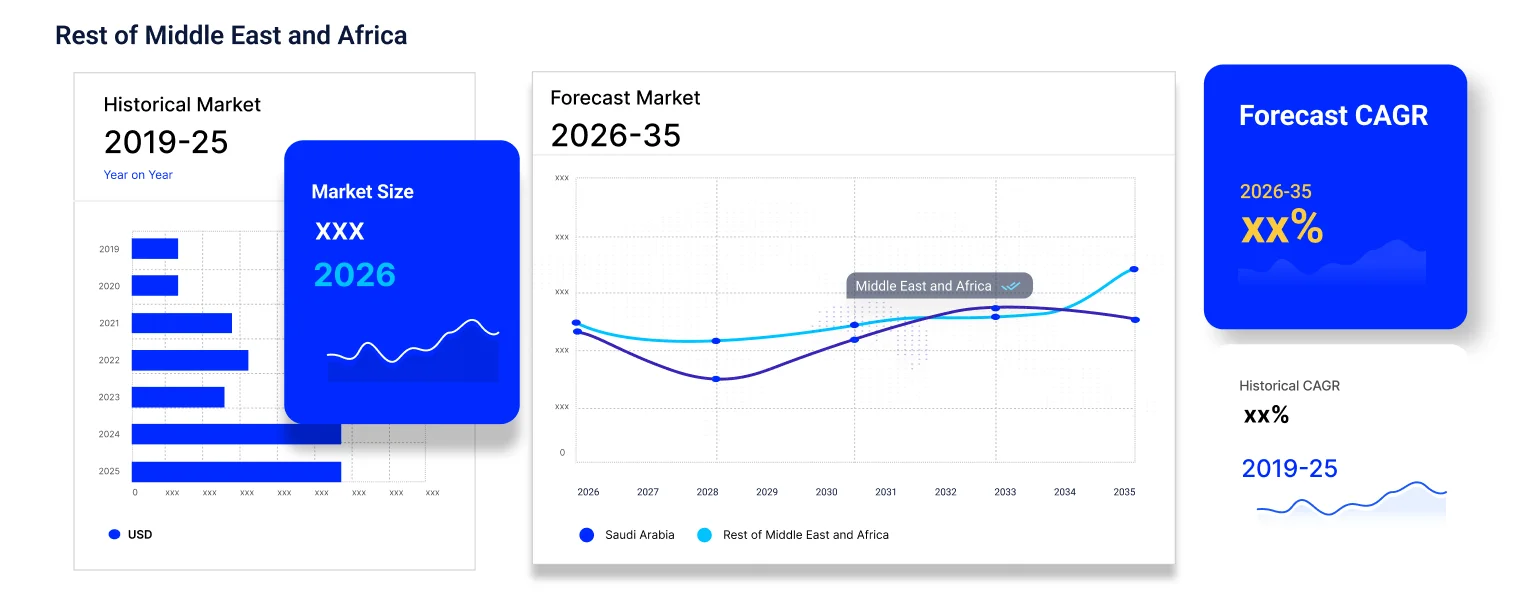
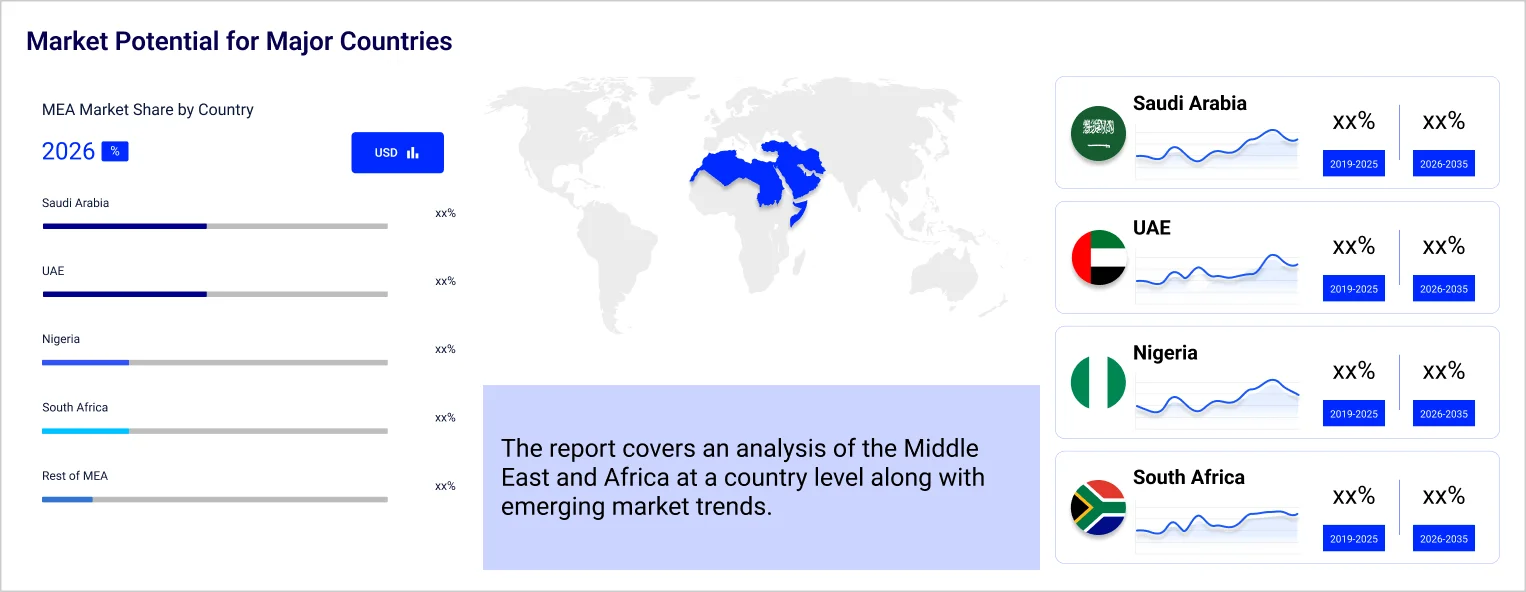
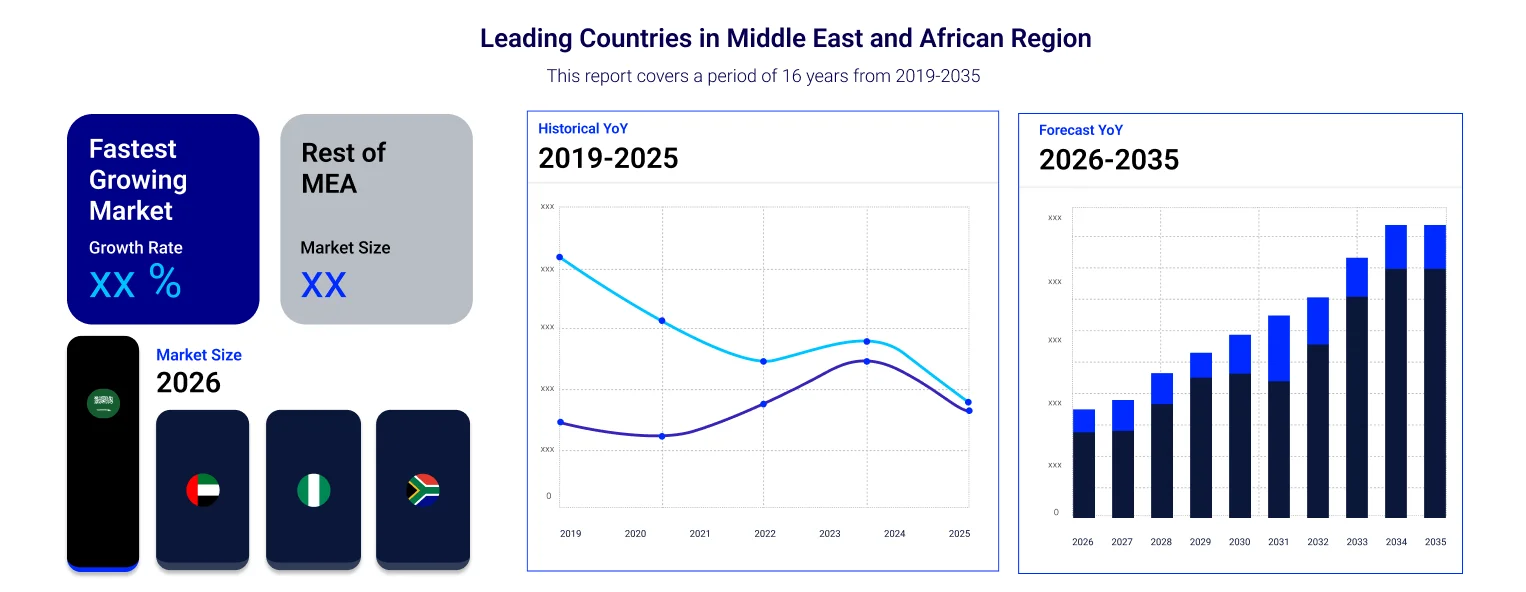
Saudi Arabia is expected to dominate the Middle East antibiotic resistance market owing to its advanced healthcare infrastructure, comprehensive antimicrobial stewardship programs, and sustained investment in pharmaceutical localization under Vision 2030. As per Abdullah A. Alshehri et al., 2025, implementation of antimicrobial stewardship programs has expanded substantially across Saudi healthcare institutions, improving appropriate antibiotic utilization and strengthening resistance management. Furthermore, the Saudi Ministry of Health continues to promote pharmaceutical manufacturing partnerships and healthcare investments that enhance access to innovative anti-infective therapies. From a macroeconomic perspective, robust public healthcare expenditure, expanding domestic pharmaceutical production, and strategic localization initiatives strengthen supply-chain resilience and reinforce Saudi Arabia's leadership in the regional antibiotic resistance market.
The key features of the market report include patent analysis, funding and investment analysis, and strategic initiatives by leading players. The major companies in the market are as follows:
AbbVie Inc. is a global biopharmaceutical company with a growing anti-infectives portfolio focused on addressing antimicrobial resistance through innovative therapeutics. The company leverages extensive research capabilities, strategic collaborations, and global commercialization expertise to strengthen its presence in infectious disease treatment while maintaining leadership across immunology, oncology, neuroscience, and aesthetics.
Merck KGaA is a leading science and technology company operating across healthcare, life science, and electronics. Its life science division supports antimicrobial resistance research through advanced laboratory technologies, diagnostics, and microbiology solutions, while its healthcare business contributes to infectious disease management, enabling pharmaceutical innovation and precision medicine worldwide.
Pfizer Inc. is one of the world's largest pharmaceutical companies with a strong portfolio of anti-infective medicines and vaccines. The company continues to invest in novel antibiotics, antimicrobial stewardship initiatives, and strategic partnerships aimed at combating drug-resistant bacterial infections while expanding access to innovative therapies across developed and emerging healthcare markets.
Roche Holding Ltd. is a global healthcare leader combining pharmaceuticals with advanced diagnostics. Its diagnostic platforms play a critical role in the rapid detection of resistant pathogens, supporting targeted antimicrobial therapy and antimicrobial stewardship. Roche's integrated approach strengthens clinical decision-making and enhances outcomes in the management of infectious diseases.
Other key players in the market include Nutreco N.V., Biofy Technologies, Tabuk Pharmaceutical Manufacturing Company, Wockhardt Limited, Paratek Pharmaceuticals, Inc., Seres Therapeutics, Inc.
*Please note that this is only a partial list; the complete list of key players is available in the full report. Additionally, the list of key players can be customized to better suit your needs.*
The market report offers a detailed analysis of the market based on the following segments:
Market Breakup by Disease
The market is segmented by disease into complicated urinary tract infections (cUTI), acute bacterial skin and skin structure infections (ABSSSI), hospital-acquired bacterial pneumonia (HABP), community-acquired bacterial pneumonia (CABP), bloodstream infections (BSI), complicated intra-abdominal infections (cIAI), Clostridioides difficile infection (CDI), and others. Complicated urinary tract infections account for the largest market share owing to the increasing prevalence of multidrug-resistant Gram-negative pathogens and high hospitalization rates.
Market Breakup by Pathogen
The market is segmented by pathogen into Escherichia coli, Staphylococcus aureus, Klebsiella pneumoniae, Pseudomonas aeruginosa, Acinetobacter baumannii, Streptococcus pneumoniae, Enterococcus faecium, Haemophilus influenzae, Clostridioides difficile, and others. Klebsiella pneumoniae represents the leading segment due to the growing incidence of carbapenem-resistant infections and substantial healthcare-associated disease burden across the region.
Market Breakup by Drug Class
The market is segmented by drug class into cephalosporins, carbapenems, fluoroquinolones, tetracyclines, aminoglycosides, oxazolidinones, lipoglycopeptides, and others. Carbapenems dominate the market owing to their broad-spectrum activity and critical role in treating multidrug-resistant Gram-negative pathogens, including carbapenem-resistant Klebsiella pneumoniae, Acinetobacter baumannii, and Pseudomonas aeruginosa.
Market Breakup by Distribution Channel
The market is segmented by distribution channels into hospital pharmacies, retail pharmacies, and online pharmacies. Hospital pharmacies account for the largest share due to the predominance of inpatient treatment for severe resistant infections, availability of specialized antimicrobial therapies, and strict antimicrobial stewardship programs implemented within tertiary healthcare facilities.
Market Breakup by Region
The market is segmented by region into Saudi Arabia, the United Arab Emirates, Nigeria, South Africa, and others. Saudi Arabia leads the regional market owing to advanced healthcare infrastructure, greater surveillance of antimicrobial resistance, increasing investment in infectious disease management, and widespread implementation of national antimicrobial stewardship initiatives.


Upto 15% Off
USD
$4299 $3869
$2699 $2429
$5799 $4949
$6999 $5949


*While we strive to always give you current and accurate information, the numbers depicted on the website are indicative and may differ from the actual numbers in the main report. At Expert Market Research, we aim to bring you the latest insights and trends in the market. Using our analyses and forecasts, stakeholders can understand the market dynamics, navigate challenges, and capitalize on opportunities to make data-driven strategic decisions.*
Explore our key highlights of the report and gain a concise overview of key findings, trends, and actionable insights that will empower your strategic decisions.
| REPORT FEATURES | DETAILS |
| Base Year | 2025 |
| Historical Period | 2019-2025 |
| Forecast Period | 2026-2035 |
| Scope of the Report |
Historical and Forecast Trends, Industry Drivers and Constraints, Historical and Forecast Market Analysis by Segment:
|
| Breakup by Disease |
|
| Breakup by Pathogen |
|
| Breakup by Drug Class |
|
| Breakup by Distribution Channel |
|
| Breakup by Region |
|
| Market Dynamics |
|
| Supplier Landscape |
|
| Companies Covered |
|
Single User License
One User
USD 4,299
USD 3,869
tax inclusive*
Datasheet
One User
USD 2,699
USD 2,429
tax inclusive*
Five User License
Five User
USD 5,799
USD 4,949
tax inclusive*
Corporate License
Unlimited Users
USD 6,999
USD 5,949
tax inclusive*
*Please note that the prices mentioned below are starting prices for each bundle type. Kindly contact our team for further details.*
Flash Bundle
Small Business Bundle
Growth Bundle
Enterprise Bundle
*Please note that the prices mentioned below are starting prices for each bundle type. Kindly contact our team for further details.*
Flash Bundle
Number of Reports: 3
20%
tax inclusive*
Small Business Bundle
Number of Reports: 5
25%
tax inclusive*
Growth Bundle
Number of Reports: 8
30%
tax inclusive*
Enterprise Bundle
Number of Reports: 10
35%
tax inclusive*
How To Order

Select License Type
Choose the right license for your needs and access rights.

Click on ‘Buy Now’
Add the report to your cart with one click and proceed to register.

Select Mode of Payment
Choose a payment option for a secure checkout. You will be redirected accordingly.
Strategic Solutions for Informed Decision-Making
Gain insights to stay ahead and seize opportunities.

Get insights & trends for a competitive edge.

Track prices with detailed trend reports.

Analyse trade data for supply chain insights.

Leverage cost reports for smart savings

Enhance supply chain with partnerships.

Connect For More Information
Our expert team of analysts will offer full support and resolve any queries regarding the report, before and after the purchase.
Our expert team of analysts will offer full support and resolve any queries regarding the report, before and after the purchase.
We employ meticulous research methods, blending advanced analytics and expert insights to deliver accurate, actionable industry intelligence, staying ahead of competitors.
Our skilled analysts offer unparalleled competitive advantage with detailed insights on current and emerging markets, ensuring your strategic edge.
We offer an in-depth yet simplified presentation of industry insights and analysis to meet your specific requirements effectively.




