

Consumer Insights
Uncover trends and behaviors shaping consumer choices today
Procurement Insights
Optimize your sourcing strategy with key market data
Industry Stats
Stay ahead with the latest trends and market analysis.
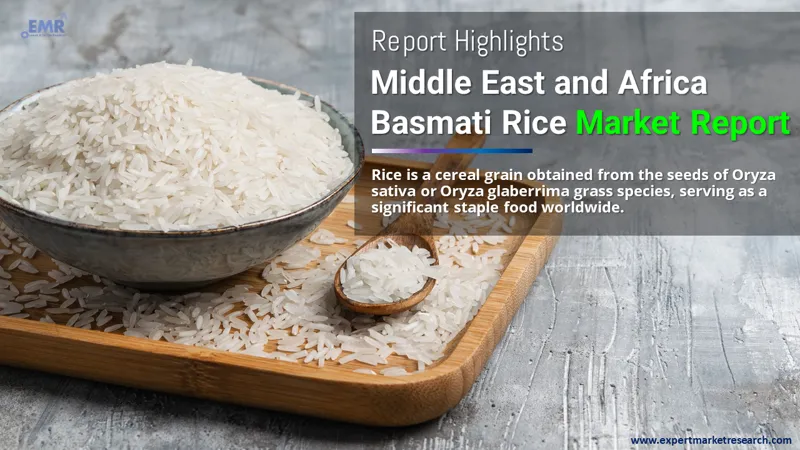
The Middle East and Africa basmati rice market attained a value of USD 11.50 Billion in 2025 and is projected to expand at a CAGR of 2.10% through 2035. The market is further expected to achieve USD 14.16 Billion by 2035. Increased investment into premium hospitality infrastructure, expansion in airline catering services, and organization of food retail networks are increasing demand for traceable aged high-aroma basmati rice varieties within the market.
According to Arab News, Saudi Arabia retained its position as the world's largest basmati rice importer in April 2026 trade commentary, accounting for over a fifth of Indian shipments. The kingdom's appetite for premium long-grain aromatic rice continued to anchor MEA market value, with Indian and Pakistani exporters competing for share through quality, aging, and brand-driven differentiation strategies.
As reported by Business Recorder, the Rice Exporters Association of Pakistan (REAP) confirmed in March 2026 it is targeting expanded basmati shipments into Saudi Arabia and Iran. The trade body cited improved SPS compliance and new commercial channels as routes to grow Pakistani share of GCC and Iranian basmati demand, complementing rising African and Chinese non-basmati offtake.
Urbanization and shifts in consumer diets are shaping purchasing trends in the Middle East and Africa basmati rice market. First, there is the growing number of quick service restaurants in the region that are focusing on serving South Asian dishes. Operators of these restaurants are preferring branded basmati rice with consistent elongation and aroma for improving menu quality. Second, the market observes growth in private label retail programs within the region, as supermarkets are sourcing their basmati rice from local brands in India and Pakistan. This approach allows them to increase margins and offer premium-quality basmati rice varieties to wealthy consumers.
The Middle East and Africa basmati rice market witnesses a surge in institutional demand for premium rice varieties because of increasing sourcing relationships between the region's leading food service establishments and South Asia's exporters. For instance, in January 2026, LT Foods strengthened global footprint, targeting double-digit FY26 growth through exports, expansion, and branding initiatives. Companies are further introducing vacuum-sealed premium basmati rice packages owing to the increased consumption of this variety in Saudi Arabia and the United Arab Emirates. The consumption is expected to be further enhanced by growing migrant workers and upscale fine dining Indian and fusion restaurants in cities like Dubai, Riyadh, and Doha.
A significant development in the Middle East and Africa basmati rice market is noticed with the increasing preference of branded basmati rice by institutions. Buyers are looking forward to sourcing basmati rice that is not only free from pesticides but also sustainably produced. Furthermore, institutions are expressing their interest in acquiring rice whose origins can be traced through QR-based packaging system. For example, in March 2026, LT Foods launched limited-edition Daawat Saffron Basmati Rice, targeting premium consumers with distinctive flavor experiences.
Compound Annual Growth Rate
2.1%
Value in USD Billion
2026-2035
Read more about this report - REQUEST FREE SAMPLE COPY IN PDF
Rice Master Global made a strategic move to extend its presence in East Africa by optimizing its basmati rice supply chain network and enhancing access to the market. Such developments provide Middle East and Africa basmati rice market opportunities for businesses to consider local distribution collaborations and increase market reach within the fast-developing African economies.
The industry saw a growing demand for health-oriented basmati rice types with low glycemic values and high consumer appeal. This industry trend provided opportunities for businesses to develop health-oriented rice products that would attract health-conscious customers across the Middle East and Africa regions.
Supple Tek offered high-end Indian basmati rice offerings at the Gulfood 2026 event focusing on premium quality and growth through export. Developments such as these illustrate opportunities available to businesses that could make use of international trade expos to boost their brand and enter into regional distribution deals.
The NCRI launched eight new improved varieties of crops with the aim of improving productivity and sustainability. These examples show how firms in the Middle East and Africa basmati rice market can partner with institutions conducting research to cultivate better and more resilient varieties of basmati rice.
The fast-growing development of luxury hospitality infrastructure in the Gulf region is boosting an unprecedented surge in institutional purchases of high-quality basmati rice variants. The current Middle East and Africa basmati rice market trend towards purchasing aged long-grain rice with consistent aroma and elongation properties by hotels, airline catering services, and fine dining restaurant chains is being observed. Diversification of tourism in Saudi Arabia through Vision 2030 is driving foreign hotel chain investments in the country, thereby boosting purchases from foodservice distributors. In the UAE, the hospitality segment associated with tourism growth through Expo events is continuously growing in terms of premium South Asian cuisine offerings. For example, in May 2026, Zeeba launched Sona Masoori and HMT Kolam varieties, expanding premium rice offerings and global reach.
Regulatory and traceability considerations are becoming significant factors that influence procurement strategies in the Middle East and Africa basmati rice market. Traceability measures and pesticide residue inspections in imported rice classes are gaining importance in Gulf Cooperation Council countries. Leading rice exporting firms are accordingly developing QR technology-based traceability programs, electronically-monitored milling plants, and certified storage systems in order to obtain longer-term import orders. For example, in August 2024, FAO and Codex advanced international food standards discussions, supporting rice quality, safety, trade, and consumer protection.
Supermarket chains operating in the Middle East and Africa basmati rice market are actively developing their own portfolios of basmati rice for better profitability and increased consumer loyalty. The leading supermarket chains are cooperating with South Asian producers to develop unique formulations, packaging options, and pricing strategies catering to middle-class customers. Currently, such an approach can be observed in the UAE, Qatar, and South Africa with continued penetration of organized retail operations in these countries. In July 2025, Kenya approved 500,000 metric tons of duty-free white rice imports, boosting regional supply and trade.
Food security programs are being promoted through collaboration with exporters, including India and Pakistan, accelerating the Middle East and Africa basmati rice market expansion. Food imports and warehousing of the staple food items in sufficient volumes is expected to increase and enhance supply chain resilience amid geopolitical uncertainty. The UAE and Saudi Arabia governments are also focusing on developing sustainable food supply systems with advanced storage infrastructure and logistics capabilities. For example, in July 2025, UAE strengthened food innovation through public-private partnerships, advancing resilient supply chains, local production, and sustainable food ecosystems.
Alterations in consumer lifestyle and higher job opportunities in urban areas are boosting the need for easily available basmati rice products in metropolitan areas of the Middle East and Africa. Microwaveable rice packets, flavored basmati varieties, and instant premium rice products are being produced for young customers and families. The segment is gradually becoming popular among convenience stores, online grocery delivery services, and aircraft caterers. Leveraging such trends in the Middle East and Africa basmati rice market, in July 2025, Mars Incorporated launched premium ready-to-eat rice products from the Ben’s Original product line in selected retail outlets in the Middle East. Retailers are importing portion-controlled aromatic rice products to address increased consumer demand for high-quality grains that require minimal preparation.
Read more about this report - REQUEST FREE SAMPLE COPY IN PDF
The Expert Market Research's report titled “Middle East and Africa Basmati Rice Market Report and Forecast 2026-2035” offers a detailed analysis of the market based on the following segments:
Market Breakup by Form
Key Insight: The reason why raw basmati rice continues to experience high demand in the Middle East and Africa basmati rice market is its strong aroma, ease of cooking, and excellent presentation qualities. On the other hand, parboiled rice is becoming popular among retailers and institutional purchasing agents for its durability, economical nature, and high-level storage performance. While raw rice is significantly valued in luxury dining establishments, airlines, and catering services, parboiled rice assists in catering mass marketing and consumption needs. Exporters are using various strategies for creating differences between these two varieties, such as custom packaging, grain aging, fortification, and moisture management. For example, Panchamrutha Industries launched fortified rice, enhancing nutritional value, food security, and public health outcomes in May 2026.
Market Breakup by Country
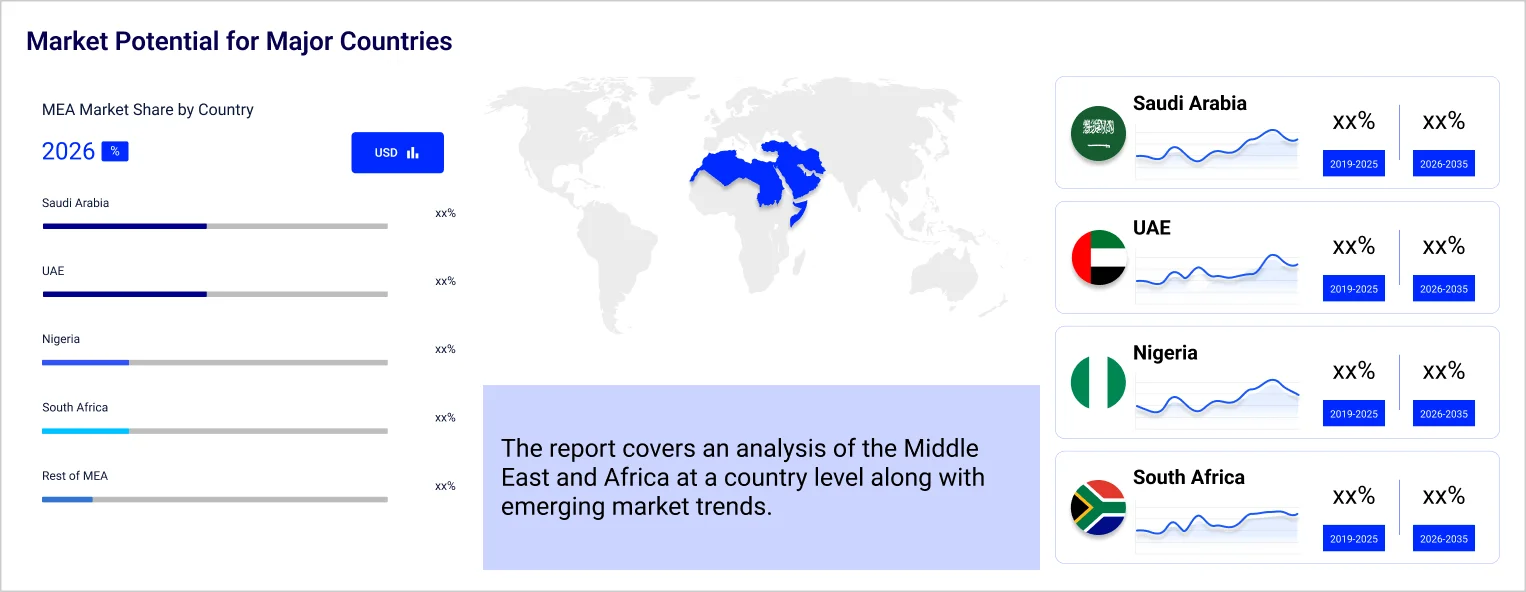
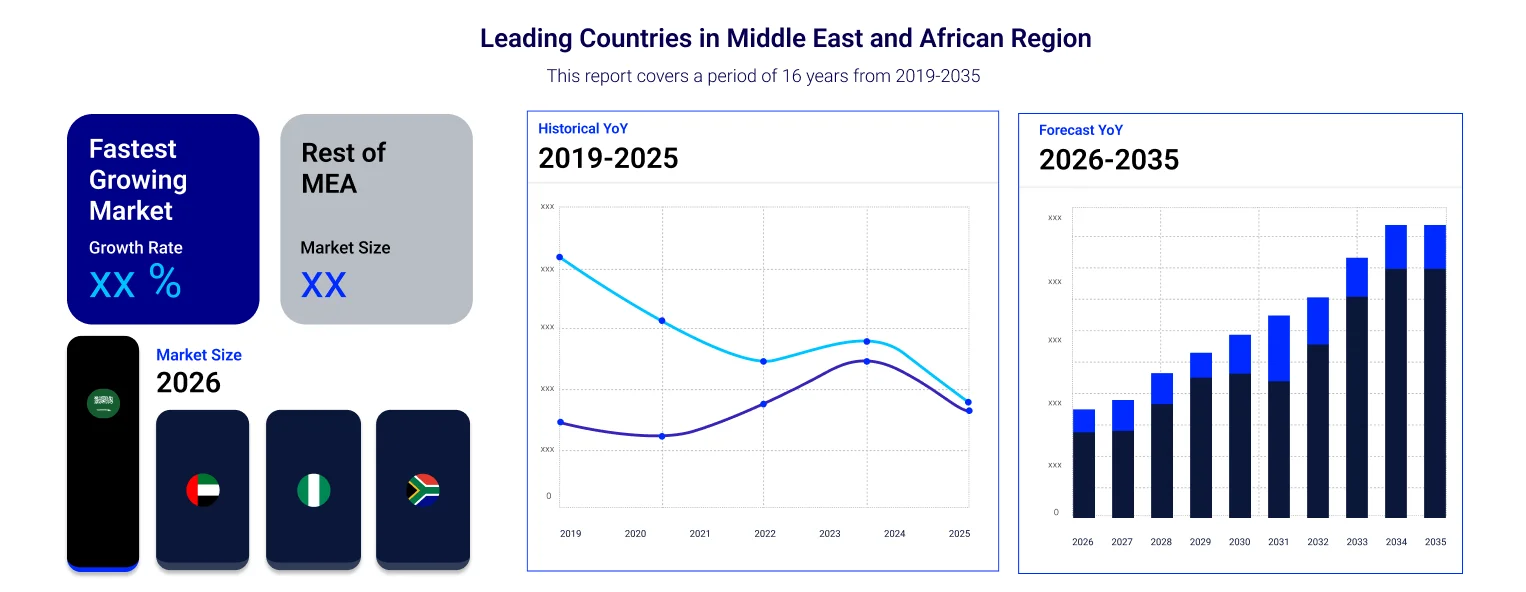
Key Insight: As per the Middle East and Africa basmati rice market report, demand in Iran is becoming more consistent due to established consumption practices of rice at household levels and increasing preference for fragrant imported rice varieties. In Saudi Arabia, hospitality-related procurement practices and bulk institutional consumption ensure its dominance. UAE continues to grow rapidly with the help of tourism, development of upscale retail outlets, and convenient purchasing habits. Iraq ensures its market growth with increased urban food distribution operations and increasing imports of packaged rice. Kuwait remains one of the key premium consumption markets for imported aromatic rice. Demand in other regional markets is gradually growing due to organized retail, foodservice development, and private-label packaged rice.
Read more about this report - REQUEST FREE SAMPLE COPY IN PDF
By form, raw basmati accounts for the dominant share of the market due to premium aroma and versatility
The increasing consumption of raw basmati rice significantly contributes to the Middle East and Africa basmati rice market revenue since hospitality businesses favor its superior elongation and post-cooking aromatic characteristics. In Saudi Arabia, the UAE, and Kuwait, there is an increased preference for aged raw rice that can be used as biryani rice and in high-quality rice dishes in commercial kitchens. Efforts are being made to improve polishing techniques and packaging systems to ensure consistency in grain quality during transport. In August 2024, Crown Basmati Rice launched Diet Rice, promoting healthier eating with lower-calorie, wellness-focused rice solutions.
Parboiled basmati rice is fast becoming popular among buyers within Africa and the Middle East owing to an increase in demand for rice that lasts long and is easy to store, with little grain breakage. The Middle East and Africa basmati rice market observes an increased preference among large-scale distributors and governmental food acquisition organizations for parboiled rice varieties since they survive long periods in transport and under moist conditions. In addition, retailers are adding parboiled rice to their product range in response to the demands by families with lower economic status who require cooking convenience. Fortified parboiled rice products are also being made available on the market.
Read more about this report - REQUEST FREE SAMPLE COPY IN PDF
Saudi Arabia accounts for the leading market position due to expanding premium foodservice infrastructure rapidly
Saudi Arabia is identified as the dominating regional player in the Middle East and Africa basmati rice market owing to substantial consumption in the hospitality industry, religious tourism, and large-scale caterings. The market witnesses increased purchases of aged premium basmati rice by premium hotels, hotel chains, and institutions for a diversified food menu in the region. An ever-increasing expatriate community in the country is another reason that sustains demand for rice from household consumers. There is increased collaboration between importers and suppliers of basmati rice from India and Pakistan to ensure consistency in the quality of grains imported. For example, in October 2025, GRM Overseas expanded its 10X Basmati Rice brand into Saudi Arabia, strengthening regional distribution and market presence.
The overall basmati rice consumption is rapidly growing in the UAE on account of growing tourism, establishment of high-end supermarkets, and increasing demand for cooked foods. Food service operators are expanding their menus to include diverse cuisines, such as South Asian and fusion dishes, increasing the demand for premium aromatic rice varieties. Retailers are also making efforts in increasing shelf space for premium basmati rice to cater to the demand from health-conscious consumers and expatriates. Advanced technologies are being used for storage of grains, while there is increasing use of e-commerce websites for selling rice. In November 2025, Gautam Rice strengthened UAE presence with premium 1121 Basmati Rice, expanding regional distribution and brand recognition.
The competitiveness among the Middle East and Africa basmati rice market players is intensifying rapidly due to the trend of premiumization, enhanced traceability of rice shipments, grain customization according to buyer requirements, and improved supply chain management. Leading producers are working on integrating automation into the rice milling process, using specialized aroma-preserving packs, and incorporating QR code-based traceability solutions to foster ties with retail chains and institutions.
In addition, Middle East and Africa basmati rice companies are seeking to establish long-term contracts with hospitality organizations, airline caterers, and hypermarkets operating in Gulf nations. Differentiation via aged rice products, fortified rice varieties, and cooking-ready options offers lucrative prospects for expanding revenue base. The producers are also improving regional warehousing capacity. Sustainable procurement practices and residue-free rice collections provide new opportunities to meet ever-evolving food safety standards. Partnerships with contemporary retailers and e-grocery platforms facilitate promotion of premium rice brands within urban centers in the Middle East and Africa region.
Adani Group was founded in 1988 with its headquarters based in Gujrat, India. The company specializes in integrated logistics services, ports, and agri supply chain operations, supporting the Middle East and Africa basmati rice market growth. Their facilities and export capabilities assist the sellers of basmati rice in ensuring that the shipment of their product is done efficiently and with optimal use of transportation channels to Gulf and African regions.
Supple Tek Pvt. Ltd. was founded in 2013 and has its headquarters in Punjab, India. This organization is dedicated to exporting custom basmati rice to buyers from the Middle East countries. Supple Tek places emphasis on high-end sorting processes of the grain, moisture-controlled packaging, and manufacturing facilities for private label requirements for distributors operating in premium markets.
LT Foods Limited was incorporated in the year 1990 and has its headquarters in Gurugram, India. The company is well-known for its Daawat range of branded basmati rice, catering to high-end hospitality, air catering and organized retail segments. LT Foods Limited is constantly working on improving traceability methods and aging of rice, thereby propelling demand in the Middle East and Africa basmati rice market.
Kohinoor Foods Ltd. was founded in 1989 and is headquartered in India. The company serves regional demand by supplying premium aromatic rice through supermarkets, wholesale channels, and institutional food service providers. Its focus on consistent grain quality, advanced processing technologies, export-grade standards, and efficient packaging solutions has helped strengthen its market presence and competitiveness across domestic and international markets.
Other key players in the market include Saif International Limited, among others.
*Please note that this is only a partial list; the complete list of key players is available in the full report. Additionally, the list of key players can be customized to better suit your needs.*
Unlock the latest insights with our Middle East and Africa basmati rice market trends 2026 report. Discover regional growth patterns, consumer preferences, and key industry players. Stay ahead of competition with trusted data and expert analysis. Download your free sample report today and drive informed decisions in the market.


Upto 15% Off
USD
$2499 $2249
$3999 $3599
$4999 $4249
$5999 $5099


*While we strive to always give you current and accurate information, the numbers depicted on the website are indicative and may differ from the actual numbers in the main report. At Expert Market Research, we aim to bring you the latest insights and trends in the market. Using our analyses and forecasts, stakeholders can understand the market dynamics, navigate challenges, and capitalize on opportunities to make data-driven strategic decisions.*
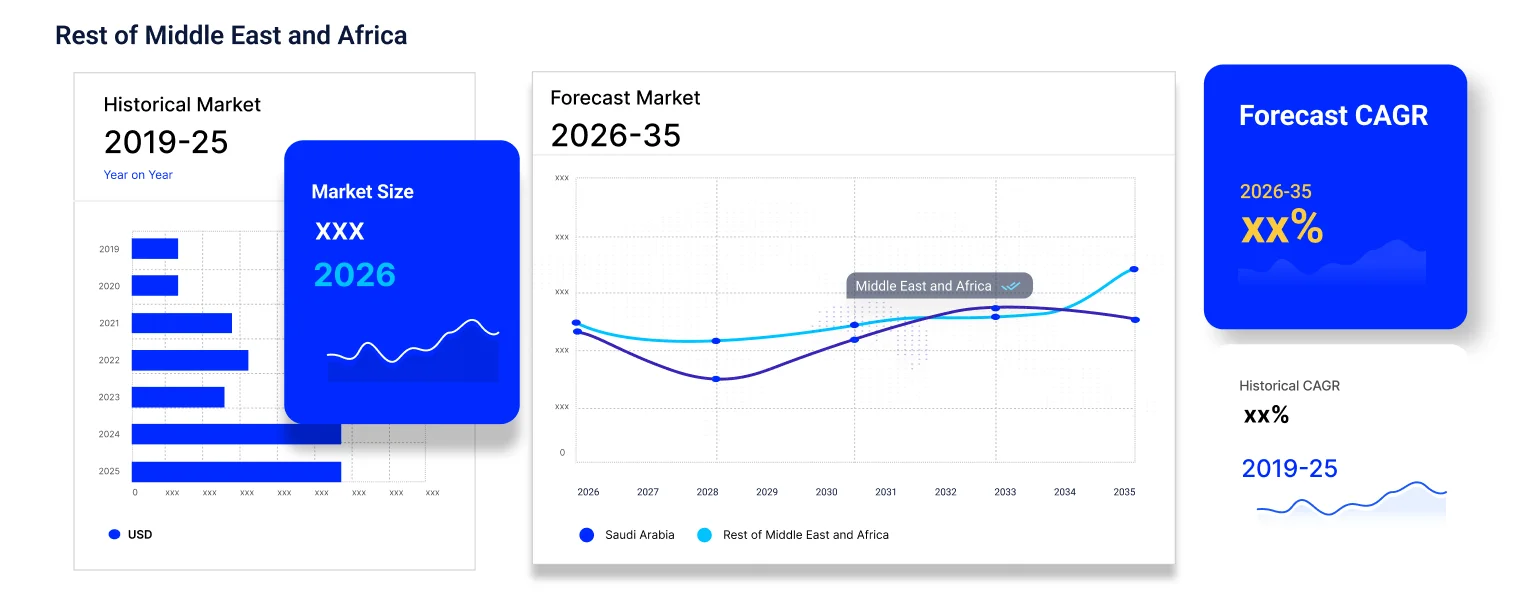
The market is projected to grow at a CAGR of 2.10% between 2026 and 2035.
The major basmati rice consuming countries in the Middle East and Africa market are Iran, Saudi Arabia, the UAE, Iraq, and Kuwait, among others.
The major drivers of the market include the global increase in the number of rice consumers, thriving food industry, rising disposable incomes, and growing awareness about high nutritional value of rice.
The emerging e-commerce sector in the region owing to the growing expansion of major online-retail giants and increasing imports of the rice variety are the key trends guiding the growth of the market.
Raw and parboiled are the major forms of product included in the market.
The key players in the market are Adani Group, Supple Tek industries Pvt ltd., L.T. Food Limited, Kohinoor foods Ltd, and Saif International Limited, among others.
In 2025, the Middle East and Africa basmati rice market reached an approximate value of USD 11.50 Billion.
The market is expected to witness a healthy growth rate during the forecast period of 2026-2035 to reach a value of USD 14.16 Billion by 2035.
Explore our key highlights of the report and gain a concise overview of key findings, trends, and actionable insights that will empower your strategic decisions.
| REPORT FEATURES | DETAILS |
| Base Year | 2025 |
| Historical Period | 2019-2025 |
| Forecast Period | 2026-2035 |
| Scope of the Report |
Historical and Forecast Trends, Industry Drivers and Constraints, Historical and Forecast Market Analysis by Segment:
|
| Breakup by Form |
|
| Breakup by Region |
|
| Market Dynamics |
|
| Competitive Landscape |
|
| Companies Covered |
|
| Report Price and Purchase Option | Explore our purchase options that are best suited to your resources and industry needs. |
| Delivery Format | Delivered as an attached PDF and Excel through email, with an option of receiving an editable PPT, according to the purchase option. |
Datasheet
One User
USD 2,499
USD 2,249
tax inclusive*
Single User License
One User
USD 3,999
USD 3,599
tax inclusive*
Five User License
Five User
USD 4,999
USD 4,249
tax inclusive*
Corporate License
Unlimited Users
USD 5,999
USD 5,099
tax inclusive*
*Please note that the prices mentioned below are starting prices for each bundle type. Kindly contact our team for further details.*
Flash Bundle
Small Business Bundle
Growth Bundle
Enterprise Bundle
*Please note that the prices mentioned below are starting prices for each bundle type. Kindly contact our team for further details.*
Flash Bundle
Number of Reports: 3
20%
tax inclusive*
Small Business Bundle
Number of Reports: 5
25%
tax inclusive*
Growth Bundle
Number of Reports: 8
30%
tax inclusive*
Enterprise Bundle
Number of Reports: 10
35%
tax inclusive*
How To Order

Select License Type
Choose the right license for your needs and access rights.

Click on ‘Buy Now’
Add the report to your cart with one click and proceed to register.

Select Mode of Payment
Choose a payment option for a secure checkout. You will be redirected accordingly.
Strategic Solutions for Informed Decision-Making
Gain insights to stay ahead and seize opportunities.

Get insights & trends for a competitive edge.

Track prices with detailed trend reports.

Analyse trade data for supply chain insights.

Leverage cost reports for smart savings

Enhance supply chain with partnerships.

Connect For More Information
Our expert team of analysts will offer full support and resolve any queries regarding the report, before and after the purchase.
Our expert team of analysts will offer full support and resolve any queries regarding the report, before and after the purchase.
We employ meticulous research methods, blending advanced analytics and expert insights to deliver accurate, actionable industry intelligence, staying ahead of competitors.
Our skilled analysts offer unparalleled competitive advantage with detailed insights on current and emerging markets, ensuring your strategic edge.
We offer an in-depth yet simplified presentation of industry insights and analysis to meet your specific requirements effectively.




