

Consumer Insights
Uncover trends and behaviors shaping consumer choices today
Procurement Insights
Optimize your sourcing strategy with key market data
Industry Stats
Stay ahead with the latest trends and market analysis.
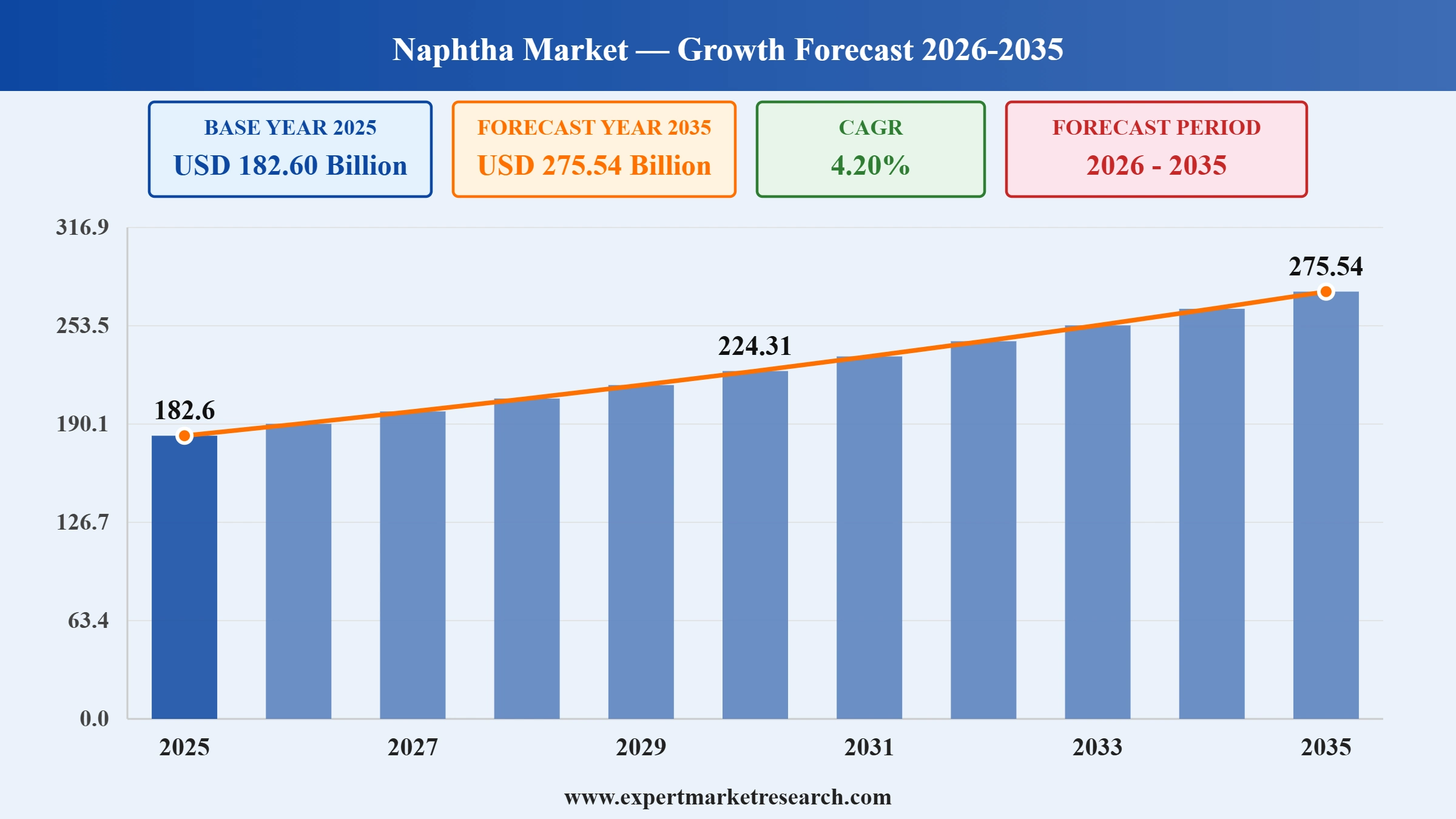
The global naphtha market was valued at USD 182.60 Billion in 2025. The industry is expected to grow at a CAGR of 4.20% during the forecast period of 2026-2035 to reach a value of USD 275.54 Billion by 2035.
Growth in the naphtha market is driven by innovative use-cases in low-emission fuels, petrochemicals, and bio-naphtha blends. As countries transition towards energy diversification, naphtha is surfacing as a flexible feedstock that aligns with industrial decarbonisation plans. According to industry reports, in financial year 2023, the consumption volume of naphtha was the highest in March 2023 amounting to nearly 1.2 million metric tons. India has also launched a strategic naphtha-blending initiative within its National Bio-Energy Programme to curb refinery emissions by a significant extent.
Saudi Aramco has also initiated pilot projects to convert surplus natural gas into naphtha-based fuels via advanced hydrocracking techniques. These projects, supported under the Kingdom’s Vision 2030 reforms, aim to balance feedstock flexibility, boosting the naphtha market export value. Meanwhile, South Korea is repurposing naphtha into synthetic aviation fuels through catalytic pyrolysis, a process co-funded by the Ministry of Industry and Mineral Resources.
The naphtha market is increasingly becoming B2B-focused, with downstream manufacturers demanding cleaner variants, digital traceability, and carbon scoring of shipments. Companies are exploring naphtha as a hydrogen carrier in decentralised fuel-cell grids. This shift is opening new opportunities for private-public collaboration, especially in Asia Pacific and the Middle East regions. While conventional uses in ethylene production remain constant, stakeholders are transitioning toward circular value chains where naphtha is no longer a fuel but used as a transitional chemical.
Read more about this report - REQUEST FREE SAMPLE COPY IN PDF
ExxonMobil acquired multiple cargoes of naphtha for its recently opened petrochemical complex in southern China. In the short term, the new facility is expected to boost Asian naphtha refining margins, which are already bolstered by slower Russian supply, and increase demand for the petrochemical feedstock.
In order to increase the efficiency of light olefin production and reduce CO2 emissions per metric tonne of olefin produced, Honeywell revealed a revolutionary new naphtha to ethane and propane (NEP) process.
Russia surpassed UAE to become India's top naphtha supplier, accounting for 37% of India's naphtha imports in January-September 2023.
S-Oil Shaheen project aims to build petrochemical facilities for S-Oil Corp, the Korean unit of Saudi Arabian Oil Co, involving the construction of the world’s biggest naphtha-fed steam cracker.
Governments are pushing bio-naphtha as a viable drop-in fuel, transforming the naphtha value chain. For example, Neste Oil, produces and sells renewable naphtha commercially to corporate clients. NExBTL renewable naphtha can be utilised as a biocomponent for petrol and as a feedstock for the production of bioplastics. EU-funded "BIO-TIC" programmes are enabling smaller refineries to retrofit existing naphtha crackers to handle renewable feedstock. This shift supports cross-sectoral partnerships, especially in the automotive and packaging industries. As mandates on plastic origin tighten, bio-naphtha is expected to become a regulatory lever as well as a competitive differentiator, especially in markets like France, Germany, and Japan, where scope-3 compliance is becoming mandatory.
Asia remains a key driver in global naphtha demand, led by Japan and South Korea’s aggressive expansion in olefins and aromatics production. These are designed to handle flexible feedstocks while enabling faster grade switching in output polymers. Nearly four million kilolitres of naphtha were imported by Japan from other Asian nations in 2022. South Korea was the country that imported the most naphtha, at over 2.1 million kilolitres. Meanwhile, the Indian government has also included advanced naphtha distillation units under its Production-Linked Incentive (PLI) scheme. These initiatives aim to localise high-value downstream manufacturing.
To address carbon transparency, firms are digitising naphtha supply chains using blockchain-led platforms, boosting the overall naphtha market dynamics. For example, Port of Rotterdam has launched a blockchain-led fuel tracing system, with verified carbon lifecycle scores being used in downstream procurement of naphtha-derived chemicals. The initiative feeds into Rotterdam’s Digital Twin program. Similarly, Japan is now mandating real-time digital MRV (Monitoring, Reporting, Verification) systems on all petrochemical imports. This focus on carbon-certified naphtha opens new possibilities for carbon trading, enabling producers to monetise sustainability performance beyond traditional product margins. Firms are also exploring integration of lifecycle emission scores directly into procurement APIs, allowing buyers to auto-select sustainable feedstock at the contract stage.
Naphtha is emerging as an interim hydrogen carrier, owing to its high hydrogen-to-carbon ratio. Unlike pure hydrogen, which requires high-pressure or cryogenic storage, naphtha can be transported using conventional fuel supply chains, reducing upfront infrastructure costs. Researchers in Europe and Asia are developing modular reforming units that can extract hydrogen from light naphtha with minimal emissions. This approach is gaining traction in decentralised power grids and backup energy systems, boosting the naphtha market, especially in regions lacking advanced hydrogen infrastructure. Moreover, blending hydrogen-rich naphtha into existing gas turbines offers a transitional pathway toward cleaner combustion in industrial settings.
High-purity naphtha is being rerouted into specialty chemical applications like pharmaceutical intermediates and electronic-grade solvents, boosting the naphtha market development. With rising demand from the semiconductor sector, particularly in Taiwan and South Korea, these niche use-cases offer better margins and lower exposure to fuel-price volatility. Government support in the form of tax credits for clean-room grade materials in South Korea is also encouraging manufacturers to pursue purity-driven naphtha streams. This segmentation strategy offers a buffer against cyclical downturns in traditional petrochemicals.
The EMR’s report titled “Global Naphtha Market Report and Forecast 2026-2035” offers a detailed analysis of the market based on the following segments:
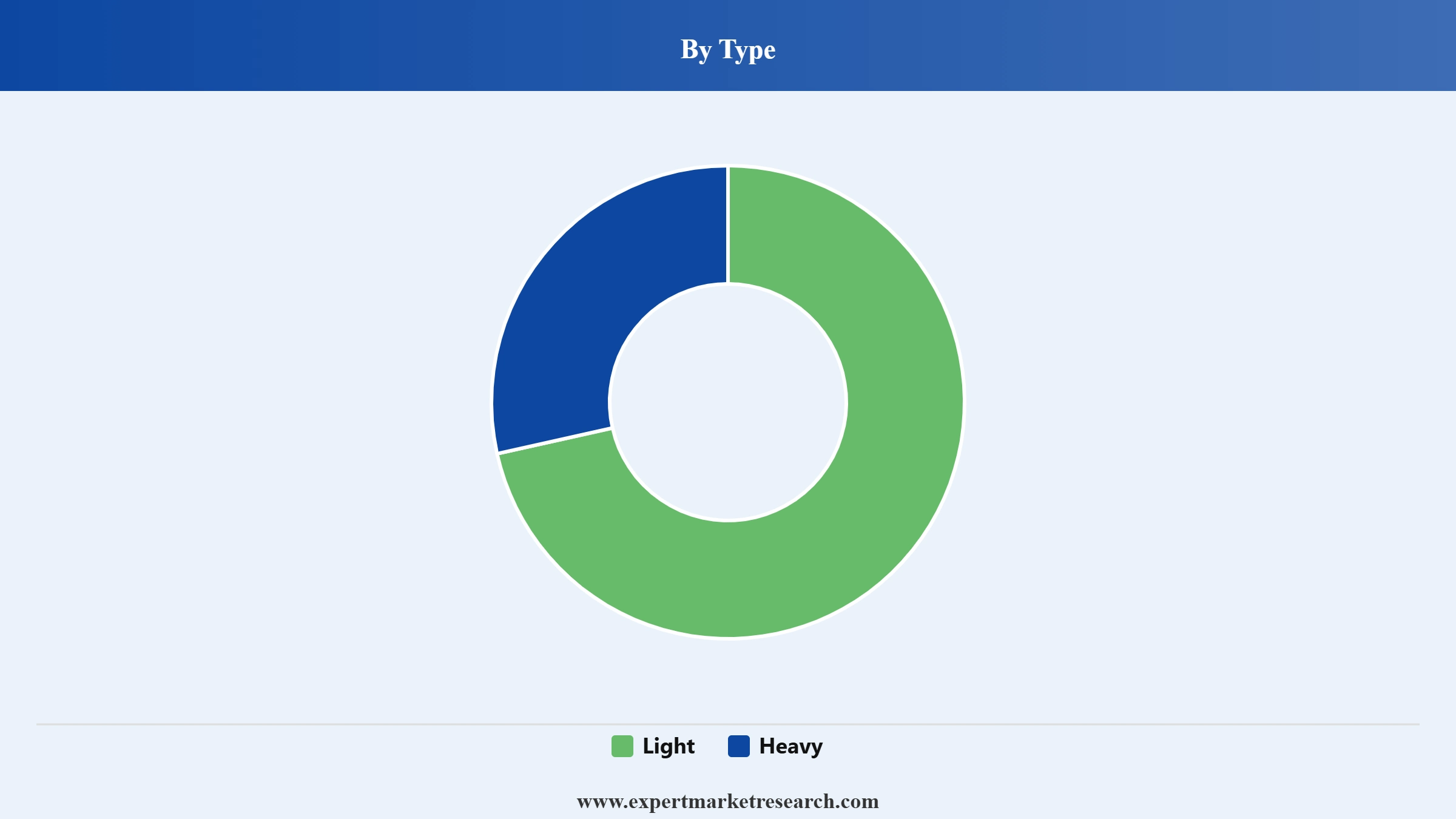
Market Breakup by Type
Key Insight: The global naphtha market is broadly segmented into light and heavy naphtha, each serving distinct and evolving industrial functions. Light naphtha is primarily favoured for its role in petrochemical integration, particularly in steam crackers producing ethylene and propylene. Its higher hydrogen content also makes it suitable for decentralised hydrogen production, aligning with emerging clean energy goals. In contrast, heavy naphtha is gaining momentum through innovations in jet fuel precursors and aromatics production. Advancements in hydrocracking and catalytic reforming technologies are enabling refiners to unlock greater value from heavy naphtha streams, especially in high-performance fuels and chemical derivatives used in aviation and automotive sectors.
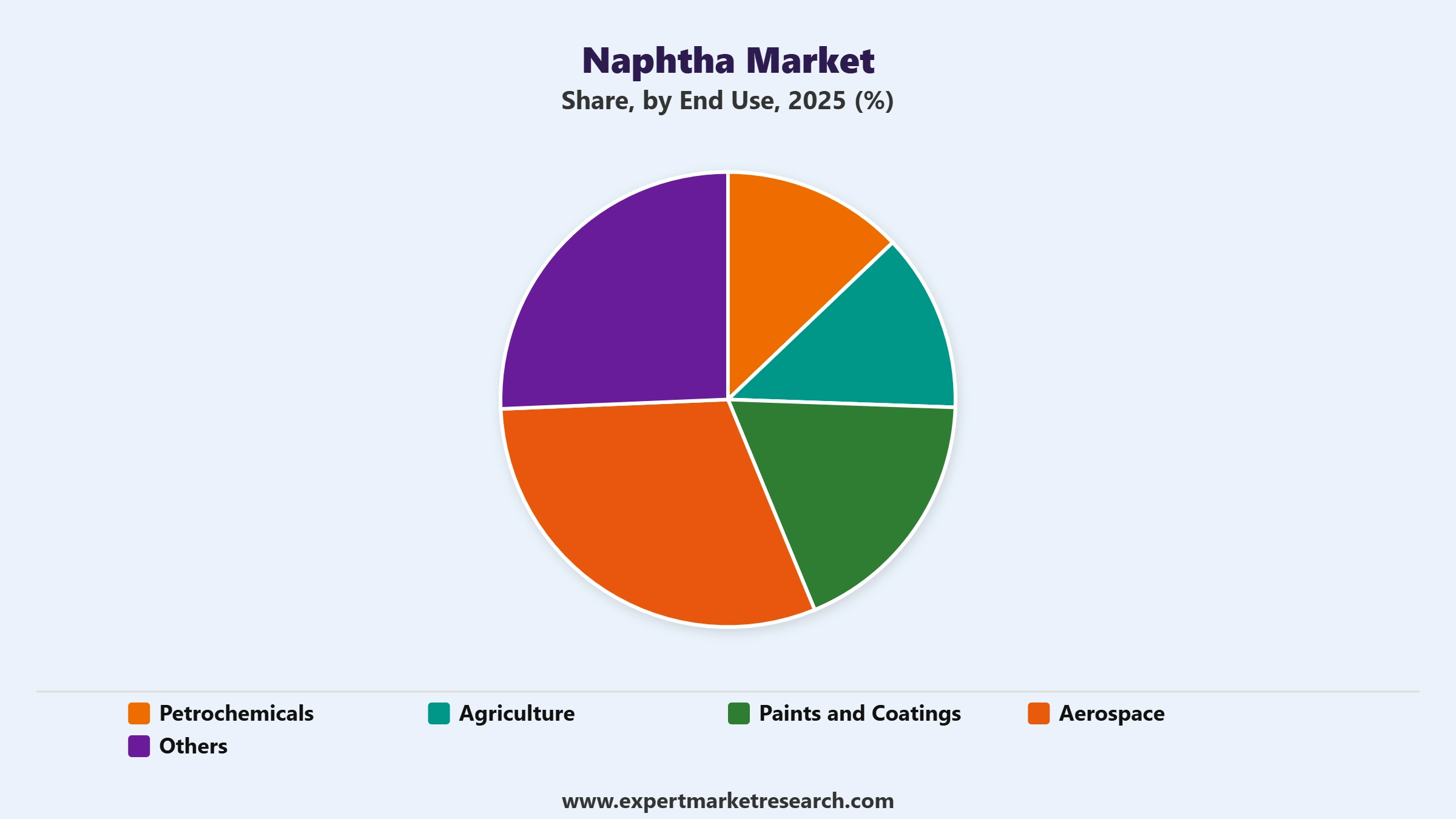
Market Breakup by End Use
Key Insight: Petrochemicals remain dominant in the naphtha market, backed by massive cracker expansions. Agriculture is accelerating due to the bio-naphtha incorporation in fertilisers. Paints and coatings are leveraging naphtha-based solvents for performance upgrades, while aerospace is exploring high-purity naphtha in fuel innovation. The "others" category is also evolving, incorporating battery materials and electronic-grade applications.
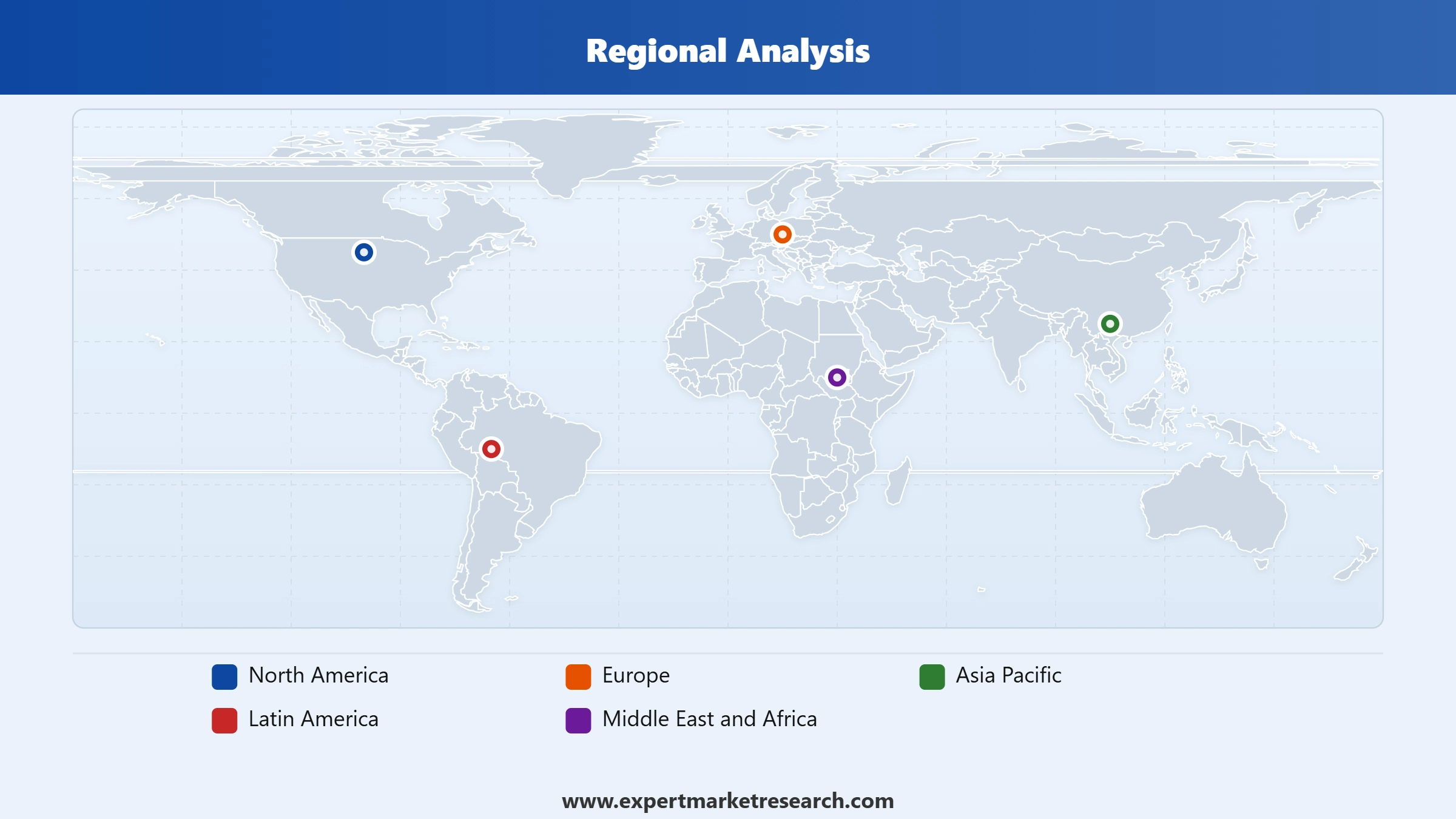
Market Breakup by Region
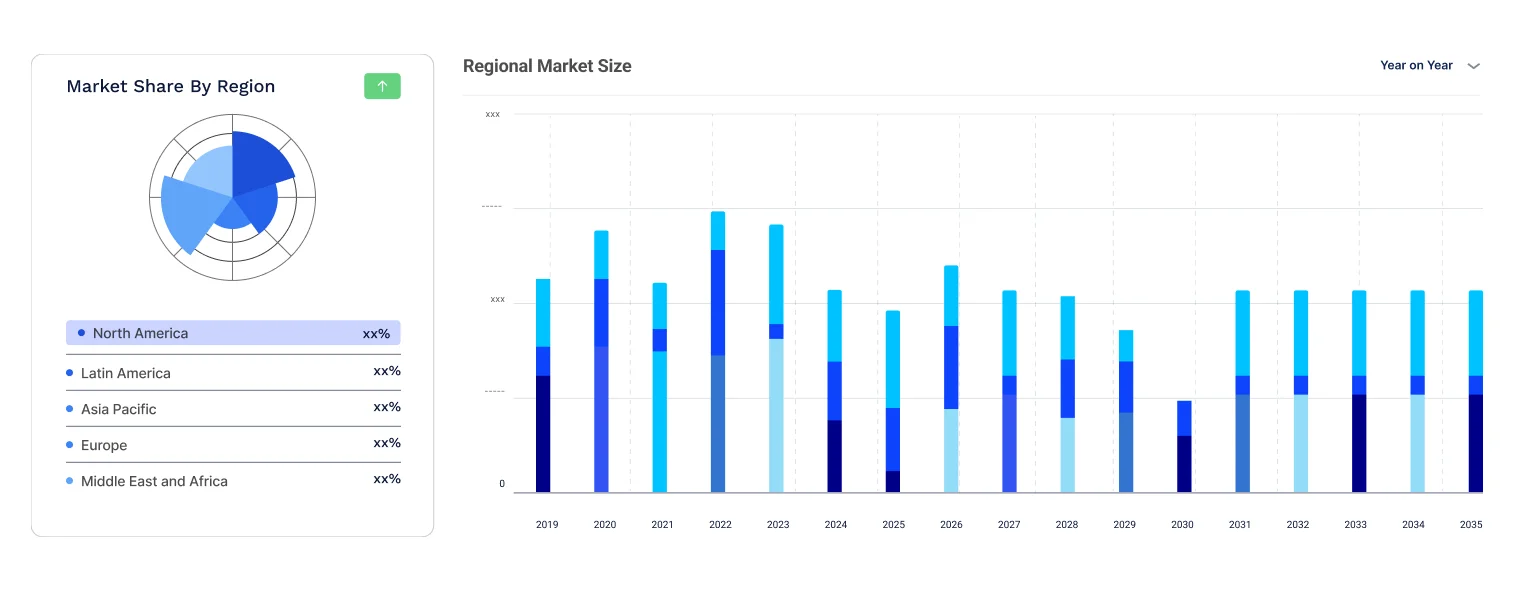
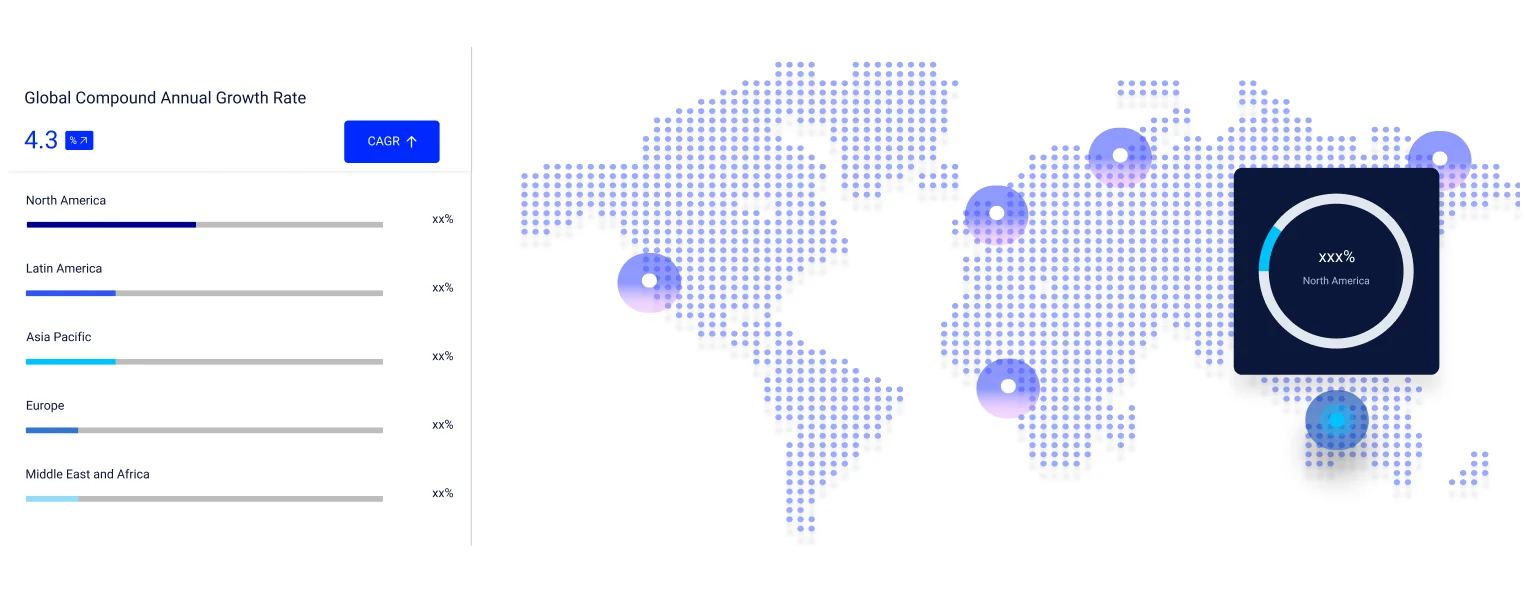
Key Insight: Asia Pacific dominates the naphtha market revenue share due to entrenched downstream industries and rapid capacity expansions. Middle East and Africa are catching up fast with investments in integrated complexes and export linkages. North America maintains steady output, driven by shale-based naphtha exports, while Europe is pivoting towards bio-naphtha integration under its Green Deal. Latin America is revisiting mothballed refineries, aiming to reduce dependency on imports. Each region has its niche be it scale, specialisation, or sustainability alignment.
Read more about this report - REQUEST FREE SAMPLE COPY IN PDF
By Type, Light Naphtha Continues to Dominate the Industry
Light naphtha continues to dominate the naphtha market due to its widespread use in petrochemical steam crackers, where it serves as a primary feedstock for ethylene and propylene. Its higher hydrogen content makes it suitable for reforming into high-octane gasoline components as well. Major refiners across China and India are upgrading their catalytic reformers to handle larger volumes of light naphtha, particularly as vehicle emission standards tighten. Moreover, light naphtha is witnessing growing application in decentralised hydrogen production, particularly across research hubs in Europe.
Read more about this report - REQUEST FREE SAMPLE COPY IN PDF
Heavy naphtha is growing rapidly in the global naphtha industry largely due to rising demand from the automotive and aerospace sectors for high-performance fuels and solvents. Recent investments by Mitsubishi and Saudi Aramco into hydrocracking facilities are tailored to maximise yields from heavy naphtha streams. It is also being prioritised in integrated refinery-petrochemical complexes, where its carbon-rich profile supports aromatics production. Additionally, technological advancements in fluid catalytic cracking (FCC) are improving the conversion rates of heavy naphtha into high-value products.
By End Use, Petrochemicals Secure the Dominant Share of the Global Market Revenue
The petrochemical industry has largely contributed to the growing naphtha demand, particularly in Asia Pacific, where new cracker installations are absorbing unprecedented volumes of the feedstock. Ethylene and propylene output from naphtha has enabled downstream industries like plastics, fibres, and elastomers to flourish. In China and South Korea, integration of naphtha crackers within industrial parks is creating value loops that recycle waste heat and reduce logistics costs. Additionally, governments are incentivising co-processing of bio-naphtha within petrochemical units through tax benefits and R&D subsidies.
Read more about this report - REQUEST FREE SAMPLE COPY IN PDF
Naphtha’s role in agriculture is expanding through its use in fertiliser intermediates, especially amid rising concerns about synthetic urea emissions. This has prompted companies in the naphtha market like Yara International to co-invest in naphtha-fed ammonia plants with low-emission credentials. In India, the Rashtriya Chemicals and Fertilizers Limited (RCF) is blending naphtha with biogenic inputs to create hybrid nutrient solutions.
By Region, Asia Pacific Secures the Leading Position of the Market
Asia Pacific dominates the naphtha market due to sheer consumption volumes in petrochemical and refining sectors. Countries like China, India, and South Korea are constantly expanding capacity to support plastics and chemical manufacturing hubs. Regional trade flows are being restructured as Singapore emerges as a key redistribution point for high-purity naphtha grades. Policy support, such as zero-duty imports on feedstock for export-linked production, is accelerating integration.
Read more about this report - REQUEST FREE SAMPLE COPY IN PDF
The Middle East and Africa are witnessing the fastest growth in terms of naphtha production and export potential. Under Saudi Arabia’s Vision 2030, Aramco is investing in advanced reforming and hydrocracking facilities that prioritise naphtha derivatives. UAE’s ADNOC is also realigning its refining units for higher naphtha output linked to petrochemical off-take agreements. In Africa, Egypt and Nigeria, companies are exploring joint ventures for integrated refining-petrochemical zones. The combination of abundant feedstock, favourable tax structures, and infrastructure funding is propelling the region’s growth. Its export-oriented production is gaining traction, especially among European buyers seeking alternative suppliers amidst geopolitical volatility.
The naphtha market players are exploring circular petrochemical loops and blockchain tagging to attract sustainability-conscious buyers. There is a marked push towards co-processing bio-naphtha and repurposing reformers for hydrogen blending. Strategic alliances between refiners and chemical majors are increasing, especially in Asia Pacific and the Middle East, where new projects are co-funded by sovereign wealth funds.
On the other hand, mid-size naphtha companies are leveraging niche opportunities in electronics-grade or fertiliser-linked applications. Companies are increasingly startegising diversification within boundaries, maintaining core output while aligning with next-gen applications. Stakeholders are also navigating tightening environmental norms and seeking ways to embed ESG metrics into their operations without affecting profit cycles.
Shell Corporation, established in 1907 and headquartered in London, United Kingdom, is advancing its naphtha portfolio via bio-feedstock integration and real-time shipment traceability tools. It collaborates with polymers firms to develop circular chemical platforms.
Chevron Phillips Chemical Company LLC, founded in 2000 and based in Texas, United States, is pioneering digital emission scoring for naphtha cargo. Their blockchain pilot has enabled certified low-carbon batches to reach APAC buyers faster.
Exxon Mobil Corporation, headquartered in Irving, Texas and established in 1882, focuses on modular hydrocracking technologies to optimise naphtha output. The company is co-developing carbon-scored petrochemical supply chains with stakeholders across Europe and Asia.
Mitsubishi Chemical Corporation, founded in 2005 and based in Tokyo, Japan, is investing in ultra-pure naphtha derivatives for electronics and pharma. The company recently upgraded its Mizushima facility to support OLED-grade solvent production.
*Please note that this is only a partial list; the complete list of key players is available in the full report. Additionally, the list of key players can be customized to better suit your needs.*
Other key players in the market are Reliance industries ltd., Saudi Basic Industries Corporation, Formosa Petrochemical Corporation, Petróleos Mexicanos, Sasol Limited, BP PLC, China National Petroleum Corporation (CNPC), and Vitol Group, among others.
Explore the latest trends shaping the Naphtha Market 2026-2035 with our in-depth report. Gain strategic insights, future forecasts, and key market developments that can help you stay competitive. Download a free sample report or contact our team for customized consultation on Naphtha Market trends 2026.
Naphtha Manufacturing Plant Project Report
Bio Naphtha Market


Upto 15% Off
USD
$2499 $2249
$3999 $3599
$4999 $4249
$5999 $5099


*While we strive to always give you current and accurate information, the numbers depicted on the website are indicative and may differ from the actual numbers in the main report. At Expert Market Research, we aim to bring you the latest insights and trends in the market. Using our analyses and forecasts, stakeholders can understand the market dynamics, navigate challenges, and capitalize on opportunities to make data-driven strategic decisions.*
In 2025, the naphtha market reached an approximate value of USD 182.60 Billion.
The market is projected to grow at a CAGR of 4.20% between 2026 and 2035.
The market is estimated to witness a healthy growth in the forecast period of 2026-2035 to reach USD 275.54 Billion by 2035.
Key strategies driving the market include investing in low-carbon upgrades, co-processing renewable inputs, scaling digital traceability, forming downstream alliances, and redesigning product portfolios to enter emerging high-purity and hydrogen-linked application streams in real-time.
Key trends aiding market expansion include the advent of alternative technologies like hydro-pyrolysis of the product, expansion of naphtha trade, and increasing naphtha prices.
Major regions in the market are North America, Latin America, the Middle East and Africa, Europe, and the Asia Pacific.
Light and heavy are the leading types of naphtha.
The major end use sectors of naphtha in the market are petrochemicals, agriculture, paints and coatings, and aerospace, among others.
Naphtha is utilised in cleaning solutions, laundry soaps, and hydrocarbon cracking. It is also used as a fuel for camp stoves.
The key players in the market include Shell Corporation, Chevron Phillips Chemical Company LLC, Exxon Mobil Corporation, Mitsubishi Chemical Corporation, LG Chem, Reliance industries ltd., Saudi Basic Industries Corporation, Formosa Petrochemical Corporation, Petróleos Mexicanos, Sasol Limited, BP PLC, China National Petroleum Corporation (CNPC), and Vitol Group, among others.
The key challenges are fluctuating crude prices, tightening emission norms, and infrastructure adaptation costs.
Explore our key highlights of the report and gain a concise overview of key findings, trends, and actionable insights that will empower your strategic decisions.
| REPORT FEATURES | DETAILS |
| Base Year | 2025 |
| Historical Period | 2019-2025 |
| Forecast Period | 2026-2035 |
| Scope of the Report |
Historical and Forecast Trends, Industry Drivers and Constraints, Historical and Forecast Market Analysis by Segment:
|
| Breakup by Type |
|
| Breakup by End Use |
|
| Breakup by Region |
|
| Market Dynamics |
|
| Competitive Landscape |
|
| Companies Covered |
|
| Report Price and Purchase Option | Explore our purchase options that are best suited to your resources and industry needs. |
| Delivery Format | Delivered as an attached PDF and Excel through email, with an option of receiving an editable PPT, according to the purchase option. |
Datasheet
One User
USD 2,499
USD 2,249
tax inclusive*
Single User License
One User
USD 3,999
USD 3,599
tax inclusive*
Five User License
Five User
USD 4,999
USD 4,249
tax inclusive*
Corporate License
Unlimited Users
USD 5,999
USD 5,099
tax inclusive*
*Please note that the prices mentioned below are starting prices for each bundle type. Kindly contact our team for further details.*
Flash Bundle
Small Business Bundle
Growth Bundle
Enterprise Bundle
*Please note that the prices mentioned below are starting prices for each bundle type. Kindly contact our team for further details.*
Flash Bundle
Number of Reports: 3
20%
tax inclusive*
Small Business Bundle
Number of Reports: 5
25%
tax inclusive*
Growth Bundle
Number of Reports: 8
30%
tax inclusive*
Enterprise Bundle
Number of Reports: 10
35%
tax inclusive*
How To Order

Select License Type
Choose the right license for your needs and access rights.

Click on ‘Buy Now’
Add the report to your cart with one click and proceed to register.

Select Mode of Payment
Choose a payment option for a secure checkout. You will be redirected accordingly.
Strategic Solutions for Informed Decision-Making
Gain insights to stay ahead and seize opportunities.

Get insights & trends for a competitive edge.

Track prices with detailed trend reports.

Analyse trade data for supply chain insights.

Leverage cost reports for smart savings

Enhance supply chain with partnerships.

Connect For More Information
Our expert team of analysts will offer full support and resolve any queries regarding the report, before and after the purchase.
Our expert team of analysts will offer full support and resolve any queries regarding the report, before and after the purchase.
We employ meticulous research methods, blending advanced analytics and expert insights to deliver accurate, actionable industry intelligence, staying ahead of competitors.
Our skilled analysts offer unparalleled competitive advantage with detailed insights on current and emerging markets, ensuring your strategic edge.
We offer an in-depth yet simplified presentation of industry insights and analysis to meet your specific requirements effectively.




