

Consumer Insights
Uncover trends and behaviors shaping consumer choices today
Procurement Insights
Optimize your sourcing strategy with key market data
Industry Stats
Stay ahead with the latest trends and market analysis.
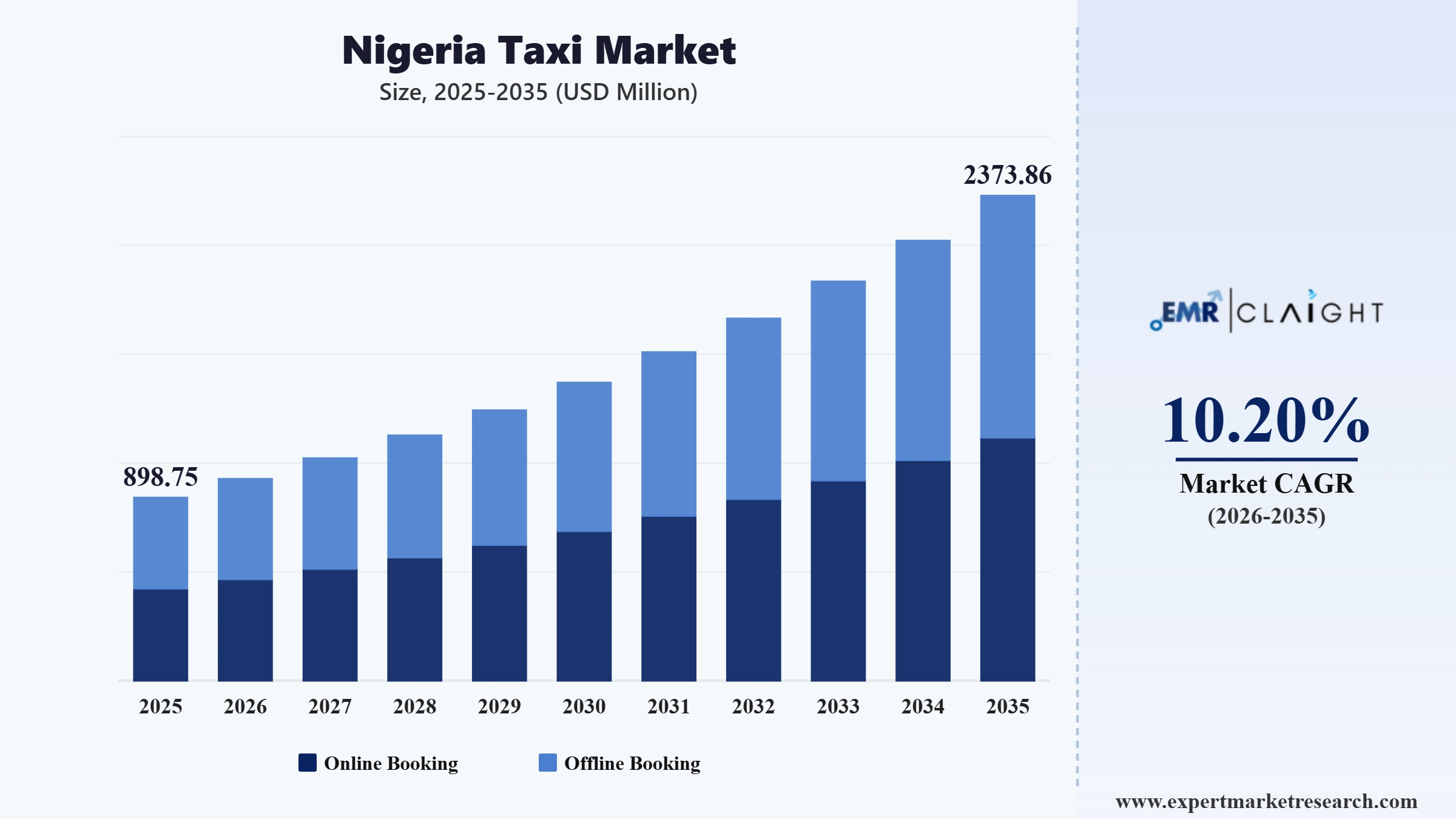
The Nigeria taxi market was valued at USD 898.75 Million in 2025. The market is expected to grow at a CAGR of 10.20% during the forecast period of 2026-2035 to reach a value of USD 2373.86 Million by 2035. The market is increasingly benefiting from government-backed initiatives that promote structured urban mobility, thereby boosting the product demand.
The Nigeria taxi market is being driven by rising urbanization and rapid population growth in major cities, increasing daily commuting needs and demand for reliable transportation solutions. At the same time, the usage of digital technologies, through GPS tracking, fleet management software, and mobile-based booking systems, is empowering the taxi operators to provide safer, efficient, and friendly services to their customers. Companies such as Uber, Bolt, and Ride are using such tools to increase the efficiency of operations, decrease wait times, and optimize routes. All these are contributing to the overall market growth.
The government is working in partnership with the private mobility providers to modernize taxi operations, introduce technology-based solutions, and enhance the quality of services. These alliances play a crucial role in solving congestion issues in towns, standardizing the taxi business, and providing safer commuter experiences. Players in the market are using such partnerships to increase fleet size, launch digital fare collection, and upgrade passenger safety features. The Nigeria taxi market growth is also being supported by investment in smart taxi systems, GPS tracking, and e-hailing integrations to enable long-term expansion of the industry as well as promote formalization of informal taxi networks. CIG Motors partnered with IBILE Holdings and the Lagos State Government to expand the LagRide smart taxi fleet by 5,000 vehicles, combining community-based management with professional taxi operations. This action underscores opportunities for collaborative action in the formation of an enhanced, technology-supported urban transport system.
Read more about this report - REQUEST FREE SAMPLE COPY IN PDF
|
Nigeria Taxi Market Report Summary |
Description |
Value |
|
Base Year |
USD Million |
2025 |
|
Historical Period |
USD Million |
2019-2025 |
|
Forecast Period |
USD Million |
2026-2035 |
|
Market Size 2025 |
USD Million |
898.75 |
|
Market Size 2035 |
USD Million |
2373.86 |
|
CAGR 2019-2025 |
Percentage |
XX% |
|
CAGR 2026-2035 |
Percentage |
10.20% |
|
CAGR 2026-2035 - Market by Booking Type |
Online Booking |
14.6% |
|
CAGR 2026-2035 - Market by Service Type |
Ride Hailing |
11.2% |
|
CAGR 2026-2035 - Market by Vehicle Type |
Motorcycle |
10.8% |
The Mata Zalla cooperative, created by Kano, introduced female-driven electric rickshaws, which offer secure drives around the city and are powered by an application. The program generates employment, empowers female drivers, and increases urban transport choices. The market of three-wheelers is also growing steadily because of increased uptake.
The Nigeria taxi market is expanding, with Saglev starting to assemble 18-seater electric vans in the country with the use of Chinese EV components. The company, which is based in Lagos, targets 2,500 cars per year, increasing the network of the fleet, reducing the cost of operation, and enhancing the scalable usage of clean taxis.
LagRide implemented a vehicle leasing venture that was supported by banks to recruit 10,000 drivers before the holiday season. The program provides flexible payments, insurance, and maintenance cover, and increases fleet size and the availability of services in Lagos.
Green Wheels Taxi, launched by Benue Investment and Property Company, introduced electric and solar-powered vehicles in Makurdi, Gboko, and Otukpo. The initiative is expected to create 1,500 jobs, promote environmentally sustainable mobility, and enhance transport security and efficiency.
The Nigeria taxi market development is influenced by the growing vehicle financing opportunities that make taxis readily available to buy or rent by drivers. Lenders and mobility providers are increasingly providing credit, payment arrangements, and structured leasing contracts as a way to increase car availability and fleet sizes. United Bank of Africa collaborated with LagRide and CIG Motors in December 2025, establishing a USD 100 million financing facility to enable approximately 3,500 drivers to purchase cars.
In the Nigeria taxi market, electric vehicles are being adopted early due to the efforts of operators to find sustainable and economical urban mobility. The use of EVs is expected to lower reliance on fuel, decrease the operation costs, and place the platforms in accordance with environmental regulation. Companies are gradually introducing electric fleets to assess their viability and improve public perception. LagRide introduced 100 electric vehicles to its fleet in September 2025 as part of a wider strategy to electrify thousands of taxis in Lagos and mark the beginning of a greener and more sustainable way of transportation.
The Nigeria taxi market penetration is driven by the new domestic ride-hailing startups that provide local services, which are refined to the urban commuting habits. These firms intensify competition, raise innovation, and offer improved operational support to the drivers. In September 2025, Nigerian developer M-ride introduced a locally built ride-hailing app in Lagos, with driver subscription business models and their safety features specifically tailored to Nigerian drivers and customers.
Investing in driver welfare initiatives is gaining traction, helping retain drivers, stabilize fleet operations, and support the growth trajectory of the Nigeria taxi market. Ride-hailing firms are also offering to pay health coverage, performance bonuses, and loyalty programs to attract and retain drivers. In November 2025, inDrive invested more than 1 billion in driver welfare programs throughout Nigeria by launching healthcare and reward programs. When operators are concerned with the welfare of drivers, they can maintain a high quality of service and guarantee a stable increase in the competitive taxi industry.
In order to meet the growing demand for transportation in metropolitan areas and reduce passenger wait times, the Nigeria taxi market players are becoming highly reliant on fleet expansion. Operators are deploying a significant number of vehicles and enhancing the operations and reliability of services. For example, the LagRide program expanded its fleet in Lagos through a joint venture, adding 5,000 vehicles. Such scale-up enhances market presence, improves customer accessibility, and supports the sustainable development of Nigeria’s organized taxi sector.
The EMR’s report titled “Nigeria Taxi Market Report and Forecast 2026-2035” offers a detailed analysis of the market based on the following segments:
Market Breakup by Booking Type
Key Insight: The Nigeria taxi market has been divided into online and offline reservation systems, with each of them offering individual customer requirements. In Tier-1 cities, online booking is the predominant mode, and applications such as LagRide, Bolt, and inDrive provide commuters an opportunity to request a ride via the application, make payments online, assess the drivers, as well as track their position in real-time and ensure their safety and comfort. The offline booking is also significant in less developed towns, where the passengers use call booking, and taxi stands, as well as local operators. Firms are adopting hybrid systems that blend the online and offline systems, with more companies becoming more accessible and efficient in-service delivery and coverage through increased coverage in urban and rural settings.
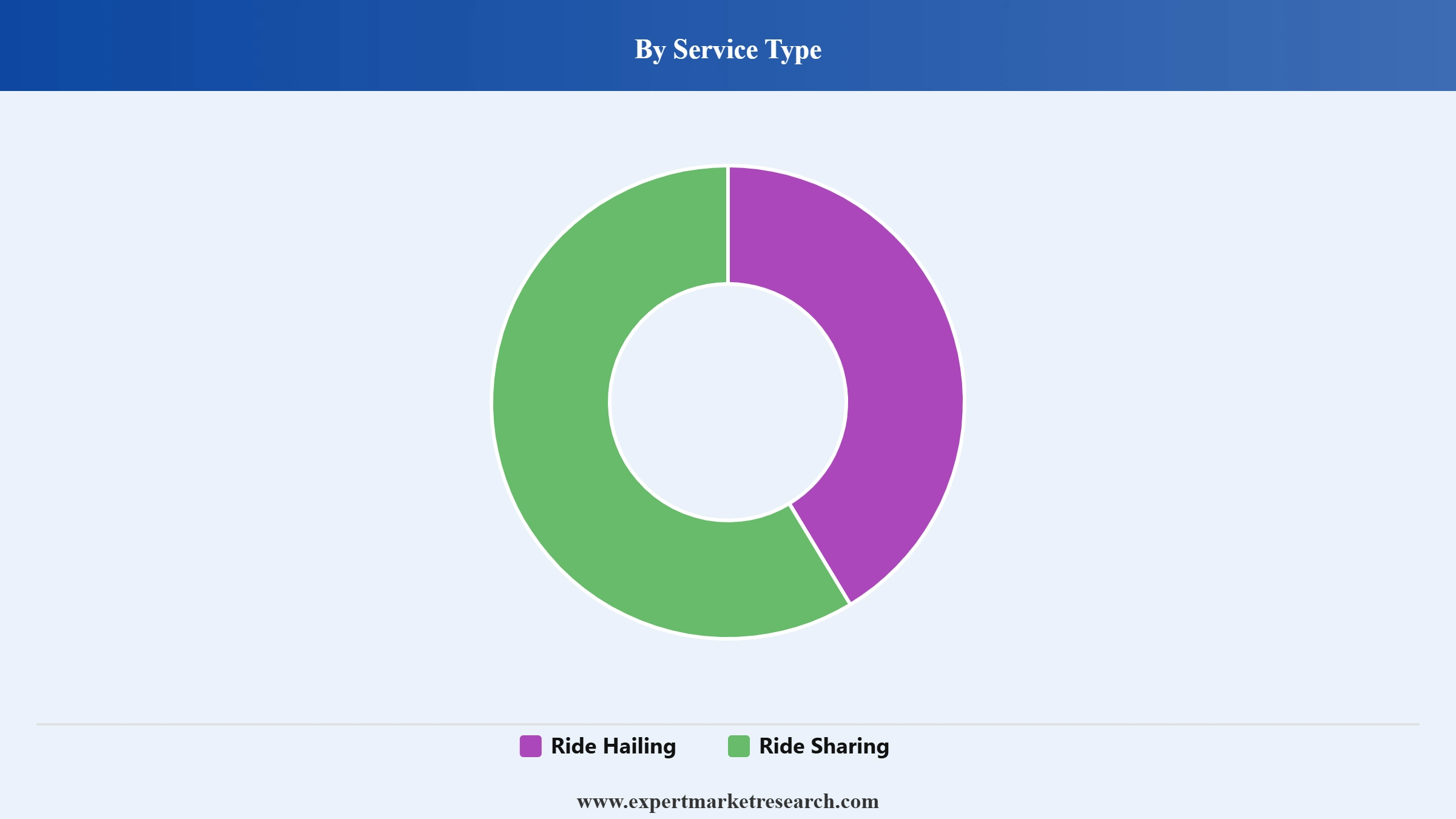
Market Breakup by Service Type
Key Insight: The Nigeria taxi market scope encompasses two main service types including ride-hailing and ride-sharing services, which are adapted to the needs of various commuters. Ride-hailing companies such as Bolt, LagRide, and M-Ride focus on on-demand, personalized mobility solutions, offering flexible pricing, driver support programs, and enhanced safety features. Ride-sharing operators are focused on shared rides, which minimizes the cost for users and road traffic. The market participants constantly optimize the routes, electronic payments, customer loyalty, and driver engagement programs. Both startups and established organizations are increasing the reliability of their services and client experiences, further supporting the market growth.
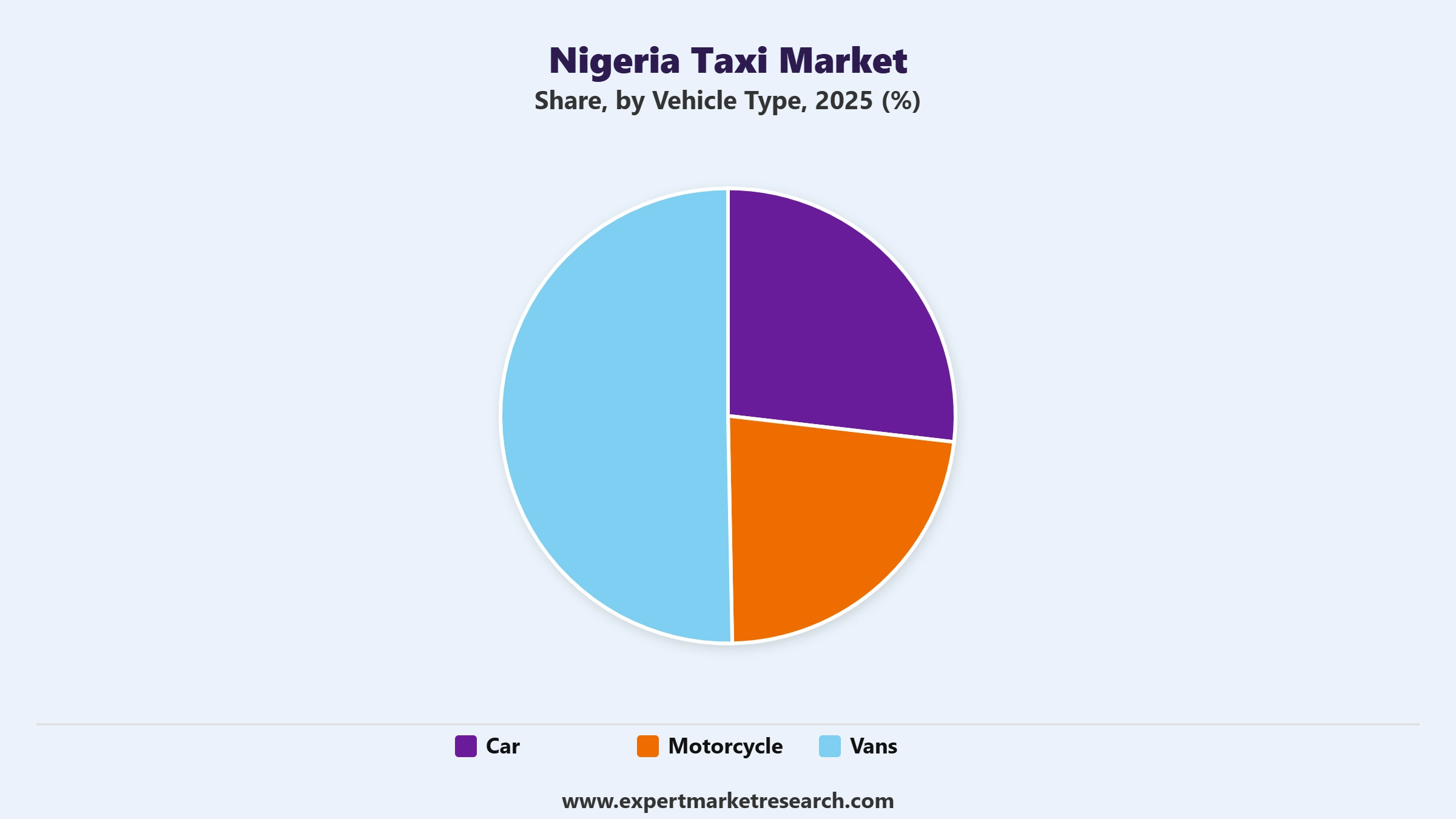
Market Breakup by Vehicle Type
Key Insight: The Nigeria taxi market consists of cars, motorcycles, and vans, all of which provide a unique mobility service to the urban market. Most ride-hailing fleets are primarily car-based, with companies investing in fleet expansion, driver training, and maintenance programs to ensure reliable and consistent taxi services. Motorcycles address last-mile connectivity and short-distance commuting, with startups integrating app-based bookings, structured operations, and enhanced safety features. Vans are used in group travel and ridesharing with greater passenger availability as well as route optimization and scheduled travel. In all segments, the operators are working on fleet renewal, digitalization, and operational support, enhancing the quality of the services and achieving stable availability to the needs of the various passengers.
Read more about this report - REQUEST FREE SAMPLE COPY IN PDF
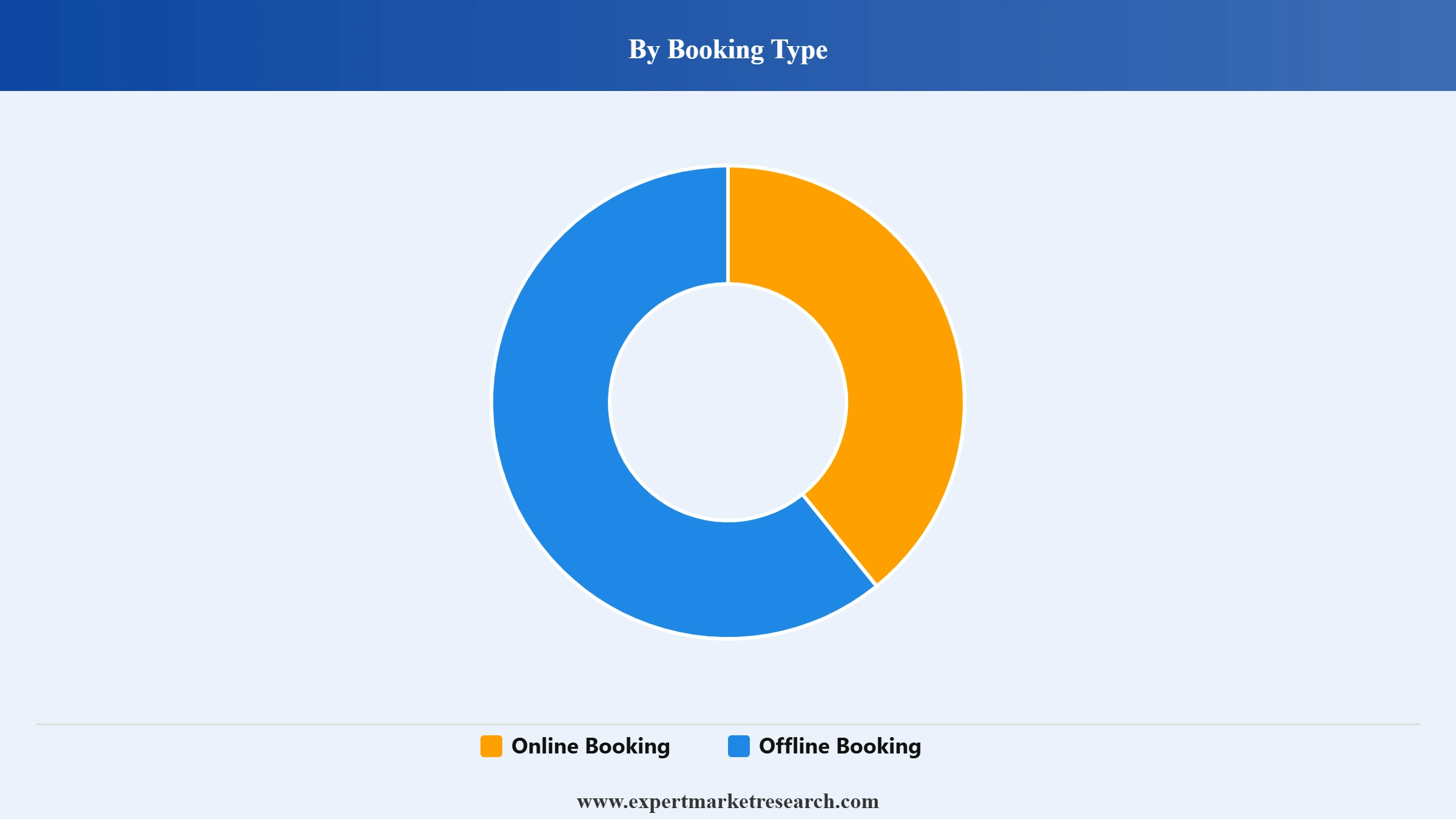
By booking type, online booking shows notable preference driven by convenience and accessibility
The emergence of online taxi-hailing services is contributing significantly to the Nigeria taxi market value by offering commuters cheaper, safer, and more convenient travel choices. Digital booking applications enable passengers to reach drivers quickly, streamline routes, minimize waiting time, and generate income for vehicle owners. Increased convenience and dependability also promote the expanded use of ride-hailing solutions, which contribute to the mobility of cities and economic processes in the country. The launch of the nationwide e-hailing startup Ride, in July 2024, reflects this emerging trend toward innovative, locally tailored mobility solutions.
Read more about this report - REQUEST FREE SAMPLE COPY IN PDF
Offline booking continues to show steady growth in the Nigeria taxi industry, with providers such as ABC Taxi Services and Chariot Cabs offering call center and street-hailing services. These companies emphasize personalized customer service, reliable dispatch systems, and loyalty programs to attract passengers who are less inclined to use mobile apps. Their strategies promote sustained adoption by serving traditional commuters and corporate customers who would like to book directly, so that its offline segment would continue to be a major driver of total growth in the market.
By service, the ride hailing category witnesses steady uptake owing to app-based accessibility
Digitally enabled solutions that have facilitated the linkage of commuters with drivers via mobile applications, have developed the ride-hailing segment within the Nigeria taxi market dynamics. The operators are oriented to convenience, safety, and reliability, providing on-demand rides in cities. This is further supported by startups and government-backed initiatives such as EBOCAB, which operates structured fleets, app-based bookings, and optimized routing of vans and SUVs to efficiently serve passengers, including airport commuters. Companies constantly improve online interfaces, safety measures, and driver control software. Such programs enhance the quality of services, increase access, and entrench the use of ride-hailing in Nigerian cities and small towns.
Read more about this report - REQUEST FREE SAMPLE COPY IN PDF
Conversely, the ride-sharing sector of the Nigeria taxi market is growing, with companies such as Bolt and Uber streamlining the app-based pooling services, providing commuters with lower-cost, convenient, and eco-friendly travel solutions. To enhance efficiency and wait time, providers are using dynamic pricing, in-app safety capabilities, and route-sharing algorithms. These efforts improve the user experience as well as promote the uptake of urban mobility, which leads to a long-term increase in the ride-sharing industry.
By vehicle type, cars dominate the market owing to their suitability for both corporate and urban transportation
Car adoption is steadily increasing in the Nigeria taxi market scope, as companies and startups install electric car solutions for corporate and urban travel. Through mobile applications, operators offer committed fleet leases and ride-on-demand services that enhance efficiency, cost control, and sustainability. Environmental responsibility, reduction of emissions, and operational costs are the primary factors behind adoption, with the support of technology platforms with real-time tracking and analytics. For instance, in April 2025, Cabzero introduced the first all-electric corporate fleet in Nigeria, which depicts how EV projects are enhancing growth in the market and increasing the standards of green mobility.
Read more about this report - REQUEST FREE SAMPLE COPY IN PDF
The motorcycle sector is experiencing gradual expansion, with more firms adopting electric motorbikes to deliver goods in urban regions and transport people around. Other startups, such as TankVolt in collaboration with Swap Station Mobility, are developing EV motorcycles tailored to local road conditions, improving efficiency and reducing operating costs. Established players leverage extensive distribution channels to expand their reach, while smaller operators focus on grassroots adoption through mobile applications and community-based solutions.
Leading Nigeria taxi market players are progressively focusing on developing technology-based solutions to improve the commuter experience. Businesses are investing in electric and hybrid cars, embracing mobile applications to help them book rides easily, and providing a flexible pricing system. Startups are collaborating with local government and funding organizations to increase fleet availability and support infrastructure development and sustainable transportation to drive uninterrupted growth in the market.
Established taxi companies in Nigeria are leveraging innovative business models to expand their reach across broader user segments. Corporate fleets, shared mobility, and subscription-based services are in use to address the various customer needs. Real-time monitoring, digital payment, and monitoring of emissions are being adopted to enhance efficiency, transparency, and trust of users.
Connect Taxi Nigeria Ltd. is a taxi company based in Lagos, Nigeria, that was established in 2015 and provides dependable and affordable taxi services in the major cities of the country. The company concentrates on seamless urban mobility solutions, and it utilizes technology to improve the passenger experience and fleet management.
Uber Technologies, Inc. is a ride-hailing company that was established in 2009 with its headquarters in San Francisco, United States of America. The company operates in Nigeria with localized services, providing convenient on-demand transportation while expanding economic opportunities for drivers.
TimeDrive is a taxi company providing corporate and individual transportation in Nigeria, which was established in Abuja in 2017. The firm focuses on efficiency, safety, and easy booking through apps, which makes the company a competitive player in the ride-hailing industry.
EV Taxi was established in 2020 and is based in Lagos, Nigeria, and concentrates on eco-friendly electric taxi solutions. The company combines green technology and conventional mobility, which provides cost-efficient and environmentally friendly rides to urban commuters.
*Please note that this is only a partial list; the complete list of key players is available in the full report. Additionally, the list of key players can be customized to better suit your needs.*
Other key players operating in the market include Shuttlelane Limited., among others.
Explore the latest trends shaping the Nigeria taxi market 2026-2035 with our in-depth report. Gain strategic insights, future forecasts, and key market developments that can help you stay competitive. Download a free sample report or contact our team for customized consultation on Nigeria taxi market trends 2026.


Upto 15% Off
USD
$2499 $2249
$3999 $3599
$4999 $4249
$5999 $5099


*While we strive to always give you current and accurate information, the numbers depicted on the website are indicative and may differ from the actual numbers in the main report. At Expert Market Research, we aim to bring you the latest insights and trends in the market. Using our analyses and forecasts, stakeholders can understand the market dynamics, navigate challenges, and capitalize on opportunities to make data-driven strategic decisions.*
In 2025, the Nigeria taxi market reached an approximate value of USD 898.75 Million.
The market is projected to grow at a CAGR of 10.20% between 2026 and 2035.
The key players in the market include Connect Taxi Nigeria Ltd., Uber Technologies, Inc., TimeDrive, EV Taxi, and Shuttlelane Limited., among others.
Key strategies driving the market include expanding online and offline booking services, introducing ride-sharing and subscription models, leveraging GPS and fleet management technologies, and offering flexible pricing to attract diverse customer segments.
The major challenges that the Nigeria taxi market players face includes traffic congestion, inconsistent regulatory frameworks, vehicle maintenance costs, driver shortages, and competition from informal transport operators.
Explore our key highlights of the report and gain a concise overview of key findings, trends, and actionable insights that will empower your strategic decisions.
| REPORT FEATURES | DETAILS |
| Base Year | 2025 |
| Historical Period | 2019-2025 |
| Forecast Period | 2026-2035 |
| Scope of the Report |
Historical and Forecast Trends, Industry Drivers and Constraints, Historical and Forecast Market Analysis by Segment:
|
| Breakup by Booking Type |
|
| Breakup by Service Type |
|
| Breakup by Vehicle Type |
|
| Market Dynamics |
|
| Competitive Landscape |
|
| Companies Covered |
|
Datasheet
One User
USD 2,499
USD 2,249
tax inclusive*
Single User License
One User
USD 3,999
USD 3,599
tax inclusive*
Five User License
Five User
USD 4,999
USD 4,249
tax inclusive*
Corporate License
Unlimited Users
USD 5,999
USD 5,099
tax inclusive*
*Please note that the prices mentioned below are starting prices for each bundle type. Kindly contact our team for further details.*
Flash Bundle
Small Business Bundle
Growth Bundle
Enterprise Bundle
*Please note that the prices mentioned below are starting prices for each bundle type. Kindly contact our team for further details.*
Flash Bundle
Number of Reports: 3
20%
tax inclusive*
Small Business Bundle
Number of Reports: 5
25%
tax inclusive*
Growth Bundle
Number of Reports: 8
30%
tax inclusive*
Enterprise Bundle
Number of Reports: 10
35%
tax inclusive*
How To Order

Select License Type
Choose the right license for your needs and access rights.

Click on ‘Buy Now’
Add the report to your cart with one click and proceed to register.

Select Mode of Payment
Choose a payment option for a secure checkout. You will be redirected accordingly.
Strategic Solutions for Informed Decision-Making
Gain insights to stay ahead and seize opportunities.

Get insights & trends for a competitive edge.

Track prices with detailed trend reports.

Analyse trade data for supply chain insights.

Leverage cost reports for smart savings

Enhance supply chain with partnerships.

Connect For More Information
Our expert team of analysts will offer full support and resolve any queries regarding the report, before and after the purchase.
Our expert team of analysts will offer full support and resolve any queries regarding the report, before and after the purchase.
We employ meticulous research methods, blending advanced analytics and expert insights to deliver accurate, actionable industry intelligence, staying ahead of competitors.
Our skilled analysts offer unparalleled competitive advantage with detailed insights on current and emerging markets, ensuring your strategic edge.
We offer an in-depth yet simplified presentation of industry insights and analysis to meet your specific requirements effectively.




