

Consumer Insights
Uncover trends and behaviors shaping consumer choices today
Procurement Insights
Optimize your sourcing strategy with key market data
Industry Stats
Stay ahead with the latest trends and market analysis.
The global nitrile gloves market attained a value of USD 9.45 Billion in 2025 and is projected to expand at a CAGR of 7.40% through 2035. The market is further expected to reach USD 19.30 Billion by 2035. Rising demand for latex-free hand protection across healthcare, food processing, pharmaceutical and industrial settings, combined with tightening workplace safety regulation and a continued shift away from powdered formulations, is pushing hospitals, manufacturers and distributors toward nitrile across every glove type, product format and end-use sector worldwide.
Nitrile gloves cover synthetic acrylonitrile butadiene rubber hand protection manufactured in powdered and powder-free formulations, disposable and durable product formats, and specified across medical, automotive, oil and gas, food and beverage, metal and machinery, chemical and petrochemical, pharmaceutical and cleanroom settings. Adoption has moved well past the pandemic-driven surge that first pushed nitrile into mainstream procurement, settling into a structurally larger baseline than the pre-pandemic market. Latex allergy concerns, superior puncture and chemical resistance, and tightening safety regulation continue to widen the buyer base for the global nitrile gloves market.
Demand is concentrating around manufacturers able to scale output fastest as trade policy reshapes where that capacity sits. In March 2026, Indian manufacturer Wadi Surgicals commissioned a third production line at its Visakhapatnam plant, scaling annual nitrile glove output to support both domestic procurement and export demand as buyers diversify away from Chinese supply amid persistent trade tensions. Expansions of this kind are converting tariff pressure into new manufacturing capacity for the global nitrile gloves market.
Suppliers are converging on a common development direction, widening from commodity examination gloves toward synthetic alternatives that reduce dependence on natural latex feedstock entirely. In August 2026, the chairman of a major Chinese medical device manufacturer discussed the vulnerabilities of global reliance on natural latex gloves during a televised interview, highlighting climate-related supply disruption and latex allergy prevalence among healthcare workers as reasons to scale synthetic nitrile alternatives. Portfolios across the market are being rebuilt around that resilience argument rather than cost alone.
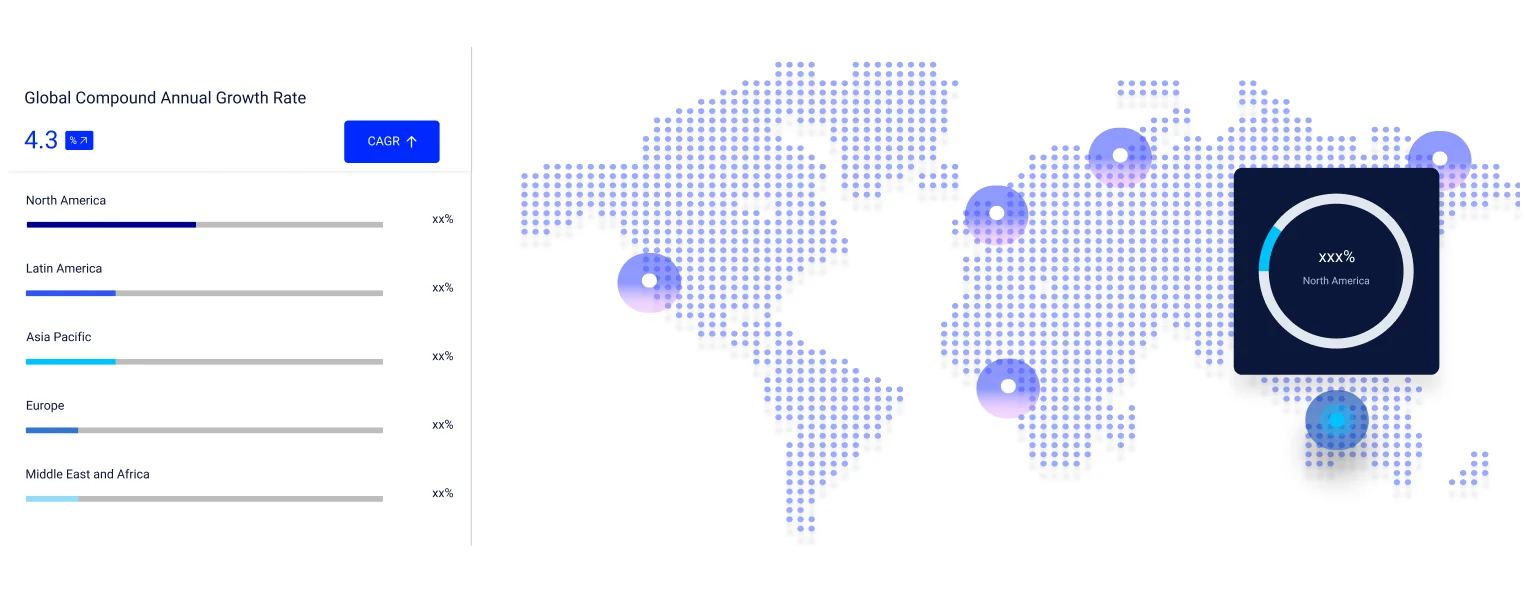
Compound Annual Growth Rate
7.4%
Value in USD Billion
2026-2035
Read more about this report - REQUEST FREE SAMPLE COPY IN PDF
| Global Nitrile Gloves Market Report Summary | Description | Value |
| Base Year | USD Billion | 2025 |
| Historical Period | USD Billion | 2019-2025 |
| Forecast Period | USD Billion | 2026-2035 |
| Market Size 2025 | USD Billion | 9.45 |
| Market Size 2035 | USD Billion | 19.30 |
| CAGR 2019-2025 | Percentage | XX% |
| CAGR 2026-2035 | Percentage | 7.40% |
| CAGR 2026-2035 - Market by Region | Asia Pacific | 8.5% |
| CAGR 2026-2035 - Market by Country | India | 9.8% |
| CAGR 2026-2035 - Market by Country | China | 8.2% |
| CAGR 2026-2035 - Market by Type | Powder Free | 8.1% |
| CAGR 2026-2035 - Market by End-Use | Medical and Healthcare | 8.4% |
| Market Share by Country 2025 | Italy | 2.6% |
Technical layering leads the shift, with buyers combining oil grip, cut resistance, impact protection and touchscreen capability in one glove across the nitrile gloves market. Automotive, oil and gas, and warehousing consume the largest volumes. The market can benefit by consolidating these features into a single certified glove, winning larger contracts while cutting reorder complexity for buyers.
Sharply higher United States tariffs on Chinese-made nitrile examination gloves, lifting rates well above earlier Section 301 levels, are pushing American distributors toward Malaysian and other Southeast Asian producers. The market can gain by scaling Southeast Asian capacity with tariff-free access to the United States, capturing volumes moving away from Chinese supply.
The Malaysian manufacturer cited petrochemical supply disruption from the Middle East conflict, with butadiene prices up nearly 70 percent and now more than half of nitrile latex production cost. The nitrile gloves market can benefit by backward integrating into butadiene and acrylonitrile supply, holding output and margin through feedstock spikes and gaining share as less-integrated producers exit.
The updated ANSI/ISEA 105 edition introduced a standardised pentagon label consolidating abrasion, cut and puncture levels into one marking for distributors and end users across the nitrile gloves market. The market can gain by aligning product marking and specification sheets to the pentagon standard early, positioning gloves as simpler to specify and procure across United States distribution channels.
Glove manufacturers across the nitrile gloves market depend entirely on upstream acrylonitrile butadiene rubber supply, so a capacity constraint at the feedstock stage can throttle downstream glove output regardless of how much dip-molding capacity exists. Feedstock producers are responding by expanding well ahead of confirmed glove-side demand rather than waiting for shortages to appear. In May 2025, ARLANXEO and TSRC inaugurated a relocated and expanded joint venture NBR plant in Nantong, China, raising designed capacity to around 40,000 tons per year to strengthen domestic supply for downstream customers including glove manufacturers.
Nitrile gloves sit further upstream in national supply chains than their unit cost suggests, since semiconductor fabrication, pharmaceutical manufacturing and defence production all depend on a steady glove supply that most importing countries do not produce domestically. Analysis published in May 2026 argued that concentrated overseas control of glove manufacturing, including upstream dependence on feedstock and machinery even at plants located outside the dominant supplying country, leaves buyers exposed regardless of where final assembly occurs. The argument has strengthened calls for direct sourcing agreements and reshoring incentives across the nitrile gloves market's most sensitive sectors.
Government-backed healthcare expansion is increasingly the largest single lever on institutional glove volumes, since new hospital and clinic capacity converts directly into recurring procurement contracts rather than one-off purchases. Centralised procurement and cold-chain logistics investment are extending that demand beyond urban centres into secondary cities. Reported in April 2026, Saudi Arabia's National Unified Procurement Company had begun actively rejecting foreign bids wherever a qualified local alternative exists, enforcing a Made in Saudi prioritisation policy across the centralised government procurement channel that the Kingdom's public hospitals depend on for medical-grade glove supply.
Sustainability claims on gloves across the nitrile gloves market have historically sat outside formal medical clearance, leaving buyers unable to weigh an environmental benefit against clinical safety on equal footing. Regulators are starting to close that gap by clearing biodegradable formulations through the same pathway as conventional medical gloves. That approval route matters commercially, since hospital procurement teams can then specify the biodegradable option without a compliance exception. In April 2026, the SHOWA Group announced FDA clearance of its single-use nitrile gloves as a medical device, positioning the company to produce biodegradable nitrile gloves for medical use with domestic United States manufacturing.
Import concentration has become a formal trade case rather than a background risk factor, as domestic manufacturers across the nitrile gloves market now petition trade authorities directly rather than relying on general tariff schedules to correct sourcing imbalances. Framing the issue as a national security concern changes which government levers a petition can invoke, and success can reshape import economics for every competitor, not just the petitioner. In October 2025, Nephron Nitrile, doing business as American Armor Gloves, submitted comments to the United States Department of Commerce urging a per-glove tariff adjustment on imported medical-grade nitrile examination gloves, citing concentrated foreign sourcing as a security risk.
The Expert Market Research’s report titled "Global Nitrile Gloves Market Report and Forecast 2026-2035" offers a detailed analysis of the market based on the following segments:
Market Breakup by Type
Key Insight: Powder free holds the leading share of the nitrile gloves market, driven by regulatory restrictions on powdered formulations in medical settings and buyer preference for reduced allergy and contamination risk. Powdered gloves form the smaller and shrinking category, retaining limited use in select industrial tasks where donning speed still outweighs contamination concerns and medical-grade restrictions do not apply. Buyers increasingly treat powder-free specification as the default rather than a premium choice, narrowing the powdered category to a shrinking set of non-clinical, speed-sensitive tasks.
Market Breakup by Product
Key Insight: Disposable nitrile gloves account for the largest product share of the nitrile gloves market, reflecting single-use protocols across healthcare, food handling and cleanroom environments where cross-contamination risk rules out reuse. Vietnamese capacity illustrates the scale behind that demand, and Ecoglove Medical Manufacturing reported in July 2025 that its facility had reached an annual capacity of 3.3 billion gloves, contributing to a wider Vietglove production network built specifically around disposable examination gloves. Durable gloves form the faster-growing category as industrial buyers consolidate SKUs around thicker, reusable formats that combine chemical resistance with cut and impact protection for repeated tasks.
Market Breakup by End-Use
Key Insight: Medical and healthcare accounts for the leading end-use share of the nitrile gloves market, covering examination, surgical and patient care applications where infection control drives consistent high-volume procurement. Pharmaceutical is the fastest-growing end-use as cleanroom-grade specification tightens across drug manufacturing. Automotive and metal and machinery buyers favour thicker durable formats for oil and cut resistance, while oil and gas relies on chemical-resistant grades for drilling fluids and lubricants. Food and beverage specify powder-free grades under food-contact compliance rules, chemical and petrochemical buyers require solvent-rated gloves, cleanroom covers semiconductor and biotechnology manufacturing, and the others category spans laboratory, tattoo and general commercial use.
Market Breakup by Region
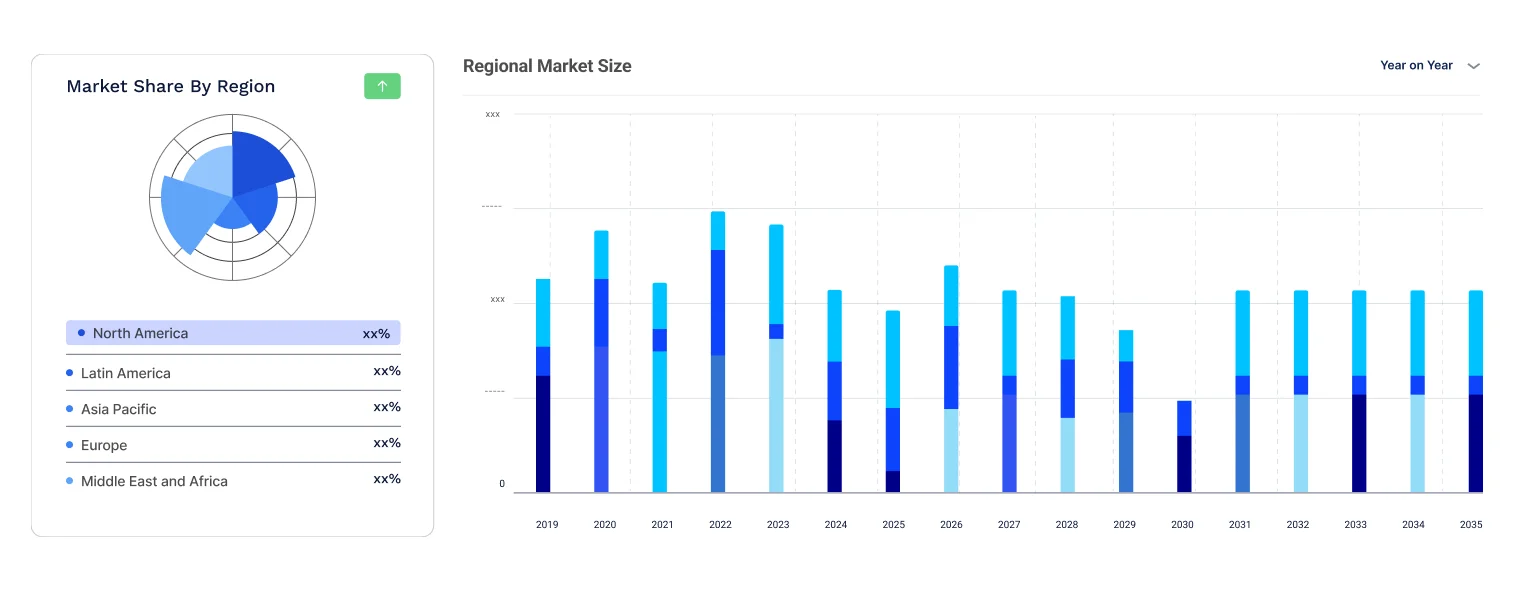
Key Insight: Regional dynamics in the nitrile gloves market continue to shape supplier strategies. North America leads on high healthcare expenditure and an ageing population driving procurement volume, while trade policy reshapes where its import base sits. Europe combines stringent workplace safety regulation with mature cleanroom and pharmaceutical demand. Asia Pacific grows fastest on expanding healthcare infrastructure and concentrated manufacturing capacity, while Latin America and the Middle East and Africa build on rising healthcare investment and industrial safety enforcement.
By type, powder free dominates the market through regulatory restrictions on powdered formulations and buyer preference for lower contamination risk
Powder free holds the leading share of the nitrile gloves market because regulatory bodies in major markets have progressively restricted powdered medical gloves on contamination and allergy grounds, pushing procurement toward powder-free specification as the default rather than the premium option. Standards clarity is reinforcing that shift, and in July 2025 ASTM officially withdrew its D5526-18 biodegradability test method covering nitrile and other plastic formulations, ruling that the test did not correlate with real landfill outcomes and leaving powder-free specification as the more defensible default for buyers.
Powdered gloves form the smaller category, retreating into industrial tasks where donning speed still outweighs contamination concerns and medical-grade restrictions do not apply. New product activity is concentrating in the powder-free tier rather than powdered stock, and Zenith brought its SAP325 powder-free nitrile glove to market in September 2025, featuring a textured surface for wet and dry grip and resistance to oil, grease and organic solvents. Powdered formulations are left serving only the narrowest speed-sensitive, non-clinical tasks.
By product, disposable gloves lead the market as single-use protocols dominate healthcare and food handling settings
Disposable nitrile gloves hold the largest product share of the nitrile gloves market because single-use protocols are mandatory across healthcare examination, food handling and cleanroom environments, where any reuse risk is unacceptable regardless of cost per unit. Consolidation in the supporting distribution chain is reinforcing that scale, and in August 2026 Univar Solutions acquired H.M. Royal, a specialty distributor of rubber, plastics and adhesive additives, strengthening the ingredient supply network that disposable nitrile glove manufacturers draw on across the United States.
Durable gloves are the fastest-growing product category across the nitrile gloves market as industrial buyers consolidate around thicker, reusable formats built for repeated exposure to oils, solvents and sharp components. Buyers are explicitly reducing SKU counts by choosing a single durable format that combines oil grip, cut resistance and impact protection, rather than stocking separate variants for automotive, oil and gas and warehousing tasks that each previously required its own dedicated glove and its own reorder cycle.
By end-use, medical and healthcare leads the market as infection control drives consistent high-volume institutional procurement
Medical and healthcare hold the largest end-use share because examination across the surgical and patient care protocols require continuous glove turnover regardless of economic conditions, giving the segment the steadiest baseline volume of any category the market serves. That scale is pulling glove makers and healthcare platforms into direct supply partnerships across the nitrile gloves market, and in April 2025 INTCO Medical and JD Health formed a strategic partnership to reshape China's disposable medical protection ecosystem, tying high-volume glove supply to a national healthcare distribution channel.
Pharmaceutical is the fastest-growing end-use as cleanroom-grade specification tightens across drug manufacturing and contamination-control audits grow more frequent. Buyers now document task-specific performance for each application, and recognised methods such as ASTM D6978 for chemotherapy drug permeation and EN 374 for chemical splash resistance are becoming standard procurement references that pharmaceutical manufacturers cite directly in supplier qualification. Rising biologics and sterile injectable output is widening this demand, keeping pharmaceutical among the quickest-growing buyers of nitrile gloves.
Read more about this report - REQUEST FREE SAMPLE COPY IN PDF
North America leads the market through high healthcare expenditure and an ageing population driving procedure volume
North America holds the dominant position in the nitrile gloves market, underpinned by high healthcare spending, a large hospital and clinic network, and industrial safety regulation that mandates hand protection across manufacturing and automotive settings. Domestic feedstock security became a live concern in late February 2026, when escalation of the US-Iran conflict pushed acrylonitrile and butadiene prices higher, underscoring the value of domestic NBR producers such as Zeon Chemicals USA, whose Louisville, Kentucky facility supplies glove-grade feedstock to the region's market.
Asia Pacific is the fastest-growing regional nitrile gloves market as healthcare infrastructure expansion and manufacturing capacity growth compound one another across the region's largest economies. Domestic policy is accelerating that build-out directly, and reported in August 2025, Indonesia's Making Indonesia 4.0 programme had driven the accreditation of 12 new medical device assembly plants in a single year, lifting local monthly glove and syringe manufacturing capacity from 20 million to 28 million units across the region's market.
The global industry is consolidating around integrated producers as leading nitrile gloves companies invest in synthetic formulation research, automated production lines and geographically diversified capacity to defend institutional and industrial accounts. Producers are prioritising tariff-resilient manufacturing footprints, feedstock security and certification breadth to differentiate offerings in a segment where the base product is broadly comparable across suppliers. Backward integration into acrylonitrile butadiene rubber supply is a decisive advantage, since it insulates producers from the feedstock volatility that periodically compresses margins across the sector.
Major nitrile gloves market players are also competing on sustainability credentials, developing biodegradable and synthetic latex-free formulations that meet tightening procurement standards from hospital systems and industrial buyers alike. Opportunities are emerging in Southeast Asian capacity diversification beyond Malaysia, in direct government sourcing agreements for supply security, and in durable formats that consolidate SKUs for industrial buyers. Suppliers combining resilient manufacturing footprints with strong certification coverage and reliable distribution are positioned to strengthen their standing as procurement continues shifting away from single-country supply concentration.
Founded in 1905 and headquartered in Richmond, Victoria, Australia, the company supplies the market through a broad portfolio spanning medical examination and surgical gloves, industrial chemical-resistant grades, and precision handling gloves for automotive and manufacturing tasks. Its industrial range covers chemical splash protection rated to recognised standards, while its healthcare line addresses infection control across hospital and clinical settings. The company maintains manufacturing and distribution operations across multiple continents.
Founded in 1988 and headquartered in Bestari Jaya, Selangor, Malaysia, the company is among the world's largest nitrile glove manufacturers by volume, operating production facilities across Selangor with a long-running expansion programme into northern Malaysia. Its portfolio centres on thin-gauge, high-speed automated nitrile examination gloves for medical and industrial buyers, with accelerator-free lines developed specifically to reduce allergic reactions among clinical staff.
Founded in 1919 and headquartered in Cleveland, Ohio, United States, the company supplies the market through its Adenna brand alongside a wider portfolio of cleaning, protection and away-from-home products serving healthcare, food service, industrial and hospitality channels. Its glove range spans medical, food-safe and industrial-grade nitrile formats distributed through a national network, positioning the company as a single-source supplier across multiple product categories beyond gloves alone.
Founded in 1910 and headquartered in Acton, Ontario, Canada, the company manufactures work safety gloves including nitrile-coated and nitrile-dipped formats engineered for cut, abrasion and chemical resistance across industrial and manufacturing tasks. Its product range is built around task-specific protection layering, combining nitrile coatings with cut-resistant liners for automotive, metal handling and general manufacturing environments across North America.
Other key players in the market include Supermax Corporation Berhad, Cardinal Health, Globus Group, Unigloves (UK) Limited, Ammex Corporation, Innovative Gloves Co., Ltd, and Top Glove Corporation Berhad, among others.
*Please note that this is only a partial list; the complete list of key players is available in the full report. Additionally, the list of key players can be customized to better suit your needs.*
Unlock the latest insights with our nitrile gloves market trends 2026 report. Discover regional growth patterns, end-use economics, and key industry players. Stay ahead of competition with trusted data and expert analysis. Download your free sample report today and drive informed decisions in the market.


Upto 15% Off
USD
$2499 $2249
$3999 $3599
$4999 $4249
$5999 $5099


*While we strive to always give you current and accurate information, the numbers depicted on the website are indicative and may differ from the actual numbers in the main report. At Expert Market Research, we aim to bring you the latest insights and trends in the market. Using our analyses and forecasts, stakeholders can understand the market dynamics, navigate challenges, and capitalize on opportunities to make data-driven strategic decisions.*
In 2025, the market reached an approximate value of USD 9.45 Billion.
The market is projected to grow at a CAGR of 7.40% between 2026 and 2035.
The market is estimated to witness a healthy growth in the forecast period of 2026-2035 to reach around USD 19.30 Billion by 2035.
Diversifying manufacturing capacity across Southeast Asia, developing synthetic and biodegradable formulations, securing direct government sourcing agreements, consolidating industrial SKUs into durable multi-purpose formats, and adopting digital procurement platforms to shorten distribution lead times.
The key trends fuelling the market growth are the rising use of nitrile gloves in the healthcare sector and the development of relatively sustainable and degradable gloves by manufacturers.
The major regional markets for nitrile gloves include North America, Europe, the Asia Pacific, Latin America, and the Middle East and Africa.
The different types of nitrile gloves available in the market include powdered and powder-free.
The various products in the market include disposable and durable.
The significant end-uses of the product include medical and healthcare, automotive, oil and gas, food and beverage, metal and machinery, chemical and petrochemical, pharmaceutical, and cleanroom, among others.
The key players in the market include Ansell Ltd, Hartalega Holdings Berhad, Hospeco Brands Group, Superior Glove Works Ltd., Supermax Corporation Berhad, Cardinal Health, Globus Group, Unigloves (UK) Limited, Ammex Corporation, Innovative Gloves Co., Ltd, and Top Glove Corporation Berhad, among others.
Manufacturers face feedstock price volatility, tariff exposure that shifts sourcing decisions abruptly, oversupply pressure on average selling prices, geographic concentration of production capacity, and rising compliance costs tied to evolving safety and sustainability standards.
Explore our key highlights of the report and gain a concise overview of key findings, trends, and actionable insights that will empower your strategic decisions.
| REPORT FEATURES | DETAILS |
| Base Year | 2025 |
| Historical Period | 2019-2025 |
| Forecast Period | 2026-2035 |
| Scope of the Report |
Historical and Forecast Trends, Industry Drivers and Constraints, Historical and Forecast Market Analysis by Segment:
|
| Breakup by Type |
|
| Breakup by Product |
|
| Breakup by End-Use |
|
| Breakup by Region |
|
| Market Dynamics |
|
| Competitive Landscape |
|
| Companies Covered |
|
Datasheet
One User
USD 2,499
USD 2,249
tax inclusive*
Single User License
One User
USD 3,999
USD 3,599
tax inclusive*
Five User License
Five User
USD 4,999
USD 4,249
tax inclusive*
Corporate License
Unlimited Users
USD 5,999
USD 5,099
tax inclusive*
*Please note that the prices mentioned below are starting prices for each bundle type. Kindly contact our team for further details.*
Flash Bundle
Small Business Bundle
Growth Bundle
Enterprise Bundle
*Please note that the prices mentioned below are starting prices for each bundle type. Kindly contact our team for further details.*
Flash Bundle
Number of Reports: 3
20%
tax inclusive*
Small Business Bundle
Number of Reports: 5
25%
tax inclusive*
Growth Bundle
Number of Reports: 8
30%
tax inclusive*
Enterprise Bundle
Number of Reports: 10
35%
tax inclusive*
How To Order

Select License Type
Choose the right license for your needs and access rights.

Click on ‘Buy Now’
Add the report to your cart with one click and proceed to register.

Select Mode of Payment
Choose a payment option for a secure checkout. You will be redirected accordingly.
Strategic Solutions for Informed Decision-Making
Gain insights to stay ahead and seize opportunities.

Get insights & trends for a competitive edge.

Track prices with detailed trend reports.

Analyse trade data for supply chain insights.

Leverage cost reports for smart savings

Enhance supply chain with partnerships.

Connect For More Information
Our expert team of analysts will offer full support and resolve any queries regarding the report, before and after the purchase.
Our expert team of analysts will offer full support and resolve any queries regarding the report, before and after the purchase.
We employ meticulous research methods, blending advanced analytics and expert insights to deliver accurate, actionable industry intelligence, staying ahead of competitors.
Our skilled analysts offer unparalleled competitive advantage with detailed insights on current and emerging markets, ensuring your strategic edge.
We offer an in-depth yet simplified presentation of industry insights and analysis to meet your specific requirements effectively.




