

Consumer Insights
Uncover trends and behaviors shaping consumer choices today
Procurement Insights
Optimize your sourcing strategy with key market data
Industry Stats
Stay ahead with the latest trends and market analysis.
The global online food delivery market attained a value of USD 189.75 Billion at 2025. Over the forecast period of 2026 to 2035, the market is anticipated to expand at a compound annual growth rate (CAGR) of 13.20% , reaching an estimated value of USD 655.61 Billion by 2035. This robust trajectory reflects a structural transformation in how consumers worldwide access food services a shift accelerated by the convergence of smartphone ubiquity, digital payment infrastructure, cloud computing, and evolving urban consumer lifestyles.
At its core, the online food delivery market encompasses digital platforms and services that enable consumers to order food from restaurants, cloud kitchens, meal kit providers, and grocery retailers through mobile applications or web-based interfaces, with delivery fulfilled either by the platform's proprietary logistics network or by the food service provider itself. The two primary operational models platform-to-consumer (aggregator model) and restaurant-to-consumer (direct delivery) together define the scope of this market.

Compound Annual Growth Rate
13.2%
Value in USD Billion
2026-2035
*this image is indicative*
Read more about this report - REQUEST FREE SAMPLE COPY IN PDF
The sustained expansion of the global online food delivery market is driven by a multi-dimensional set of structural, technological, and behavioural factors that are reinforcing each other across different geographies and consumer demographics.
Rapid Smartphone Penetration and Mobile-First Consumer Behaviour
The single most important structural enabler of online food delivery growth is the global proliferation of smartphones and mobile internet connectivity. With mobile applications now accounting for over 70% of all food delivery orders globally, the smartphone has become the primary interface between consumers and the food delivery ecosystem. The widespread availability of affordable smartphones across emerging markets particularly in India, Indonesia, Vietnam, and Brazil is continuously expanding the addressable user base of major and regional delivery platforms.
Expanding Digital Payment Infrastructure
The accessibility and diversity of digital payment options including digital wallets, UPI (Unified Payments Interface), BNPL (Buy Now, Pay Later) services, and cryptocurrency payments are reducing transactional friction and broadening the demographic reach of online food delivery services. Platforms that offer flexible, inclusive payment options are able to capture both banked and underbanked consumer segments, particularly in high-growth markets across South and Southeast Asia. According to Juniper Research, the global rate of digital wallet adoption is forecast to reach 15.3% growth by 2029, directly expanding the payment-enabled audience for digital food ordering.
Urbanisation and Changing Lifestyle Dynamics
Accelerating urbanisation across both developed and developing economies is creating a growing cohort of time-constrained, dual-income consumers who prioritise convenience over home cooking. Urban populations characterised by longer working hours, smaller household sizes, and a higher willingness to pay for convenience services represent the core demand base of the online food delivery market. The continued migration from rural to urban environments, particularly in Asia and Africa, is creating sustained long-term demand expansion.
AI-Powered Logistics and Route Optimisation
Artificial intelligence and machine learning are transforming the cost economics of food delivery by enabling more efficient delivery route optimisation, predictive demand forecasting, and dynamic pricing. AI-powered delivery ETA prediction systems deployed by platforms including Uber Eats, DoorDash, and Zomato are reducing average delivery times, improving courier utilisation, and enhancing the consumer experience. These operational improvements are reducing the cost-per-delivery, making the unit economics of food delivery more sustainable and enabling platforms to compete more effectively on delivery speed and reliability.
Post-Pandemic Behavioural Normalisation
While the 2020–2022 pandemic period represented an extraordinary demand acceleration for online food delivery, the more durable legacy of this period is the normalisation of digital food ordering as a routine consumer behaviour across age groups and income levels that had previously been resistant to adoption. Consumers who adopted online food delivery during the pandemic demonstrated high retention rates, with a significant proportion continuing to order regularly even after restaurants fully reopened. This normalisation has elevated the structural baseline of the market above its pre-pandemic trajectory.
Restaurant Industry Adoption and Cloud Kitchen Growth
The food service industry's increasing embrace of delivery-optimised models including ghost kitchens, cloud kitchens, and virtual restaurant concepts is expanding the supply side of the market. Cloud kitchens reduce the overhead costs associated with traditional dine-in restaurant formats and allow food operators to maximise delivery radius and order throughput. This supply-side expansion, driven by lower barriers to entry and the scalability of delivery-only formats, is increasing the variety and quality of food options available through delivery platforms, driving higher consumer engagement.
Read more about this report - REQUEST FREE SAMPLE COPY IN PDF
A comprehensive understanding of the market dynamics shaping the online food delivery ecosystem is essential for stakeholders across the investment, operational, and strategic planning spectrum. The following analysis covers the key forces both enabling and constraining along with the most significant opportunity areas for the 2026–2035 forecast horizon.
The online food delivery market's structural growth is anchored in three reinforcing megatrends: the global penetration of smartphones and mobile internet, the accelerating pace of urban migration across Asia, Africa, and Latin America, and the rapid expansion of accessible and diverse digital payment infrastructure. Smartphone penetration, now exceeding 85% in many developed markets and rapidly rising in developing economies, has created a default digital ordering channel for billions of consumers. Mobile-first platforms like Swiggy, Zomato, Grab Food, and foodpanda have structured their entire consumer interfaces around the mobile experience, and this has yielded exceptional order frequency metrics in urban centres.
AI-powered logistics, predictive delivery scheduling, and real-time route optimisation are also emerging as structural drivers of market expansion on the supply side. Platforms that invest in AI-based ETA prediction, demand forecasting, and dynamic courier dispatch are achieving significant reductions in delivery times a key determinant of consumer satisfaction and platform loyalty. These technological investments create durable competitive advantages for well-capitalised platforms and are gradually raising the quality threshold across the industry.
Despite its impressive growth trajectory, the online food delivery market operates under significant structural constraints. Chief among these is the persistent tension between platform commission fees and restaurant profitability. Delivery platforms typically charge restaurants commission fees ranging from 15% to 30% of order value, in addition to service fees of 2%–4% levied on consumers. These fee structures have generated widespread friction with the restaurant industry, leading to regulatory scrutiny in several markets and the emergence of direct-ordering platforms as a competitive counter-measure.
Food safety compliance represents another structural restraint, particularly as the market expands into emerging markets with less developed regulatory frameworks. Ensuring the integrity of food quality during transport including temperature-controlled logistics for perishable items, tamper-evident packaging, and hygiene compliance across a highly fragmented courier workforce imposes ongoing operational costs that weigh on platform profitability. High last-mile logistics costs, particularly in geographically dispersed or low-density urban environments, further constrain margin expansion.
Consumer price sensitivity is also a material restraint, particularly in cost-conscious markets. Approximately 35% of consumers globally cite price sensitivity as a deterrent to higher online food ordering frequency. Delivery fee structures, surge pricing, and service charges can collectively add 20%–40% to the cost of an equivalent in-restaurant meal, limiting adoption among lower-income consumer segments.
The most transformative growth opportunity in the online food delivery market over the 2026–2035 forecast period lies in the proliferation of ghost kitchens, also known as virtual restaurants or cloud kitchens. By eliminating the capital expenditure and overhead associated with traditional dine-in restaurant formats, ghost kitchens enable food operators to focus exclusively on delivery efficiency, menu diversity, and kitchen throughput. This model is particularly well-suited to tier-2 and tier-3 cities in Asia and Latin America, where real estate costs and labour dynamics make traditional restaurant economics challenging. Ghost kitchen operators can serve multiple virtual brands from a single kitchen footprint, enabling rapid geographic and product line expansion without proportionate capital investment.
Artificial intelligence presents a second major opportunity dimension. Beyond route optimisation, AI applications in the food delivery ecosystem include personalised menu recommendations, dynamic pricing optimisation, demand prediction for restaurant inventory management, and fraud detection in payment systems. Platforms that deploy AI comprehensively across their value chains will generate differentiated consumer experiences, stronger retention metrics, and lower operational costs compounding competitive advantages over time.
Emerging markets particularly in Sub-Saharan Africa, Southeast Asia, and Latin America represent the frontier of market expansion. As smartphone penetration deepens and digital payment infrastructure matures in these regions, the addressable consumer base for online food delivery will expand substantially. Early-mover platforms in these markets stand to establish durable network effects and brand loyalty advantages that will be difficult for later entrants to displace.
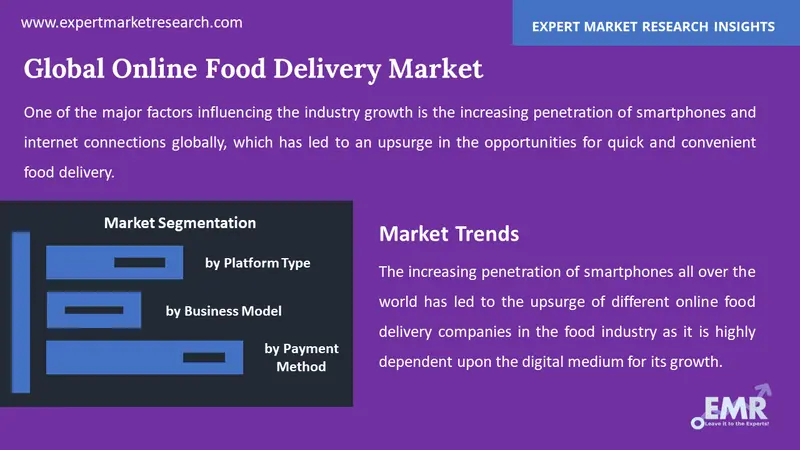
The Expert Market Research’s report titled “Online Food Delivery Market Report and Forecast 2026-2035” offers a detailed analysis of the market based on the following segments:
Platform Type Segment: Mobile Application vs. Website in Online Food Delivery
Key Insight: By platform type, the global online food delivery market is segmented into mobile applications and website-based ordering platforms. The mobile application segment held the largest share of the market in 2025 and is expected to maintain its dominance throughout the forecast period of 2026–2035. The primacy of mobile applications in the online food delivery ecosystem reflects broader global trends in mobile-first digital consumption, particularly in Asia Pacific and Latin America, where smartphone penetration has outpaced desktop internet access.
Mobile applications offer a materially superior user experience for food ordering relative to web-based interfaces. Key advantages include push notifications for order status updates, integrated GPS-based delivery tracking, biometric authentication for secure payments, and personalised home screens that leverage user ordering history to surface relevant restaurant and menu recommendations. App-based loyalty programmes including DashPass by DoorDash, Uber One by Uber Eats, and Swiggy One generate strong recurring usage patterns and higher average order values relative to non-subscribed users.
Website-based ordering retains a meaningful, though shrinking, share of the market primarily among business-to-business (B2B) corporate catering use cases, older demographic segments, and markets with lower smartphone penetration. The website segment is also utilised as a direct ordering channel by restaurant chains seeking to reduce dependency on third-party platforms and recapture commission fees.
Business Model Segment: Order Focused vs. Logistics Based
Key Insight: The Logistics-Based model commands the largest share of revenue, anchored by aggregators that operate proprietary courier fleets and dispatch optimisation (DoorDash, Uber Eats, Meituan, Swiggy, Zomato, iFood).
The model thrives on density and is the foundation of profitability for the Top 10 operators. Order-Focused (marketplace) platforms remain relevant in fragmented restaurant markets and where operators rely on restaurant-owned drivers, while Restaurant-Specific models - direct platforms by chains such as Domino's Pizza, Yum! Brands, and McDonald's - capture meaningful first-party revenue and reduce aggregator commission exposure for the largest QSR brands.
Payment Method Segment: Online Payment vs. Cash on Delivery Market Analysis
Key Insight: The online food delivery market is further segmented by payment method into online payment and cash on delivery (COD). The online payment segment dominated the global market in 2025, driven by the rapid adoption of digital wallets, UPI, credit/debit cards, and contactless payment systems across major markets. Online payment methods provide a seamless, secure, and frictionless checkout experience that enhances platform conversion rates and reduces order cancellation risk a significant operational advantage for delivery platforms.
The expansion of digital payment infrastructure across emerging economies is the single most important enabler of the online payment segment's continued growth. In India, the UPI ecosystem which processed over 13 billion transactions per month as of 2024 has fundamentally transformed the accessibility of digital payments for a broad consumer base including previously underbanked populations. Similar digital payment democratisation dynamics are playing out through mobile money platforms in Sub-Saharan Africa and e-wallet systems in Southeast Asia.
Cash on delivery retains relevance in markets with low banking penetration, high consumer mistrust of digital transactions, or inadequate last-mile digital infrastructure. COD continues to account for a meaningful share of food delivery orders in parts of South Asia, the Middle East, and Africa. However, its market share is in secular decline as digital financial inclusion deepens and consumer comfort with online transactions grows.
Market Breakup by Region
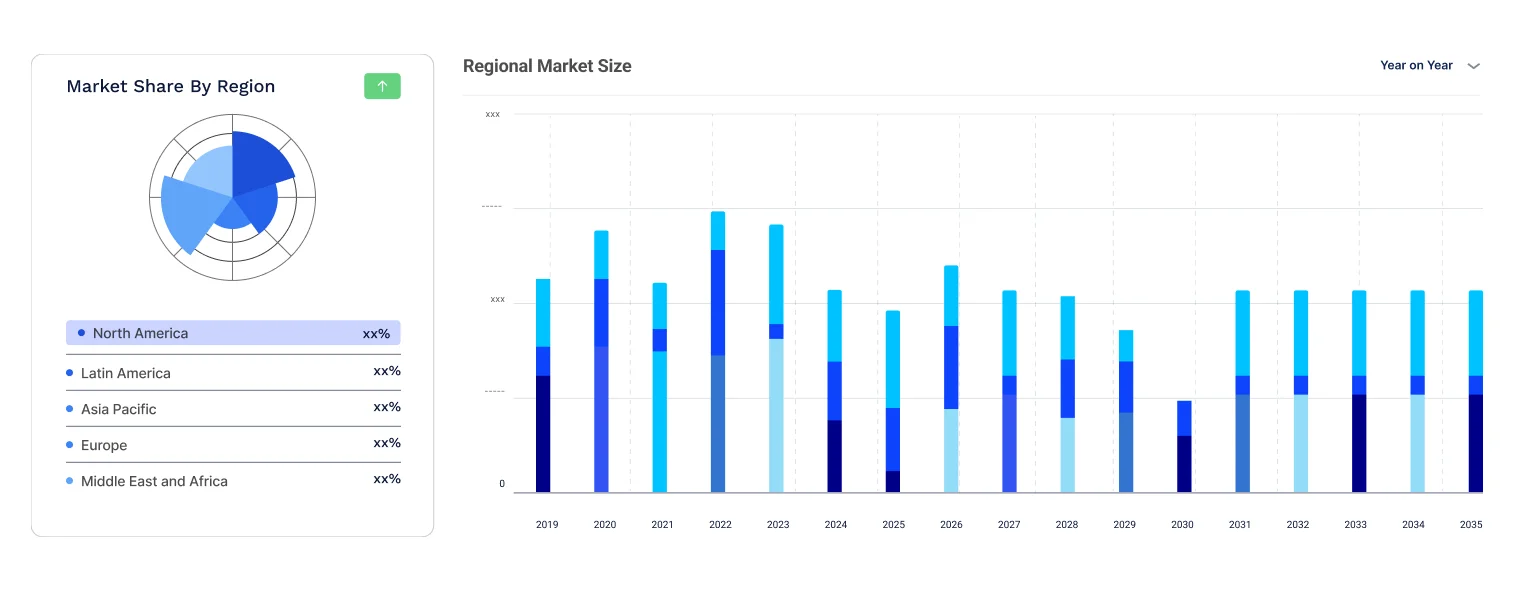
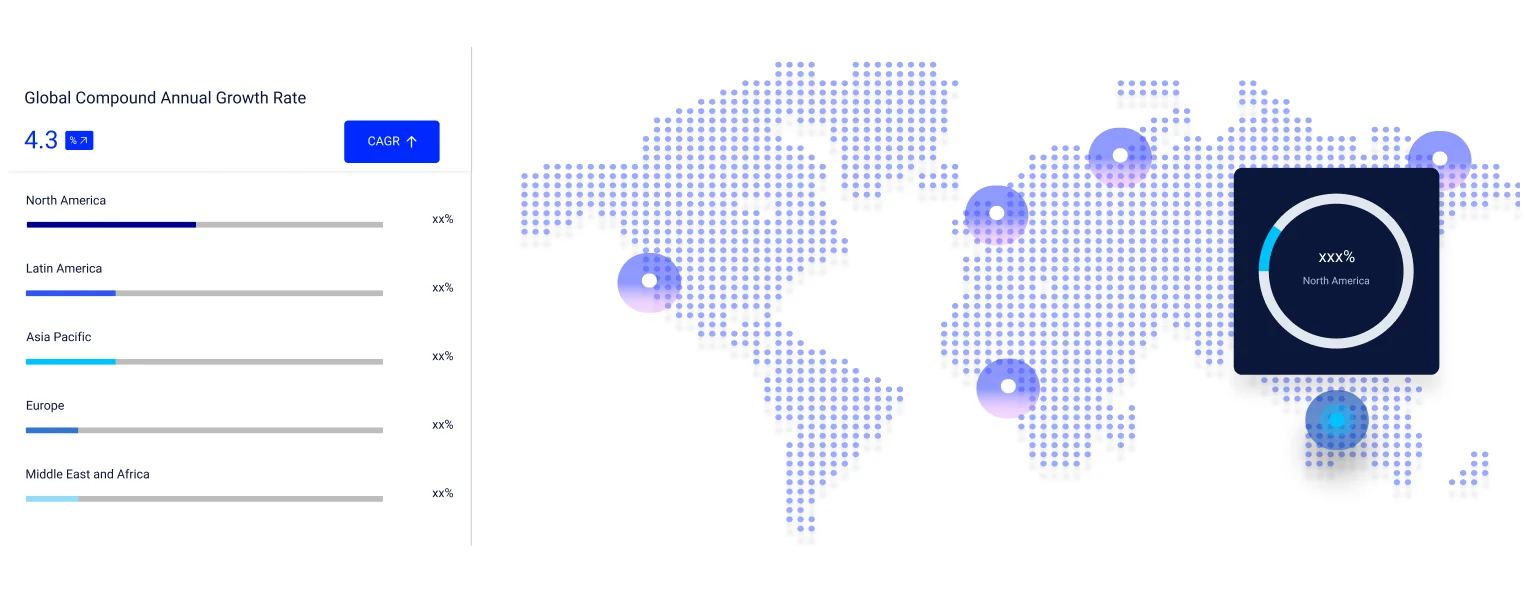
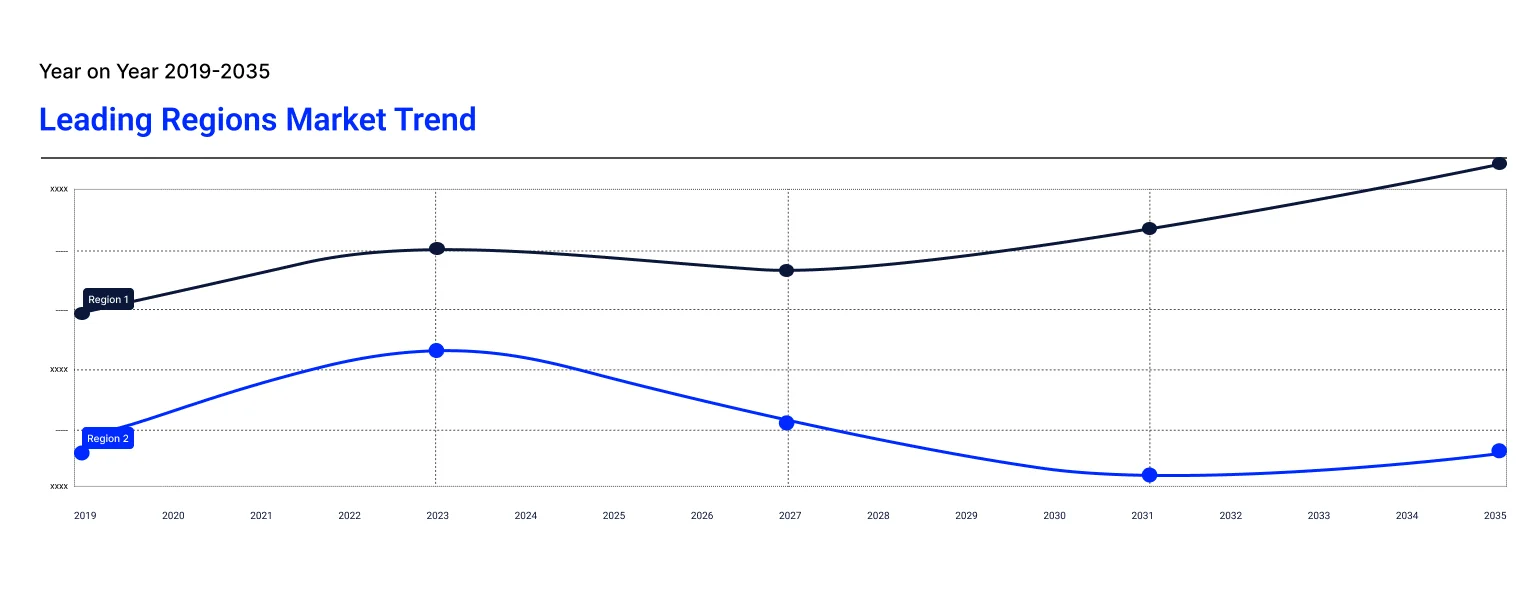
Key Insight: Asia Pacific holds the largest regional share by GMV, anchored by Meituan's dominance in China and the deep order-frequency profile of Indian buyers served by Swiggy and Zomato. North America is the second-largest, with DoorDash leading the US and the recently completed Deliveroo acquisition extending the company into the UK, Gulf, and select Asian markets. Europe is led by Just Eat Takeaway.com, Delivery Hero brands, and Uber Eats; Latin America by iFood, Rappi, and now Keeta; and the Middle East and Africa by Talabat, Careem Now, Jumia Food's successors, and Glovo. The DoorDash-Deliveroo combination materially reshapes cross-regional competitive dynamics.
Read more about this report - REQUEST FREE SAMPLE COPY IN PDF
The global online food delivery market demonstrates significant geographic heterogeneity in terms of market maturity, growth trajectory, dominant platform ecosystems, and underlying demand drivers. The following regional analysis covers the major market geographies with particular emphasis on Asia Pacific the world's largest regional market.
Asia Pacific is the global leader in the online food delivery market, accounting for more than 42% of total global revenue in 2025. The region's dominance reflects its combination of the world's largest consumer populations, high smartphone penetration in key urban centres, well-developed digital payment infrastructure, and the presence of world-class domestic delivery platforms with deep market penetration and operational expertise.
China represents the largest single national market within Asia Pacific and globally, driven by its enormous urban population, mature super-app ecosystem (Meituan, Ele.me under Alibaba), and the high frequency of food delivery ordering among urban Chinese consumers. India is the most dynamic growth market within the region, with platforms Zomato (800+ cities) and Swiggy (700+ cities) competing intensively for market share in a market characterised by rapid urbanisation, expanding middle-class consumption, and deep digital payment penetration through UPI. India's online food delivery market generated approximately USD 7–8 billion in gross merchandise value in 2024, with strong double-digit growth expected through 2030.
Singapore deserves specific attention as a high-value, digitally mature market within the Asia Pacific region. Singapore has consistently demonstrated one of the highest online food delivery adoption rates per capita in the world, supported by its affluent, urban, mobile-first consumer base and the competitive presence of platforms including GrabFood, Foodpanda, and Deliveroo (now part of DoorDash). Revenue data from Singapore's online food delivery market shows strong historical growth from 2019 through 2025, with the market expected to sustain above-average growth through 2028 relative to global averages.
Japan and South Korea represent mature, high-ARPU (average revenue per user) markets with strong demand for premium food delivery services, meal kit delivery, and B2B catering solutions. Southeast Asian markets Indonesia, Vietnam, Thailand, Malaysia, and the Philippines are in a rapid growth phase, underpinned by rising middle-class incomes, urban migration, and the expansion of regional super-platforms such as Grab and Gojek.
North America Online Food Delivery Market
North America is the world's most technologically advanced online food delivery market and the global centre of platform innovation. The world's largest food delivery platform by market share in any single country. DoorDash commands approximately 56% of the US food delivery market and generated revenue of USD 27.58 billion in 2025, reflecting the extraordinary scale and monetisation depth of the North American segment.
Uber Eats maintains a strong second-position presence in North America and is the leading platform across numerous international markets including Australia, the United Kingdom, and Latin America. The subscription-driven loyalty model exemplified by DashPass and Uber One is a defining characteristic of the North American market and is increasingly being adopted by platforms in other regions as a customer retention mechanism.
Europe Online Food Delivery Market
Europe represents the third major global region in the online food delivery market. The October 2025 acquisition of Deliveroo by DoorDash was a landmark consolidation event that significantly altered the competitive landscape in the UK and Continental European markets. Just Eat Takeaway.com (operating as Just Eat in the UK and Takeaway.com on the European continent) remains a major competitive force, particularly in the Netherlands, Germany, Belgium, and Nordic markets.
European food delivery markets are subject to increasingly stringent regulatory oversight, particularly regarding the employment classification of delivery couriers, data privacy under GDPR, and restaurant commission fee regulation. These regulatory pressures are shaping platform operational models and commercial structures in ways that differ materially from the less regulated North American and Asian markets.
The global online food delivery market is highly consolidated at the top, with the largest 10 platforms - DoorDash, Uber Eats, Meituan, Delivery Hero, Just Eat Takeaway.com, Domino's, Roofoods (Deliveroo), Yum!, Demae-Can, Swiggy, Zomato, Yandex.Eda, and Rappi - accounting for the bulk of global GMV. The market remains fragmented at the long-tail level, with regional and Restaurant-Specific platforms holding pockets of leadership.
Competitive priorities have shifted from raw GMV growth to profitable scale, with mega-deals such as DoorDash-Deliveroo (October 2025) and Meituan's USD 1 billion Brazil push setting the agenda for cross-border consolidation. Players are investing heavily in cloud-kitchen build-out, AI-driven dispatch and demand forecasting, subscription monetisation, and advertising - and trimming sub-scale geographies, courier pay structures, and promotional intensity. Profitability bifurcation has widened the gap between scaled, multi-vertical operators and single-market specialists.
Founded in 2009 and headquartered in San Francisco, California, Uber Technologies Inc. operates Uber Eats - one of the world's largest delivery platforms - across more than 30 countries spanning North America, Europe, Asia Pacific, Latin America, the Middle East, and Africa. Uber Eats is reported as profitable and benefits from the cross-utilisation of Uber's mobility courier base, the Uber One subscription, and AI-driven dispatch optimisation across both food and non-food delivery verticals.
Founded in 2013 and headquartered in San Francisco, California, DoorDash, Inc. is the largest food-delivery operator in the United States and has expanded internationally through its October 2025 USD 3.9 billion acquisition of Deliveroo plc. The combined business spans the US, Canada, Australia, the UK, Western Europe, the Gulf, Hong Kong, and Singapore. DoorDash leverages DashPass subscription, advertising, and grocery & retail extensions to drive frequency and gross-margin contribution.
Founded in 2010 and headquartered in Beijing, China, Meituan Inc. is the world's largest food-delivery platform by daily order volume, with a deep moat in China's USD 500-billion-plus delivery market. Through its international Keeta brand, Meituan is expanding into Hong Kong, Saudi Arabia, and Brazil, backed by a USD 1 billion five-year Brazil investment. Meituan is reported as profitable and combines hyper-local logistics, AI-driven dispatch, and an extensive merchant marketplace.
Founded in 2011 and headquartered in Berlin, Germany, Delivery Hero SE operates a portfolio of food-delivery and quick-commerce brands across Europe, the Middle East, North Africa, Asia, and Latin America, including Foodpanda, Talabat, PedidosYa, and Glovo. Reported as profitable, Delivery Hero serves more than 70 markets and combines logistics-based food delivery with rapidly scaling Q-commerce and dark-store operations across its global brand portfolio.
Other key players in the market are Just Eat Takeaway.com N.V., Domino's Pizza, Inc., Roofoods Ltd (Deliveroo, now part of DoorDash), Yum! Brands Inc., Demae-Can Co., Ltd, Bundl Technologies Private Limited (Swiggy), Zomato Limited, Yandex.Eda, LLC, Rappi Inc., iFood, Glovo, Talabat, Careem Now, and Others.
*Please note that this is only a partial list; the complete list of key players is available in the full report. Additionally, the list of key players can be customized to better suit your needs.*
Key findings from the Global Online Food Delivery Market report
Why choose Expert Market Research?
Call to Action
Discover the latest insights on the Global Online Food Delivery Market 2026 with our comprehensive report. Stay ahead of the curve with valuable data on platform innovations, consumer demand, and top-growth regions. Whether you are launching a new delivery app or expanding cross-border, this report gives you the clarity you need. Download your free sample now and discover the key opportunities in the thriving Online Food Delivery industry.
North America Online Food Delivery Market
United States Online Food Delivery Market
Philippines Online Food Delivery Market
Vietnam Online Food Delivery Market
China Online Food Delivery Market
India Online Food Delivery Market


Upto 15% Off
USD
$2999 $2699
$4839 $4355
$5999 $5099
$7259 $6170


*While we strive to always give you current and accurate information, the numbers depicted on the website are indicative and may differ from the actual numbers in the main report. At Expert Market Research, we aim to bring you the latest insights and trends in the market. Using our analyses and forecasts, stakeholders can understand the market dynamics, navigate challenges, and capitalize on opportunities to make data-driven strategic decisions.*
Get in touch with us for a customized solution tailored to your unique requirements and save upto 35%!
At 2025, the market reached an approximate value of USD 189.75 Billion.
The market is projected to grow at a CAGR of 13.20% between 2026 and 2035.
The market is projected to grow significantly during the forecast period 2026 - 2035 to reach USD 655.61 Billion for 2035.
Growth is driven by deepening smartphone adoption, the mainstreaming of mobile-app ordering, accelerating M&A and consolidation (notably DoorDash's USD 3.9 billion acquisition of Deliveroo in October 2025), expanding cloud-kitchen and dark-store networks, the rise of 15-minute meal and snack delivery, deeper online-payment penetration in emerging markets, and a clear profitability bifurcation rewarding scaled operators.
Mobile Applications hold the dominant share of orders globally, supported by app-first user habits, push notifications, and embedded mobile-payment rails. Websites retain a smaller share for first-time discovery and corporate ordering. Swiggy's January 2025 launch of Snacc as a standalone app exemplifies the industry's continued bet on mobile-first formats and 15-minute delivery experiences.
Key trends include cross-border consolidation (DoorDash-Deliveroo, October 2025), the mainstreaming of 15-minute meal and snack delivery (Swiggy Snacc, January 2025), a widening profitability bifurcation between scaled and sub-scale operators, and aggressive dark-store and cloud-kitchen build-out across Asia Pacific and Latin America (Meituan's USD 1 billion Brazil push via Keeta).
The key players in the market include Uber Technologies Inc., DoorDash, Inc., Delivery Hero SE, Meituan Inc., Just Eat Takeaway.com N.V., Domino's Pizza, Inc., Roofoods Ltd (Deliveroo, now part of DoorDash), Yum! Brands Inc., Demae-Can Co., Ltd, Bundl Technologies Private Limited (Swiggy), Zomato Limited, Yandex.Eda, LLC, Rappi Inc., and Others.
North America, Europe, Asia-Pacific, Latin America, the Middle East, and Africa are the major regions covered in the market report.
Explore our key highlights of the report and gain a concise overview of key findings, trends, and actionable insights that will empower your strategic decisions.
| REPORT FEATURES | DETAILS |
| Base Year | 2025 |
| Historical Period | 2019-2025 |
| Forecast Period | 2026-2035 |
| Scope of the Report |
Historical and Forecast Trends, Industry Drivers and Constraints, Historical and Forecast Market Analysis by Segment:
|
| Breakup by Platform Type |
|
| Breakup by Business Model |
|
| Breakup by Payment Method |
|
| Breakup by Region |
|
| Market Dynamics |
|
| Competitive Landscape |
|
| Companies Covered |
|
Datasheet
One User
USD 2,999
USD 2,699
tax inclusive*
Single User License
One User
USD 4,839
USD 4,355
tax inclusive*
Five User License
Five User
USD 5,999
USD 5,099
tax inclusive*
Corporate License
Unlimited Users
USD 7,259
USD 6,170
tax inclusive*
*Please note that the prices mentioned below are starting prices for each bundle type. Kindly contact our team for further details.*
Flash Bundle
Small Business Bundle
Growth Bundle
Enterprise Bundle
*Please note that the prices mentioned below are starting prices for each bundle type. Kindly contact our team for further details.*
Flash Bundle
Number of Reports: 3
20%
tax inclusive*
Small Business Bundle
Number of Reports: 5
25%
tax inclusive*
Growth Bundle
Number of Reports: 8
30%
tax inclusive*
Enterprise Bundle
Number of Reports: 10
35%
tax inclusive*
How To Order

Select License Type
Choose the right license for your needs and access rights.

Click on ‘Buy Now’
Add the report to your cart with one click and proceed to register.

Select Mode of Payment
Choose a payment option for a secure checkout. You will be redirected accordingly.
Strategic Solutions for Informed Decision-Making
Gain insights to stay ahead and seize opportunities.

Get insights & trends for a competitive edge.

Track prices with detailed trend reports.

Analyse trade data for supply chain insights.

Leverage cost reports for smart savings

Enhance supply chain with partnerships.

Connect For More Information
Our expert team of analysts will offer full support and resolve any queries regarding the report, before and after the purchase.
Our expert team of analysts will offer full support and resolve any queries regarding the report, before and after the purchase.
We employ meticulous research methods, blending advanced analytics and expert insights to deliver accurate, actionable industry intelligence, staying ahead of competitors.
Our skilled analysts offer unparalleled competitive advantage with detailed insights on current and emerging markets, ensuring your strategic edge.
We offer an in-depth yet simplified presentation of industry insights and analysis to meet your specific requirements effectively.




