

Consumer Insights
Uncover trends and behaviors shaping consumer choices today
Procurement Insights
Optimize your sourcing strategy with key market data
Industry Stats
Stay ahead with the latest trends and market analysis.
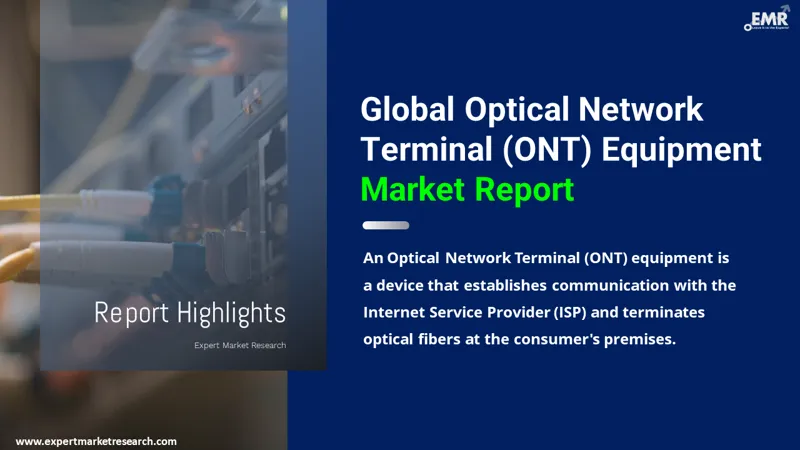
The global optical network terminal (ONT) equipment market attained a value of USD 10.78 Billion in 2025 and is projected to expand at a CAGR of 9.30% through 2035. The market is further expected to achieve USD 26.23 Billion by 2035. Rural fiber subsidy programs are encouraging operators to buy upgrade-ready ONTs that comply with long-term performance requirements, thus vendor competition is being changed to focus more on technology depth and lifecycle value.
The optical network terminal (ONT) equipment market growth is boosted by rising enterprise connectivity upgrades and residential bandwidth inflation. Increasing data usage, work-from- home policies, and managed Wi-Fi services are resulting in port density and processing power requirements at the ONT level. Meanwhile, operators are leaning towards energy-efficient ONTs to help them cope with the increasing power costs of having large subscriber bases. These factors are compelling vendors to come up with new designs for chipsets, thermal layouts, and firmware stacks, thereby giving rise to different products which have higher margins and longer supply contracts.
The market is also increasingly being influenced by product-level upgrades rather than just the expansion of volume. In March 2025, Nokia launched affordable 2.5G-PON fiber ONTs, enabling large-scale multi-gig broadband deployment for residential and small business connectivity, Companies are targeting fiber operators that are upgrading suburban and enterprise access networks. This trend in the optical network terminal (ONT) equipment market is in response to operators who are demanding customer premises equipment capable of delivering symmetrical gigabit speeds without the need for hardware replacements.
Structural demand in the optical network terminal (ONT) equipment market is largely influenced by how the resellers of telecom services reposition fiber as a premium product for connectivity. Service providers are coupling faster ONTs with managed Wi-Fi, cybersecurity features, and energy-efficient designs to increase their average revenue per user. Companies are also responding by embedding software-defined management and remote diagnostics within ONTs, which significantly reduces field service expenses. For example, in December 2025, ABB India introduced the ACS380-E machinery drive with advanced connectivity and enhanced cybersecurity for industrial automation and motor control applications. Product plans now give greater importance to backward compatibility with the existing PON architectures, hence operators can slowly upgrade the systems without the disruption of the current customer bases.
Compound Annual Growth Rate
9.3%
Value in USD Billion
2026-2035
Nokia introduced 25G-PON fiber modems enabling multi-gig residential broadband, accelerating scalable fiber upgrades for next-generation digital services. Other companies can also develop backward-compatible, high-capacity ONTs supporting multi-gig rollouts while easing operator migration from legacy GPON networks, accelerating the optical network terminal (ONT) equipment market growth.
Calix released integrated ONT performance testing tools, delivering real-time broadband speed and latency insights for service differentiation. Competitors can embed advanced diagnostics within ONTs to help operators enhance customer experience and reduce service troubleshooting costs.
ZTE launched FTTR-B series ONTs designed for SMEs, enabling full-fiber room coverage and enterprise-grade Wi-Fi performance. Vendors can target SME connectivity by offering fiber-to-the-room ONTs optimized for secure, high-density office environments, leveraging such optical network terminal (ONT) equipment market opportunities.
Genexis launched FiberBox, simplifying efficient fiber upgrades in brownfield residential networks without extensive infrastructure changes. Other players can design compact, retrofit-friendly ONTs to capture operators modernizing aging fiber installations cost-effectively.
Vendors are keen to release products in sync with the GPON to XGS-PON shift and the advent of early 25G PON, propelling the optical network terminal (ONT) equipment market expansion. Firms like Huawei offer commercial ONTs to support symmetrical 10G speeds. The United States and European government broadband guidelines refer to scalable fiber architectures and thereby, they indirectly encourage the operators to purchase ONTs that are compatible with the higher-speed PON standards. In May 2024, Tellabs introduced the FLEXSYM ONT203W ONT with enhanced flexibility and performance for fiber deployments, supporting scalable operator broadband applications.
Vendors are developing features such as remote provisioning, fault prediction, and firmware update, so that the number of truck rolls can be extremely low. Firms like ZTE are developing cloud-managed ONT platforms for regional ISPs, which gives the ability to centrally monitor the performance of thousands of endpoints. This optical network terminal (ONT) equipment market trend is in line with the operator's cost, reduction mandates especially for the deployments in rural areas that are supported by public funding. Furthermore, regulatory agencies in their evaluation of broadband projects are emphasizing the sustainability of operations, which, in turn, favors the ONT solutions that help keep long-term maintenance overheads at a minimum. In March 2024, Nokia launched a sleek wall-mounted ONT to simplify residential fiber installations and enhance broadband connectivity aesthetics and performance.
Power efficiency is evolving into a measurable criterion for procurement in ONT tenders. Major fiber operators are noticing significant energy cost increases due to dense residential ONT deployments. To meet the rising demand, manufacturers are building ONTs with low-power communication chips and adaptive sleep modes, reshaping the entire optical network terminal (ONT) equipment market dynamics. Japanese regulators are encouraging energy-efficient network equipment through broader digital sustainability initiatives, which have indirectly influenced vendor design priorities. In June 2025, Furukawa Electric teamed with Nokia to trial 25G and future 50G PON solutions at its factory, boosting ultra-high-speed broadband deployment in Japan.
Residential and enterprise ONTs are becoming indistinguishable. Vendors are introducing hybrid ONTs that allow VLAN segmentation, provide enhanced security, and offer a higher number of ports for small businesses and campuses. Companies like Calix have broadened its ONT range to include managed business services, focusing on regional operators that serve SMB clusters. Digitization initiatives in the public sector, especially in education and healthcare, are driving demand in the optical network terminal (ONT) equipment market. In May 2025, Zhone Technologies acquired key assets from DZS, enhancing its ONT and broadband access product capabilities for service providers.
ONT suppliers are increasingly focusing on localizing assembly and stock to be able to fulfill delivery commitments that have been tied to government-funded broadband rollouts. Delay in customer premises equipment can restrict fiber projects. Thus, vendors are setting up regional manufacturing partnerships and buffer stock agreements with operators. This trend in the optical network terminal (ONT) equipment market is strongly reflected in North America, where federally funded fiber projects feature milestone-based payments. ONT manufacturers that match their production timing with operator deployment plans are getting preferred vendor status and procurement visibility for several years. In May 2025, Nokia finalized acquisition of Infinera, strengthening optical access and transport capabilities for next-generation fiber networking solutions.
Read more about this report - REQUEST FREE SAMPLE COPY IN PDF
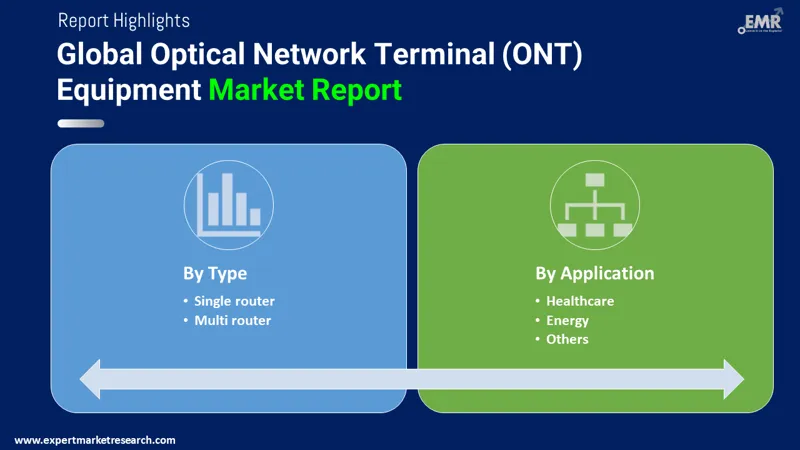
The EMR’s report titled “Global Optical Network Terminal (ONT) Equipment Market Report and Forecast 2026-2035” offers a detailed analysis of the market based on the following segments:
Market Breakup by Type
Key Insight: Across the type segmentation, as considered in the optical network terminal (ONT) equipment market report, single router ONTs remain volume-driven, favored for cost discipline and deployment efficiency. Multi router ONTs, while smaller in base, are gaining traction where service complexity matters. Residential rollouts prioritize simplicity, while enterprise and mixed-use deployments demand flexibility. Vendors are balancing both of these categories with modular hardware designs. Operators value predictability in single router models and differentiation in multi router units.
Market Breakup by Application
Key Insight: Submarine deployments emphasize endurance and network stability, opening up new optical network terminal (ONT) equipment market opportunities. Oil and gas and mining prioritize ruggedization, while transportation favors uptime and distributed connectivity. Healthcare demands security and reliability, and energy applications focus on monitoring infrastructure. Vendors are responding with differentiated ONT portfolios rather than generic units. Operators increasingly procure ONTs aligned with application risk profiles. Suppliers that understand these nuances gain stronger positioning in multi-sector fiber deployments.
Market Breakup by Region
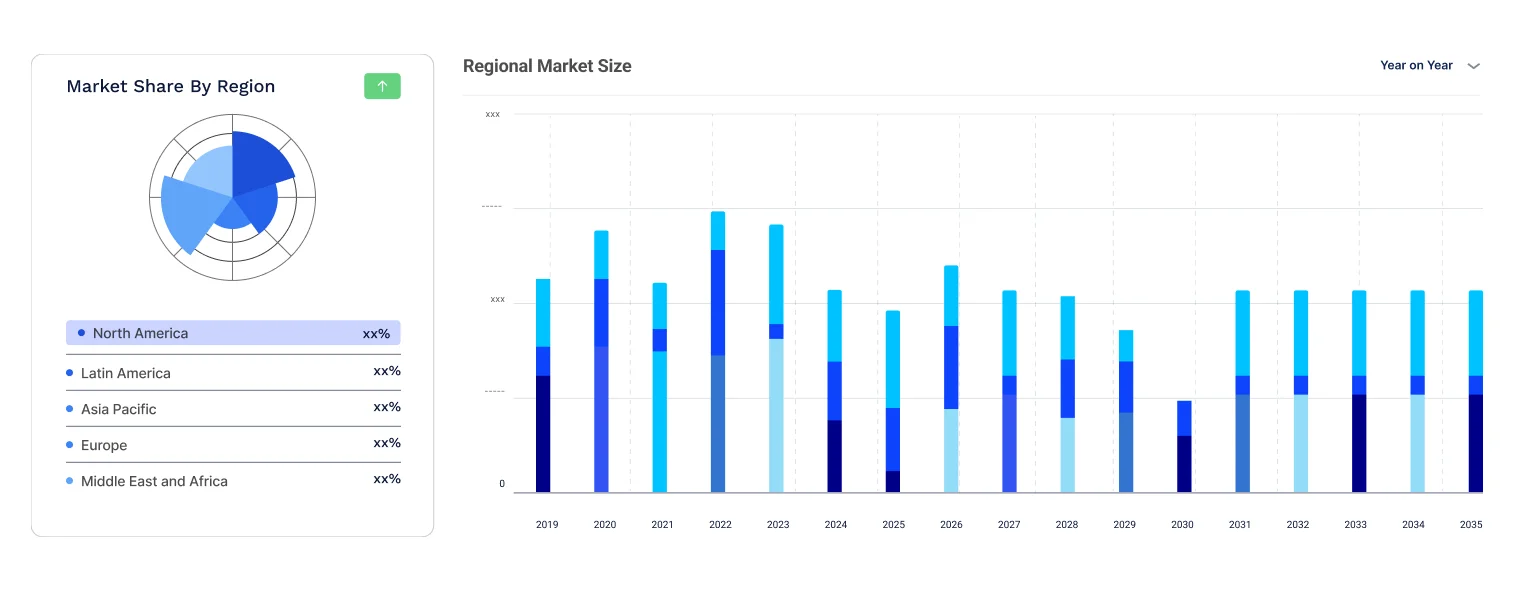
Key Insight: North America focuses on upgrades and service enhancement. Europe balances regulation with modernization while Asia Pacific drives volume through urban expansion. The optical network terminal (ONT) equipment market in Latin America emphasizes affordability and phased rollouts. Middle East and Africa prioritize strategic infrastructure builds. ONT suppliers adapt portfolios accordingly. In February 2026, Cisco unveiled Silicon One G300 systems and optics, designed to scale AI data center performance with enhanced bandwidth and efficiency. Procurement decisions vary by deployment scale, funding structure, and service objectives. Vendors that localize product strategies gain advantage. This segmentation underlines how regional dynamics shape ONT design, supply planning, and long-term market positioning.
Read more about this report - REQUEST FREE SAMPLE COPY IN PDF
By type, single router ONT dominates deployments due to simplified architecture and lower rollout complexity
Single router ONTs continue to account for the dominant share of deployments across residential and small enterprise fiber networks. Operators favor this configuration due to its reduced hardware footprint and easier provisioning at scale. From a supplier perspective, single router ONTs enable faster certification cycles and tighter cost control, which is critical in government-backed broadband projects. Many vendors are optimizing firmware to support higher output without increasing component costs. Service providers also value single router ONTs for predictable field performance and fewer failure points. In October 2024, ZTE unveiled a comprehensive home network product lineup including advanced ONTs and Wi-Fi solutions to enhance residential fiber experiences globally.
As per the optical network terminal (ONT) equipment market report, multi router ONTs are witnessing faster adoption as fiber operators expand into enterprise and mixed-use connectivity models. These ONTs support higher port density-segmented traffic, and advanced routing functions, making them suitable for business parks and smart campuses. Vendors are positioning multi router ONTs as edge intelligence devices rather than simple termination units. Product roadmaps increasingly include software-driven traffic prioritization and enhanced security controls. This shift allows operators to upsell managed services without deploying separate hardware.
Submarine applications account for the largest share of the market due to long-haul reliability and capacity upgrades
Submarine applications form the dominant share of specialized ONT deployments due to rising intercontinental bandwidth requirements. ONTs used in submarine-linked networks must deliver extreme reliability and stable performance over long operational cycles. Vendors supplying this segment focus on ruggedized designs and enhanced signal integrity. Product differentiation is driven by tolerance to latency variation and integration with undersea cable landing stations. Operators demand ONTs that can seamlessly interface with terrestrial fiber systems without performance degradation. In February 2026, Sparkle, ASN, and Elettra partnered to develop the GreenMed subsea cable linking Europe–Middle East for enhanced broadband capacity and connectivity.
Healthcare is becoming a major factor contributing to the growth in the optical network terminal (ONT) equipment market as digital care expands, and data-intensive workflows continue to increase. Hospitals and research centers need reliable and low-latency fiber connections for their imaging devices and real-time monitoring of patients. Different suppliers of ONT are working on application-specific models which will have advanced encryption and network segmentation features. Operators serving healthcare campuses prioritize ONTs that integrate with private fiber networks and redundant architectures.

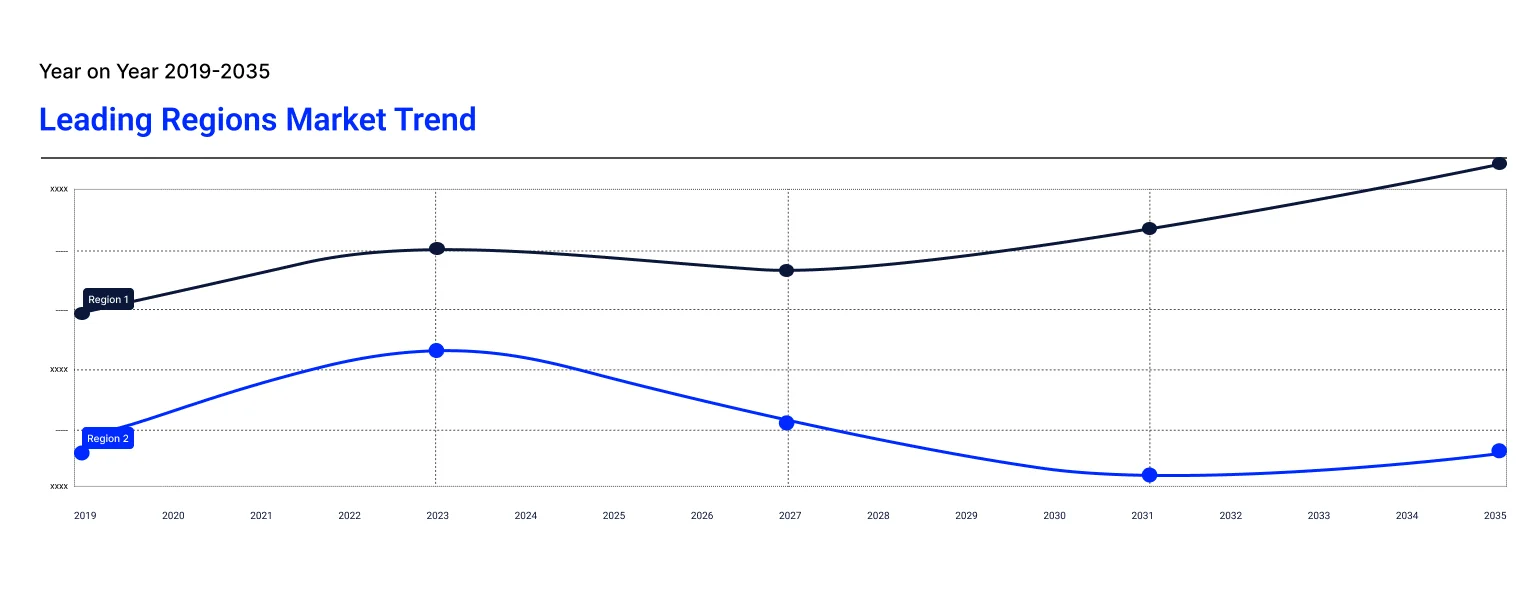
North America secures the leading market position due to broadband funding and fiber upgrade cycles
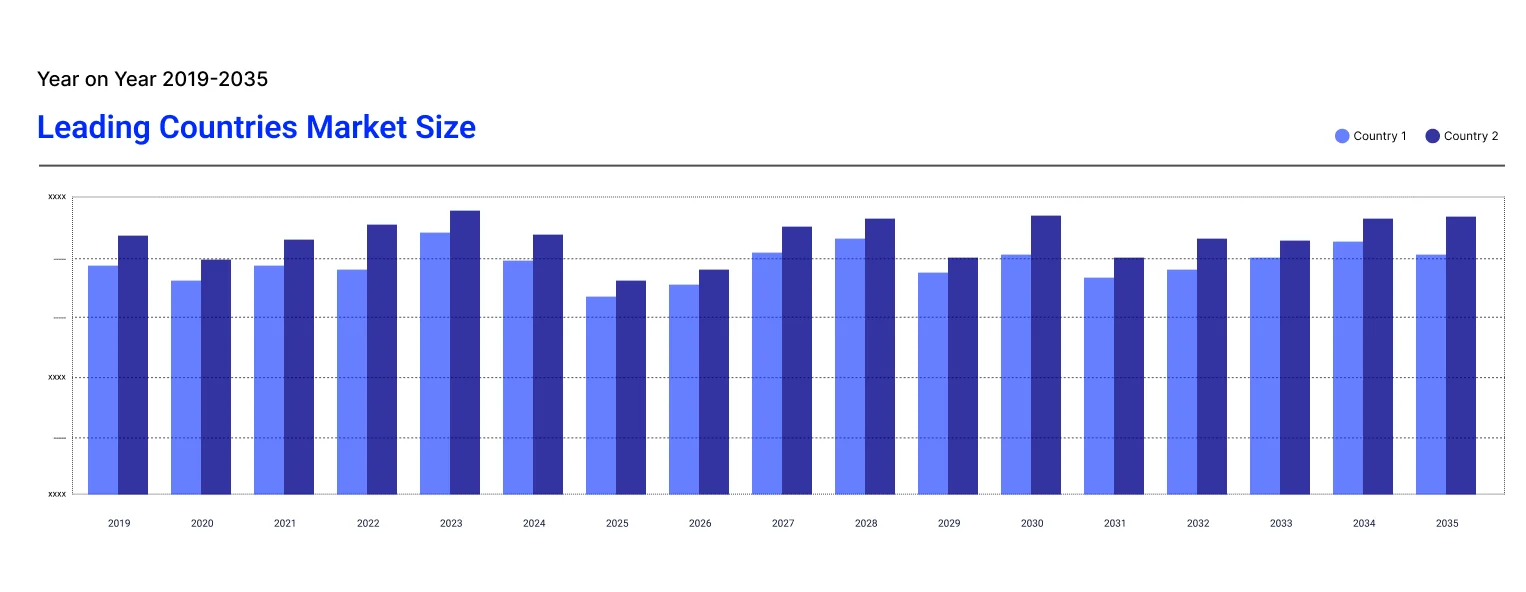
North America continues to capture the largest share of the optical network terminal (ONT) equipment market revenue as a result of its structured broadband expansion programs and mature fiber upgrade cycles. In order to support higher-speed tiers and managed services, operators are replacing the legacy ONTs. Vendors benefit from standardized procurement processes and long-term supply agreements. Product requirements in this region strongly emphasize upgrade readiness and lifecycle support. Service providers also prefer ONTs that integrate with cloud-based management platforms. In February 2025, STMicroelectronics introduced advanced silicon photonics and BiCMOS technologies targeting high-speed optical interconnects in datacenters to enable 800Gb/s and 1.6Tb/s performance.
Growth of the Asia Pacific optical network terminal (ONT) equipment market is led by rapid urban fiber densification. High-rise residential developments and smart city projects are driving volume demand. Vendors are tailoring ONTs for compact installations and high port efficiency. Operators prioritize quick deployment and cost optimization while maintaining performance. Local manufacturing partnerships play a significant role in supply continuity. Product strategies emphasize scalability and compatibility with evolving PON standards. As fiber becomes the default access technology across urban centers, ONT suppliers see Asia Pacific as a volume-driven growth engine with strong repeat orders and shorter refresh cycles.
The competitive landscape of the global market is gradually being defined by product differentiation. Leading optical network terminal (ONT) equipment market players are looking at multi-gigabit capable ONTs, software-defined management layers, and energy-efficient hardware as their value propositions to secure long-term operator contracts. Vendors are no longer restricting their product line to basic termination units but are rather giving ONTs the role of intelligent access devices which support managed Wi-Fi, security, and remote diagnostics.
Optical network terminal (ONT) equipment companies that provide backward-compatible ONTs together with extended lifecycle support are becoming the preferred choice. Besides, there is an increasing demand for enterprise-grade ONTs that can be used in campuses and healthcare networks. Players that combine strong hardware reliability with flexible, software-driven features are better positioned to secure recurring revenues from both residential and enterprise fiber deployments.
ADVA Optical Networking was founded in 1994 and is based in Germany. It targets the ONT market with its high-performance access solutions that are in line with open network architectures. The company develops carrier-grade ONTs for harmony with disaggregated fiber networks.
Alcatel-Lucent was established in the year 2006 and has its main office in Paris, France. The company has maintained a strong presence in the optical network terminal (ONT) equipment market by continuously updating its fiber access portfolios. It develops operator-grade ONTs for mass residential deployments and broadband modernization projects.
Cisco, founded in 1984 and based in San Jose, California, United States, deals with the ONT market by providing smart access solutions that are part of its comprehensive networking system. The company puts a major emphasis on the software-driven ONTs that not only feature advanced traffic control but also support security.
Coriant, which was founded in 2013 and has its headquarters in the United States, is a promoter of the ONT ecosystem through the facilitation of high-capacity optical access and transport alignment. Being recognized for optical transport, Coriant’s ONT-related solutions highlight the interoperability issues with high-speed fiber architectures.
*Please note that this is only a partial list; the complete list of key players is available in the full report. Additionally, the list of key players can be customized to better suit your needs.*
Other key players in the market include Ciena, Fujitsu, and Huawei, among others.
Unlock the latest insights with our optical network terminal (ONT) equipment market trends 2026 report. Discover regional growth patterns, consumer preferences, and key industry players. Stay ahead of competition with trusted data and expert analysis. Download your free sample report today and drive informed decisions in the market.


Upto 15% Off
USD
$2499 $2249
$3999 $3599
$4999 $4249
$5999 $5099


*While we strive to always give you current and accurate information, the numbers depicted on the website are indicative and may differ from the actual numbers in the main report. At Expert Market Research, we aim to bring you the latest insights and trends in the market. Using our analyses and forecasts, stakeholders can understand the market dynamics, navigate challenges, and capitalize on opportunities to make data-driven strategic decisions.*
The market is projected to grow at a CAGR of 9.30% between 2026 and 2035.
Stakeholders are prioritizing upgrade-ready ONTs, expanding software capabilities, aligning production with operator timelines, strengthening enterprise-focused portfolios, and investing in lifecycle services to secure recurring fiber access revenues.
The industry is anticipated to be augmented by the increasing deployment of optical fibres by governments, the low deployment and maintenance costs of innovative optical network terminal (ONT) equipment, and the rising development of advanced optical network terminal (ONT) equipment offering high data bandwidth and reliability.
The major regions in the industry are North America, Latin America, the Middle East and Africa, Europe, and the Asia Pacific.
The major types of optical network terminal (ONT) equipment in the industry are single router and multi router.
The significant application segments of optical network terminal (ONT) equipment are oil and gas, submarine, transportation, mining, healthcare, and energy, among others.
The key players in the market include ADVA Optical Networking, Alcatel-Lucent, Ciena, Cisco, Coriant, Fujitsu, and Huawei, among others.
In 2025, the market reached an approximate value of USD 10.78 Billion.
Vendors face pressure from rapid PON evolution, price-sensitive tenders, long certification cycles, and the need to balance cost efficiency with advanced ONT functionality across diverse deployment environments.
Explore our key highlights of the report and gain a concise overview of key findings, trends, and actionable insights that will empower your strategic decisions.
| REPORT FEATURES | DETAILS |
| Base Year | 2025 |
| Historical Period | 2019-2025 |
| Forecast Period | 2026-2035 |
| Scope of the Report |
Historical and Forecast Trends, Industry Drivers and Constraints, Historical and Forecast Market Analysis by Segment:
|
| Breakup by Type |
|
| Breakup by Application |
|
| Breakup by Region |
|
| Market Dynamics |
|
| Competitive Landscape |
|
| Companies Covered |
|
| Report Price and Purchase Option | Explore our purchase options that are best suited to your resources and industry needs. |
| Delivery Format | Delivered as an attached PDF and Excel through email, with an option of receiving an editable PPT, according to the purchase option. |
Datasheet
One User
USD 2,499
USD 2,249
tax inclusive*
Single User License
One User
USD 3,999
USD 3,599
tax inclusive*
Five User License
Five User
USD 4,999
USD 4,249
tax inclusive*
Corporate License
Unlimited Users
USD 5,999
USD 5,099
tax inclusive*
*Please note that the prices mentioned below are starting prices for each bundle type. Kindly contact our team for further details.*
Flash Bundle
Small Business Bundle
Growth Bundle
Enterprise Bundle
*Please note that the prices mentioned below are starting prices for each bundle type. Kindly contact our team for further details.*
Flash Bundle
Number of Reports: 3
20%
tax inclusive*
Small Business Bundle
Number of Reports: 5
25%
tax inclusive*
Growth Bundle
Number of Reports: 8
30%
tax inclusive*
Enterprise Bundle
Number of Reports: 10
35%
tax inclusive*
How To Order

Select License Type
Choose the right license for your needs and access rights.

Click on ‘Buy Now’
Add the report to your cart with one click and proceed to register.

Select Mode of Payment
Choose a payment option for a secure checkout. You will be redirected accordingly.
Strategic Solutions for Informed Decision-Making
Gain insights to stay ahead and seize opportunities.

Get insights & trends for a competitive edge.

Track prices with detailed trend reports.

Analyse trade data for supply chain insights.

Leverage cost reports for smart savings

Enhance supply chain with partnerships.

Connect For More Information
Our expert team of analysts will offer full support and resolve any queries regarding the report, before and after the purchase.
Our expert team of analysts will offer full support and resolve any queries regarding the report, before and after the purchase.
We employ meticulous research methods, blending advanced analytics and expert insights to deliver accurate, actionable industry intelligence, staying ahead of competitors.
Our skilled analysts offer unparalleled competitive advantage with detailed insights on current and emerging markets, ensuring your strategic edge.
We offer an in-depth yet simplified presentation of industry insights and analysis to meet your specific requirements effectively.




