

Consumer Insights
Uncover trends and behaviors shaping consumer choices today
Procurement Insights
Optimize your sourcing strategy with key market data
Industry Stats
Stay ahead with the latest trends and market analysis.
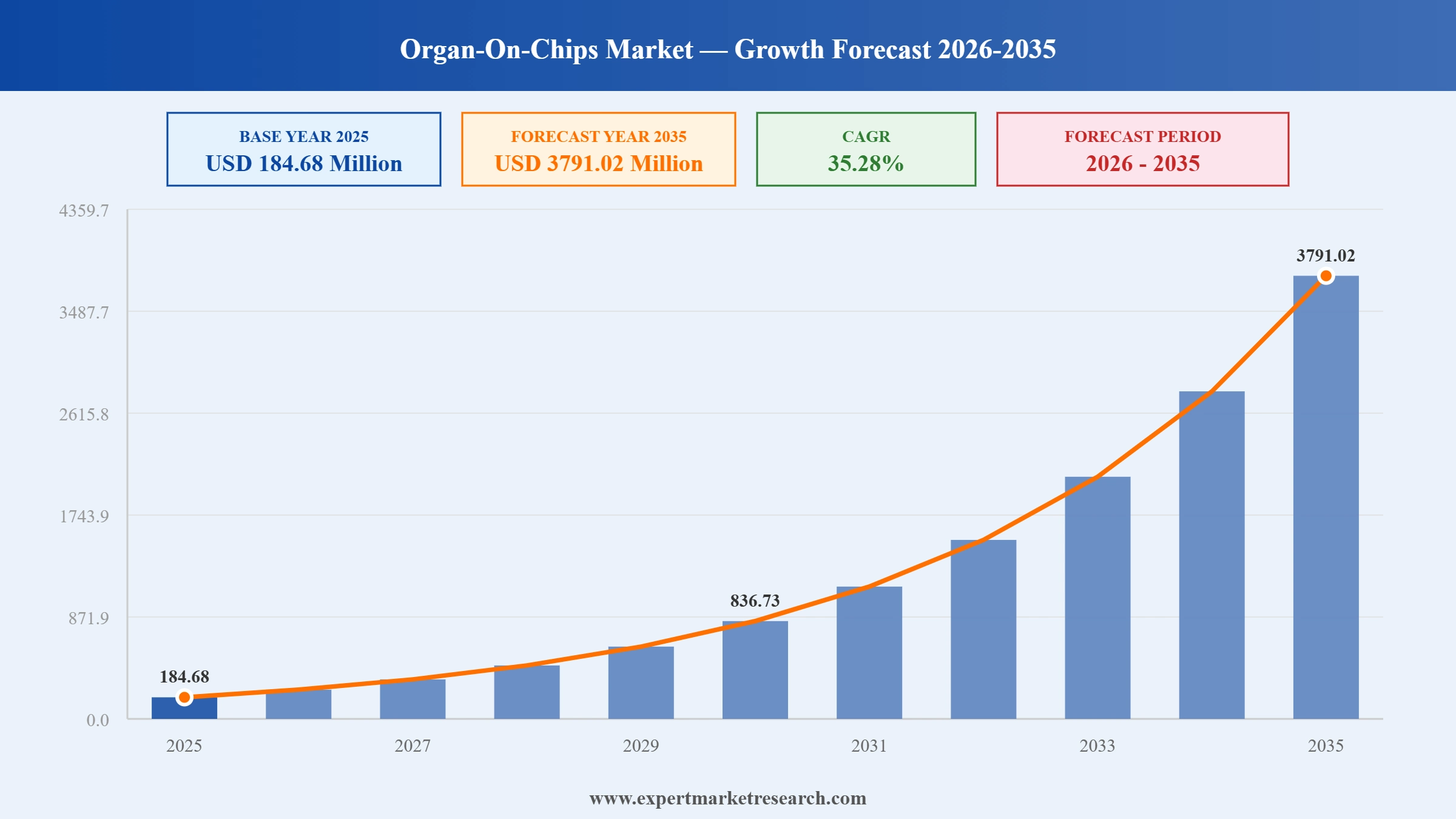
The organ-on-chips market was valued at USD 184.68 Million in 2025. It is poised to grow at a CAGR of 35.28% during the forecast period of 2026–2035, reaching USD 3791.02 Million by 2035. The growth is primarily driven by the increasing limitations of conventional 2D cell culture systems and the urgent need within the pharmaceutical industry for physiologically relevant, human-representative in vitro models. The growing emphasis on reducing drug development failures, minimizing dependence on animal testing, and improving translational accuracy in preclinical research continues to strengthen demand for organ-on-chips platforms.
Read more about this report - REQUEST FREE SAMPLE COPY IN PDF
Organ-on-Chips are microengineered biomimetic platforms designed to replicate the structural and physiological characteristics of human organs using microfluidics, living cells, and tissue engineering technologies. These systems recreate organ-level functions and cellular interactions in controlled environments, providing more predictive and human-relevant alternatives to conventional in vitro and animal models. The market was valued at USD 184.68 Million in 2025, supported by advancements in microfabrication, stem cell biology, and biomaterials engineering. The growing pressure to reduce late-stage drug failures and limit dependence on animal testing is significantly increasing adoption across pharmaceutical and biotechnology industries. Organ-on-Chips are increasingly used in drug discovery, toxicity testing, disease modeling, and personalized medicine, offering enhanced translational accuracy and improved assessment of therapeutic efficacy and safety.
Read more about this report - REQUEST FREE SAMPLE COPY IN PDF
Market Breakup by Type
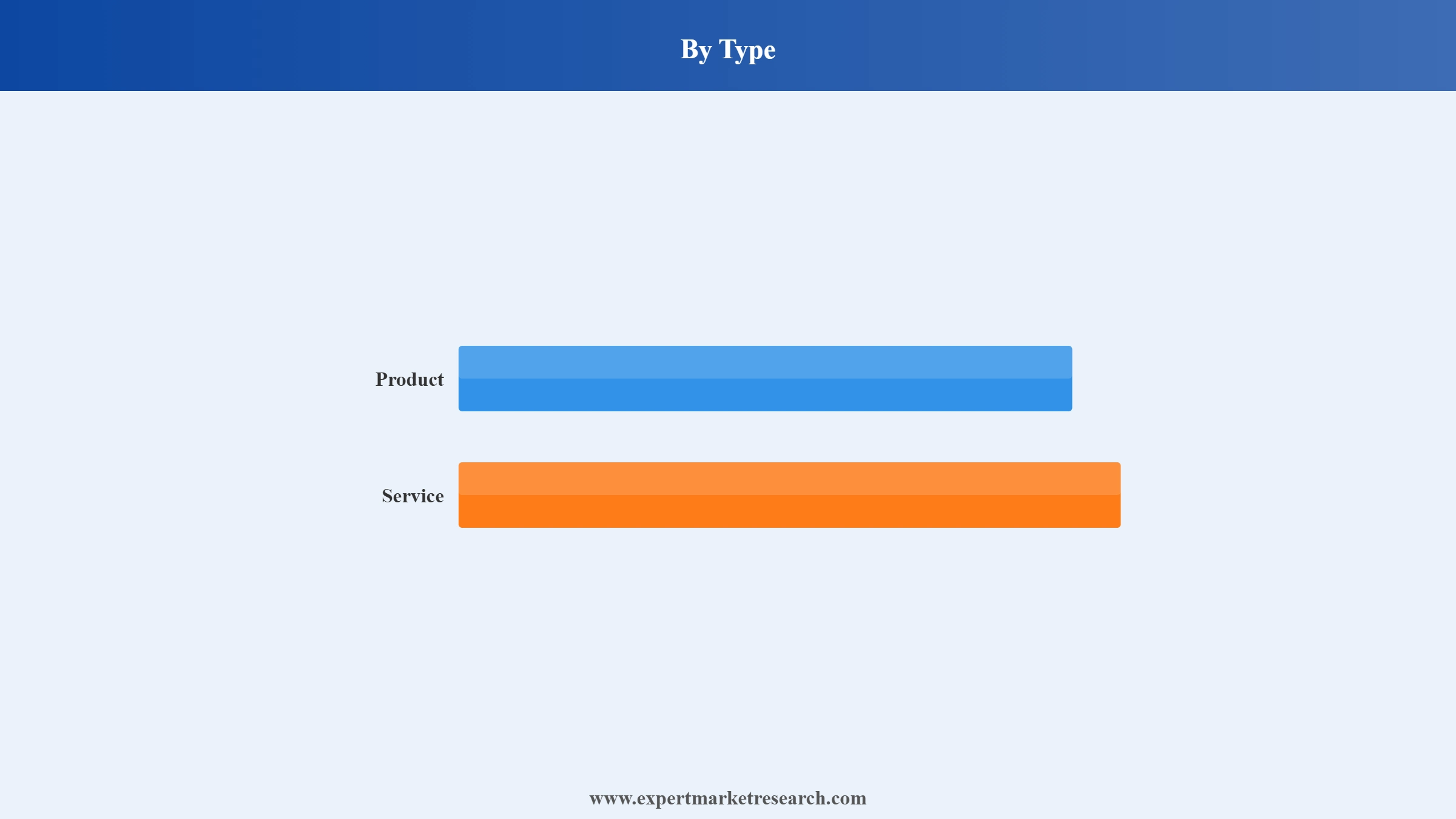
This segment covers organ-specific chip platforms and supporting services used to replicate human physiological functions. The product segment is expanding due to the growing use in disease research, drug screening, and toxicity studies, while the service segment supports platform development, testing, and experimental customization.
Market Breakup by Material
Material selection influences chip performance, imaging capability, and scalability. PDMS remains widely used for microfluidic fabrication, while polymer and glass materials are increasingly adopted to improve reproducibility, chemical stability, and efficiency in commercial manufacturing.
Market Breakup by Model Type
Model type reflects the biological complexity of the systems. Single-organ models are widely adopted for targeted physiological and pharmacological studies, whereas multi-organ models enable simulation of organ interactions and systemic biological responses.
Market Breakup by Application
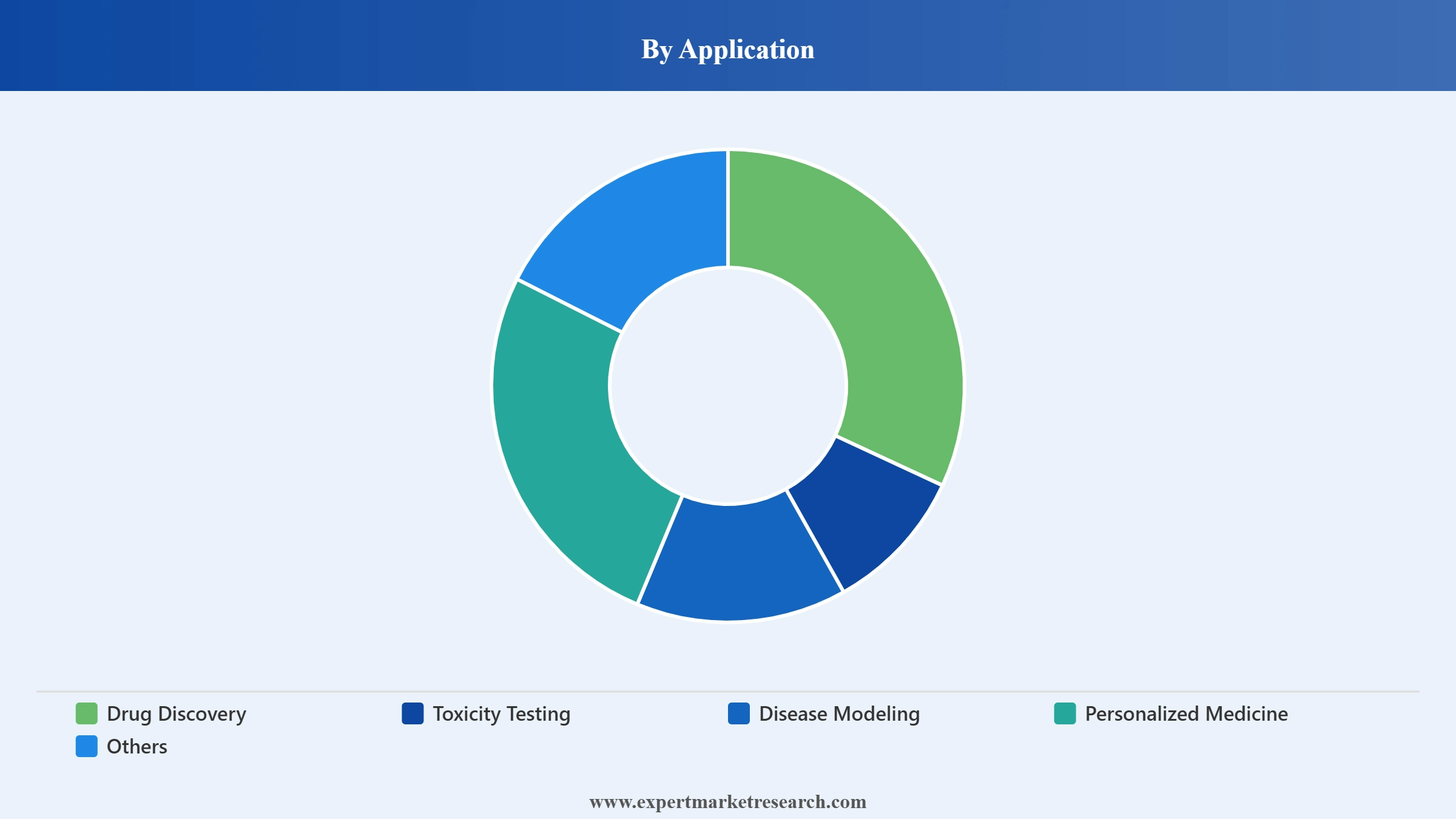
Applications highlight the growing role of organ-on-chips in biomedical research and pharmaceutical development. These platforms improve predictive accuracy in drug discovery, safety assessment, disease investigation, and patient-specific therapeutic evaluation.
Market Breakup by End User
End users span commercial, academic, and specialized research environments that adopt organ-on-chips technologies. Pharmaceutical and biotechnology companies prioritize drug development applications, while research institutes focus on biological discovery and model innovation.
Market Breakup by Region
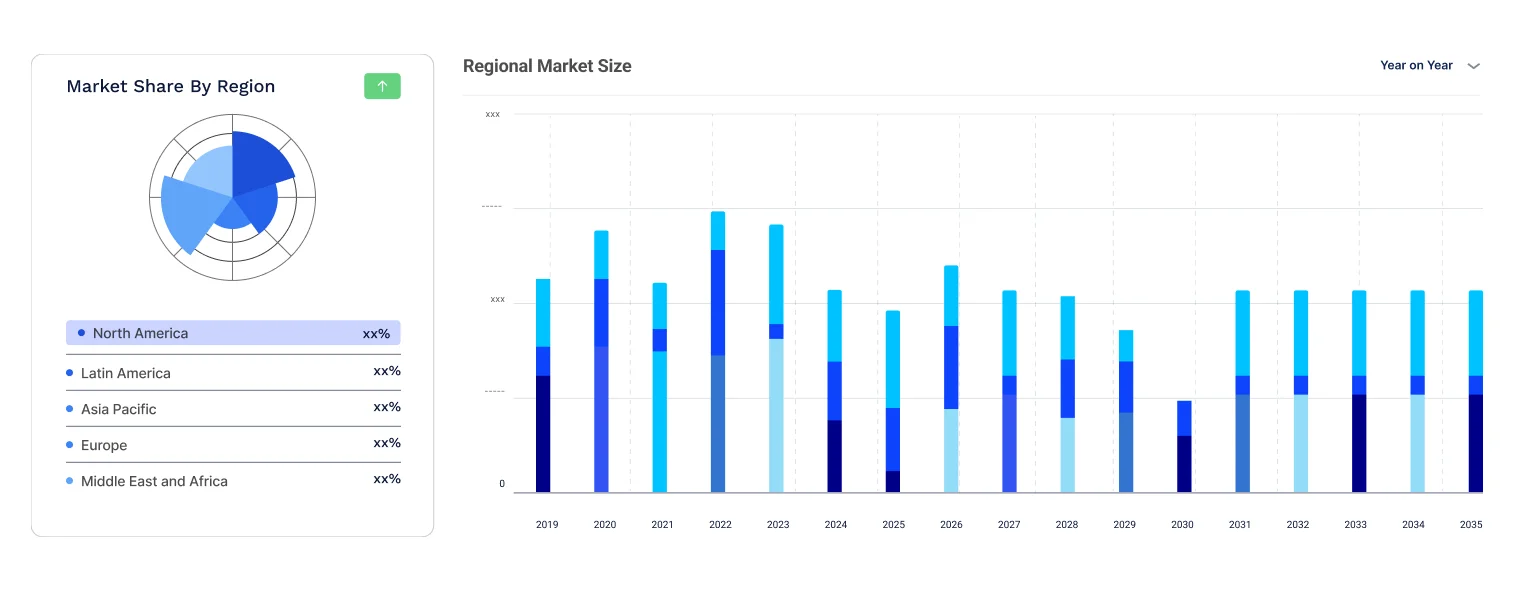
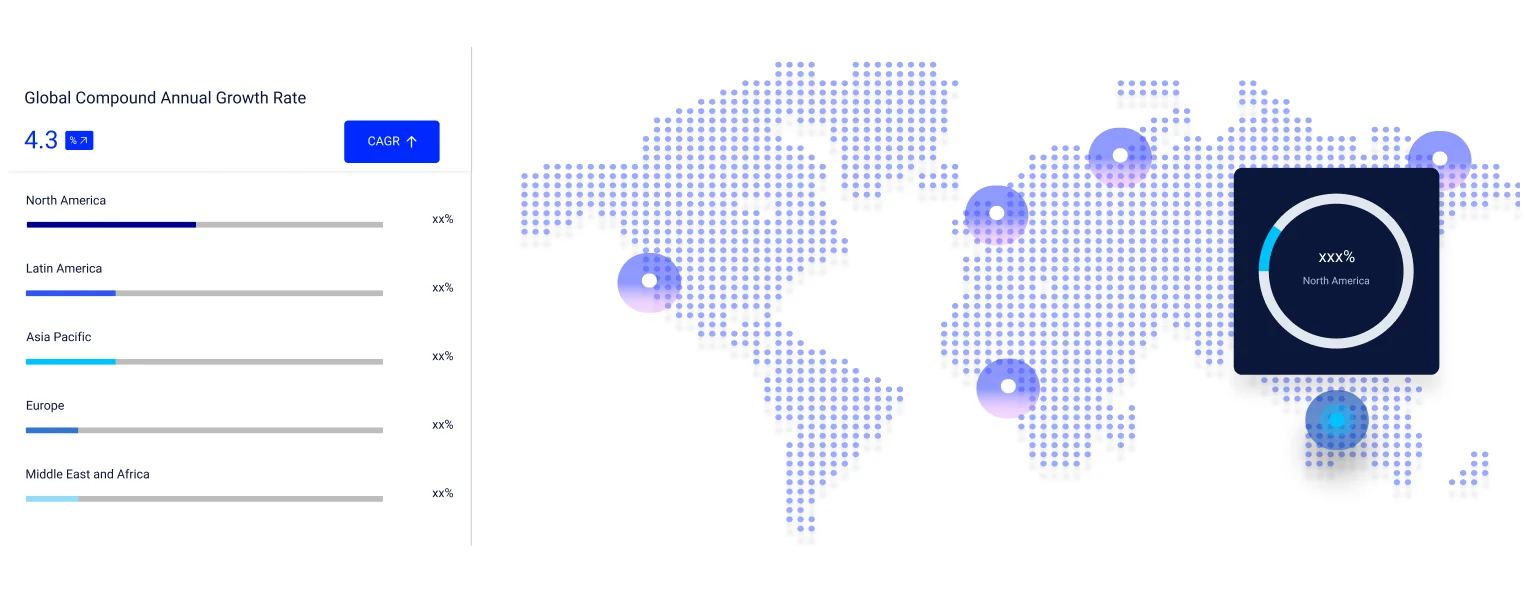
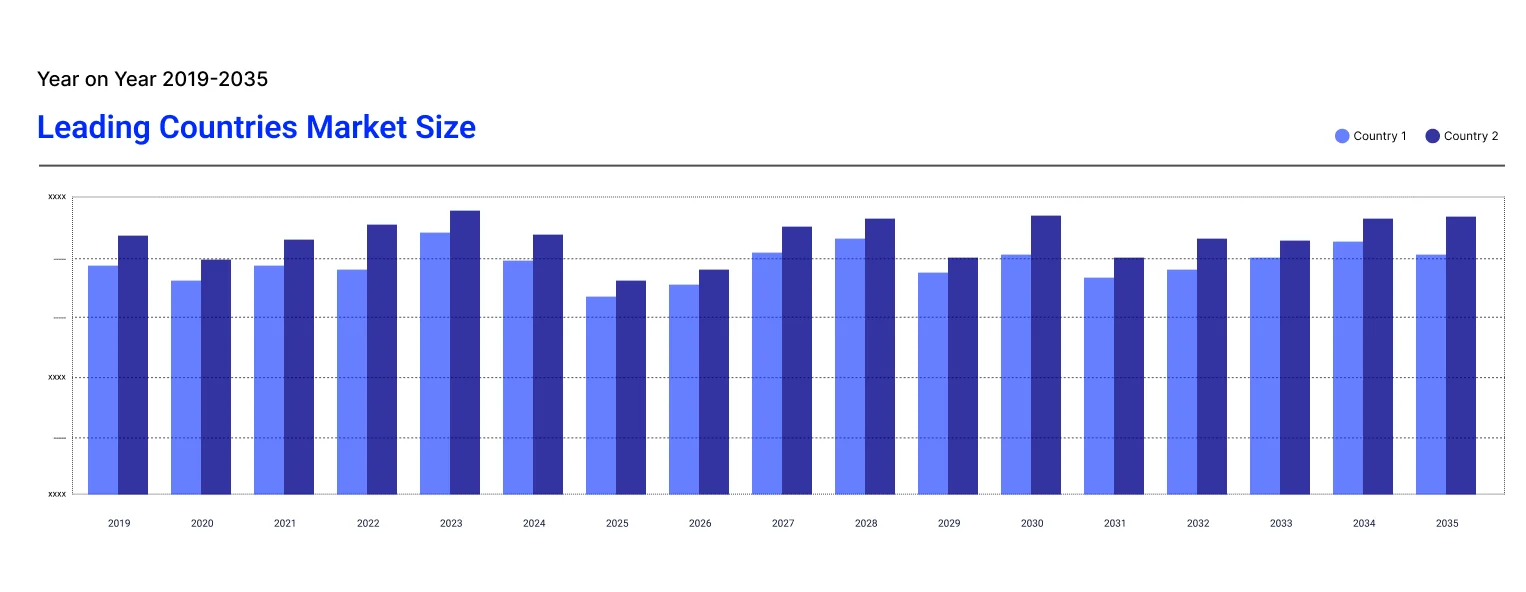
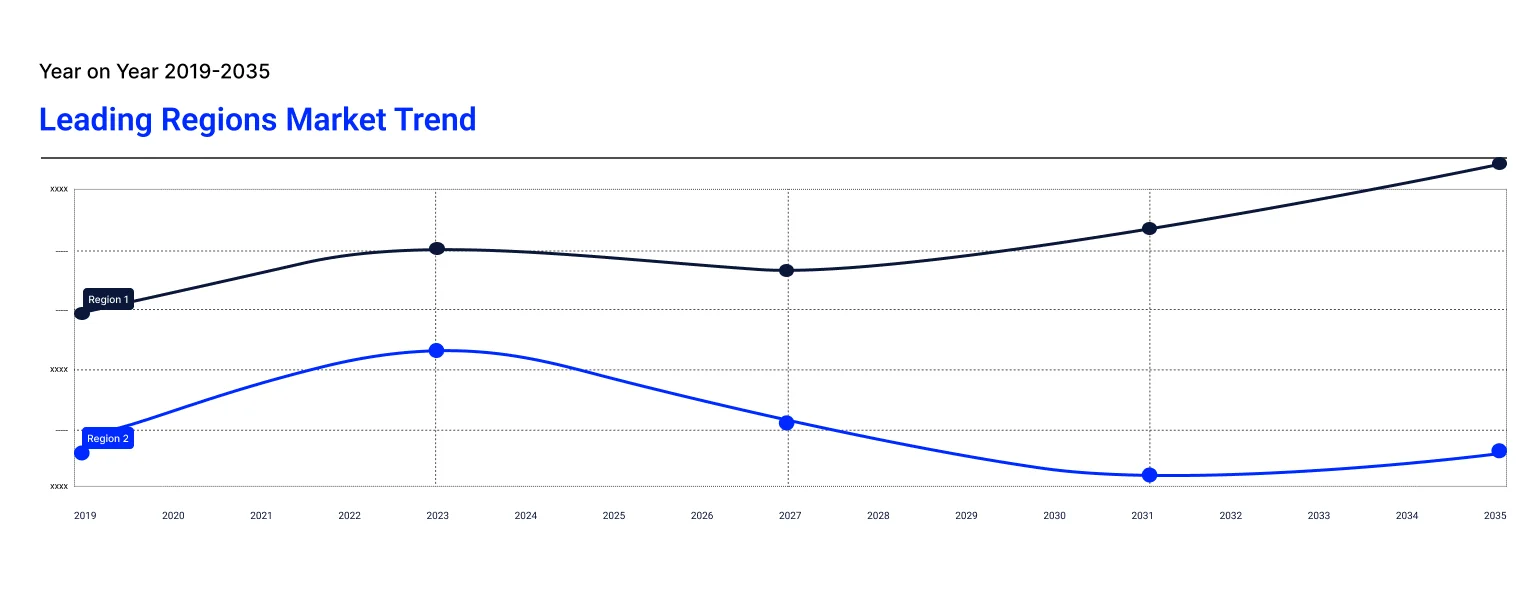
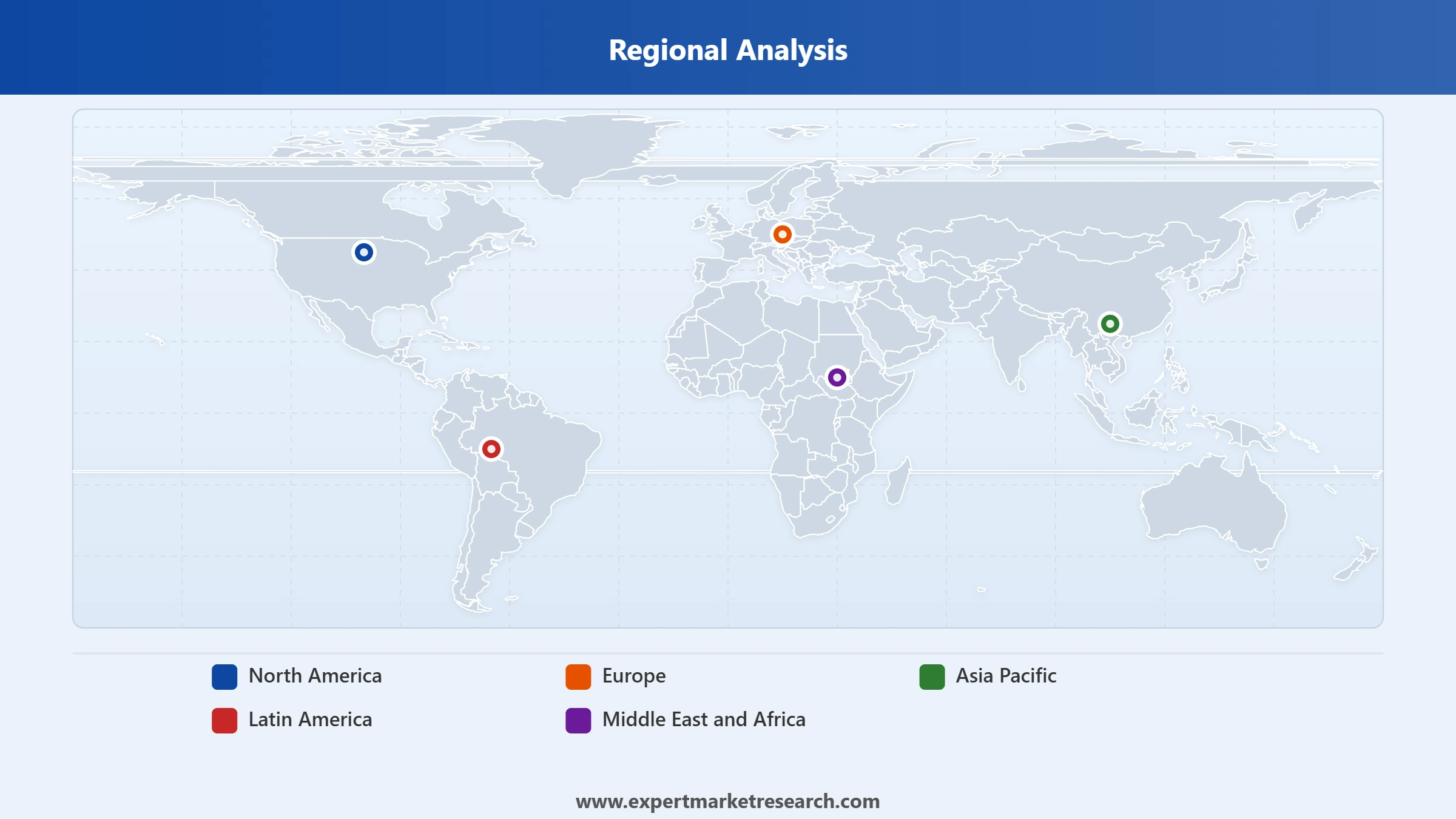
Regional segmentation reflects variations in biotechnology infrastructure, research investment, and regulatory support. Developed markets lead adoption, while emerging regions are witnessing growing demand supported by expanding healthcare and life sciences capabilities.
Read more about this report - REQUEST FREE SAMPLE COPY IN PDF
| Analysis Type | Factors | Example |
| Market Drivers | Increasing regulatory support for non-animal testing and demand for predictive preclinical models is accelerating Organ-on-Chips adoption. | In April 2025, the FDA promoted organ-on-chip technologies and reduced animal testing requirements for selected drug evaluations. |
| Market Restraints | Lack of standardized protocols, validation criteria, and performance benchmarks limits reproducibility and broader industry acceptance. | Variations in chip design and cell sourcing methods can generate inconsistent laboratory results, reducing regulatory confidence. |
| Market Opportunities | Expanding research infrastructure and specialized training programs are strengthening innovation and commercialization of Organ-on-Chips technologies. | In May 2025, Queen Mary University launched a major organ-on-chip facility and EUR 7 million training program. |
The following section outlines the key factors influencing the growth of the market, including major drivers, restraints, and emerging opportunities.
Regulatory Acceptance and Pharmaceutical R&D Efficiency are Accelerating Market Value
The market is witnessing strong growth driven by increasing regulatory support for non-animal testing models and rising pharmaceutical demand for predictive preclinical systems. Organ-on-chip platforms offer improved physiological accuracy compared to conventional animal studies, supporting more reliable drug safety and efficacy assessments. For instance, in April 2025, the U.S. Food and Drug Administration (FDA) announced plans to reduce and potentially replace animal testing requirements for monoclonal antibodies and other drugs while encouraging the use of New Approach Methodologies (NAMs), including organ-on-chip technologies. This regulatory shift is expected to accelerate industry adoption and stimulate further investment in advanced organ-on-chip platforms.
Lack of Standardization and Validation Frameworks Limits Market Expansion
The widespread adoption of Organ-on-Chips technologies is constrained by the absence of standardized protocols, validation criteria, and universally accepted performance benchmarks. Variations in chip design, cell sourcing methods, and experimental procedures can lead to inconsistent results across laboratories, limiting reproducibility and industry confidence. This challenge also complicates regulatory acceptance and integration into mainstream drug development workflows. Establishing standardized and validated microphysiological systems remains essential for broader commercial and regulatory adoption of Organ-on-Chips platforms.
Expansion of Organ-on-Chip Research Infrastructure and Training Programs Can Support Market Growth
The growing investment in dedicated organ-on-chip research facilities and workforce development is expected to accelerate the adoption of these advanced platforms across drug discovery and preclinical testing. For instance, in May 2025, the Centre for Human Specific Research reported that Queen Mary University of London launched the Centre for Predictive in vitro Models (CPM), one of Europe’s largest organ-on-chip facilities, alongside a EUR 7 million doctoral training program focused on next-generation organ-on-chip technologies. Such initiatives strengthen innovation, expand technical expertise, and support the broader commercialization of organ-on-chip systems, contributing to long-term market growth.
Some of the notable trends in the market are the rising adoption of non-animal testing platforms and advancements in multi-organ microphysiological systems.
Rising Adoption of Non-Animal Testing Approaches is Likely to Enhance Market Growth
The growing emphasis on reducing animal testing in pharmaceutical and biomedical research is emerging as a significant trend in the Organ-on-Chips market. Organ-on-chip platforms offer physiologically relevant human tissue models that improve the prediction of drug safety and efficacy while supporting ethical research practices. For instance, in March 2023, Bayer announced a collaborative pilot project with esqLABS, Dynamic42, and the Placenta Lab of Jena University Hospital to develop a multi-organ-on-chip platform aimed at reducing or replacing animal testing and generating clinically relevant preclinical data. This trend is expected to accelerate the adoption of organ-on-chip technologies and support sustained growth in the market.
Service Segment is Expected to Lead the Market by Type
The market is segmented by type into Product and Service. Among these, the service segment led the market with nearly 52% share during the historical period and is expected to maintain its leading position over the forecast timeline. The growth of this segment is supported by the increasing demand for specialized services such as organ-on-chip model development, assay optimization, validation studies, and customized testing solutions. As pharmaceutical and biotechnology companies continue to seek cost-effective and efficient approaches for drug discovery and preclinical research, reliance on service providers is rising. The segment’s ability to offer technical expertise and tailored solutions further strengthens its market position.
Read more about this report - REQUEST FREE SAMPLE COPY IN PDF
North America is expected to lead the market, supported by strong biotechnology infrastructure, high pharmaceutical R&D expenditure, and favorable regulatory developments encouraging alternative testing technologies. The region benefits from extensive collaboration between biotechnology companies, pharmaceutical manufacturers, and research institutions, accelerating commercialization and technology validation. Increasing investment in precision medicine, microphysiological systems, and advanced drug screening platforms further reinforces regional dominance. Meanwhile, Asia Pacific is emerging as a high-growth market due to expanding life sciences research capabilities, healthcare modernization, and rising biotechnology investment.
Read more about this report - REQUEST FREE SAMPLE COPY IN PDF
The key features of the market report comprise patent analysis, funding and investment analysis, and strategic initiatives by the leading players. The major companies in the market are as follows:
Novartis is expanding its use of advanced human-relevant research platforms to improve translational accuracy and streamline drug development. Within the market, the company benefits from technologies supporting toxicity prediction, disease modeling, and precision therapeutics, aligning with its oncology, immunology, and innovative medicines pipeline while reducing dependence on conventional animal models.
Roche maintains a strong strategic position in the Organ-on-Chips ecosystem through its focus on diagnostics, oncology, and precision medicine. Organ-chip technologies complement Roche’s biomarker-driven development strategy by enabling physiologically relevant testing, improved drug screening efficiency, and enhanced understanding of disease mechanisms across complex therapeutic programs.
AbbVie’s therapeutic portfolio in immunology, oncology, and neuroscience is a leading player in the organ-on-chips market. These platforms support preclinical assessment of drug efficacy and safety, helping optimize candidate selection and reduce development risks. Growing industry adoption of organ-chip systems strengthens AbbVie’s access to advanced predictive research methodologies.
Carl Zeiss Meditec AG is a key player in the market through advanced imaging and analytical technologies essential for cellular visualization and microfluidic research. High-resolution microscopy and digital imaging systems support organ-chip validation, tissue monitoring, and experimental reproducibility, positioning the company as an enabling technology provider within the market ecosystem.
Other key players in the market are Johnson & Johnson, Bausch Health Companies Inc., Santen Pharmaceutical Co., Ltd., HOYA Corporation, and Glaukos Corporation.
*Please note that this is only a partial list; the complete list of key players is available in the full report. Additionally, the list of key players can be customized to better suit your needs.*
This report is developed through a robust mixed-methods research design combining


Upto 15% Off
USD
$3299 $2969
$5499 $4949
$6999 $5949
$8199 $6969


*While we strive to always give you current and accurate information, the numbers depicted on the website are indicative and may differ from the actual numbers in the main report. At Expert Market Research, we aim to bring you the latest insights and trends in the market. Using our analyses and forecasts, stakeholders can understand the market dynamics, navigate challenges, and capitalize on opportunities to make data-driven strategic decisions.*
Explore our key highlights of the report and gain a concise overview of key findings, trends, and actionable insights that will empower your strategic decisions.
| REPORT FEATURES | DETAILS |
| Base Year | 2025 |
| Historical Period | 2019-2025 |
| Forecast Period | 2026-2035 |
| Scope of the Report |
Historical and Forecast Trends, Industry Drivers and Constraints, Historical and Forecast Market Analysis by Segment:
|
| Breakup by Type |
|
| Breakup by Material |
|
| Breakup by Model Type |
|
| Breakup by Application |
|
| Breakup by End User |
|
| Breakup by Region |
|
| Market Dynamics |
|
| Supplier Landscape |
|
| Companies Covered |
|
Datasheet
One User
USD 3,299
USD 2,969
tax inclusive*
Single User License
One User
USD 5,499
USD 4,949
tax inclusive*
Five User License
Five User
USD 6,999
USD 5,949
tax inclusive*
Corporate License
Unlimited Users
USD 8,199
USD 6,969
tax inclusive*
*Please note that the prices mentioned below are starting prices for each bundle type. Kindly contact our team for further details.*
Flash Bundle
Small Business Bundle
Growth Bundle
Enterprise Bundle
*Please note that the prices mentioned below are starting prices for each bundle type. Kindly contact our team for further details.*
Flash Bundle
Number of Reports: 3
20%
tax inclusive*
Small Business Bundle
Number of Reports: 5
25%
tax inclusive*
Growth Bundle
Number of Reports: 8
30%
tax inclusive*
Enterprise Bundle
Number of Reports: 10
35%
tax inclusive*
How To Order

Select License Type
Choose the right license for your needs and access rights.

Click on ‘Buy Now’
Add the report to your cart with one click and proceed to register.

Select Mode of Payment
Choose a payment option for a secure checkout. You will be redirected accordingly.
Strategic Solutions for Informed Decision-Making
Gain insights to stay ahead and seize opportunities.

Get insights & trends for a competitive edge.

Track prices with detailed trend reports.

Analyse trade data for supply chain insights.

Leverage cost reports for smart savings

Enhance supply chain with partnerships.

Connect For More Information
Our expert team of analysts will offer full support and resolve any queries regarding the report, before and after the purchase.
Our expert team of analysts will offer full support and resolve any queries regarding the report, before and after the purchase.
We employ meticulous research methods, blending advanced analytics and expert insights to deliver accurate, actionable industry intelligence, staying ahead of competitors.
Our skilled analysts offer unparalleled competitive advantage with detailed insights on current and emerging markets, ensuring your strategic edge.
We offer an in-depth yet simplified presentation of industry insights and analysis to meet your specific requirements effectively.




