

Consumer Insights
Uncover trends and behaviors shaping consumer choices today
Procurement Insights
Optimize your sourcing strategy with key market data
Industry Stats
Stay ahead with the latest trends and market analysis.
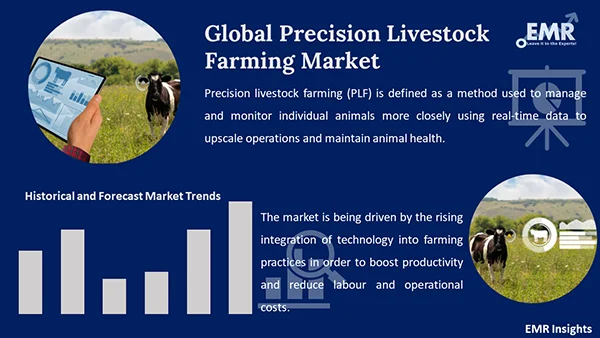
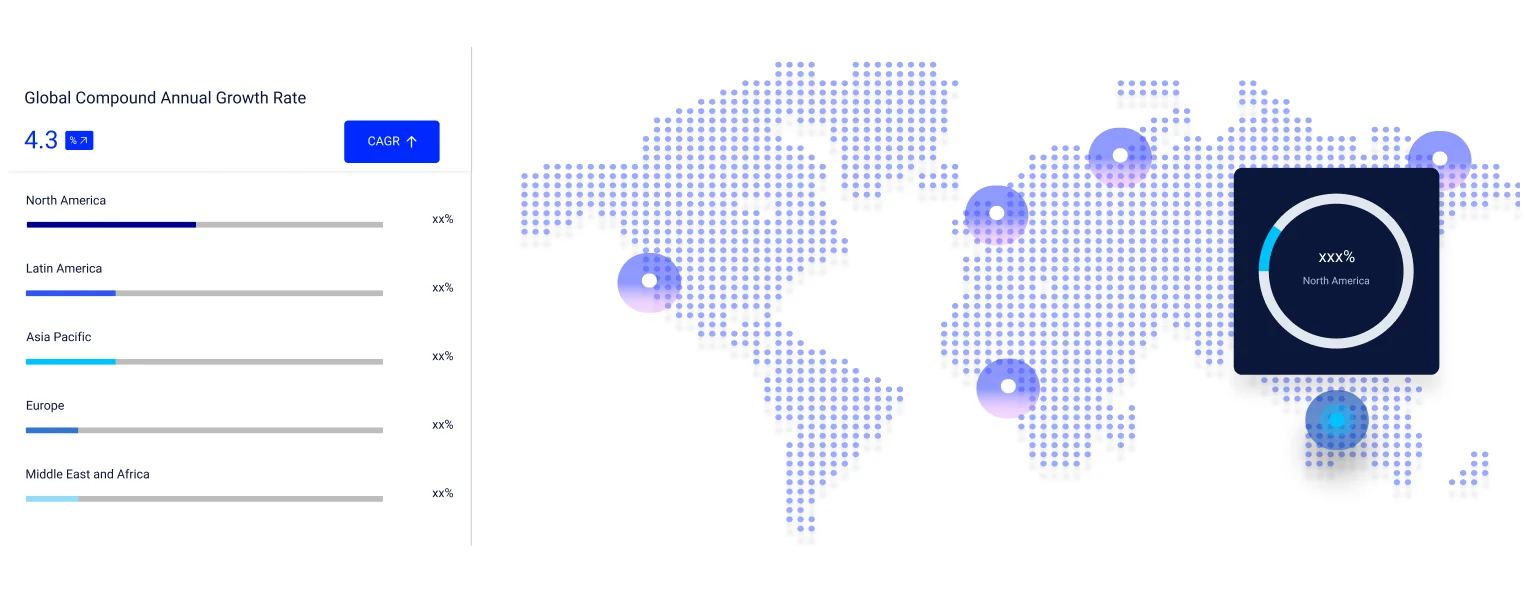
The global precision livestock farming market size was valued at USD 4.45 Billion in 2025. The industry is expected to grow at a CAGR of 9.40% during the forecast period of 2026-2035 to reach a value of USD 10.93 Billion by 2035. Precision livestock farming continues to grow as producers seek ways to optimize feed efficiency, reduce waste, and improve profitability amid rising feed costs and labor challenges.
Beyond product innovation, market growth has also been stimulated by the need for individual, animal traceability and the incorporation of behavioral analytics in herd management. To optimize breeding, detect early stress, and ensure welfare, farms get performance data at the micro, level and hence precision livestock systems become necessary operational tools rather than mere digital upgrades.
AI and automated feeding technologies built, in can perform a nutritional needs analysis of animals continuously thereby enabling farms to change from reactive to proactive management styles. Precision feeding systems, based on sensors, historical production data, and predictive models, offer individualized nutrition plans which help to reduce overall feed costs and support healthier and more uniform herd growth. Besides the livestock markets, this is in line with the concerns of the environment, the unavailability of labor, and the tightening of the environmental regulations which incentivize farms to look for data, driven solutions for their business resilience and bottom, line performance problems. At the approximate finishing stage of this adoption curve, a huge step forward in the product was made when Shuying Technology presented its FPF precision feeder suite at the Korea International Livestock Exhibition in September 2025. This event was the debut of Shuying's AI, driven feeding solution in a large, scale overseas project and symbolized the growing international acceptance of smart feeding systems.
Compound Annual Growth Rate
9.4%
Value in USD Billion
2026-2035
Drone-Hand, an Australian start-up founded in 2023, is using AI, powered autonomous drones for efficient livestock monitoring, cutting labour costs and preventing animal losses. Working offline in remote locations, the system has been tested with JBS Australia feedlots and internationally and is helping to promote the use of precision livestock technologies, thus enhancing productivity and digitization of operations in large farms.
Zoetis unveiled genetic predictions for bovine respiratory disease (BRD) through their INHERIT Select platform for commercial cow, calf operations, which is the first tool that helps producers to pick replacement females and also evaluate the sires for the health and survival of BRD. By focusing on selective breeding, this advance aids in decreasing calf deaths, raising the level of herd health, and securing higher productivity in the long run, thereby facilitating growth in precision livestock management.
Big Herdsman cemented its role as a leading player in the Southeast Asian market through the presentation of its feeding, drinking, ventilation, and environment control solutions at Ildex Indonesia 2025 from September 17, 19. The fair was highly attended and generated the interest of thousands of visitors who became qualified leads for the company, which is indicative of the high demand in the region for precision livestock farming technologies. This successful event enabled the company to strengthen its strategic partnerships and proved that its solutions customized for the poultry and livestock sector in Indonesia are in line with the market needs.
Nedap introduced its New Zealand branch along with partnerships between local businesses that were intended to offer cow collars, sort gates, and cloud, based herd management solutions. The expansion catered to New Zealand's 4.5 million cow dairy industry by pushing forward the use of wearable technology and providing real, time insight into the areas of health, reproduction, and overall farm management. After animal sensor, based solutions that work well in pasture, based systems have been tested globally, Nedap was thus able to increase the productivity, animal welfare, and operational efficiency of farmers in the whole country.
Public, private partnerships are playing an ever, larger role in facilitating precision livestock through improved local infrastructure and the fostering of digital transformation in rural areas. These partnerships facilitate producers' access to smart systems and technology providers' alignment with regional development goals, thus helping the latter in reducing the adoption barriers. Such a development can be seen in February 2025, when Shuying Technology signed a livestock modernization agreement with Chungcheongnam, do Province and Yangxiang Group for the advancement of smart farming practices in South Korea, the government's support for precision livestock systems being thereby reinforced.
Producers are increasingly turning to satellite, enabled livestock monitoring as a way of getting dependable health and behavior data from animals that are grazing remotely. These solutions not only free the animal welfare and movement tracking from being dependent on ground networks but also allow for live monitoring of these parameters. In fact, the range of product features seen in this segment show that the demand for monitoring solutions that can be increased in scale has become a significant market driver. In April 2025, CERES TAG unveiled its new CERES RANCHER ear tag, which provides satellite, based animal health intelligence for cattle producers in the U.S., thereby illustrating the growth of direct, to, satellite products in real, world precision livestock applications.
By setting up regional headquarters and operational centers, precision livestock companies are able to bring their sales closer to the customers, offer better customer service, and help with quicker product adoption. These are the types of initiatives that not only improve supply chain efficiency but also position the companies close to the major livestock markets. For example, CERES TAG's decision to locate its North American headquarters in Overland Park, Kansas, as announced in January 2025, is a move that supports the broader deployment of the company's satellite, connected livestock monitoring solutions and underscores North America as a key growth region for precision animal health technologies.
Collaborations with universities help precision livestock companies to validate their technologies, improve their analytics, and come up with research, backed insights that help them to build market trust. Besides that, such collaborations speed up the cycle of innovation as they turn field data into nature, based product enhancements. In October 2025, CERES TAG joined Auburn Universitys Department of Animal Sciences to use satellite remote livestock tracking in research programs, which helped the development of new technologies in animal health and grazing analytics and also promoted the scientific collaboration as a key enabler of precision farming solutions.
Strategic distribution agreements are helping to increase the availability of precision livestock products by collaborating with agricultural retail networks to install the most advanced technologies in the stores. Besides that, these partnerships are making it easier for producers to change equipment and at the same time being a good point of departure for market penetration in the leading livestock regions. As a demonstration of this (the expansion of products with high, tech components) trend, CERES TAG signed a national distribution partnership with Nutrien Ag Solutions in February 2025, thus, the company's satellite, connected livestock tags improved the reach of the brand throughout Australia and supported the adoption of digital tools for animal health monitoring at the farm level.
Read more about this report - REQUEST FREE SAMPLE COPY IN PDF
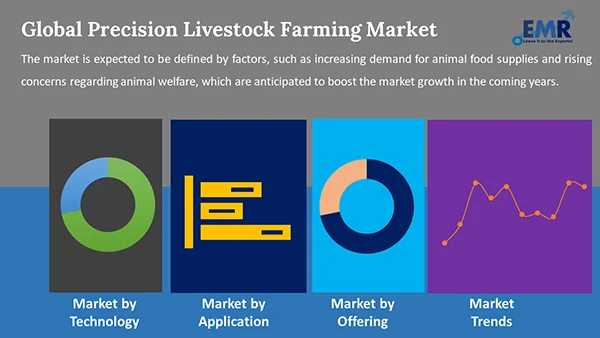
The EMR’s report titled “Global Precision Livestock Farming Market Report and Forecast 2026-2035” offers a detailed analysis of the market based on the following segments:
Market Breakup by Offering
Key Insights: The precision livestock farming market revolves around hardware, software, and services, all three of which contribute to digital livestock operations. The hardware consists of sensors, RFID/EID tags, milking robots, and automated feeders from companies like DeLaval, Allflex Livestock Intelligence, and Fancom BV, which provide data capture and automation. Software suites such as DelPro and SenseHub take raw data and convert it into actionable insights for herd management, while the services segment that includes system installation, analytics support, and consulting by firms like GEA Group helps to increase uptime, adoption, and ROI.
Market Breakup by Technology
Key Insights: Technological segmentation covers milking robots, precision feeding systems, and identification & tracking tools. DeLaval and Lely International are at the forefront with their robotic milking solutions, not only removing the need for manual milking but also gathering performance data from each animal. Precision feeding innovations like DeLaval optimat automate the process of feed distribution and increase overall efficiency. On the other hand, Allflex Livestock Intelligence is behind the widespread use of advanced RFID and sensor, based identification and tracking, which facilitates behavior monitoring and biosecurity management. These technologies, taken together, improve the welfare, productivity, and operational transparency of dairy and livestock businesses.
Market Breakup by Application
Key Insights: The application areas cover milk harvesting, feeding management, livestock health and behaviour monitoring, as well as environmental monitoring and analytics. Automated milk harvesting systems from DeLaval and BouMatic increase throughput and consistency. Fancom BV and Lely's automated feeding and inventory management solutions optimize the delivery of rations and reduce waste. Health and behaviour monitoring, supported by Allflexs SenseHub and analytics platforms, enable better detection of diseases at an early stage and welfare compliance. On top of that, environmental control and data visualization applicaions help farms to achieve their sustainability and regulatory goals.
Market Breakup by Region
Key Insights: North America is the region where adoption of robotic milking, sensor analytics, and data platforms supported by companies such as DeLaval and GEA Group is the highest. Europe is next, with good automation demand coming from welfare regulations and advanced farm systems. The Asia Pacific region is going to high, precision feeding and traceability solutions as digital farming becomes more popular in China and India. Cloud based herd management platforms are getting popular in Latin America, while climate adapted monitoring and early digitization initiatives in livestock operations are the main focus in the Middle East & Africa.
Read more about this report - REQUEST FREE SAMPLE COPY IN PDF
By offering, hardware witness notable demand driven by the increasing adoption of across large dairy operations
Hardware innovations are speeding up adoption in precision livestock farming by granting automation that raises efficiency and cuts labour costs, especially in dairy operations with large herds. Robotic systems that merge traditional milking workflows with automation permit farms to keep familiar processes but still obtain detailed performance data. For instance, DeLaval introduced its VMS Batch Milking system in January 2024, a new feature that allows large herds to be milked using a robot as per a schedule and thus facilitates producers to scale the operations with less human work and the cows enjoy more comfort.
Leading software platforms in precision livestock farming harmonize data from sensors, robots, and environmental monitors into useful dashboards that help improve herd health, milking efficiency, and resource planning. Farmers use this kind of information to lower the risk of disease, perfect feeding routines, and implement data, driven decisions of management in multi, site operations. DeLaval offers a good example. In October 2025, DeLaval unveiled its DeLaval Plus digital platform, which delivers secured analytics and easy, to, use farm intelligence, thus assisting farmers in getting faster, more accurate operational decisions.
By technology, Identification and tracking is picking up momentum driven by by advanced monitoring and traceability solutions
Identification and tracking technologies contribute significantly to the precision livestock farming market revenue, constantly providing fresh data on animal behavior, health, and movement at the individual level. Highly sophisticated RFID-based systems and sensor arrays give the growers an opportunity to oversee the animals' welfare, identify symptomatic changes at an early stage of illness, and make better decisions regarding feeding or breeding. These solutions serve to improve biosecurity standards and maintain legal compliance in addition to making it easier to track animals along the production chain. In line with this objective, Merck Animal Health completed a minority investment in LeeO Precision Farming, enabling the distribution of LeeO's digital swine traceability system for the entire animal life cycle monitoring.
On the other hand, milking robots are witnessing high demand in the precision livestock farming market, offering features for automated milk harvesting, better animal welfare, and steadiness of production irrespective of the herd size. Systems that reduce human work and collect performance data on milking events enable farmers to optimize schedules, get insights, and expand their companies. For instance, in September 2023, BouMatic Group launched its Gemini UP milking robot, which is equipped with an AI-supported cow attachment, improved milk flow, and modular energy-efficient systems, thus catering to both small family farms and large commercial dairies. Before this, the business revolutionized the milking robot industry with the release of its smart robot CowMatic, which employed AI technology to ensure a precise attachment to the cow's teat and effective milking in a humane and comfortable manner.
By application, feeding management witnesses increasing adoption driven by automation and smart nutrition systems
The precision livestock farming market is observing a strong demand for feeding management solutions that combine automation, robotics, and analytics. With this, it can optimize nutrition delivery, minimize waste, and raise feed conversion efficiency on livestock farms. Such devices adjust to the needs of the herd continuously, thus cutting down on labour and providing consistent dietary regimens. For instance, in March 2025, Lely introduced the Vector MFR Next automated feed robot, a device that can deliver feed more efficiently with a higher capacity and smart navigation, thus enabling big farms to enhance feeding workflows and increase overall productivity.
Milk harvesting solutions are picking up momentum in the precision livestock farming market owing to the development of robots that are used to make milking routines more efficient, help with herd health monitoring, and raise yield consistency across herds. Mixing automated processes with traditional ones lets farms keep the routine they are familiar with while also getting the benefit of accurate data and lowered labour costs. For instance, the VMS Batch Milking system by DeLaval, made available in January 2024, facilitates scheduled batch robotic milking for larger herds and grants farm managers cow performance data, which they can act upon.
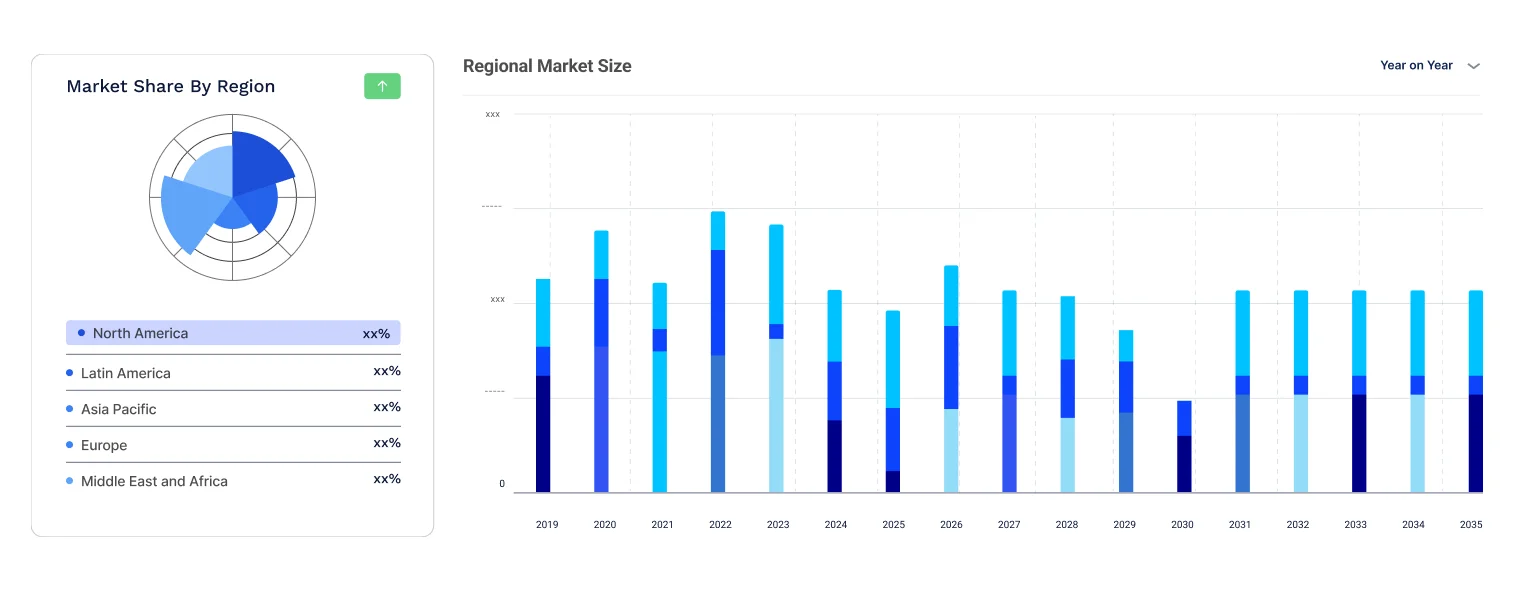
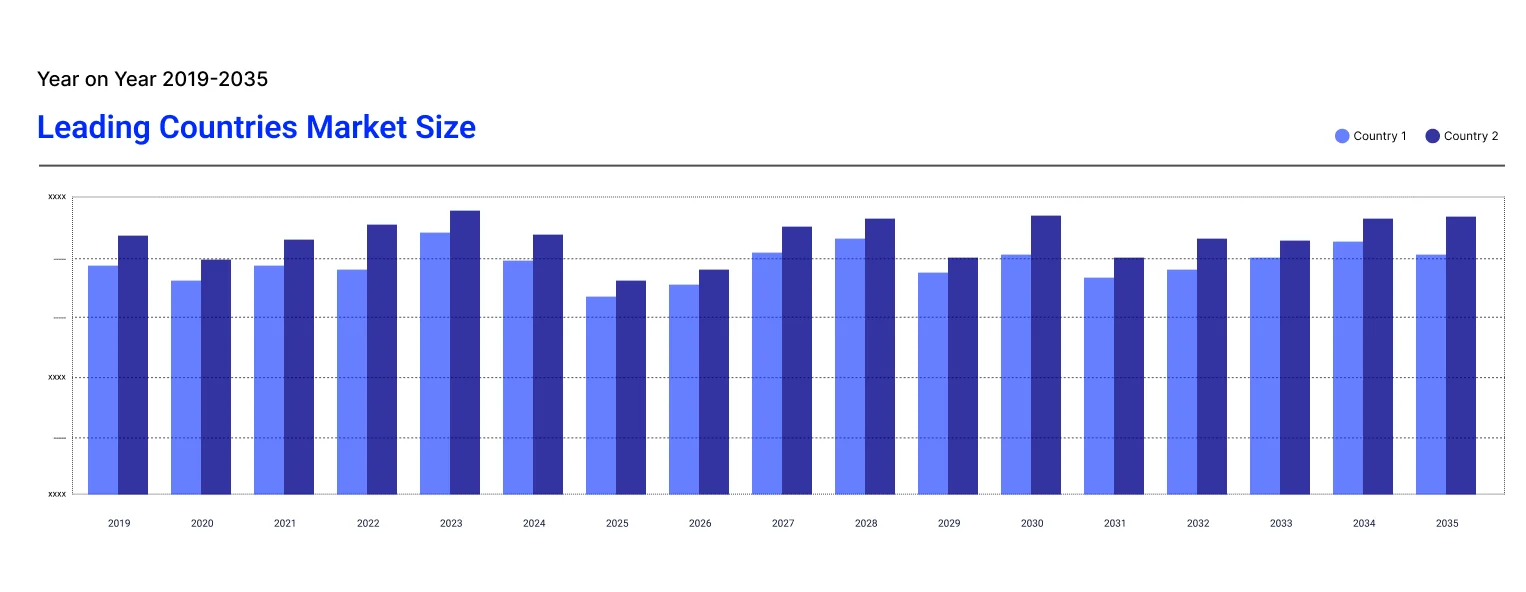
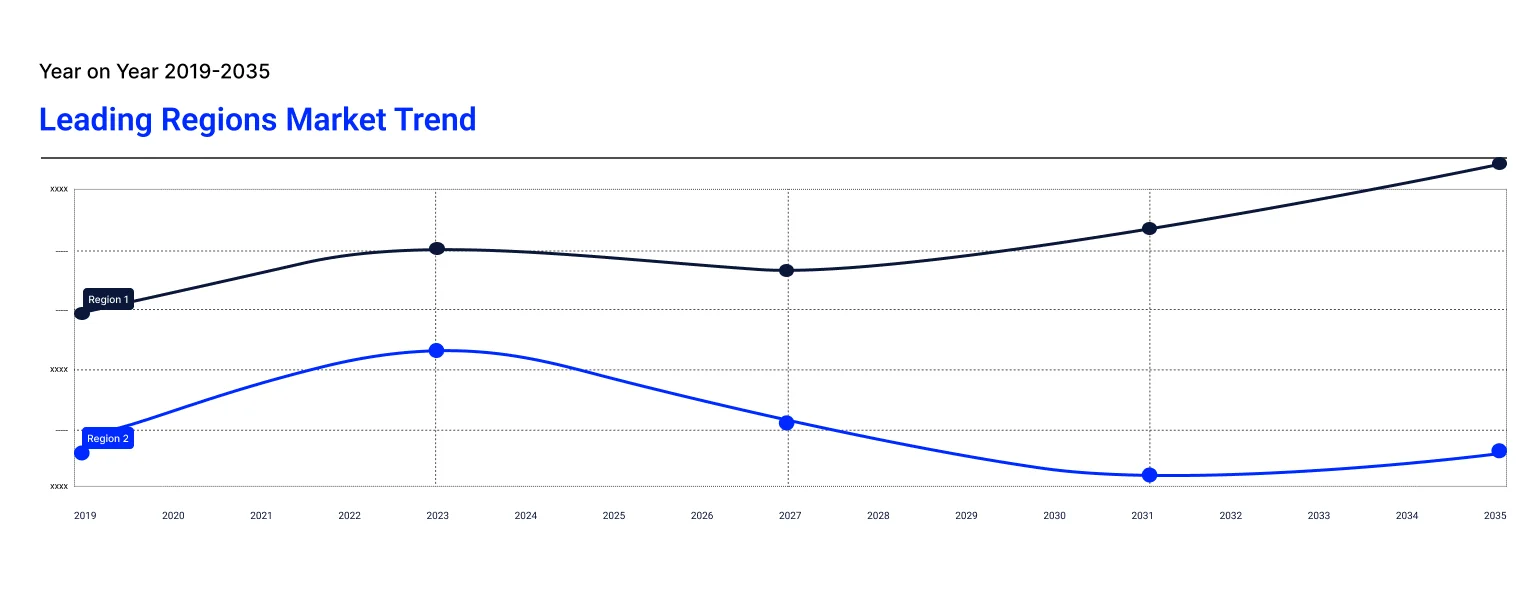
By Region, North America leads the market growth, driving precision livestock farming adoption through automation and advanced robotics
North America accounts for the largest share of the precision livestock farming market, driven by the presence of a booming dairy sector that is turning to robotic milking systems to make their operations more efficient, reduce labor costs, and produce high-quality milk. Farms use AI-enabled milking solutions, 3D vision systems, and integrated udder prep technologies to create a more comfortable environment for the cows, maintain hygiene during milk harvesting, and keep production consistent. The systems also allow producers to make decisions based on data, which helps them to cut their operating costs and increase the productivity of their herds. For instance, the GEA Farm Technologies offers the MIone multi-box robotic milking system in North America, complying with AMDERC regulatory standards and providing large-scale operations with next-level precision milking capabilities.
The precision livestock farming market in the Asia Pacific has been significantly influenced by the adoption of smart farming and advanced feed technologies as producers have been striving to elevate productivity, efficiency, and sustainability. For instance, the Agri Livestock & Feed Taiwan 2025 event showcased AI and IoT-enabled farm management, precision feeding systems, and revolutionary nutrition solutions for poultry, swine, and dairy industries. Regional producers are showing strong interest in technology-driven solutions to streamline operations, improve animal care, and fulfil sustainability goals, indicating an increasing market trend.
Major precision livestock farming players are actively strengthening their positions through continuous product innovation, ecosystem partnerships, and regional expansion strategies. Companies are investing in AI-powered monitoring platforms, satellite-enabled tracking devices, and automated feeding systems to enhance farm-level efficiency and animal welfare. At the same time, collaborations with research institutions and distributors are enabling faster commercialization, localized deployment, and improved customer support, accelerating adoption across both developed and emerging livestock markets.
At the same time, the leading precision livestock farming companies are focusing on data integration and extensible digital platforms to provide full livestock management solutions. Major investments in cloud analytics, sensor interoperability, and precision nutrition tools are allowing businesses to supply comprehensive decision support systems. The programs, aimed at market entry, pilot deployments, and training, build producer trust and thus contribute to the ongoing maturation of the global precision livestock farming market.
Cargill, Incorporated, established in 1865 and with its main office located in Minnetonka, Minnesota, is a global leader in agribusiness and food production. The company delivers integrated livestock solutions that comprise feed, nutrition, and digital farming technologies, thus helping the worldwide livestock sector manage its operations in a more sustainable and efficient way.
Robert Bosch GmbH, a multinational engineering and technology company, was established in 1886 and is in Gerlingen, Germany. The company's agriculture segment focuses on automation, sensors, and IoT technologies, which enable precision livestock husbandry through sophisticated monitoring and digital systems, and has positioned it prominently in the global precision livestock farming market.
Fancom BV was established in 1983 and is in Panningen, Netherlands. The company is engaged in climate control systems and automation solutions for livestock farms. It also creates precision farming technologies that help to improve animal welfare, feeding, and environmental conditions.
GEA Group Aktiengesellschaft, established in 1881 and headquartered in Düsseldorf, Germany, is one of the world's leading suppliers of process technology and equipment for the food and agricultural sectors. Its farming solutions comprise robotic milking systems, feeding automation, and integrated farm management technologies.
*Please note that this is only a partial list; the complete list of key players is available in the full report. Additionally, the list of key players can be customized to better suit your needs.*
Other players in the market include Allflex, among others.
Explore the latest trends shaping the Global Precision Livestock Farming Market 2026-2035 with our in-depth report. Gain strategic insights, future forecasts, and key market developments that can help you stay competitive. Download a free sample report or contact our team for customized consultation on global precision livestock farming market trends 2026.


Upto 15% Off
USD
$2499 $2249
$3999 $3599
$4999 $4249
$5999 $5099


*While we strive to always give you current and accurate information, the numbers depicted on the website are indicative and may differ from the actual numbers in the main report. At Expert Market Research, we aim to bring you the latest insights and trends in the market. Using our analyses and forecasts, stakeholders can understand the market dynamics, navigate challenges, and capitalize on opportunities to make data-driven strategic decisions.*
In 2025, the global precision livestock farming market reached an approximate value of USD 4.45 Billion.
The market is projected to grow at a CAGR of 9.40% between 2026 and 2035.
The market is estimated to witness a healthy growth in the forecast period of 2026-2035 to reach about USD 10.93 Billion by 2035.
Key strategies driving the market include continuous product innovation in AI-enabled monitoring and precision feeding systems, strategic partnerships with research institutions and distributors, regional expansion through local hubs, integration of cloud-based analytics platforms, and investments in interoperable sensor ecosystems to deliver end-to-end livestock management solutions.
The key trends propelling the market demand include the growing smartphone penetration, the increasing focus on animal welfare, and the surging integration of sensors, RFID tags, and camera and sound systems in precision livestock farming equipment.
The major regional markets for precision livestock farming are North America, Latin America, the Asia Pacific, Europe, and the Middle East and Africa.
The significant segments based on offerings of precision livestock farming considered in the market report are hardware, software, and services.
Milking robots, precision feeding systems, and identification and tracking are the major technologies considered in the market report.
The different applications of precision livestock farming are milk harvesting, feeding management, and livestock health and behaviour monitoring, among others.
The key players in the market include Cargill, Incorporated, Robert Bosch GmbH, Fancom BV, GEA Group Aktiengesellschaft, and Allflex, among others.
Market players face challenges such as high initial implementation costs, limited digital literacy among small-scale farmers, connectivity constraints in remote regions, data integration complexities across platforms, and slower adoption rates due to fragmented infrastructure and concerns around return on investment.
Explore our key highlights of the report and gain a concise overview of key findings, trends, and actionable insights that will empower your strategic decisions.
| REPORT FEATURES | DETAILS |
| Base Year | 2025 |
| Historical Period | 2019-2025 |
| Forecast Period | 2026-2035 |
| Scope of the Report |
Historical and Forecast Trends, Industry Drivers and Constraints, Historical and Forecast Market Analysis by Segment:
|
| Breakup by Offering |
|
| Breakup by Technology |
|
| Breakup by Application |
|
| Breakup by Region |
|
| Market Dynamics |
|
| Competitive Landscape |
|
| Companies Covered |
|
| Report Price and Purchase Option | Explore our purchase options that are best suited to your resources and industry needs. |
| Delivery Format | Delivered as an attached PDF and Excel through email, with an option of receiving an editable PPT, according to the purchase option. |
Datasheet
One User
USD 2,499
USD 2,249
tax inclusive*
Single User License
One User
USD 3,999
USD 3,599
tax inclusive*
Five User License
Five User
USD 4,999
USD 4,249
tax inclusive*
Corporate License
Unlimited Users
USD 5,999
USD 5,099
tax inclusive*
*Please note that the prices mentioned below are starting prices for each bundle type. Kindly contact our team for further details.*
Flash Bundle
Small Business Bundle
Growth Bundle
Enterprise Bundle
*Please note that the prices mentioned below are starting prices for each bundle type. Kindly contact our team for further details.*
Flash Bundle
Number of Reports: 3
20%
tax inclusive*
Small Business Bundle
Number of Reports: 5
25%
tax inclusive*
Growth Bundle
Number of Reports: 8
30%
tax inclusive*
Enterprise Bundle
Number of Reports: 10
35%
tax inclusive*
How To Order

Select License Type
Choose the right license for your needs and access rights.

Click on ‘Buy Now’
Add the report to your cart with one click and proceed to register.

Select Mode of Payment
Choose a payment option for a secure checkout. You will be redirected accordingly.
Strategic Solutions for Informed Decision-Making
Gain insights to stay ahead and seize opportunities.

Get insights & trends for a competitive edge.

Track prices with detailed trend reports.

Analyse trade data for supply chain insights.

Leverage cost reports for smart savings

Enhance supply chain with partnerships.

Connect For More Information
Our expert team of analysts will offer full support and resolve any queries regarding the report, before and after the purchase.
Our expert team of analysts will offer full support and resolve any queries regarding the report, before and after the purchase.
We employ meticulous research methods, blending advanced analytics and expert insights to deliver accurate, actionable industry intelligence, staying ahead of competitors.
Our skilled analysts offer unparalleled competitive advantage with detailed insights on current and emerging markets, ensuring your strategic edge.
We offer an in-depth yet simplified presentation of industry insights and analysis to meet your specific requirements effectively.




