

Consumer Insights
Uncover trends and behaviors shaping consumer choices today
Procurement Insights
Optimize your sourcing strategy with key market data
Industry Stats
Stay ahead with the latest trends and market analysis.
The global predictive maintenance market size was valued at USD 8.06 Billion in 2025 and is projected to grow at a compound annual growth rate CAGR of 29.10% between 2026 and 2035, reaching approximately USD 103.66 Billion by 2035. This growth reflects one of the steepest adoption curves among industrial technology categories tracked today, driven by the accelerating convergence of industrial sensors, cloud analytics, and artificial intelligence across asset-intensive sectors such as manufacturing, energy, transportation, and utilities.
At a CAGR of 29.10%, predictive maintenance is expanding roughly three times faster than the broader industrial automation category, underscoring how quickly organizations are shifting maintenance budgets away from fixed-schedule servicing and toward continuous, data-driven condition monitoring.
Compound Annual Growth Rate
29.1%
Value in USD Billion
2026-2035
Predictive maintenance is the practice of using real-time equipment data vibration signatures, thermal readings, oil condition, acoustic emissions, and electrical signatures to anticipate mechanical or electrical failures before they occur, rather than servicing assets on a fixed calendar schedule or repairing them only after a breakdown. This condition-based approach relies on industrial sensors, connectivity infrastructure, and increasingly on machine learning models that can flag early signs of degradation weeks or months in advance, allowing maintenance teams to intervene precisely when it is needed rather than too early or too late.
Oil and gas operators are moving away from fixed-schedule servicing of pumps, compressors and turbines toward continuous sensor monitoring that flags component failure days or weeks in advance. Industry outlooks for the sector point to a large share of 2026 technology budgets shifting toward AI and predictive analytics, as operators including major oilfield service providers compete on predictive maintenance capability for completion equipment and cloud-based asset management platforms.
Autodesk announced plans to acquire maintenance and operations software provider MaintainX, with the deal aimed at deepening Autodesk's AI capabilities and expanding its reach into operational SaaS for enterprise customers. The move reflects continued consolidation as design and engineering software vendors move to add maintenance and asset-management capabilities to their platforms.
Razor Labs released a major update to its AI-powered predictive maintenance platform for the mining sector, extending the software's role from early failure detection into supporting the full maintenance decision-making process, including field execution.
At its AVEVA World 2026 conference in Milan, AVEVA announced the acquisition of TwinThread, an engineer-first predictive maintenance analytics platform, alongside a strategic partnership with IFS, combining AVEVA's operational data platform with IFS's asset investment planning and field service management capabilities.
The use of AI and ML in predictive maintenance offerings is transforming asset management through the ability to analyze data in real time and forecast impending failures. Through this combination, higher accuracy predictions are made, reducing unplanned downtime and increasing equipment life, raising future demand in the predictive maintenance market. For example, Siemens’ MindSphere platform and GE Digital’s Predix systems are using AI to enhance predictive maintenance capabilities, which translates into higher operational efficiency as well as cost-saving benefits.
Government policies and regulations play a major role in the adoption of predictive maintenance solutions. In the United States, the Department of Defense's focus on predictive maintenance solutions has accelerated spending on AI-based solutions to guarantee equipment reliability and minimize the cost of maintenance. According to the predictive maintenance market analysis, federal agencies can save USD 100 million or more by using predictive models to make investment decisions on deferred maintenance and repair work. In Europe, Industry 4.0 encourages smart manufacturing and predictive maintenance strategies, which enhance industrial competitiveness. Similarly, China’s Made in China 2025 program encourages digitalization in factories, driving demand for IoT-enabled predictive solutions across multiple sectors.
The proliferation of IoT devices and advanced sensor technologies is providing organizations with real-time data on equipment health, facilitating proactive maintenance strategies. Industry reports suggest that the number of Internet of Things (IoT) devices globally is forecasted to double, from 19.8 billion in 2025 to more than 40.6 billion IoT devices by 2034. This development allows businesses to continuously track equipment conditions, determine any unusual conditions, and conduct maintenance preemptively before failures occur, and decrease operational disruptions and thus catalyze growth in the predictive maintenance market.
The continuing digital transformation across industries is increasing the application of Industry 4.0 practices such as adopting predictive maintenance solutions. According to the NASSCOM report on India Industry 4.0 Adoption, it is projected that digital technologies will account for 40% of total manufacturing expenditure by 2025 as compared to 20% of expenditure in 2021. The shift toward automation, sharing of data, and further smart manufacturing is motivating organizations to invest in predictive maintenance technologies, so as to develop more operational efficiencies with reduced costs. The rising focus on digital transformation which supports industry 4.0 applications like predictive maintenance increases the potential predictive maintenance market opportunities.
Predictive maintenance is also being utilized to support sustainability and energy efficiency objectives. Companies can track the performance of equipment in real-time so that they can reduce energy consumption, carbon footprint, and waste. For example, Siemens and Schneider Electric have combined predictive analytics with energy management systems to minimize energy consumption within an industrial plant. Reports suggest that predictive maintenance in manufacturing and utilities sectors, can reduce energy consumption by as much as 10% and associated carbon emissions by up to 40%, reinforcing sustainability initiatives while also reducing operational costs and supporting regulatory compliance.

Read more about this report - REQUEST FREE SAMPLE COPY IN PDF
Industrial facilities are generating unprecedented volumes of equipment-level operating data as sensors are retrofitted onto motors, pumps, compressors, and production lines. As the density of mission-critical, production-linked assets grows, the cost of a single unplanned failure grows with it, making continuous condition monitoring a financial necessity rather than a discretionary upgrade.
Improvements in anomaly-detection and remaining-useful-life modeling have made machine learning-based predictions materially more reliable than the rule-based alerting systems that preceded them, giving maintenance teams greater confidence to act on model outputs rather than treating them as a secondary check.
Across manufacturing, energy, and transportation, the direct and secondary costs of unplanned downtime lost production, expedited repairs, safety incidents, and supply chain disruption continue to climb, strengthening the return-on-investment case for predictive monitoring over reactive or purely calendar-based maintenance.
The emergence of predictive-maintenance-as-a-service, bundling sensors, connectivity, and analytics into a single subscription, is removing the heavy upfront capital requirement that historically kept predictive maintenance concentrated among large enterprises, opening the technology to small and medium-sized manufacturers.
Regulatory pressure across energy, aerospace, and process industries increasingly rewards documented, proactive asset-reliability practices, reinforcing predictive maintenance's role not just as a cost-saving measure but as a compliance and risk-management tool.
Generative AI copilots embedded within maintenance software are beginning to let technicians query equipment history and receive recommended repair steps using natural language rather than navigating complex dashboards, extending AI's role beyond pure fault detection into day-to-day maintenance workflow support.
Digital twin technology virtual, continuously updated models of physical assets is enabling organizations to simulate failure scenarios and test maintenance strategies virtually, moving the market from basic predictive alerts toward full prescriptive maintenance and lifecycle simulation.
Processing sensor data locally, on or near the equipment itself, is reducing response time for safety-critical alerts and lowering the ongoing data-transmission costs associated with remote or distributed industrial sites, including mines, offshore platforms, and mobile fleet assets.
Standardized industrial communication protocols are improving interoperability across multi-vendor plant environments, while falling wireless sensor costs are extending predictive maintenance's reach into remote and mobile assets that were not economically viable to monitor even a few years ago.
Combining vibration, thermal, acoustic, and electrical signature data into a single analytical model is improving prediction accuracy on complex, high-value assets where any single monitoring technique alone would leave meaningful blind spots.
The EMR’s report titled “Global Predictive Maintenance Market Report and Forecast 2026-2035” offers a detailed analysis of the market based on the following segments:
Market Breakup by Component
Key Insight: The market is segmented into hardware (vibration, temperature, and pressure sensors, imaging devices, edge gateways, and connectivity modules), software (asset performance management platforms, digital twin applications, and analytics tools), and services (consulting, integration, data and AI modeling, and managed predictive maintenance). Software is the fastest-growing component, propelled by the maturation of AI-driven fault-prediction models.
Market Breakup by Deployment Mode
Key Insight: Deployment spans cloud, on-premises, edge, and hybrid models. On-premises deployment remains strong among large, risk-averse organizations in oil and gas, utilities, and aerospace, where data sovereignty and compliance favor retaining full control over operational data, while cloud deployment is expanding at a markedly faster pace as it removes heavy upfront IT infrastructure requirements.
Market Breakup by Organization Size
Key Insight: Large enterprises currently account for the majority of market revenue, reflecting their scale of asset ownership and greater tolerance for upfront capital investment, while small and medium enterprises represent the fastest-growing segment as subscription-priced, cloud-based platforms lower the traditional cost barrier to entry.
Market Breakup by Application
Key Insight: Manufacturing leads all end-use industries, followed by energy and utilities, oil and gas, transportation and logistics, and mining and heavy machinery. Healthcare, telecommunications, and smart infrastructure are earlier in their adoption curve but expanding quickly.
Market Breakup by Region
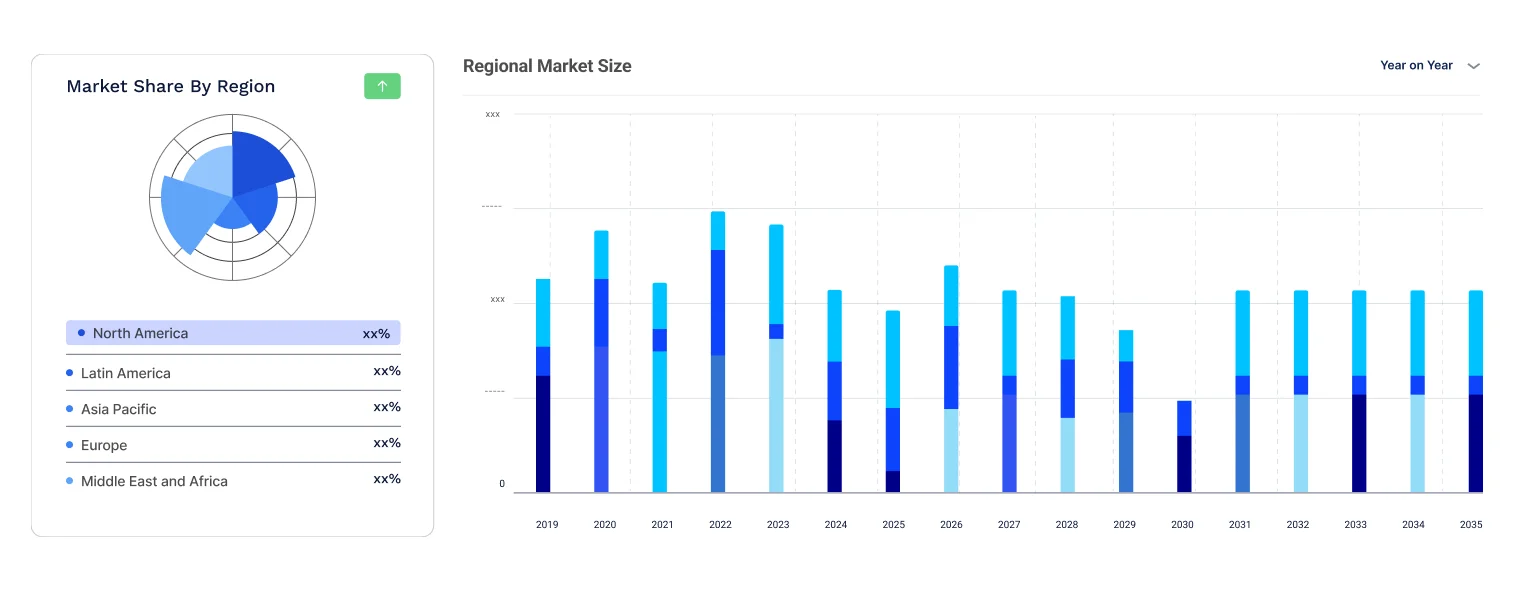
Key Insight: Regional trends in the predictive maintenance market vary significantly. North America holds the largest share due to advanced industrial infrastructure, widespread technology integration, and government support for smart manufacturing. Asia Pacific emerges as the fastest-growing region, propelled by industrial expansion, digital transformation initiatives, and supportive government programs. Europe, Latin America, and the Middle East and Africa are also witnessing increased adoption due to smart factory programs, energy modernization, and infrastructure optimization efforts.
Despite strong momentum, predictive maintenance adoption still faces real friction at the implementation stage. The most persistent challenge is integrating modern monitoring platforms with legacy industrial systems that were never designed for connectivity. Many facilities operate equipment installed decades ago, running proprietary or outdated communication protocols that are fundamentally incompatible with cloud-native analytics stacks without middleware, retrofitted sensors, or edge-gateway hardware. This integration burden routinely extends deployment timelines for complex process-industry sites well beyond a year, and it disproportionately affects brownfield facilities, which still make up the large majority of the world's installed industrial base. A second, closely related challenge is data quality and model reliability: predictive models are only as good as the sensor data feeding them, and inconsistent, sparse, or poorly calibrated data can undermine confidence in fault predictions, particularly in variable-load or highly customized process environments where historical failure data is limited.
High upfront investment remains the most commonly cited restraint on faster adoption, especially outside large enterprises. A full predictive maintenance rollout spanning sensor hardware, edge gateways, data transmission infrastructure, analytics software licensing, and integration with existing enterprise asset management or ERP systems can require a substantial capital outlay for a mid-sized facility, a threshold that puts the technology out of reach for many small and medium-sized manufacturers, which still constitute the overwhelming majority of industrial establishments by count in several fast-growing economies. This cost sensitivity is compounded in regions where industrial financing markets are thinner and where technology vendors have not yet built out cost-effective, localized implementation partner networks, slowing the pace at which predictive maintenance moves from a large-enterprise capability to an industry-wide standard.
At the same time, these very constraints are opening some of the market's most attractive growth avenues. The rise of predictive-maintenance-as-a-service directly addresses the upfront-cost barrier and is unlocking a small-and-medium-enterprise segment that remains significantly underpenetrated relative to large industrial accounts. Parallel to this, the expansion of edge computing and edge AI is creating a path to real-time, low-latency fault detection for remote or bandwidth-constrained sites, while digital twin technology is extending predictive maintenance from simple failure alerts toward full prescriptive maintenance and lifecycle simulation. Additional white space is emerging in adjacent verticals including healthcare equipment monitoring, renewable energy asset management, and aerospace and defense where predictive maintenance adoption still trails manufacturing but is accelerating quickly as safety and uptime requirements intensify. Readers evaluating where to prioritize investment, vendor selection, or market entry will find a detailed, quantified breakdown of these dynamics, segment by segment and region by region, in the full report.

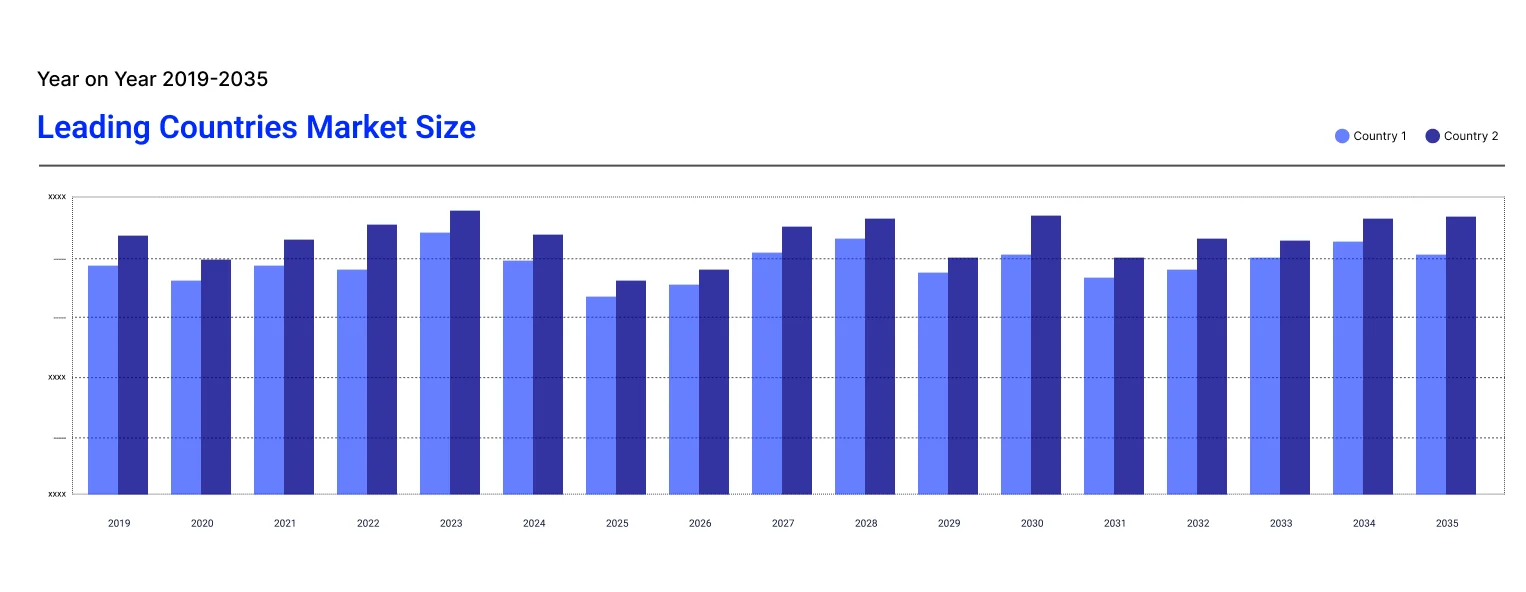
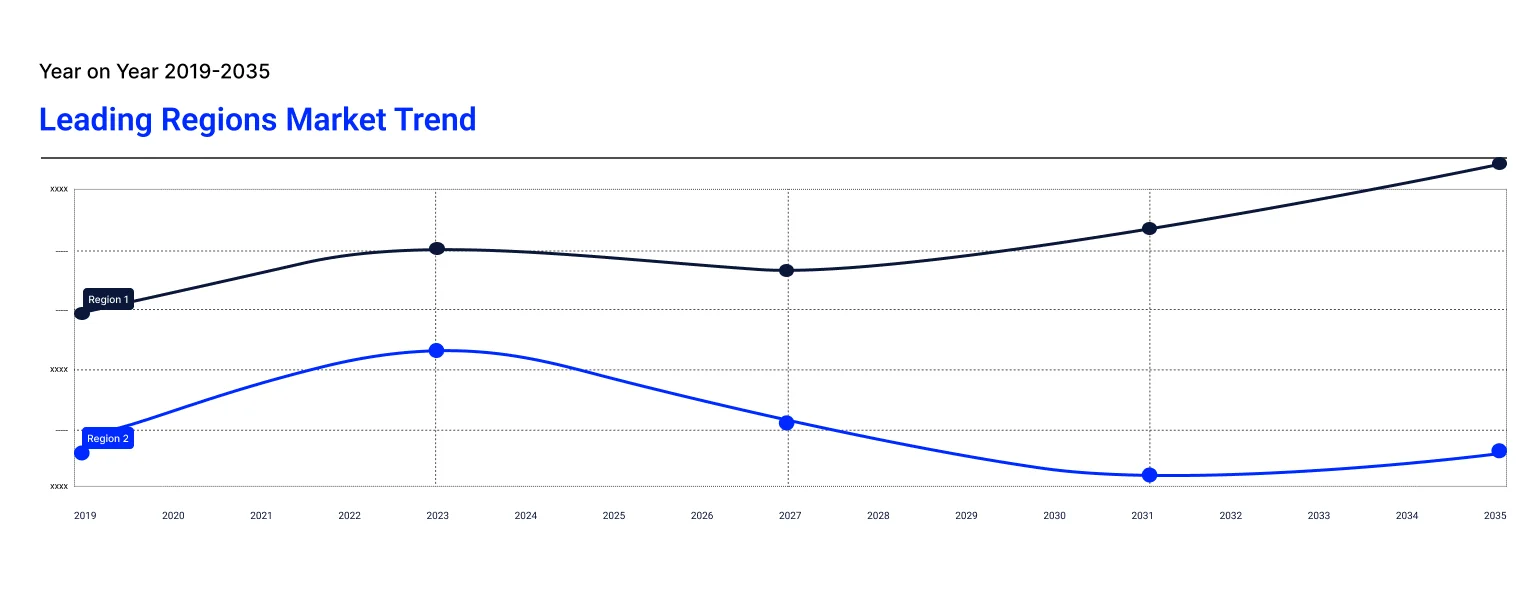
North America has historically held the largest revenue share of the global predictive maintenance market, supported by early and sustained investment in digital-factory initiatives, a dense concentration of industrial software and cloud infrastructure providers, and a regulatory and safety culture that rewards proactive asset management. The United States combines large-scale asset digitalization efforts with mature enterprise analytics capabilities, positioning it as a leadership market across manufacturing, energy, and aerospace applications alike consistent with the United States being, by a wide margin, the largest single source of search demand for this topic.
Europe's predictive maintenance market is shaped heavily by stringent environmental and industrial safety regulation, particularly across automotive, aerospace, and energy sectors, where compliance pressures reinforce the business case for continuous asset monitoring. Germany stands out for the depth of its Industry 4.0 integration within advanced manufacturing and automotive production, while the United Kingdom is seeing accelerated adoption among small and medium enterprises as cloud-based platforms lower the traditional cost barrier.
Asia Pacific is consistently identified as the fastest-growing region for predictive maintenance across every major industry study, and a growing number of analyses now place it among the largest regional markets on an absolute basis. China's government-led smart manufacturing initiatives, India's rapid industrial digitalization, and Japan's long-standing precision-manufacturing culture together create a uniquely broad and fast-expanding base of demand.
The Middle East and Africa region shows strong long-term promise, particularly in energy-intensive economies undertaking large-scale industrial transformation programs. Saudi Arabia and the United Arab Emirates are notable for pairing vision-led industrial diversification strategies with digital-first infrastructure investment, positioning select GCC markets as high-value predictive maintenance hubs even as broader regional adoption remains at an earlier stage.
Latin America remains an earlier-stage but steadily developing market, with Brazil and Mexico leading regional adoption. Industrial digitalization in resource-intensive sectors including energy, mining, and heavy manufacturing is the primary growth driver, as organizations look to reduce the outsized cost of unplanned downtime on aging or geographically dispersed industrial assets.
The industry is undergoing rapid evolution, with key predictive maintenance market players working towards AI-driven solutions, IoT solution integration, and cloud-based platforms that improve operational efficiency and minimize downtime. Companies are also investing in advanced analytics, machine learning algorithms, and real-time monitoring systems to predict equipment failures before they occur. In addition, notable strategic partnerships such as Microsoft's relationship with Symphony Industrial AI are also accelerating the adoption of predictive maintenance across a range of different industries.
Furthermore, government initiatives promoting digital transformation and Industry 4.0 are expected to result in further market growth. With ongoing digital transformation, many industries are adopting predictive maintenance to optimize asset performance and reduce operational disruptions. This shift is intensifying competition among leading predictive maintenance companies, pushing them to innovate and deliver increasingly advanced solutions.
Founded in 1975 in New Mexico, Microsoft provides predictive maintenance solutions using its Azure platform. It incorporates AI, IoT, and machine learning to help businesses monitor equipment health, predict failures of equipment, and optimize maintenance schedules and efficiency.
Hitachi Limited was established in 1910 and is headquartered in Japan. Hitachi has predictive maintenance services that incorporate machine learning and remote monitoring of equipment. Hitachi is ultimately able to interprets equipment data and detect anomalies, potentially preventing failures and downtime in industries such as manufacturing and energy.
Founded in 1836, Schneider Electric is located in Rueil-Malmaison, France. Schneider Electric is able to provide predictive maintenance through their EcoStruxure platform. Schneider Electric utilizes real-time data analytics and integrating artificial intelligence to provide their customers with optimized asset performance, as well as increasing energy efficiency and minimizing down-time across different sectors.
Founded in 1892, GE is headquartered in New York, United States. GE provides predictive maintenance including through GE Vernova, utilizes digital twin technology and analytics to enable industry to anticipate equipment even before a failure occurs to improve maintenance strategies and operational reliability.
*Please note that this is only a partial list; the complete list of key players is available in the full report. Additionally, the list of key players can be customized to better suit your needs.*
Other key players in the market are General Electric Company, SAP SE, and International Business Machines Corporation, among others.
Explore the latest trends shaping the predictive maintenance market 2026-2035 with our in-depth report. Gain strategic insights, future forecasts, and key market developments that can help you stay competitive. Download a free sample report or contact our team for customized consultation on predictive maintenance market trends 2026.


Upto 15% Off
USD
$2499 $2249
$3999 $3599
$4999 $4249
$5999 $5099


*While we strive to always give you current and accurate information, the numbers depicted on the website are indicative and may differ from the actual numbers in the main report. At Expert Market Research, we aim to bring you the latest insights and trends in the market. Using our analyses and forecasts, stakeholders can understand the market dynamics, navigate challenges, and capitalize on opportunities to make data-driven strategic decisions.*
In 2025, the predictive maintenance market reached an approximate value of USD 8.06 Billion.
The market is projected to grow at a CAGR of 29.10% between 2026 and 2035.
The market is estimated to witness a healthy growth in the forecast period of 2026-2035 to reach about USD 103.66 Billion by 2035.
Stakeholders are investing in AI-driven predictive maintenance solutions, collaborating with technology partners, and aligning with government initiatives to enhance operational efficiency and reduce downtime.
The key trends guiding the market growth includes the increasing research and development activities and rising industrialisation.
The major regions in the market are North America, Latin America, the Middle East and Africa, Europe, and the Asia Pacific.
The major components of predictive maintenance in the market are solutions and services.
The significant deployment modes in the market are cloud and on-premises.
The leading organization sites of predictive maintenance in the market are small and medium-sized enterprises and large enterprises.
The major applications of predictive maintenance are government and defence, manufacturing, energy and utilities, transportation and logistics, and healthcare and life sciences, among others.
The key players in the market include Microsoft Corporation, Hitachi, Ltd., Schneider Electric SE, General Electric Company, SAP SE, and International Business Machines Corporation, among others.
Companies face challenges such as high implementation costs, data integration complexities, and the need for skilled personnel to manage advanced predictive maintenance systems.
Explore our key highlights of the report and gain a concise overview of key findings, trends, and actionable insights that will empower your strategic decisions.
| REPORT FEATURES | DETAILS |
| Base Year | 2025 |
| Historical Period | 2019-2025 |
| Forecast Period | 2026-2035 |
| Scope of the Report |
Historical and Forecast Trends, Industry Drivers and Constraints, Historical and Forecast Market Analysis by Segment:
|
| Breakup by Component |
|
| Breakup by Deployment Mode |
|
| Breakup by Organization Size |
|
| Breakup by Application |
|
| Breakup by Region |
|
| Market Dynamics |
|
| Competitive Landscape |
|
| Companies Covered |
|
| Report Price and Purchase Option | Explore our purchase options that are best suited to your resources and industry needs. |
| Delivery Format | Delivered as an attached PDF and Excel through email, with an option of receiving an editable PPT, according to the purchase option. |
Datasheet
One User
USD 2,499
USD 2,249
tax inclusive*
Single User License
One User
USD 3,999
USD 3,599
tax inclusive*
Five User License
Five User
USD 4,999
USD 4,249
tax inclusive*
Corporate License
Unlimited Users
USD 5,999
USD 5,099
tax inclusive*
*Please note that the prices mentioned below are starting prices for each bundle type. Kindly contact our team for further details.*
Flash Bundle
Small Business Bundle
Growth Bundle
Enterprise Bundle
*Please note that the prices mentioned below are starting prices for each bundle type. Kindly contact our team for further details.*
Flash Bundle
Number of Reports: 3
20%
tax inclusive*
Small Business Bundle
Number of Reports: 5
25%
tax inclusive*
Growth Bundle
Number of Reports: 8
30%
tax inclusive*
Enterprise Bundle
Number of Reports: 10
35%
tax inclusive*
How To Order

Select License Type
Choose the right license for your needs and access rights.

Click on ‘Buy Now’
Add the report to your cart with one click and proceed to register.

Select Mode of Payment
Choose a payment option for a secure checkout. You will be redirected accordingly.
Strategic Solutions for Informed Decision-Making
Gain insights to stay ahead and seize opportunities.

Get insights & trends for a competitive edge.

Track prices with detailed trend reports.

Analyse trade data for supply chain insights.

Leverage cost reports for smart savings

Enhance supply chain with partnerships.

Connect For More Information
Our expert team of analysts will offer full support and resolve any queries regarding the report, before and after the purchase.
Our expert team of analysts will offer full support and resolve any queries regarding the report, before and after the purchase.
We employ meticulous research methods, blending advanced analytics and expert insights to deliver accurate, actionable industry intelligence, staying ahead of competitors.
Our skilled analysts offer unparalleled competitive advantage with detailed insights on current and emerging markets, ensuring your strategic edge.
We offer an in-depth yet simplified presentation of industry insights and analysis to meet your specific requirements effectively.




