

Consumer Insights
Uncover trends and behaviors shaping consumer choices today
Procurement Insights
Optimize your sourcing strategy with key market data
Industry Stats
Stay ahead with the latest trends and market analysis.
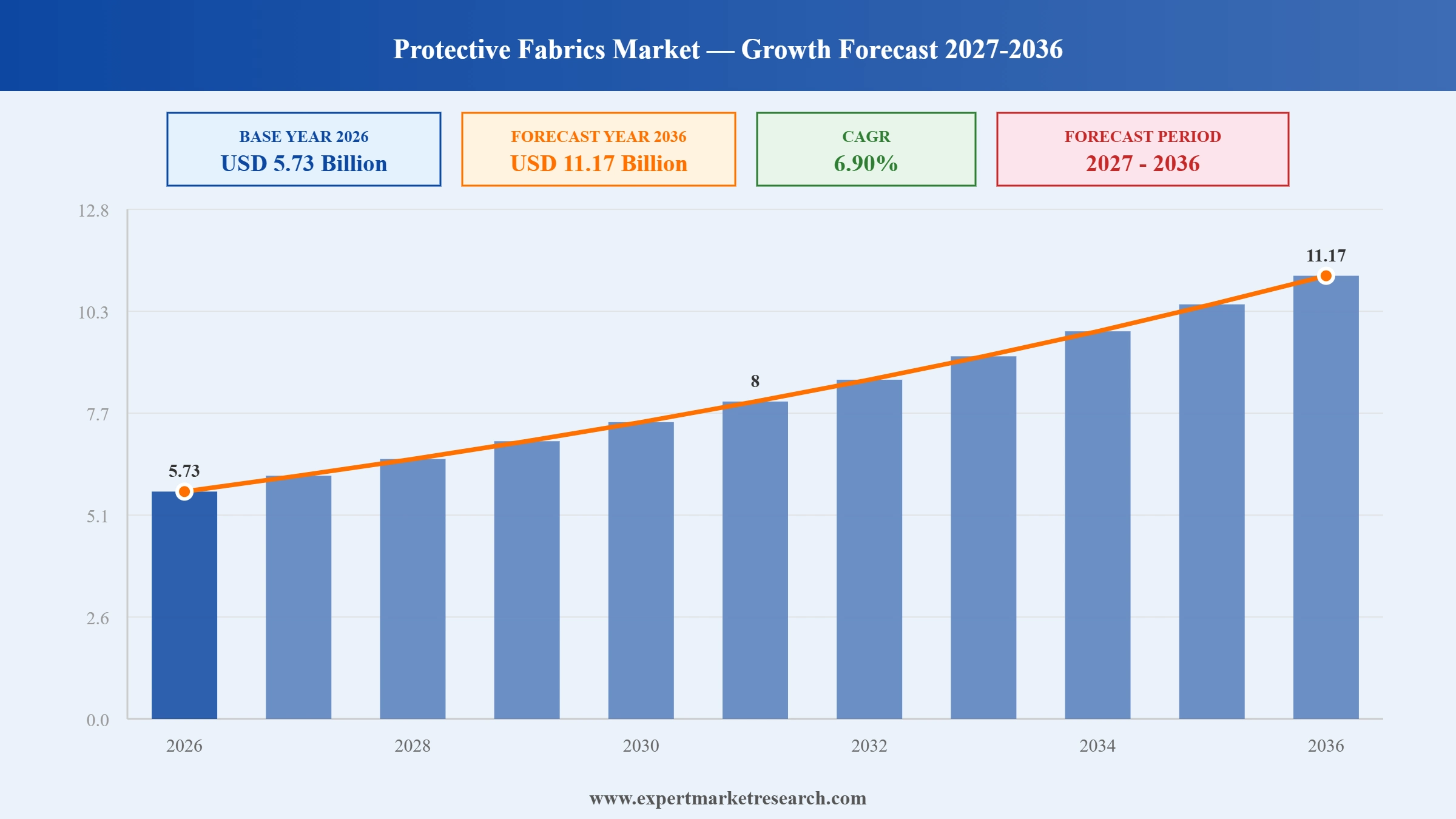
The global protective fabrics market attained a value of USD 5.36 Billion in 2025 and is projected to expand at a CAGR of 6.90% through 2035. The market is further expected to achieve USD 10.45 Billion by 2035. Growing industrialisation, stringent workplace safety regulations mandating protective clothing across hazardous environments, and rising demand from oil and gas and healthcare sectors continue to support demand for fire and heat-resistant, chemical resistant, and UV resistant fabrics manufactured from aramid, PBI, and other high-performance fibres.
Growing industrialisation continues to anchor steady demand across the protective fabrics market, as expanding manufacturing, construction, and energy sector operations increase worker exposure to heat, chemical, and mechanical hazards requiring specialised protective clothing. Manufacturers are also investing in digitally controlled finishing technologies, reflecting the industry's ongoing pursuit of more consistent flame-retardant treatment quality across large-scale production batches.
The protective fabrics market is witnessing further developments as established manufacturers showcase advanced protective technologies at major international trade events. In November 2025, at A+A 2025, Europe's leading trade fair for safety, security, and health, TenCate Protective Fabrics presented its latest inherently flame-resistant textile solutions to a global audience of safety professionals and industrial buyers. This shift toward trade-fair-led product visibility is concentrated among manufacturers with sufficient global distribution scale, while smaller specialists continue to compete on regional relationships and niche application expertise.
In addition, established manufacturers are increasingly investing in digitally controlled finishing technologies to improve flame-retardant treatment consistency across production batches, reflecting the industry's recognition that reducing quality variation increasingly determines competitiveness in large-volume industrial safety contracts. In January 2026, Michelin completed its acquisition of Tex Tech Industries, positioning the specialist textile manufacturer as a strategic fit within Michelin's Polymer Composite Solutions business and reflecting continued consolidation among manufacturers seeking to strengthen advanced production capabilities. Such manufacturing technology investment is reshaping competitive positioning across the wider protective fabrics market as manufacturers with proven digital finishing capabilities increasingly differentiate themselves from competitors relying on more variable, traditional finishing processes.
Read more about this report - Request a Free Sample
DuPont introduced Tyvek APX, an advanced protective material designed to improve worker comfort and safety, offering enhanced breathability while maintaining strong protection and durability and helping reduce heat stress for workers in demanding industrial environments. Companies can invest in breathability-focused material innovation to differentiate protective fabric production.
Klopman launched Megaflex, a new generation flame-retardant stretch fabric engineered with advanced stretch technology to ensure permanent elasticity, maximum freedom of movement, and high durability for demanding workwear and protectivewear applications. Companies can combine flame-retardant performance with permanent stretch technology to differentiate protective fabrics on comfort and mobility rather than protection alone.
Industry analysis highlighted growing investment by major manufacturers in embedding sensor technology within inherently flame-resistant fibres, enabling real-time monitoring of temperature, arc flash exposure, and fabric integrity. Companies can embed sensor technology within flame-resistant fibres to create intelligent protective gear commanding premium pricing beyond standard passive protection fabrics.
TenCate Protective Fabrics presented its latest inherently flame-resistant textile solutions at A+A 2025, Europe's leading trade fair for safety, security, and health, reaching a global audience of safety professionals and industrial buyers. Companies can use major international trade fairs to showcase new protective fabric technologies directly to safety procurement decision-makers across multiple industries simultaneously.
Established manufacturers continue to showcase advanced protective fabric technologies at major international trade events. In 2025, one leading manufacturer presented its latest flame-resistant textile solutions at Europe's leading safety and health trade fair, reaching a global audience of industrial buyers across the protective fabrics market. Such trade-fair visibility reflects manufacturers' recognition that direct engagement with safety procurement decision-makers at major international events increasingly drives competitive advantage beyond traditional distributor relationships alone.
Manufacturers continue investing in digitally controlled finishing technologies to improve flame-retardant treatment consistency across production batches. In 2024, one leading manufacturer expanded its European manufacturing capabilities with digital finishing technology, reducing product quality variation while improving fabric flexibility. Such digital finishing investment reflects manufacturers' recognition that consistent batch quality increasingly determines competitiveness in large-volume industrial safety contracts.
Manufacturers continue embedding sensor technology within inherently flame-resistant fibres to enable real-time hazard monitoring. In May 2026, smart textile sensing technology capable of monitoring material durability and integrity in real time was showcased at Techtextil 2026, illustrating growing industry investment in sensor-integrated fabric systems. Such sensor integration reflects manufacturers' recognition that intelligent, hazard-monitoring protective gear increasingly commands premium pricing beyond standard passive protection fabrics.
Diversified materials science groups continue to apply fibre chemistry and textile engineering research developed across their broader technical textile portfolios to increasingly sophisticated protective fabric development. Established multi-category fibre manufacturers continue to develop protective fabrics drawing on broader industrial, automotive, and consumer textile research spanning multiple product categories beyond protective applications alone. Such cross-portfolio research investment gives diversified materials science groups a technical foundation that narrower protective-fabric-only specialists must build through more limited, single-application development. In 2026, Teijin Aramid received the Innovation Award at Tire Technology Expo 2026 for enabling the first industrial-scale use of recycled aramid fibre in Bridgestone's solar car tires, applying cross-portfolio research spanning automotive and protective fabric applications.
This Expert Market Research Report titled "Protective Fabrics Market Report and Forecast 2026-2035" offers a detailed analysis of the market based on the following segments:
Market Breakup by Raw Material
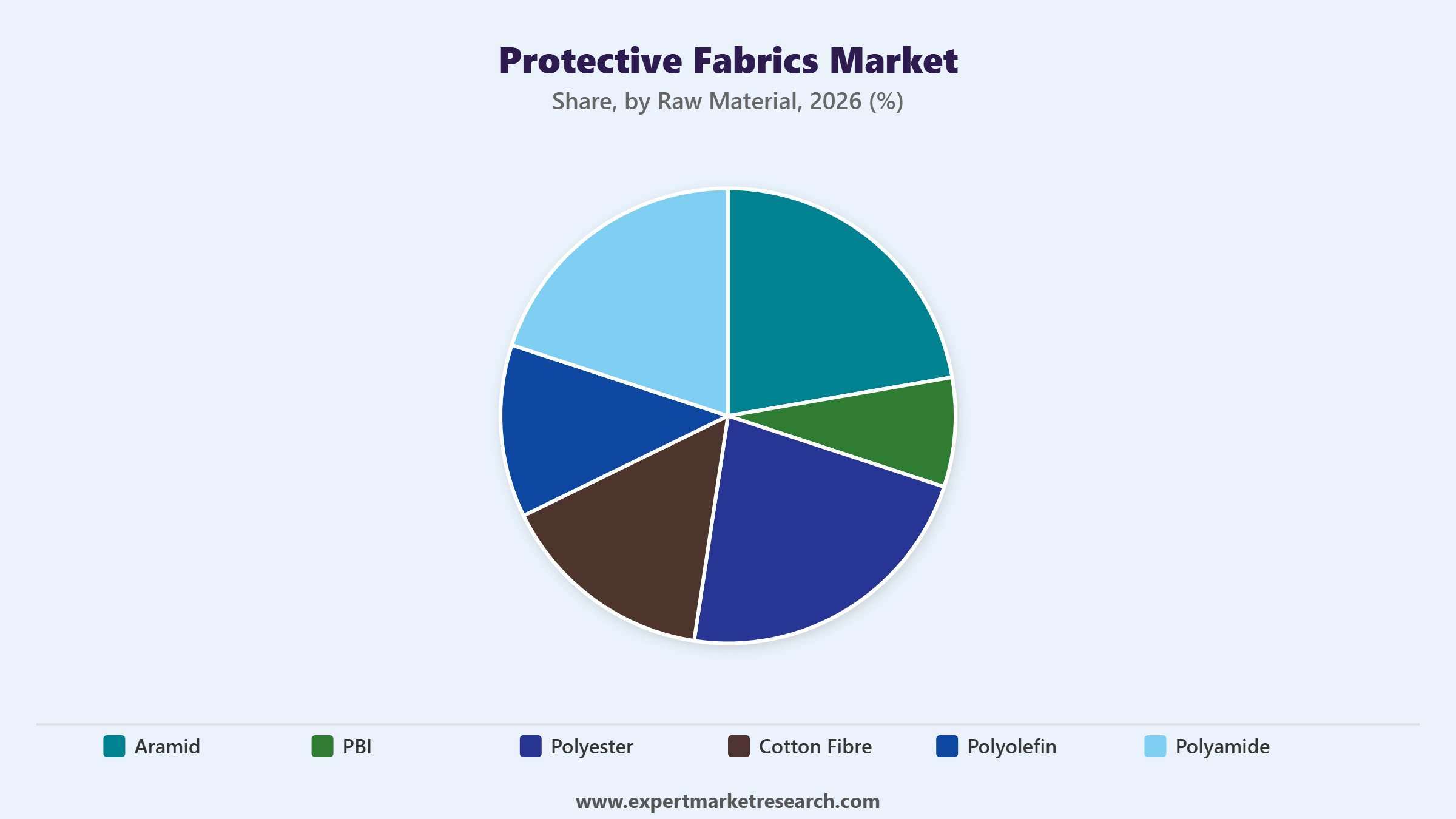
Key Insight: Aramid accounts for the largest share of the protective fabrics market, reflecting its established heat and flame resistance performance combined with high surface reflection for conductive heat protection. PBI continues to serve premium, high-hazard applications requiring superior thermal stability, while Polyester and Cotton Fibre serve cost-conscious, moderate-hazard applications. Polyolefin and Polyamide each serve distinct chemical and abrasion resistance requirements, with other raw materials rounding out the remaining category. In April 2026, DuPont completed the 1.8-billion-dollar divestiture of its Kevlar and Nomex aramid fibre business to Arclin, a move the acquirer described as focusing investment on deploying the brands strategically across performance-critical applications.
Market Breakup by Type
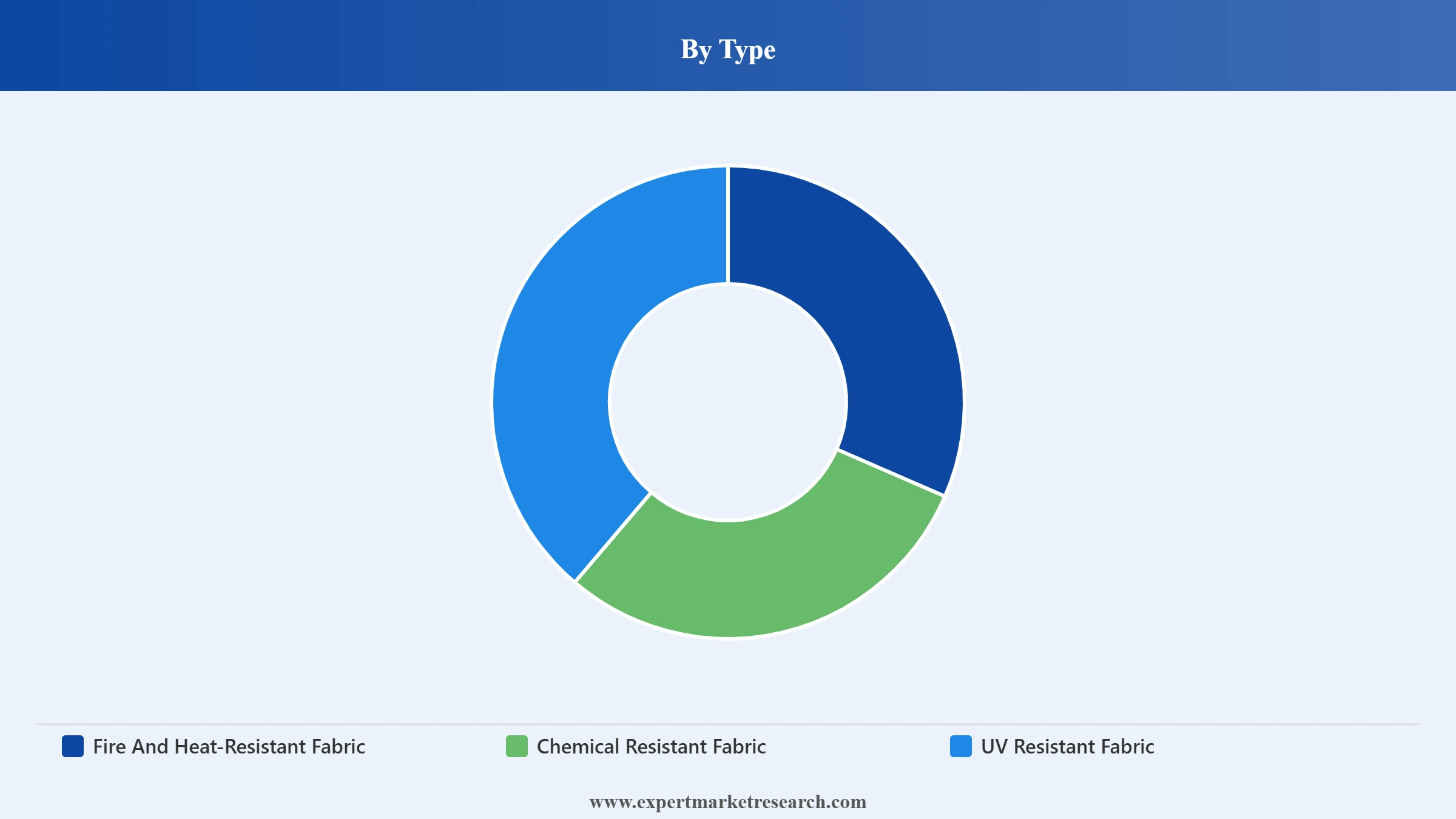
Key Insight: Fire and Heat-Resistant Fabric accounts for the largest share of the protective fabrics market, reflecting sustained demand from oil and gas, firefighting, and industrial sectors requiring thermal protection. Chemical Resistant Fabric continues to represent substantial demand from healthcare and industrial chemical handling applications, while UV Resistant Fabric serves a smaller, more specialised category focused on prolonged outdoor exposure protection. In June 2026, DuPont introduced Tyvek APX, an advanced fire and heat-resistant material offering enhanced breathability while maintaining strong protection for workers in demanding industrial environments.
Market Breakup by End Use
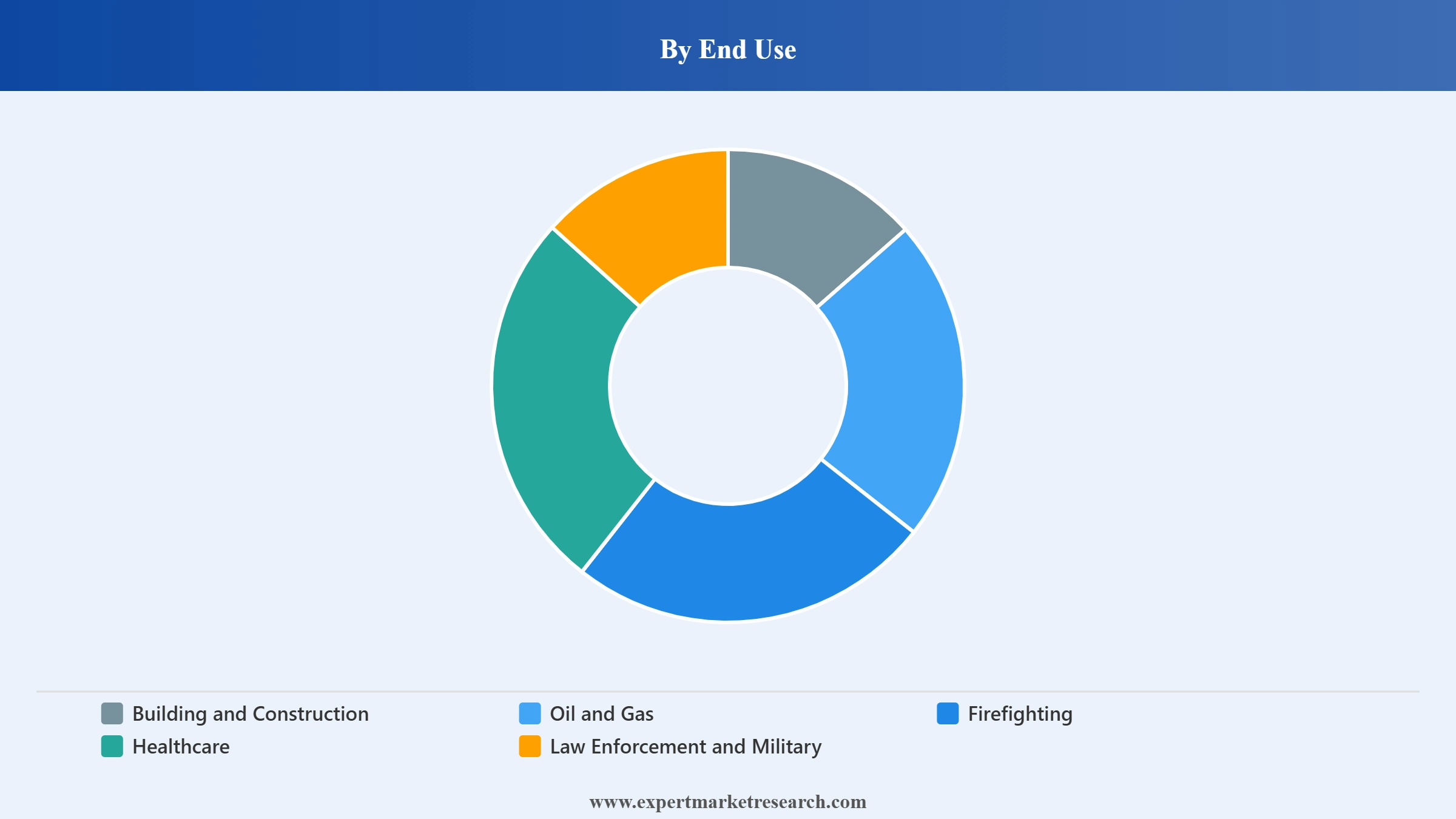
Key Insight: Oil and Gas accounts for the largest share of the protective fabrics market, reflecting the sector's stringent flame and chemical hazard exposure requiring comprehensive worker protection programmes. Healthcare continues to represent substantial and growing demand given sustained infection control and chemical exposure protection needs, while Building and Construction, Firefighting, and Law Enforcement and Military each serve distinct hazard protection requirements, with other end uses rounding out the remaining category. In May 2025, Honeywell completed the 1.325 billion dollar divestiture of its entire Personal Protective Equipment business, including its flame-retardant industrial safety portfolio, to Protective Industrial Products, reflecting continued consolidation among established industrial safety end-use suppliers.
Market Breakup by Region
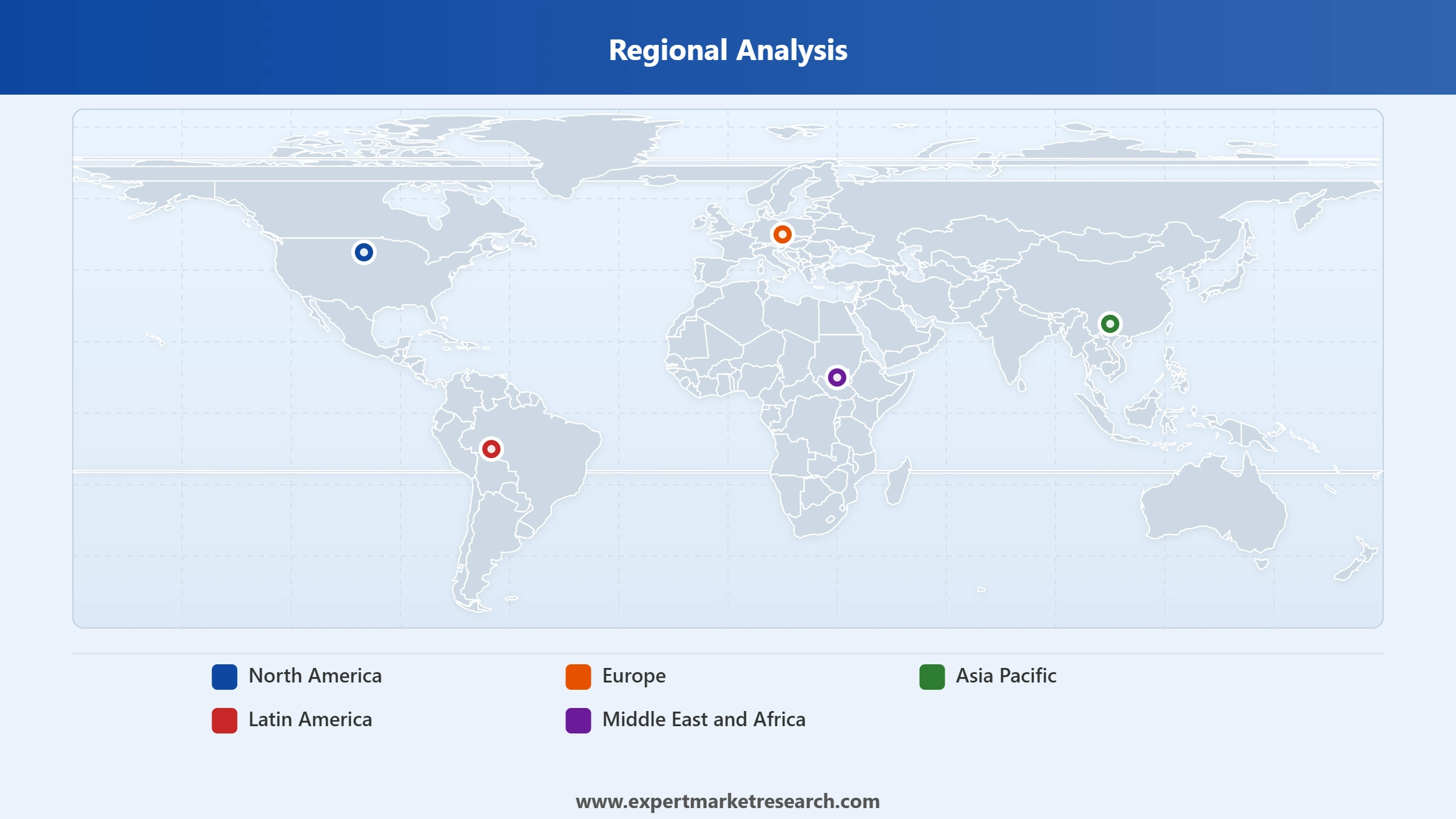
Key Insight: Asia Pacific accounts for the largest share of the protective fabrics market, supported by the region's expanding industrial and manufacturing base and rising workplace safety regulatory enforcement. North America is emerging as a key growth market as stringent occupational safety standards and expanding oil and gas operations continue to drive adoption. Europe, Latin America, and the Middle East and Africa each continue to serve distinct regional industrial safety and regulatory patterns.
By raw material, aramid leads the market while aramid continues strengthening its position given superior heat resistance performance
Aramid continues to account for the largest share of the market, reflecting its established heat and flame resistance performance combined with high surface reflection for conductive heat protection. Established aramid supply relationships continue to anchor steady demand as manufacturers maintain proven fibre sourcing across successive production cycles.
Read more about this report - Request a Free Sample
PBI continues to serve a meaningful share of the protective fabrics market as premium, high-hazard applications maintain steady demand for superior thermal stability beyond standard aramid performance. In April 2026, DuPont completed the 1.8-billion-dollar divestiture of its Kevlar and Nomex aramid fibre business to Arclin, reflecting continued restructuring activity among established aramid fibre producers.
By type, fire and heat-resistant fabric leads the market while fire and heat-resistant fabric grows fastest given expanding oil and gas operations
Fire and Heat-Resistant Fabric continues to account for the largest share of the market, reflecting sustained demand from oil and gas, firefighting, and industrial sectors requiring thermal protection. Established fire and heat-resistant fabric relationships continue to anchor steady demand as industrial buyers maintain proven suppliers across successive procurement cycles.
Read more about this report - Request a Free Sample
Fire and Heat-Resistant Fabric is also growing at the fastest pace across the protective fabrics market as expanding oil and gas and utility sector operations drive sustained demand, supported by DuPont's June 2026 launch of Tyvek APX, an advanced fire and heat-resistant material offering enhanced breathability alongside strong protection performance.
By end use, oil and gas leads the market while healthcare grows fastest given sustained infection control demand
Oil and Gas continues to account for the largest share of the market, reflecting the sector's stringent flame and chemical hazard exposure requiring comprehensive worker protection programmes. Established oil and gas supply relationships continue to anchor steady demand as operators maintain proven protective fabric vendors across successive safety compliance cycles.
Read more about this report - Request a Free Sample
Healthcare is growing at the fastest pace across the protective fabrics market as sustained infection control and chemical exposure protection needs continue to expand. In 2026, growing industry investment in sensor-embedded fabric technology highlighted rising demand for intelligent, hazard-monitoring protective textiles within healthcare and adjacent applications.
Read more about this report - Request a Free Sample
Asia Pacific commands the largest share of the market through its expanding industrial base
Asia Pacific holds the largest share of the protective fabrics market, supported by the region's expanding industrial and manufacturing base and rising workplace safety regulatory enforcement. Regional manufacturers continue to expand production capacity to meet both domestic industrial safety compliance requirements and rising export demand to international markets.
North America is emerging as a key growth market as stringent occupational safety standards and expanding oil and gas operations continue to drive adoption across the region. In 2025, continued manufacturer trade-fair presence throughout Europe reinforced the broader importance of international visibility for protective fabric innovation across the wider protective fabrics market.
Read more about this report - Request a Free Sample
The global industry is moderately consolidated, with protective fabrics market companies ranging from diversified global materials science groups spanning multiple technical textile categories to specialist protective fabric manufacturers competing across raw material, type, and end use segments. Established players operate across the full protective fabrics value chain, from fibre production and chemical treatment through complete fabric finishing and distribution for industrial, healthcare, and military customers.
Competitive dynamics among protective fabrics players are increasingly shaped by the pace of digitally controlled finishing technology adoption, the scale of sensor integration into flame-resistant fibres, and the strength of trade-fair and international distribution presence. Manufacturers are investing in advanced fibre chemistry, digital finishing consistency, and intelligent, sensor-embedded fabric technology to differentiate their offering and secure long-term industrial customer relationships.
Founded in 1906 and headquartered in Charlotte, North Carolina, United States, Honeywell previously manufactured protective fabrics under its Flame Retardant Solutions portfolio before completing the 1.325 billion dollar divestiture of its entire Personal Protective Equipment business to Protective Industrial Products in May 2025. The company continues to serve industrial customers through its remaining aerospace, building technology, and industrial automation segments. Honeywell's broader industrial automation and gas detection portfolio, retained following the PPE exit, differentiates its remaining industrial safety offering from dedicated protective fabric manufacturers.
Founded in 1802 and headquartered in Wilmington, Delaware, United States, DuPont manufactures protective fabrics including its Tyvek fire and heat-resistant material, following its April 2026 divestiture of the Kevlar and Nomex aramid fibre business to Arclin. The company serves customers across more than 70 countries through extensive production and innovation infrastructure. DuPont's continued Tyvek brand investment and global manufacturing scale differentiate its offering from smaller, regionally focused competitors.
Founded in 1918 and headquartered in Osaka, Japan, Teijin manufactures advanced technical textiles and protective fabrics, holding a strong market position particularly across the Asia Pacific region. The company serves industrial, defence, and healthcare customers requiring high-performance fibre solutions. Teijin's strong Asia Pacific distribution network and broad technical textile portfolio differentiate its offering from competitors with more geographically concentrated operations.
Founded in 1704 and headquartered in Almelo, Netherlands, TenCate Protective Fabrics manufactures inherently flame-resistant technical textiles for firefighting, military, and industrial customers. In 2025, the company presented its latest solutions at A+A 2025, Europe's leading safety and health trade fair. TenCate's specialised, decades-long focus on inherently flame-resistant textile engineering differentiates its offering from diversified materials groups treating protective fabrics as one category among many.
Other key players in the protective fabrics market include 3M Company, Kolon Industries, Inc., Cerex Advanced Fabrics, Inc., Beijing Bangwei PUTAI Protection Textile Co., Glen Raven, Inc., Tex Tech Industries Inc., and Klopman International S.r.l., among others.
*Please note that this is only a partial list; the complete list of key players is available in the full report. Additionally, the list of key players can be customized to better suit your needs.*
Unlock the latest insights with our protective fabrics market trends 2026 report. Discover regional growth patterns, raw material and type trends, and key industry players. Stay ahead of competition with trusted data and expert analysis. Download your free sample report today and drive informed decisions in the market.


Upto 15% Off
USD
$2499 $2249
$3999 $3599
$4999 $4249
$5999 $5099


*While we strive to always give you current and accurate information, the numbers depicted on the website are indicative and may differ from the actual numbers in the main report. At Expert Market Research, we aim to bring you the latest insights and trends in the market. Using our analyses and forecasts, stakeholders can understand the market dynamics, navigate challenges, and capitalize on opportunities to make data-driven strategic decisions.*
In 2025, the market reached an approximate value of USD 5.36 Billion.
The market is projected to grow at a CAGR of 6.90% between 2026 and 2035.
The market is estimated to witness a healthy growth in the forecast period of 2026-2035 to reach USD 10.45 Billion by 2035.
Showcasing advanced protective technologies at major international trade fairs, investing in digitally controlled finishing technologies to improve production consistency, and embedding sensor technology within flame-resistant fibres to create intelligent, premium-priced protective gear.
The introduction of stringent government regulations aimed at ensuring workplace safety and the robust growth of the chemical sector are the key trends aiding the market growth.
The major regional markets in the market include North America, Europe, Asia Pacific, Latin America, and the Middle East and Africa.
The various raw materials used in protective fabrics are aramid, PBI, polyester, cotton fibre, polyolefin, and polyamide, among others.
The different types of protective fabrics are fire and heat-resistant fabric, chemical resistant fabric, and UV resistant fabric.
The key players in the market include Honeywell International Inc., DuPont de Nemours, Inc, 3M Company, Teijin Limited, Koninklijke Ten Cate N.V. (TenCate Protective Fabrics), Kolon Industries, Inc., Cerex Advanced Fabrics, Inc., Beijing Bangwei PUTAI Protection Textile Co., Glen Raven, Inc., Tex Tech Industries Inc., and Klopman International S.r.l., among others.
Manufacturers face high raw material and production costs for advanced fibres limiting adoption among cost-sensitive buyers, batch-to-batch quality variation in traditional finishing processes, and intensifying competition to differentiate products beyond basic flame or chemical resistance toward added intelligent monitoring capability.
Explore our key highlights of the report and gain a concise overview of key findings, trends, and actionable insights that will empower your strategic decisions.
| REPORT FEATURES | DETAILS |
| Base Year | 2025 |
| Historical Period | 2019-2025 |
| Forecast Period | 2026-2035 |
| Scope of the Report |
Historical and Forecast Trends, Industry Drivers and Constraints, Historical and Forecast Market Analysis by Segment:
|
| Breakup by Raw Material |
|
| Breakup by Type |
|
| Breakup by End Use |
|
| Breakup by Region |
|
| Market Dynamics |
|
| Competitive Landscape |
|
| Companies Covered |
|
Datasheet
One User
USD 2,499
USD 2,249
tax inclusive*
Single User License
One User
USD 3,999
USD 3,599
tax inclusive*
Five User License
Five User
USD 4,999
USD 4,249
tax inclusive*
Corporate License
Unlimited Users
USD 5,999
USD 5,099
tax inclusive*
*Please note that the prices mentioned below are starting prices for each bundle type. Kindly contact our team for further details.*
Flash Bundle
Small Business Bundle
Growth Bundle
Enterprise Bundle
*Please note that the prices mentioned below are starting prices for each bundle type. Kindly contact our team for further details.*
Flash Bundle
Number of Reports: 3
20%
tax inclusive*
Small Business Bundle
Number of Reports: 5
25%
tax inclusive*
Growth Bundle
Number of Reports: 8
30%
tax inclusive*
Enterprise Bundle
Number of Reports: 10
35%
tax inclusive*
How To Order

Select License Type
Choose the right license for your needs and access rights.

Click on ‘Buy Now’
Add the report to your cart with one click and proceed to register.

Select Mode of Payment
Choose a payment option for a secure checkout. You will be redirected accordingly.
Strategic Solutions for Informed Decision-Making
Gain insights to stay ahead and seize opportunities.

Get insights & trends for a competitive edge.

Track prices with detailed trend reports.

Analyse trade data for supply chain insights.

Leverage cost reports for smart savings

Enhance supply chain with partnerships.

Connect For More Information
Our expert team of analysts will offer full support and resolve any queries regarding the report, before and after the purchase.
Our expert team of analysts will offer full support and resolve any queries regarding the report, before and after the purchase.
We employ meticulous research methods, blending advanced analytics and expert insights to deliver accurate, actionable industry intelligence, staying ahead of competitors.
Our skilled analysts offer unparalleled competitive advantage with detailed insights on current and emerging markets, ensuring your strategic edge.
We offer an in-depth yet simplified presentation of industry insights and analysis to meet your specific requirements effectively.




