

Consumer Insights
Uncover trends and behaviors shaping consumer choices today
Procurement Insights
Optimize your sourcing strategy with key market data
Industry Stats
Stay ahead with the latest trends and market analysis.
The global public transportation market was valued at USD 237.61 Billion in 2025. The market is expected to grow at a CAGR of 7.80% during the forecast period of 2026-2035 to reach a value of USD 503.56 Billion by 2035. The market growth is primarily driven by the increasing efforts and investments by the government in the development of public transportation infrastructure.
According to The Guardian, Transport for London announced an expansion of its zero-emission bus fleet, deploying additional electric double-decker vehicles across central and outer routes. The rollout supports the city's net-zero transport targets. The development reinforces London's position as a global benchmark for urban bus electrification and is expected to influence procurement strategies among other major European public transit authorities.
As reported by The New York Times, the Metropolitan Transportation Authority approved a major modernisation investment programme covering subway signalling upgrades, station accessibility, and rolling stock renewal. The plan addresses long-standing reliability concerns. The development underscores rising public investment in legacy urban transit systems and reinforces the importance of capital renewal programmes for sustaining ridership recovery and service quality across major metropolitan networks.
Urban areas facing high traffic congestion and rising commuter demand have spurred public and private organisations to aggressively fund large-scale projects. These projects are designed to modernise transit networks like metro rail, electric bus fleets, BRT corridors, and so on to improve accessibility. This, in turn, is boosting global public transportation market growth.
One notable example is that in 2024, the US Department of Transportation Federal Transit Administration (FTA) allocated USD 20.5 billion in federal funding to carry out transit projects across the US. Another such instance is that from March 2024, when the U.S. proposed nearly USD 4 billion in federal funding under the FY 2025 budget for 14 major rail and BRT projects across 11 states.
Furthermore, governments are launching smart transportation initiatives to modernise infrastructure and are incentivising private participation to upgrade fleets. With the integration of privately operated buses, the government is expanding the reach of public transport while improving regulatory control over service quality and passenger safety. One prime example of this is the introduction of Majhi Bus, a digital public transport system initiative aimed at modernising public transportation across the state of Goa. Launched in June 2025, it offers Rs.3/- per km as a subsidy and technical upgrades to encourage private bus operators to participate.
Compound Annual Growth Rate
7.8%
Value in USD Billion
2026-2035
|
Global Public Transportation Market Report Summary |
Description |
Value |
|
Base Year |
USD Billion |
2025 |
|
Historical Period |
USD Billion |
2019-2025 |
|
Forecast Period |
USD Billion |
2026-2035 |
|
Market Size 2025 |
USD Billion |
237.61 |
|
Market Size 2035 |
USD Billion |
503.56 |
|
CAGR 2019-2025 |
Percentage |
XX% |
|
CAGR 2026-2035 |
Percentage |
7.80% |
|
CAGR 2026-2035- Market by Region |
Asia Pacific |
8.7% |
|
CAGR 2026-2035 - Market by Country |
India |
8.9% |
|
CAGR 2026-2035 - Market by Country |
China |
8.6% |
|
CAGR 2026-2035 - Market by Type |
Rail |
8.9% |
|
CAGR 2026-2035 - Market by Booking Channel |
Online |
9.4% |
|
Market Share by Country 2025 |
France |
3.4% |
The Seattle Department of Transportation and Mayor Katie B. Wilson initiated the Denny Way Bus Reliability Project to improve transit efficiency on one of the city’s most congested corridors. The project involves extending red bus lanes for one mile to benefit approximately 8,000 daily riders on Route 8, prioritizing public transit over private vehicle traffic.
The International Association of Public Transport (UITP) reported that over 75% of European transit agencies have transitioned AI from pilot phases to scaled operational deployments. This technological shift focuses on predictive maintenance, real-time crowd management, and dynamic service adjustments to optimize fleet efficiency and improve passenger experience across major metropolitan hubs.
The United States Department of Transportation released its 2026 "Transportation Trends" report, prioritizing the diversification of funding models and the scaling of autonomous vehicle (AV) technology. The agency is moving toward national standards for mileage-based user fees and the integration of autonomous trucks and shuttles into the broader public mobility ecosystem.
MAN Truck & Bus announced that sales of its electric transit vehicles rose by 238% year-over-year, driven by the mass adoption of the "Lion’s City E" modular chassis platform. This growth confirms a definitive market shift from experimental pilots to full-scale fleet renewals as municipalities strive to meet zero-emission mandates for urban city centers.
Key economies are becoming densely populated due to the rapid shift of residence of the human population from rural to urban areas, driving the demand for affordable and efficient public transportation. According to the Untied Nation, around 68% of the world population will live in urban areas by 2050. These numbers indicate the growing need for public transport systems as a scalable alternative to private vehicles which can help reduce traffic congestion and commute times. Additionally, governments and urban planners are investing in the development of metro, bus, and rail networks to address the commuting needs of expanding city populations, thereby propelling the global public transportation market revenue.
The ongoing efforts to deploy zero-emissions mobility solutions are driving global public transportation market growth. Hydrogen fuel cell technology has become a key enabler due to its high energy density and long-range capacity for rapid refueling, favoring its application for heavy-duty transportation models. Over 30 countries implemented hydrogen roadmaps with planned investments of over USD 570 billion. Growing policy support is encouraging OEMs and transit agencies to adopt hydrogen-powered public vehicles, further boosting market growth. For instance, in August 2024, Hexagon Purus partnered with GILLIG, to supply hydrogen fuel storage systems for fuel cell transit buses, showcasing hydrogen’s growing role in sustainable public transport.
Globally rising concerns related to air pollution and climatic changes have placed public transportation at the center of efforts to achieve low-emission and sustainable urban mobility. Private and public organizations are focused on drastically reducing emissions and congestion to support the shift towards sustainable transportation. These efforts are being actively implemented in the European countries, responding to which in February 2023, UITP launched eBRT2030, a European Union initiative to support sustainable urban transport by proposing modern solutions for electric Bus Rapid Transit. Such initiatives are fueling the global public transportation market revenue.
The emergence of smart mobility and transit systems has transformed public transportation by making it more accessible and sustainable. Innovations like automated fare collection, AI-powered route optimization, and real-time tracking enhance the overall passenger experience and operational efficiency. Moreover, unique technologies like robo-taxis are gaining significant traction for their on-demand, autonomous, transport solutions that align with smart city goals. For instance, in May 2025, WeRide and Uber expanded their strategic partnership with plans to include 15 additional cities within the next five years. With these partnerships, the companies advanced their shared goal of making autonomous mobility a global reality. Such initiatives are propelling global public transportation market growth forward.
Ongoing projects for expansion of metro, light rail, and bus rapid transit (BRT) systems to improve last-mile connectivity are majorly driving global public transportation market growth. Urban centers are increasingly investing in high-capacity, rapid transit solutions to reduce road congestion, enhance commuter convenience, and support sustainable mobility. Additionally, these systems address environmental concerns by shifting reliance away from private vehicles. To cite an instance, Mumbai inaugurated Phase 1 of its first underground Metro Line 3 on October 5, 2024. Backed by JICA, the line will serve 1.5 million passengers daily and cut CO₂ emissions by over 260,000 tons a year.
The EMR’s report titled “Global Public Transportation Market Report and Forecast 2026-2035” offers a detailed analysis of the market based on the following segments:
Market Breakup by Type
Key Insight: The rail type segment has amassed the largest revenue share in the global public transportation market, driven by extensive investments in metro, suburban rail, and light rail systems in densely populated urban centers. High passenger capacity, speed, and environmental benefits make rail a preferred choice for mass transit. While the road segment, covering buses, minibuses, and BRT systems, remains crucial for providing flexible and affordable connectivity, particularly in suburban and rural areas where rail networks are less developed. Increasing demand for last-mile connectivity and expanding road transport infrastructure continue to support growth in this segment.
Market Breakup by Booking Channel
Key Insight: As per booking channel, the online segment holds the largest market share in the global public transportation industry revenue. Online bookings are witnessing rapid growth due to rising smartphone penetration, internet accessibility, and the convenience of digital payment systems. Features such as real-time tracking, seat selection, and cashless transactions further enhance the user experience. In contrast, offline bookings continue to thrive in regions with limited digital literacy, poor internet infrastructure, or where passengers prefer face-to-face interaction. Government initiatives to retain counter services, deploy ticket kiosks, and extend physical agent networks to ensure inclusivity making both channels vital in meeting diverse commuter needs.
Market Breakup by Region
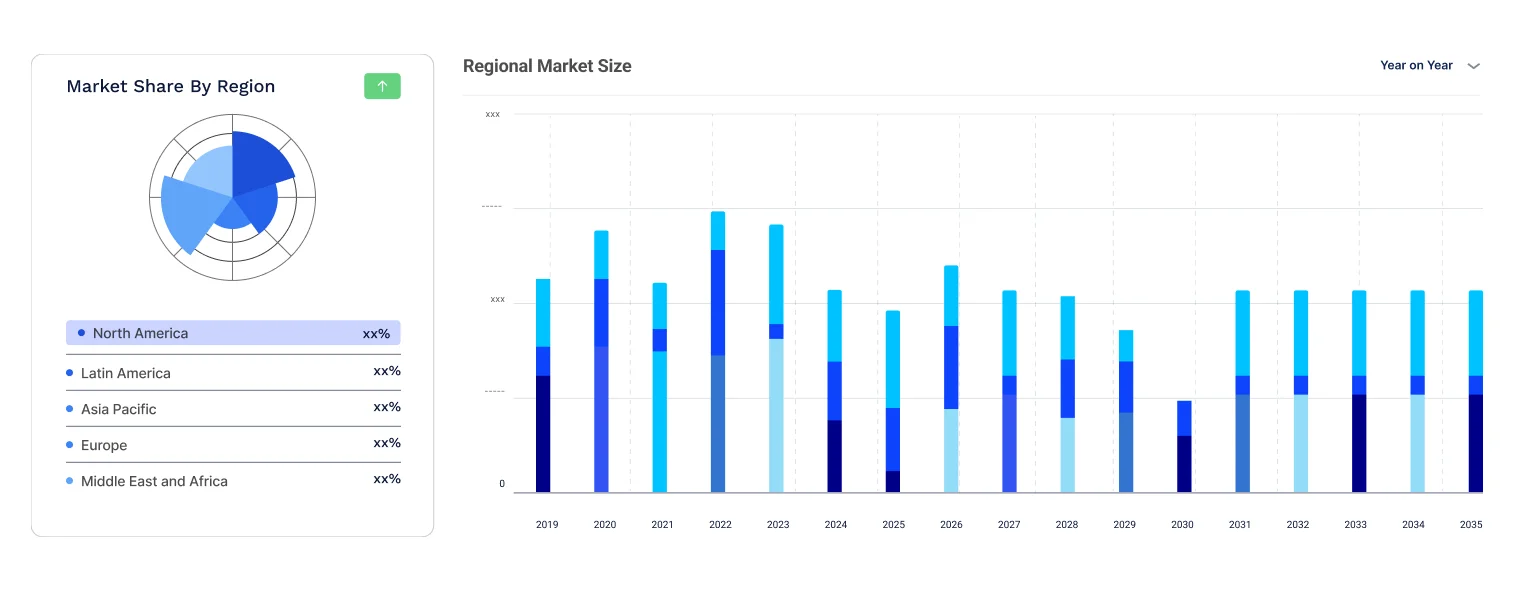
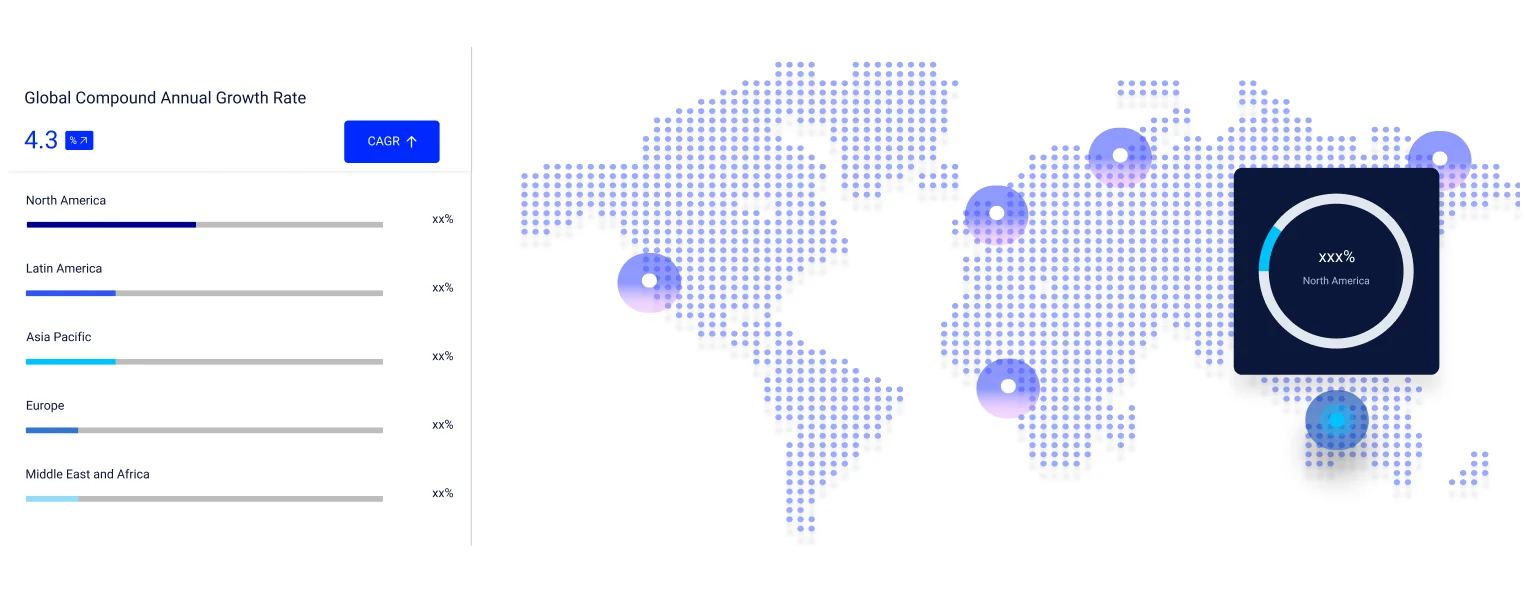
Key Insight: Regionally, Asia Pacific dominates the global public transportation market, driven by rapid urbanisation, high population, and significant investments in metro, rail, and BRT infrastructure, especially in China, India, and Japan. North America is witnessing growth through the ongoing modernisation of aging transit systems and the integration of smart technologies. Market growth in Europe is mainly attributed to the strict emission regulations, climate goals, and widespread adoption of green mobility initiatives. Meanwhile, Latin America is experiencing steady growth attributed to the increasing availability of cost-effective BRT systems and urban renewal projects aimed at improving accessibility. Middle East and Africa remains focused on building foundational transit infrastructure and regional connectivity to support economic development.
|
CAGR 2026-2035- Market by |
Region |
|
Asia Pacific |
8.7% |
|
Middle East and Africa |
8.1% |
|
North America |
XX% |
|
Europe |
XX% |
|
Latin America |
XX% |
By type, rail segment captures the largest market revenue
Based on type, the rail segment accounts for the highest share in the global public transportation industry. The segment is set to witness significant growth at 8.9% CAGR from 2026 to 2035, driven by the expansion of urban rail systems such as metro, suburban rail, and light rail in densely populated regions. To address traffic congestion and reduce carbon emissions, governments are investing heavily in rail infrastructure, supported by international funding, to create seamless and sustainable transit networks. For instance, in July 2025, Germany announced investment plans of €106.5 billion in railway infrastructure under its 5-year program accounting for 64% of its total national transport budget. Additionally, rails offer lower travel costs and integration with multimodal hubs, contributing to its increasing preference among commuters, especially in fast-growing economies.
Meanwhile, the road transport segment continues to demonstrate strong growth within the global public transportation market, driven by its wide geographic reach. Buses, minibuses, and BRT systems are essential for connecting both densely populated urban centres and remote rural areas, especially where rail infrastructure is limited. Governments and private players are increasingly investing in road-based transit through initiatives like cleaner fleets, dedicated bus corridors, and rural service enhancement. A notable example is the SR400 Express Lane project in Atlanta, Georgia, where in August 2024, ACS Group, Acciona, and Meridiam were selected to finance, build, and operate a 25+ km managed lane system. This initiative demonstrates the segment’s role in expanding capacity and easing congestion in high-growth urban corridors.
Online booking channel accounts for the largest market share
The online booking channel has amassed the largest share in the global public transportation market and is set to expand at a 9.4% growth rate through 2035. The segment growth is attributed to the widespread internet penetration and adoption of smartphones which has made ticket booking convenient and affordable. This shift is further supported by the development and introduction of user-friendly applications and websites that provide real-time updates and suggest the best public transportation option to reach the destination. For instance, in January 2025, authorities implemented a unified ticket system in the Mumbai Metropolitan Region of India, enabling commuters to access trains, metros, buses, and taxis with a single app or card.
On the other hand, the offline booking channel segment is showcasing gradual growth as many commuters still prefer booking tickets from ticket counters or authorized agents due to lack of digital literacy and trust issues with online payment methods. Offline channels remain a suitable option for elderly and low-income public transport users. Additionally, in remote locations with limited access to the internet and smartphones, people entirely rely on offline booking methods as a dependable means of securing travel tickets, thereby ensuring steady growth within the segment.
By region, Asia Pacific dominates the market growth
APAC has emerged as the dominant region in the global public transportation industry growth showcasing an 8.7% growth rate through 2026-2035, mainly due to the rapidly rising population in the urban areas spurring significant government investments in public transportation infrastructure. According to the Ministry of Transport, in 2023, China reported an average daily investment of USD 1.47 billion in transport infrastructure. These infrastructure projects are supported by sustainability goals and public-private partnerships, contributing to the increasing adoption of modern transit systems and urban mobility in the region.
Meanwhile, the MEA is the fastest growing region in the global public transportation market, demonstrating 8.1% CAGR through 2035, as the region is undergoing massive urban mobility transformation. The is a rising need for intelligent movement that leverages data analytics from GPS and dashboard systems to provide seamless passenger experience.
Additionally, the heightened focus on development of forward-thinking urban transport system aligning with modern infrastructure across the Middle Eastern countries further boosts industry growth. For instance, Jeddah Transport Company partnered with the Saudi Public Transport Company to launch the expansion of its public transport system which includes 91 new buses with three fully electric models, and six new bus routes.
The key companies in the public transportation sector include East Japan Railway Company, BC Transit Corporation, Mass Transit Railway (MTR), Metropolitan Transportation Authority, The Brussels Transport Company, Transport International Holding Limited, TOBU RAILWAY Co. LTD., Deutsche Bahn, Berliner Verkehrsbetriebe, Southern California Regional Rail Authority, and others. These market players are increasingly investing in digital transformation and smart mobility solutions to enhance passenger experience and operational efficiency.
Key strategies involve the deployment of real-time tracking systems, automated fare collection, contactless ticketing, and data-driven route optimization. Operators are also focusing on integrated mobility platforms that unify various transport modes under one digital interface. These technological advancements are improving system responsiveness, optimizing resource allocation, and ensuring public transit remains a competitive, accessible, and sustainable choice in fast-growing urban areas.
East Japan Railway Company, established in 1987 and headquartered in Tokyo, Japan, is one of the world’s largest passenger railway operators, serving the eastern Honshu region, including the Tokyo metropolitan area. It operates regional rail services, high-speed Shinkansen, and commuter trains. JR East also provides station retail, lifestyle services, and smart transit solutions through its IC card system.
Mass Transit Railway (MTR), established in 1975 and headquartered in Hong Kong, operates Hong Kong’s integrated rail network, including heavy rail, light rail, and airport express services. It also manages metro systems in cities like London, Stockholm, and Sydney. MTR offers real estate development around stations and smart mobility solutions, blending transportation with urban planning.
Deutsche Bahn, established in 1994 and headquartered in Berlin, Germany, is the country’s national railway company and one of the largest logistics providers in Europe. It offers long-distance, regional, and urban passenger transport through services like ICE and DB Regio, as well as freight solutions via DB Cargo. DB also provides digital ticketing, smart mobility platforms, and infrastructure management.
The Metropolitan Transportation Authority (MTA), established in 1965 and headquartered in New York City, USA, is the largest public transit provider in the United States, serving New York City and surrounding areas. It operates subways, buses, commuter rails (Metro-North and LIRR), and paratransit services. MTA also offers contactless payment options and is focused on infrastructure modernization and accessibility.
*Please note that this is only a partial list; the complete list of key players is available in the full report. Additionally, the list of key players can be customized to better suit your needs.*
Other players in the global public transportation market include BC Transit Corporation, The Brussels Transport Company, Transport International Holding Limited, TOBU RAILWAY Co. LTD, Berliner Verkehrsbetriebe, and Southern California Regional Rail Authority, among others.
Explore the latest trends shaping the global public transportation market 2026-2035 with our in-depth report. Gain strategic insights, future forecasts, and key market developments that can help you stay competitive. Get your free sample report or contact our team for a personalized consultation on global public transportation market trends 2026.


Upto 15% Off
USD
$2499 $2249
$3999 $3599
$4999 $4249
$5999 $5099


*While we strive to always give you current and accurate information, the numbers depicted on the website are indicative and may differ from the actual numbers in the main report. At Expert Market Research, we aim to bring you the latest insights and trends in the market. Using our analyses and forecasts, stakeholders can understand the market dynamics, navigate challenges, and capitalize on opportunities to make data-driven strategic decisions.*
In 2025, the global public transportation market reached an approximate value of USD 237.61 Billion.
The market is projected to grow at a CAGR of 7.80% between 2026 and 2035.
The key players in the market include East Japan Railway Company, BC Transit Corporation, Mass Transit Railway (MTR), Metropolitan Transportation Authority, The Brussels Transport Company, Transport International Holding Limited, TOBU RAILWAY Co. LTD., Deutsche Bahn, Berliner Verkehrsbetriebe, and Southern California Regional Rail Authority, among others.
Key strategies driving the market include network expansion, investment in clean mobility, digital ticketing, and integration of smart mobility platforms.
The Asia Pacific regional growth in the global public transportation industry is influenced by the high population in urbanization along with the ongoing government infrastructure investments and policies supporting mass transit adoption.
Explore our key highlights of the report and gain a concise overview of key findings, trends, and actionable insights that will empower your strategic decisions.
| REPORT FEATURES | DETAILS |
| Base Year | 2025 |
| Historical Period | 2019-2025 |
| Forecast Period | 2026-2035 |
| Scope of the Report |
Historical and Forecast Trends, Industry Drivers and Constraints, Historical and Forecast Market Analysis by Segment:
|
| Breakup by Type |
|
| Breakup by Booking Channel |
|
| Breakup by Region |
|
| Market Dynamics |
|
| Competitive Landscape |
|
| Companies Covered |
|
Datasheet
One User
USD 2,499
USD 2,249
tax inclusive*
Single User License
One User
USD 3,999
USD 3,599
tax inclusive*
Five User License
Five User
USD 4,999
USD 4,249
tax inclusive*
Corporate License
Unlimited Users
USD 5,999
USD 5,099
tax inclusive*
*Please note that the prices mentioned below are starting prices for each bundle type. Kindly contact our team for further details.*
Flash Bundle
Small Business Bundle
Growth Bundle
Enterprise Bundle
*Please note that the prices mentioned below are starting prices for each bundle type. Kindly contact our team for further details.*
Flash Bundle
Number of Reports: 3
20%
tax inclusive*
Small Business Bundle
Number of Reports: 5
25%
tax inclusive*
Growth Bundle
Number of Reports: 8
30%
tax inclusive*
Enterprise Bundle
Number of Reports: 10
35%
tax inclusive*
How To Order

Select License Type
Choose the right license for your needs and access rights.

Click on ‘Buy Now’
Add the report to your cart with one click and proceed to register.

Select Mode of Payment
Choose a payment option for a secure checkout. You will be redirected accordingly.
Strategic Solutions for Informed Decision-Making
Gain insights to stay ahead and seize opportunities.

Get insights & trends for a competitive edge.

Track prices with detailed trend reports.

Analyse trade data for supply chain insights.

Leverage cost reports for smart savings

Enhance supply chain with partnerships.

Connect For More Information
Our expert team of analysts will offer full support and resolve any queries regarding the report, before and after the purchase.
Our expert team of analysts will offer full support and resolve any queries regarding the report, before and after the purchase.
We employ meticulous research methods, blending advanced analytics and expert insights to deliver accurate, actionable industry intelligence, staying ahead of competitors.
Our skilled analysts offer unparalleled competitive advantage with detailed insights on current and emerging markets, ensuring your strategic edge.
We offer an in-depth yet simplified presentation of industry insights and analysis to meet your specific requirements effectively.




