

Consumer Insights
Uncover trends and behaviors shaping consumer choices today
Procurement Insights
Optimize your sourcing strategy with key market data
Industry Stats
Stay ahead with the latest trends and market analysis.
The global refrigerated transport market attained a value of USD 19.02 Billion in 2025 and is projected to expand at a CAGR of 5.50% through 2035. The market is further expected to achieve USD 32.49 Billion by 2035. The increasing need for pharmaceutical and biological distribution is driving refrigerated transportation companies to adopt more temperature-controlled shipping, monitoring validation, and redundant cooling systems for high-value cargo while mitigating chances of spoilage.
The distribution of pharmaceuticals is making it necessary for the use of multi-zone refrigeration and temperature monitoring, especially for biologics that require narrow temperature range operations. On the other hand, supermarkets and quick commerce businesses are going for small and electric reefers because of quiet and zero-emission operation, which will be helpful in gaining access to dense delivery areas.
The refrigerated transport market is trending towards electric and digitalized cooling systems as fleet managers aim at reduced CO2 emissions while retaining temperature performance. Thermo King’s March 2026 launch E-Volution line of products for 7.5 to 26 ton vehicles are aimed at both battery electric and regular vehicles, and it has proven to be 45% less CO2 emitting in independent tests than diesel-based products. This product line indicates that the market is paying increased attention to retrofit friendly and powerful refrigeration units that would help fleets transition without changing vehicles.
However, innovation in the refrigerated transport market extends beyond refrigeration equipment itself. For example, Carrier Transicold introduced the Vector 8200 unit in August 2026 as a diesel-less electric refrigeration system designed for stationary refrigerated trailers that features intelligent energy management that helps reduce power consumption during changes in the facility electricity supply. Carrier also upgraded the Pulsor eCool in India, in September 2025, claiming up to 31% faster pull down of the cargo-box from 30°C to -18°C than any other competing products on the Indian market.
Compound Annual Growth Rate
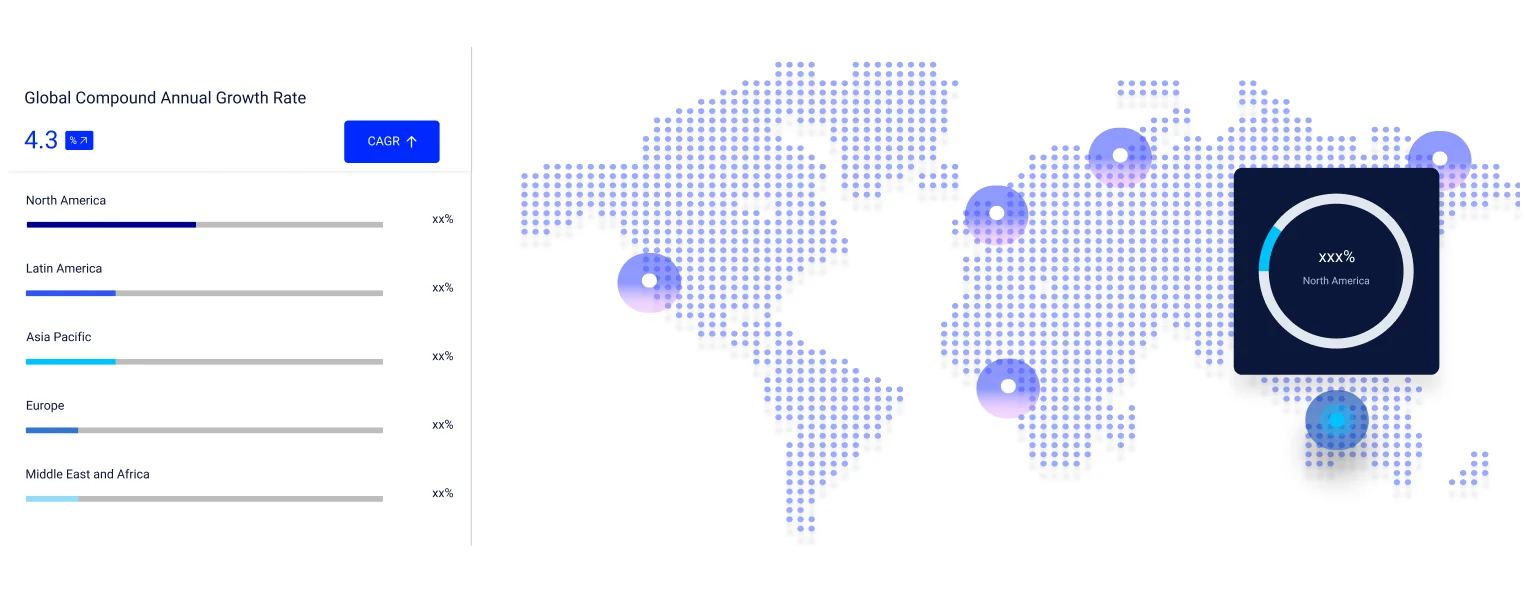
5.5%
Value in USD Billion
2026-2035
Read more about this report - REQUEST FREE SAMPLE COPY IN PDF
Carrier Transicold launched a 38.5 kWh battery pack for use in electric refrigeration for trailers, facilitating fleet electrification and battery reuse. Firms may create battery-powered refrigeration technology and circular energy systems to benefit from increasing needs for low-emission cold chain transport.
Carrier Transicold unveiled a program allowing fleets to retrofit old refrigerators without having to replace whole refrigerated trailers. Companies could provide fleet modernization and retrofitting services, assisting fleet operators to cut down capital costs while improving the refrigeration technology, boosting the refrigerated transport market growth.
Constellation Cold Logistics expanded its French cold chain network through acquisitions of temperature control storage and refrigerated transportation companies Locagel and Transfreeze. Companies may opt for acquisitions in order to grow their cold chain network within a region, build transport capacity, and offer end-to-end temperature-controlled logistics services.
Amerit Fleet Solutions acquired Pro Reefer, increasing its capacity for maintaining refrigerated trailers and its cold chain service network within North America. Companies in the refrigerated transport market may acquire a specialist firm in maintenance in order to meet increasing needs for maintenance of refrigerated vehicles.
Electrification is emerging as an important product development consideration in the refrigerated transport market due to tightening emissions standards and increased cost of diesel operations. In March 2025, Thermo King debuted its zero emission e1000 truck refrigeration unit and hybrid electric Precedent S-750i at the TMC 2025 show along with cargo visibility telematics. Similarly, in October 2025, Carrier Transicold launched three new solutions, advancing fleet electrification, energy efficiency, and sustainability across refrigerated transport operations. Zero emission transport policies adopted by governments make business sense as they drive the development of refrigeration technologies compatible with both battery and conventional trucks.
Manufacturers of refrigeration units work on power systems to lessen dependency on diesel engines and charging equipment. Thermo King’s AxlePower solution employs an ePower axle to harvest energy produced during vehicle movement and store it in a battery to supply energy to an electric trailer refrigeration unit. This trend in the refrigerated transport market incorporates energy harvesting with intelligent power management, which adapts the operation to the conditions of motion. Self-charging refrigeration helps to address one of the main concerns of fleets as electrification of the vehicle does not eliminate the significant consumption of energy for refrigeration purposes. In April 2026, Spanish trailer fleets adopted Thermo King AxlePower self-charging electric refrigeration, advancing zero-emission, efficient, and sustainable cold-chain logistics.
The rise of digital monitoring is changing refrigerated transport from simply monitoring temperatures to monitoring the whole fleet and its cargo in real time, reshaping the entire refrigerated transport market dynamics. In February 2025, Thermo King launched the TracKing Smart Trailer, offering real-time insights expected to boost delivery performance, cargo protection, fleet availability, and regulation compliance. The innovation stems from the need of refrigeration systems that can communicate about their working conditions rather than just keep the set temperature. For B2B businesses, connected diagnostics can alert about refrigeration problems, abnormal temperature behavior, and maintenance needs much earlier, thus reducing spoilage risks and unexpected downtime. As a result, manufacturers are adding sensors, remote diagnostics, location tracking, and automated notifications to their next-gen transport refrigeration systems.
Retrofit technology is becoming a crucial way for those who cannot afford to change their fleets, thereby sustaining demand in the refrigerated transport market. With Carrier Transicold’s [R]eCool, fleets can convert diesel Vector refrigeration units used in semi-trailers to work either as hybrids or in an all-electric mode and, thus, to use the same equipment for a longer period, decreasing the need for diesel fuel and noise. Moreover, in October 2025, Flytta launched India’s first retrofitted 13-ton electric truck, advancing sustainable medium- and heavy-duty commercial transportation.
Government expenditure on cold-chain infrastructure is resulting in increased demand in the refrigerated transport market. According to the 2025 MIDH guidelines of India, refrigerated vans and refrigerated containers are considered as part of eligible cold-chain infrastructure, along with pre-cooling units, cold rooms, and integrated cold chain system. In addition to this, the Government of India has approved 395 integrated cold chain projects since 2008, out of which 291 have been executed to create preservation capacity of 25.52 lakh metric tons annually. Moreover, APEDA helps in developing export infrastructure, which includes reefer vans, refrigerated transportation, packhouses, and pre-cooling units.
The Expert Market Research's report titled “Refrigerated Transport Market Report and Forecast 2026-2035” offers a detailed analysis of the market based on the following segments:
Market Breakup by Mode of Transportation
Key Insight: Refrigerated road transportation has an advantage due to its door-to-door adaptability, high density of distribution channels, and its suitability for repeated deliveries of products to retailers. Refrigerated sea transportation is motivated by economic transport of large volumes of frozen and refrigerated cargo through global trade corridors, boosting the overall refrigerated transport market penetration. In August 2026, Crowley launched a weekly shipping service connecting Central America and Houston, supporting faster movement of refrigerated cargo. Refrigerated rail transportation has an advantage due to the ability to efficiently transport large quantities of temperature-sensitive cargo through great distances and without being exposed to traffic congestion. Refrigerated air transportation is the fastest-growing form of transport because of the increasing need for fast delivery of valuable cargo internationally.
Market Breakup by Technology
Key Insight: Vapor systems dominate the refrigerated transport market growth due to efficiency, existing maintenance networks, and their adaptability in the transport of chilled and frozen goods. The air blown evaporator is powered by its capacity to distribute cooled air evenly and sustain uniform temperatures for cargoes. The eutectic system relies on its stored thermal energy and ability to deliver cargoes with constant temperature even with many door openings. Cryogenic systems expand at the fastest rate where quick freezing and low-temperature operations are vital. Technology choice is largely influenced by cargo sensitivity, frequency of loading, trip length, temperature accuracy, and others.
Market Breakup by Temperature
Key Insight: As per the refrigerated transport market report, single temperature transport prevails owing to the homogeneity of the transported products which could be moved using more straightforward equipment, single temperature settings, and full truck loads. Multi-temperature transport expands its market shares rapidly due to the consolidation of cooled and frozen products that need varying temperatures in fewer movements. It is especially facilitated by the presence of mixed retail orders, higher frequency of restocking, product diversification, and the need for improved vehicle capacity. The decision on which configuration to use mainly rests on cargo homogeneity, delivery patterns, the need for load consolidation, compartmentation, product temperature sensitivity, and equipment versus distribution flexibility.
Market Breakup by Application
Key Insight: Cold storage foods dominate the refrigerated transport market owing to constant distribution requirements and high freshness standards. Dairy products need consistent cooling for safety and quality preservation, whereas bakery and confectionery foods require controlled environments to keep the texture and sensitive ingredients intact. Fresh fruits and vegetables are influenced by the need for spoilage prevention and distribution across distances. Frozen foods and frozen dairy products need constant freezing conditions. Meat, fish, and seafood rely on the cold chain process for quality maintenance; in seafood, the sector is growing quickly because of global business.
Market Breakup by Region
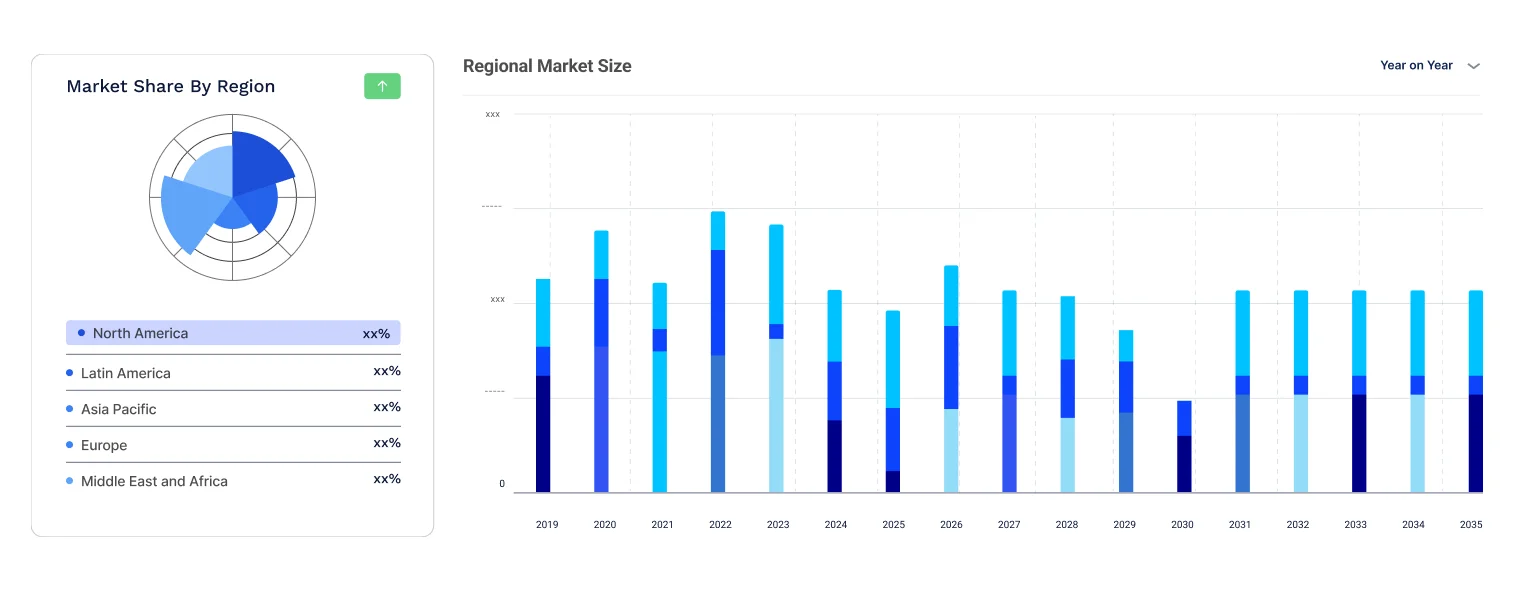
Key Insight: The region that dominates the global refrigerated transport market is North America owing to its advanced cold chain facilities, organization of the retail industry, long-distance transportation systems, and consumption of products in refrigerated state. The driving force behind Europe is the integration of food trade across the borders and temperature control techniques. The fastest growing regional market in terms of growth in demand is Asia Pacific due to increasing levels of urbanization, food processing, retailing, and cold chain development. Latin America gains from increasing exports of temperature-sensitive food products.
Refrigerated road transport registers the largest share of the market due to last-mile flexibility and extensive cold-chain connectivity
Refrigerated road transport leads the refrigerated transport market due to its capability of offering flexible door-to-door transportation services over short and medium distances, enabling connections between farm, production facility, warehouse, retailer, and food service point. This type of transport is required for deliveries that are scheduled, multi-drop, and temperature-controlled within the city. The increase in the number of supermarkets, e-commerce, and decentralization of refrigerated warehousing necessitates the use of refrigerated trucks for consistent temperature control during the process of distribution. In June 2026, Green Drive Mobility deployed 100 electric refrigerated trucks for More Retail, supporting sustainable, temperature-controlled quick-commerce operations.
Air transport accounts for the most dynamic sector of the refrigerated transport market, fueled by the increasing need to ship highly perishable, premium, and time-sensitive products via cross-border channels. Fresh fish, exotic fruits, specialty foods, pharmaceuticals, and other temperature-sensitive products can be quickly delivered by air, thus reducing potential spoilage and ensuring the quality of products. Growth in the availability of consumers' imported perishables and the expansion of air cold chain infrastructure contributes to the development of this type of transport.
By technology, vapor compression systems clock in the largest market shares due to proven efficiency and widespread commercial compatibility
Vapor compression technology is the preferred choice for manufacturers in the refrigerated transport market since it presents a proven track record of performance, easy availability, and suitability for use in varying modes of transport. This system is capable of maintaining the required level of chill or freezing through the well-known components, thus making service easier and more feasible. This flexibility in application allows its use in carrying food items, pharmaceutical products, and any other perishable goods that require refrigeration. Improvement in compressor performance, refrigerant control, and automatic temperature control systems is expected to add more value to this technology. In December 2025, Copeland launched a trans-critical CO₂ scroll compressor, improving refrigeration efficiency, scalability, sustainability, and reducing system complexity.
Cryogenic systems are gaining popularity across the refrigerated transport market owing to their capability to provide quick cooling and low temperatures in case of specialized frozen goods and temperature-sensitive products. Cryogenic systems have the capability to provide quick cooling of products during transport and temperature recovery after loading, thus ensuring the quality of the product. Advances in food freezing and specialty pharmaceuticals along with growing demands for better thermal control and reduction in use of traditional mechanical refrigeration are expected to drive the market for cryogenic technology. In March 2025, Zero Point Cryogenics unveiled a 500 mK continuous cryostat, enabling advanced quantum research through innovative phase-separation refrigeration technology.
Single-temperature transport secures the largest share of the market due to simpler operations for uniform-temperature product loads
The single-temperature mode generates maximum demand in the refrigerated transport market since many cargo consignments need to be delivered at one constant temperature range, which makes the transportation process much easier. Shipments of either frozen goods, fresh produce, dairy products, or meat can be easily conveyed by using only one temperature range. This arrangement minimizes the equipment used and is especially beneficial in full truckload and uniform shipping operations. There is a high level of interest from large food processing companies, wholesalers, and retailers who transport homogeneous products, which helps maintain its popularity within well-established cold chains.
Multi-temperature shipments are currently the fastest growing area as many distributors try to combine chilled, frozen, and ambient goods on the same vehicle, accelerating the refrigerated transport market penetration. Different temperature zones in the trucks help many retailers, foodservice firms and logistics operators to make less deliveries and serve different types of products at once. An increase in small orders and variety of products in shops makes mixed load transportation more advantageous. In August 2026, Sado Kisen introduced multi-temperature cold transport, enabling frozen, refrigerated, and ambient cargo consolidation within a single container.
Chilled food products account for the largest share in the market due to continuous demand for temperature-controlled fresh consumption
Chilled food products prevail in the refrigerated transport market since these items require continuous temperature management for preserving freshness, texture, safety, and shelf life. There is a wide variety of prepared and fresh items delivered on a regular basis from food manufacturers to retailers. Growing demands for ready-to-eat meals and minimal processed foodstuffs increase the frequency of delivery and need for refrigeration services. Short shelf life and high-quality requirements of chilled goods create a need for transporting such items at a certain temperature in order to preserve their features and prevent losses.
Fish and seafood are the fastest growing segment that observes exponential growth in the refrigerated transport market because of increasing international trade, premiumization, and rising demands for fresh and frozen seafood products. Fish is sensitive to quality degradation when temperature management is not provided. It makes seafood one of the segments that need reliable, refrigerated transport services. The aquaculture sector is developing rapidly, and there is an increasing need for delivering seafood because of its protein content. Exports in far markets contribute to the growth of transport needs of such products. In June 2026, Karnataka Fisheries Development Corporation prepared to commercially launch doorstep seafood delivery, strengthening cold-chain distribution, and consumer access.
Read more about this report - REQUEST FREE SAMPLE COPY IN PDF
North America secures the leading position in the market due to mature cold-chain infrastructure and organized food distribution
The North American region dominates the refrigerated transport market due to its well-established cold chain facilities, highly organized food retail trade, and distance-based logistics needs. Highly advanced networks between food producing areas and population centers located far away create a consistent need for cold temperature road, rail, maritime, and air logistics. High consumption levels of frozen, chilled, dairy, meat, and ready-made food products also play a significant role in creating a demand for specialized refrigeration services. Advanced logistics services and strict temperature management techniques contribute to the need for using refrigerated transport solutions.
The fastest growing refrigerated transport market in terms of growth rate is represented by the Asia Pacific region. This is mainly due to high rates of urbanization, modern retail growth, increasing income levels, and rising consumption of frozen and chilled foods. Increased investments in cold chain logistics, refrigerated transport equipment, and efficient logistics networks help in efficient logistics of perishable products through domestic and international cold supply chains. Growth in food processing sectors and online grocery distribution channels further drive demand for refrigerated logistics. In March 2026, NewCold tested an electric refrigerated truck in India, demonstrating reliable temperature control and supporting low-emission cold-chain logistics.
The market continues to be technology-driven, with competitors competing on the basis of electrification, monitoring, energy recovery, and lifecycle services. Leading refrigerated transport market players like Carrier Transicold and Thermo King continue to hold a dominant position due to extensive product ranges, fleets, dealerships, and telematics integration.
Refrigerated transport companies are paying more attention to electric and hybrid refrigeration, emissions reduction, multi-temperature solutions, trailer solutions, and fleet management systems. Market leaders are now enhancing their regional operations as well as working on energy-efficient and space-saving solutions. The future holds several opportunities including upgrading outdated fleets, predictive maintenance, battery cooling systems, better multi-temperature solutions, and improved monitoring solutions.
C.H. Robinson was established in 1905 and is headquartered in Minnesota, United States. The company offers temperature-controlled transportation, truckload, less-than-truckload, ocean and air freight, which is enabled by C.H. Robinson's digital logistics platform. The wide network serves food, retail and healthcare customers, while stressing quality, carrier compliance and supply chain visibility.
Carrier was established in 1915 and is based in the United States. The company provides refrigerated transport through Carrier Transicold and offers container refrigeration systems, generator sets, truck and trailer refrigeration units and cold chain visibility solutions. Carrier has over 600 global service locations to enable efficient and sustainable transport of temperature sensitive cargo.
Daikin Europe N.V. was established in 1972 and operates out of Ostend, Belgium. The company provides refrigeration technology in Europe, the Middle East, and Africa. It offers commercial and industrial refrigeration technology solutions and utilizes brands such as Zanotti, Hubbard, Tewis, and AHT. Ostend facility holds ISO 9001, ISO 14001, ISO 45001 and ISO 50001 certifications.
DB Schenker was established in 1872 and operates out of Essen, Germany. The company provides temperature-controlled logistics, road freight, air freight, ocean freight, and contract logistics. The wide international network is used to support pharmaceutical, healthcare, and food supply chains. DB Schenker holds ISO 9001:2015 and ISO 14001:2015 certifications, as well as SQAS and EcoVadis sustainability assessment.
Other key players in the market include Trane Technologies, among others.
*Please note that this is only a partial list; the complete list of key players is available in the full report. Additionally, the list of key players can be customized to better suit your needs.*
Unlock the latest insights with our refrigerated transport market trends 2026 report. Discover regional growth patterns, consumer preferences, and key industry players. Stay ahead of competition with trusted data and expert analysis. Download your free sample report today and drive informed decisions in the market.


Upto 15% Off
USD
$2499 $2249
$3999 $3599
$4999 $4249
$5999 $5099


*While we strive to always give you current and accurate information, the numbers depicted on the website are indicative and may differ from the actual numbers in the main report. At Expert Market Research, we aim to bring you the latest insights and trends in the market. Using our analyses and forecasts, stakeholders can understand the market dynamics, navigate challenges, and capitalize on opportunities to make data-driven strategic decisions.*
In 2025, the market reached an approximate value of USD 19.02 Billion.
The market is projected to grow at a CAGR of 5.50% between 2026 and 2035.
By 2035, the market is estimated to attain USD 32.49 Billion.
Key strategies driving the market include fleet electrification, adoption of energy-efficient refrigeration technologies, digital fleet monitoring, cold-chain network expansion, strategic partnerships, and investment in multi-temperature transport solutions.
The growing consumption of frozen variants of fresh products due to rising demand for healthy food products is a key trend driving the growth of the market.
The major regions in the market are Latin America, North America, the Middle East and Africa, Europe, and the Asia Pacific.
The various modes of transportation considered in the market report are refrigerated road transport, refrigerated sea transport, refrigerated air transport, and refrigerated rail transport.
Vapour compression systems, air-blown evaporators, eutectic devices, and cryogenic systems are the major technologies of refrigerated transport considered in the market report.
The significant temperatures considered in the market report include single-temperature and multi-temperature.
Chilled food products and frozen food products, among others, are the several applications of refrigerated transport.
The key players in the market include C.H. Robinson Worldwide, Inc., Carrier, Daikin Europe N.V., DB Schenker, and Trane Technologies, among others.
Key challenges include high equipment and fuel costs, stringent temperature-control requirements, infrastructure gaps, rising maintenance expenses, and regulatory compliance complexities.
Explore our key highlights of the report and gain a concise overview of key findings, trends, and actionable insights that will empower your strategic decisions.
| REPORT FEATURES | DETAILS |
| Base Year | 2025 |
| Historical Period | 2019-2025 |
| Forecast Period | 2026-2035 |
| Scope of the Report |
Historical and Forecast Trends, Industry Drivers and Constraints, Historical and Forecast Market Analysis by Segment:
|
| Breakup by Mode of Transportation |
|
| Breakup by Technology |
|
| Breakup by Temperature |
|
| Breakup by Application |
|
| Breakup by Region |
|
| Market Dynamics |
|
| Competitive Landscape |
|
| Companies Covered |
|
| Report Price and Purchase Option | Explore our purchase options that are best suited to your resources and industry needs. |
| Delivery Format | Delivered as an attached PDF and Excel through email, with an option of receiving an editable PPT, according to the purchase option. |
Datasheet
One User
USD 2,499
USD 2,249
tax inclusive*
Single User License
One User
USD 3,999
USD 3,599
tax inclusive*
Five User License
Five User
USD 4,999
USD 4,249
tax inclusive*
Corporate License
Unlimited Users
USD 5,999
USD 5,099
tax inclusive*
*Please note that the prices mentioned below are starting prices for each bundle type. Kindly contact our team for further details.*
Flash Bundle
Small Business Bundle
Growth Bundle
Enterprise Bundle
*Please note that the prices mentioned below are starting prices for each bundle type. Kindly contact our team for further details.*
Flash Bundle
Number of Reports: 3
20%
tax inclusive*
Small Business Bundle
Number of Reports: 5
25%
tax inclusive*
Growth Bundle
Number of Reports: 8
30%
tax inclusive*
Enterprise Bundle
Number of Reports: 10
35%
tax inclusive*
How To Order

Select License Type
Choose the right license for your needs and access rights.

Click on ‘Buy Now’
Add the report to your cart with one click and proceed to register.

Select Mode of Payment
Choose a payment option for a secure checkout. You will be redirected accordingly.
Strategic Solutions for Informed Decision-Making
Gain insights to stay ahead and seize opportunities.

Get insights & trends for a competitive edge.

Track prices with detailed trend reports.

Analyse trade data for supply chain insights.

Leverage cost reports for smart savings

Enhance supply chain with partnerships.

Connect For More Information
Our expert team of analysts will offer full support and resolve any queries regarding the report, before and after the purchase.
Our expert team of analysts will offer full support and resolve any queries regarding the report, before and after the purchase.
We employ meticulous research methods, blending advanced analytics and expert insights to deliver accurate, actionable industry intelligence, staying ahead of competitors.
Our skilled analysts offer unparalleled competitive advantage with detailed insights on current and emerging markets, ensuring your strategic edge.
We offer an in-depth yet simplified presentation of industry insights and analysis to meet your specific requirements effectively.




