

Consumer Insights
Uncover trends and behaviors shaping consumer choices today
Procurement Insights
Optimize your sourcing strategy with key market data
Industry Stats
Stay ahead with the latest trends and market analysis.

The global refurbished and used mobile phones market was valued at USD 66.54 Billion in 2025. The industry is expected to grow at a CAGR of 6.50% during the forecast period of 2026-2035 to reach a value of USD 124.90 Billion by 2035.
Companies in the refurbished and used mobile phones market are increasingly aligning with sustainability and supply chain resilience. Refurbished devices are emerging as conscious choices, especially among millennials and Gen Z buyers. In 2022, India’s Ministry of Electronics & IT announced an e-waste refurbishing policy framework, aiming to streamline collection-to-refurbishment-to-resale supply chains. Concurrently, the European Union's “Right to Repair” directive has prompted brands to extend the lifecycle of phones, boosting circularity.
As per the refurbished and used mobile phones market analysis, globally, over 304 million used and refurbished smartphones were shipped in 2023, up from 282 million in 2022. In France, the government rolled out repairability scores on phones, prompting OEMs and resellers to develop modular designs and traceable repair chains. Start-ups are now integrating AI-led diagnostics to pre-inspect, recalibrate, and warranty used devices in real time.
The refurbished and used mobile phones market observes a visible shift in procurement strategies among corporates. MDM (mobile device management) solutions are now pairing with refurbished fleet contracts. For instance, United Kingdom-based Circular Computing has collaborated with telecom firms to supply re-certified mobile phones for enterprise clients, combining lower TCO with ESG metrics. Buyers are prioritising traceability, warranty-backed quality, and carbon savings.
B2B interest in the refurbished and used mobile phones market is surging, especially as carbon reporting rules tighten across regions. Procurement teams across education, logistics, and public sector verticals are aligning their device purchases with green IT frameworks, driving up demand for high-quality, analytics-backed refurbished models.
Base Year
Historical Period
Forecast Period
In 2022, India was the leading country in refurbished smartphones market.
Refurbished Apple devices made up more than 80% of all refurbished device purchases around the globe.
Number of smartphone users have increased year-on-year at nearly 5%, where China has the highest number of smartphone users
As of 2023, there are approximately 6.92 billion smartphone users worldwide, with USA having more than 260 million smartphone users.
Compound Annual Growth Rate
6.5%
Value in USD Billion
2026-2035
*this image is indicative*
Refurbished phones are increasingly featuring in government-led green public procurement (GPP) and ESG-aligned technology sourcing. Refurbished and used mobile phone companies like Back Market are partnering with public-sector IT vendors to enable device traceability via blockchain. In South Korea, telecom firms are offering rebates for businesses shifting to refurbished fleet models with EPR tracking. Such frameworks ensure these devices are accountable and auditable. This strategic embedding into procurement workflows is positioning refurbished phones as long-term assets.
Manual inspection of used phones is being replaced by AI-led visual diagnostics, boosting the refurbished and used mobile phones market development. Companies like Recommerce Solutions and Blancco are leveraging AI to assess battery health, cosmetic grade, and data wipe effectiveness in seconds. This automation also supports remote diagnostics, allowing devices to be pre-assessed before they even reach facilities. In the United States, FedTech Labs has co-developed predictive refurbishment platforms for federal agencies. These AI tools ensure B2B clients receive near-new devices with verifiable diagnostics reports, boosting trust and repeat contracts.
Refurbished and used phone providers are tapping into the carbon credit market by quantifying carbon savings from device reuse. In 2023, Europe’s Refurbed secured USD 57 million investment opportunity to make consumption more sustainable, offering B2B clients certified carbon offsets for bulk phone purchases. This indicates that clients can not only save on hardware costs but also gain quantifiable ESG points. In Singapore, carbon offset calculators are being integrated directly into e-commerce platforms selling refurbished electronics. This convergence of climate metrics with phone resale creates a tangible ROI for ESG-focused corporates.
To strengthen resale value, brands are extending OS updates for older devices. For example, Apple’s iOS 17 supports iPhone XR, enabling more second-hand units to remain viable, thereby boosting the demand in the refurbished and used mobile phones market. In China, Xiaomi and Oppo are releasing Lite OS variants tailored for older hardware sold via refurbished outlets. This software extension is making previously obsolete phones attractive for B2B bulk resale, especially in emerging markets. Education ministries in Kenya and Sri Lanka are adopting such devices for digital learning rollouts. These software guarantees improve long-term usability and reduce attrition rates in institutional settings.
The adoption of AI-driven diagnostics to assess device quality and optimise resale pricing is one notable trend in the refurbished and used mobile phones market. Startups like Blancco and Recommerce Group are deploying machine learning tools to automate functional checks, cosmetic grading, and fraud detection. These systems ensure consistent product quality and speed up turnaround times in B2B trade cycles.
Read more about this report - REQUEST FREE SAMPLE COPY IN PDF
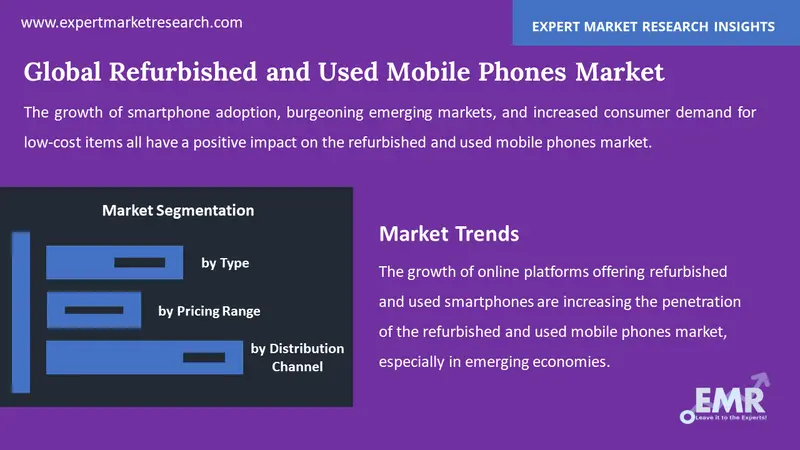
The EMR’s report titled “Global Refurbished and Used Mobile Phones Market Report and Forecast 2026-2035” offers a detailed analysis of the market based on the following segments:
Market Breakup by Type
Key Insight: The refurbished phones segment dominates the overall refurbished and used mobile phones market due to quality assurances and B2B compatibility, particularly for clients needing integration with warranty, security, and management layers. Used phones, however, represent the fastest-growing segment, driven by resource-constrained environments and small enterprises. Players are customising service levels, with refurbished phones aligning with mid-to-high end corporate needs, while used phones address grassroots-level connectivity gaps.
Market Breakup by Pricing Range
Key Insight: All three price ranges, considered in the refurbished and used mobile phones market report, including low, medium, and premium, serve distinct B2B requirements. Medium-priced models dominate the market for their optimal features and stable resale value, while low-priced phones are growing fastest as they scale access in underserved sectors. Premium models, although niche, cater to executive-level needs or branding-sensitive use cases. Firms are segmenting offerings with tailored SLAs, MDM, and logistics support based on pricing. For public agencies and NGOs, affordability continues to be favoured over features, however corporates prefer long-term value and ecosystem compatibility.
Market Breakup by Distribution Channel
Key Insight: While the online segment dominates the refurbished and used mobile phones market revenue share with speed, transparency, and automation, offline is emerging fast where human touch and localised service matter. Online is more prevalent in developed economies, while offline leads in emerging markets. Both channels are being tailored for B2B buyers with custom pricing, delivery SLAs, and technology integration.
Market Breakup by Region
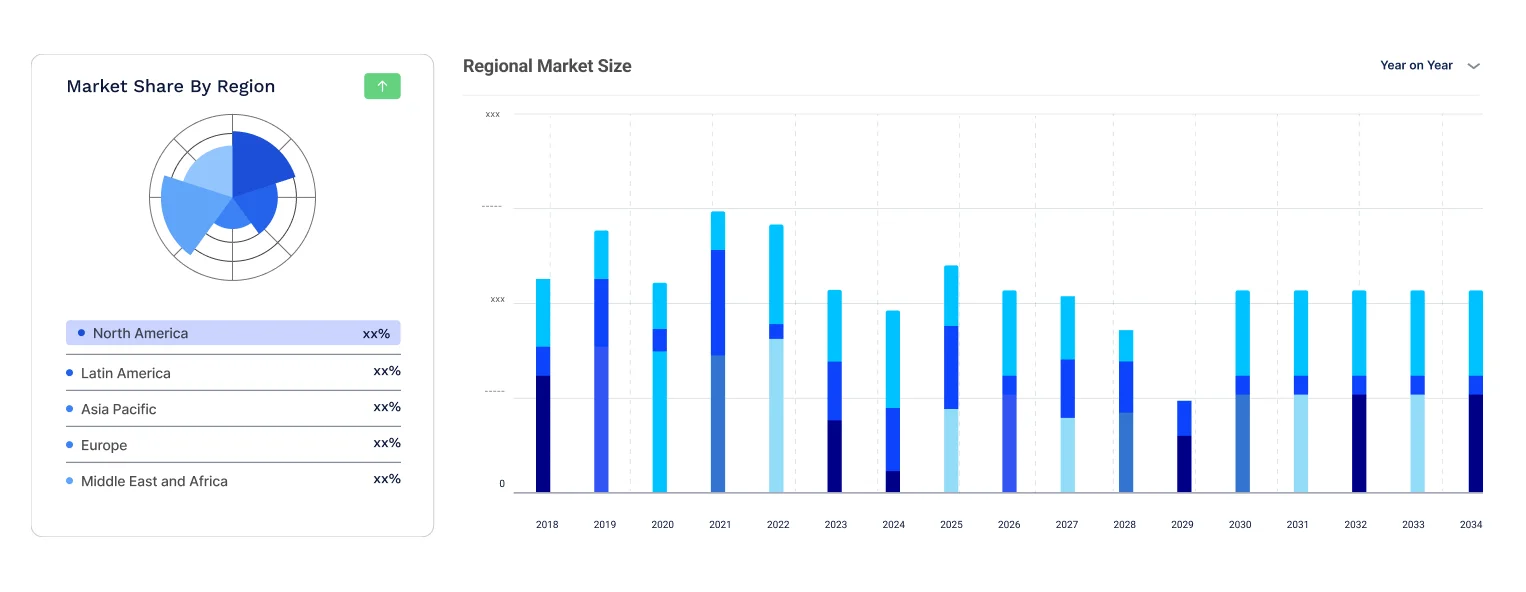
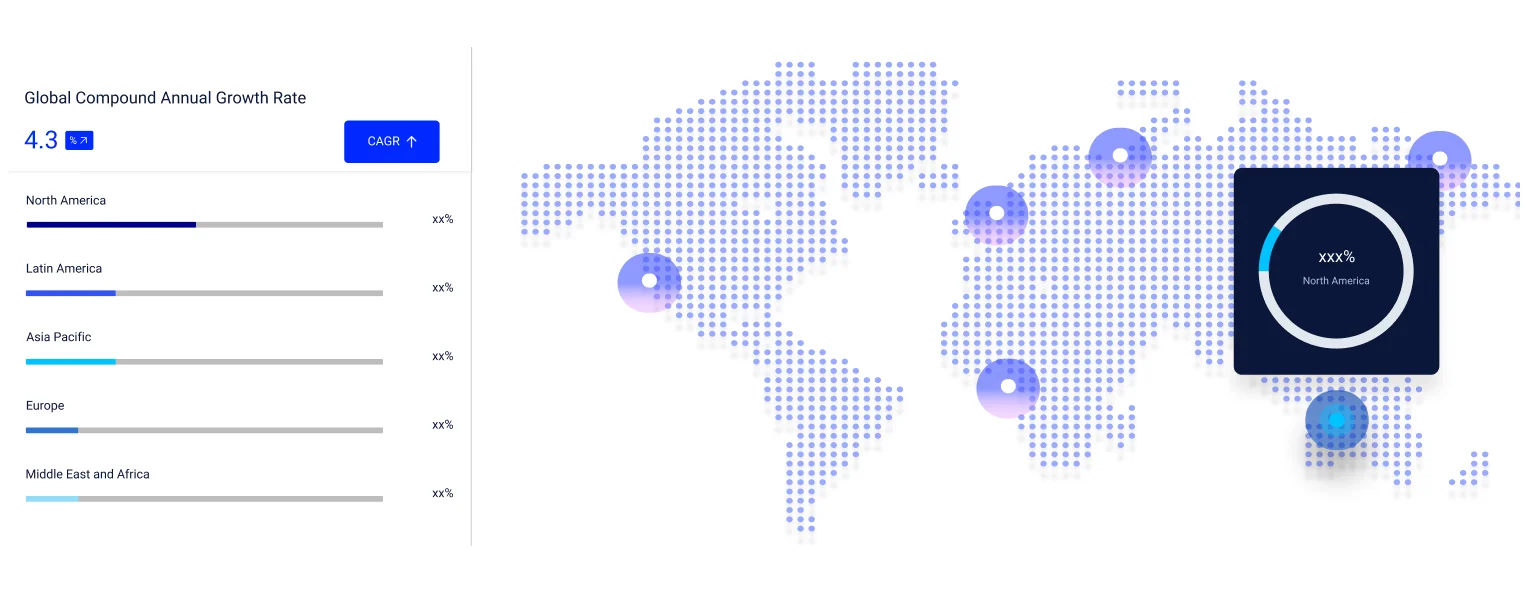
Key Insight: Currently, Asia Pacific dominates the global refurbished and used mobile phones market due to scale and public-private synergy. The market in Latin America is growing fast with telecom-led bundling and digital inclusion programmes. North America and Europe show strong refurb traction due to environmental regulation and corporate ESG mandates. The Middle East and Africa are increasing pace as mobile-first economies demand affordable hardware.
By Type, Refurbished Phones Account for the Dominant Share of the Market
Refurbished phones dominate the global refurbished and used mobile phones industry due to growing institutional contracts and verified warranties. Unlike used phones, they undergo systematic hardware and software quality checks, and are resold with certifications, boosting corporate trust. In Europe, demand is growing from SMBs seeking carbon-neutral procurement. Players like Recommerce and EcoATM are focusing on secure data erasure and warranty integration with MDM tools. The surge in B2B leasing models, where refurbished phones are offered with flexible returns, also fuels this particular segment’s growth.
Used phones are taking up bigger shape in the refurbished and used mobile phones market, particularly in Tier 2 and Tier 3 enterprise zones across Southeast Asia and Africa. These devices, often sourced via employee trade-ins or telecom upgrade exchanges, are growing in demand due to ultra-low pricing. In Kenya and Indonesia, NGOs and SMEs are increasingly opting for pre-owned phones to scale communication infrastructure at minimal cost. Unlike refurbished ones, used phones may lack full diagnostics but are sufficient for non-critical use-cases.
By Pricing Range, Medium-Priced Phones Occupy a Substantial Share of the Market Revenue
Medium-priced refurbished and used phones dominate the overall industry due to their balanced cost-to-spec ratio. These models offer performance suitable for corporate and educational deployments. In Australia and Canada, government procurement offices are sourcing refurbished iPhones and Samsung models under USD 350 for field operations, adding to the refurbished and used mobile phones market value. Resellers such as Swappie and Reboxed are bundling medium-priced devices with accessories and extended warranties, targeting SMEs and NGOs. Moreover, these models often provide top-tier features like facial recognition, NFC, and multi-band support.
Low-priced models are surging across Africa, South Asia, and Latin America refurbished and used mobile phones markets with B2B buyers like microfinance firms, NGOs, and school boards favouring cost over specs. Brands like Itel, Lava, and older Android models are dominating this price point. In Nigeria and Bangladesh, bulk procurement of ultra-low-cost phones is being done for digital onboarding and e-learning purposes. These phones may not be fast or feature-rich, but they provide enough utility to close the digital divide.
By Distribution Channel, the Online Segment Secures the Larger Share of the Market
As per the refurbished and used mobile phones market report, online sales dominate the industry due to scalability, direct-to-business options, and customisable portals for procurement teams. Marketplaces like Amazon Renewed, Back Market, and Flipkart’s ReCommerce division are offering procurement dashboards for bulk refurbished phone orders. Online channels enable dynamic pricing, real-time inventory, and product comparison, which are all essential for B2B buyers needing volume and traceability. Leading players are also integrating digital warranty registration and logistics APIs to sync with buyers’ procurement platforms.
Offline channels are expanding rapidly in emerging economies, where physical verification and post-sales support matter more than online listings, accelerating the refurbished and used mobile phones market revenue. Companies like Cashify and Fonewallah are opening B2B-focused refurbishing stores in India and Kenya, targeting institutions and micro-enterprises. These outlets often offer trade-in services, on-site servicing, and demonstration kits, which are valued by clients deploying phones in rural environments. Offline sales are supported by regional distributor networks and field sales teams offering instant invoicing and localised credit terms.
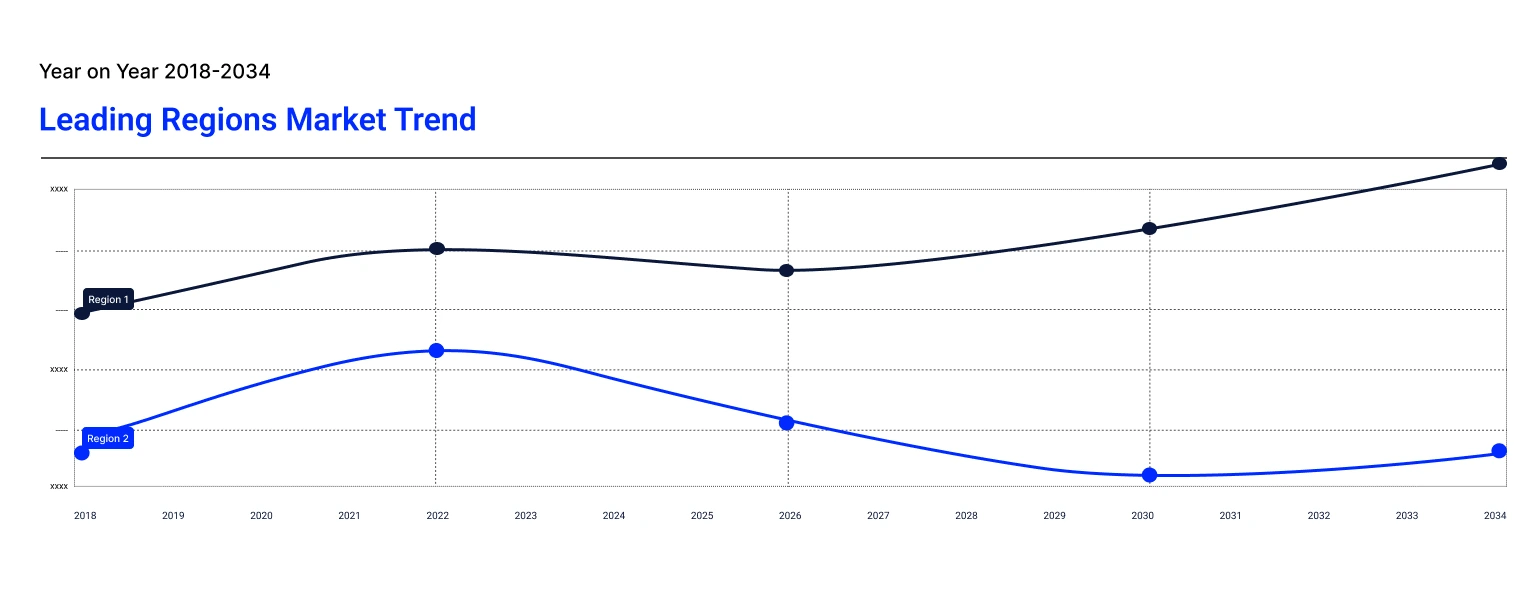
By Region, Asia Pacific Holds the Leading Position in the Market
The Asia Pacific refurbished and used mobile phones market is driven by the increasing demand from India, China, and Southeast Asia. Companies like Yaantra and Flipkart Renewed are opening up scope for B2B partnerships between telecom firms and schools. Regional governments like Vietnam and Indonesia have launched “Digital First” initiatives, sourcing bulk refurbished phones to fast-track connectivity. Moreover, e-waste policies in China and India are now mandating recyclers to refurbish electronics before disposal. Demand has also become robust across corporate, SME, and public sectors, driven by price sensitivity, growing digital adoption, and government-enabled supply chains.
Latin America is emerging as the fastest-growing refurbished and used mobile phones market as telecom firms and fintechs deploy low-cost devices for customer acquisition. In Brazil and Colombia, operators are offering refurbished devices bundled with prepaid plans and credit apps. Government-backed policies in Chile and Argentina are incentivising local repair hubs. Start-ups like Trocafone are enabling trade-in programmes in urban and peri-urban zones. NGOs across Mexico and Peru are ordering used phones in bulks for disaster relief and education.
The refurbished and used mobile phones market players are innovating with predictive diagnostics, AI-led grading, and integration with carbon tracking tools. Cross-sector partnerships are rising as OEMs are working with logistics and MDM providers to offer bundled solutions. The market currently boasts a visible trend of creating vertically integrated models, where players handle sourcing, diagnostics, resale, and after-sales service in-house or via franchise hubs.
Additionally, refurbished and used mobile phones companies are embedding software services like fleet monitoring and repair forecasting, making refurbished phones B2B-compatible. Some are also integrating APIs with enterprise resource planning (ERP) systems to ensure seamless inventory and device lifecycle management. The market witnesses an emerging focus on circular-as-a-service models, where leasing and upgrade plans are offered to SMEs through subscription bundles. Startups in Europe and Southeast Asia are further leveraging blockchain to trace device authenticity, offering tamper-proof certification and reducing grey-market concerns.
Founded in 1976 and headquartered in California, United States, Apple offers verified devices with full warranty support. The company has integrated refurbished phone sales into its ESG roadmap, with carbon-neutral hubs planned across Europe and Asia. Apple collaborates with educational institutions and corporates through volume refurb contracts, often pairing devices with iCloud and MDM tools.
Headquartered in Suwon, South Korea, and founded in 1969, Samsung operates a global certified refurbished platform called Samsung ReNew. It partners with telecoms in regions like India and UAE to deliver warranty-backed devices under ESG procurement contracts. Samsung also offers enterprise-level support for refurbished phones, with Knox security and device management tools included.
Established in 1994 and based in Seattle, United States, Amazon runs the Amazon Renewed programme, catering to both retail and B2B segments. It allows bulk procurement through customised dashboards, real-time inventory access, and extended service terms. Amazon is working with device graders, logistics firms, and third-party refurb partners to streamline turnaround time and warranty support.
Headquartered in Texas, United States and founded in 1983, AT&T offers refurbished smartphones through its business mobility division. It focuses on enterprise-grade devices bundled with connectivity plans, mobile security tools, and ongoing device lifecycle support. AT&T is actively promoting device buyback and refurbishment loops through internal sustainability initiatives.
*Please note that this is only a partial list; the complete list of key players is available in the full report. Additionally, the list of key players can be customized to better suit your needs.*
Other key players in the market are Flipkart Internet Private Limited, Reboxed Limited, FoneGiant.com, Verizon, Kempf Enterprises Limited, and Nippon Telephone Inc., among others.
Explore the latest trends shaping the Refurbished and Used Mobile Phones Market 2026-2035 with our in-depth report. Gain strategic insights, future forecasts, and key market developments that can help you stay competitive. Download a free sample report or contact our team for customized consultation on Refurbished and Used Mobile Phones Market trends 2026.


Upto 15% Off
USD
$3999 $3599
$2499 $2249
$4999 $4249
$5999 $5099


*While we strive to always give you current and accurate information, the numbers depicted on the website are indicative and may differ from the actual numbers in the main report. At Expert Market Research, we aim to bring you the latest insights and trends in the market. Using our analyses and forecasts, stakeholders can understand the market dynamics, navigate challenges, and capitalize on opportunities to make data-driven strategic decisions.*
Get in touch with us for a customized solution tailored to your unique requirements and save upto 35%!
In 2025, the refurbished and used mobile phones market reached an approximate value of USD 66.54 Billion.
The market is projected to grow at a CAGR of 6.50% between 2026 and 2035.
The market is estimated to witness a healthy growth in the forecast period of 2026-2035 to reach USD 124.90 Billion by 2035.
Key strategies driving the market include forming OEM-logistics-tech alliances, investing in AI refurb chains, localising diagnostic hubs, embedding carbon analytics, and developing region-specific B2B bundles with compliance and ESG guarantees to scale trust and impact.
Key trends aiding market expansion include the rising costs of new smartphones, availability of refurbished and used mobile phones on online platforms, and reduction in feature-upgrades in new mobile phones.
The major regions in the market are North America, Europe, the Asia Pacific, Latin America, and the Middle East and Africa.
The market based on pricing range is segmented into low-priced, medium-priced, and premium.
The lifespan of a refurbished or used mobile phone depends upon multiple factors, such as the manufacturing date, durability, and condition of the mobile phone. Refurbished mobile phones may last longer as their quality has been checked and repairs made.
The primary distribution channels in the market are online and offline.
Key players in the market are Apple Inc., Samsung Electronics Co. Ltd, Amazon.com, Inc., AT&T Inc., Flipkart Internet Private Limited, Reboxed Limited, FoneGiant.com, Verizon, Kempf Enterprises Limited, and Nippon Telephone Inc., among others.
The key challenges are inconsistent global regulations, lack of standardised grading systems, warranty management complexity, and limited consumer trust in used devices.
Explore our key highlights of the report and gain a concise overview of key findings, trends, and actionable insights that will empower your strategic decisions.
| REPORT FEATURES | DETAILS |
| Base Year | 2025 |
| Historical Period | 2019-2025 |
| Forecast Period | 2026-2035 |
| Scope of the Report |
Historical and Forecast Trends, Industry Drivers and Constraints, Historical and Forecast Market Analysis by Segment:
|
| Breakup by Type |
|
| Breakup by Pricing Range |
|
| Breakup by Distribution Channel |
|
| Breakup by Region |
|
| Market Dynamics |
|
| Competitive Landscape |
|
| Companies Covered |
|
Single User License
One User
USD 3,999
USD 3,599
tax inclusive*
Datasheet
One User
USD 2,499
USD 2,249
tax inclusive*
Five User License
Five User
USD 4,999
USD 4,249
tax inclusive*
Corporate License
Unlimited Users
USD 5,999
USD 5,099
tax inclusive*
*Please note that the prices mentioned below are starting prices for each bundle type. Kindly contact our team for further details.*
Flash Bundle
Small Business Bundle
Growth Bundle
Enterprise Bundle
*Please note that the prices mentioned below are starting prices for each bundle type. Kindly contact our team for further details.*
Flash Bundle
Number of Reports: 3
20%
tax inclusive*
Small Business Bundle
Number of Reports: 5
25%
tax inclusive*
Growth Bundle
Number of Reports: 8
30%
tax inclusive*
Enterprise Bundle
Number of Reports: 10
35%
tax inclusive*
How To Order

Select License Type
Choose the right license for your needs and access rights.

Click on ‘Buy Now’
Add the report to your cart with one click and proceed to register.

Select Mode of Payment
Choose a payment option for a secure checkout. You will be redirected accordingly.
Gain insights to stay ahead and seize opportunities.

Get insights & trends for a competitive edge.

Track prices with detailed trend reports.

Analyse trade data for supply chain insights.

Leverage cost reports for smart savings

Enhance supply chain with partnerships.

Connect For More Information
Our expert team of analysts will offer full support and resolve any queries regarding the report, before and after the purchase.
Our expert team of analysts will offer full support and resolve any queries regarding the report, before and after the purchase.
We employ meticulous research methods, blending advanced analytics and expert insights to deliver accurate, actionable industry intelligence, staying ahead of competitors.
Our skilled analysts offer unparalleled competitive advantage with detailed insights on current and emerging markets, ensuring your strategic edge.
We offer an in-depth yet simplified presentation of industry insights and analysis to meet your specific requirements effectively.





Share