

Consumer Insights
Uncover trends and behaviors shaping consumer choices today
Procurement Insights
Optimize your sourcing strategy with key market data
Industry Stats
Stay ahead with the latest trends and market analysis.

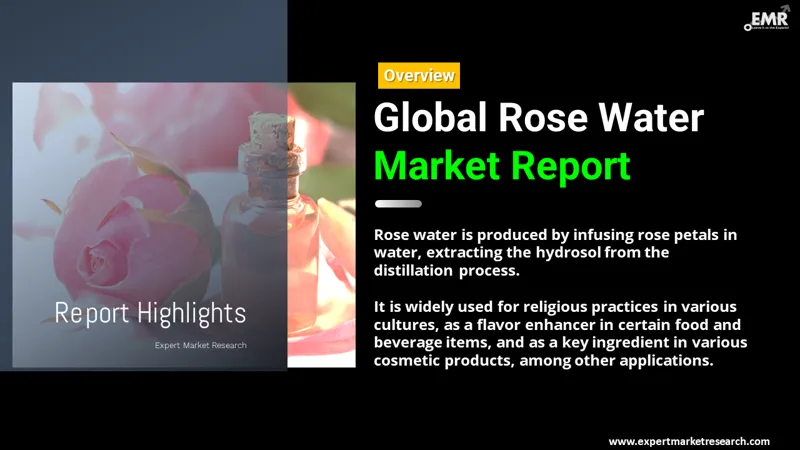
The global rose water market attained a value of USD 513.25 Million in 2025 and is projected to expand at a CAGR of 7.60% through 2035. The market is further expected to achieve USD 1067.71 Million by 2035. Rising adoption of rose water in pharmaceutical excipients is accelerating demand, as formulators value natural solvents, documented purity standards, and stable aroma chemistry for regulated topical and oral drug manufacturing.
Premiumization in personal care and expanding halal-certified ingredient demand are creating fresh opportunities. Beauty brands are paying higher prices for traceable, alcohol-free rose water, while Middle Eastern buyers favor certified sourcing. In parallel, e-commerce sampling programs are helping small-scale distillers reach overseas formulators faster, accelerating demand in the rose water market. These factors are improving cash flows for producers, encouraging investment in distillation technology, quality testing, and long-term farming partnerships across emerging supply regions with better export margins.
Suppliers are prioritizing pharmaceutical-grade purity and traceability, as buyers increasingly demand consistent aroma profiles, lower microbial counts, and documented origin for scalable applications across cosmetics, nutraceuticals, and specialty beverages. For example, companies like Alteya Organics are expanding their certified organic rose water portfolio by launching a steam-distilled Rosa damascena hydrosol aimed at food and beverage formulators.
Capacity expansion and upstream integration are reshaping competitive strategies in the global market. For example, in July 2024, the City of Pearland broke ground on the expansion of the Barry Rose Water Reclamation Facility (WRF) Replacement and Expansion project, which will increase the plant’s wastewater treatment capacity from 3.1 million gallons per day (MGD) to 5.0 MGD to address the community’s growing needs. Leading processors are upgrading facilities to improve yield stability and reduce batch losses. These investments support long-term supply contracts with multinational beauty brands seeking predictable input costs, accelerating the rose water market growth.
Base Year
Historical Period
Forecast Period
Compound Annual Growth Rate
7.6%
Value in USD Million
2026-2035
*this image is indicative*
| Global Rose Water Market Report Summary | Description | Value |
| Base Year | USD Million | 2025 |
| Historical Period | USD Million | 2019-2025 |
| Forecast Period | USD Million | 2026-2035 |
| Market Size 2025 | USD Million | 513.25 |
| Market Size 2035 | USD Million | 1067.71 |
| CAGR 2019-2025 | Percentage | XX% |
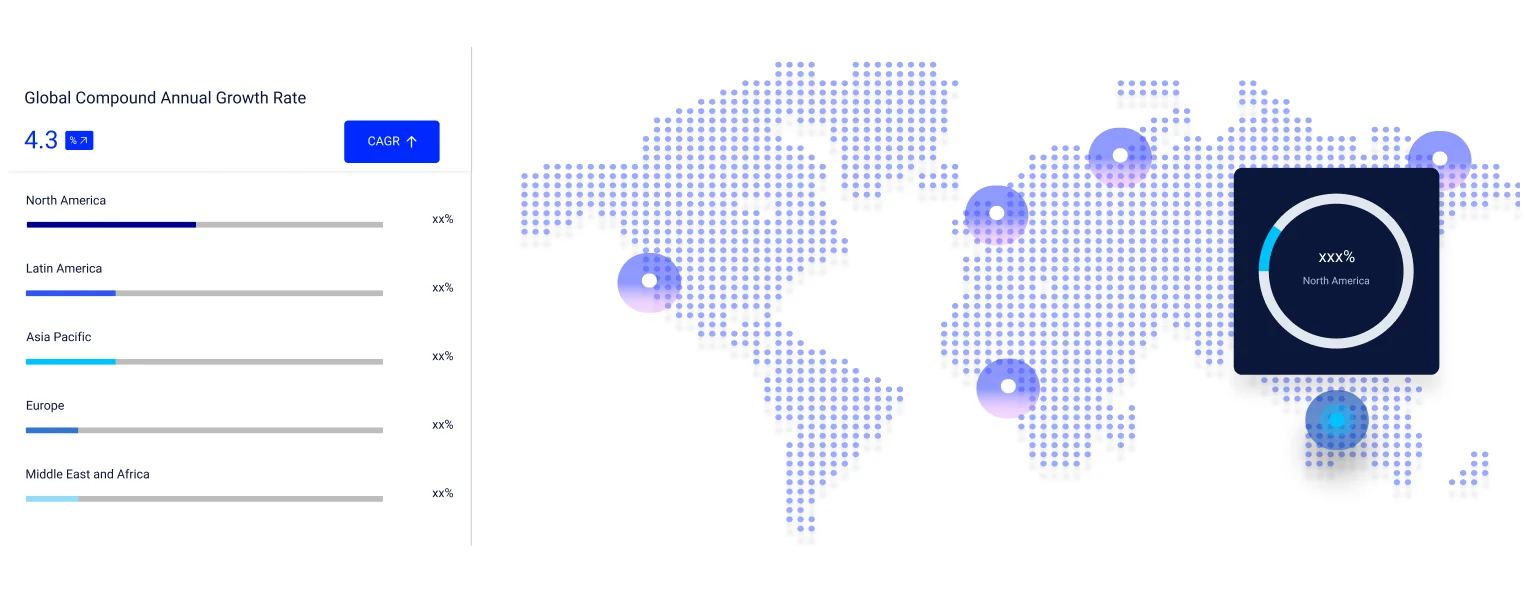
| CAGR 2026-2035 | Percentage | 7.60% |
| CAGR 2026-2035 - Market by Region | Asia Pacific | 9.8% |
| CAGR 2026-2035 - Market by Country | India | 11.3% |
| CAGR 2026-2035 - Market by Country | Canada | 9.4% |
| CAGR 2026-2035 - Market by Application | Cosmetics and Personal Care | 8.4% |
| CAGR 2026-2035 - Market by Distribution Channel | Direct Sales | 8.7% |
| Market Share by Country 2025 | Brazil | 2.7% |
Rose water suppliers are increasingly aligning production with pharmaceutical excipient standards to secure long term contracts. In July 2023, India’s Ministry of AYUSH encouraged standardized herbal inputs for licensed formulations, accelerating demand for validated rose distillates. Manufacturers are investing in GMP compliant distillation, sterile filtration, and batch traceability. For example, Upakarma Ayurveda offers rose water and aloe vera skincare products which retail on its dedicated e-commerce store as well as on multi-brand online marketplaces throughout India. This trend in the rose water market allows suppliers to move beyond seasonal cosmetic demand and enter regulated supply chains. Government-backed quality frameworks are indirectly pushing rose water toward higher margin medical and therapeutic applications globally.
Cosmetics brands are driving demand for traceable and origin-specific rose water variants. Bulgaria’s Ministry of Agriculture continues supporting Rosa damascena cultivation through export focused subsidies, strengthening supply for premium skincare brands. Several French beauty houses are shifting their sourcing hubs to certified Bulgarian distillers to ensure aroma consistency. These trends help brands justify premium pricing and reduce formulation risks, sustaining overall rose water market value. Companies like Santoor offer RoseGlo variant, which is being offered at a more premium price range as compared to their Sandal and Turmeric soap variant.
Food and beverage formulators are emerging as a high value category for rose water. Beverage brands are using rose water in functional drinks and syrups targeting premium urban consumers. Suppliers are developing low bitterness, microbiologically stable variants suited for thermal processing. For example, in October 2024, Nova Dairy launched Lassi in both savory and sweet varieties, with options infused with rose water or fruits for a contemporary twist. This application-specific innovation supports higher pricing and repeat orders. Regulatory clarity on natural flavor usage is encouraging multinational beverage companies to sign multiyear sourcing agreements with distillers across Asia, Europe, and Middle East rose water markets with stable volumes.
Halal and alcohol-free certification is shaping procurement strategies in the global industry. Governments across the Gulf Cooperation Council are tightening ingredient compliance for personal care imports. For instance, since January 2025, Saudi Arabia increased inspections for cosmetic ingredients, favoring certified rose water suppliers. Producers are investing in halal accredited distillation lines and segregation systems. This improves access to institutional buyers and retail chains. For instance, Kama rosewater is a non-alcoholic refresher that helps remove residue from previous cleansing processes, such as makeup removal. This trend in the rose water market supports long term contracts and encourages foreign direct investment inflows into certified processing facilities across regions.
Vertical integration between rose farming and distillation is gaining momentum. Distillers partnering directly with growers are securing consistent flower quality and pricing. This reduces raw material volatility and improves forecasting. Integrated models also support sustainability claims demanded by global buyers. By controlling upstream inputs, suppliers are shortening lead times and improving margins, accelerating the overall rose water market value. Indian home-grown brands like BoondFragrances are launching pure rose water, using the traditional ‘Deg-Bhapka’ method from locally sourced flowers in Kannauj, pure distillate of Damask roses.
Read more about this report - REQUEST FREE SAMPLE COPY IN PDF
The EMR’s report titled “Global Rose Water Market Report and Forecast 2026-2035” offers a detailed analysis of the market based on the following segments:
Market Breakup by Type
Key Insight: The rose water market by type reflects different buyer priorities. Rosa Damascena leads due to scale reliability and regulatory comfort. Rosa Centifolia supports premium positioning through softer fragrance and brand storytelling. On the other hand, Rosa Gallica plays a selective role, often used in traditional remedies and localized formulations. In November 2023, Crodarom launched Phytessence French Rose EC, an innovative extract from Rosa gallica. Each type serves a defined purpose within procurement strategies.
Market Breakup by Application
Key Insight: Cosmetics and personal care capture a significant share of the market due to scale and formulation repeatability. As per industry research, in 2023, the cosmetics sales in the United States account for more than 37% of the entire industry revenue. Medicinal use grows through regulatory alignment and wellness adoption. Food and beverages offer selective opportunities tied to premium positioning. Other applications remain fragmented but stable. Each segment as considered in the rose water market report, demands different quality parameters. This segmentation allows producers to balance high volume and high margin applications.
Market Breakup by Distribution Channel
Key Insight: Direct sales serve established manufacturers seeking stability, while indirect sales support emerging and regional buyers needing flexibility. Direct sales ensure baseline revenue and indirect sales support rose water market penetration. This balance helps manage demand fluctuations and improves geographic reach. For rose water suppliers, managing both effectively has now become a core commercial capability.
Market Breakup by Region
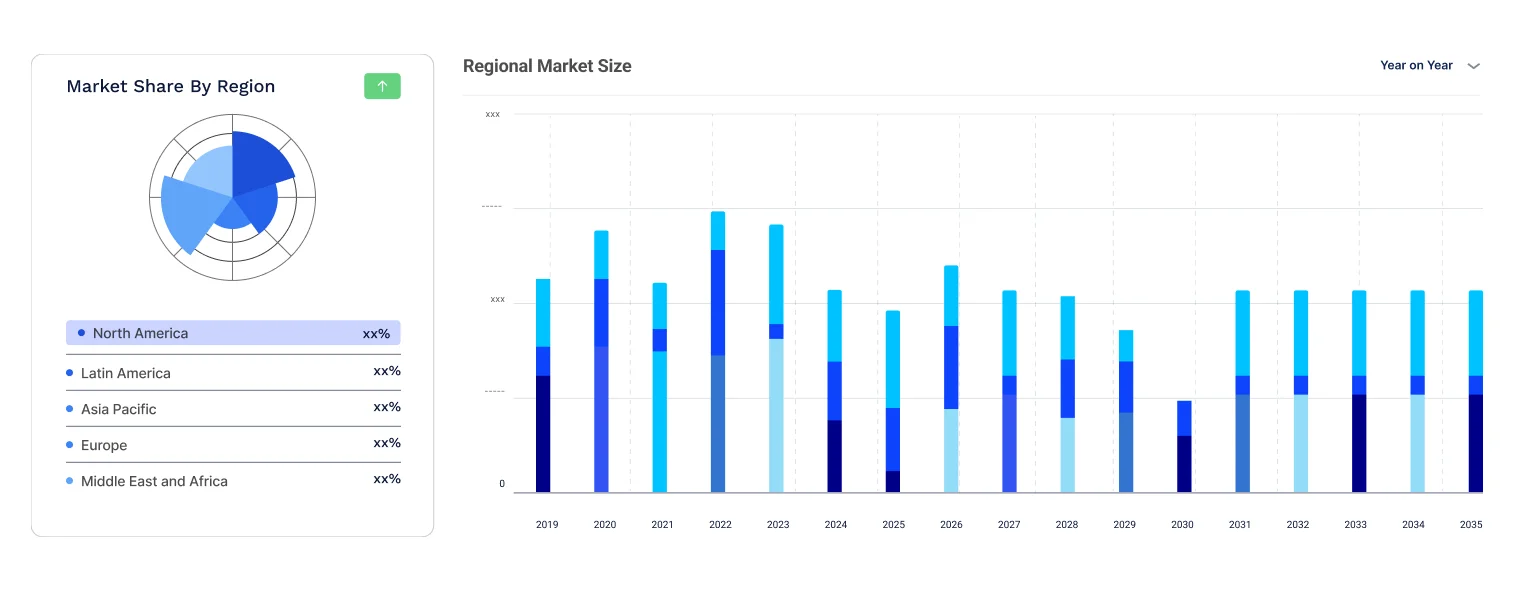
Key Insight: The rose water market in Europe maintains its dominant position through quality and export maturity. Asia Pacific grows through scale and cost efficiency, while the market in North America focuses on demand rather than production. Latin America remains niche but stable and Middle East and Africa support traditional consumption and selective exports. This regional balance helps stabilize global rose water trade while supporting both premium and volume driven demand pathways.
Read more about this report - REQUEST FREE SAMPLE COPY IN PDF
Rosa Damascena accounts for the largest market share due to superior aroma stability
Rosa Damascena dominates within the rose water market dynamics because it delivers consistent aroma chemistry across large batches. Large cosmetic and pharmaceutical buyers prefer this variety due to its high oil content and stable phenyl ethyl alcohol levels. Suppliers working with Damascena roses are better positioned to meet long term contracts where repeatability matters more than yield. This variety also adapts well to mechanized distillation, reducing processing losses.
Rosa Centifolia is rapidly expanding its share in the market as premium brands experiment with softer fragrance profiles. This variety appeals to niche skincare and wellness formulators seeking differentiation rather than volume. Producers are positioning Centifolia based rose water for luxury and artisanal product lines. The flower’s milder scent suits sensitive skin products. Suppliers are increasingly blending Centifolia output into limited batch offerings. For example, premium brands like Lancôme use a scented rose or Rose Centifolia to create its unique aromas.
By application, cosmetics and personal care lead the overall demand surge in the market due to formulation consistency needs
Cosmetics and personal care remain the dominant application due to repeat purchase behavior. Large beauty brands use rose water as a base ingredient across toners, creams, and mists. Demand is driven by clean label positioning and alcohol-free formulations. Rose water offers functional benefits while supporting natural branding claims. Companies like Purvari are launching Rose Water Mist (priced at USD 40) to help hydrate skin. These firms are developing mists to reduce redness, regulate sebum, brighten and soften dark spots, formulated with floral waters, undiluted herbal extracts and minerals.
Medicinal use is also expanding its share in the rose water market revenue as traditional and modern systems converge. Rose water is increasingly used in topical preparations and mild oral formulations. Buyers in this segment demand documented purity and traceable sourcing. This pushes suppliers toward pharmaceutical grade processes. Rose water’s mild anti-inflammatory and cooling properties support its inclusion in healthcare demand trends.
By distribution channel, direct sales dominate the market due to long term B2B supply agreements
Direct sales account for the largest share of the market because large-scale B2B buyers prefer controlled procurement. Cosmetics, pharma, and beverage manufacturers often engage suppliers directly, which reduces quality risks and improves traceability. Direct contracts allow better pricing predictability, and suppliers benefit from stable volumes and forecast clarity. B2B suppliers like Prakhar Aromatica provide rose water in bulk quantities, with prices ranging from INR 70 to INR 150 per liter, depending on the order volume, in India.
As per the rose water market report, indirect sales are growing through specialty ingredient distributors. Smaller buyers rely on distributors for flexibility. Distributors offer mixed portfolios and faster accessibility which suits emerging brands and regional formulators. This category’s growth is supported by digital procurement platforms. Suppliers benefit by reaching fragmented markets without heavy sales infrastructure.
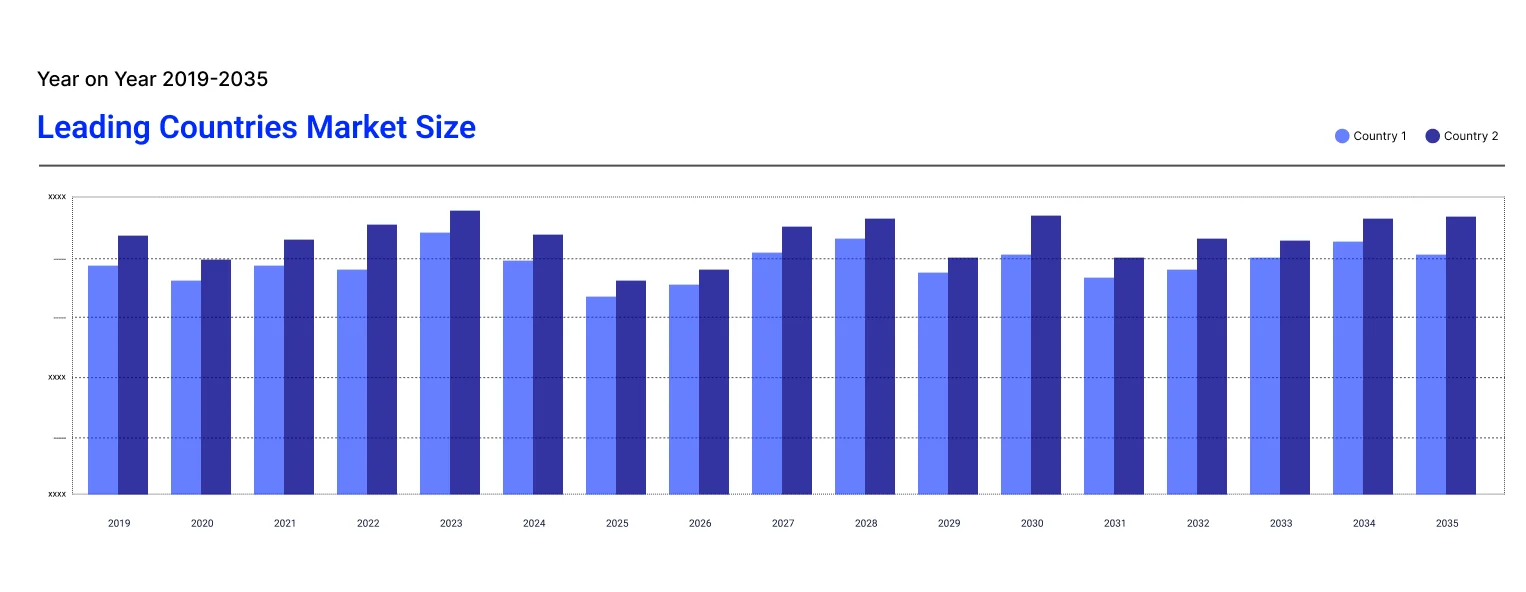
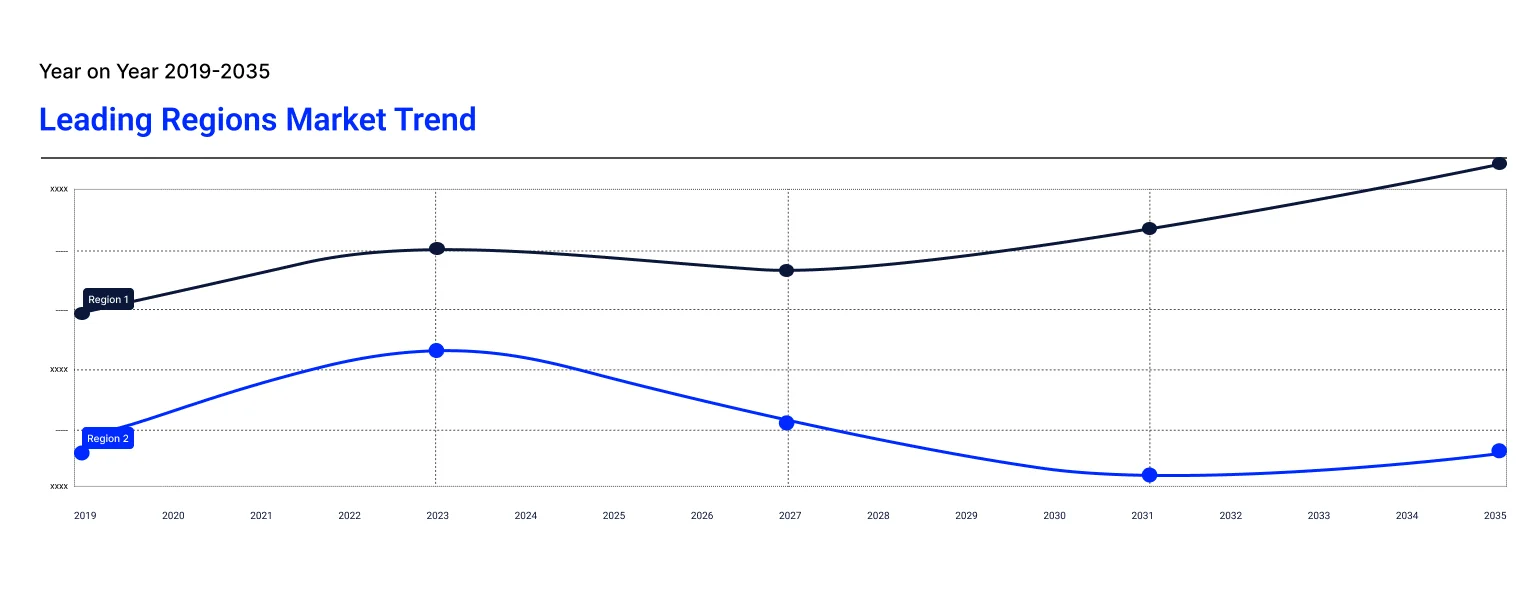
Europe secures the leading position of the market due to established cultivation and export systems
Europe dominates the rose water market through integrated cultivation and processing ecosystems. The region benefits from skilled labor and long-standing export networks. Buyers associate European rose water with quality assurance and traceability, thereby supporting premium pricing models. For example, in October 2024, the European Commission approved the addition of the product ‘Ροδόσταγμα Αγρού / Rodostagma Agrou / Agros Rosewater' from Cyprus to the register of Protected Geographical Indications (PGI). Suppliers in the region focus on standardized output and documentation. The region continues to serve as a benchmark supplier for regulated and premium markets across the world.
The rose water market in Asia Pacific is growing fast due to expanding end use industries. The region supports large-scale cultivation and improving processing capacity, accelerating both local demand and export interest. Suppliers are investing in modernizing their distillery equipment to meet global standards. As technical capabilities, quality control, and compliance standards improve, international buyers are placing greater trust in Asia Pacific suppliers for long-term partnerships and diversified sourcing strategies.
| CAGR 2026-2035 - Market by | Country |
| India | 11.3% |
| China | 9.4% |
| Canada | 9.4% |
| USA | 8.1% |
| Australia | 6.7% |
| Japan | 5.9% |
| UK | XX% |
| Germany | XX% |
| France | XX% |
| Italy | XX% |
| Saudi Arabia | XX% |
| Brazil | XX% |
| Mexico | XX% |
Competition in the market is shifting from volume selling to capability-led positioning. Rose water market players are focusing on purity control, origin transparency, and application-specific formulations. Cosmetic-grade consistency and pharmaceutical-aligned documentation are becoming key differentiators. Opportunities are emerging in premium private-label manufacturing, halal-certified supply chains, and long-term sourcing contracts with multinational beauty and wellness brands.
Several rose water companies are also investing in backward integration to stabilize flower quality and pricing. Smaller brands are finding space through niche positioning, while global players are leveraging scale to secure upstream access. The competitive edge increasingly depends on how well companies align product specifications with the buyers’ compliance needs rather than price alone.
Established in 1999, Alteya Inc. is headquartered in the United States and is known for certified organic rose water production. The company controls its own rose fields and distillation units, enabling full traceability. Alteya focuses on steam-distilled, food- and cosmetic-grade rose water, supplying both branded and private-label clients. Its strength lies in meeting EU and US organic standards while offering consistent aroma profiles.
Founded in 2011 and based in the United Kingdom, Poppy Austin Limited targets the clean beauty segment. The company uses rose water as a key ingredient in facial care products, emphasizing alcohol-free and sensitive-skin formulations. It caters mainly to digital-first and specialty retail channels. Poppy Austin focuses on branding and formulation simplicity rather than upstream production.
Founded in 1909 and headquartered in France, L'Oréal S.A. integrates rose water into select skincare and dermo-cosmetic lines. The company sources botanical ingredients through controlled supplier networks, emphasizing sustainability and formulation stability. L’Oréal’s scale allows it to influence quality benchmarks across the supply chain.
Established in 2016 and based in the United States, Eve Hansen operates in the premium natural skincare segment. The brand uses rose water in facial mists and cleansers, targeting conscious consumers. Eve Hansen prioritizes clean labels, cruelty-free sourcing, and gentle formulations. While not a bulk buyer, its influence lies in shaping consumer expectations. This indirectly supports demand for high-quality rose water inputs among contract manufacturers serving similar natural beauty brands.
*Please note that this is only a partial list; the complete list of key players is available in the full report. Additionally, the list of key players can be customized to better suit your needs.*
Other key players in the market include Albert Vieille SAS, Bioprocess LLC, Dabur India Ltd., Vesselino Ltd., RGB Paris - Rose of Bulgaria, Azelis Group, S.A.S. Jean GAZIGNAIRE, SINGHAI FRAGRANCES, SVA Naturals, Taj Pharma Group, and Biosash Business Pvt. Ltd., among others.
Unlock the latest insights with our rose water market trends 2026 report. Discover regional growth patterns, consumer preferences, and key industry players. Stay ahead of competition with trusted data and expert analysis. Download your free sample report today and drive informed decisions in the market.


Upto 15% Off
USD
$2499 $2249
$3999 $3599
$4999 $4249
$5999 $5099


*While we strive to always give you current and accurate information, the numbers depicted on the website are indicative and may differ from the actual numbers in the main report. At Expert Market Research, we aim to bring you the latest insights and trends in the market. Using our analyses and forecasts, stakeholders can understand the market dynamics, navigate challenges, and capitalize on opportunities to make data-driven strategic decisions.*
Get in touch with us for a customized solution tailored to your unique requirements and save upto 35%!
In 2025, the market reached an approximate value of USD 513.25 Million.
The market is projected to grow at a CAGR of 7.60% between 2026 and 2035.
The market is estimated to witness a healthy growth in the forecast period of 2026-2035 to reach around USD 1067.71 Million by 2035.
Investing in traceable sourcing, upgrading distillation technology, targeting regulated buyers, forming long-term supply contracts, and diversifying applications are helping stakeholders strengthen margins and reduce demand volatility.
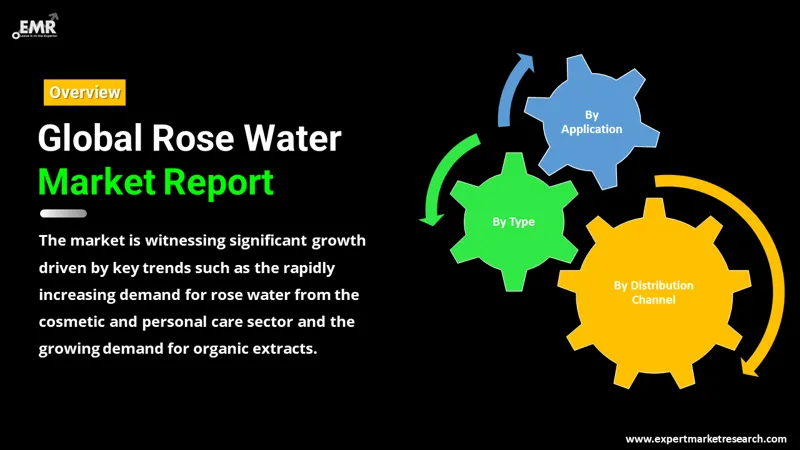
Rapidly increasing demand for rose water in the cosmetic and personal care sector and increasing demand for organic rose extracts are the key trends propelling the growth of the market.
The major regions in the market are North America, Europe, the Asia Pacific, Latin America, and the Middle East and Africa.
Rosa centifolia, rosa gallica, and rosa damascene are the different types of rose water.
The various applications of rose water are cosmetics and personal care, medicinal use, and food and beverages, among others.
The major distribution channels of rose water are direct sales and indirect sales.
Rose water acts as a natural toner and is considered suitable for daily use on the face, however, in case of any skin irritation, usage should be discontinued.
The key players in the market include Alteya Inc., Poppy Austin Limited, L'Oréal S.A., Eve Hansen, Albert Vieille SAS, Bioprocess LLC, Dabur India Ltd., Vesselino Ltd., RGB Paris - Rose of Bulgaria, Azelis Group, S.A.S. Jean GAZIGNAIRE, SINGHAI FRAGRANCES, SVA Naturals, Taj Pharma Group, and Biosash Business Pvt. Ltd., among others.
Supply seasonality, inconsistent flower yields, rising certification costs, aroma variability, and tightening regulatory documentation requirements continue challenging scalability and margin stability for rose water producers globally.
Explore our key highlights of the report and gain a concise overview of key findings, trends, and actionable insights that will empower your strategic decisions.
| REPORT FEATURES | DETAILS |
| Base Year | 2025 |
| Historical Period | 2019-2025 |
| Forecast Period | 2026-2035 |
| Scope of the Report |
Historical and Forecast Trends, Industry Drivers and Constraints, Historical and Forecast Market Analysis by Segment:
|
| Breakup by Type |
|
| Breakup by Application |
|
| Breakup by Distribution Channel |
|
| Breakup by Region |
|
| Market Dynamics |
|
| Competitive Landscape |
|
| Companies Covered |
|
Datasheet
One User
USD 2,499
USD 2,249
tax inclusive*
Single User License
One User
USD 3,999
USD 3,599
tax inclusive*
Five User License
Five User
USD 4,999
USD 4,249
tax inclusive*
Corporate License
Unlimited Users
USD 5,999
USD 5,099
tax inclusive*
*Please note that the prices mentioned below are starting prices for each bundle type. Kindly contact our team for further details.*
Flash Bundle
Small Business Bundle
Growth Bundle
Enterprise Bundle
*Please note that the prices mentioned below are starting prices for each bundle type. Kindly contact our team for further details.*
Flash Bundle
Number of Reports: 3
20%
tax inclusive*
Small Business Bundle
Number of Reports: 5
25%
tax inclusive*
Growth Bundle
Number of Reports: 8
30%
tax inclusive*
Enterprise Bundle
Number of Reports: 10
35%
tax inclusive*
How To Order

Select License Type
Choose the right license for your needs and access rights.

Click on ‘Buy Now’
Add the report to your cart with one click and proceed to register.

Select Mode of Payment
Choose a payment option for a secure checkout. You will be redirected accordingly.
Strategic Solutions for Informed Decision-Making
Gain insights to stay ahead and seize opportunities.

Get insights & trends for a competitive edge.

Track prices with detailed trend reports.

Analyse trade data for supply chain insights.

Leverage cost reports for smart savings

Enhance supply chain with partnerships.

Connect For More Information
Our expert team of analysts will offer full support and resolve any queries regarding the report, before and after the purchase.
Our expert team of analysts will offer full support and resolve any queries regarding the report, before and after the purchase.
We employ meticulous research methods, blending advanced analytics and expert insights to deliver accurate, actionable industry intelligence, staying ahead of competitors.
Our skilled analysts offer unparalleled competitive advantage with detailed insights on current and emerging markets, ensuring your strategic edge.
We offer an in-depth yet simplified presentation of industry insights and analysis to meet your specific requirements effectively.





Share